The Trinity as Understood by The Church of Jesus Christ of Latter-day Saints
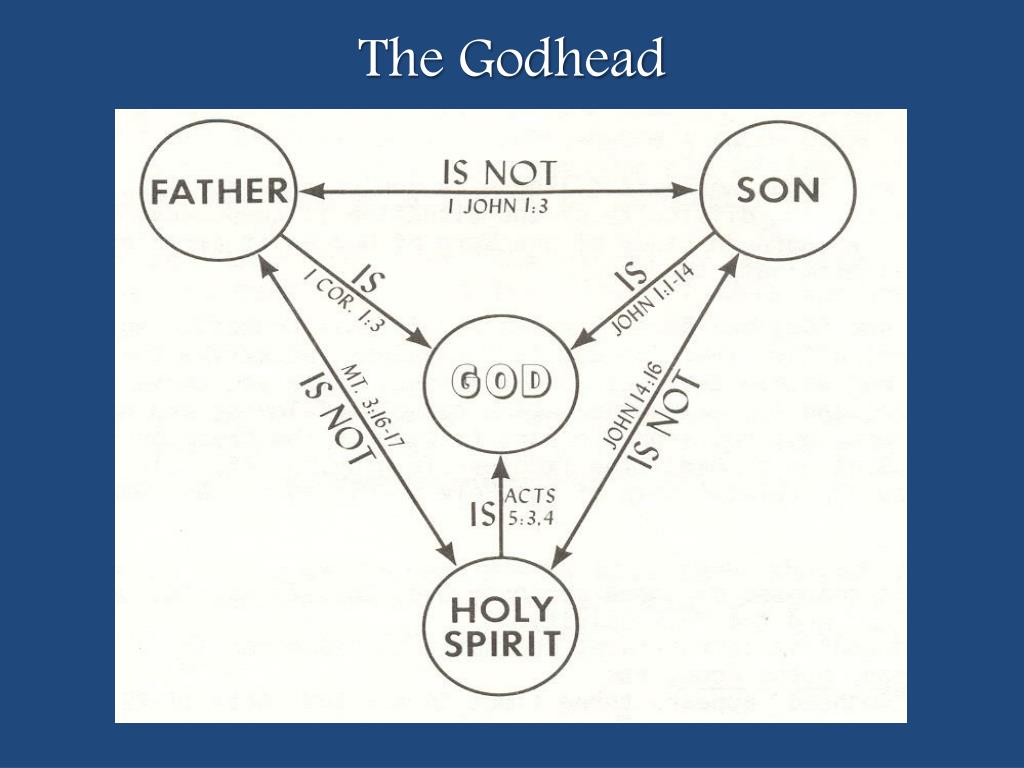
Latter-day Saints do not believe in the traditional Trinity; we believe in the Godhead, consisting of three distinct beings united in purpose.
The Godhead
LDS doctrine teaches that God the Father, Jesus Christ, and the Holy Ghost are three separate and distinct beings, not one singular entity as in traditional Christian Trinitarian doctrine, but they are perfectly united in purpose, will, and love.
This belief is expressed in the first Article of Faith: “We believe in God, the Eternal Father, and in His Son, Jesus Christ, and in the Holy Ghost.”
The term Godhead is used to describe this unity of purpose rather than a single substance.
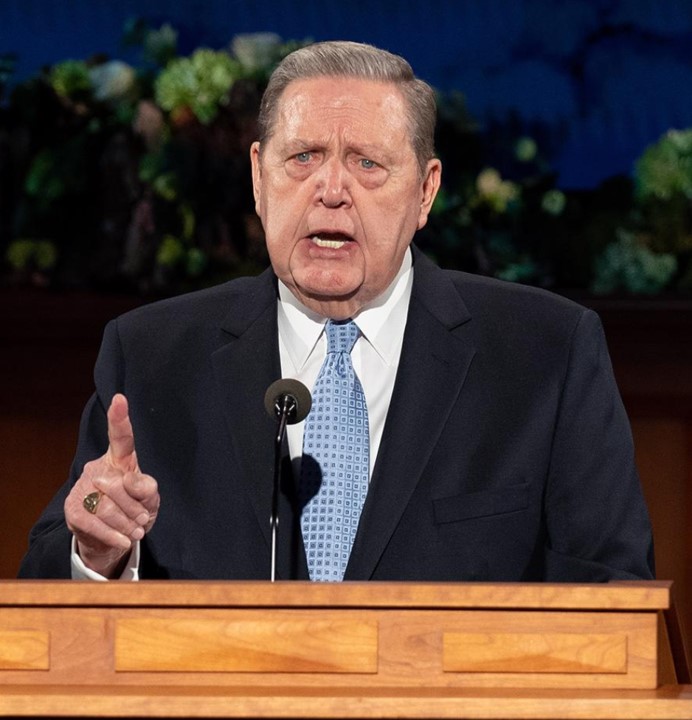
Elder Holland
Elder Holland speaks to students at Harvard Law on “why do these Mormons stir up such emotions in people and why are they not considered Christian by some?”
Elder Hollands Transcript beginning at the 11:52 mark.
“…One may wonder why do these Mormons stir up such emotions in people and why are they not considered Christian by some.
Let me conclude with just a few thoughts about that.
We are not considered Christian by some I suppose because we are not fourth century Christians. We are not Athanasian Christians we are not credal Christians of the brand that arose hundreds of years after Christ. No when we speak of restored Christianity we speak of the church as it was, not as it became when great councils were called to debate and anguish over what it is they really believed. So, if one means Greek influenced Council convening philosophy flavored Christianity of post-apostolic times then we’re not that kind of Christian.
Peter we know and Paul we know, but Constantine and Athanasius Athens and Alexandria generally we do not know; actually we know them we don’t follow them. Thus we teach that God the Father and his Son Jesus Christ are separate and distinct beings with glorified bodies of flesh and bone, as such we stand with the historical position that, I’m quoting the formal Doctrine of the Trinity as it was defined by the great Church councils of the fourth and fifth centuries, is not to be found in the New Testament.
We take literally at His word, that Christ came down from heaven not to do His own will, but the will of Him that sent Him. Of His antagonists Jesus said they have hated both Me and My Father and along with scores of other references including His pleading prayers. Jesus repeatedly subordinated Himself to His Father saying regularly one way or another My Father is greater than I.
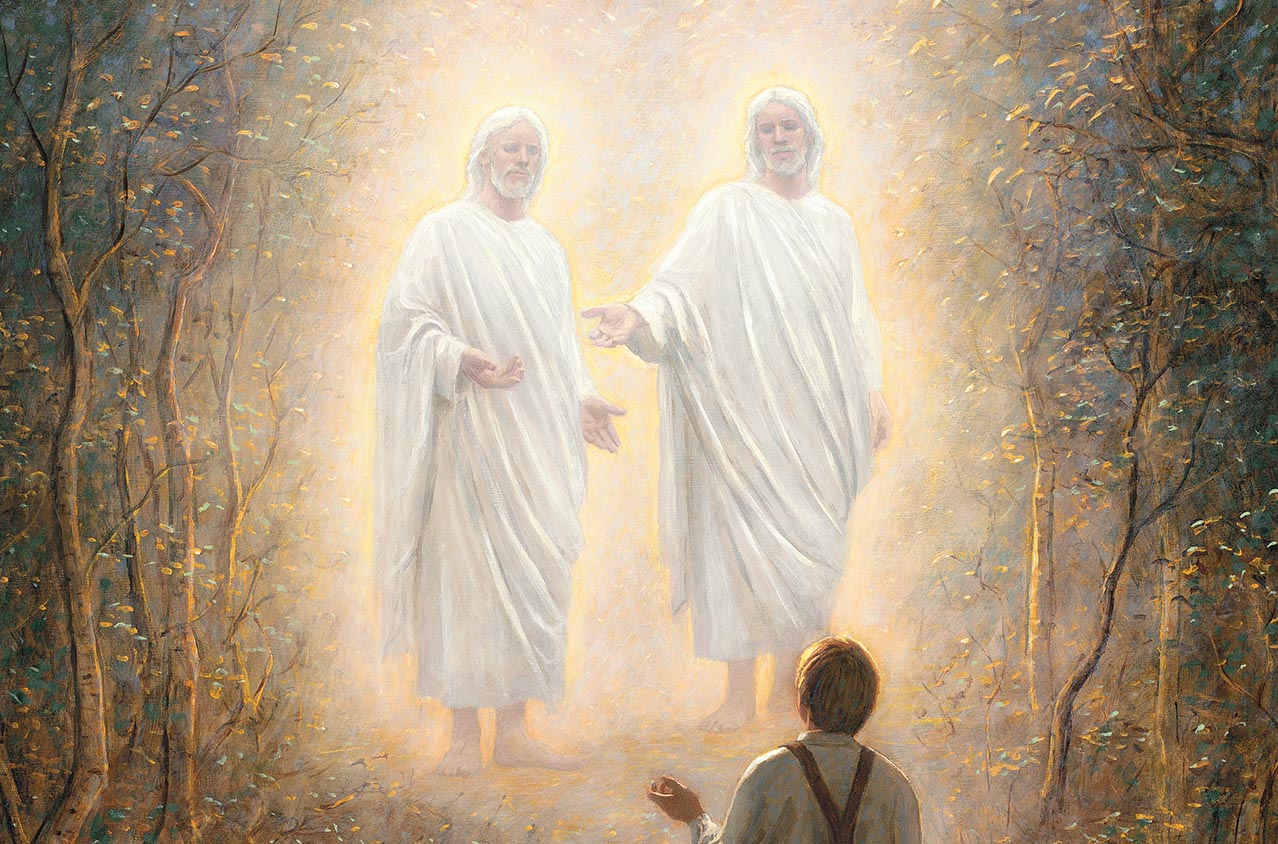
However, having made the point of Their separate and distinct physical nature, we declare unequivocally that They were indeed and Are one in every other conceivable way. In mind and deed in will and wish and hope and faith and purpose and intent and love. They are most assuredly much more alike than They are different in all the ways that I have just said. But They are separate and distinct beings as all fathers and sons are in this matter. We differ from traditional creedal Christianity, but we do feel we agree with the New Testament.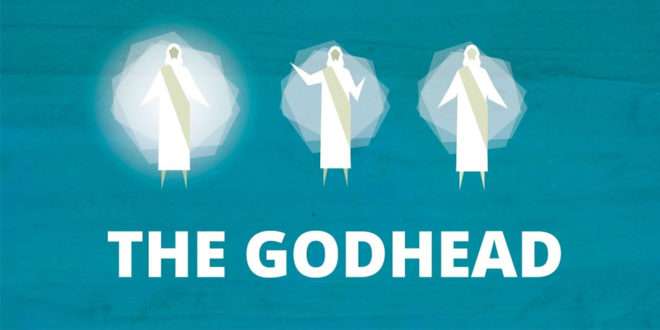
Next, we also differ from fourth and fifth century Christianity by declaring that the scriptural Cannon is not closed that the heavens are open with revelatory experience and that God meant what He said when He promised Moses, my works are without end and My words never cease.
We believe that God loves all His children and that He would never leave them for long without the instrumentality of prophets and apostles, authorized agents of His guidance and direction.
The Book of Mormon and other canonized scripture as well as the role of living oracles, witness to the fact that God continues to speak.
We agree enthusiastically with the insightful Protestant scholar who inquired on what Biblical or historical grounds has the inspiration of God been limited to, the written documents that the church now calls its Bible. If the spirit inspired only the written documents of the first century, does that mean that that same Spirit does not speak today about matters that are of significant concern?
Lastly for today we are unique in the modern Christian world regarding one matter which a prophet and president of the Church of Jesus Christ of Latter-day Saints called our most distinguishing feature. That is Divine priesthood authority to provide the saving sacraments the ordinances of the Gospel of Jesus Christ. The holy priesthood which has been restored to the earth by those who held it anciently, signals the return of divine authorization. It is different from all other man-made powers and authorities on the face of the earth. Without it, there could be a church in name , and it would be a church lacking in authority to administer in the things of God. His restoration of priesthood Authority eases centuries of questions and anguish among those who knew certain ordinances and sacraments were essential, but lived with the doubt as to who had the right to administer them.” YouTube Elder Jeffrey R. Holland Speaks at the Harvard Law School 3/20/2012. (Transcript has been copied from YouTube and edited by Rian Nelson. Errors may have been made with punctuation, color, and bold.)
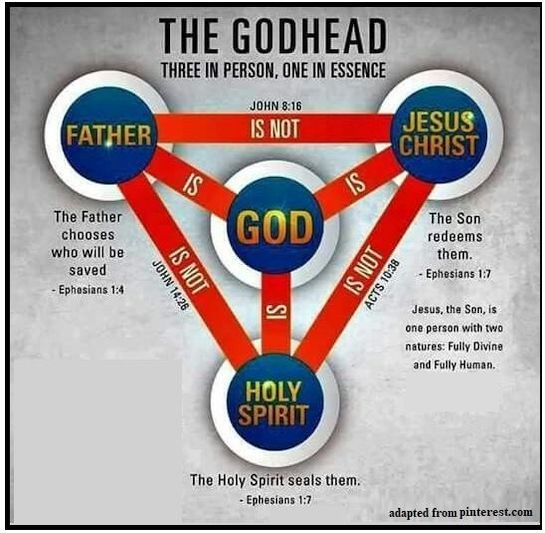
The Godhead vs. The Trinity – a respectful approach to analyzing the LDS vs. the Creedal approach to understanding who God and Christ are.
https://x.com/justin_hart/status/2065138871827063075?s=20
What was Christianity in the 4th Century?
“The 4th century (300–400 CE) was a transformative period in Christian history, marking the shift from a persecuted minority to a legally recognized and increasingly influential religion within the Roman Empire.
From Persecution to Legal Recognition
The century began under the Great Persecution of Emperor Diocletian (303–311), which destroyed churches, confiscated property, and imprisoned or executed Christians. This ended with Diocletian’s abdication in 305. In 313, Constantine the Great and Licinius issued the Edict of Milan, legalizing Christianity, restoring confiscated property, and ending state-sponsored persecution History of Christianity.
Constantine’s Role
After his victory at the Battle of the Milvian Bridge in 312, often linked to a vision of a cross, Constantine sought to unify the empire under a single faith. In 325 he convened the First Council of Nicaea, bringing bishops from across the empire to address theological disputes, especially the Arian Controversy over the divinity of Christ Early Christian Texts.
Theological Developments
The Council of Nicaea produced the Nicene Creed, affirming the consubstantiality of the Son with the Father. The controversy also involved the Melitian Schism and debates over the celebration of Easter Fourth Century Christianity. These councils laid the groundwork for the First Seven Ecumenical Councils (325–787) Wikipedia.
Church Structure and Influence
By the 4th century, bishops had become central figures, organizing local churches and acting as intermediaries between communities and the state. The church adopted Roman legal frameworks, gained property, and developed clearer hierarchies Early Christian Texts. Under Constantine, churches were built on an unprecedented scale, and bishops gained social and legal authority History of Christianity.
Imperial Patronage and Expansion
Constantine founded Constantinople in 330, shifting the empire’s center eastward and boosting the influence of the bishop of Constantinople History of Christianity. Christianity spread rapidly: Armenia (301), Georgia (324), Axum (c. 328), and the Roman Empire (380) adopted it as the state religion Wikipedia.
Later Developments
By 380, under Emperor Theodosius I, the Edict of Thessalonica made Nicene Christianity the sole state religion of the Roman Empire Wikipedia. The century’s transformation brought both prestige and new challenges, as the church navigated doctrinal disputes, imperial control, and the integration of Christian identity into Roman society.
In short, the 4th century reshaped Christianity’s theology, governance, and relationship with the state, setting the stage for its dominance in the medieval world.” AI CoPilot
What are Athanasian Christians?
“Athanasian Christians are those who affirm the Athanasian Creed, a historic Christian statement of faith that emphasizes the Trinity and the full divinity and humanity of Jesus Christ.
What the Athanasian Creed Says
The Athanasian Creed, also called Quicunque Vult (“Whosoever wishes”), is traditionally attributed to Athanasius of Alexandria and dates to around the early 5th century Wikipedia. It is one of the “classic” creeds, alongside the Apostles’ Creed, Nicene Creed, and Chalcedonian Creed Christianity.
Creedal Christians
Creedal Christians are those who affirm and adhere to specific creeds that summarize essential Christian beliefs, fostering unity and clarity in faith.
Definition and Significance
Creedal Christians are defined by their commitment to the historical creeds of the Christian faith, such as the Apostles’ Creed and the Nicene Creed. These creeds serve as concise statements of faith that encapsulate core Christian doctrines, including beliefs about the Trinity, the nature of Christ, and the church. The term “creedal” comes from the Latin word “credo,” meaning “I believe,” which reflects the affirmations made in these statements.” AI CoPilot
Again as Elder Holland said, “Thus we teach that God the Father and his Son Jesus Christ are separate and distinct beings with glorified bodies of flesh and bone, as such we stand with the historical position that, I’m quoting the formal Doctrine of the Trinity as it was defined by the great Church councils of the fourth and fifth centuries, is not to be found in the New Testament.”