“Where did the idea that the Book of Mormon occurred in central America originate? What historical evidence from Joseph Smith exists to support the many Mesoamerica theories speculating about its geography? Where did the Book of Mormon history really take place and what did the Prophet, Joseph Smith, know about it, if anything? BYU law school graduate, former JAG attorney and author Jonathan Neville has conducted one of the most important, monumental and history clarifying research on these subjects. His research has culminated in one of the most important books on the Book of Mormon that has been written, a book that will finally lay to rest speculation about where to complete our search for the evidence of the reality of the Book of Mormon, a book that reveals new research that is destined to become… THE SMOKING GUN OF BOOK OF MORMON GEOGRAPHY…”
Rod Meldrum
Saturday, June 11, 1842, was unusually cold in Boston, Massachusetts. It snowed in the city that day, the latest snow in Boston history. Also on that day, the Dollar Weekly Bostonian published the first in a series of articles written under a false name–a pseudonym–that were part of a scheme to change LDS thinking about the Book of Mormon. The scheme would misdirect Book of Mormon research for 173 years.
By 1842 standards, it was a simple plan, but there were complications. The now virtually unknown perpetrator–who will become known as the “Smoking Gun” of Book of Mormon geography –was well known at the time. He had to work anonymously. He had to work from a great distance. And he needed an accomplice, someone very close to the Prophet Joseph Smith whom no one would suspect until it was too late.
To pull off this scheme, it had to be an inside job.
It was brilliantly executed. The seeds sown by the conspirators in 1842 took root and prospered. Even today, the fruit is visible inside thousands of LDS chapels around the world, in the pages of Church manuals and magazines, and in illustrations published inside the Book of Mormon itself. Millions of people–members, investigators, and critics–have formed opinions and mental images of the Book of Mormon based on the work of the Smoking Gun.
Try this experiment. With your mind’s eye, picture Samuel the Lamanite on the city walls, preaching to the Nephites.

Did you see a man standing on top of a massive stone wall, his red cape blowing in the wind? The sun setting behind him? A muscular archer aiming directly for his heart? (Picture left)
If that is what you pictured, you are experiencing the influence of this man… the Smoking Gun of Book of Mormon geography.
Arnold Friberg, who painted that image of Samuel the Lamanite and eleven other paintings in the famous series on Book of Mormon events, specifically set his paintings in Central America. His painting titled “Lehi and His People Arrive in the Promised Land” includes white birds flying around the ship. Friberg explained, “The birds are not seagulls, but rather swallow-tailed roseate terns, which are found in the tropical waters around Central America. Such details helped define the geographic location for this painting.” Smoking Gun of Book of Mormon Geography.
Why did Friberg choose a Central American setting? Why do so many people–perhaps most members of the Church today–think Book of Mormon events took place in Mesoamerica?
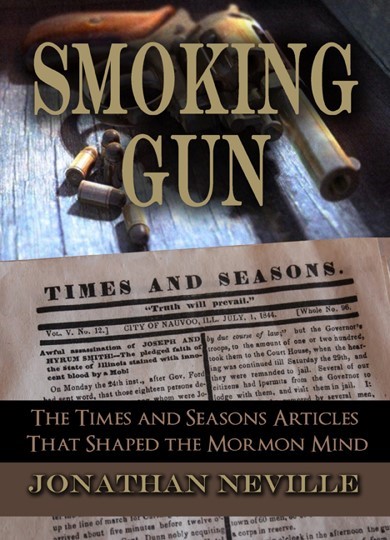
It was the work of a small group of men, led by the Smoking Gun.
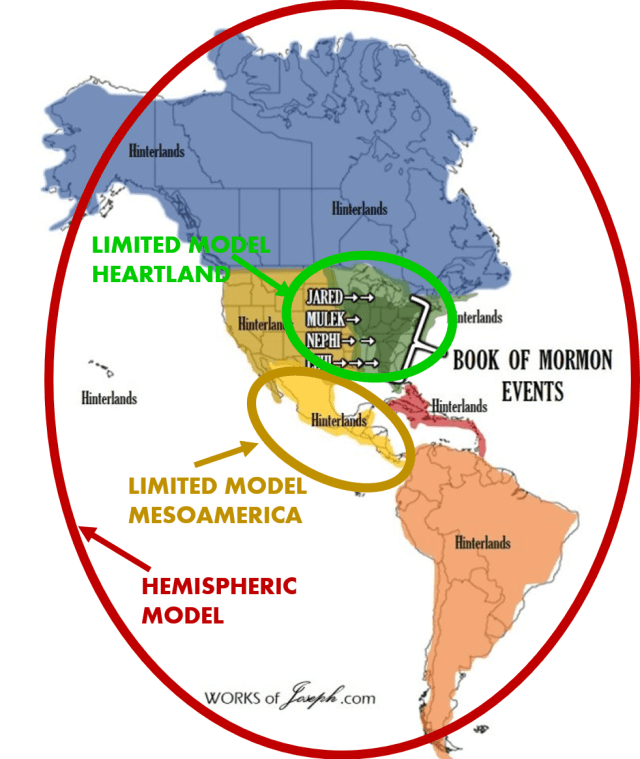
Early church members speculated that the Book of Mormon events took place across the Americas. The “narrow neck of land” had to be Panama, they guessed, while the Nephites lived in North America and the Lamanites in South America. Such a hemispheric model might have made sense in a day when people did not have accurate maps–let alone satellites–to reveal the distances and geography involved. But Joseph Smith made statements that, had they been more widely known, likely would have focused the Saints’ attention on a smaller geographic area.
Joseph Smith’s view
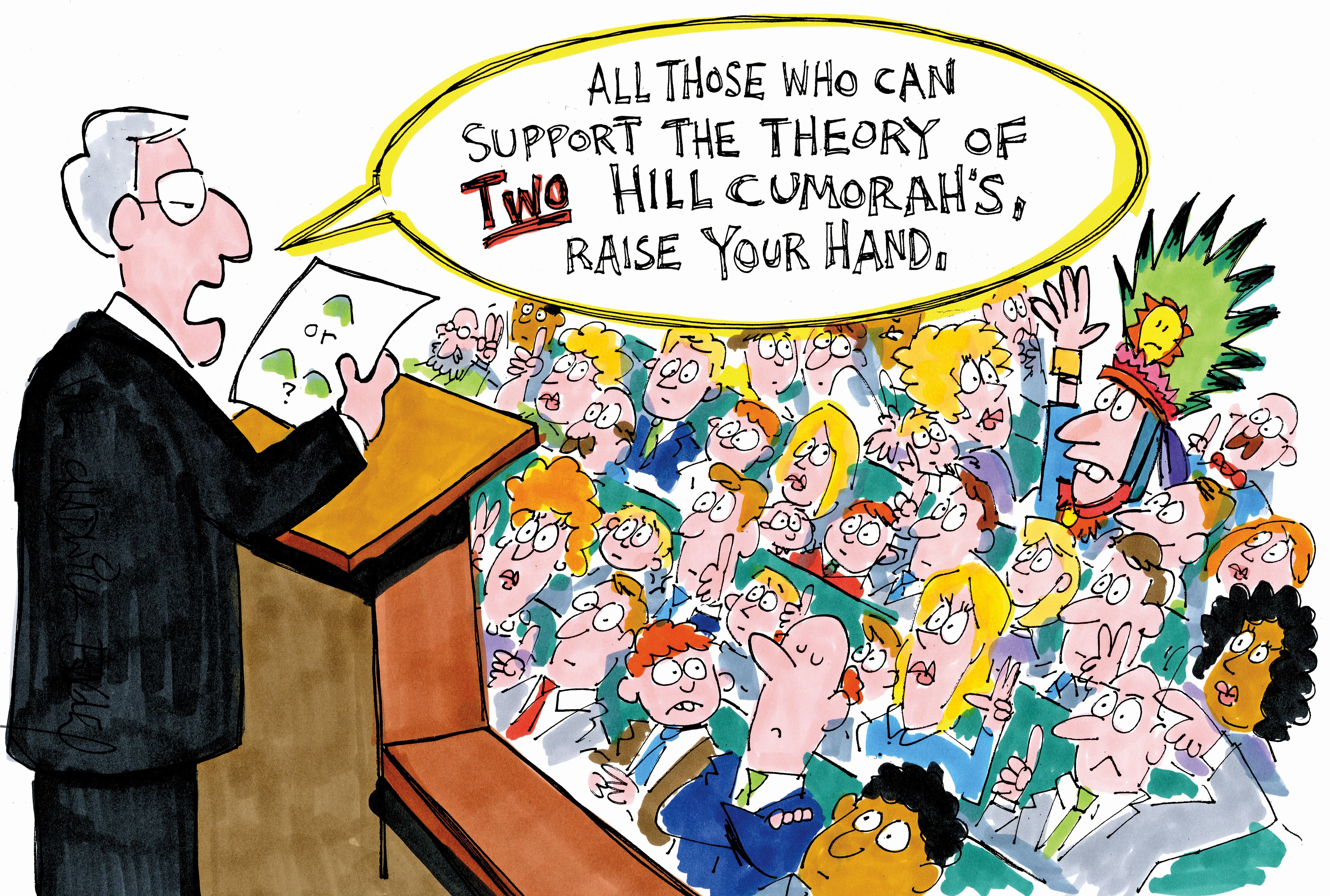
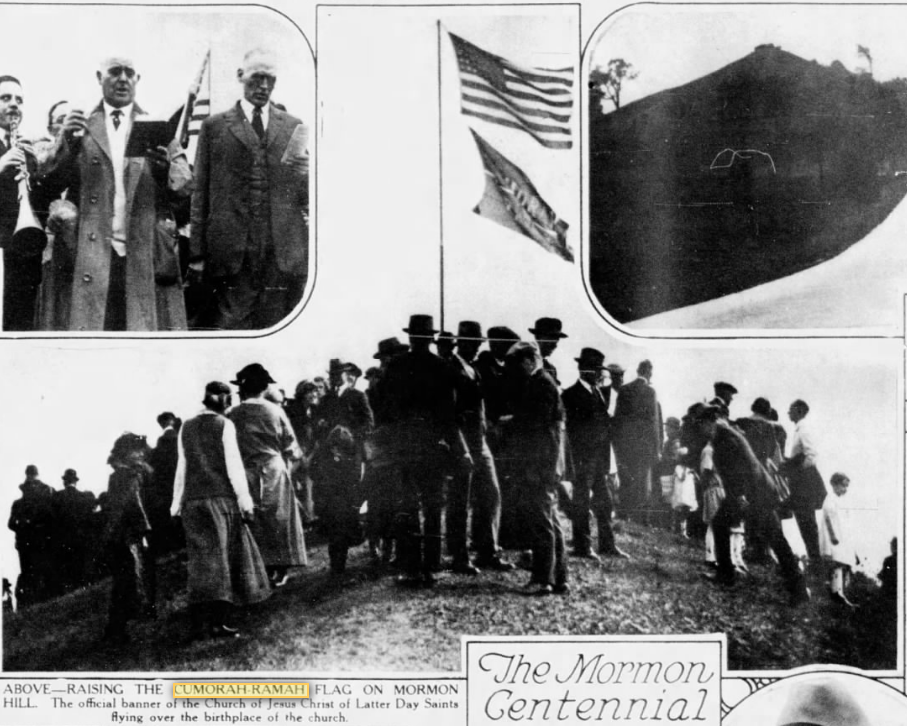
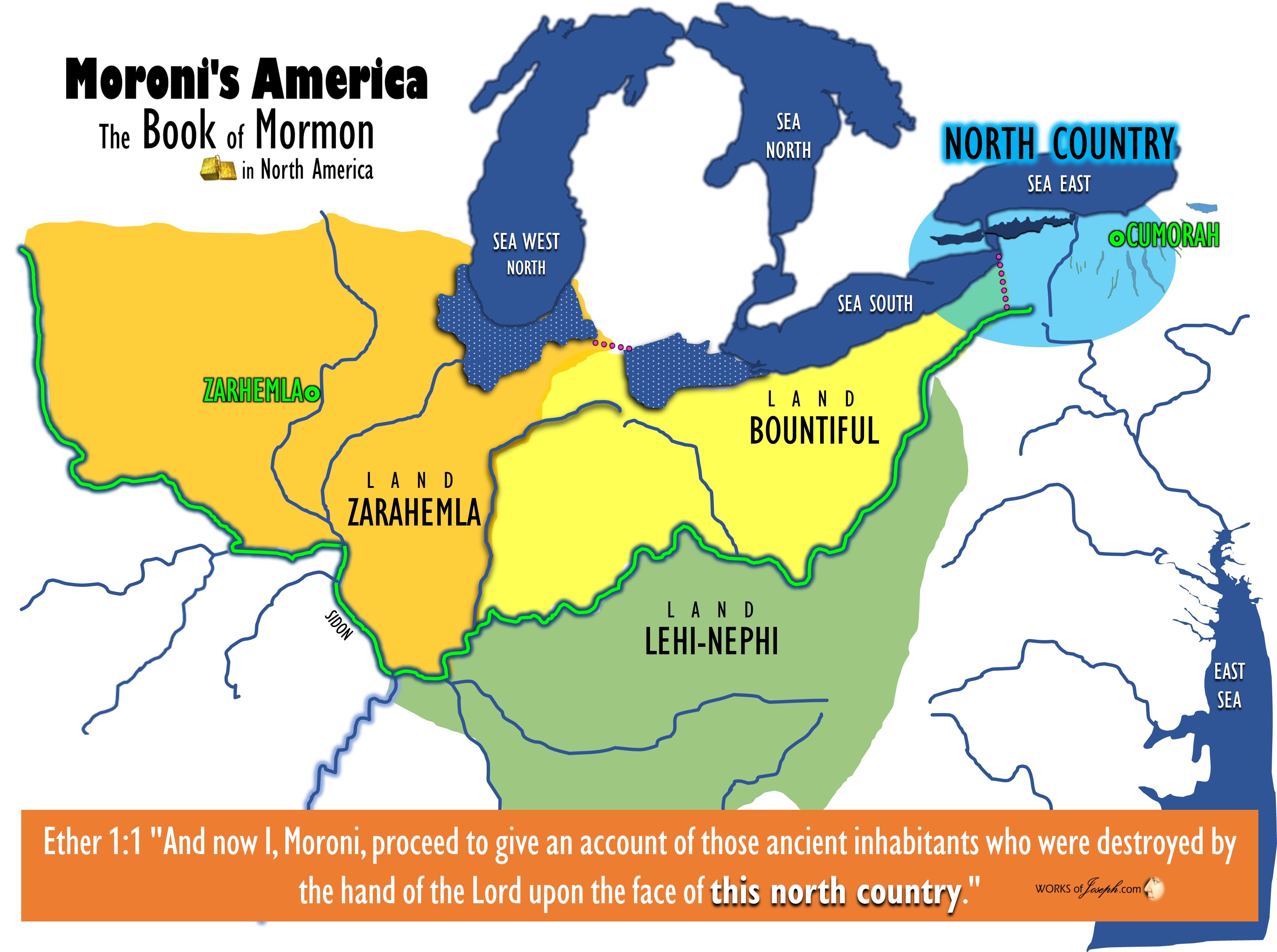
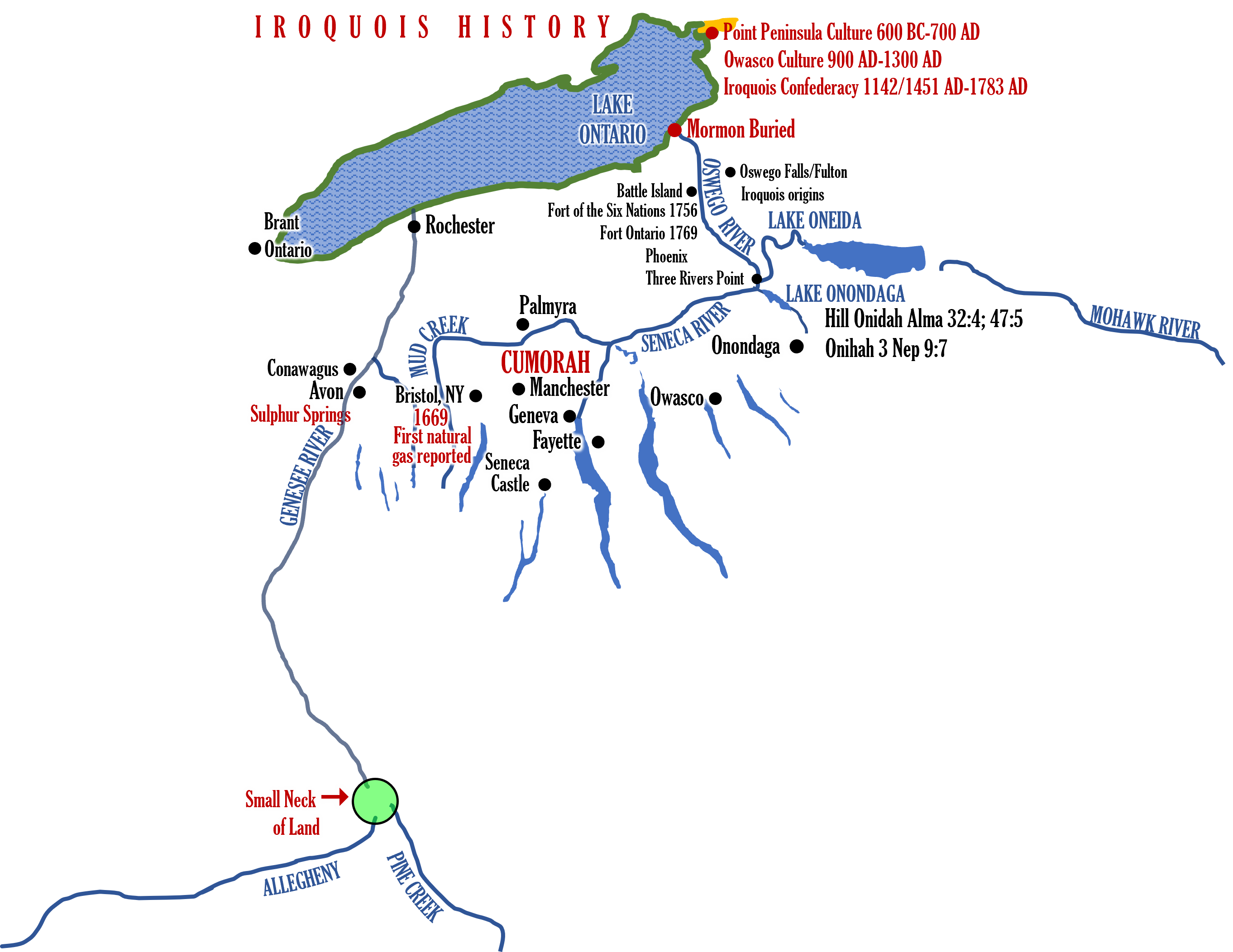
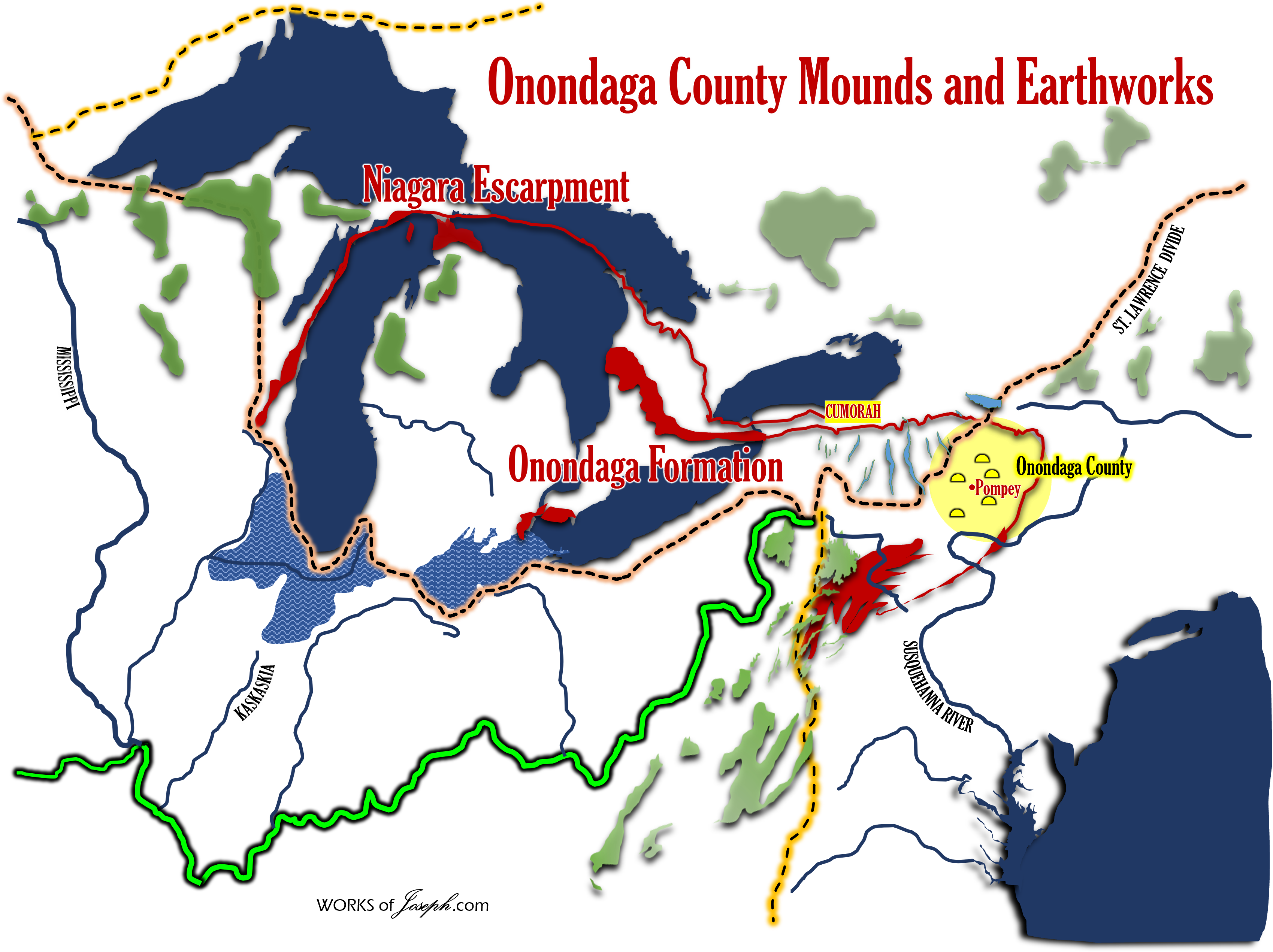
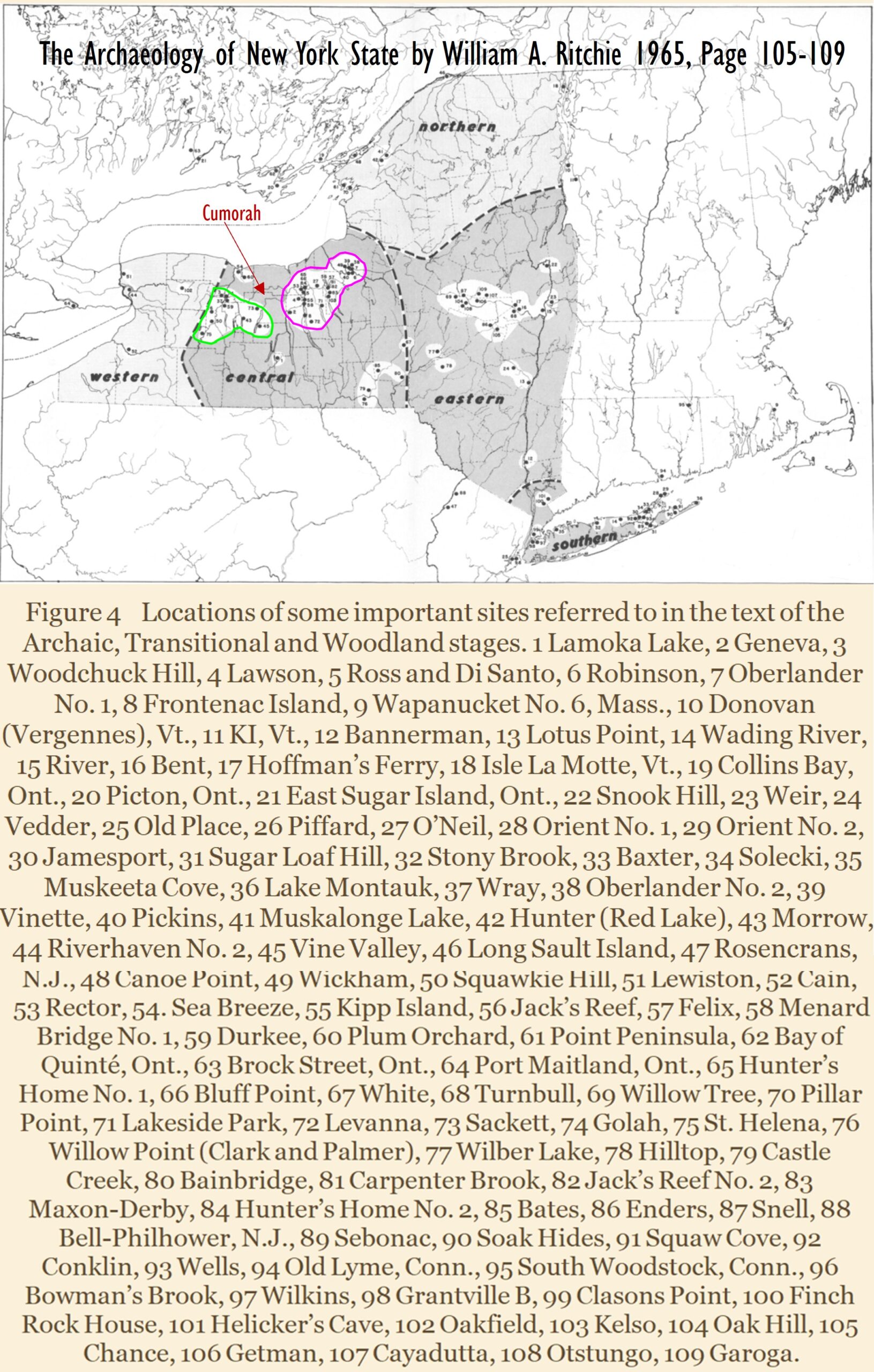
The Book of Mormon text mentions only one site–Cumorah–that relates to a modern location. Cumorah is where the last great battles were fought, and is also the place where Joseph Smith obtained the plates. Some people believe there is one Cumorah; others believe there are two, one in New York and another–the scene of the last battles–in Mesoamerica. This raises the question, how did Joseph Smith’s Cumorah end up in Mesoamerica?
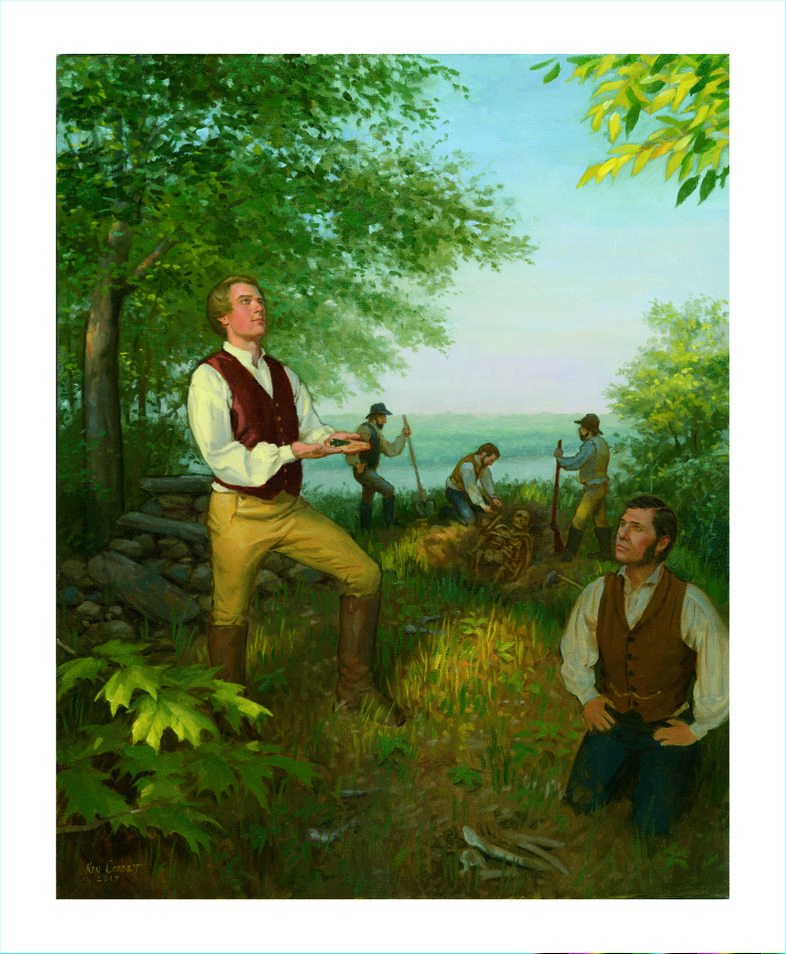
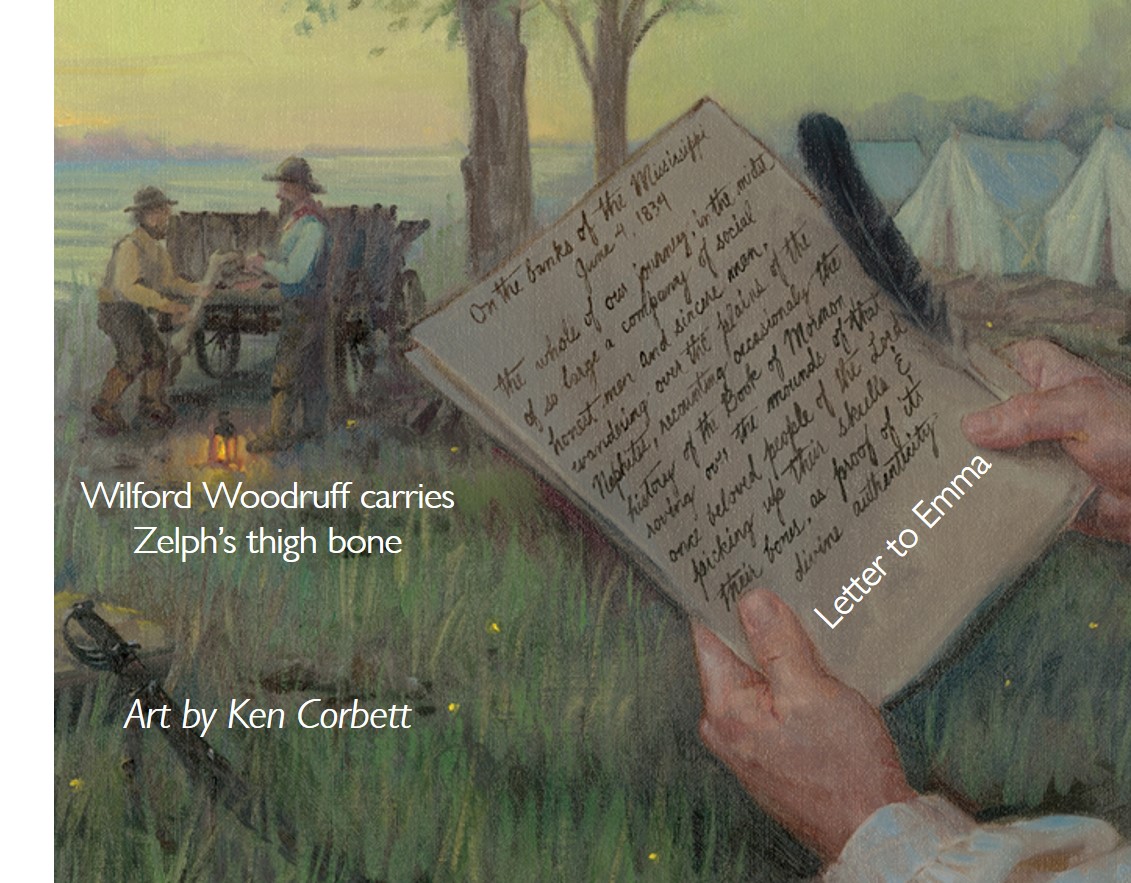
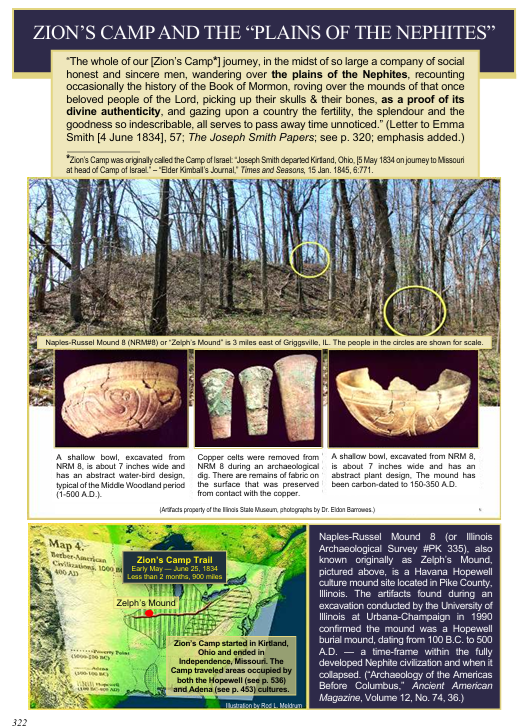
After crossing Ohio, Indiana, and Illinois as part of Zion’s Camp in 1834, Joseph wrote a letter to his wife Emma. He described “wandering over the plains of the Nephites, recounting occasionally the history of the Book of Mormon, roving over the mounds of that once beloved people of the Lord, picking up their skulls & their bones, as proof of its divine authenticity.“
Where are the plains of the Nephites? The Book of Mormon describes several plains where events took place, including plains near the city of Mulek (Alma 52:20), the plains of Agosh (Ether 14:15), the plains of Heshlon (Ether 13:28), and the plains of Nephihah (Alma 62:18). Joseph could have been referring to any or all of these.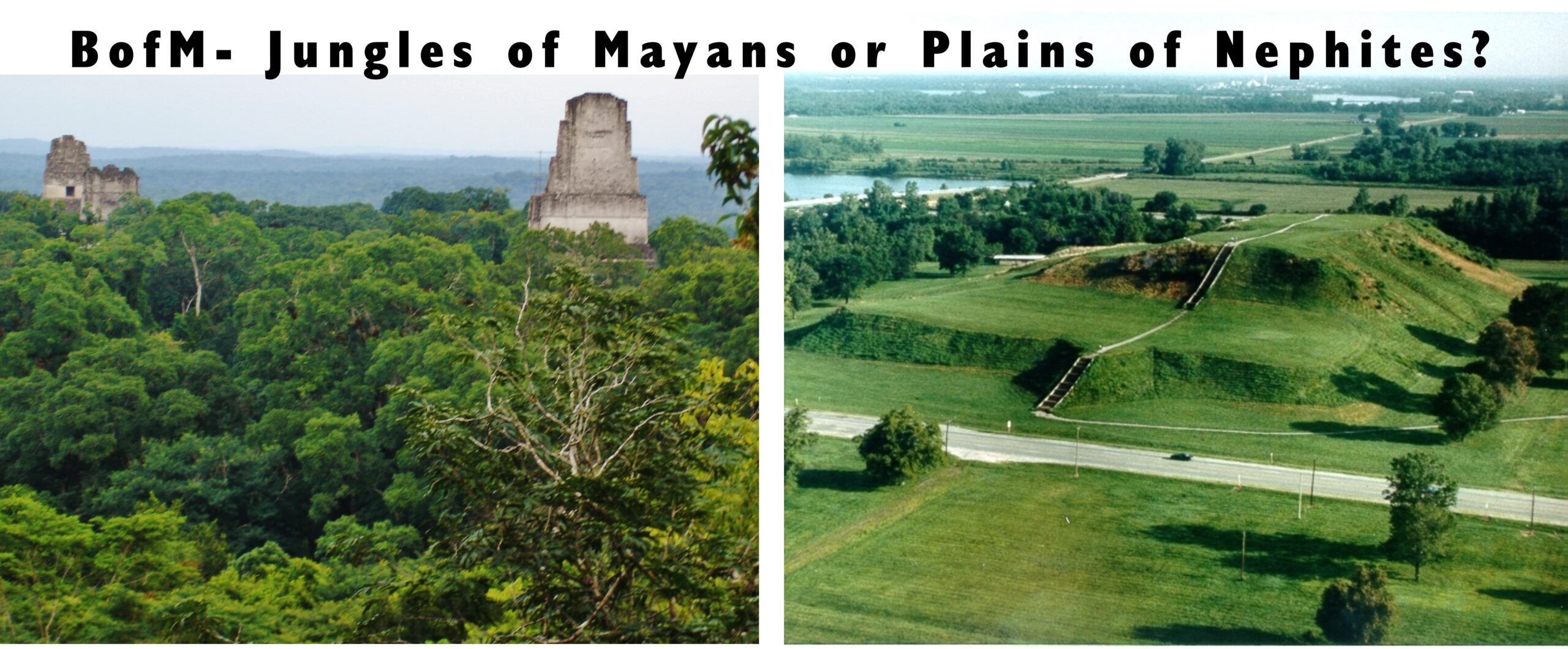
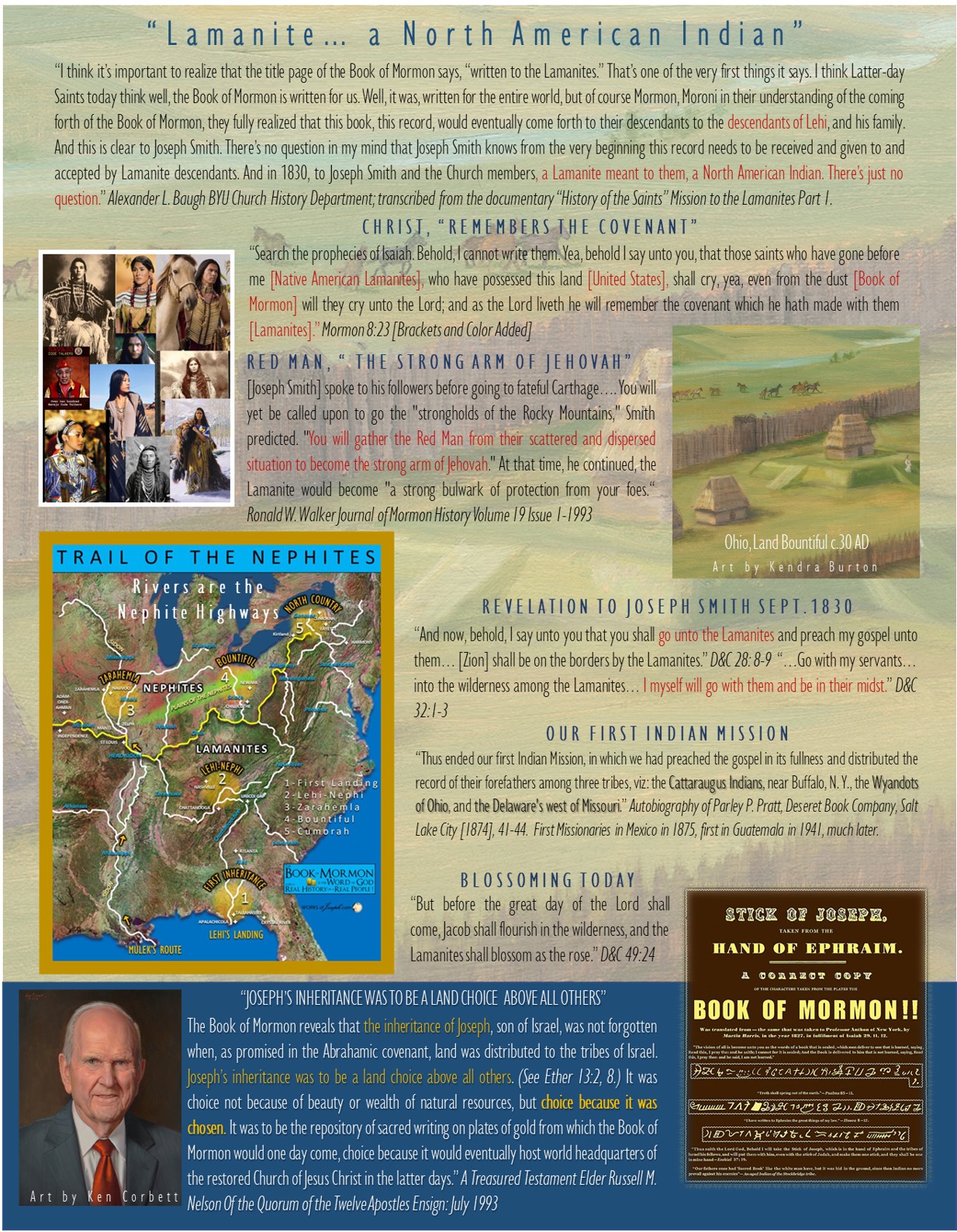
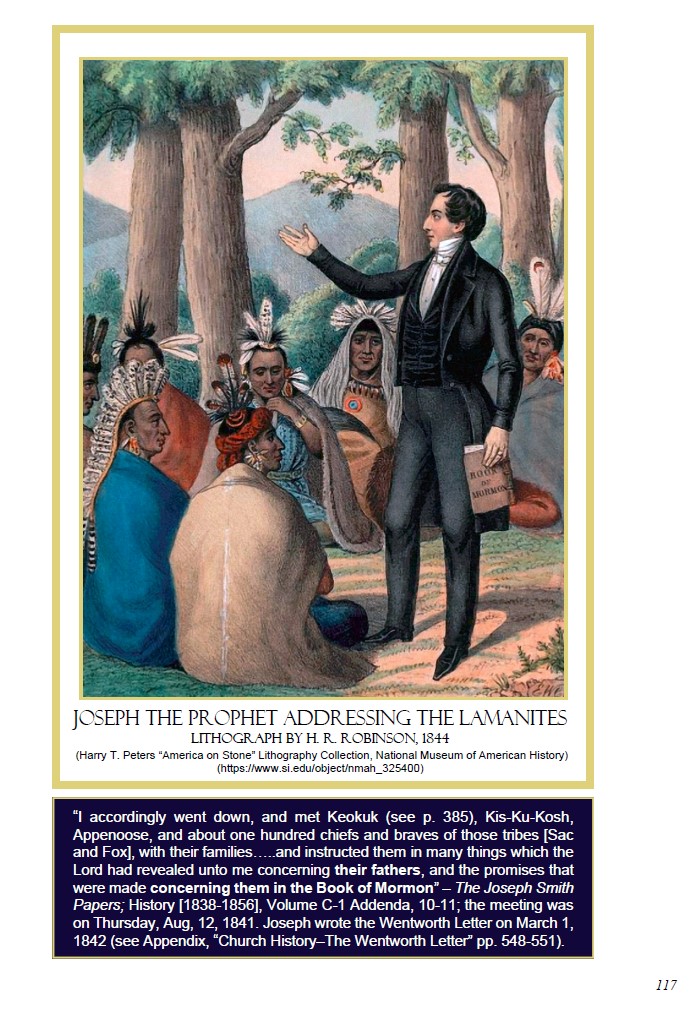
As recorded in the Doctrine and Covenants, the Lord sent missionaries to the Indians living in New York, Ohio, and Missouri, specifically identifying them as Lamanites and telling them that He (the Lord) “would go with them and be in their midst.” (D&C 32:2) During this mission, Joseph Smith told tribes from Michigan that the Book of Mormon was the history of their ancestors. He wrote that the Book of Mormon is a record of “the forefathers of our western tribes of Indians.” 2
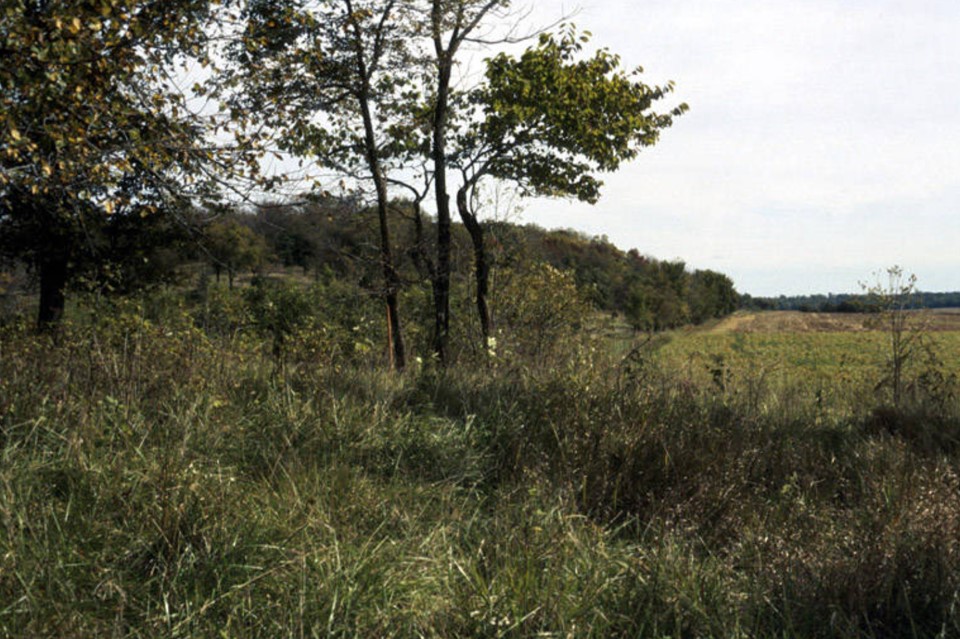
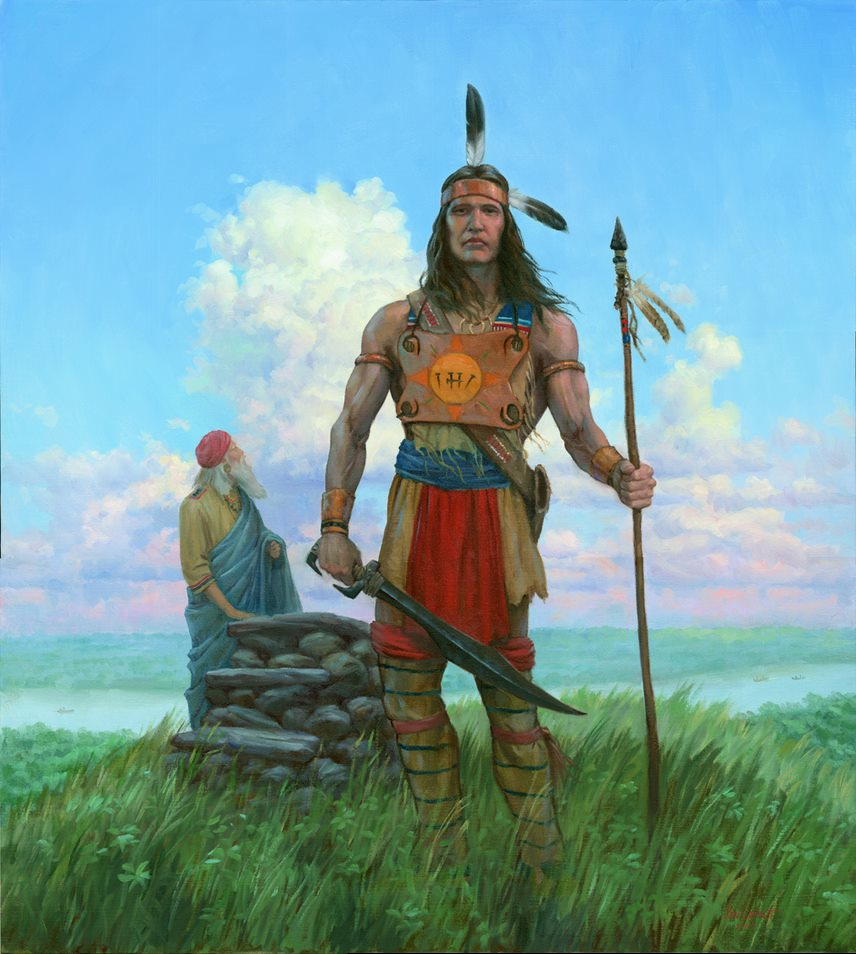
Joseph identified an old Nephite altar in what is known as Adam-ondi-Ahman. He had a vision on Zelph’s Mound of a fallen Lamanite who was killed during the last great struggle with the Lamanites and Nephites, and who served under the great prophet Onandagus, who was known from the Hill Cumorah or east sea to the Rocky Mountains. Cumorah and “east sea” are both locations named in the Book of Mormon text. The Book of Mormon explains that the last battles occurred between Zarahemla and Cumorah. Zelph’s Mound is located about 70 miles southeast of Nauvoo–between Zarahemla and Cumorah.
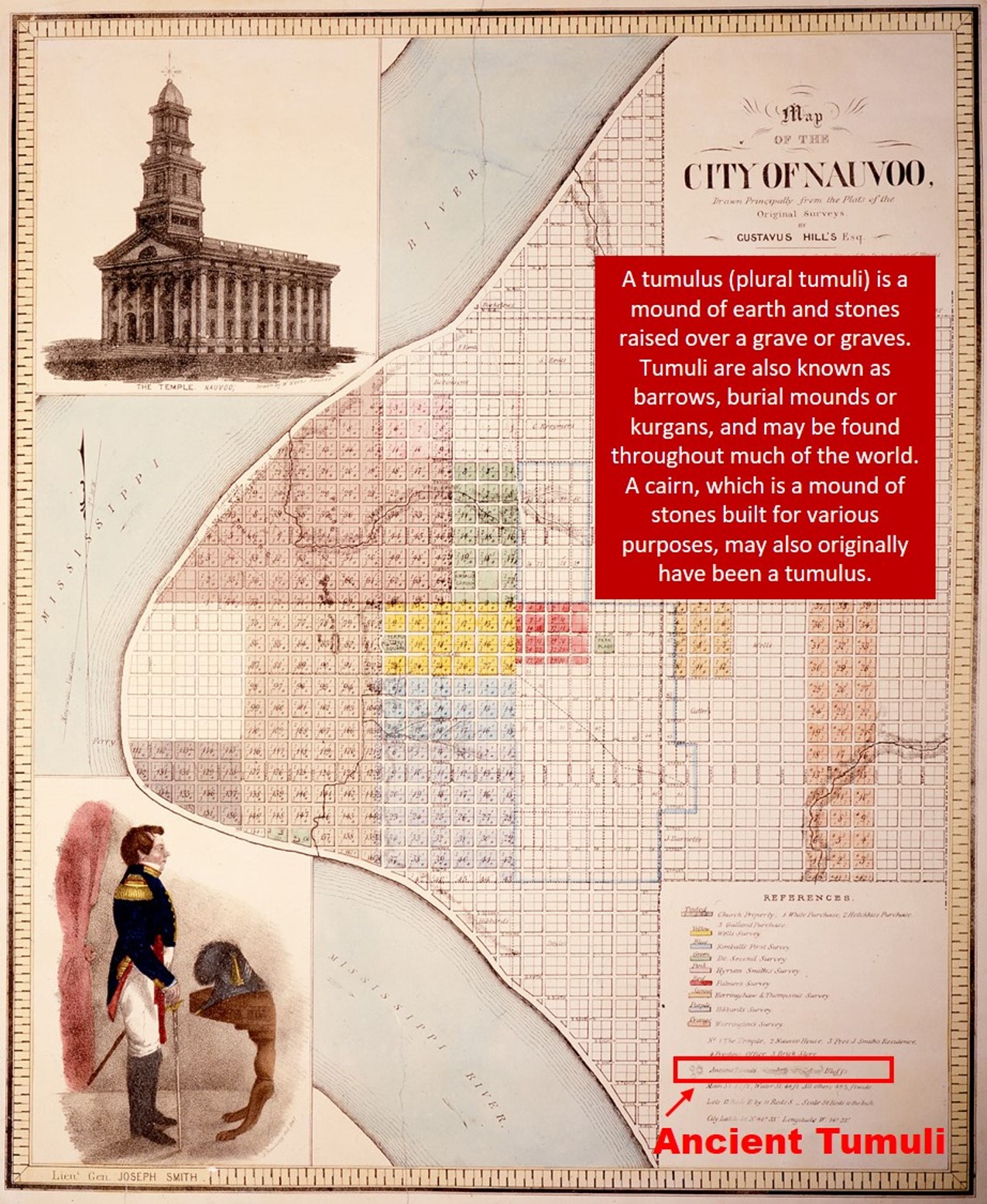
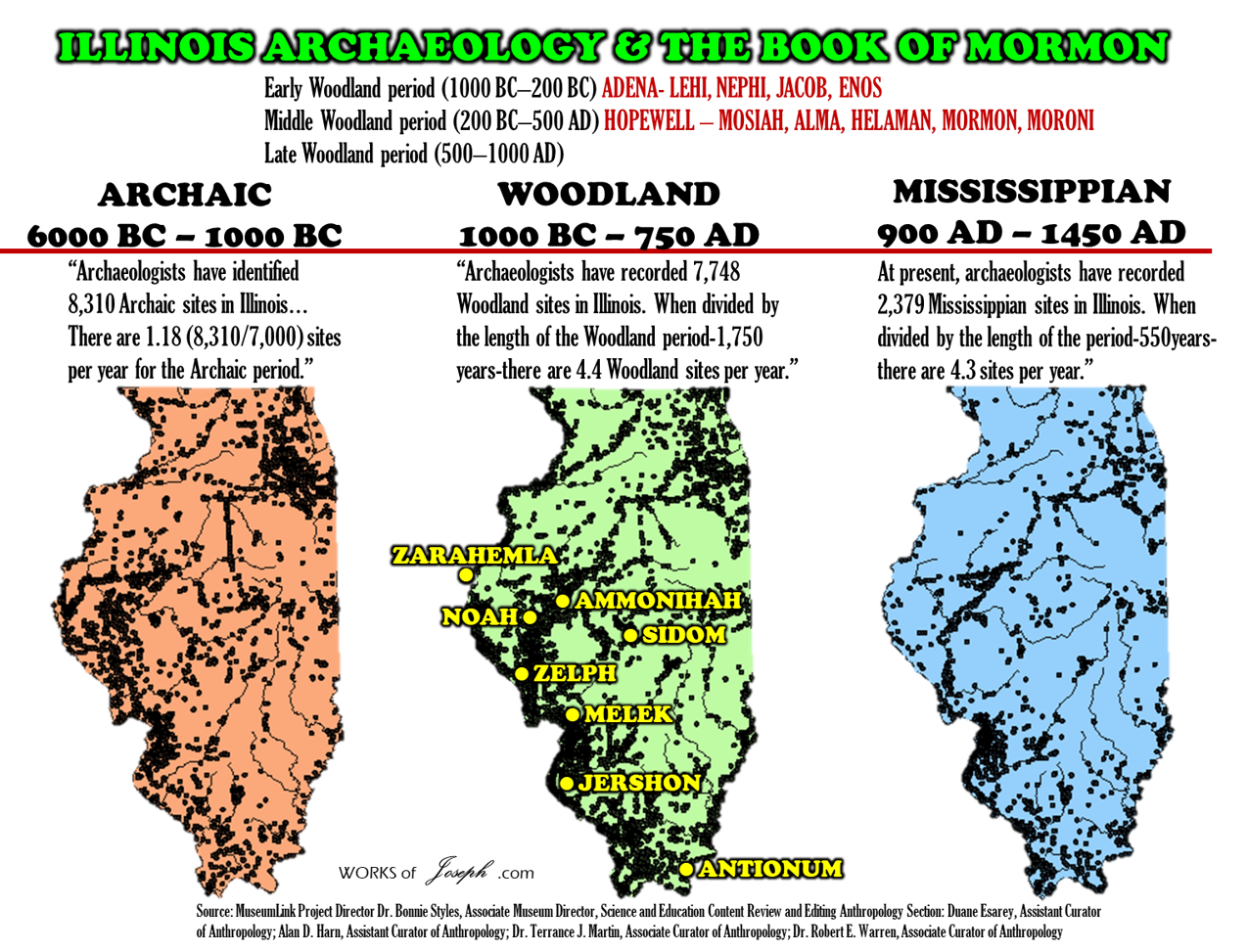
Mormon claims that when he was eleven years old, he “was carried by my father into the land southward, even to the land of Zarahemla. The whole face of the land had become covered with buildings, and the people were as numerous almost, as it were the sand of the sea.” Mormon 1:6-7. One non-Mormon observer in the 1800s claimed that anciently, there were 5,000 cities at once full of people in eastern North America. Another reported over 3,000 tumuli, or mounds, along the Ohio River alone. Today there are 170,000 known “Indian” archaeological sites in Illinois alone. Artifact collectors in Iowa, directly across the Mississippi from Nauvoo, have found tens of thousands of arrowheads in the vicinity. More wash up whenever the rivers flood.
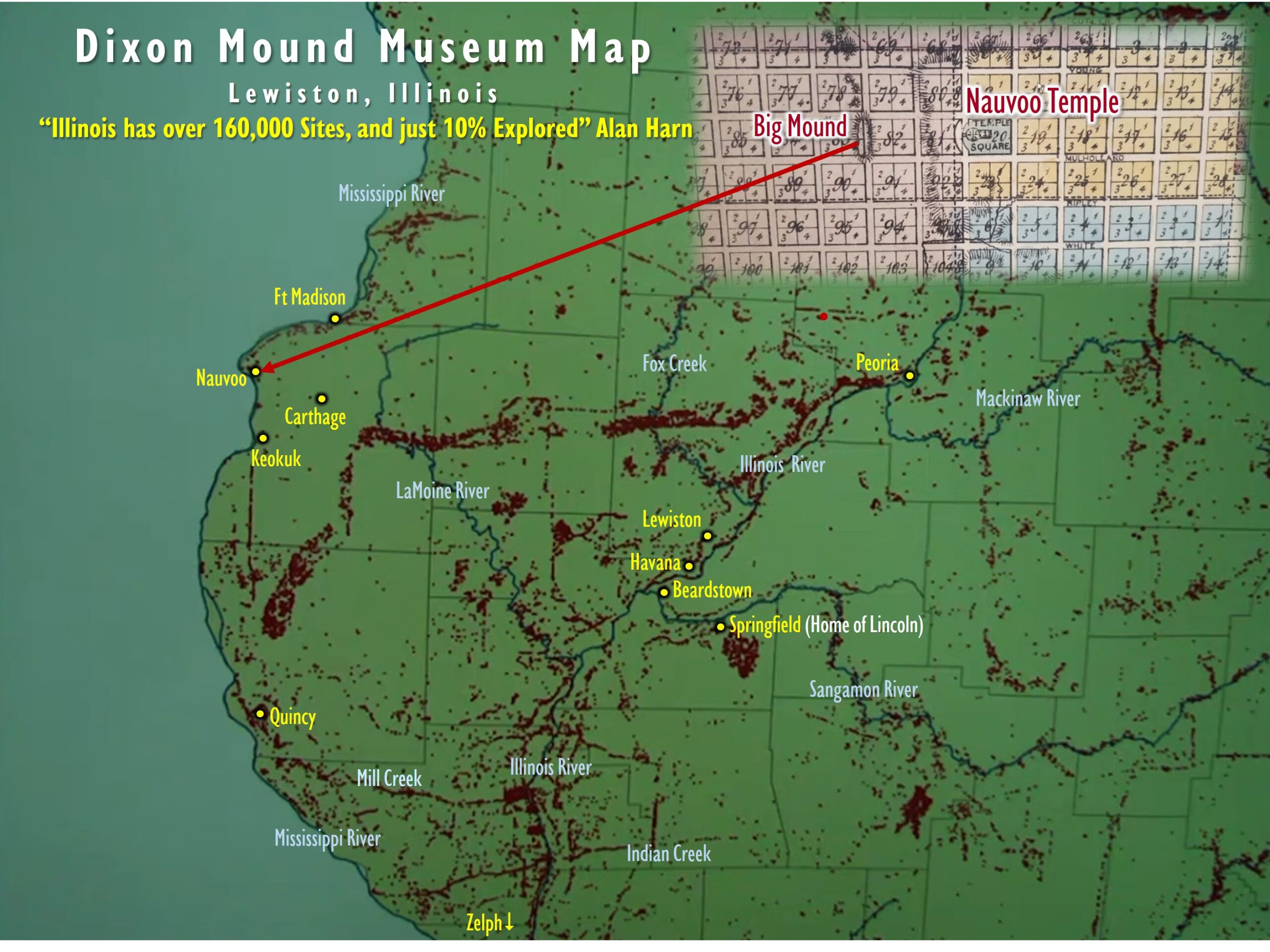
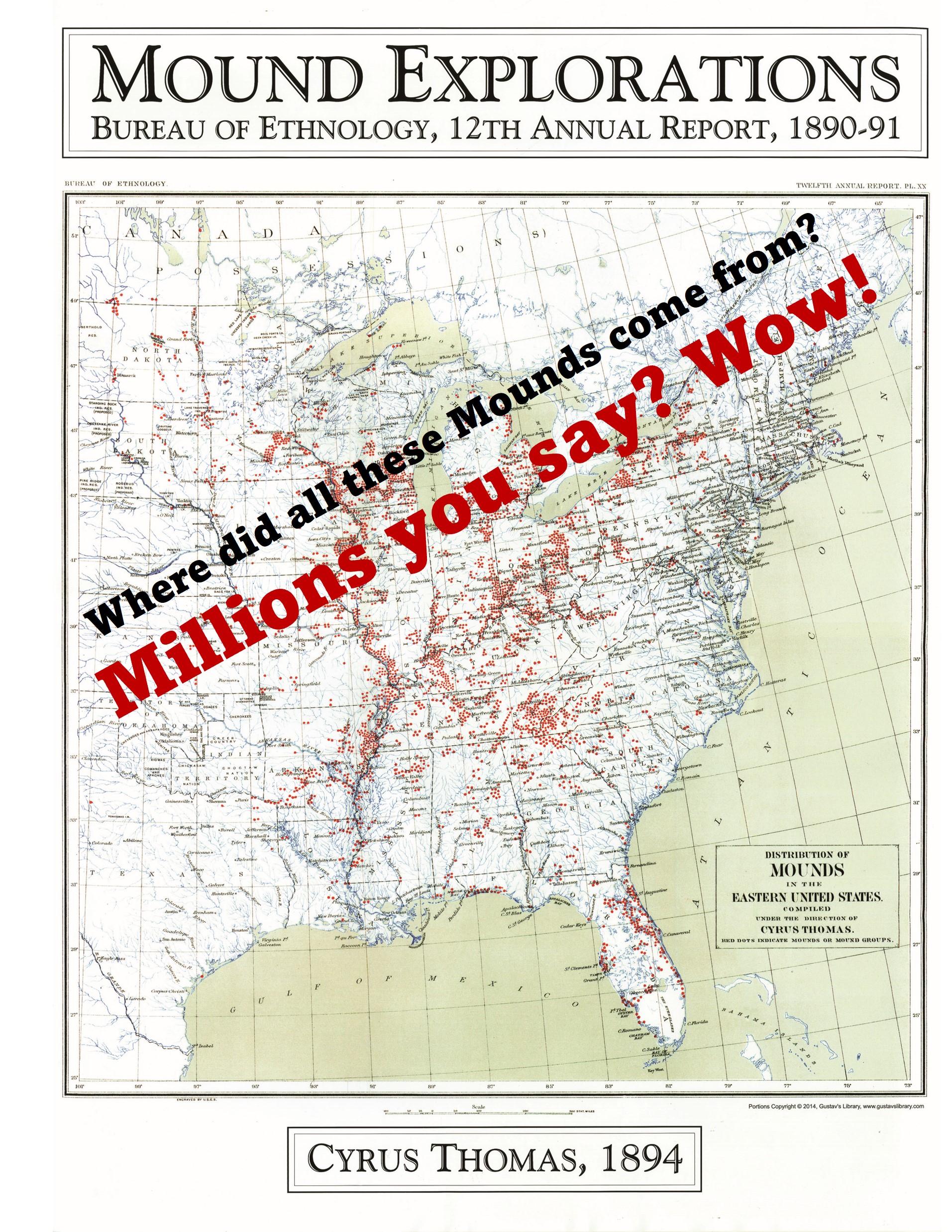
To help you understand how many mounds really did exist in North America, listen to what Dr. Gregory L. Little has said. “The most common question that is asked about mounds is, “How many exist?” In the 1800’s the Smithsonian sponsored many expeditions to identify mound sites across America. A map (shown below) was produced by Cyrus Thomas in 1894 in a Bureau of Ethnology book. They found approximately 100,000 mound sites, many with complexes containing 2 to 100 mounds. The figure of 100,000 mounds once existing— based on Cyrus Thomas map revealing 100,000 sites—is often cited by others, but that estimate is far, far too low. After visiting several thousand mounds and reviewing the literature, I am fairly certain that over 1,000,000 mounds once existed and that
perhaps 100,000 still exist. Oddly, some new mound sites are discovered each year by archaeological surveys in remote areas. But in truth, a large majority of America’s
mounds have been completely destroyed by farming, construction, looting, and deliberate total excavations” – Gregory L. Little, Ed.D., The Illustrated Encyclopedia of Native American Mounds & Earthworks, Eagle Wing Books, Inc., Memphis, TN [2009].
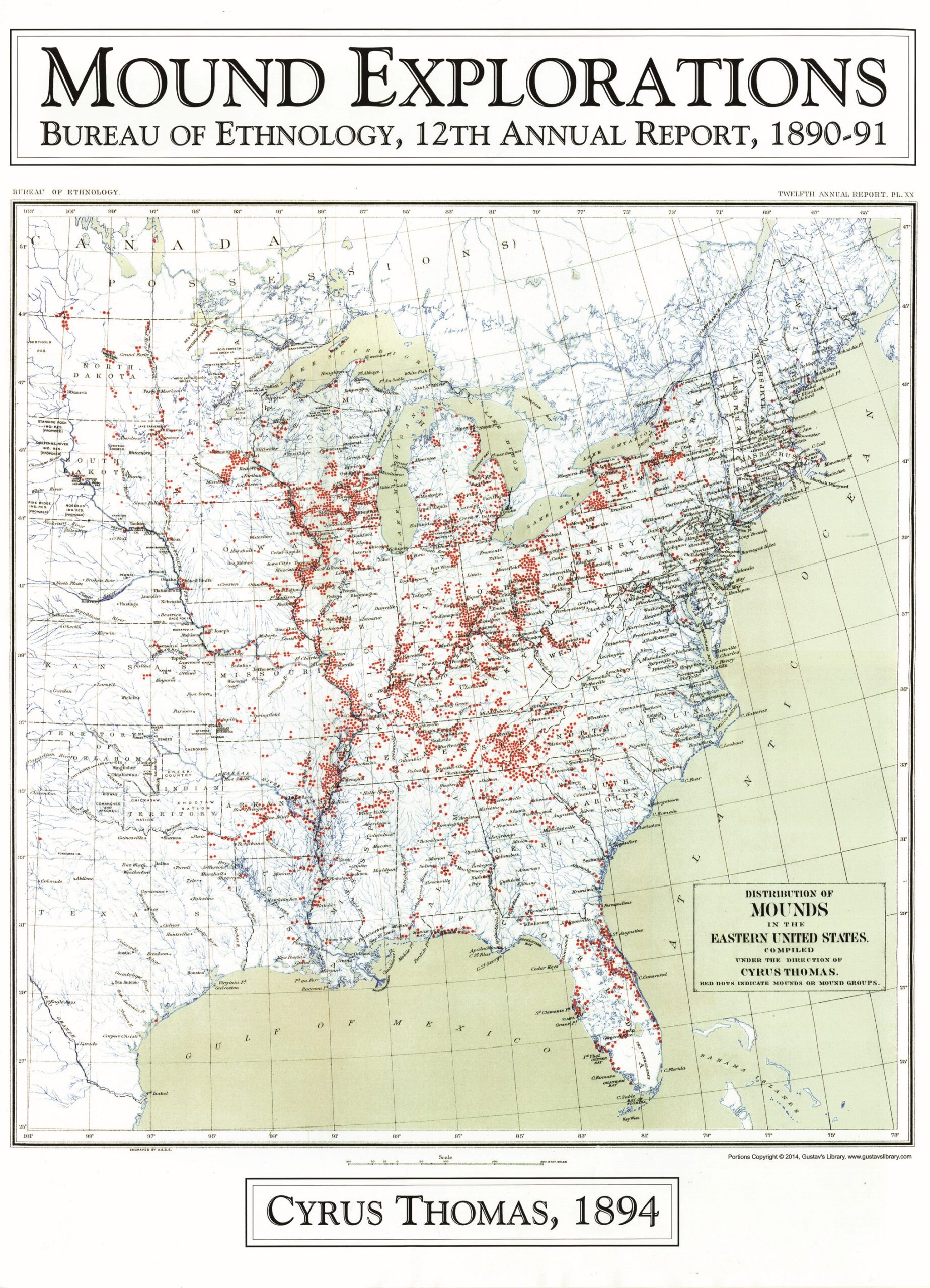
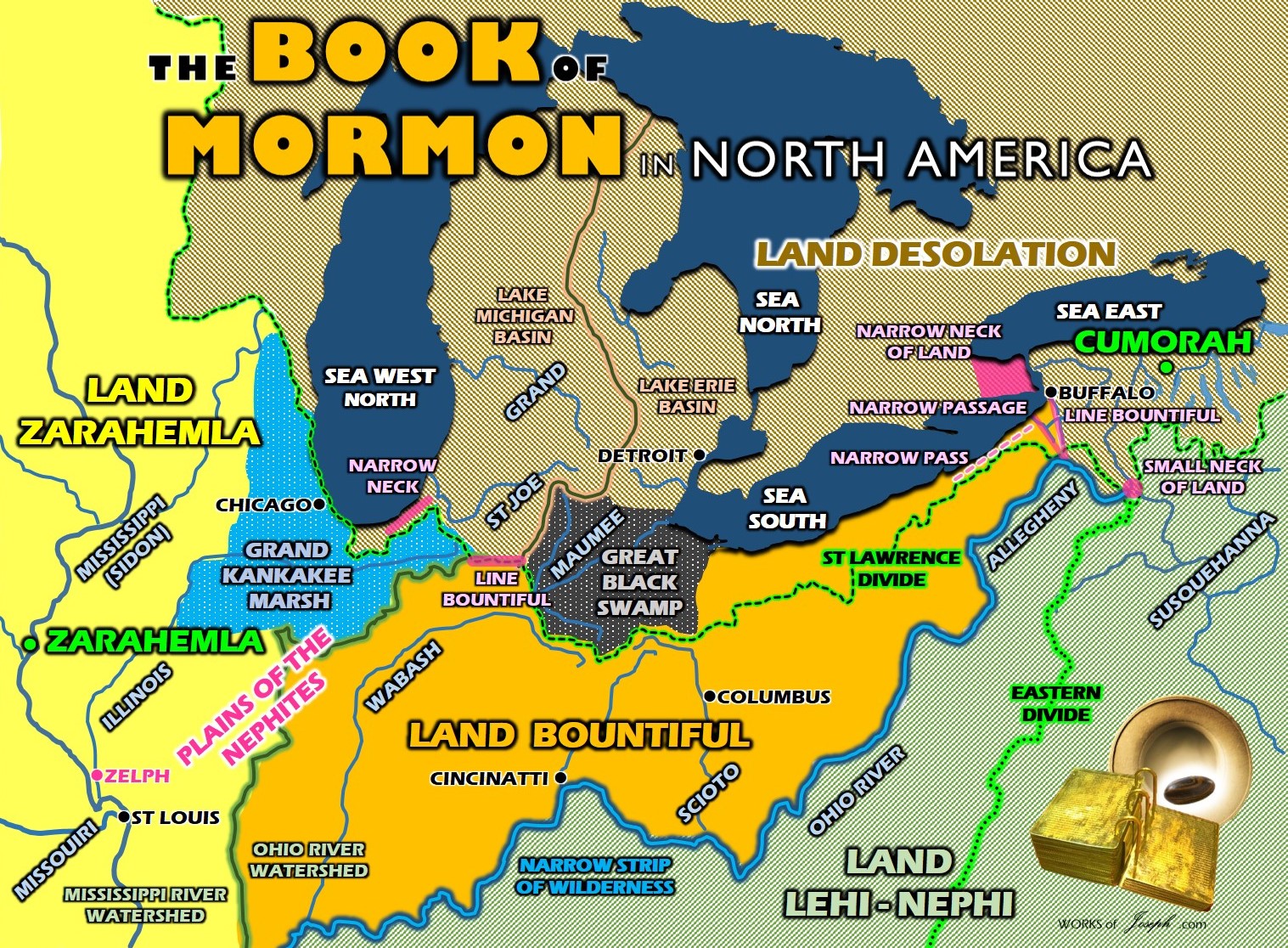
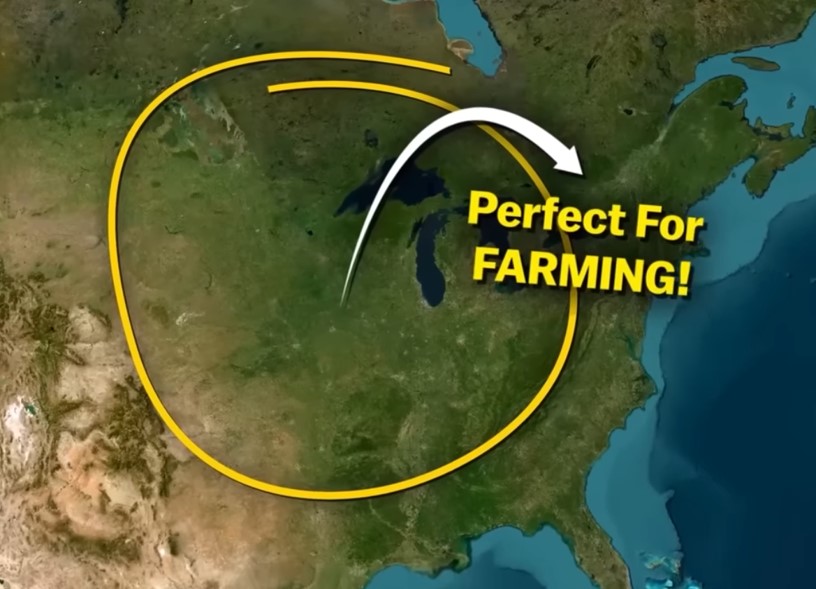
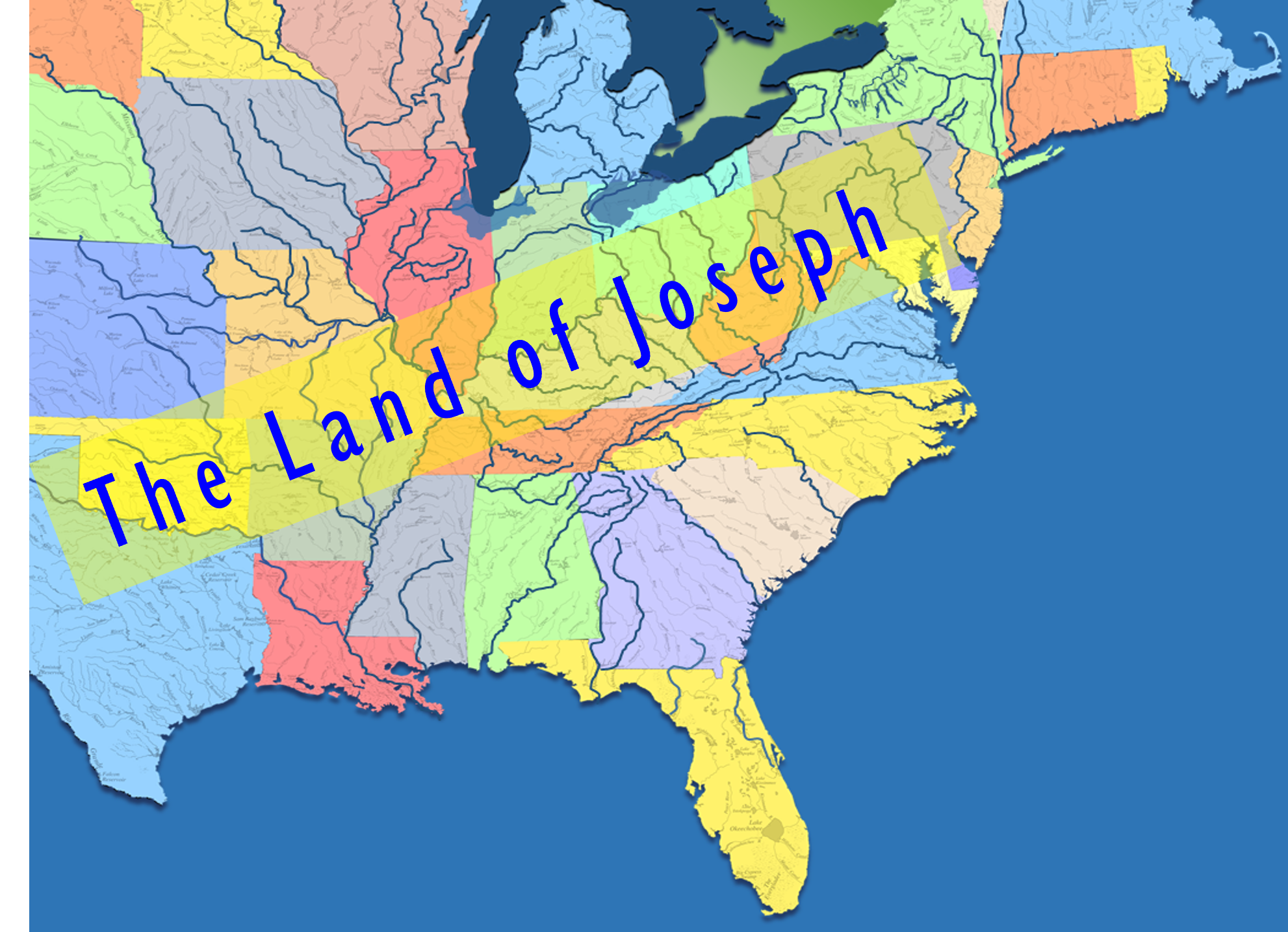
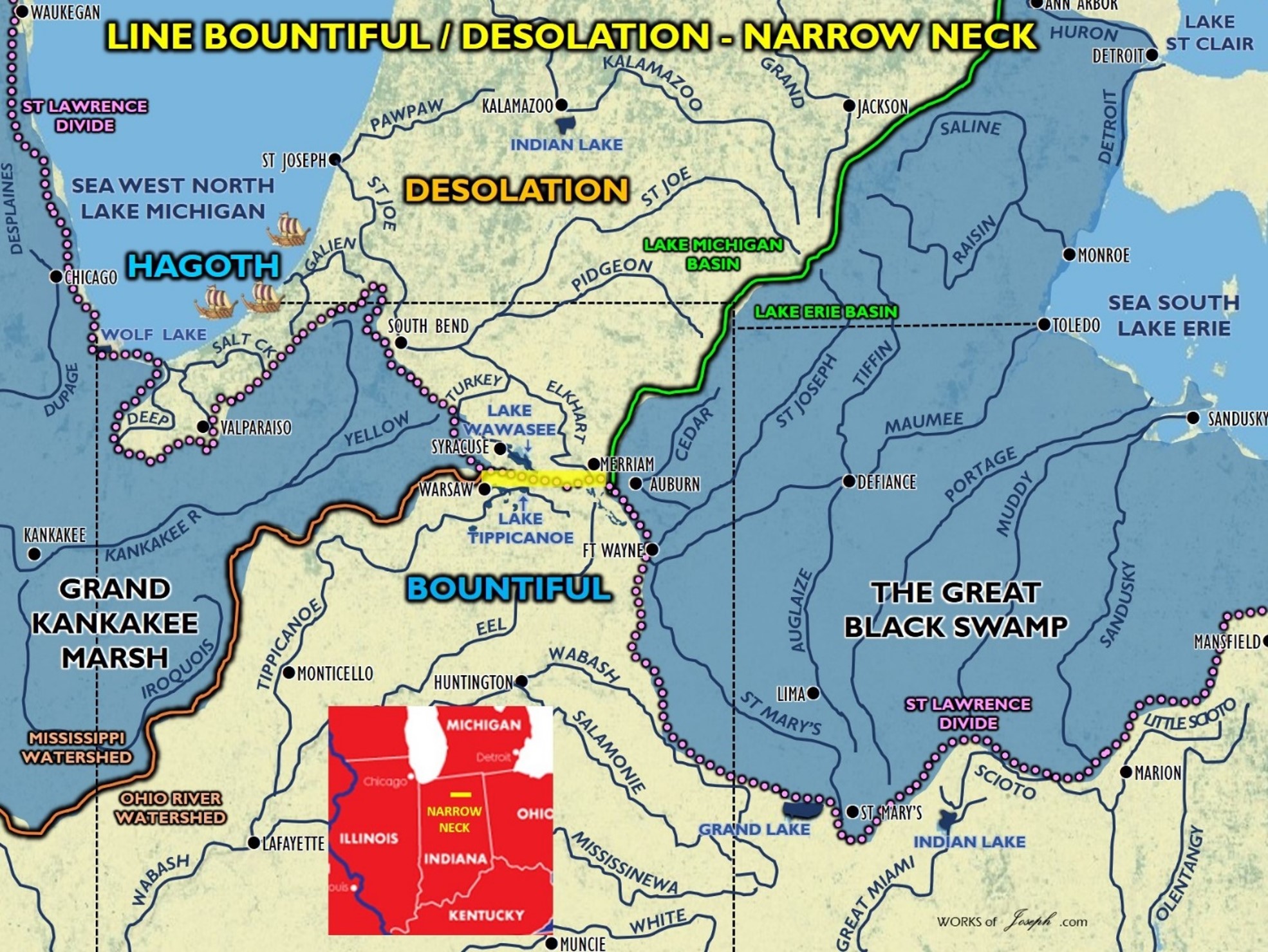
We have taken the above map and laid on top of it the current Heartland Geography as we believe it to be. You will see an incredibly nice fit within all the red dots which constitute thousands of mound complexes.

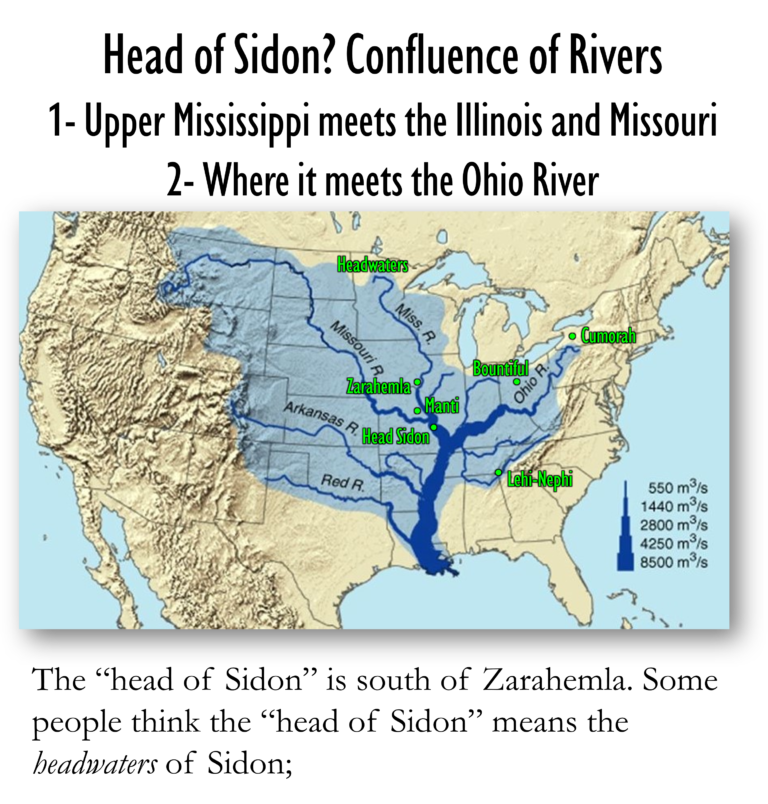
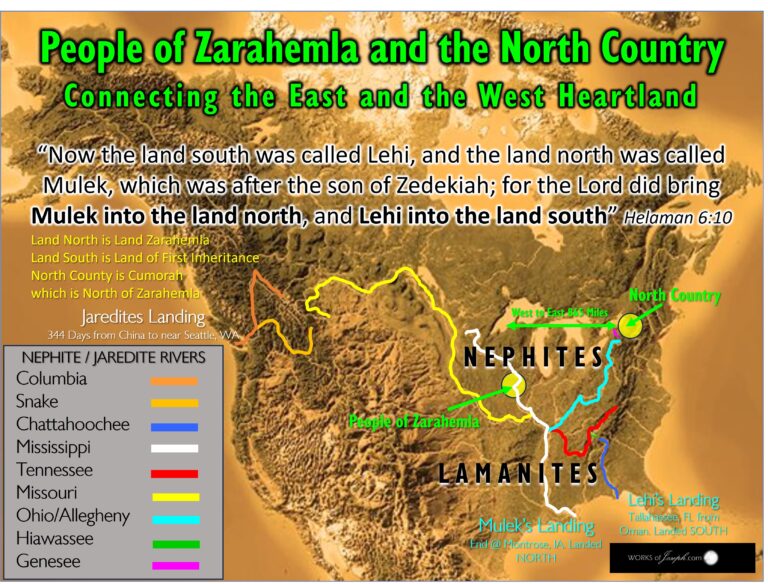
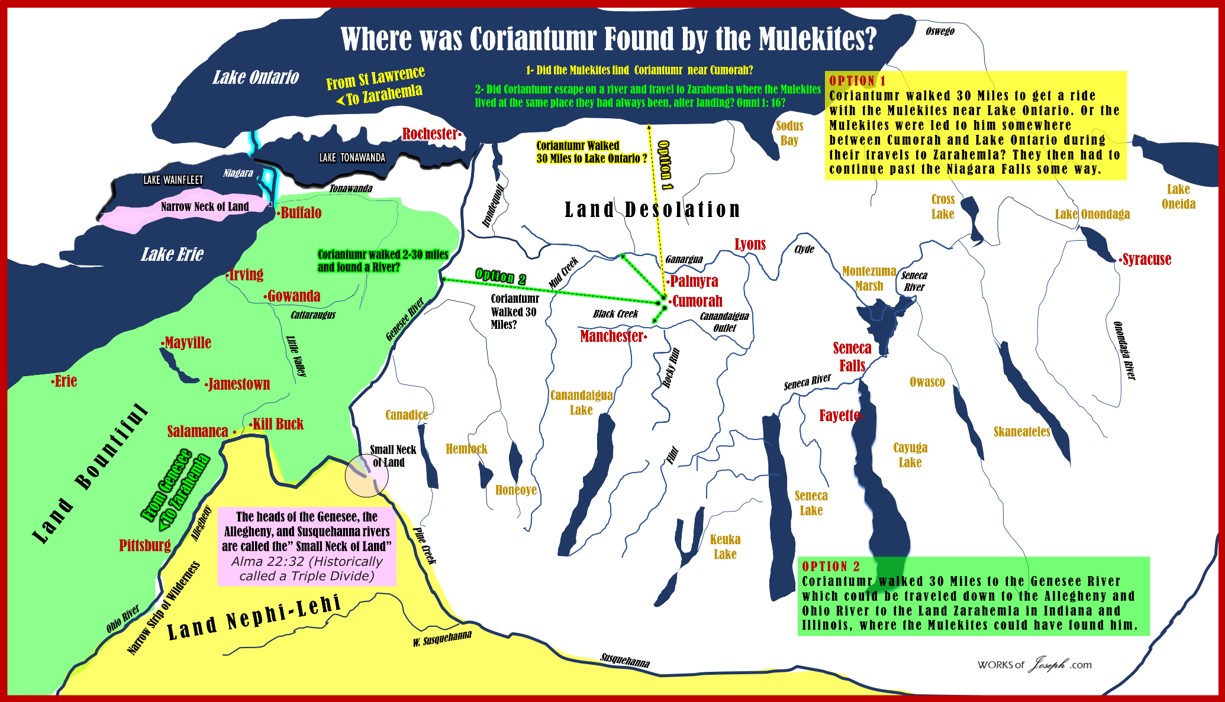
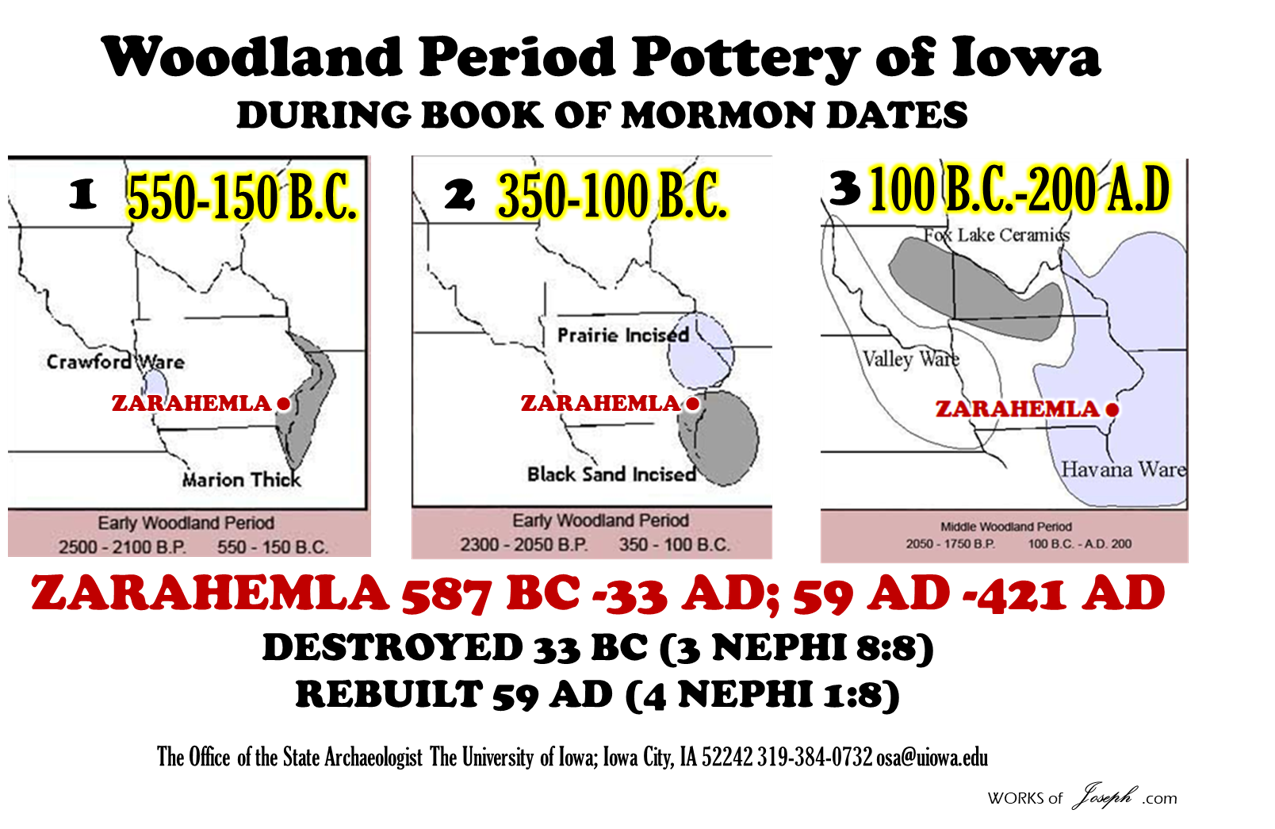
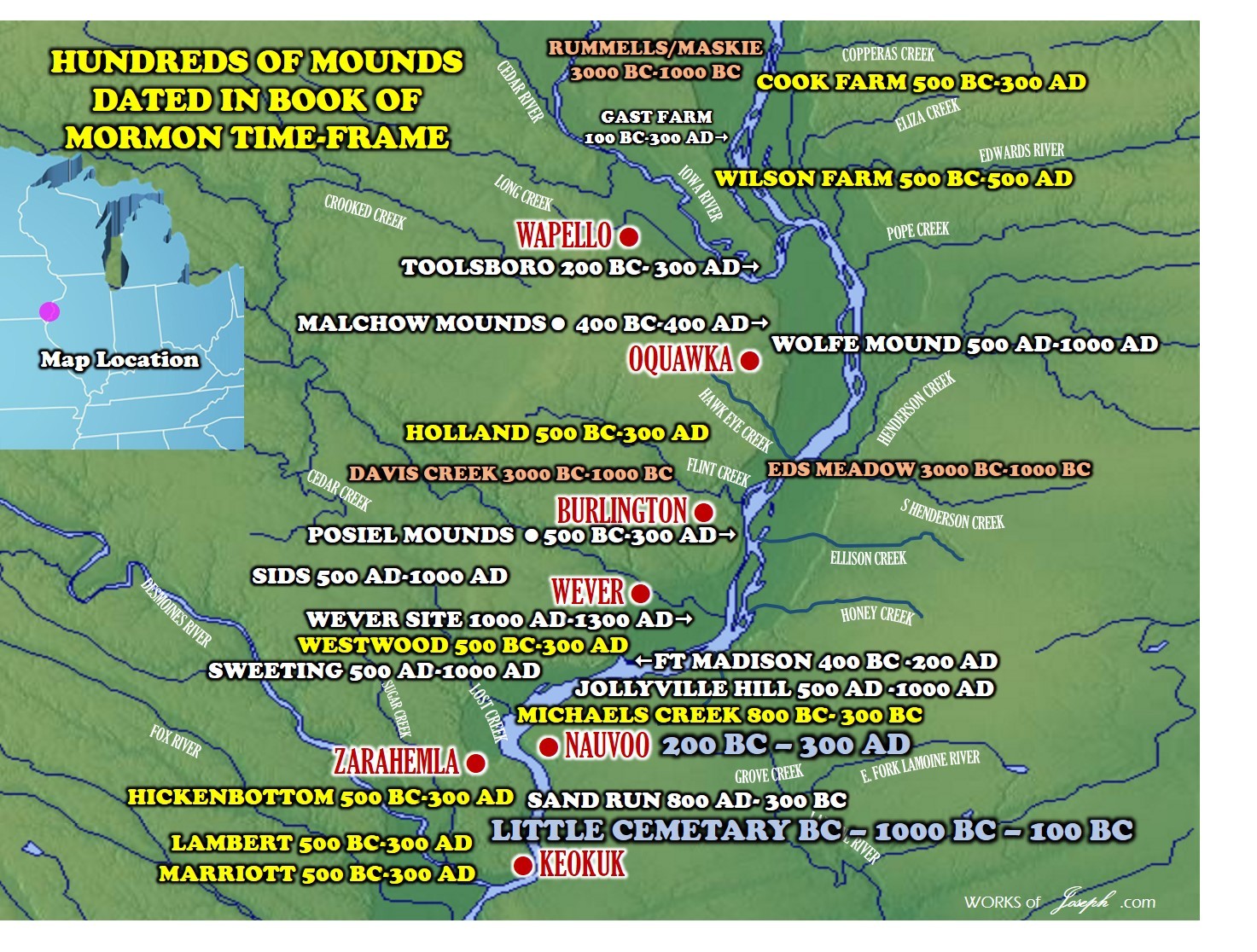
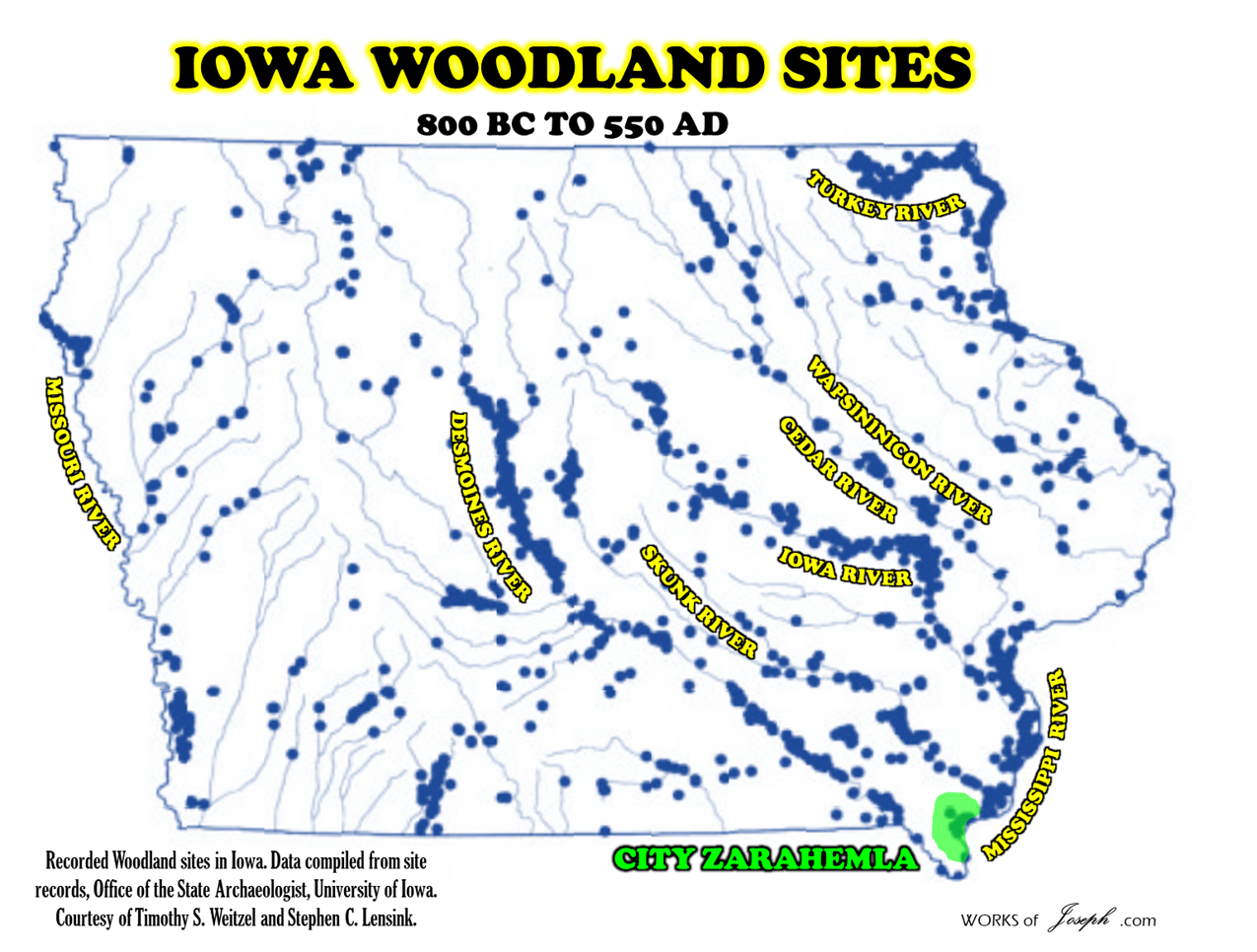
D&C 125:3 named the area in Iowa across from Nauvoo as “Zarahemla” and that location fits the proposed ancient Zarahemla when an abstract internal map based on the Book of Mormon text is overlaid on North America.
Despite all these links to North America, Arnold Friberg, who “established for Latter-day Saints what Book of Mormon people, landscapes, and events might have looked like,” 3 picked Central America–as have most artists who depict Book of Mormon events.
Why Central America?
As listed above, prior to 1842, there was a consistent record of Joseph Smith locating Book of Mormon peoples in North America. What caused the shift to Central America?
The Times and Seasons–the equivalent of today’s Ensign–reprinted the Bostonian articles mentioned in the opening paragraph. These articles prepared readers for three additional articles published in the September 15th and October 1st issues of the Times and Seasons that specifically linked Book of Mormon cities to Mesoamerica.
The first Mesoamerica article claims “these wonderful ruins of Palenque [Mexico] are among the mighty works of the Nephites,” and “the Nephites… lived about the narrow neck of land, which now embraces Central America.” A second article reads new material into the Book of Mormon text: “When we read in the Book of Mormon that… Lehi… crossed over to this land and landed a little south of the Isthmus of Darien…” The third outright states that “The city of Zarahemla… stood upon this land [referring to Central America or Guatemala]… It is certainly a good thing for the excellency and veracity, of the divine authenticity of the Book of Mormon, that the ruins of Zarahemla have been found where the Nephites left them.”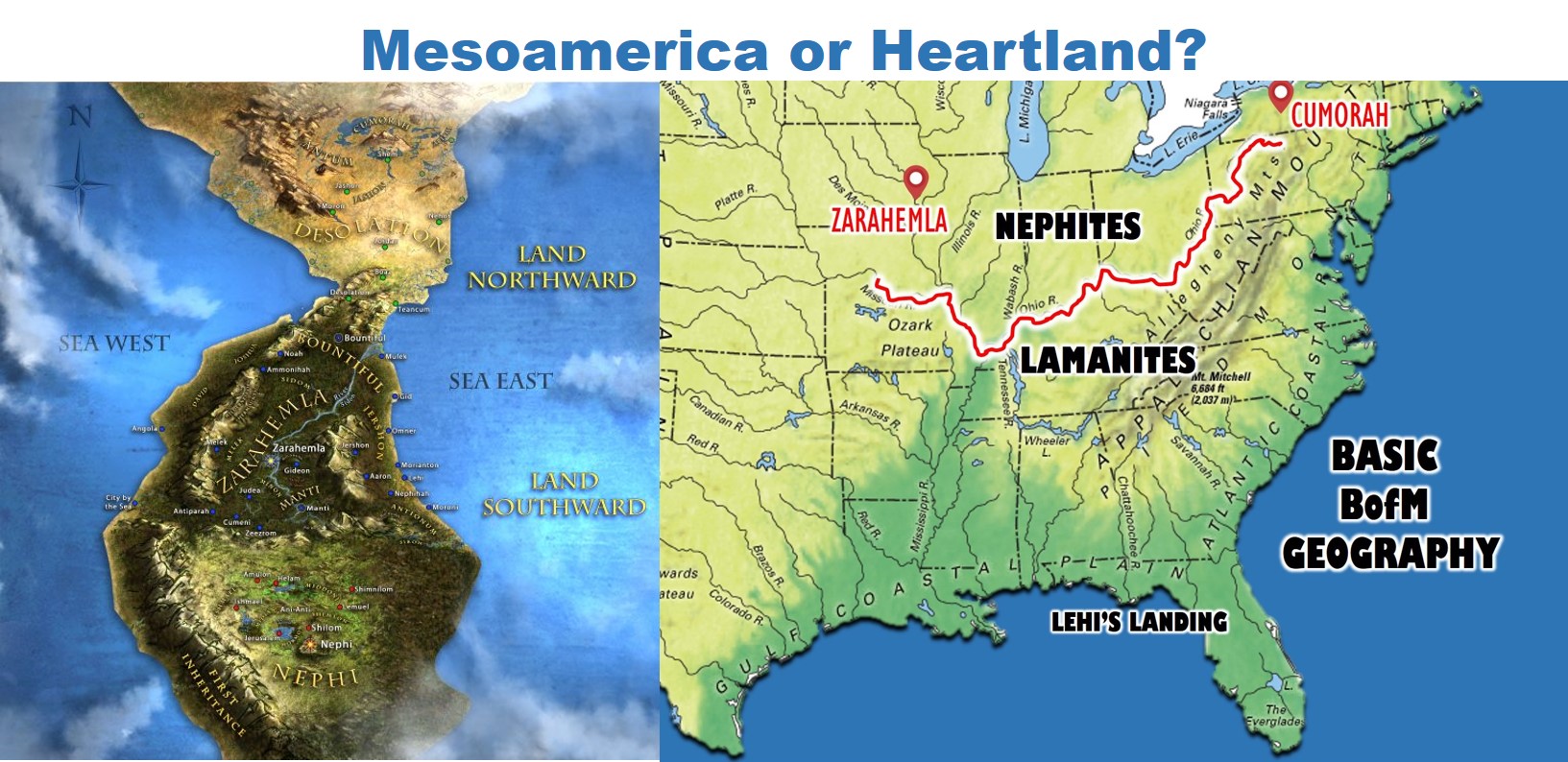
Joseph Smith was listed as the publisher and editor of the Times and Seasons when these articles were published. For that reason, even though the articles themselves are unsigned, many historians and scholars assumed that Joseph wrote, or edited–or at least approved of–these articles. No one knew for sure, but this assumption has become the prevailing view and is the underlying basis for the Mesoamerican theory.
Now, thanks to new Church history research, we know Joseph did NOT write these articles. The Smoking Gun of Book of Mormon geography is now revealed.
Smoking Gun(s)
The earliest case in the career of Sherlock Holmes (1880) was titled “The Adventure of the Gloria Scott.” In the story, a fake chaplain shot the captain of the ship–proven because “the chaplain stood with a smoking pistol in his hand“–the first “smoking gun.” Now the term “smoking gun” refers to a fact that provides conclusive evidence of a crime.
Writing the three “Mesoamerica” articles for the Times and Seasons was not a crime in the technical sense of the word. But the mystery about their authorship has endured for 173 years because the stakes involved are so high. What reader of the Book of Mormon has not wondered where the events took place? Millions of people–members, investigators, and critics, as well as the curious and studious–have read the Book of Mormon. Having an idea of the actual setting is important in order to understand the Book of Mormon people and their society–as well as to establish the historicity of the book. If Joseph Smith wrote the Mesoamerican articles, then those who sustain him as a Prophet generally feel compelled to accept the Mesoamerican setting. In fact, it was the presumption that Joseph wrote, or at least approved of, these articles that led Church members to formulate the limited geography of Mesoamerica as the setting for the Book of Mormon in the first place. LDS scholars have worked diligently to vindicate what they thought were Joseph’s teachings about Mesoamerica.
But if Joseph did not write these articles, then shouldn’t the other things he wrote about the North American setting take precedence?
This brings us back to the central question: is there solid evidence of authorship? Is there in fact, a smoking gun?
Modern proponents of the Mesoamerican theory have used stylometry–the statistical study of linguistic style, word usage, etc.–to demonstrate that Joseph Smith was the author. Stylometry can find a “smoking gun,” but only if the actual author is among the candidates tested.
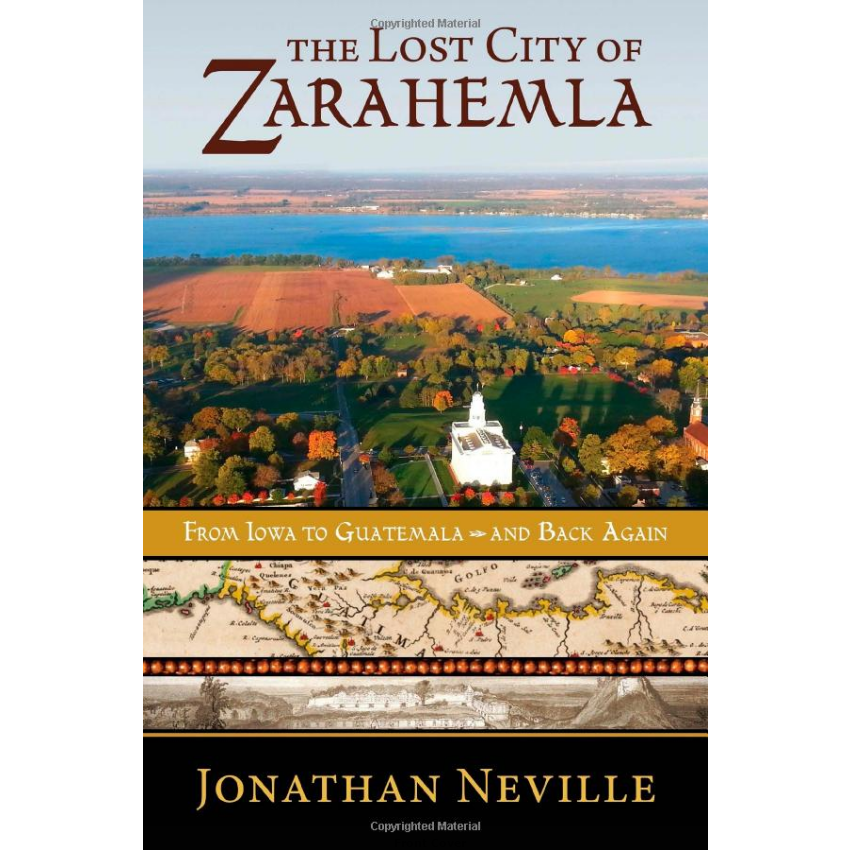
Two stylometry studies by LDS scholars have purported to prove Joseph was the author (or co-author) of the Times and Seasons articles. However, both studies limited their examination to only three possible authors: Joseph Smith, Wilford Woodruff, and John Taylor. Of the three, Joseph’s writing style was closest to the actual author’s, but not by much. The Mesoamerican articles were linguistic outliers. The results of the study showed it was unlikely that any of the three candidates they tested were the actual author. In fact, these studies essentially proved Joseph could not have been the author. (That analysis is too detailed for this article, but it is included in the book, “The Lost City of Zarahemla,” which discusses the historical facts in depth.)
So what went wrong? How and why did these scholars reach what seemed to be an incorrect result?
The scholars who wrote these stylometry studies are also proponents of the Mesoamerican theory. Perhaps there was an element of confirmation bias; i.e., because they believe the Book of Mormon took place in Mesoamerica, they believed Joseph was the author of these articles and when the results seemed to verify this, the analysis ended. But in fact, it was the articles in the Times and Seasons that led to the Mesoamerican theory in the first place! The stylometry studies did not solve the real mystery of who wrote the articles.
There are two key facts that have been overlooked regarding the authorship of the Mesoamerican articles. First, much of the material in the Times and Seasons consisted of reprints from other sources that were mailed to the newspaper. Some articles were even written under pseudonyms. Second, someone other than Joseph Smith was actually editing and publishing the Times and Seasons in August and September of 1842.
What no one noticed before now was a number of similarities between the Mesoamerican articles and the known writings of one Benjamin Winchester. Words, phrases, and concepts were common to both sets of documents–and unique to Winchester.
Winchester, in fact, was the Smoking Gun of Mesoamerican theory.
This realization led to further inquiry. Who exactly was Benjamin Winchester? Why did he write these articles? How did he get them published in the Times and Seasons? What did Joseph Smith think of them?
Benjamin Winchester
Although he is mostly forgotten now, Benjamin Winchester was well known in the early days of the Church. He had been the youngest adult (age 16) on Zion’s Camp in 1834. He had been ordained an Elder and a Seventy by the age of 20. He had been present when the original members of the Quorum of the Twelve were chosen and ordained. Along with them, he had received a blessing and a promise that he “shall push many people to Zion.” In fulfillment of that blessing, he became a zealous missionary–successful enough that the Times and Seasons published an account of his missionary work in its very first issue in 1839.
Winchester settled down in Philadelphia, where he became the Branch President Presiding Elder (equivalent to today’s Bishop). Frustrated with the anti-Mormon opposition and the inadequate success of the missionary work, he started his own newspaper, called The Gospel Reflector, to promulgate his ideas about Church doctrine and the Book of Mormon, he developed a “new course of argument” that he believed would persuade the world to read the Book of Mormon and join the Church. A thrilling book by John L. Stephens, titled Incidents of Travel in Central America, Chiapas and Yucatan, was riveting readers with descriptions of an expedition that uncovered mysterious, long-lost civilizations. Accompanied by detailed illustrations of exotic ruins, the book became a national best seller. Winchester had previously sought to popularize the Book of Mormon by linking it to other books about archaeology, but the Stephens book was more sensational.
John E. Page, an Apostle who visited Philadelphia and conducted missionary meetings with Winchester along with another Apostle, William Smith (the Prophet’s younger brother), liked Winchester’s ideas. He wrote a letter to Joseph Smith, explaining this “new course of argument” with great enthusiasm. He gave the letter to William to hand-deliver to his brother Joseph. Winchester traveled through New York on his way to Massachusetts. Shortly thereafter, a member of the Church in New York, Dr. John Bernhisel, bought a copy of the Stephens book and sent it to Joseph Smith in Nauvoo. Winchester abandoned his mission and hastily relocated to Nauvoo, where he secured a job at the Times and Seasons following the death of Don Carlos Smith, another of Joseph’s brothers. He managed to reprint many of his Gospel Reflector articles in the Times and Seasons but the Quorum of the Twelve suspended him before he could reprint his Mesoamerica promoting articles, which were first published in the Gospel Reflector back in March 1841.
Later in May of 1842, Brigham Young formally silenced Winchester, printing a notice in the Times and Seasons so Mormons everywhere would see it. But Winchester remained convinced that his new course of argument would dramatically improve missionary work. His overriding motivation was missionary zeal. He was well intentioned, but he disregarded the counsel of his leaders, a problem Joseph Smith himself explained several times to Winchester personally. Joseph once told John Taylor, “You can never make anything out of Benjamin Winchester if you take him out of the channel he wants to be in… he can write for thousands to read while he can preach to but few.” And Winchester did not want to be out of the channel of proving the Book of Mormon with archaeological evidence from Mesoamerica.
But how could Winchester accomplish his goal when he was living in Philadelphia, especially after the Quorum of the Twelve had suspended him from the Times and Seasons and publicly silenced him? Was someone in Nauvoo working with him? Did he have an accomplice?
The first paragraph of this article mentioned a pseudonymous article published in a Boston newspaper. There were actually four such articles written, two by an author using the fake name “Q” and two by another named “A Lover of Truth.” The articles purported to be written by non-Mormons who were inordinately impressed with the Mormon preachers in Boston–including the link between the Book of Mormon and archaeological discoveries. The Times and Seasons reprinted these articles in July, August and September 1842.
There was no explanation in Church history regarding the authorship of these articles, but there was something suspicious about them. Winchester had been present at the Boston meetings, but he was not mentioned in the articles. A closer look at the linguistic style of the articles revealed another smoking gun: clearly, Winchester was “Q.” Why would he write under a pseudonym?
The answer was easy. He had to.
Winchester was posing as a non-Mormon. Plus, he needed to avoid attention from Joseph Smith and Brigham Young, who had previously reprimanded him so many times.
But who was “A Lover of Truth?” The writing style excluded Winchester. A series of investigatory breakthroughs uncovered yet another smoking gun. A Lover of Truth was a friend of Winchester’s.
Still, it seemed improbable that Joseph Smith, John Taylor, or Wilford Woodruff would have published articles from pseudonymous authors. Such an author could have been an enemy of the church, writing falsehoods to fool the saints and then discredit the Times and Seasons. Someone had to know the true identity of “Q” and “A Lover of Truth,” but who?
There was only one person in Nauvoo who knew their identity: William Smith, the brother of Joseph. William was the editor and publisher of The Wasp, another Nauvoo newspaper, but what did he have to do with the Times and Seasons? No account of Church history mentions William Smith in connection with the Times and Seasons. In fact, as the stylometry articles mentioned above showed, William was never even considered as having had anything to do with the Times and Seasons.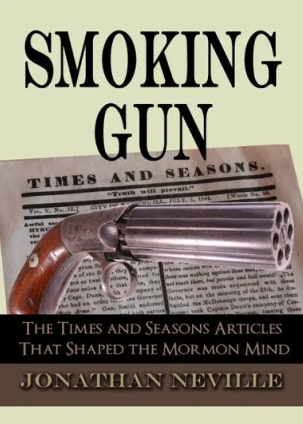
What everyone seemed to have forgotten is that William was publishing and editing The Wasp from the same printing shop using the same printing press as the Times as Seasons. In fact, there is abundant evidence that William was the acting editor of the Times and Seasons during August and September 1842. This is an astonishing discovery–yet another smoking gun–but it makes sense in the context of the other facts of this case. It was William who had hand-carried the letter from John E. Page to Joseph Smith that described the “new course of argument” Winchester developed. William had reprinted Winchester’s pseudonymous articles from the Bostonian. Therefore, it was William who published Winchester’s unsigned articles about Mesoamerica in the Times and Seasons.
But why would William participate in a scheme to link the Book of Mormon to Mesoamerica, especially if it contradicted Joseph’s own teachings? For one thing, William had a long history of confrontations with his brother Joseph. Shortly after Joseph’s assassination, William apostatized and became President of the Quorum of the Twelve Apostles under James Strang. In that position, he continued to promote the Mesoamerican theory of Book of Mormon geography.
So William Smith was Winchester’s Nauvoo insider and accomplice.
Joseph not only didn’t write the Mesoamerican articles, he didn’t edit, publish or even approve them. For several reasons (which are discussed in detail in the book), he couldn’t simply retract the articles. But he took action to mitigate their impact and prevent their recurrence. Within days of the unauthorized release of the three Mesoamerican articles in the fall of 1842, Joseph fired William from The Wasp, had Winchester removed as Branch President in Philadelphia, and resigned as Editor of the Times and Seasons himself.
The Legacy
The conspiracy fomented by Benjamin Winchester and William Smith is not merely an interesting and previously unknown aspect of Church history. George J. Adams, a close associate of Joseph’s, wrote that shortly before their martyrdom, “Joseph and Hyrum said that Winchester was rotten at heart, would apostatize, and injure the church as much as he could.” But as noted at the outset, Winchester has been largely forgotten. Few people other than serious students of Church history have ever heard of him. Has Joseph’s prophecy been fulfilled? Has Winchester injured the church?
The answer comes back to Winchester’s three Mesoamerican articles in the Times and Seasons. Certainly they have had a major influence on the Church through Mesoamerican Book of Mormon theories ever since.
For 173 years, faithful Mormons have been searching in Mesoamerica for evidences of the Book of Mormon. Scientific expeditions have been conducted. Books have been published, films produced, tours undertaken, and artwork and photos created and displayed, not only in chapels and temples but in the pages of the Book of Mormon itself. And yet, after all this time, energy and expense, not a single piece of evidence of the Book of Mormon civilizations has been discovered in Mesoamerica. At best, scholars find parallels and similarities. They’ve made an honest and sincere–but terribly costly–mistake.
All because of one Benjamin Winchester.
The Problem with Mesoamerica
The underlying premise of the Mesoamerican geography is that there are problems with the text as translated by Joseph Smith.
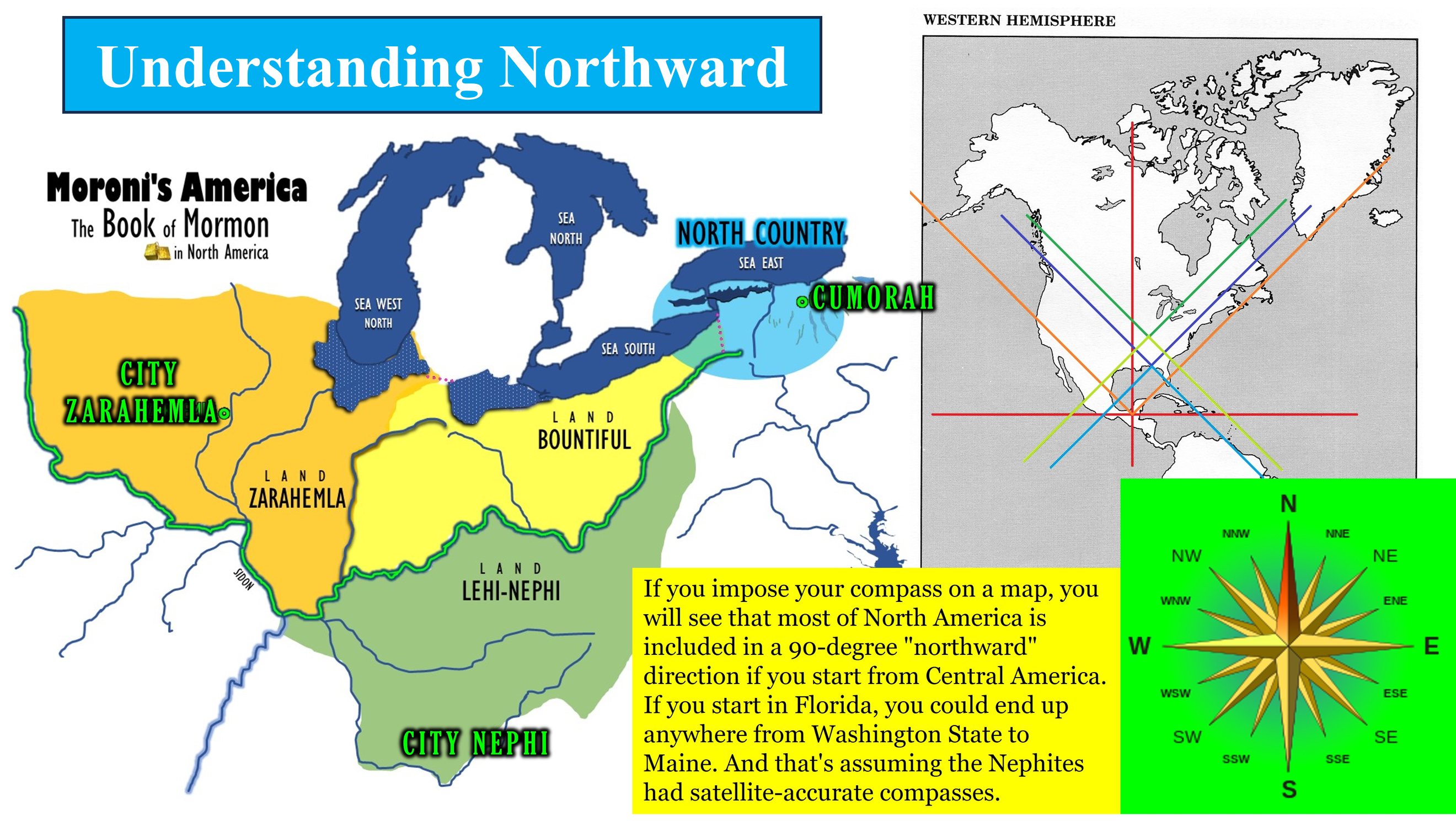
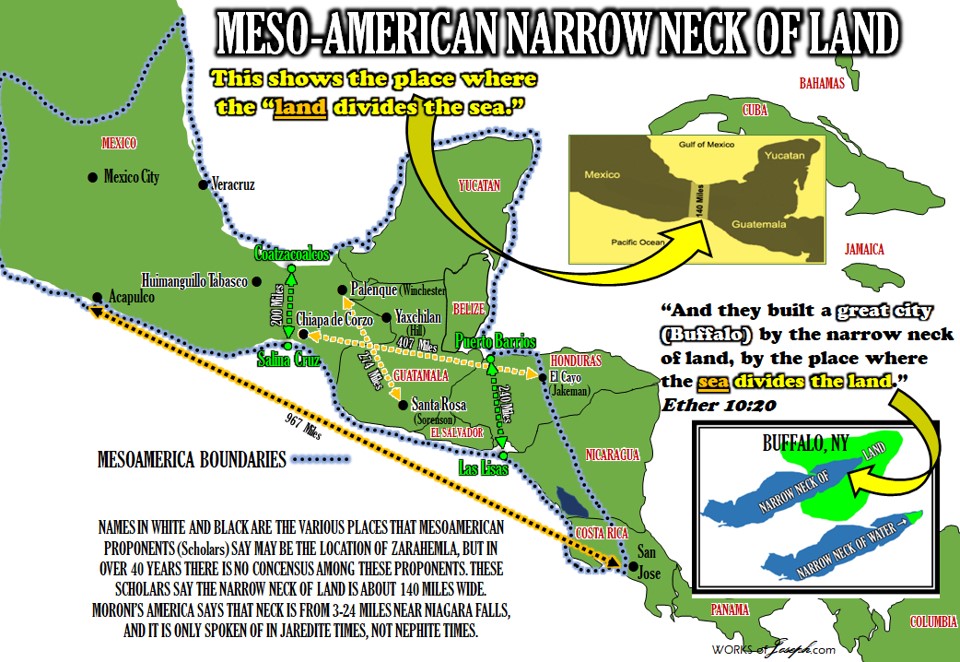
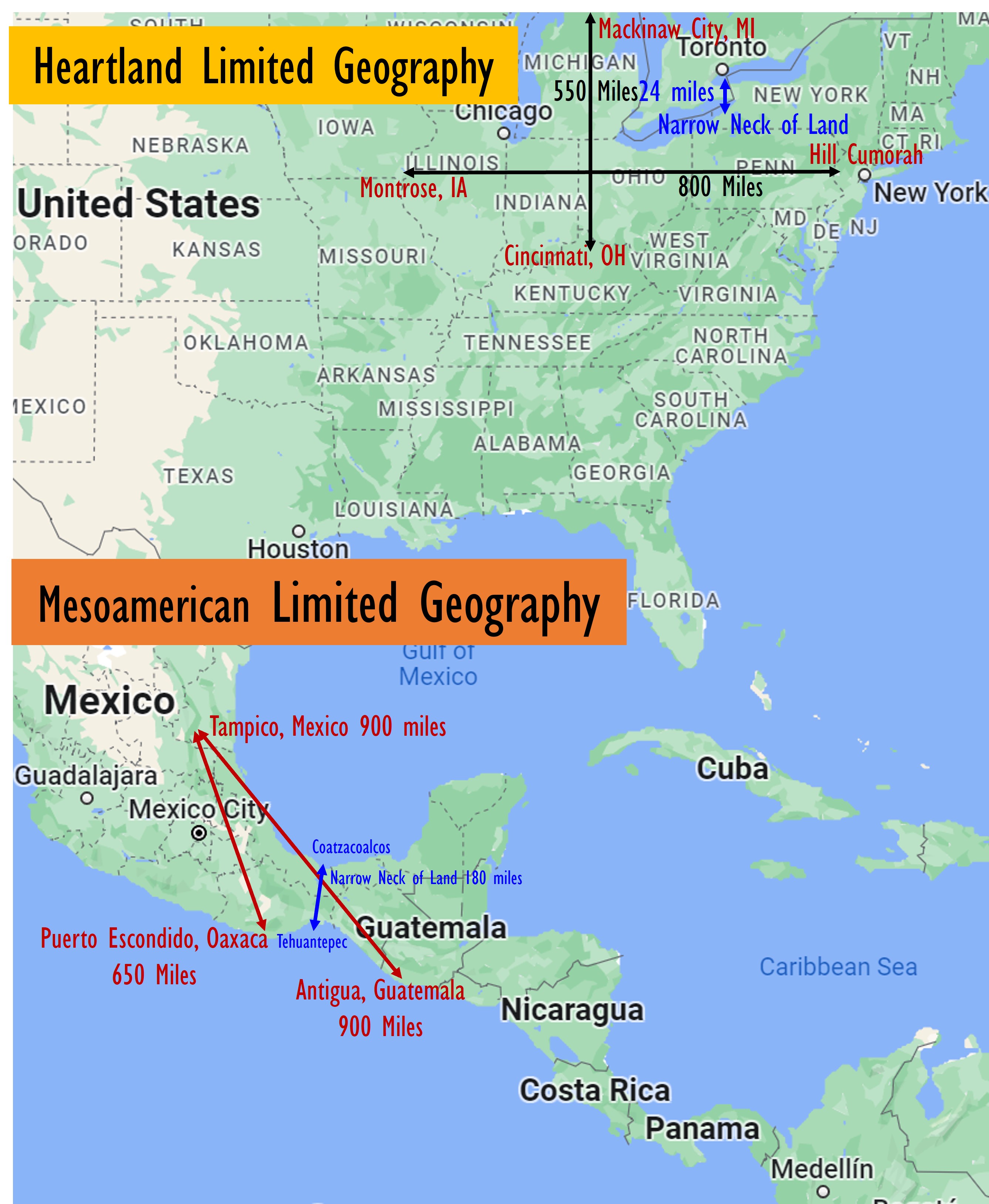 As an example, Mesoamerica has an east/west orientation. To the north is the Gulf of Mexico. To the south is the Pacific. However, the Book of Mormon speaks of the land northward and the land southward, not the land east and west. For Mesoamerica to qualify as the setting for the Book of Mormon, proponents must redefine the term “north” as used in the Book of Mormon (“Nephite north”), claiming it cannot be the same as the direction we call “north” today.
This has led one faithful LDS scholar to make the following statement:
“The Book of Mormon is the translation of a document from a culture with which Joseph Smith was not familiar. We have evidence that Joseph dictated ‘north.’ What we do not have evidence of is what the text on the plates said.” 4
This scholar doesn’t think Joseph’s translation is evidence of what was on the plates. It is difficult to conceive of an argument that undermines the Book of Mormon more than this. If Joseph couldn’t correctly or accurately translate a concept as basic as a cardinal direction, what basis is there for believing he could translate anything correctly or accurately? Joseph reviewed the Book of Mormon several times to make sure the translation was correct. If, as this quotation demonstrates, Mesoamerican proponents must cast doubt on the validity of Joseph’s translation to place the Book of Mormon in Mesoamerica, the Mesoamerican theory sows confusion and misdirection.
Another prominent and faithful LDS scholar has defended his Mesoamerican geography in a series of books on the topic. Here are some of his conclusions.
“There remain Latter-day Saints who insist that the final destruction of the Nephites took place in New York, but any such idea is manifestly absurd. Hundreds of thousands of Nephites traipsing across the Mississippi Valley to New York, pursued (why?) by hundreds of thousands of Lamanites, is a scenario worthy only of a witless sci-fi movie, not of history.” 5
“Joseph Smith became convinced in the last years of his life that the lands of the Nephites were in Mesoamerica.” 6
“The prospect that any other part of America than Mesoamerica was the scene of Book of Mormon events is so slight that only this obvious candidate area will be considered here.” 7
This “sci-fi” take on Joseph’s comments during Zion’s camp may be understandable if one believes that Joseph wrote the Times and Seasons articles, but now that we know he did not, what justification can there be for ridiculing a North American setting? The second quotation expresses a common belief among Mesoamerican advocates that Joseph’s views changed over the years, but what evidence is there of that, apart from Winchester’s articles? Once we recognize that Winchester, the Smoking Gun of Book of Mormon geography research, wrote these articles and that William Smith published them, everything that Joseph wrote or taught is consistent with a North American setting for the Book of Mormon.
The third quotation from this scholar shows that he didn’t even consider a site outside of Mesoamerica, presumably because of the Winchester articles. Hopefully he, and those who have collaborated with him, will now recognize that the foundations for the Mesoamerican theories have collapsed, leaving behind nothing but swirling dust and the smoke curling out of the smoking gun that is Benjamin Winchester’s.
Why Zarahemla?
It has long been somewhat curious that the final Mesoamerican Times and Seasons article focused on Zarahemla. Why Zarahemla? Why didn’t Winchester write about the city of Bountiful, or the city of Nephi or some other Book of Mormon location?
The site across the Mississippi River from Nauvoo had been named Zarahemla by the Lord in D&C 125:3. Some authors have stated, incorrectly, that the site was referred to as Zarahemla prior to this revelation, but the historical record shows this is not the case. The saints’ use of the term Zarahemla for the land across the river from Nauvoo followed the revelation.
The Times and Seasons published only one description of the development activity in Zarahemla, Iowa. The author stood by the temple and looked across the river, writing “The Temple also commands a fine view of Zarahemla, and the beautiful prairie that stretches along, at its wonted distance from the river for several miles. Several buildings are in progress in Zarahemla.“
As you may already have guessed, the author of that article was Benjamin Winchester.
Winchester first formulated his Mesoamerican theory in March 1841–the same month that, 850 miles away in Nauvoo, Joseph Smith had received the revelation now known as D&C 125. Was the Lord preparing Joseph for what Winchester would eventually propose? Was it Winchester’s missionary zeal that led him to link the Book of Mormon to a best-selling book about Mesoamerica? Did this theory of Winchester’s ultimately injure the Church as Joseph predicted?
Everyone can assess the evidence and decide, but in the end, best-selling books and public fascination do not have enduring value. Only the truth does.
Notes:
- Vern G. Swanson, “The Book of Mormon Art of Arnold Friberg, ‘Painter of Scripture’” Journal of Book of Mormon Studies 10/1 (Neal A. Maxwell Institute for Religious Scholarship, Brigham Young University, Provo, Utah 2001): 26-35, 33. ↩
- Joseph Smith, “Mormonism,” The American Revivalist and Rochester Observer 7/6 (February 2, 1833). Only the last two paragraphs of Joseph’s letter to the newspaper were printed. The entire letter appeared eleven years later in the November 15, 18. issue of the Times and Seasons. ↩
- Vern G. Swanson, “The Book of Mormon Art of Arnold Friberg, ‘Painter of Scripture, Journal of Book of Mormon Studies 10/1 (Neal A. Maxwell Institute for Religious Scholarship, Brigham Young University, Provo, Utah 2001): 26-35, 33. ↩
- Brant A. Gardner, ‘An Exploration in Critical Methodology: Critiquing a Critique,” FARMS Review 16/2 (Neal A Maxwell Institute for Religious Scholarship, Brigham Young University, Provo, Utah, 2004): 173-223, p. 218 ↩
- John L.Sorenson, Mormon’s Codex (The Neal A Maxwell Institute for Religious Scholarship and Deseret Book, Salt Lake City, Utah, 2013), p. 688. ↩
- Ibid, p. 694. ↩
- John L. Sorenson, The Geography of Book of Mormon Events: A Source Book (The Foundation for Ancient Research and Mormon Studies, Provo, Utah 1992): 407. ↩
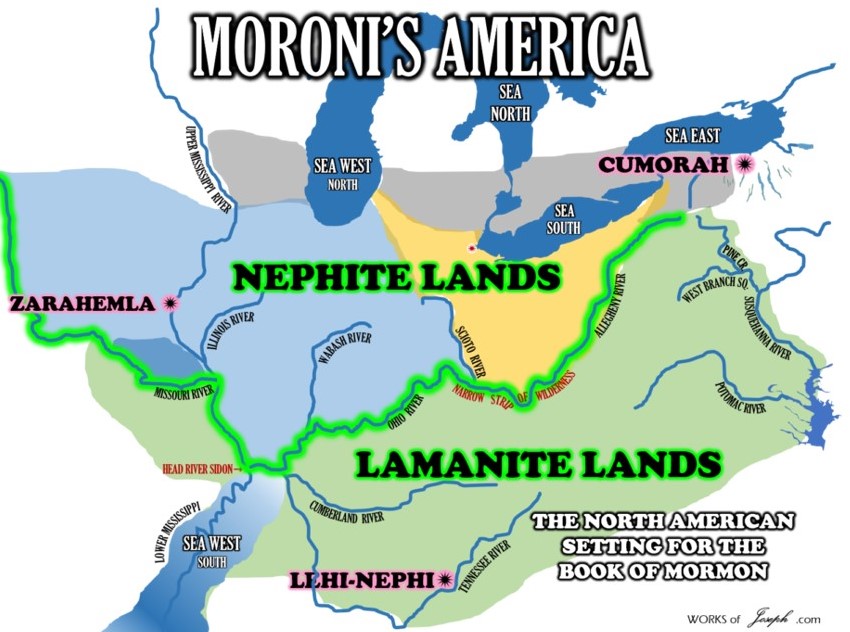
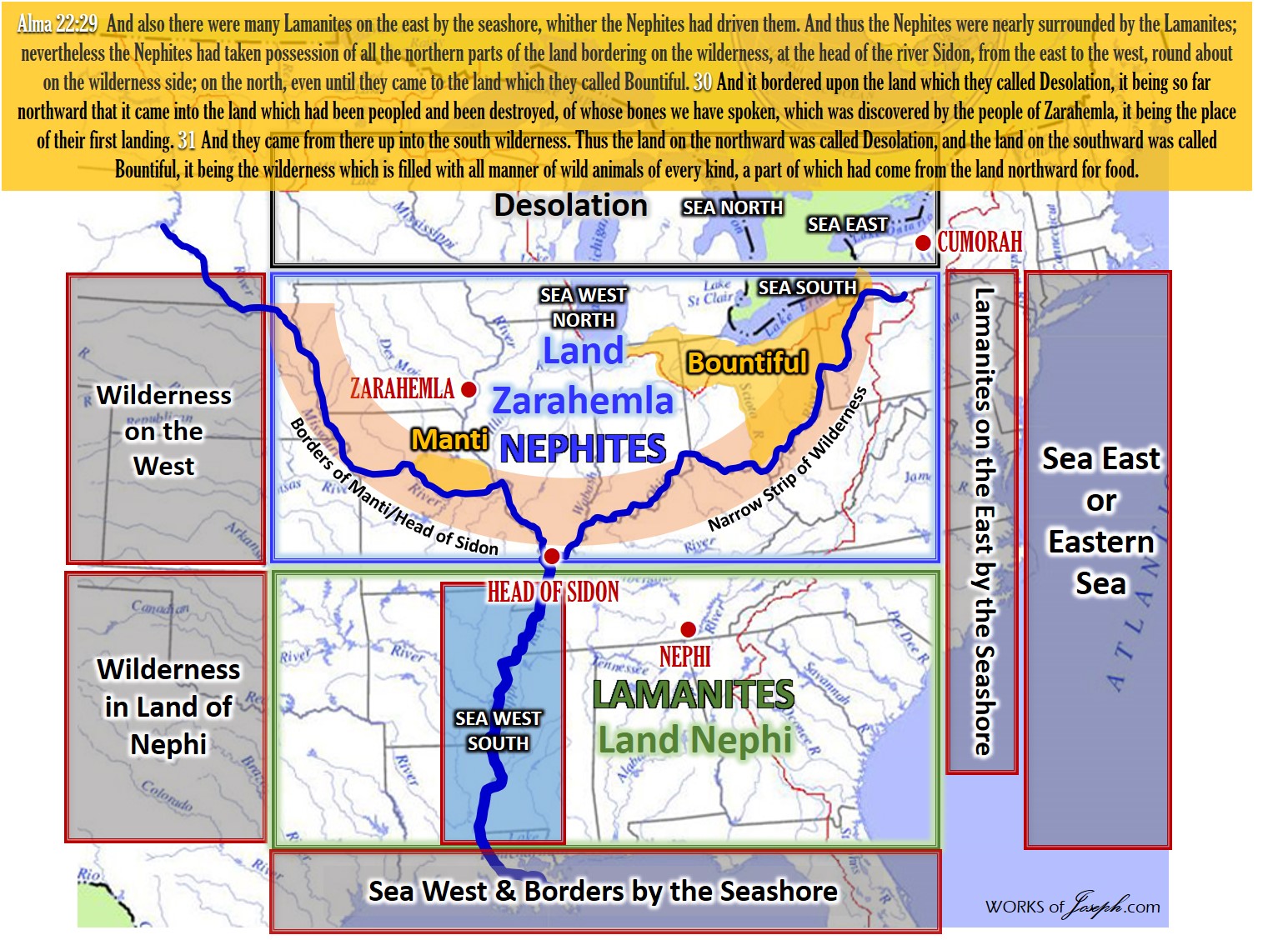
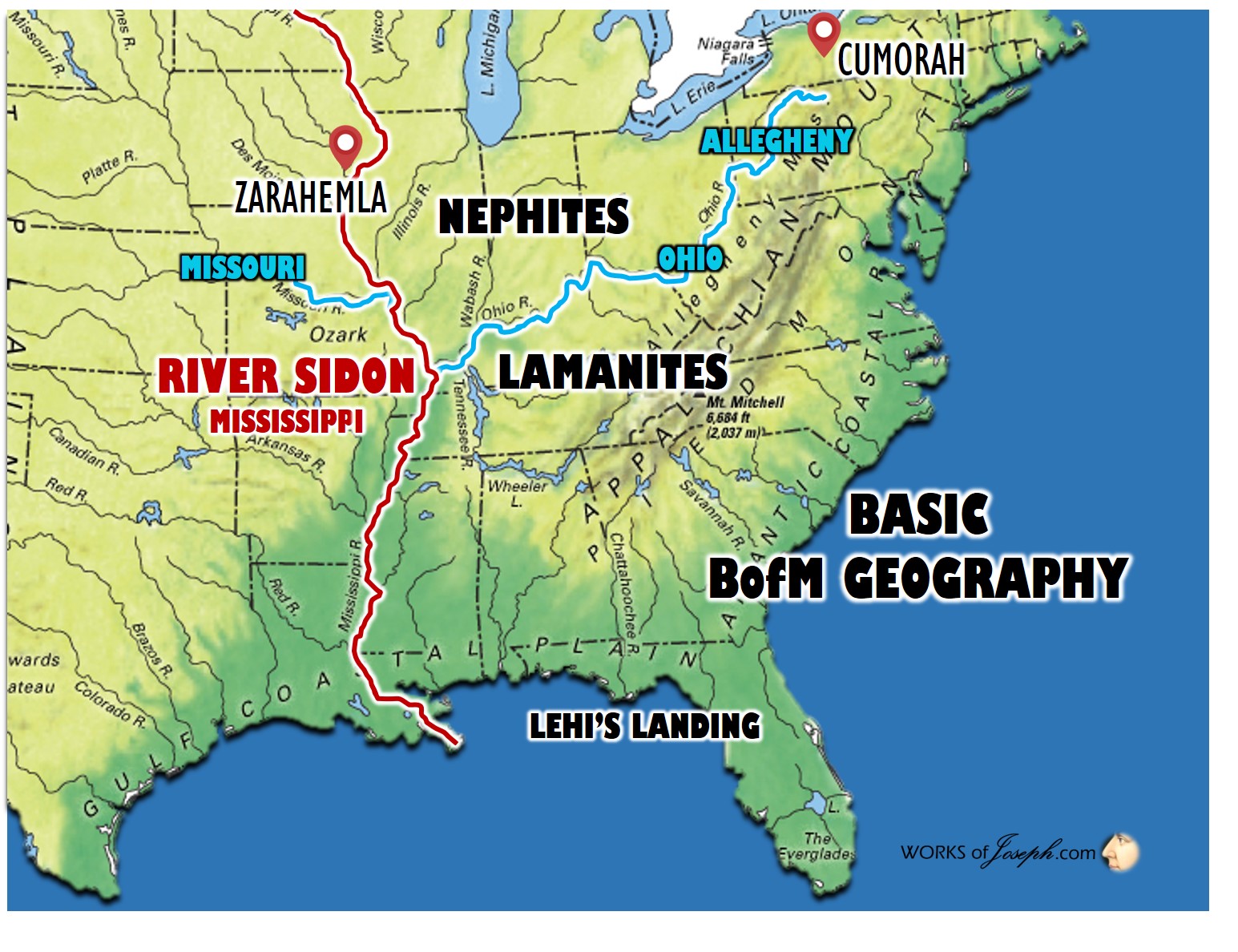
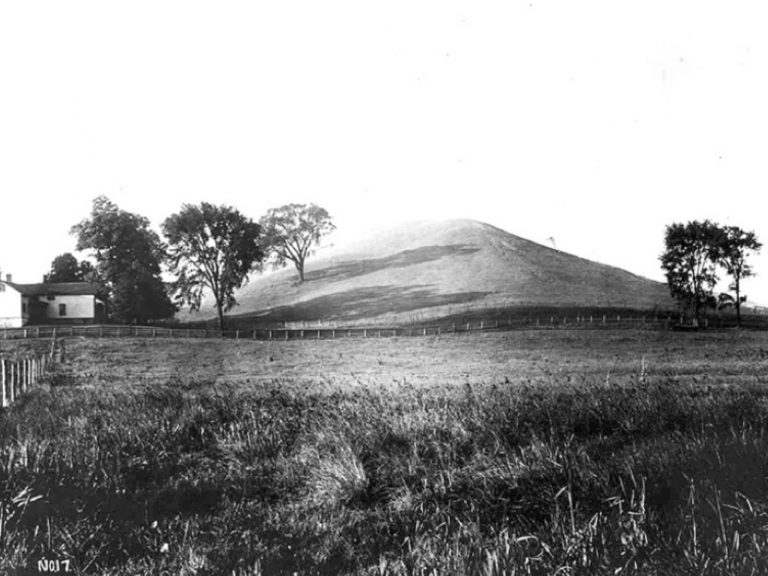
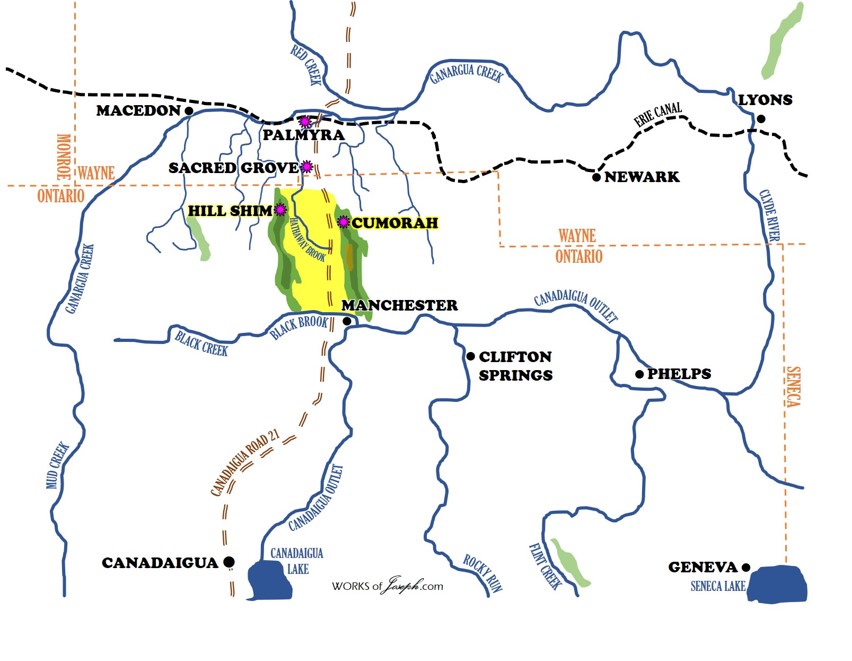 “…Here, between these hills, (Yellow space above) the entire power and national strength of both the Jaredites and Nephites were destroyed. By turning to the 529th and 530th pages of the Book of Mormon, you will read Mormon’s account of the last great struggle of his people, as they were encamped round this hill Cumorah. In this valley fell the remaining strength and pride of a once powerful people, the Nephites—once so highly favored of the Lord, but at that time in darkness, doomed to suffer extermination by the hand of their barbarous and uncivilized brethren. From the top of this hill, Mormon, with a few others, after the battle, gazed with horror upon the mangled remains of those who, the day before, were filled with anxiety, hope, or doubt.” Oliver Cowdery’s Letter VII Joseph Smith Papers “Letter VII,” LDS Messenger and Advocate, July 1835, 1:155–159 .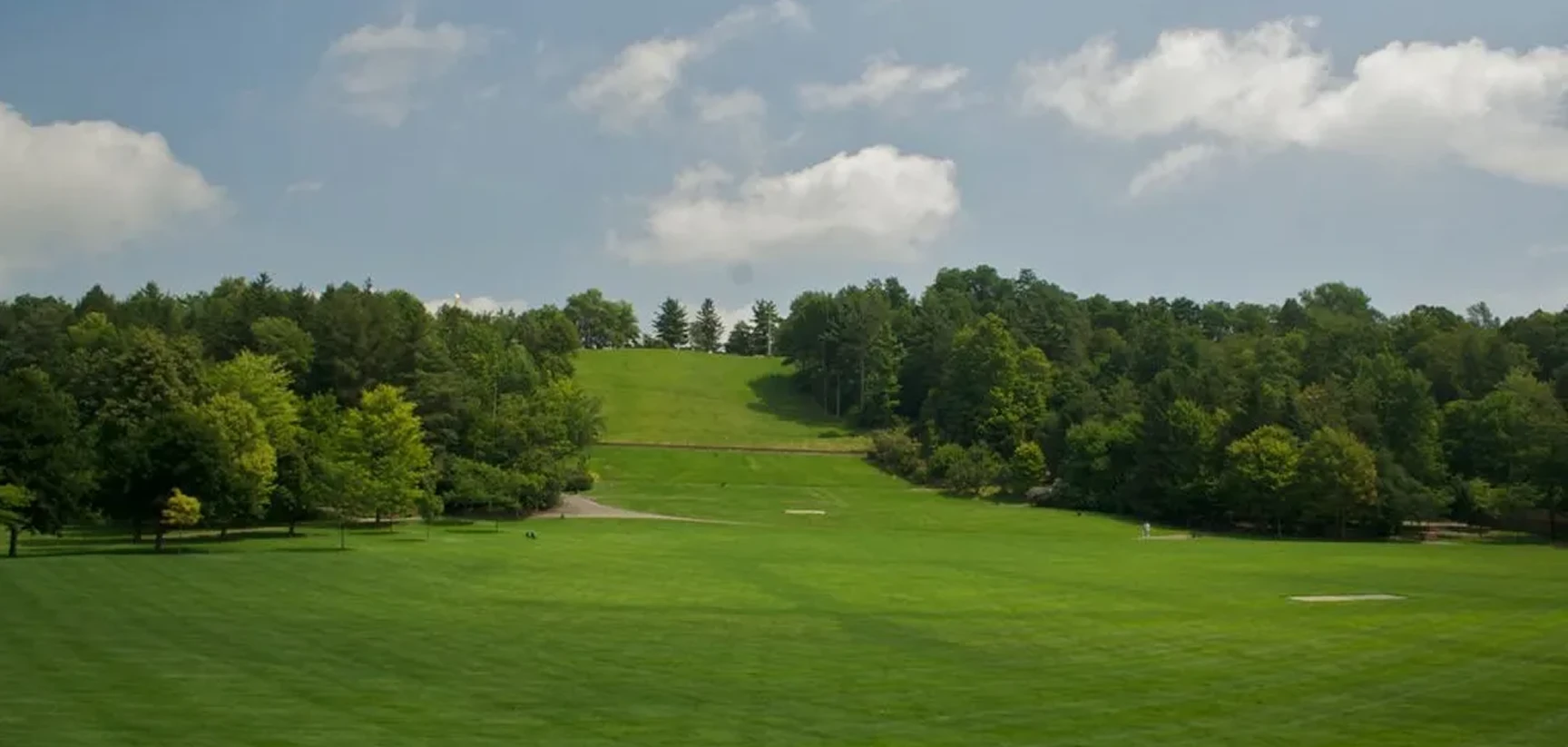
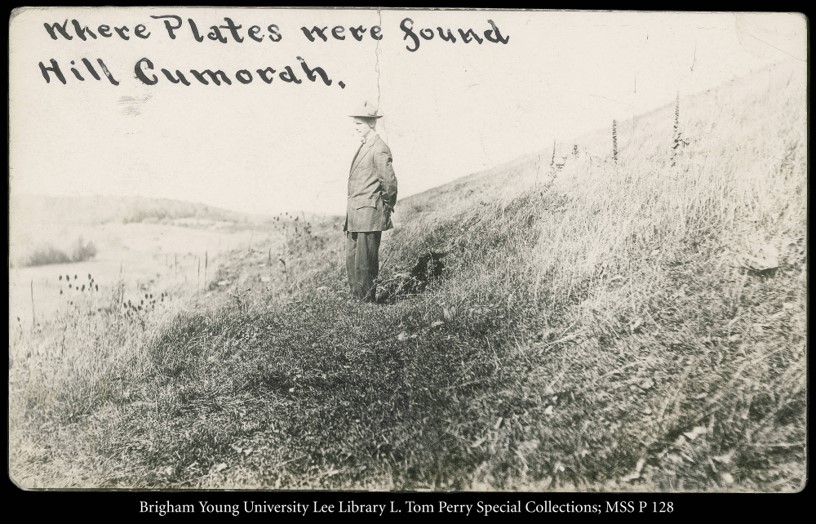
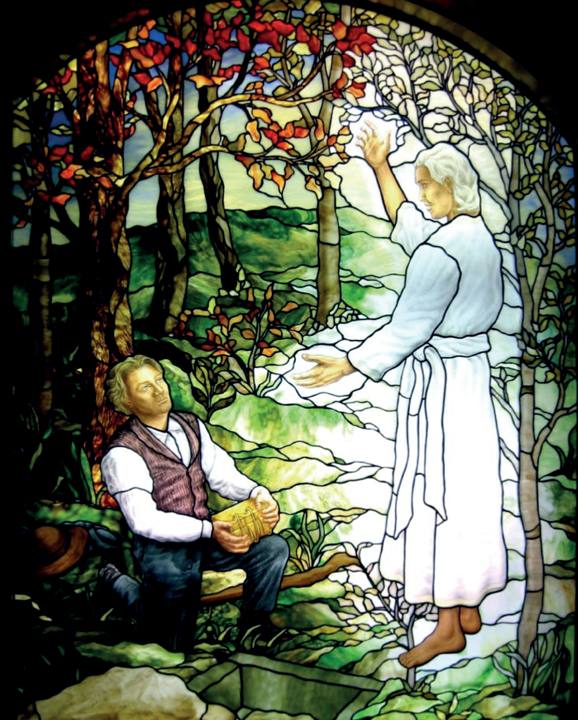
 The more common reference to Cumorah among Latter-day Saints is to the hill near present-day Palmyra and Manchester, New York, where the plates from which the Prophet Joseph Smith translated the Book of Mormon were found. During the night of September 21, 1823, Moroni appeared to Joseph Smith as an angel sent from God to show him where these plates were deposited (JS–H 1:29-47).
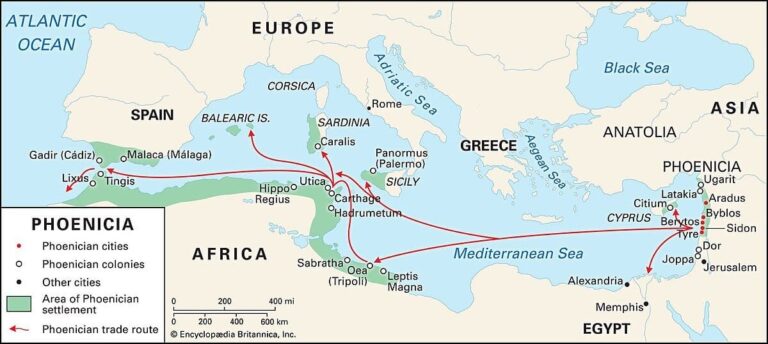
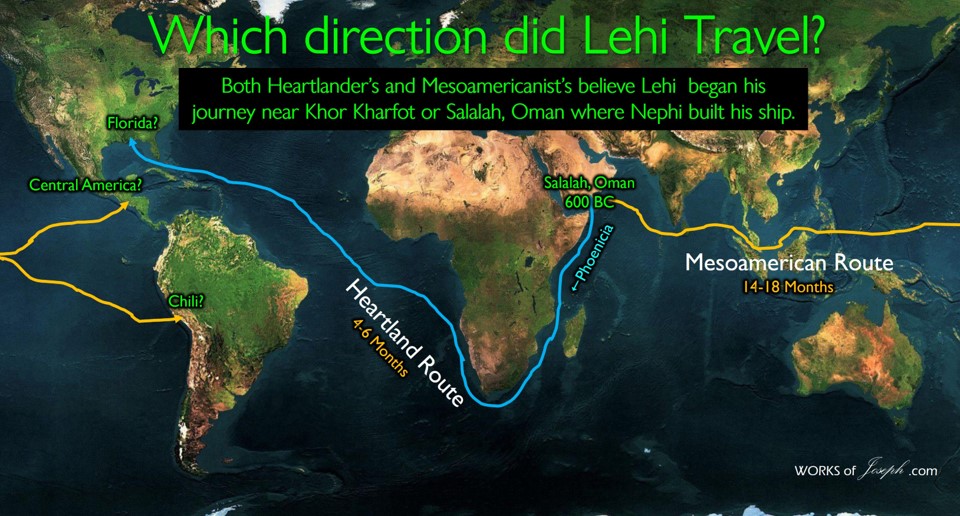
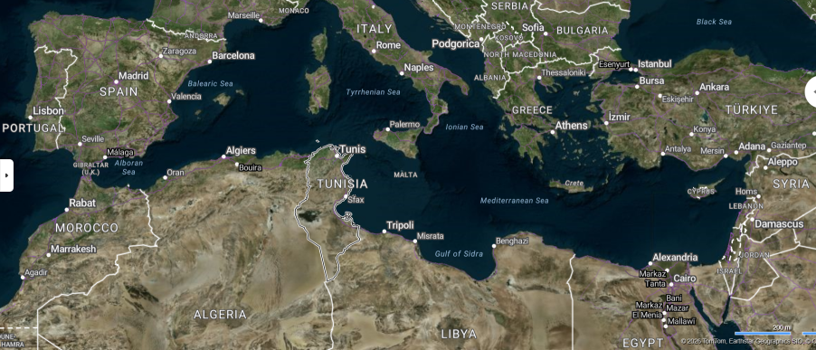
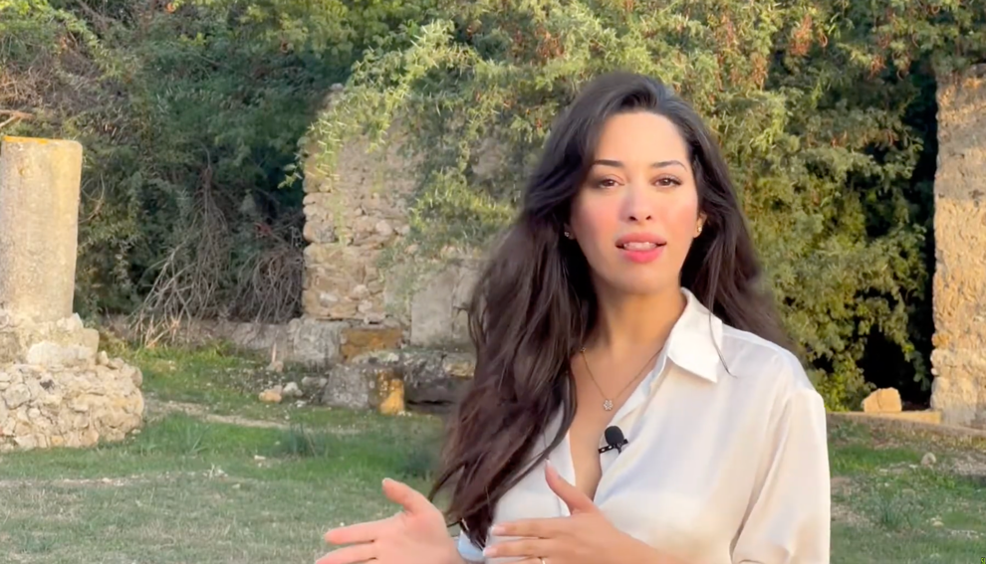 Erij is the Founder and President of Association Didon de Carthage (Tunisia). This is a cultural and historical organization based in Tunisia dedicated to promoting the heritage of Carthage and the Phoenicians. The president and founder is Ery’j B. Sassi Trimech, who works to highlight the greatness of the Carthaginian Empire and the Phoenicians, and has connections with government officials in Tunisia.
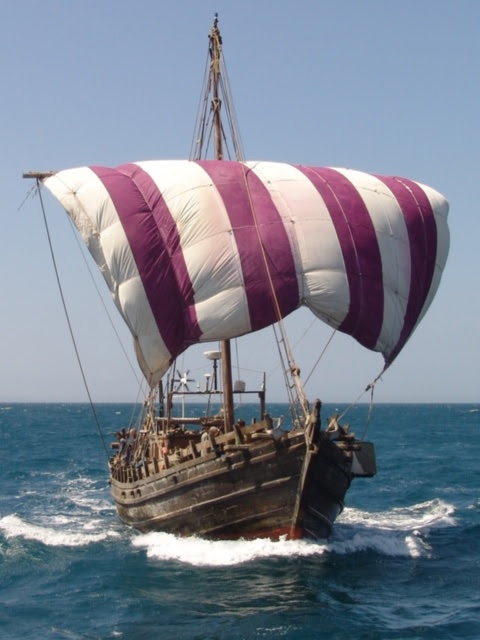
 She belongs to the early Iron Age Phoenician world, roughly: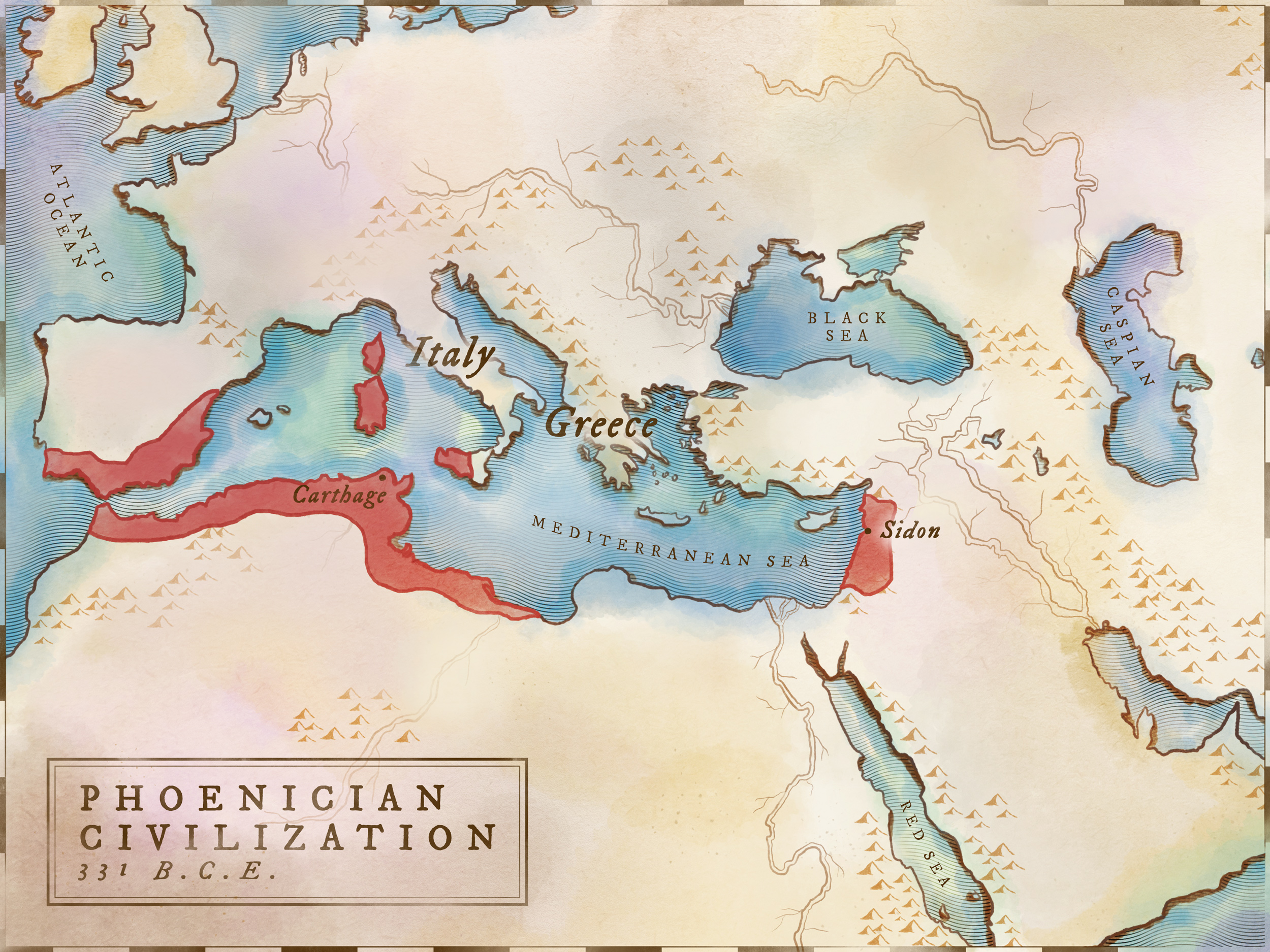
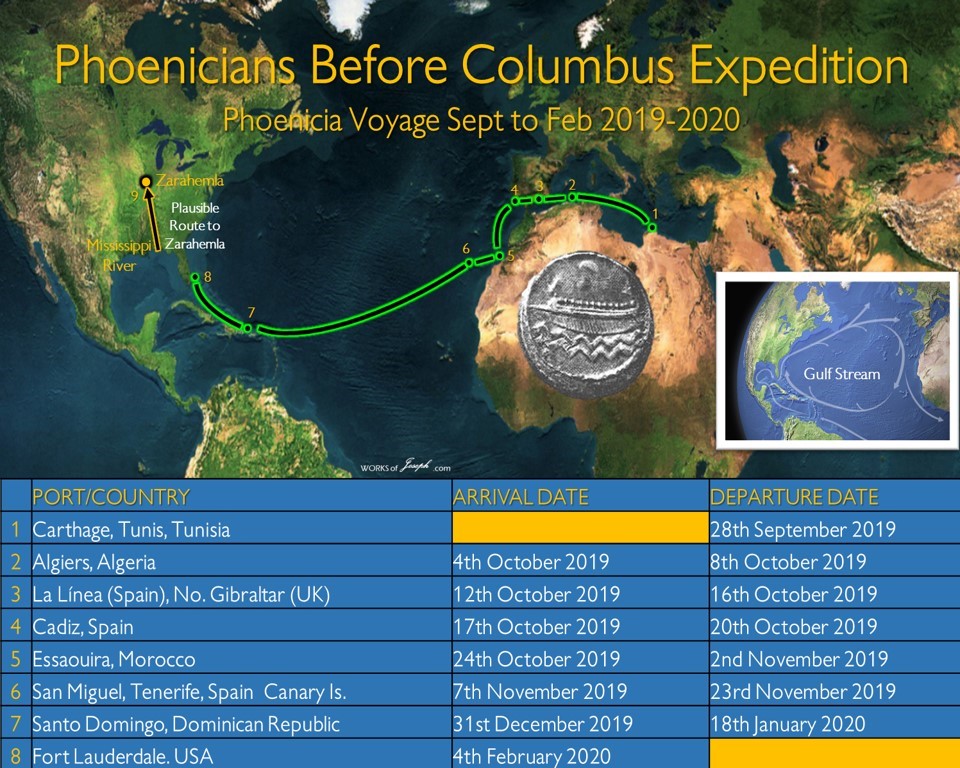

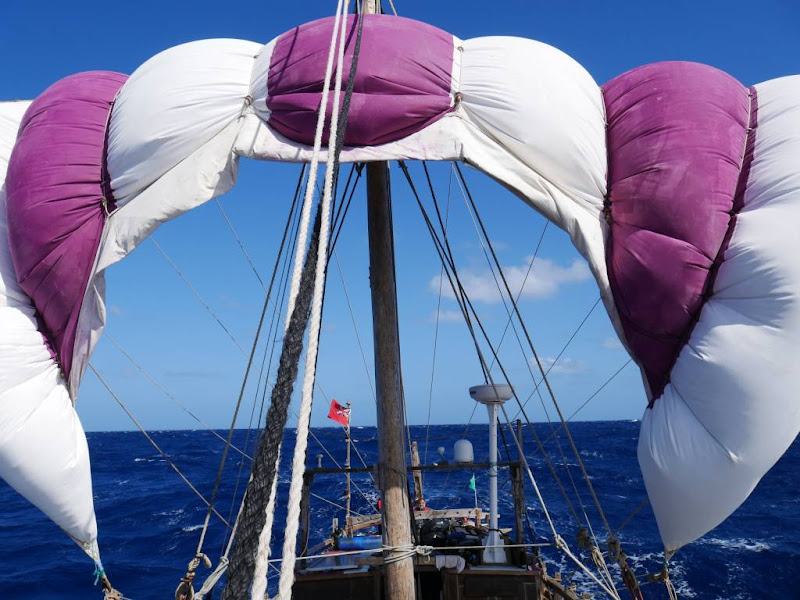
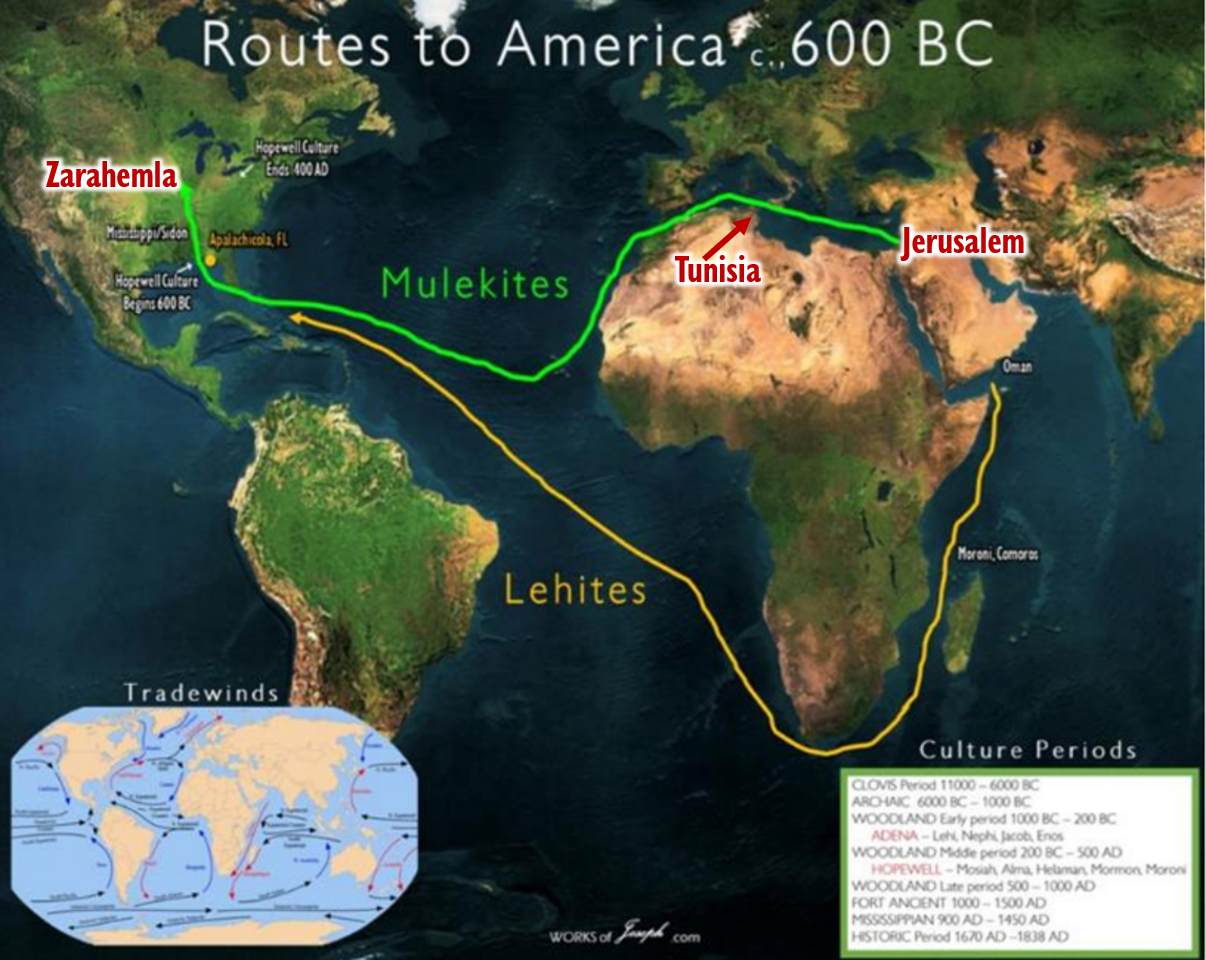
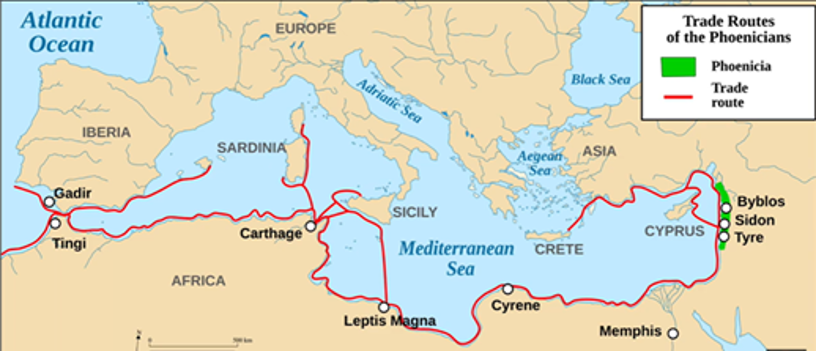
 Ms. Eryj Ben Sassi is traveling from Carthage, Tunisia, to Salt Lake City, Utah, to promote Phoenicia in the Intermountain West. Her involvement with the ship dates back more than seven years to when Captain Beale and his international crew were in Tunisia and Morocco. We are sure that many people will benefit from meeting her in Utah as they become better acquainted with how the Old and New Worlds connected thousands of years before Columbus.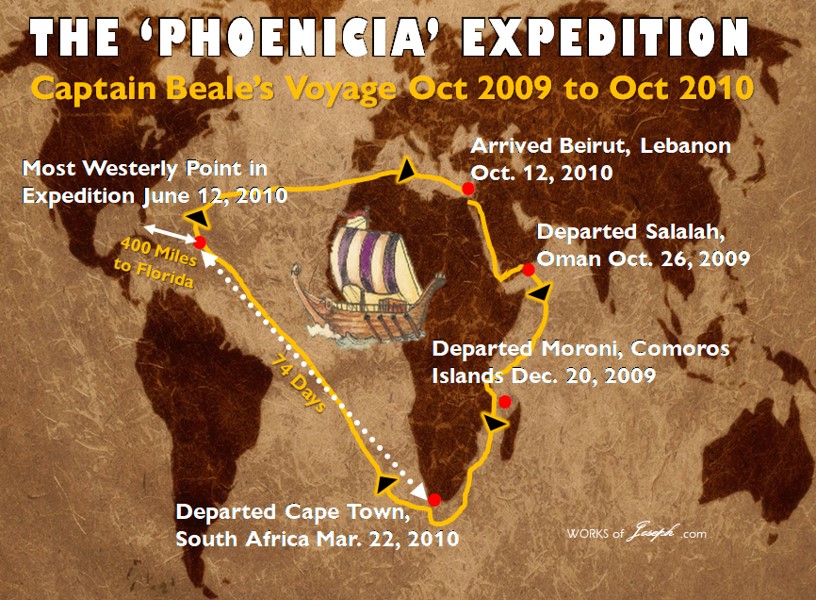
 Why Was North Africa So Central?
 Founder and President of Didon de Carthage, was in Morocco at the annual event that is organized by the Association Essaouira Mogador. While there Ms. Eryi Ben Sassi had the opportunity to talk with many important people including the Senior Advisor to His Majesty Mohammed VI, the King of Morocco.
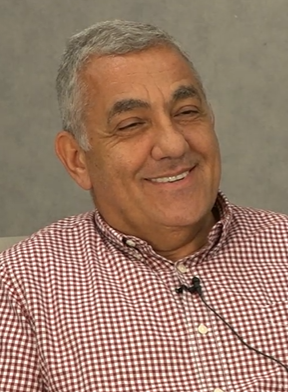 Hundreds of thousands of people recognize the significance of Phoenicia to the history of the Old World. For every one person in America who loves Phoenicia, there are a hundred more in the Old World who love her even more. Phoenicia is now in Utah, and Habib Osta wants to learn more about the ship’s future legacy as she moves westward. Habib is a key leader within the Southern Federation of Syrian Lebanese American Clubs. He has served as the Chairman of the Board for the SFSLAC. He has been associated with the Cedar Club of Atlanta and has attended many annual SFSLAC Conferences. Habib Osta is active in visiting local clubs, supporting club events, and engaging with tens of thousands of members worldwide.



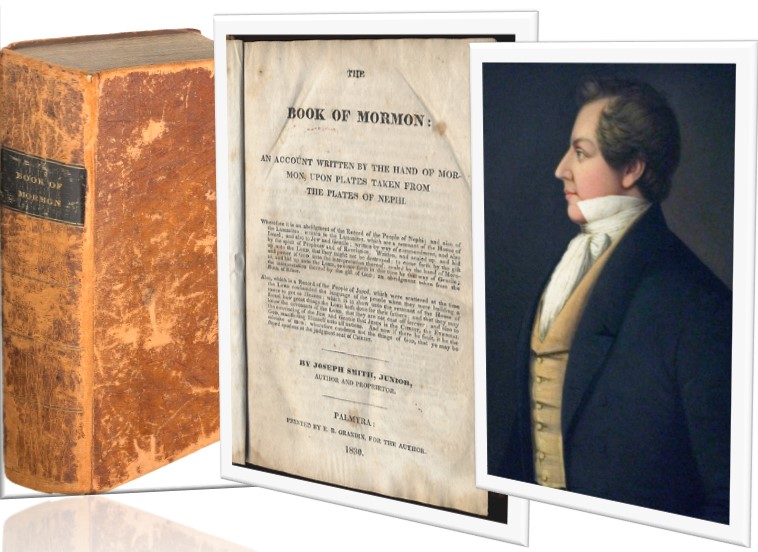
 Larry C. Porter answered the question saying, “It is true that some critics of the Book of Mormon have claimed that Joseph Smith used historical, philosophical, literary, and religious ideas circulating during his lifetime to create the Book of Mormon—making it merely a reflection of western New York culture in the early nineteenth century.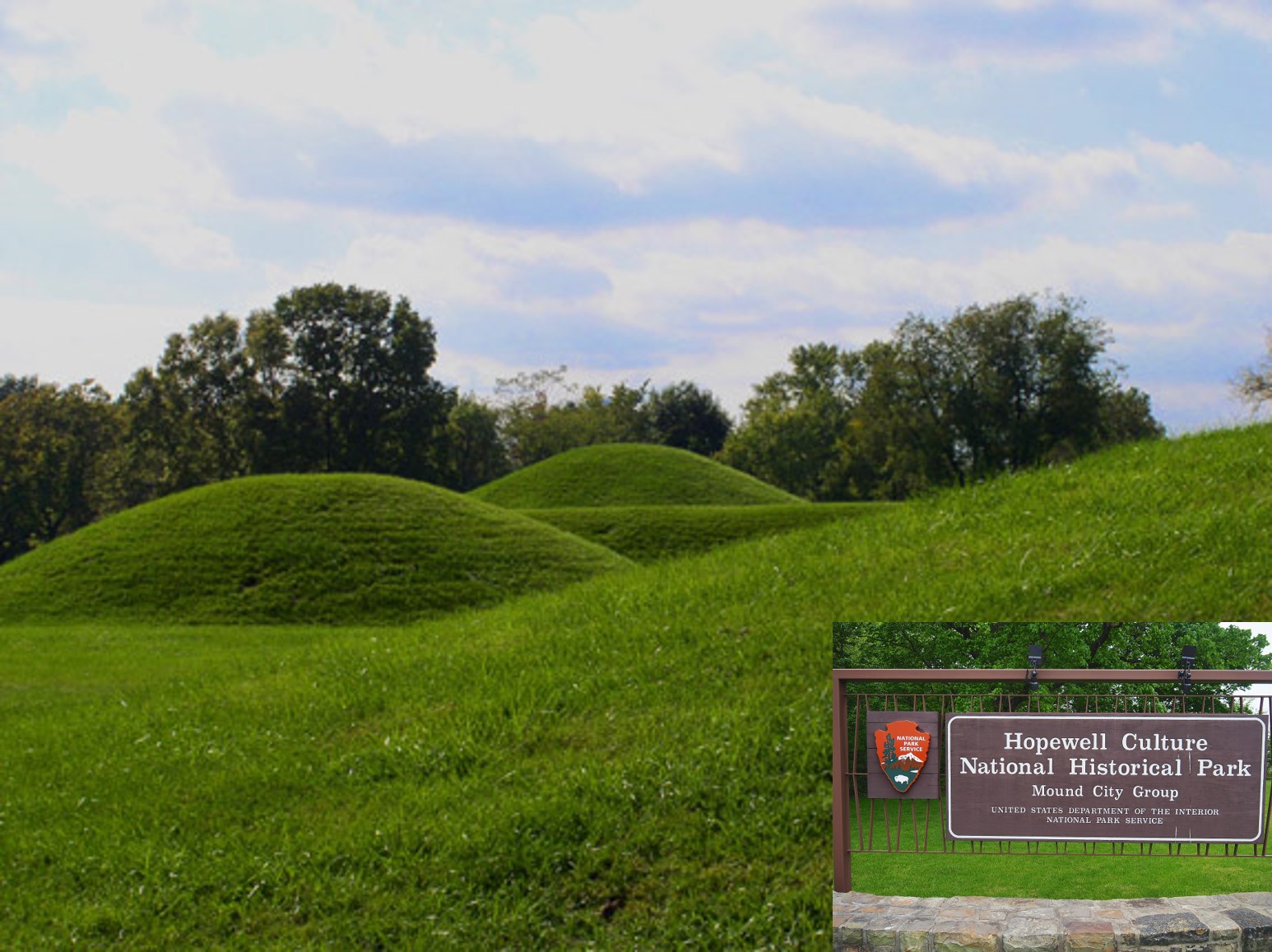
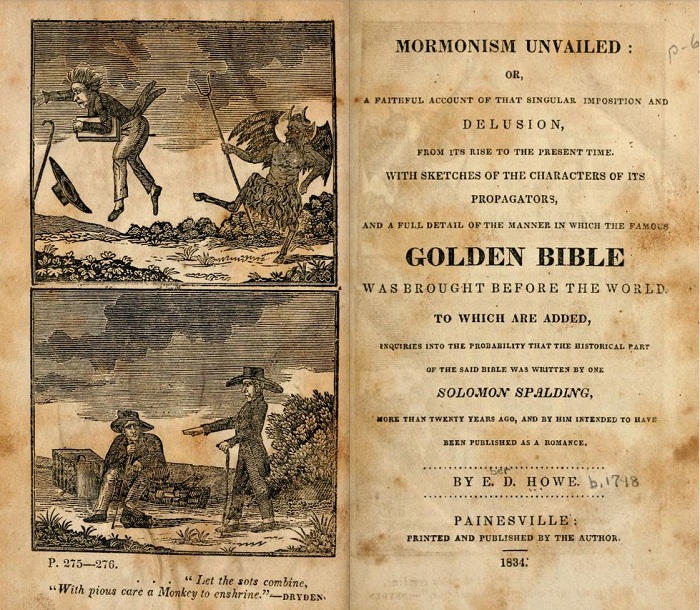 At one time, it was popular among critics to contend that a literary work of Joseph Smith’s day, a manuscript authored by the Reverend Solomon Spalding (also spelled Spaulding), influenced the plot of the Book of Mormon. Spalding died in 1816, but his manuscript survived and was used by Eber D. Howe to advance a “Spalding theory” in the first anti-Mormon work of note, Mormonism Unvailed, (Painesville: E. D. Howe, 1834; original spelling preserved.) Howe held that Sidney Rigdon had been responsible for taking Spalding’s manuscript from a printing establishment in Pittsburgh, Pennsylvania, and later making it available for publication through Joseph Smith.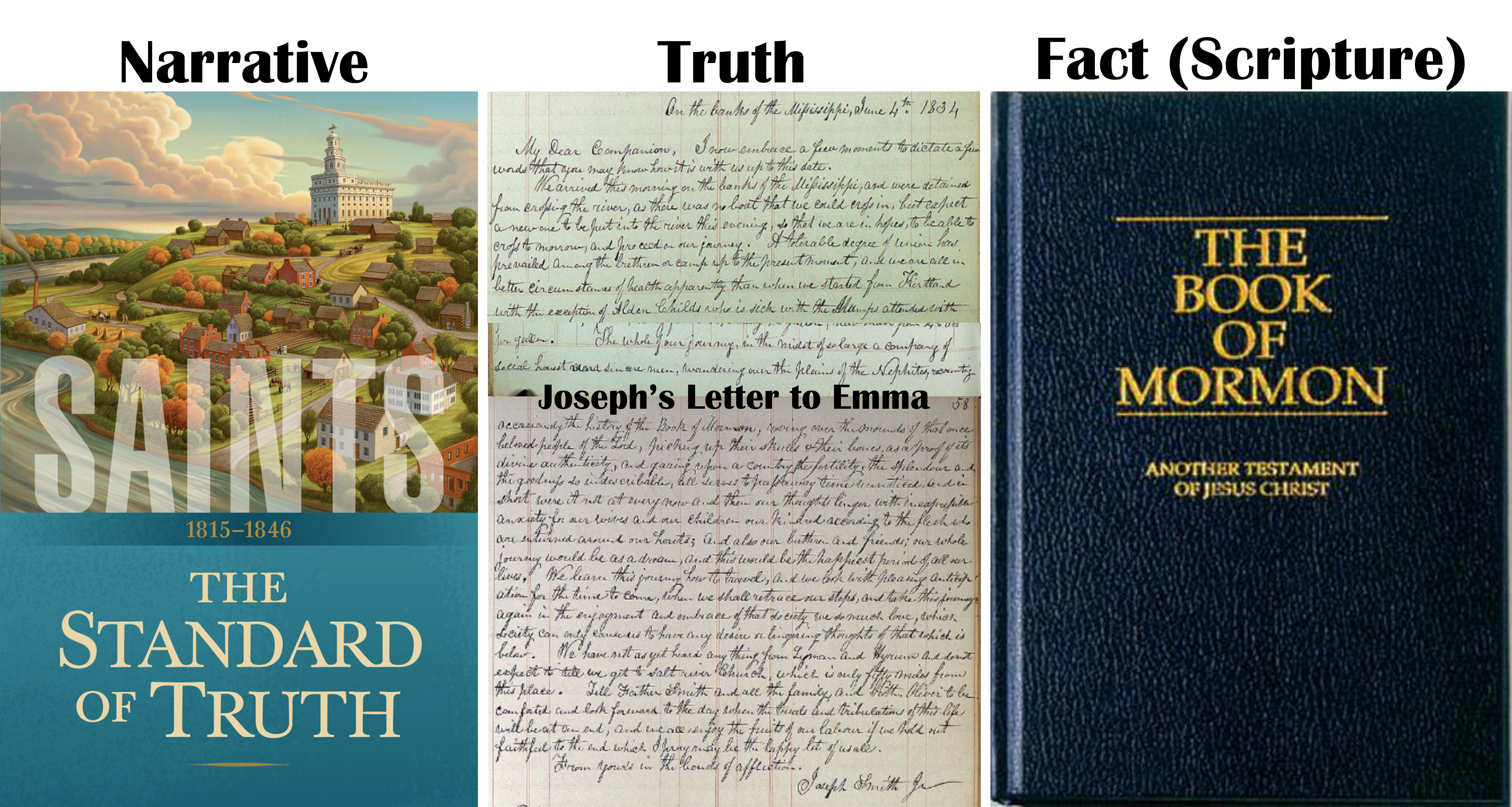
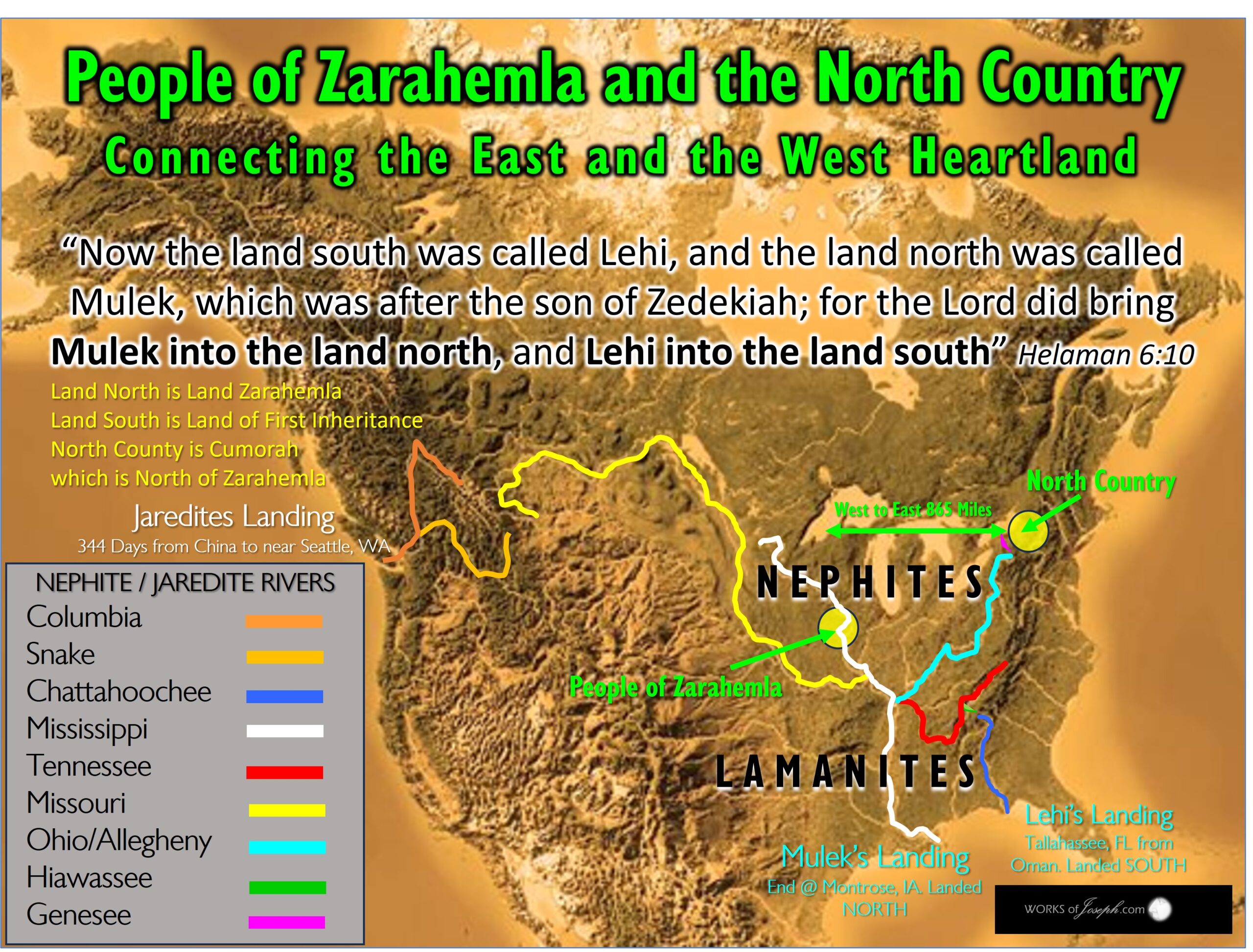
 Helaman 6:10. “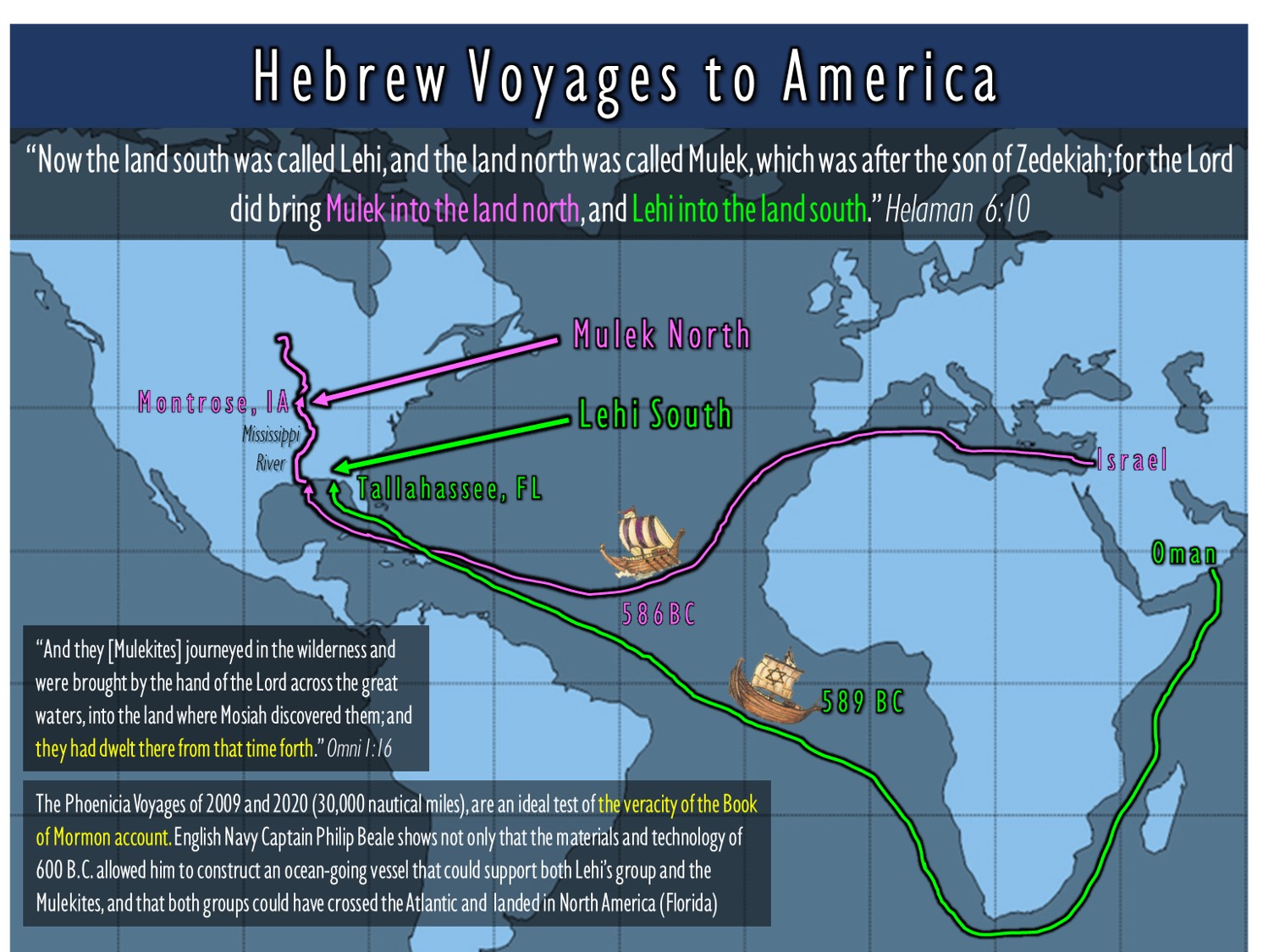
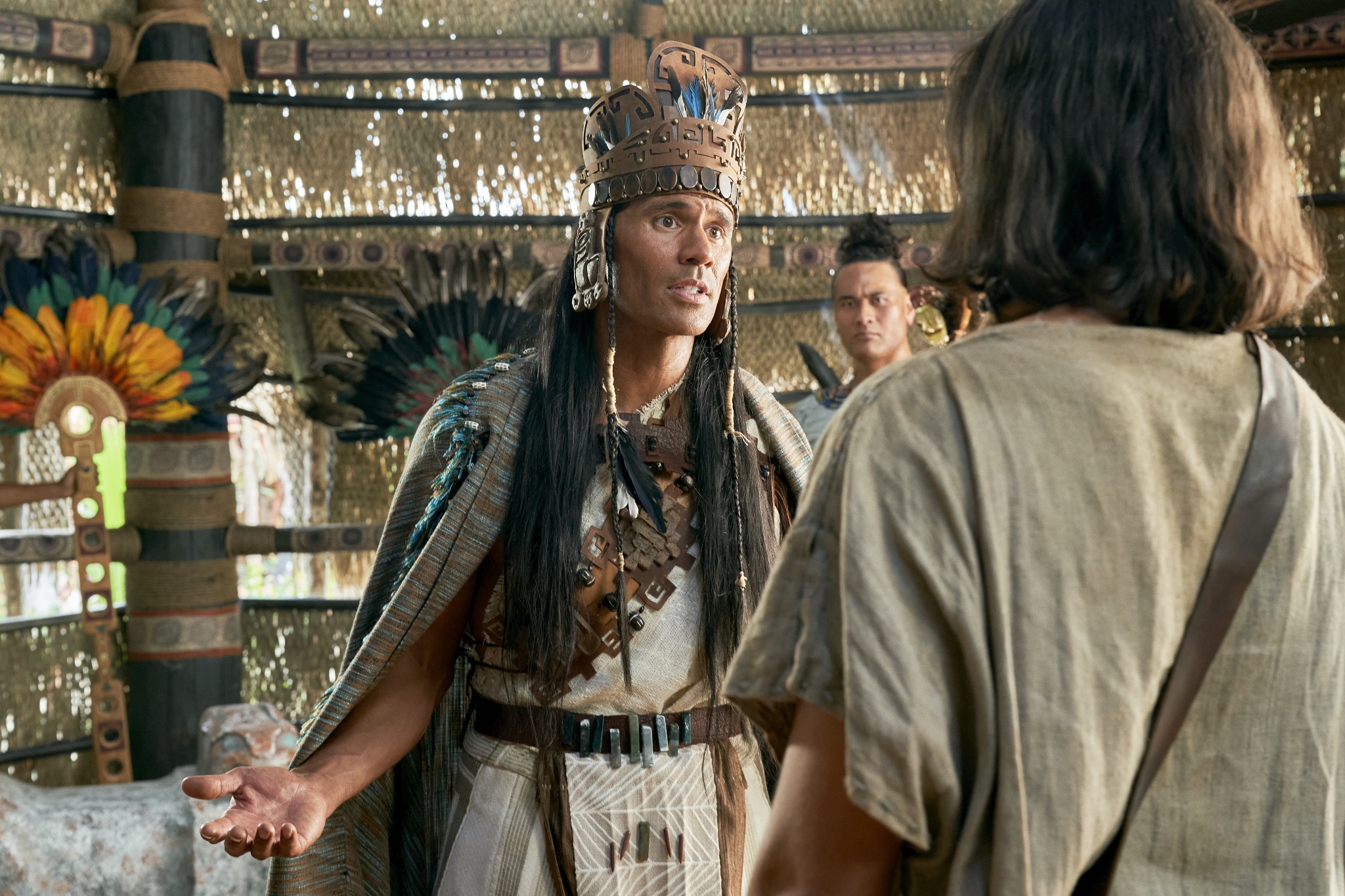
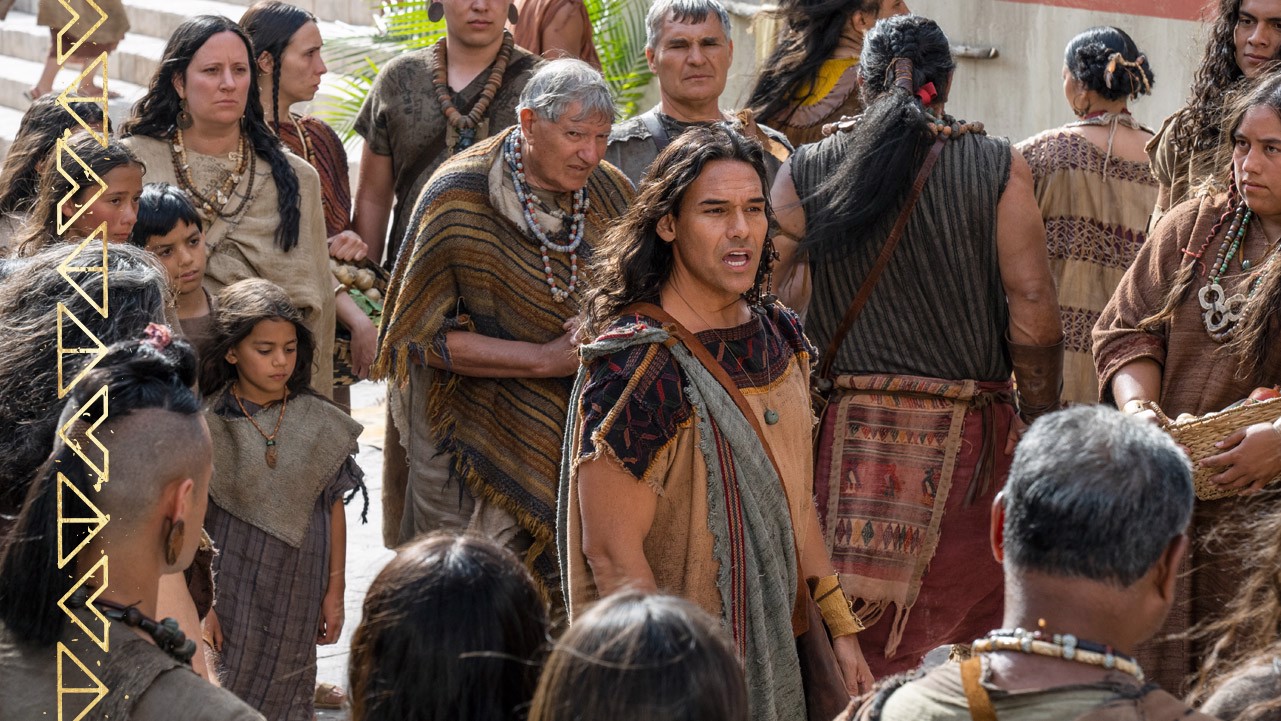
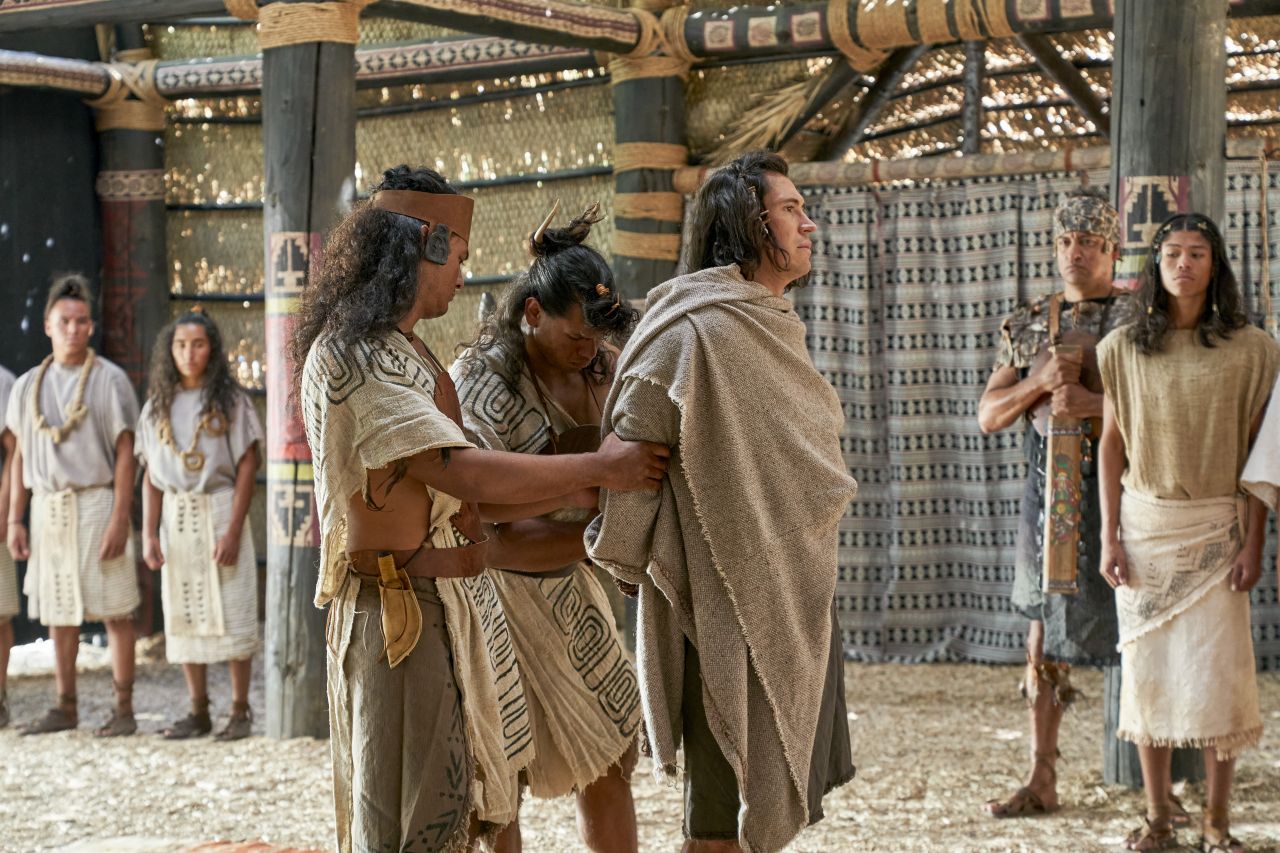





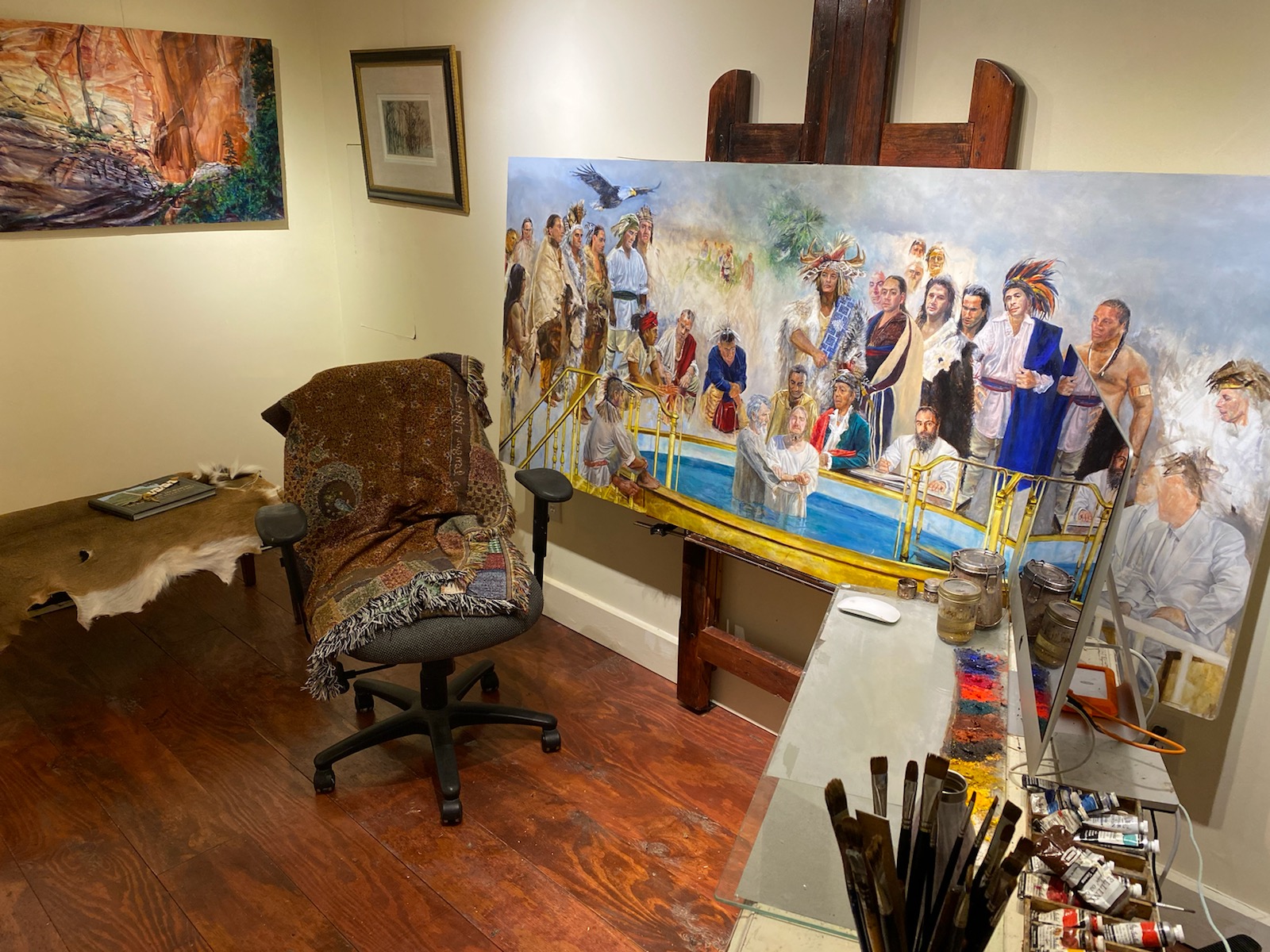
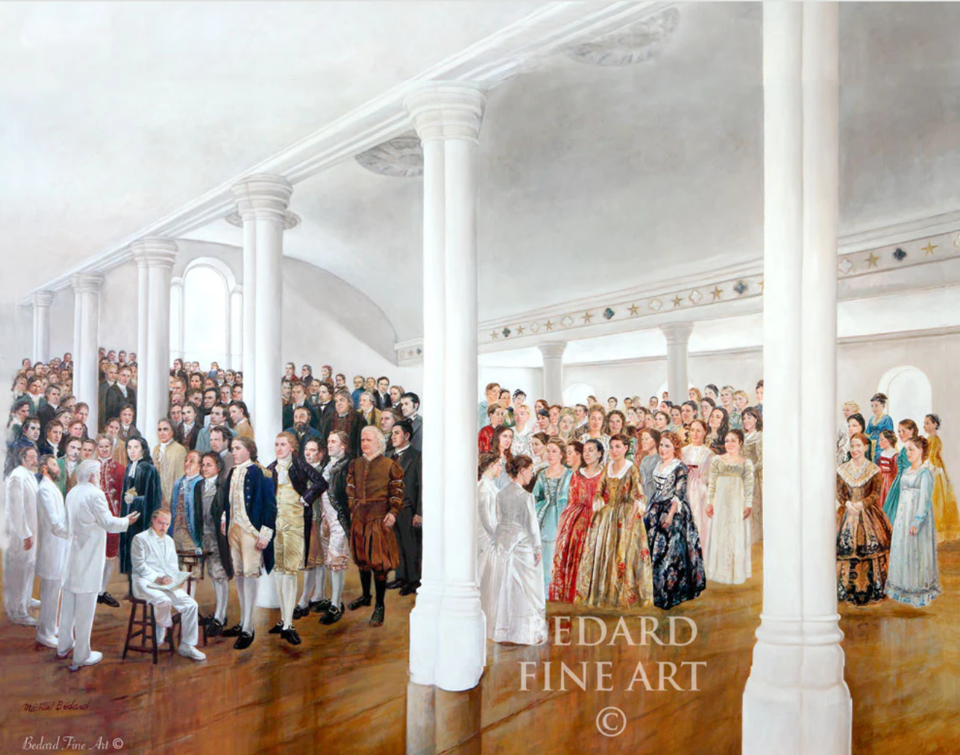
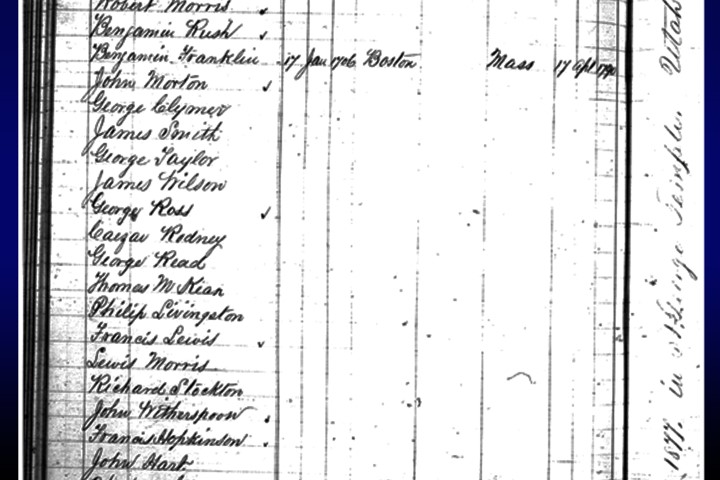
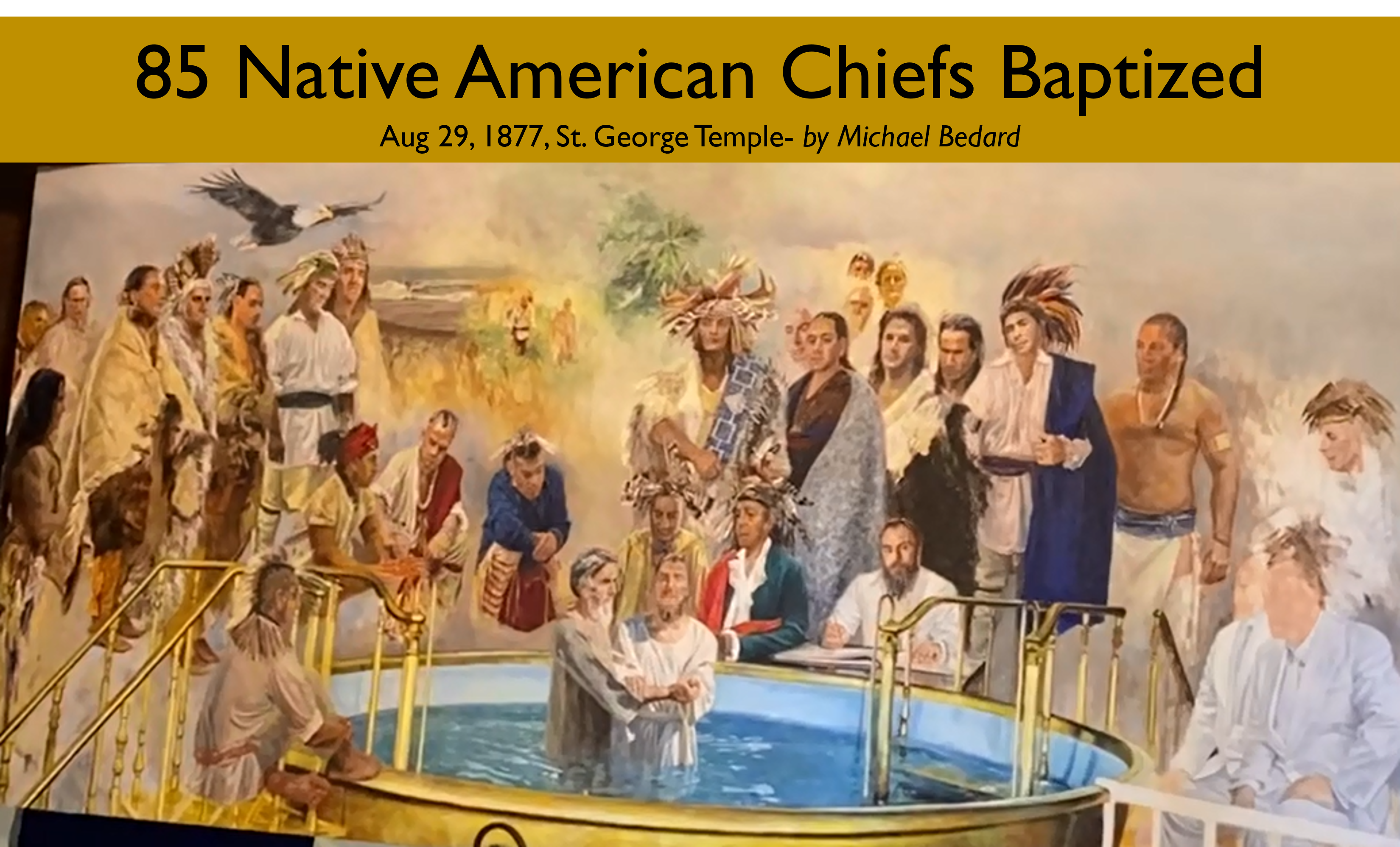
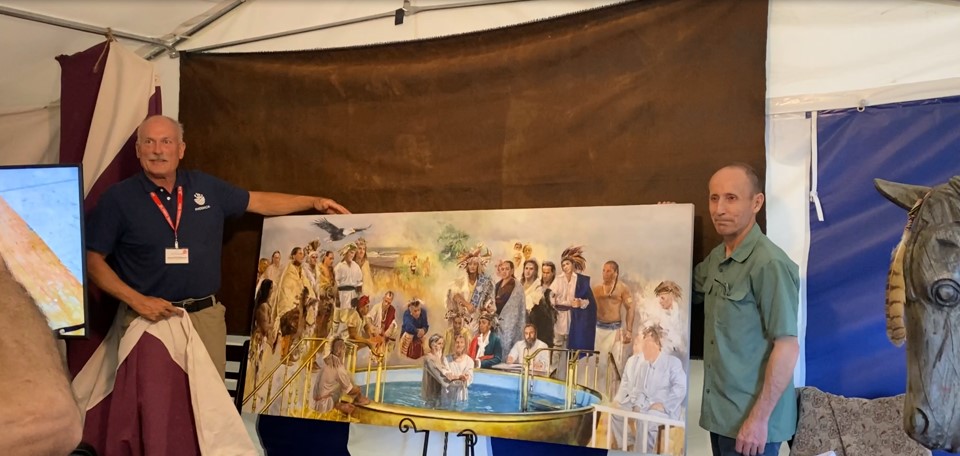
 Michael Bedard has created countless pieces of fine art, built three art studios, and raised a family of seven kids. He is a man who is confident in his abilities and always looking to improve them. He worked several jobs and served in the national guard while obtaining his BFA at Brigham Young University and MFA at Washington State University, all while raising a growing family. Michael is now living in Nauvoo, Illinois, with his wife and youngest son, establishing another gallery there. He has come a long way, developing his art over the years and through life’s challenges. The simple desire to create something greater popped into existence when a little Michael saw a mural made of tiny tiles at the public pool one summer. The flippant thought came to him, “I can do that!” This little boy looked at a simple piece of art and grew to create masterpieces that shape and are shaped by the world around him. With support from his young single mother, encouragement from schoolteachers eager to get the rebel to do something productive, and later many more people, the young man began to doodle, grow, draw, and paint. From that point he began his mission to change himself and the world. “When you create great art that literally frees people, it lifts them up and gives them wings.”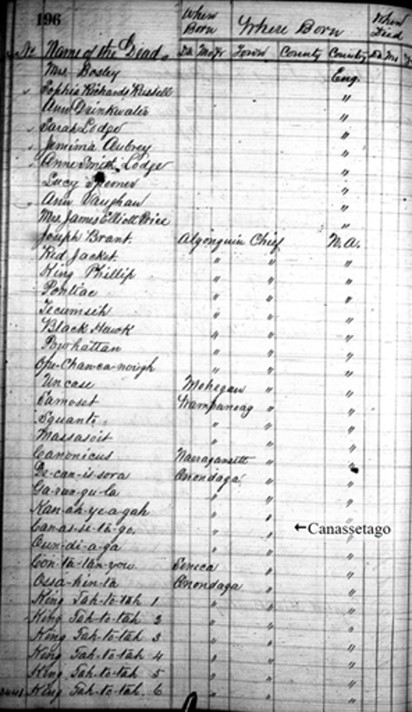


 Joseph Smith Foundation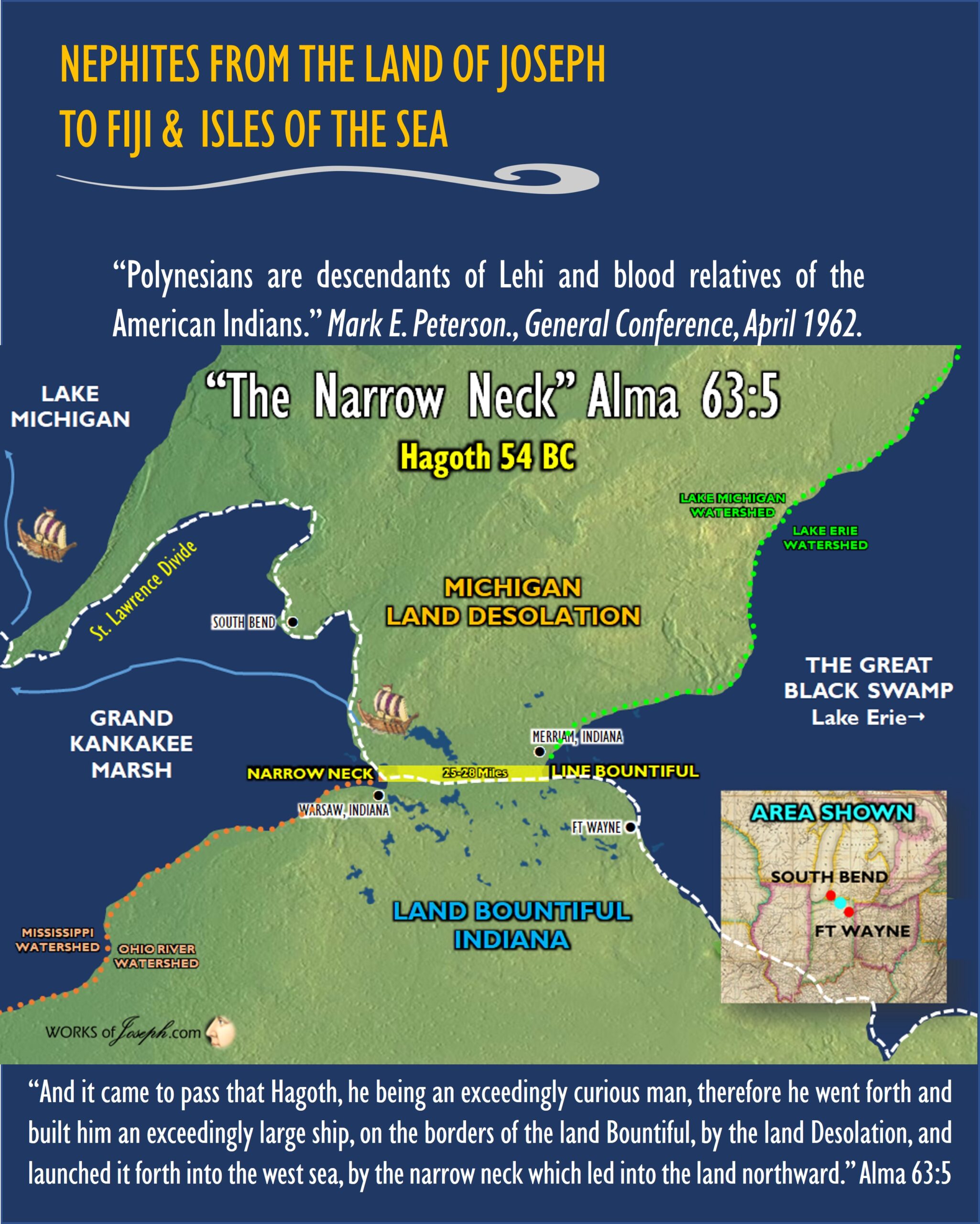
 Elder Matthew Cowley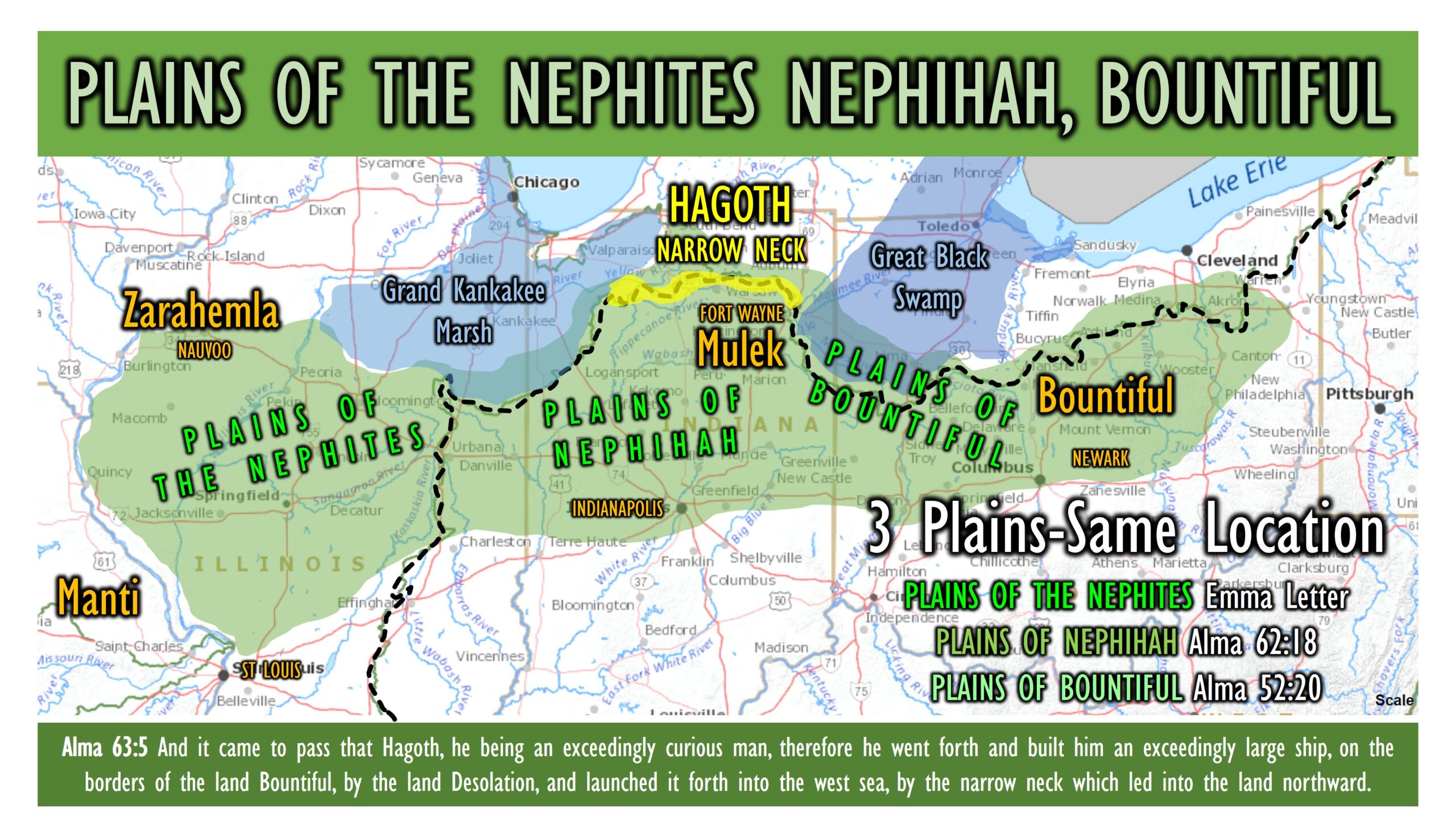
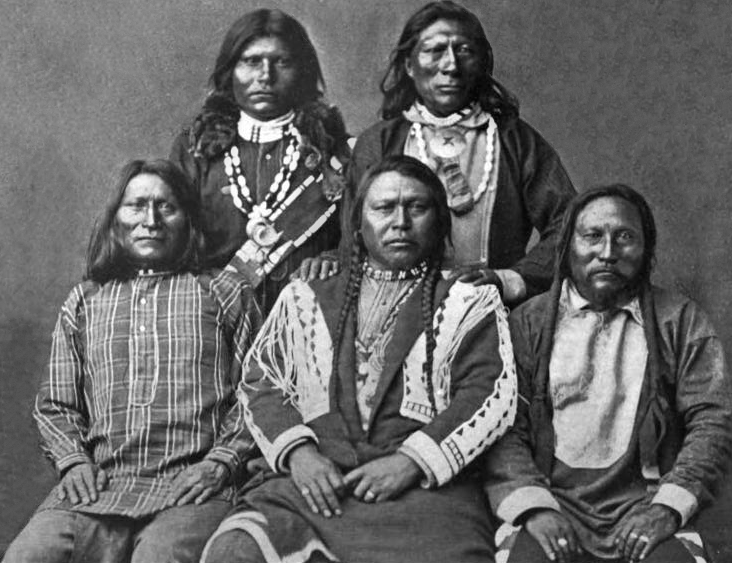

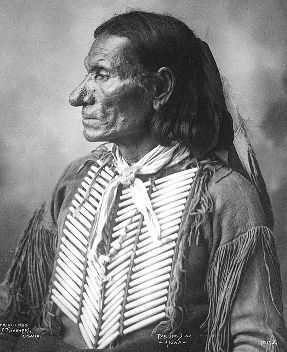
 Early the following morning, about 3 o’clock, I dreamed that I saw a large band of Indians come down and pitch camp on the creek above us. I was so forcibly impressed that I awoke the other two men, and told them I felt confident that the dream was true, and that we would prove it at daylight. They agreed with me, so I told them to make as dark a fire as was possible, and to get breakfast, while I would go on the high bluff that overlooked camp and the country adjacent, where I would watch everything that moved, and if there were friends or foes in the country we would see them or their lights before they should see ours. We all arose at once, the others preparing the meal and saddling the horses ready for a hasty move, while I went up on the bluff and there kept a sharp lookout until the dawn. At the first streaks of daylight I saw a blue smoke creeping up through the willows, perhaps a mile and a half above me, then another and another, until it was plain there was a camp of Indians just where I had dreamed they were. Soon the tops of lodges appeared, then a band of ponies was driven up. By this time it was fairly daylight.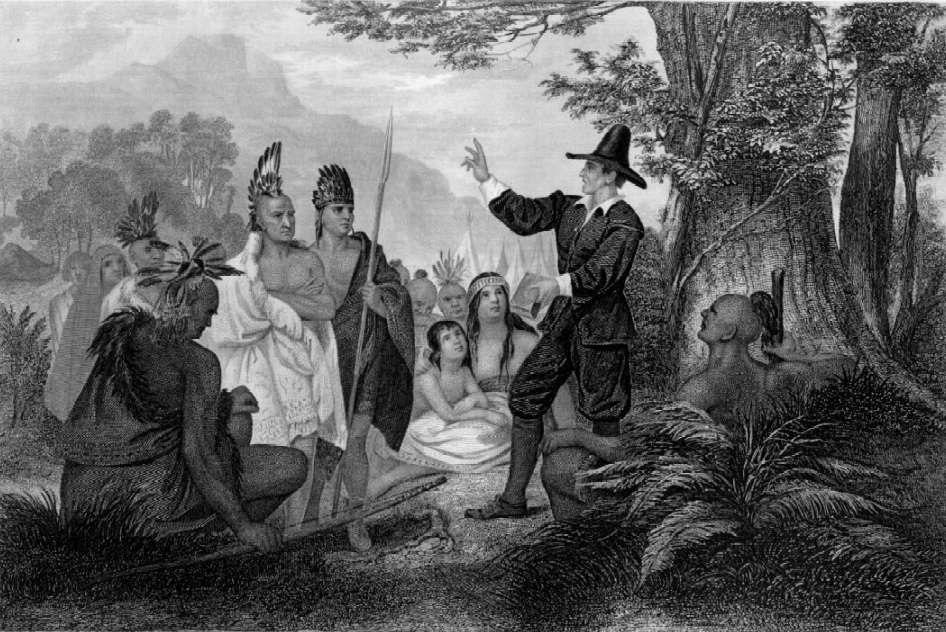





 Purchase Annotated Book of Mormon Here:


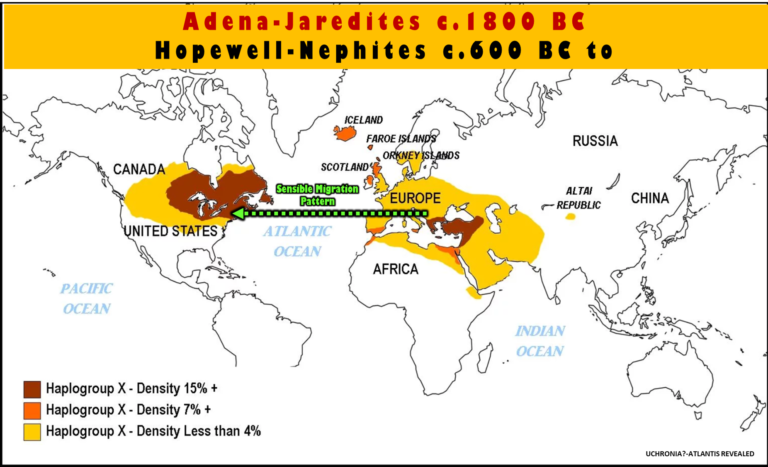
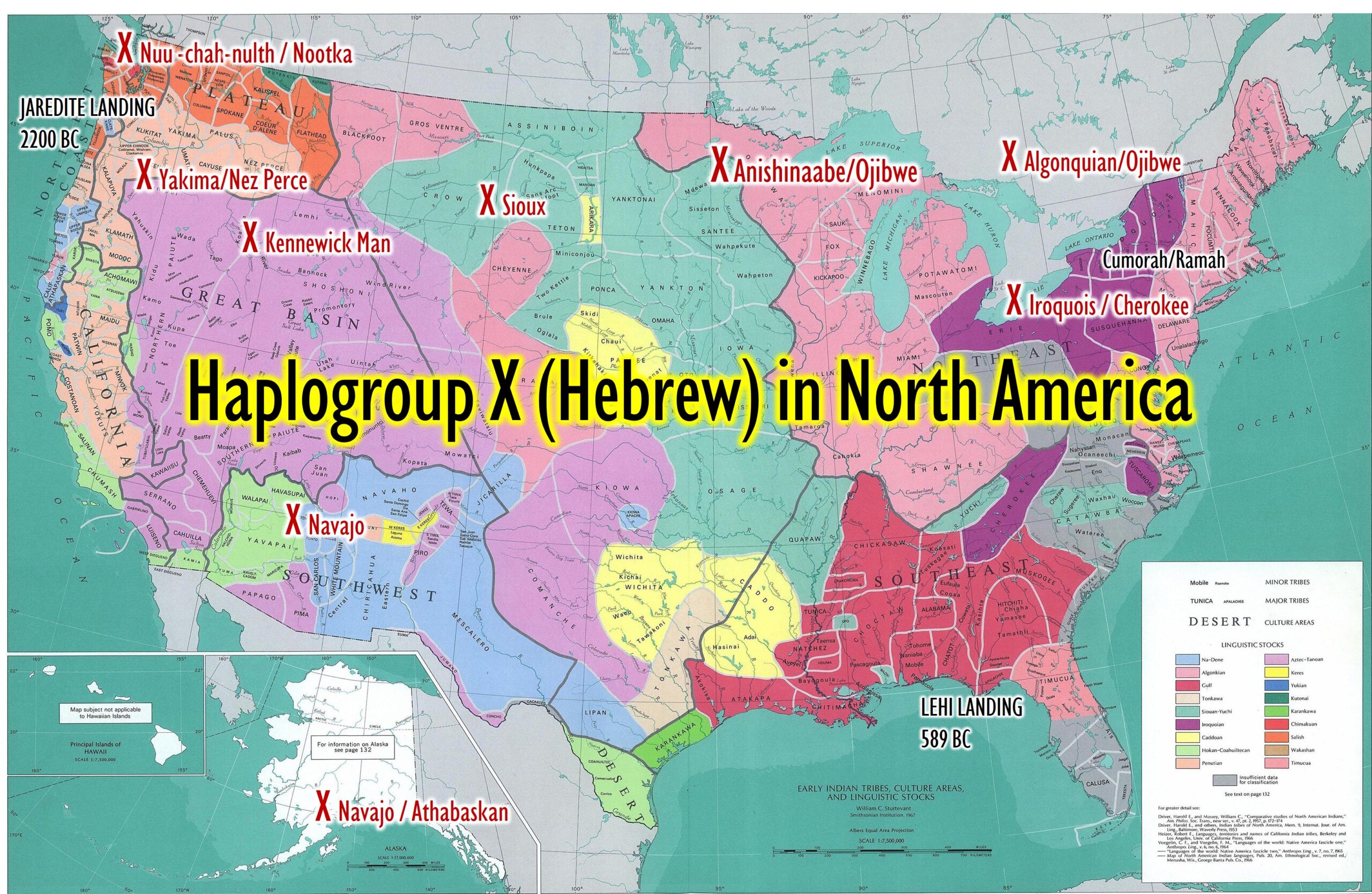
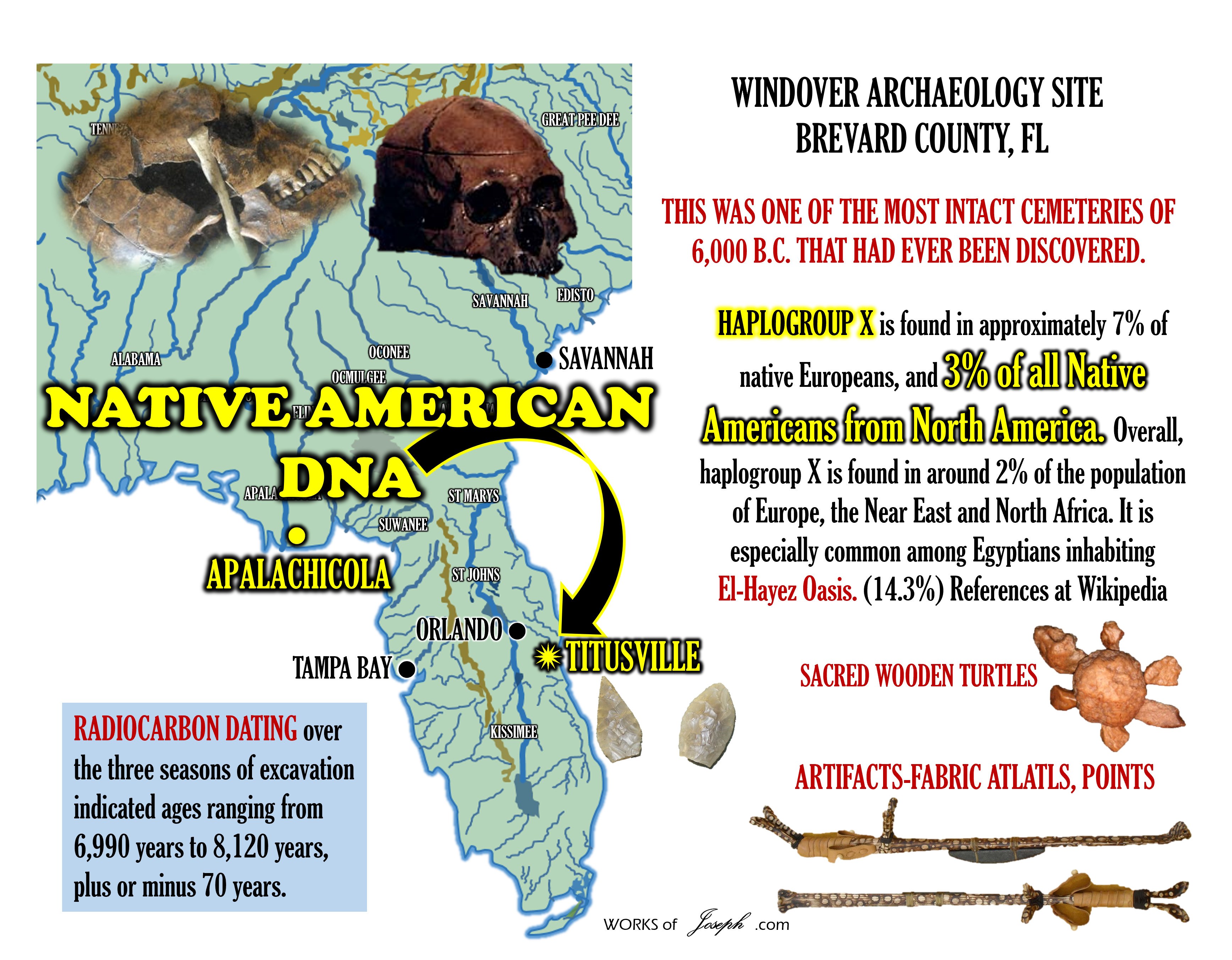
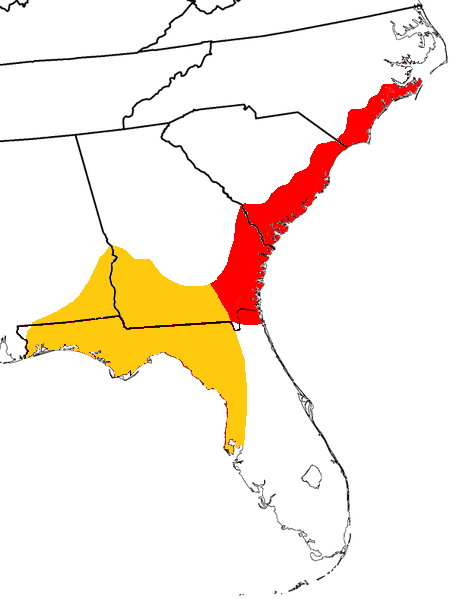
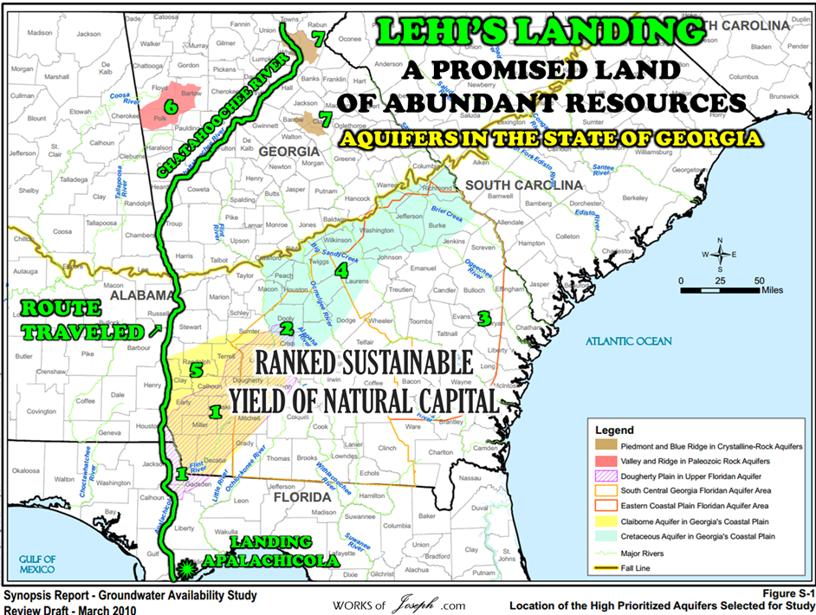
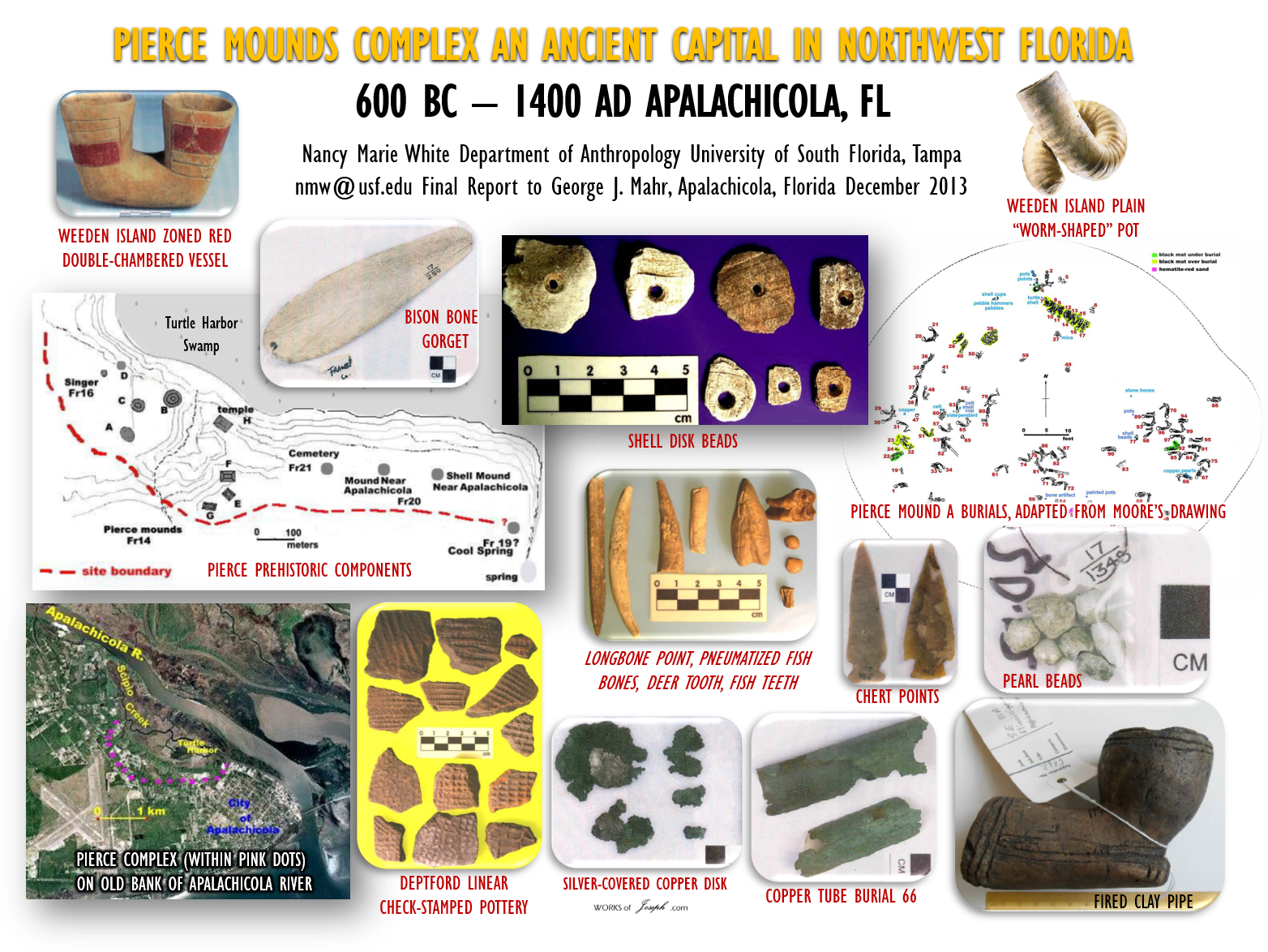
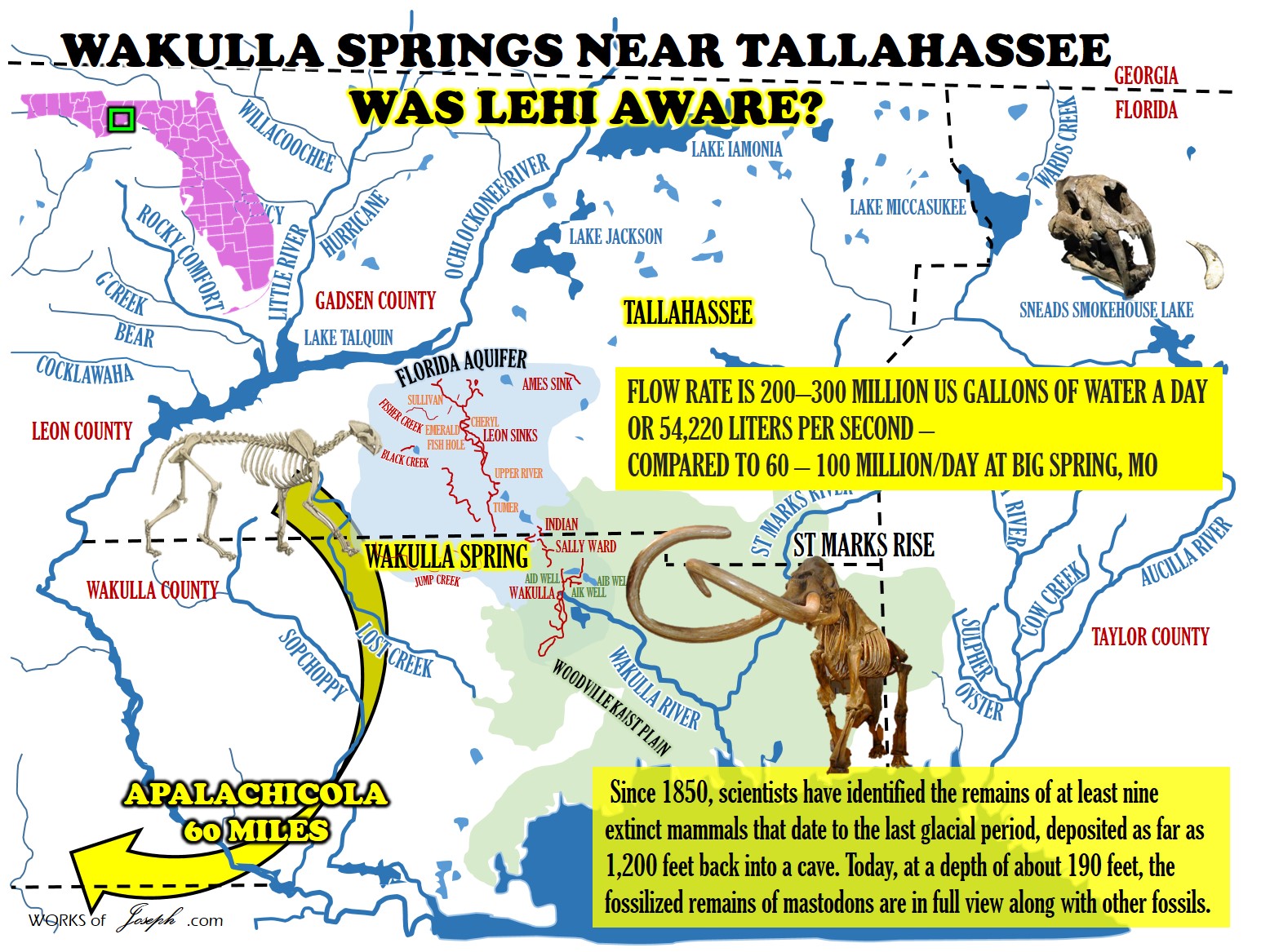
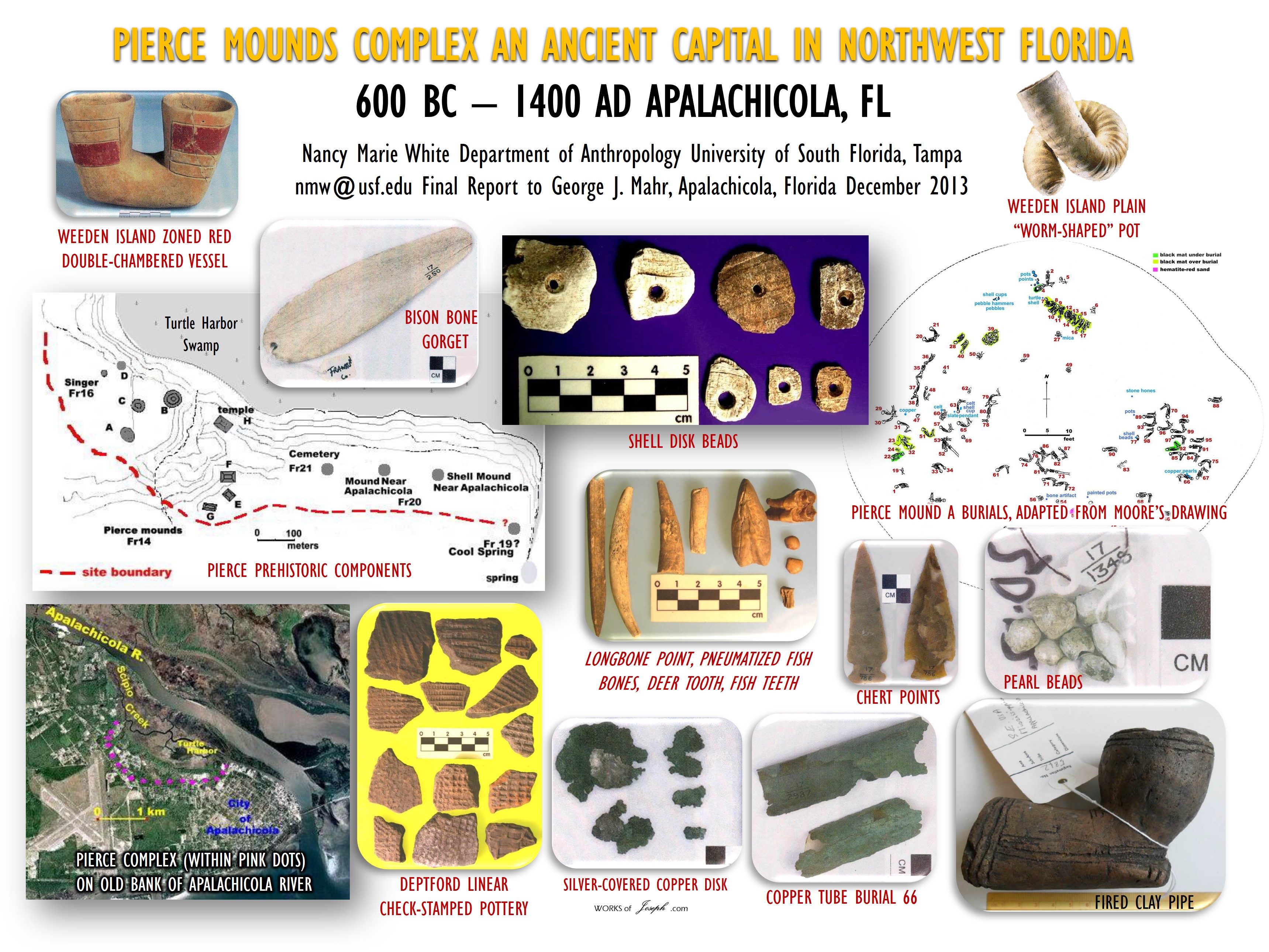 Apalachicola, FL is also where the ancient historical Hopewell Culture began in 600 BC.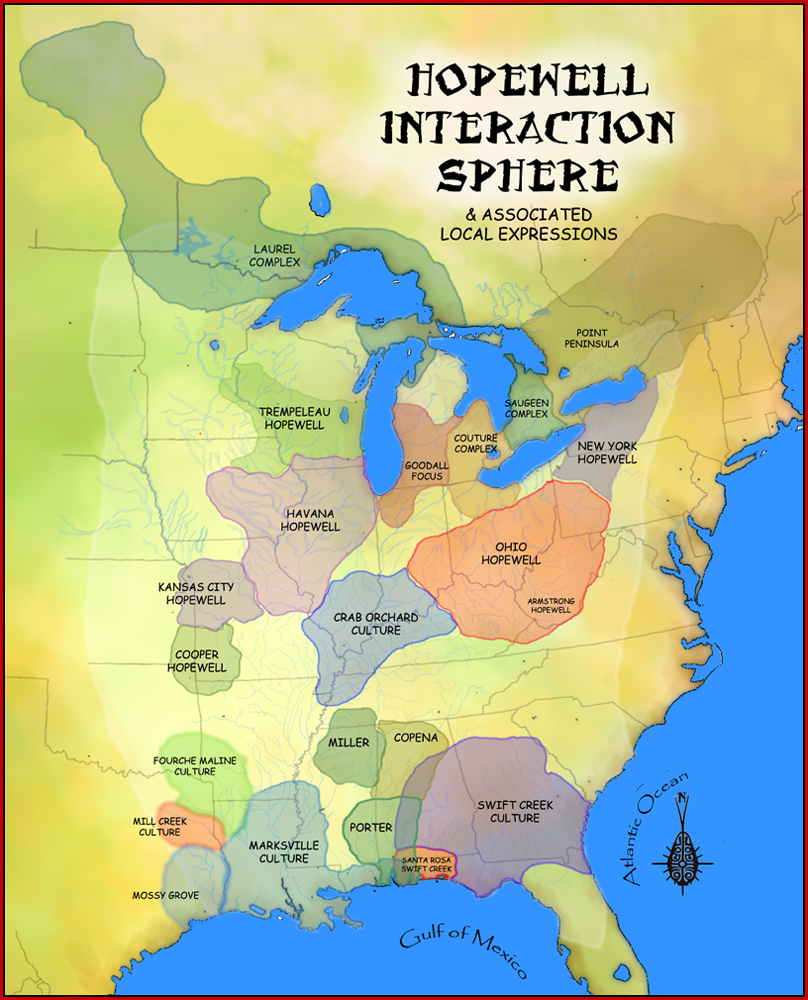
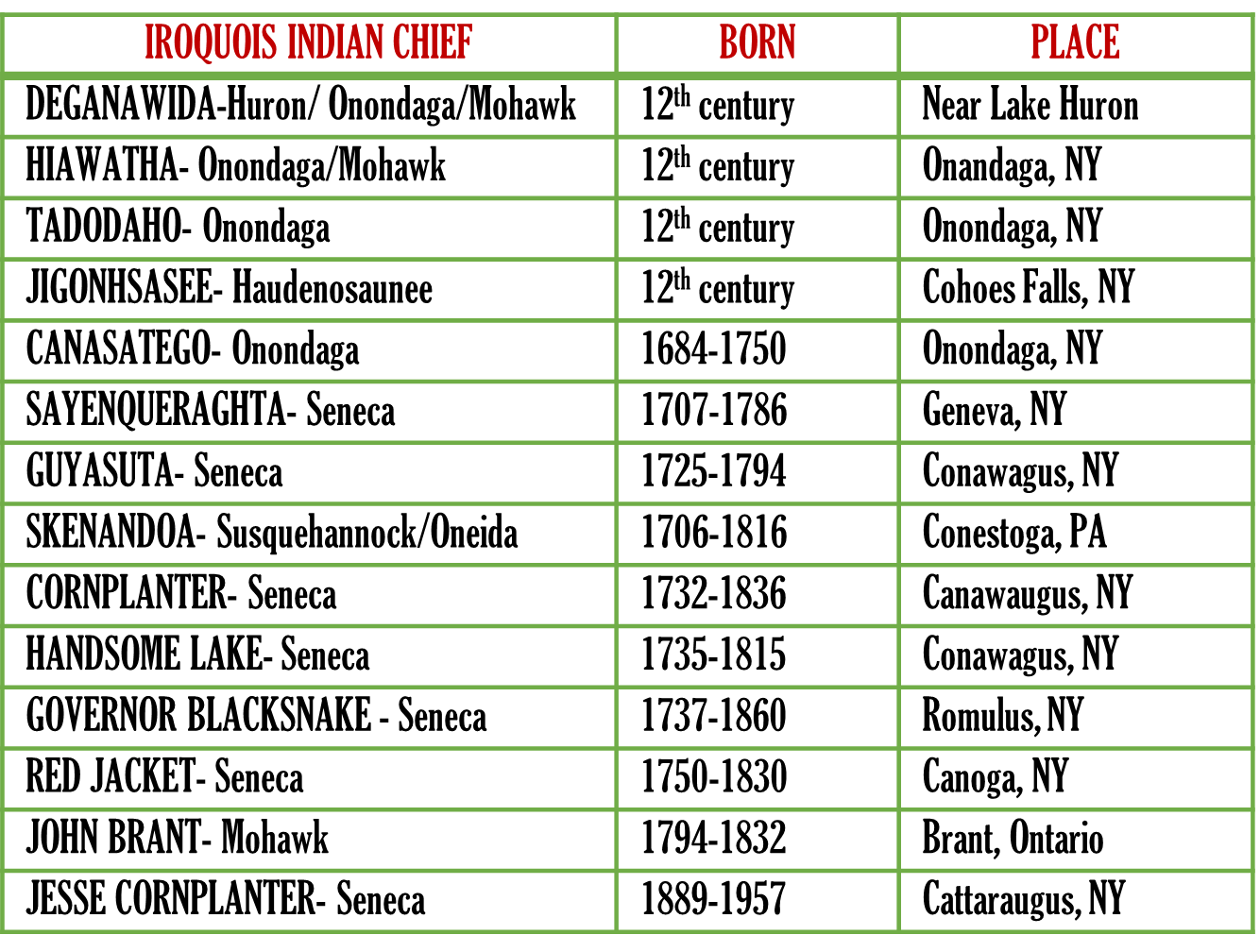
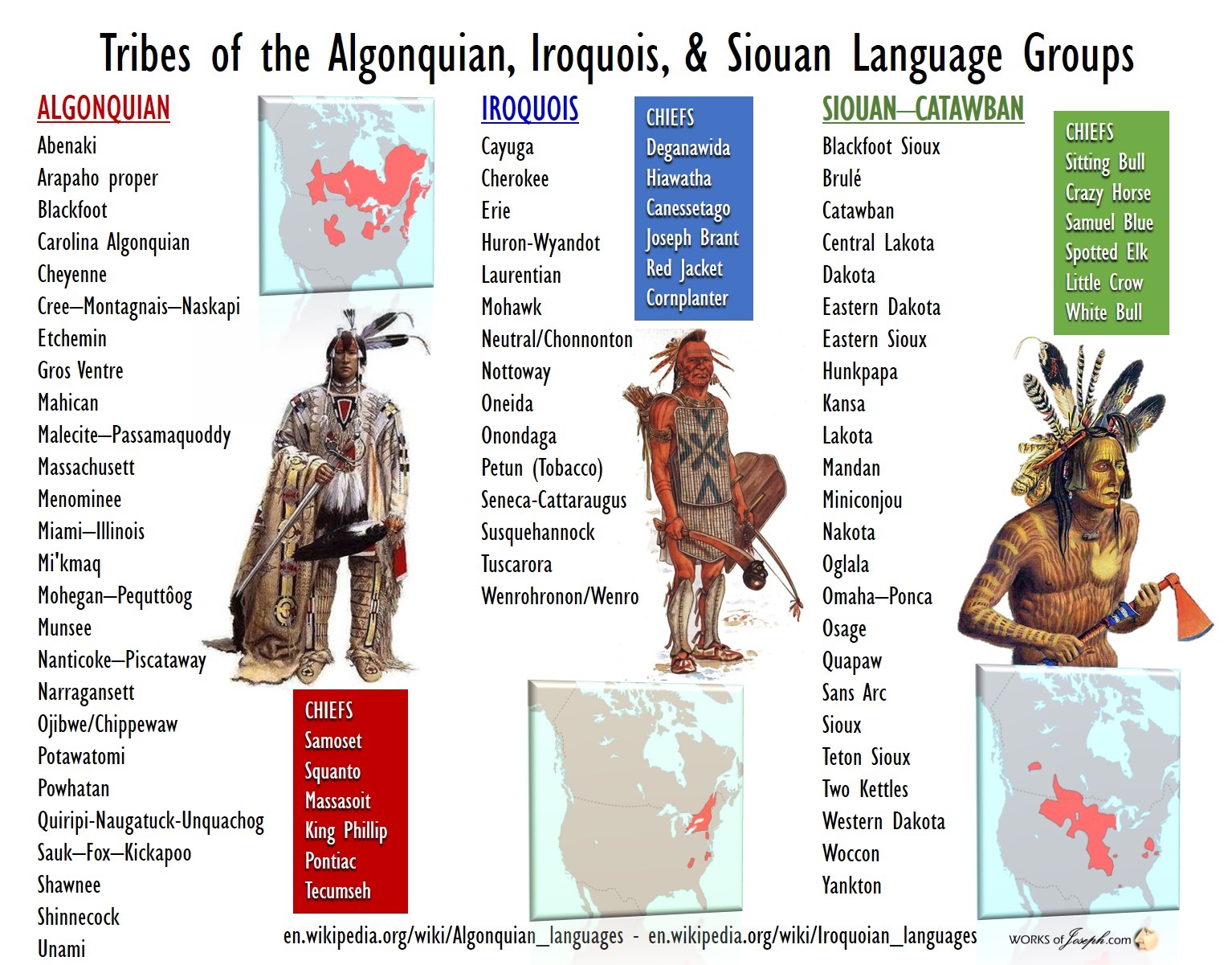
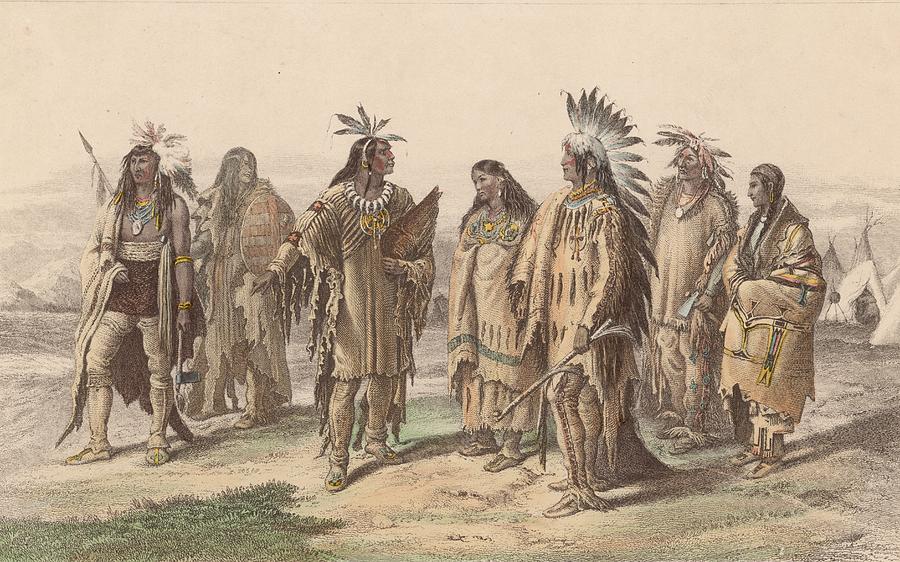
 Iroquois Confederacy Leaders from five Iroquois nations (Cayuga, Mohawk, Oneida, Onondaga, and Seneca) assembled around Dekanawidah c. 1570, French engraving, early 18th century. From Second Annual Report of the Bureau of Ethnology to the Secretary of the Smithsonian Institution, 1880-1881, edited by J.W. Powell, 1883
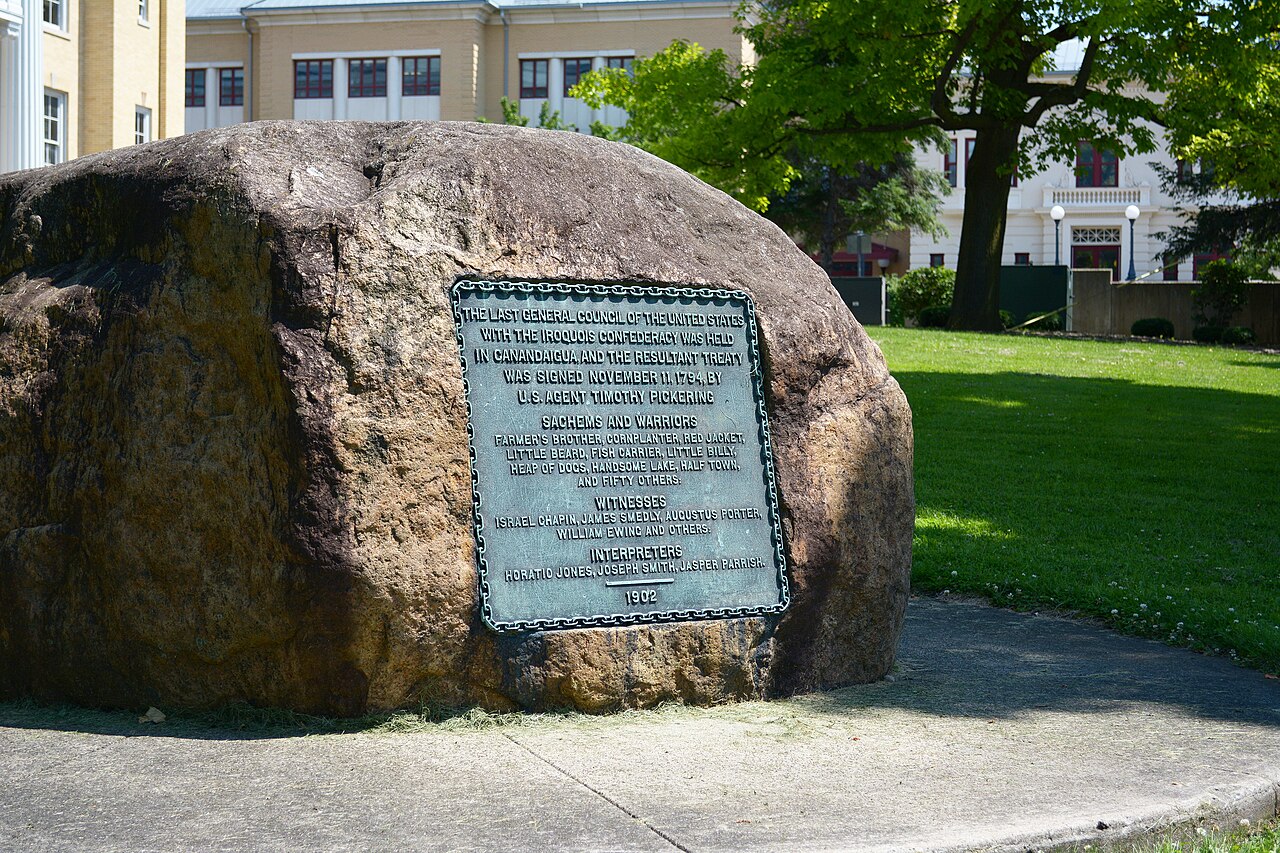

 See my blog about the large contribution of the Iroquois Confederacy toward becoming a big part of our Constitution, and more about Joseph Smith and the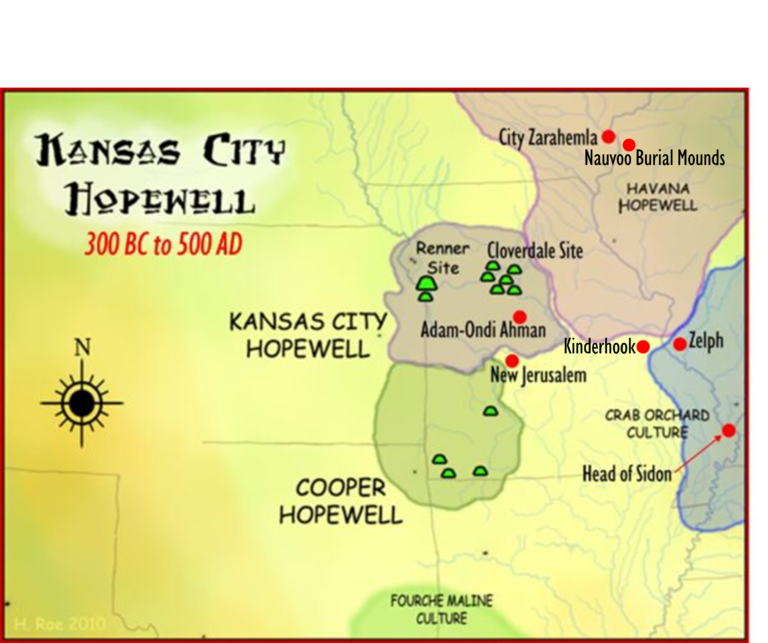
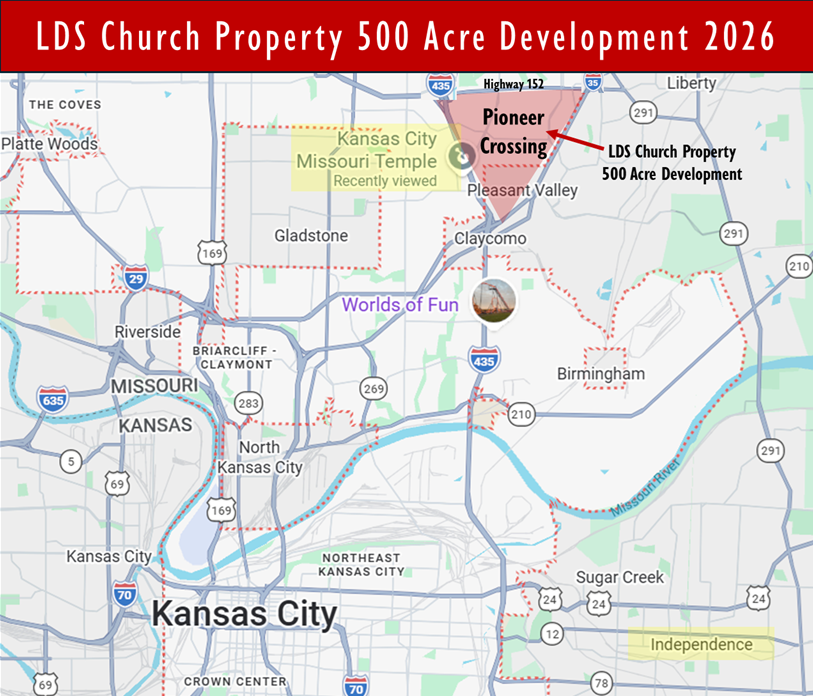
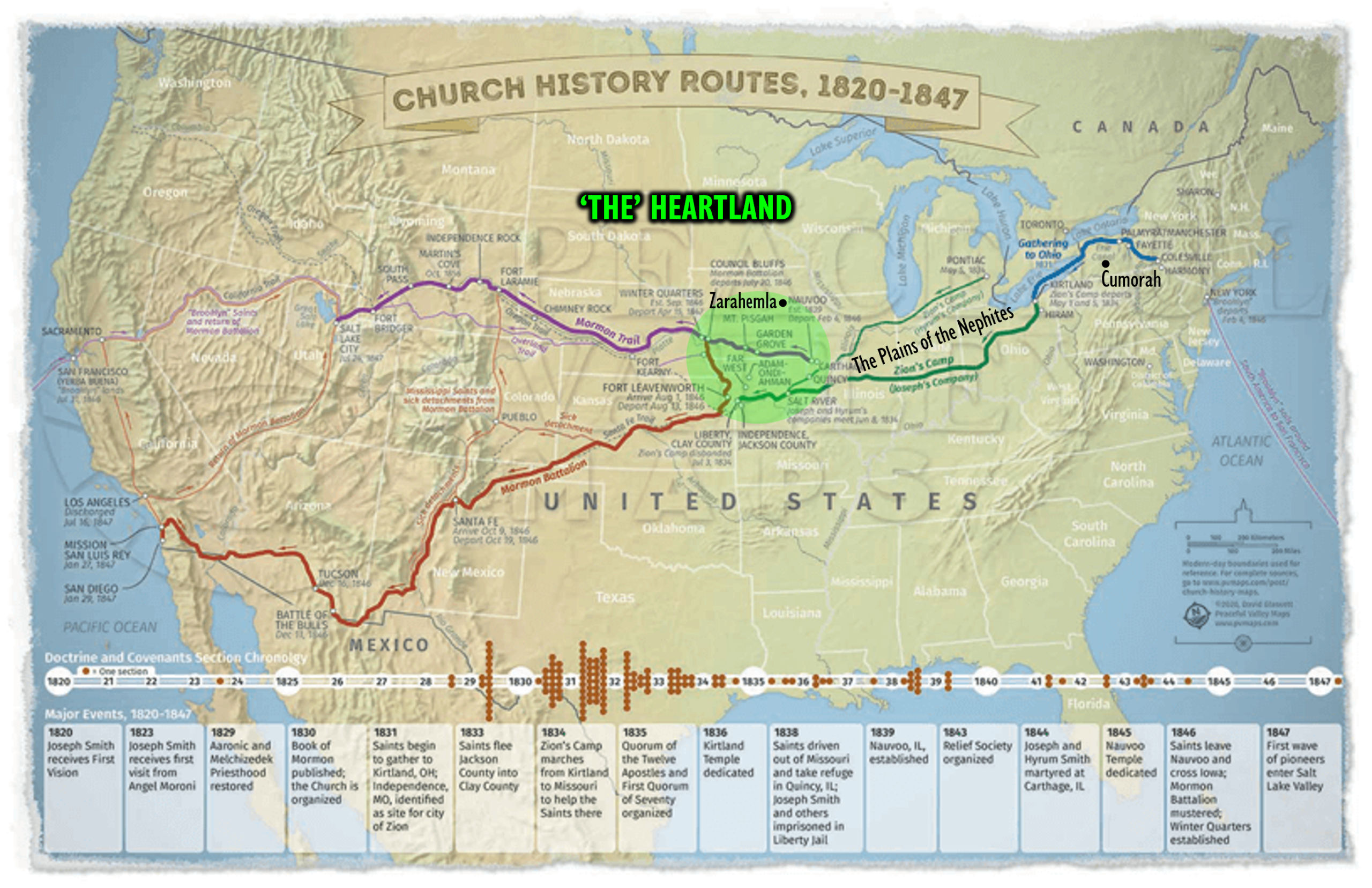
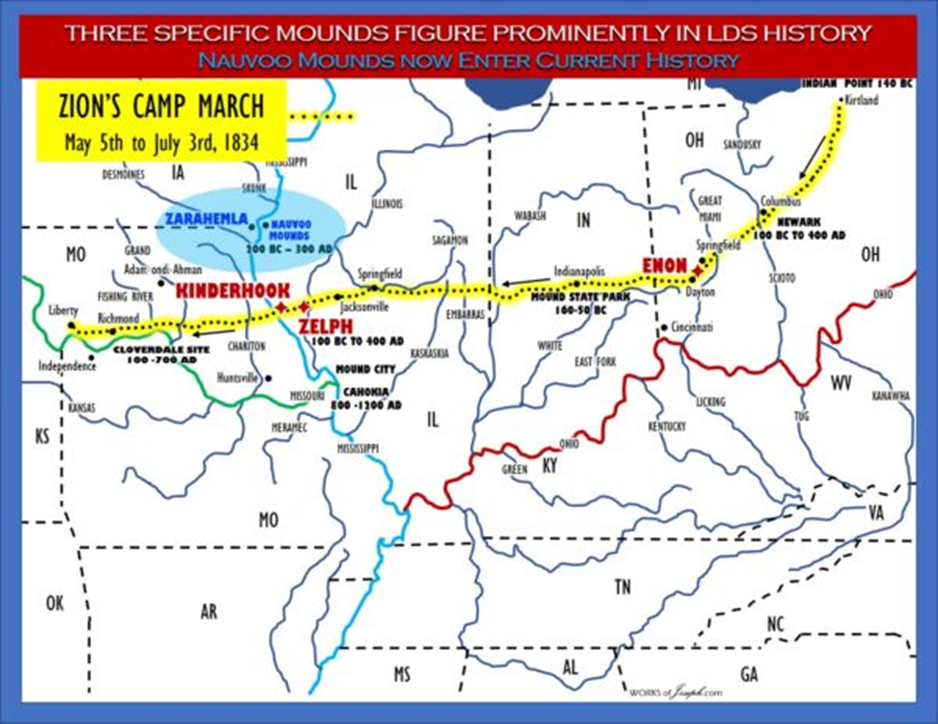
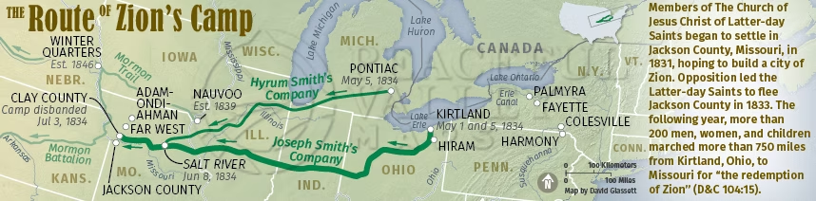
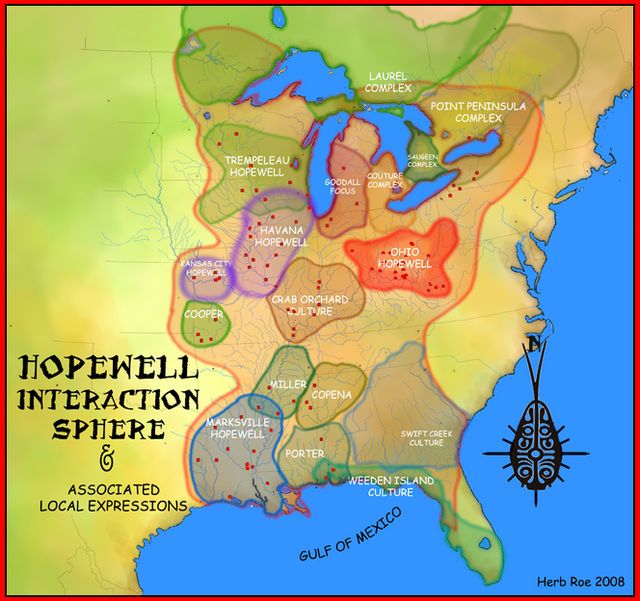
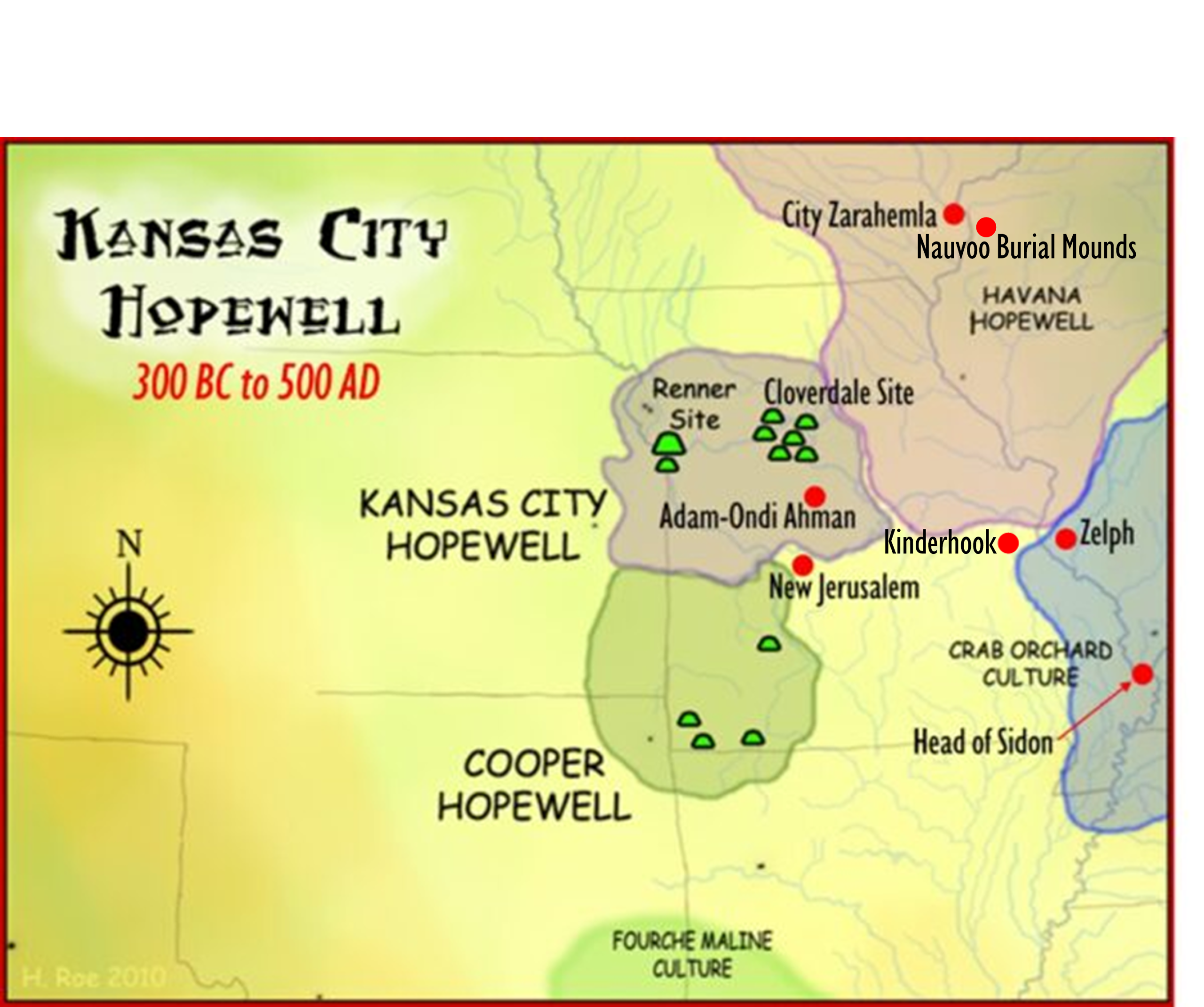 The Kansas City Hopewell represents the westernmost regional variant of the Hopewell archaeological complex that dates to the Middle Woodland or Early Ceramic (100 B.C. – 700 A.D.) period (Table 1). There are 30 recorded Kansas City Hopewell sites, centered around the junction of the Kansas and Missouri Rivers in northeastern Kansas and northwestern Missouri [map1]*. Other Hopewell variants extend throughout much of the eastern woodlands of North America and included variants such as the Ohio Hopewell, the Marksville Hopewell, and New York Hopewell [map2]*.
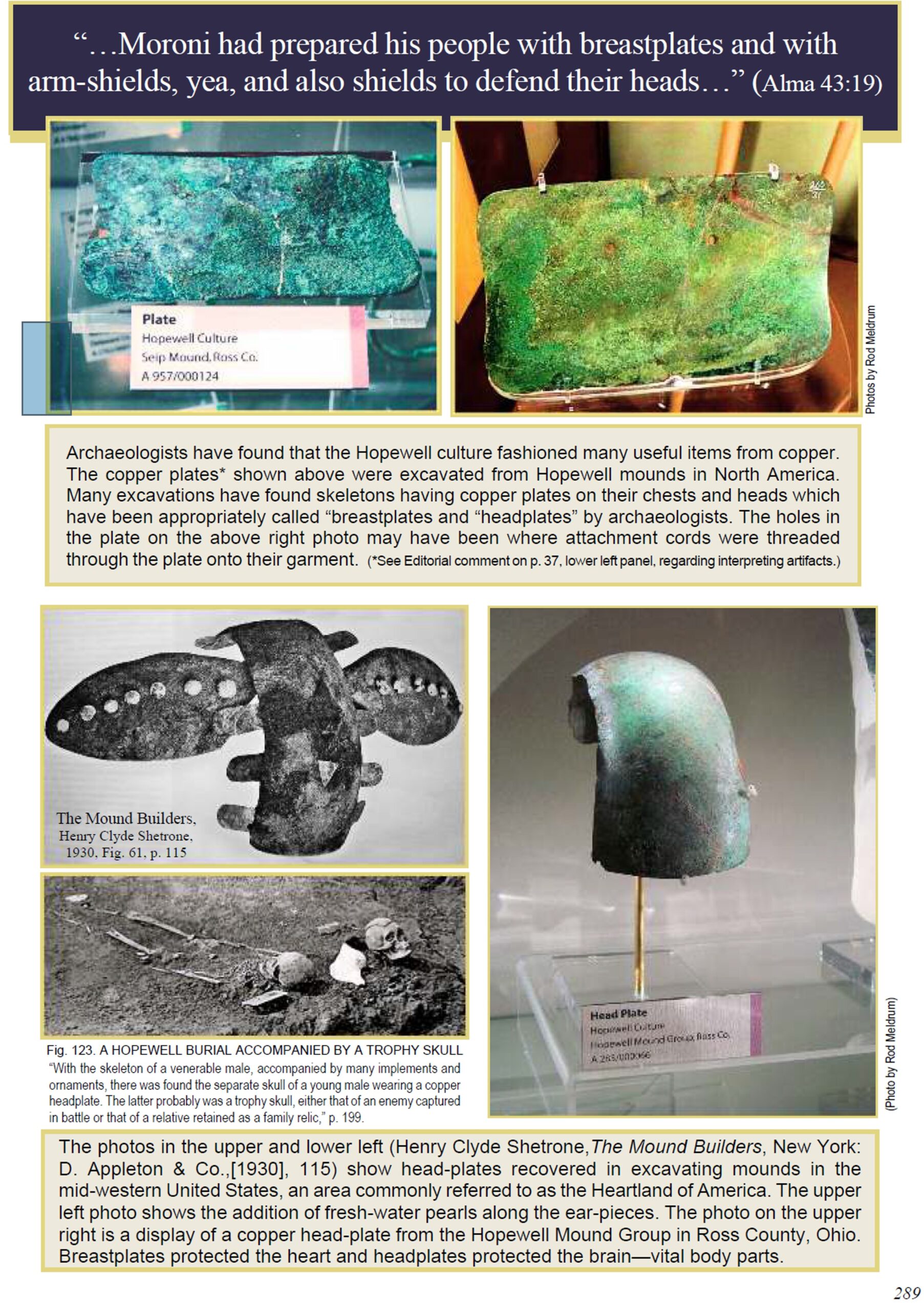 Annotated Book of Mormon by David Hocking and Rod Meldrum page 289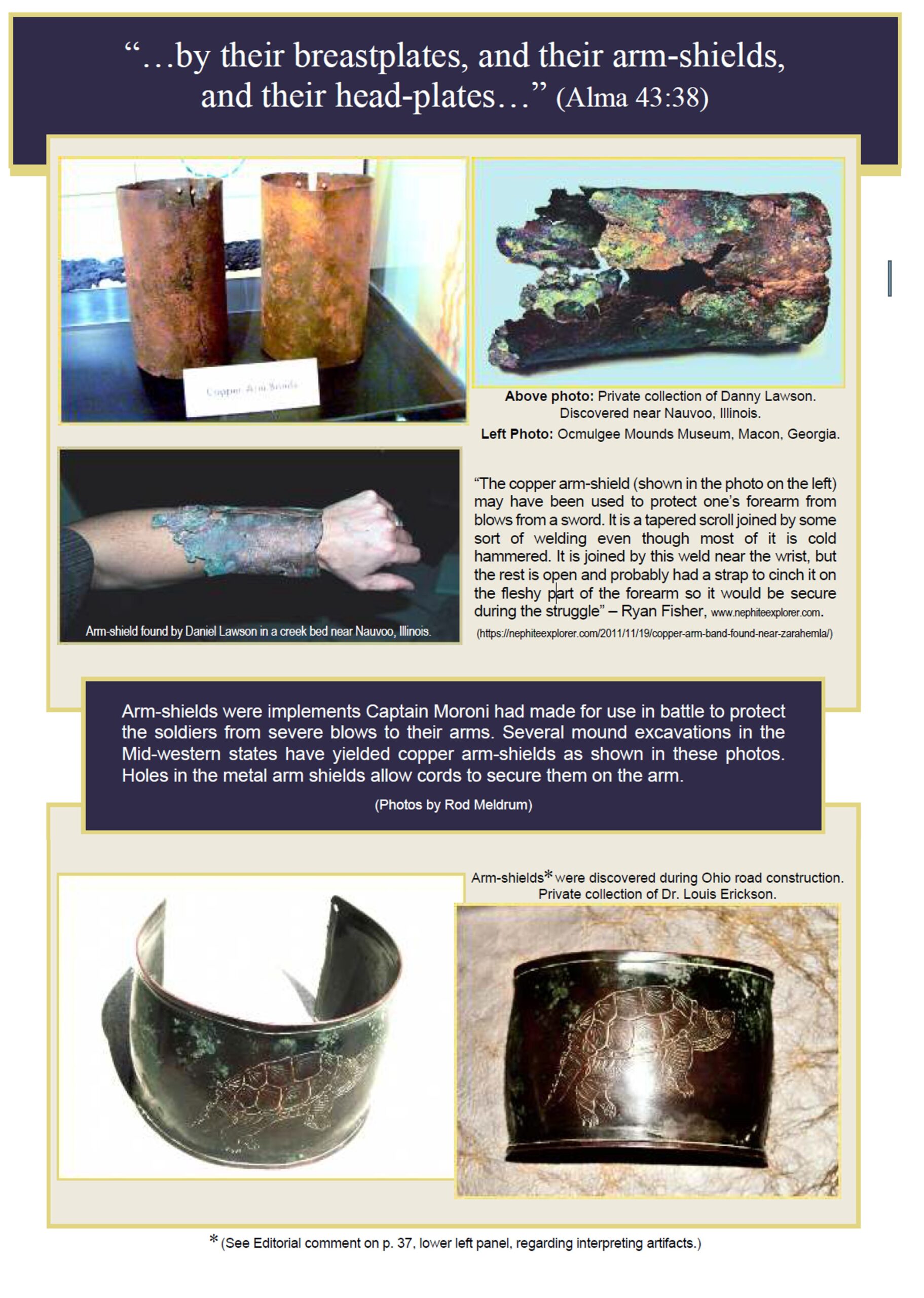





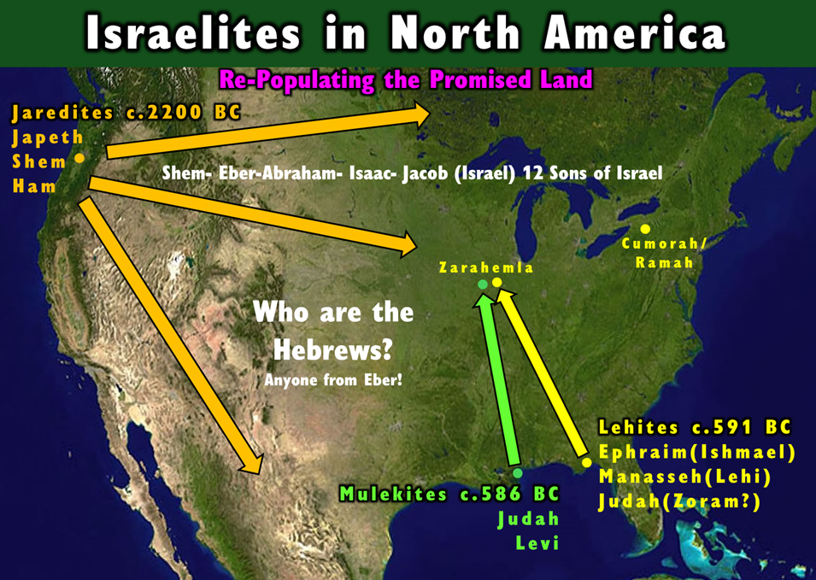

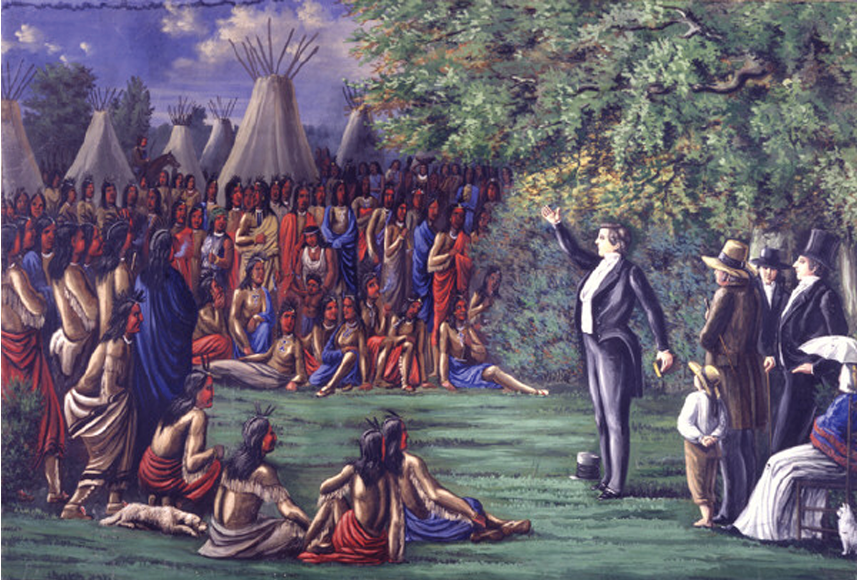 This information filled our hearts with unspeakable joy, for we knew that the Book of Mormon and this gospel had been brought to light more for the remnants of Jacob upon this continent than for the Gentiles.

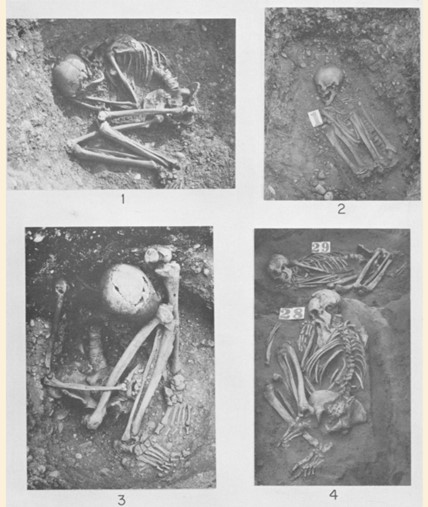
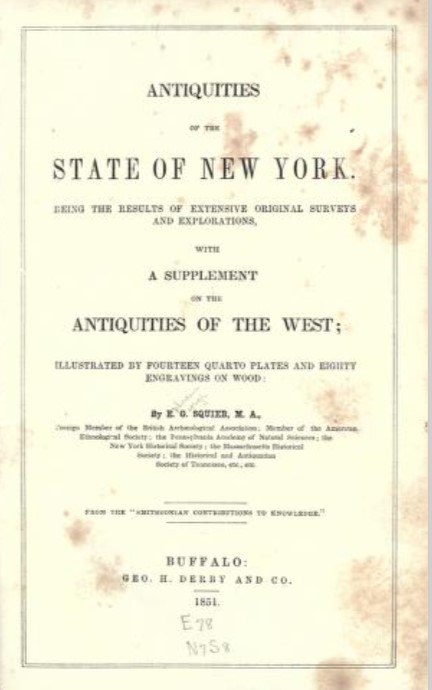
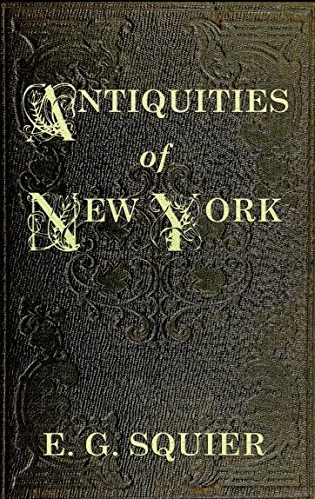
 Antiquities of the State of New York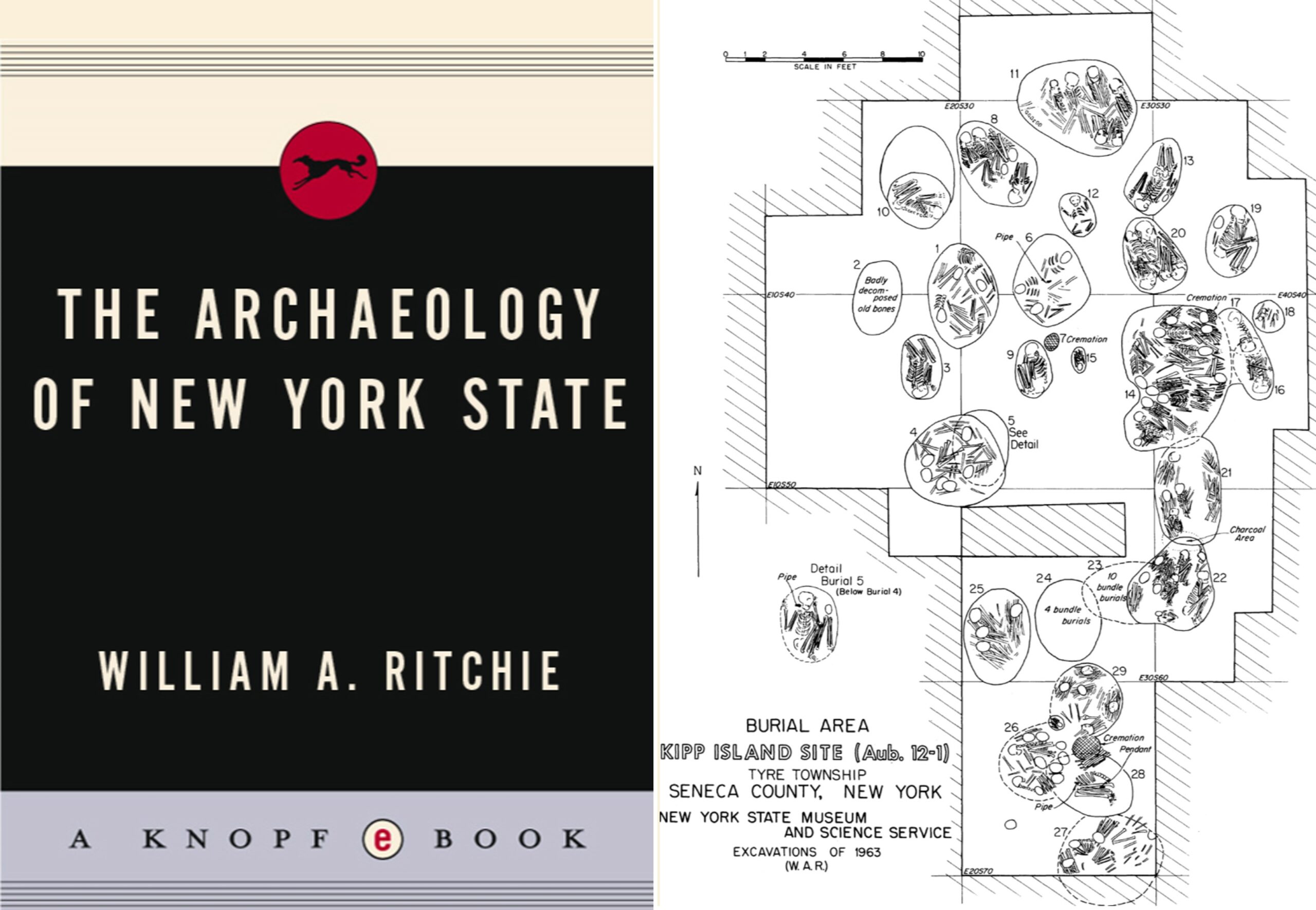
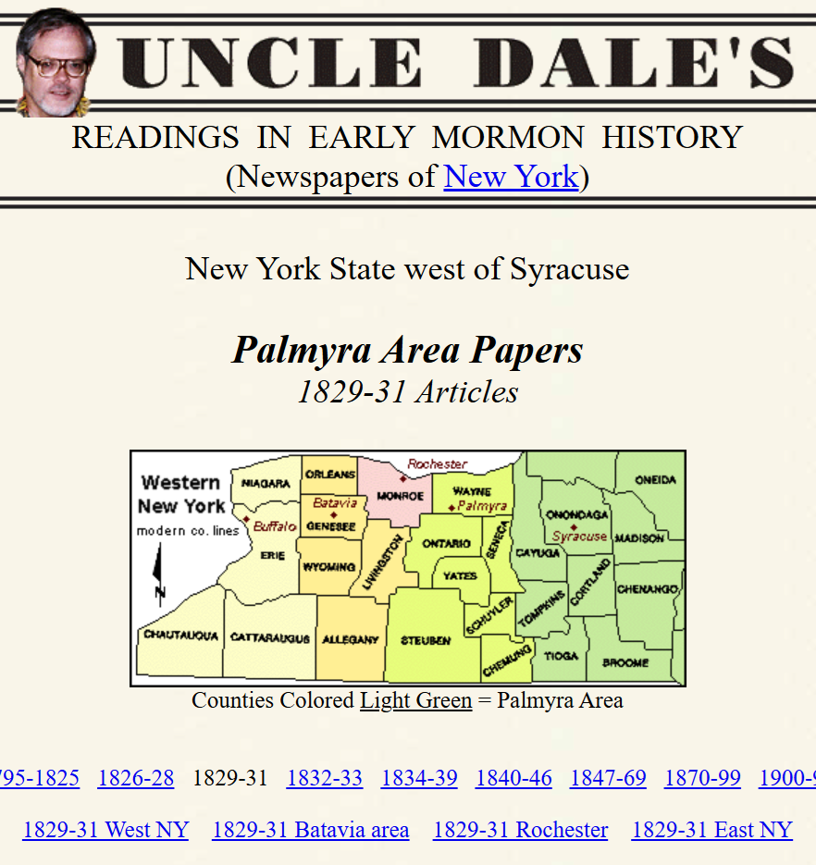
 Below are some articles from local newspapers near Palmyra from 1818 to 1822.
 Osco Indian Mound Auburn, NY



 See more great Historical Research from the sources below: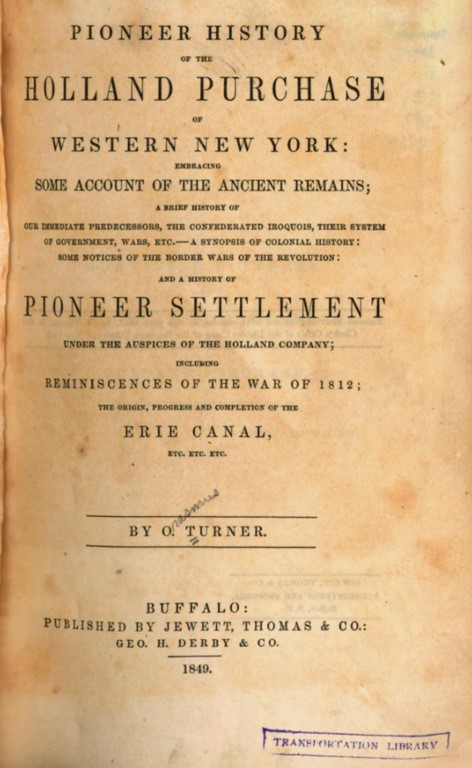
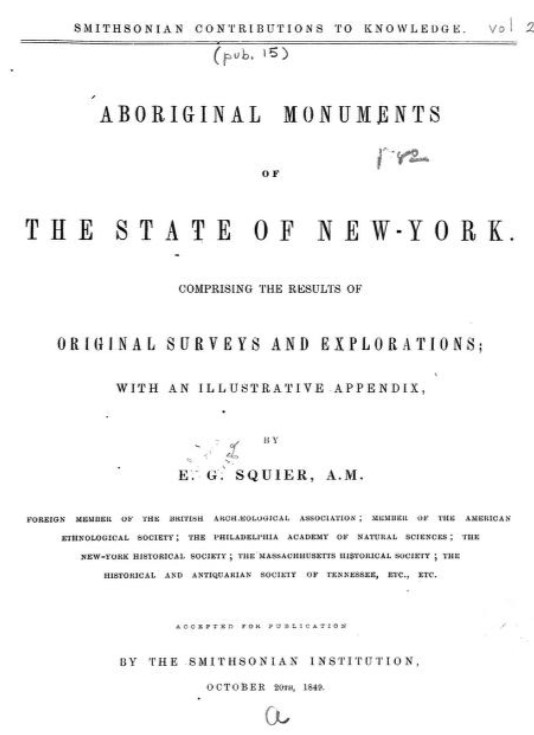
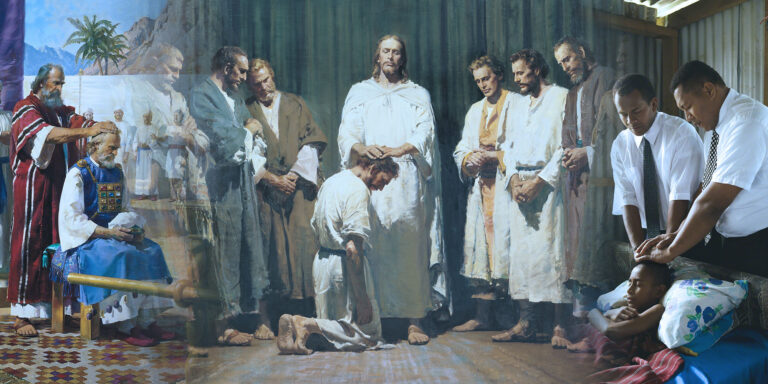
 “Jesus Christ is the great High Priest of God; Christ is therefore the source of all true priesthood authority and power on this earth (Heb. 5–10). Man does not take such priesthood power unto himself; it must be conferred by God through his servants (Heb. 5:4; D&C 1:38).” Priesthood Richard G. Ellsworth and Melvin J. Luthy
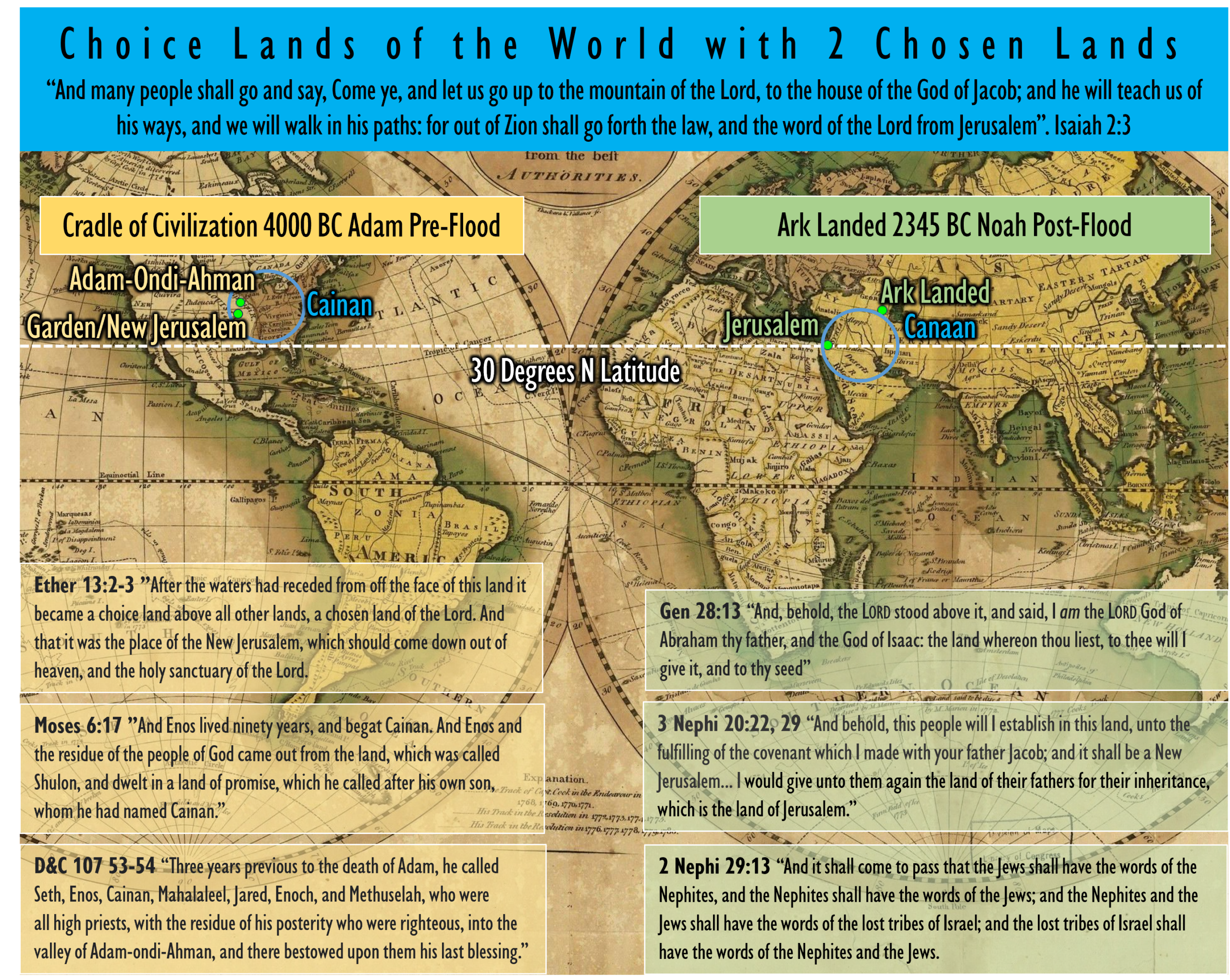
 Patriarchal Priesthood are likely keys that a worthy father may use to bless his personal Family). In order to preside over a body of worthy brethren Prophets and Fathers likely had to be ordained to the
  “A thought from Doctrine and Covenants 106–108. Why is the higher priesthood named after someone called Melchizedek? Wouldn’t it make more sense to name it after the Lord? The early Saints wondered about this, and the Lord explained it through the Prophet Joseph Smith:
 “In the Bible, Melchizedek, also transliterated Melchisedech or Malki Tzedek, was the
  It seems that all three of Noah’s sons had some type of priesthood which was likely the
  Yes! They Retained the Adamic Language, which relates to the Priesthood. Ether was their last Prophet and Mahonri Moriancumer would have the Priesthood or else why did Jared always ask him to talk with the Lord on behalf of the Jaredites? I realize you don’t have to have the Priesthood to see Christ, as we know Joseph Smith saw Christ without holding the Priesthood, but it makes sense that Prophets had the ordained Priesthood and especially those who were sent to the Promised land of North America, such as Lehi and Mahonri Moriancumer.