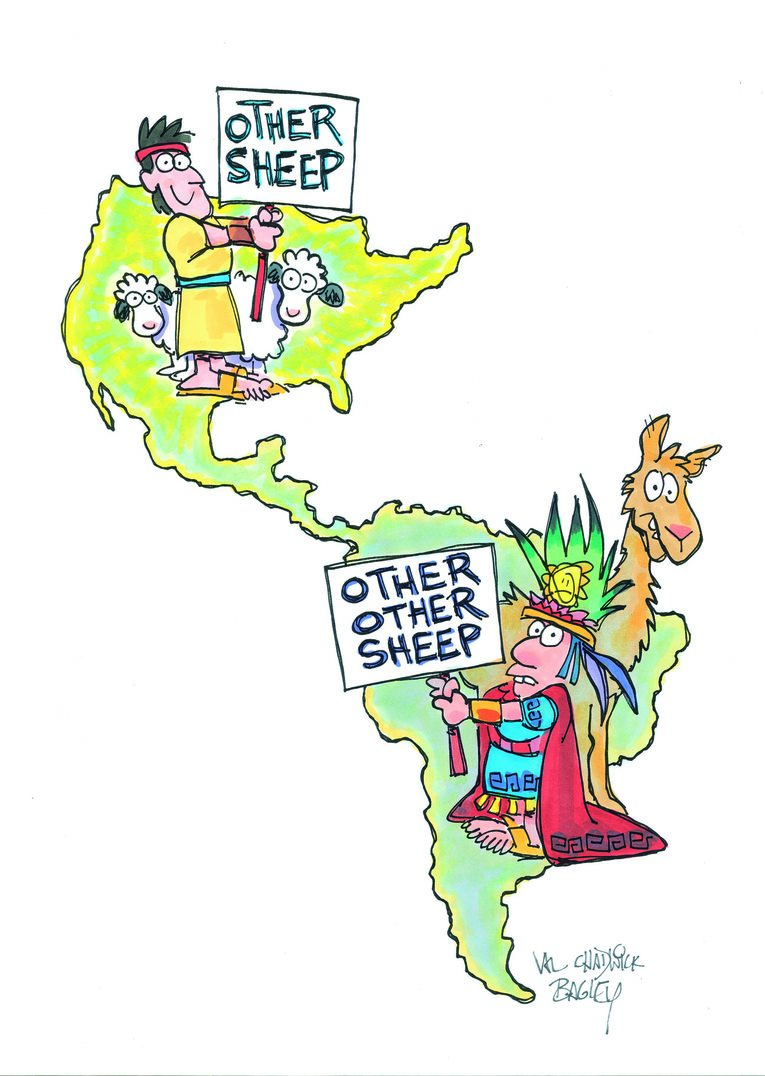
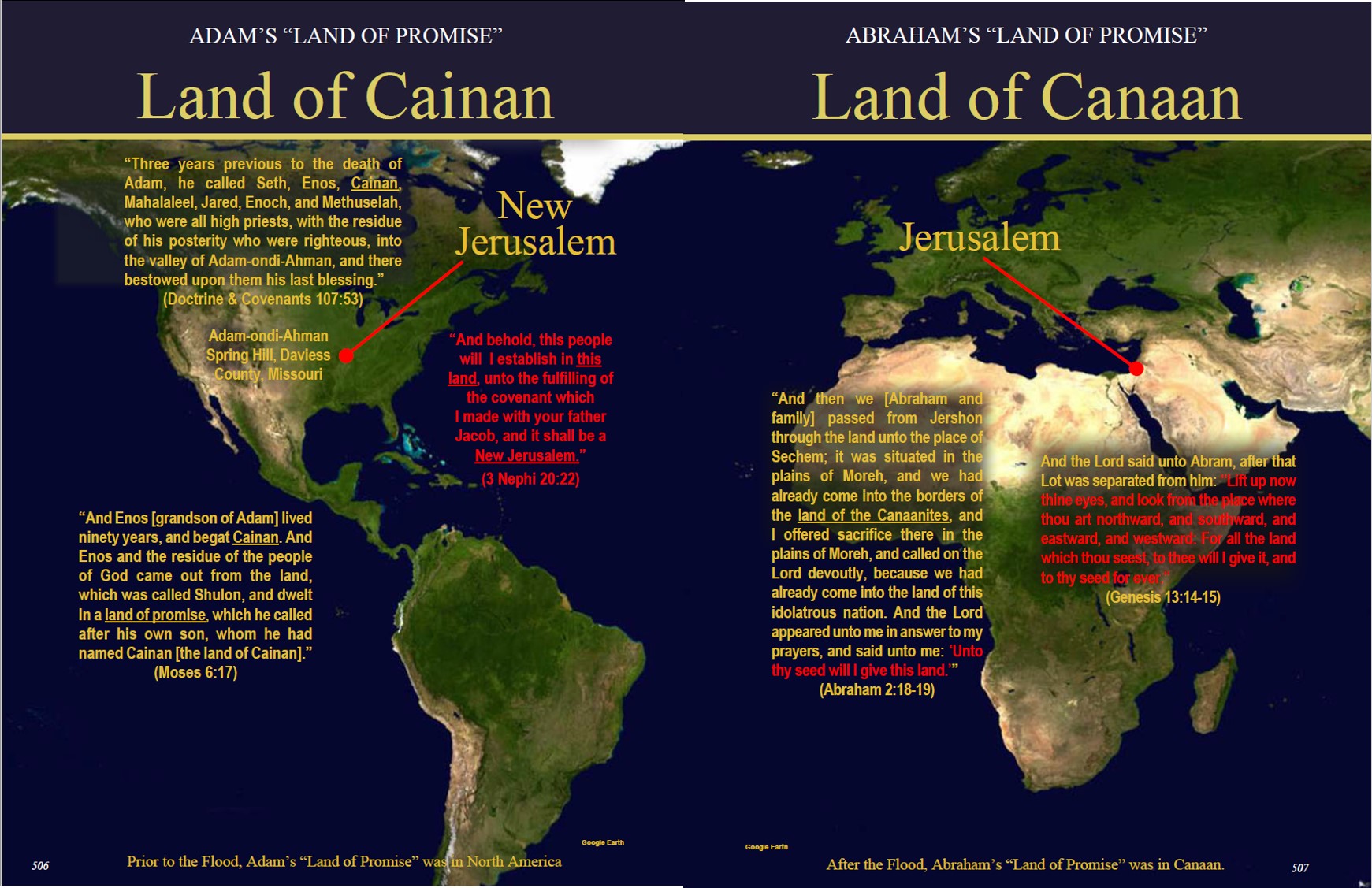
Explaining the title of this blog, this is what I mean. The Lord loves all people of this world perfectly and completely as His children. Christ speaks of two Promised Lands in 3 Nephi. These Lands were set apart by Christ himself so he could accomplish His great work of sharing the Gospel to all Nations. Christ had to chose a land where he could share with a people who would help Him accomplish His goal of loving and teaching the entire world. He chose Judea and America. Because Christ loves us all equally, no people or land was better than another but utilized for his purposes. Elder Whitney said, “We believe that this was His object in creating the Republic of the United States; the only land where his work could be commenced or the feet of his people find rest. No other land had such liberal institutions, had adopted so broad a platform upon which all men might stand.” Bishop Orson F. Whitney, delivered in the Tabernacle, Salt Lake City, Sunday Afternoon, April 19, 1885. From the Bible we learn, “And I have, which are not of this fold: them also I must bring, and they shall hear my voice; and there shall be fold, and one shepherd.” John 10:16. In the Book of Mormon we hear,
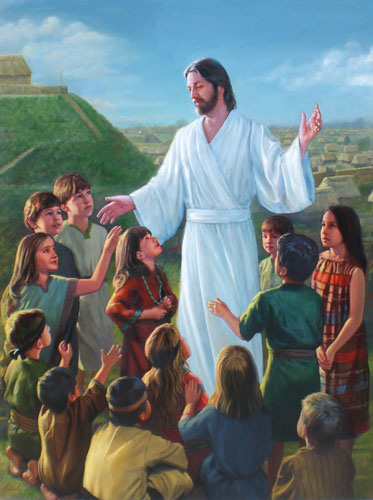
“19 But, verily, I say unto you that the Father hath commanded me, and I tell it unto you, that ye were from among them because of their iniquity; therefore it is because of their iniquity that they know not of you.
20 And verily, I say unto you again that the other tribes hath the Father separated from them; and it is because of their iniquity that they know not of them.
21 And verily I say unto you, that ye are they of whom I said: sheep I have which are not of this fold; them also I must bring, and they shall hear my voice; and there shall be one fold, and one .
22 And they understood me not, for they supposed it had been the ; for they understood not that the Gentiles should be through their preaching.” 3 Nephi 15:19-22
And from the Book of Mormon we also hear,
“1 And verily, verily, I say unto you that I have , which are not of this land, neither of the land of Jerusalem, neither in any parts of that land round about whither I have been to minister.
2 For they of whom I speak are they who have not as yet heard my voice; neither have I at any time manifested myself unto them.” 3 Nephi 16:1-2
That means He loves us ALL! The entire world and every person. Some have heard his word and others have not, but before judgement, all will have an equal opportunity to hear the gospel whether in this life, or in the life to come. What a beautiful blessing.
President Hinckley said, “I should like to say a few words about America…No land is without its beauty, no people without their virtues, and I hope that you who come from elsewhere will pardon my saying a few words concerning my own native land, America…surely this is a good land, a choice land, a chosen land. To me it is a miracle, a creation of the Almighty.” Gordon B. Hinckley Let Not Your Heart Be Troubled Elder McConkie said, “The ‘other sheep’ here referred to constituted the separated flock or remnant of the house of Joseph, who, six centuries prior to the birth of Christ, had been miraculously detached from the Jewish fold in Palestine, and had been taken beyond the great deep to the American continent” (Jesus the Christ, p. 419). “In the quote above it mentions Palestine. I believe it is referring to a great area of the world that has been known by many names over the years. Today in 2022 we call it Israel like the rest of the world does. Understand however that this is the Land of Judea where Christ is from. Christ is through Adam to Eber (Hebrew) to Abraham to Israel and through the Tribe of Judah through David. Christ in not a “Jew” unless you define Jesus as coming from the royal Lineage above.
What was Israel called before it’s Historical Creation in 1948?
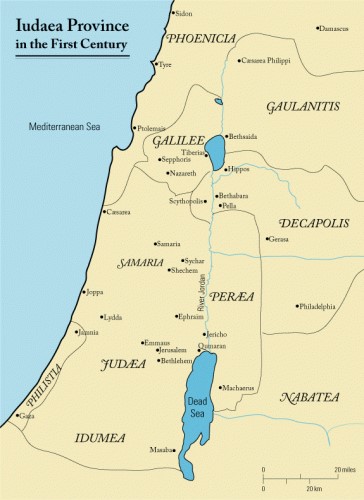
“On May 14, 1948, David Ben-Gurion, the head of the Jewish Agency, proclaimed the establishment of the State of Israel. U.S. President Harry S. Truman recognized the new nation on the same day. Through the centuries, the territory was known by a variety of other names, including Canaan, Djahy, Samaria, Judea, Yehud, Iudaea, Syria Palaestina and Southern Syria.” Source
What we call Israel today may not be made up of the same blood or religions of the Bible. There are many occupants of today’s Israel that are not necessarily from the Tribe of Judah, but may be Jews by name only. There are in Israel today many Asians, Africans, and Israelites.
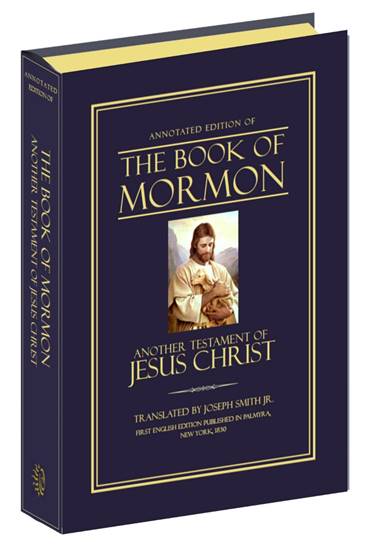
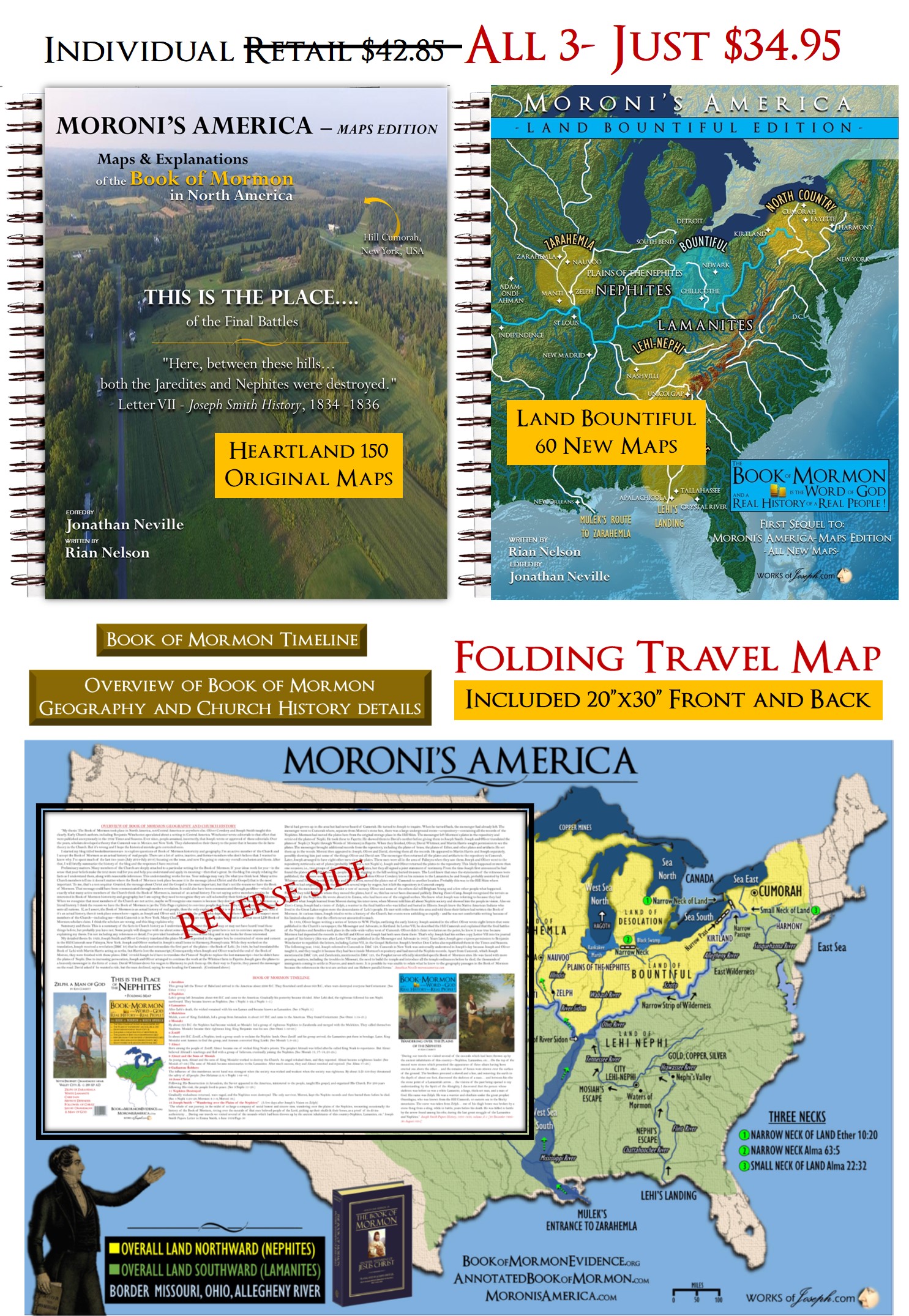
“I truly believe that the Book of Mormon is the word of God by personal revelation. I also believe one of the greatest resources that has helped me understand the secondary evidences of that wonderful Book, is the “Annotated Book of Mormon.” by David Hocking and Rod Meldrum. Never before have I heard about and understood in my mind, the correct geography as researched about the two Promised Lands, as I have personally learned from the Annotated Book of Mormon.” Rian Nelson
Only Two Promised Covenant Lands by Rod Meldrum
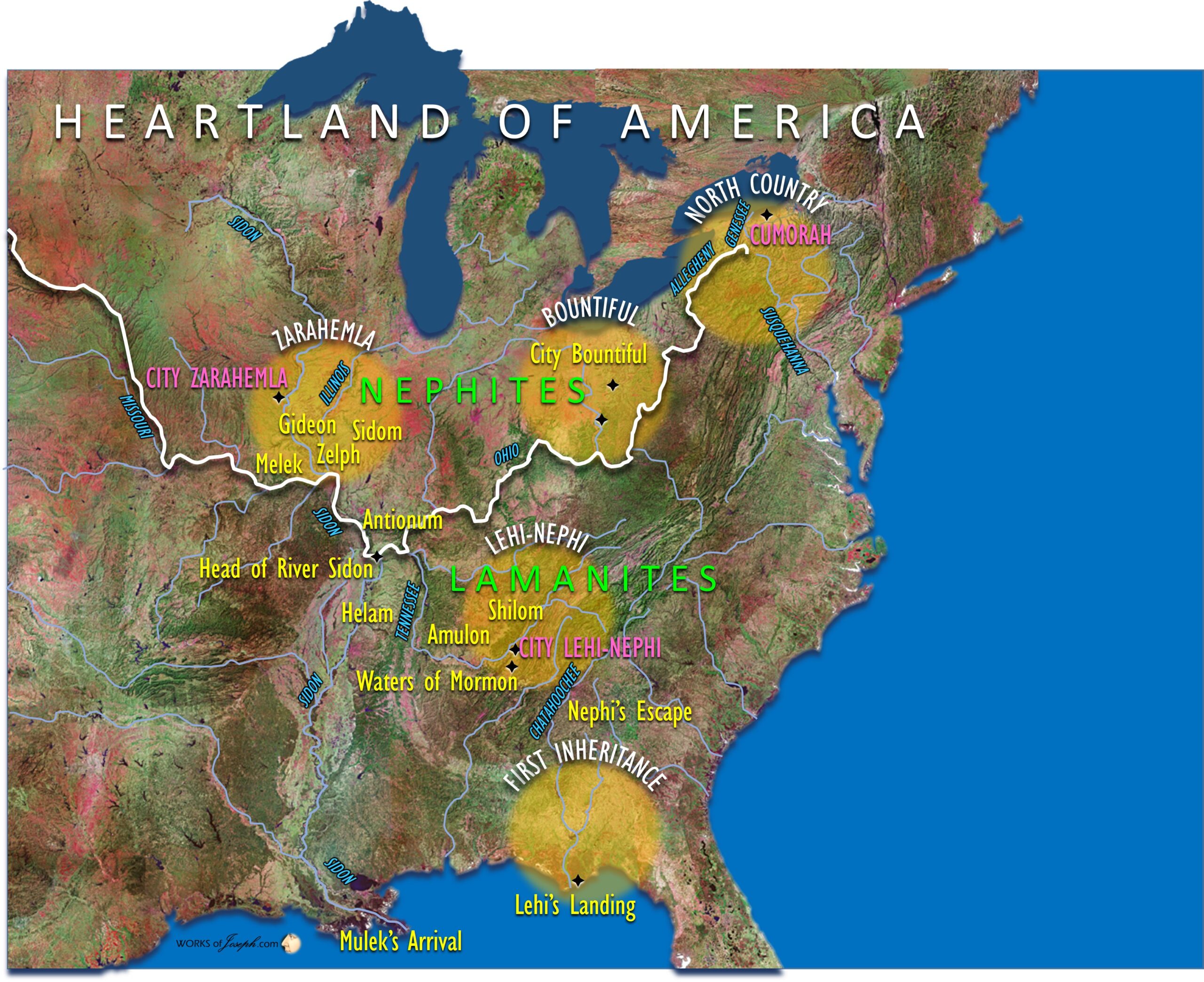
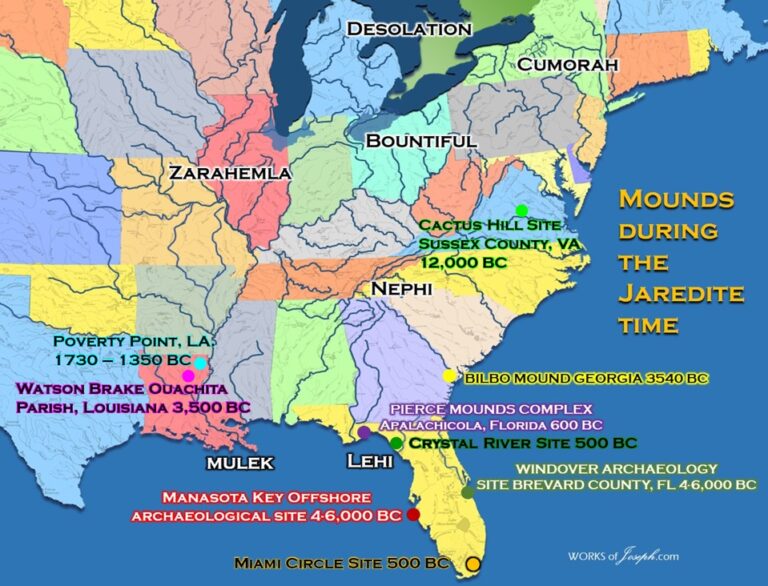
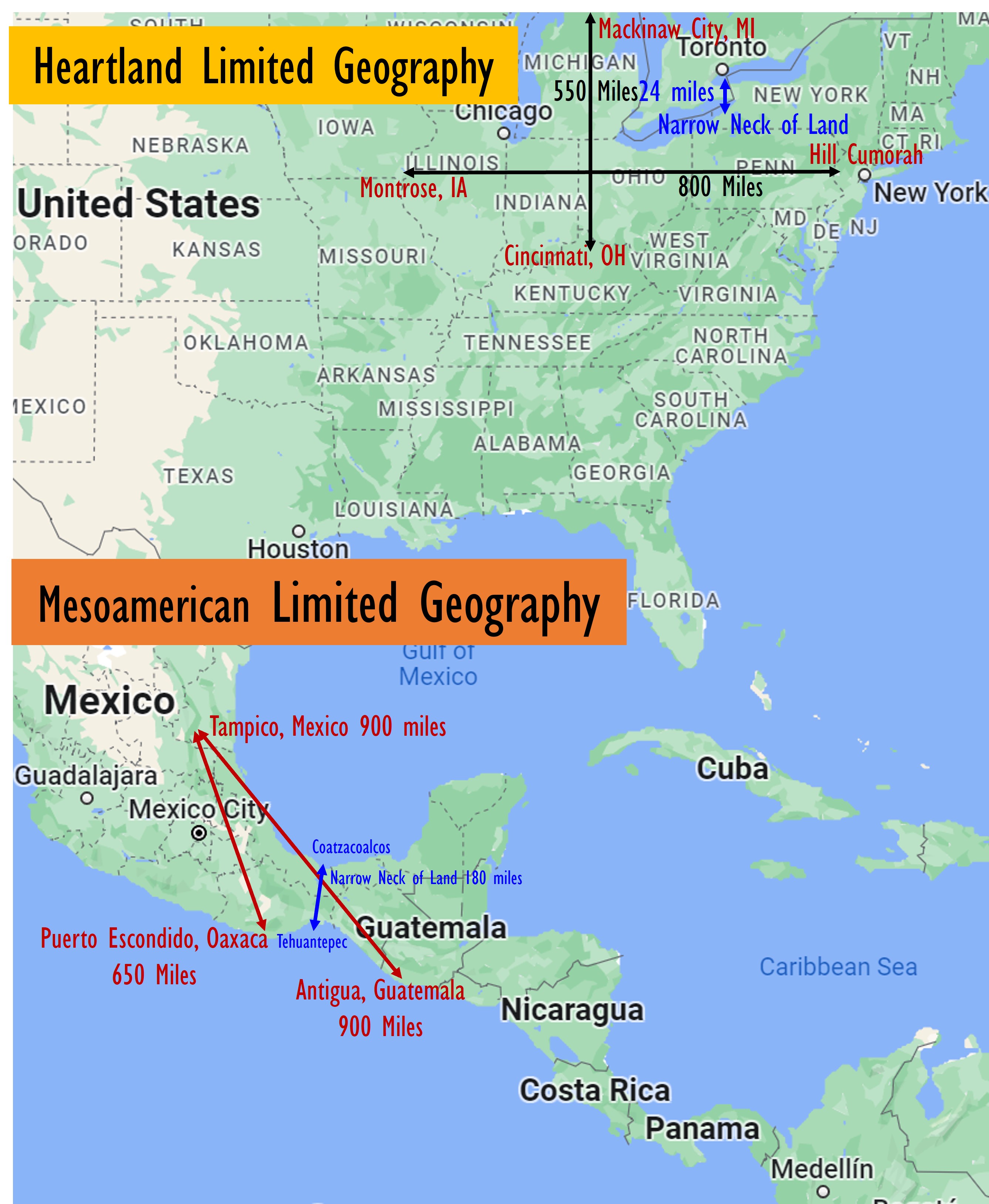
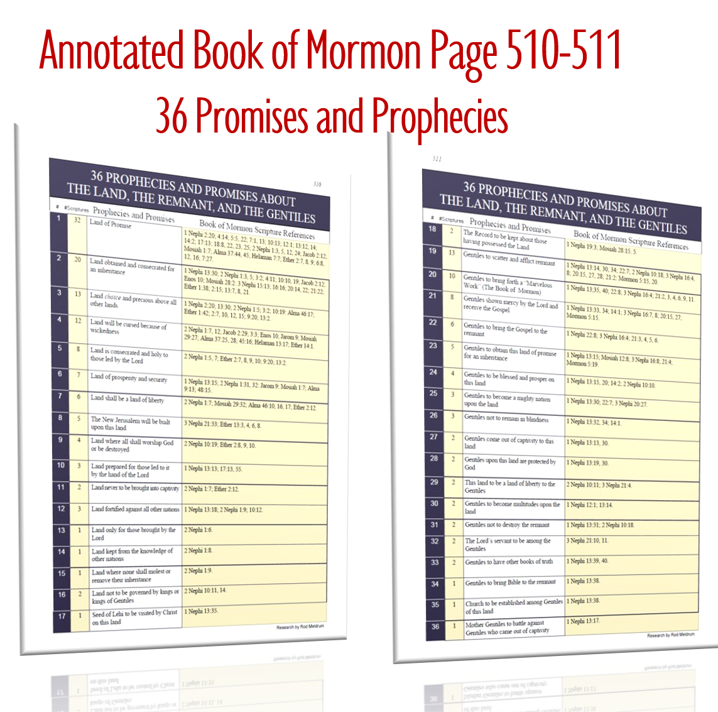
“There are only two “Promised Lands” mentioned by Christ in the Book of Mormon; Jerusalem of the Old World (3 Nephi 20:29) and New Jerusalem of the New World (3 Nephi 20:22). Both of these covenant lands of promise were given by the Lord to the house of Israel for their latter day gathering place. The New World Promised Land would be the location of the gathering place for the House of Israel in the America’s. Where is this gathering place? It will be at the New Jerusalem. And where is the New Jerusalem going to be located? We know through revelation that the New Jerusalem will be built in Jackson County Missouri, in the Heartland of North America (D&C 84:1-4). Did the Book of Mormon history take place on the same land as the New Jerusalem? Multiple passages establish that Lehi’s family was lead to and remained on this Promised Land throughout their entire history (1 Nephi 13:30, 22:7, 2 Nephi 1:5, 3 Nephi 20:22, 21:2-4,21:22-23, Ether 13:2-6). Therefore the land the Nephites, Jaredites, Mulekites and Lamanites lived upon was their “covenanted” land of promise and must – by covenant – include the Heartland of North America because it is the revealed location of the New Jerusalem by the Lord Himself.” Rod Meldrum. Read the entire article by Rod Meldrum called, The Scriptural Basis for Book of Mormon Geography THE ANNOTATED EDITION OFTHE BOOK OF MORMON
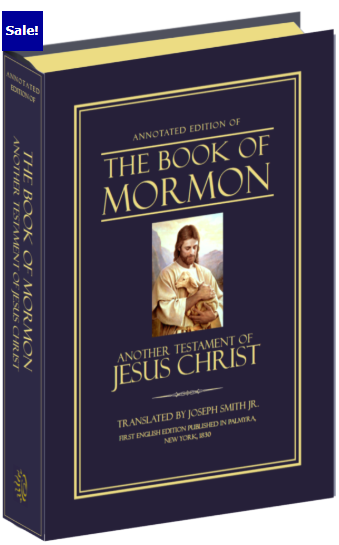 Purchase Today
THE OLD TESTAMENT: “I will gather the remnant of My flock out of all countries whither I have driven them.”(Jeremiah 23:3) THE NEW TESTAMENT: “I am the Good Shepherd, and know My sheep, and am known of Mine. As the Father knoweth Me, even so know I the Father, and I lay down My life for the sheep. And other sheep I have, which are not of this fold: them also I must bring, and they shall hear My voice; and there shall be one fold, and one Shepherd.”(John 10:14-16) THE BOOK OF MORMON: “And verily I say unto you, that ye are they of whom I said: ‘Other sheep I have which are not of this fold; them also I must bring, and they shall hear My voice; and there shall be one fold, and one Shepherd.’”(3 Nephi 15:21)“…for behold, I know My sheep and they are numbered.” (3 Nephi 18:31) (Note: words spoken by Jesus Christ are in red lettering.)
“Other Sheep” Prophecies and Promises by Bruce H. Porter and Rod Meldrum
“The Savior declared that He must visit others unknown to “this people” and unknown to those at Jerusalem, emphasizing that he must manifest Himself to them and that they must hear His voice. Read closely the few verses below as they indicate those to whom Christ had appeared to. And verily, verily, I say unto you that I have other sheep, which are not of this land, neither of the land of Jerusalem, neither in any parts of that land round about whither I have been to minister. For they of whom I speak are they who have not as yet heard my voice; neither have I at any time manifested myself unto them.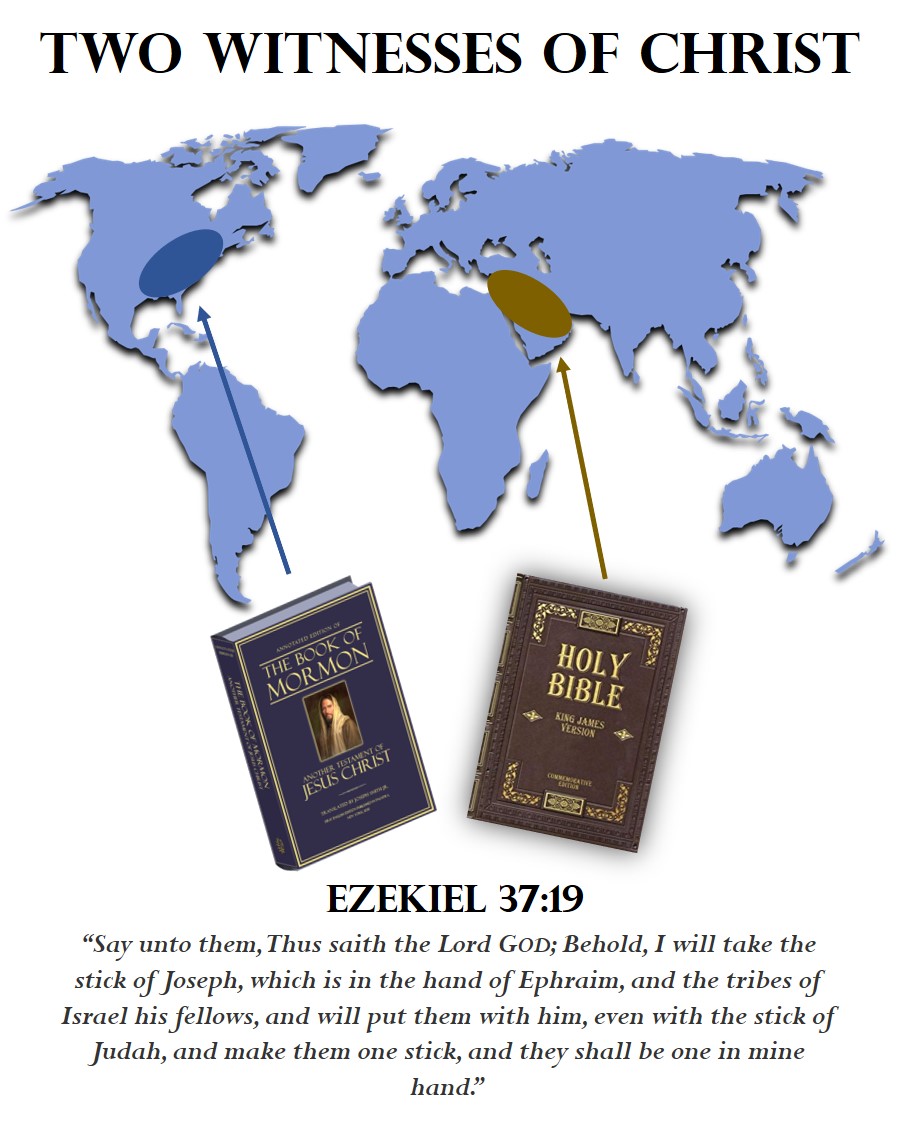 But I have received a commandment of the Father that I shall go unto them, and that they shall hear my voice, and shall be numbered among my sheep, that there may be one fold and one shepherd; therefore I go to show myself unto them. 3 Nephi 16:1-3
These statements made by the Savior should be emphasized inasmuch that they indicate that the story is not over or limited to one group of people. They also indicate that the story did not begin with the visit of Christ after his resurrection, in Jerusalem and then in Bountiful. Christ teaches that “I have other sheep, which are not of this land, neither of the land of Jerusalem, neither in any parts of that land round about whither I have been to minister.” The scriptures teach that there may be many nations that He visited who no doubt have kept records of His appearance and teachings. The fact that Christ has visited other sheep and nations does not necessarily mean that all of them must be located outside of the western hemisphere. These nations may be in the proverbial “backyard” of the Promised Land as well as any other continents in the same hemisphere, or even different peoples and cultures within a continent. There are no stated limitations. Some have addressed this thought and possibility as recorded in scripture about the visitation of Christ to other nations. From the vantage point of the scriptures, the Lord could have made a visit to the inhabitants of the Japanese islands, and for that matter, to other peoples of Asia as well. During his earthly ministry Jesus frequently reassured the Jews that he was the Good Shepherd, always mindful of his sheep, and known of them. He explained that he had other sheep not of their fold whom he would visit (see John 10:14-16). This promise was fulfilled when the resurrected Messiah appeared on the American continent as recorded in the Book of Mormon (see 3 Nephi 15:21). But while still among the Nephites, Jesus made a further promise that he would also visit other tribes of the house of Israel, neither of the land of Jerusalem nor of the land of the Nephites, whom the Father had led away. He had been commanded of the Father to administer to the needs of these sheep, and they would hear his voice.
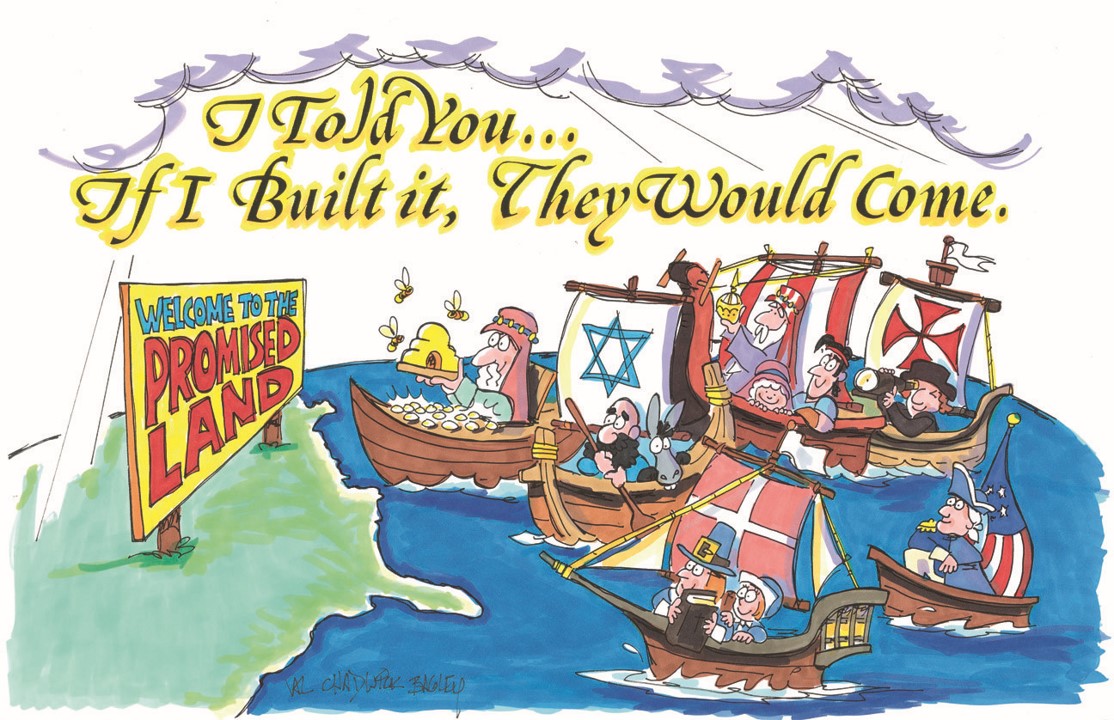
“There is little doubt that other peoples came to the western hemisphere as the DNA evidence has shown. Likewise, there is evidence that Christ did visit many nations as the sacred text reveals. Many traditions around the world indicate or imply that one like Christ did indeed visit many lands, including Central America. However, the Book of Mormon by textual evidence and coupled with the prophetic statements of Joseph Smith, is unquestionably about a people on the Promised Land and speaks specifically about the nation established by Gentiles who came out of captivity. This is the same nation and Promised Land where the New Jerusalem will be built. This latter-day nation is the United States of America. The Savior states in 3 Nephi that there were others that He must visit besides those to whom He was speaking. These other people are unknown to those in this land of promise and the land of Jerusalem. But, verily, I say unto you that the Father hath commanded me, and I tell it unto you, that ye were separated from among them because of their iniquity; therefore it is because of their iniquity that they know not of you. And verily, I say unto you again that the other tribes hath the Father separated from them; and it is because of their iniquity that they know not of them. And verily I say unto you, that ye are they of whom I said: Other sheep I have which are not of this fold; them also I must bring, and they shall hear my voice; and there shall be one fold, and one shepherd. 3 Nephi 15:19-21
The Lord declares that others were separated, and that there have been many migrations of people that were led by the hand of the Lord to different lands, continents, and isles of the sea. The movement of families for the preservation of life and religion is a motif seen throughout the scriptures. The separation of the righteous from the wicked is evident in all of our standard works. The City of Enoch, Abraham’s departure from Ur, the Rechabites in Jeremiah at the same time Lehi leaves Jerusalem, and then Nephi going into the wilderness leaving behind the land of their first inheritance are examples. Even the saints in this dispensation were led by the Lord from place to place seeking safety from persecution and religious freedom until they settled in the Salt Lake Valley. The Lord has led many families and groups into the “nethermost parts of the vineyard” explained in Jacob 5.
The Allegory of the Olive Tree
Jacob, the brother of Nephi, also gives clues to some migrations led by the hand of the Lord in the “Allegory of the Olive Tree” in Jacob 5. Zenos prophesied that the “natural branches” will be taken off the “mother” tree and planted in the “nethermost parts of the vineyard” (Jacob 5:13). This allegory teaches that one branch, planted in a “good spot of ground”, brought forth both good and bad fruit: And he said unto the servant: Look hither and behold the last. Behold, this have I planted in a good spot of ground; and I have nourished it this long time, and only a part of the tree hath brought forth tame fruit, and the other part of the tree hath brought forth wild fruit; behold, I have nourished this tree like unto the others. In this “good spot of ground” there is a division of the “tame fruit” and “wild fruit” in the branch planted there. In verses 43-45 the wild fruit eventually overcame the good and tame fruit that was planted in a “good spot of ground”—a place that was “choice unto me above all other parts of the land of my vineyard.” Verse 44 speaks of the Jaredites being in the same “spot of ground” that was cut down to plant the branch which brought forth the two kinds of fruit. And behold this last, whose branch hath withered away, I did plant in a good spot of ground; yea, even that which was choice unto me above all other parts of the land of my vineyard. And thou beheldest that I also cut down that which cumbered this spot of ground, that I might plant this tree in the stead thereof. And thou beheldest that a part thereof brought forth good fruit, and a part thereof brought forth wild fruit; and because I plucked not the branches thereof and cast them into the fire, behold, they have overcome the good branch that it hath withered away. Jacob 5:43-45 The commentaries that exist on these verses are unanimous in their interpretation of this “good spot of ground” as the Promised Land obtained by Lehi, one that is “choice unto me above all other parts of the land of my vineyard.” This same part of the vineyard was given to Lehi, the descendants of Mulek and to the Jaredites that once “cumbered” this good spot of ground. The “good fruit” being overcome by the “wild fruit” is always viewed as the eventual wickedness and destruction of the Nephites by the Lamanites. This “good spot of ground” is described as the spot where those described in the Book of Mormon as “this people” were led to “this land.” The Book of Mormon is not only a history of the people led to “this land” but it also becomes a historical record and prophetic text about the “Promised Land” and those who shall inherit it. The other people led away and “planted in the nethermost part of the vineyard” could be those in any part of the world.146 This “nethermost part” could be in Japan, China, and India, parts of Russia, Scandinavia, Greenland, Australia, or New Zealand. Any of the “isles of the sea” could be included. The “nethermost part” could even be the peoples and cultures that might be living and keeping records near the Promised Land and be found in Central or South America. There are “myths” and stories of one like Christ appearing in many places and cultures around the world and teaching “Christian-like” concepts. The important lesson learned from the Book of Mormon is that there are other nations and groups of people that kept their own records of His teachings and His appearances to them. It would be folly to decide or interpret that the visit of Christ was limited to a single geographical setting. The fact that Christ appeared to the people on “this continent,” according to Moroni, and Joseph Smith, does not negate a possible visit to many other cultures in this hemisphere as well as those in the Promised Land as recorded in 3 Nephi, nor does it mean that all those who were visited by Christ were of necessity “Nephites.”
Christ Speaks to All Nations
An important question asked by the Lord in scripture and about scripture is “Know ye not that there are more nations than one?” There is no limit to the Lord’s love and concern for the nations, kindreds, and tongues of the world. Having reviewed a few scriptures about “other sheep” that are usually associated with the House of Israel, a review of passages about other nations might be helpful. These nations are discussed in scripture, beyond the scope of the historical setting and people of the Book of Mormon. However, the Lord has seen a need for the scriptural text of the Nephites to include information about these nations, lands, and records that lie beyond the borders of the particular Land of Promise. The paraphrased passages below give insight beyond “this land” into other peoples and other lands. Know ye not that there are more nations than one?…and that I remember those who are upon the isles of the sea; and I bring forth my word unto the children of men, yea, even upon all the nations of the earth? …that I remember one nation like unto another? Wherefore, I speak the same words unto one nation like unto another. …that I speak forth my words according to mine own pleasure. And because that I have spoken one word ye need not suppose that I cannot speak another… Wherefore, because that ye have a Bible ye need not suppose that it contains all my words; neither need ye suppose that I have not caused more to be written. For I command all men, both in the east and in the west, and in the north, and in the south, and in the islands of the sea, that they shall write the words which I speak unto them… For behold, I shall speak unto the Jews and they shall write it; and I shall also speak unto the Nephites and they shall write it; and I shall also speak unto the other tribes of the house of Israel, which I have led away, and they shall write it; and I shall also speak unto all nations of the earth and they shall write it. 2 Nephi 29:7-12 Could these other “nations” in the verses (especially verse 12) above, include the highly advanced civilizations of Asia, and the Far East, perhaps the nations of northern Europe? Could these passages even include the peoples and cultures of Central and South America that might not be recorded in the Book of Mormon? The last verse above speaks of the Jews, and then the Nephites and all the “other tribes of the house of Israel” and then includes the statement, that he “shall also speak unto all nations of the earth and they shall write it.” The fact that the Book of Mormon is a record of the Promised Land does not mean that the entire hemisphere was that land. There can be no limitations on the Lord and the work He might do as He questions and declares: “Know ye not that there are more nations than one?…I shall also speak unto all nations of the earth and they shall write it.”
Other Records, Other People, Other Lands
Teachers of the Book of Mormon often remind their students that this sacred text is a record of “three migrations” and no more. Therefore, this written history is not the record of every migration to this continent or hemisphere. The claim of the book itself, and that of the translator, is that it consists of a record of only those who came to the “Promised Land.” It is a history of Lehi and his family, Mulek and those who came with him, and the earlier migration and history of the Jaredites. All of these groups were led to the very same “Promised Land” as is evident in the scriptures. The fact that the record does not represent all cultures of the Western Hemisphere does not necessarily indicate that all lands within the hemisphere should be represented and included as the “Promised Land” within the Book of Mormon text. There are only three groups of people that make up the known populations in the text of the Book of Mormon. Therefore, the land within the scriptural text should only include the land that those three groups inhabit. The prophecies and promises about the people and the land are to be fulfilled within the same land which they inhabit. Based on the limited number of cultures that the Book of Mormon embraces and the information presented above, let us hypothesize for the moment that the text is just as limited in its geography. Suppose it is the record of those groups only, that were “planted in the good spot of ground” that is the “Promised Land.” Nephi explains that the record he is making “should be kept for the instruction of my people, who should possess the land” (1 Nephi 19:3) — then and now.” Prophecies and Promises by Bruce H. Porter and Rod Meldrum Chapter 14
I Will Graft Them:
“In the process of grafting, healthy, living branches are cut from a tree and inserted into the trunk of another tree to grow. The “branches” in this allegory of the Tame Olive Tree represent different groups of people whom the Lord takes from one place and then plants in another place to keep the “tree” from dying. Ultimately, the regrafting in of those of the House of Israel will include their coming to “the knowledge of the true Messiah”(1 Nephi 10:14).” Annotated Book of Mormon by David Hocking and Rod Meldrum page 107
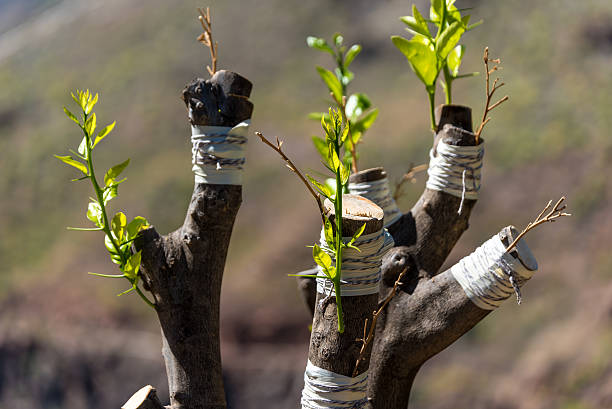
The Lord’s promises are extended to all of God’s people, world-wide. He loves us all and His goal is , “to bring to pass the and of man.” Moses 1:39
Covenant of Abraham
“Abraham first received the gospel by baptism (which is the covenant of salvation). Then he had conferred upon him the higher priesthood, and he entered into celestial marriage (which is the covenant of exaltation), gaining assurance thereby that he would have eternal increase. Finally he received a promise that all of these blessings would be offered to all of his mortal posterity (D&C 132:29–50; Abr. 2:6–11). Included in the divine promises to Abraham were the assurances that (1) Christ would come through his lineage, and that (2) Abraham’s posterity would receive certain lands as an eternal inheritance (Gen. 17; 22:15–18; Gal. 3; Abr. 2). These promises taken together are called the “Abrahamic covenant.” It was renewed with Isaac (Gen. 26:1–4, 24) and again with Jacob (Gen. 28; 35:9–13; 48:3–4).
The portions of the covenant that pertain to personal salvation and eternal increase are renewed with each individual who receives the ordinance of celestial marriage (see D&C 132:29–33). Those of non-Israelite lineage, commonly known as Gentiles, are adopted into the house of Israel and become heirs of the covenant and the seed of Abraham through the ordinances of the gospel (Gal. 3:26–29).
Being an heir to the Abrahamic covenant does not make one a “chosen person” per se but does signify that such are chosen to responsibly carry the gospel to all the peoples of the earth. Abraham’s seed have carried out the missionary activity in all the nations since Abraham’s day. (Matt. 3:9; Abr. 2:9–11.)
To fulfill the covenant God made with Abraham—having particular reference to the fact that the literal seed of his body would be entitled to all of the blessings of the gospel (Abr. 2:10–11)—a number of specific and particular things must take place in the last days. The gospel must be restored, the priesthood must be conferred again upon man, the keys of the sealing power must be given again to mortals, Israel must be gathered, and the Holy Ghost must be poured out upon the Gentiles. All this has already taken place or is in process of fulfillment. See also Adoption; Gentile.” LDS Bible Dictionary

 Joseph F. Smith said, “It was no uncommon thing for people of eastern nations, almost from time immemorial, to profess to hold communication with the spirit world through the medium of superstitious practices. There were magical formulae, lucky and unlucky days, incantations, horoscopes, and various other devices, and superstitious rites and practices through which magicians, astrologers, soothsayers, divines, wizards, witches, sorcerers, necromancers, conjurers, and enchanters, played upon the ignorance of their victims. It is, of course, impossible to tell what the secrets of their practices were, but it is safe to say that
  One would think that in the day in which we live the belief in witches and witchcraft no more exists, and that the counsel given to ancient Israel in this respect would be unnecessary to the Latter-day Saints,
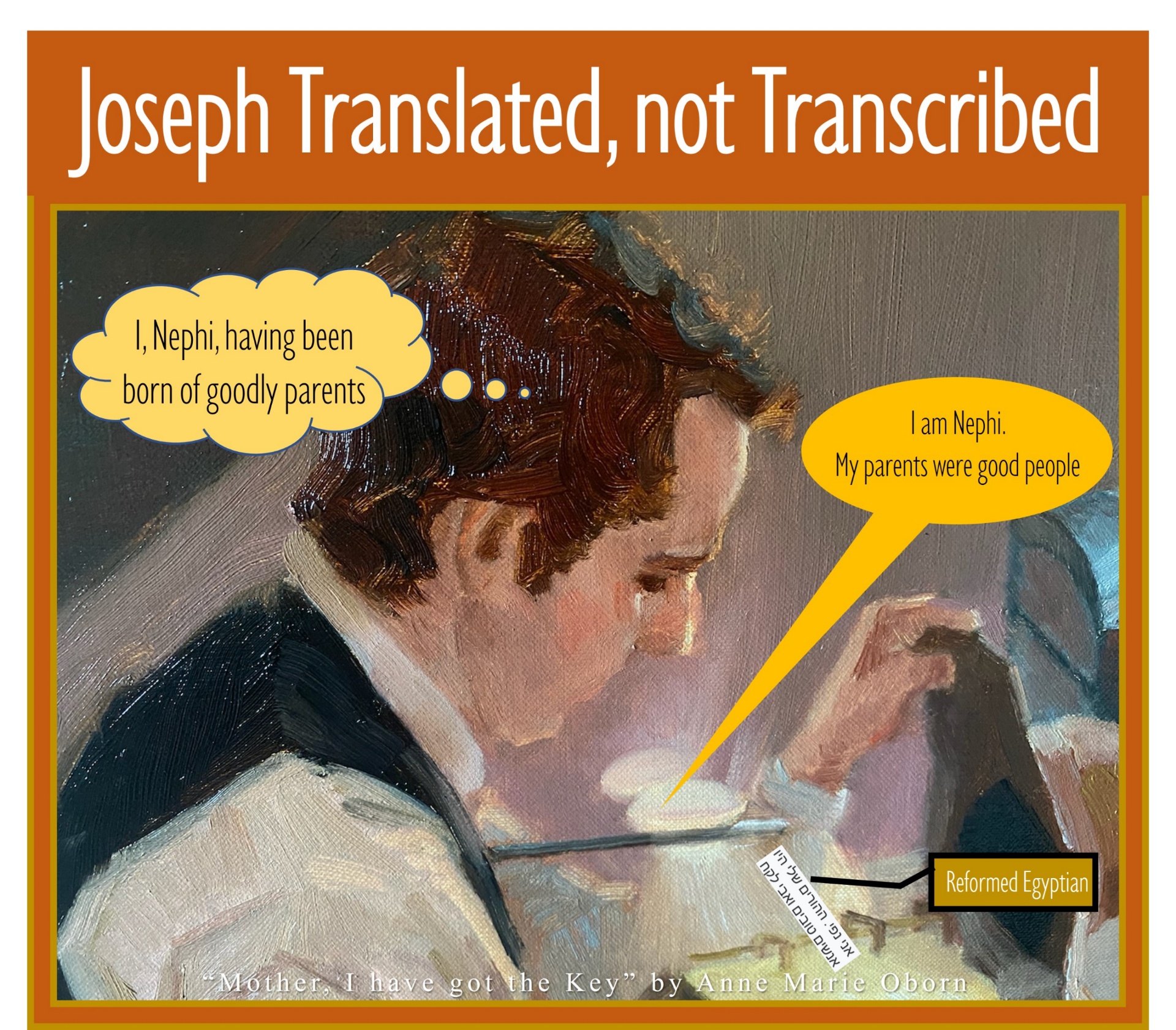
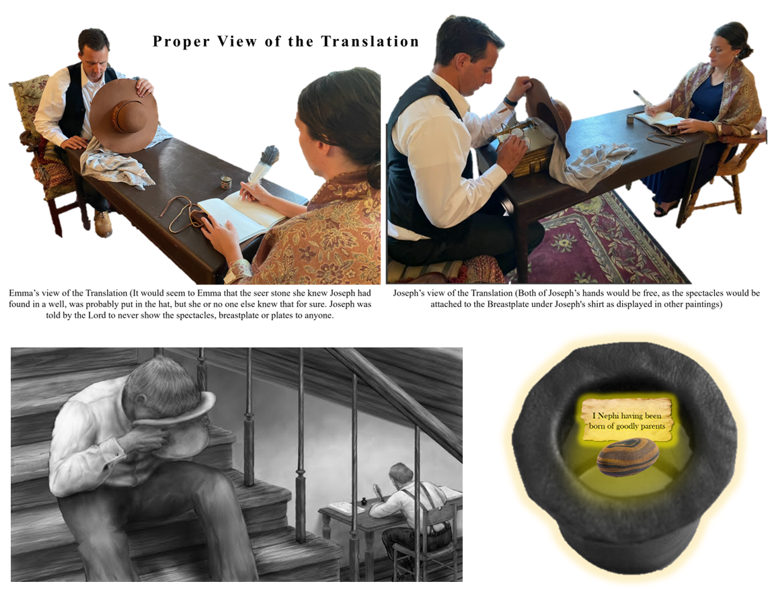
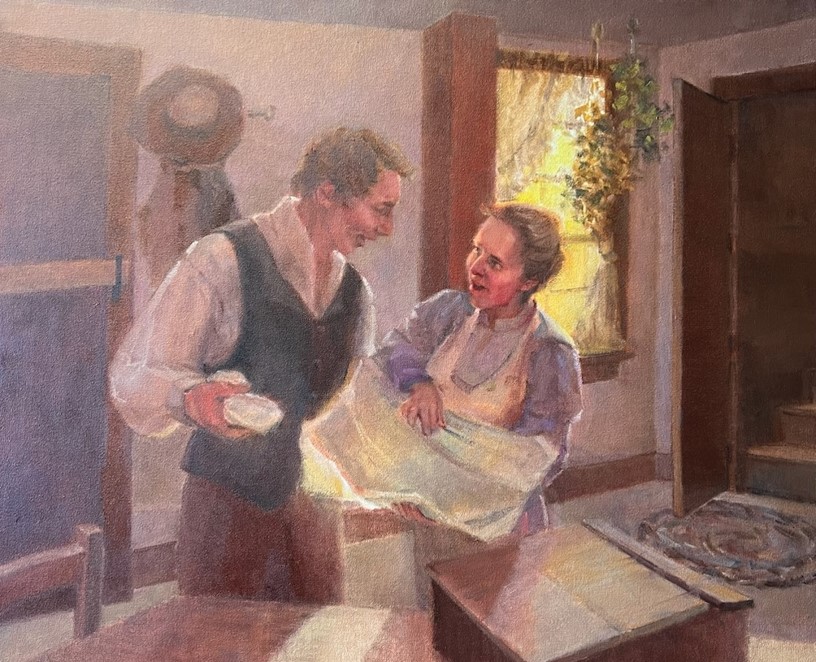
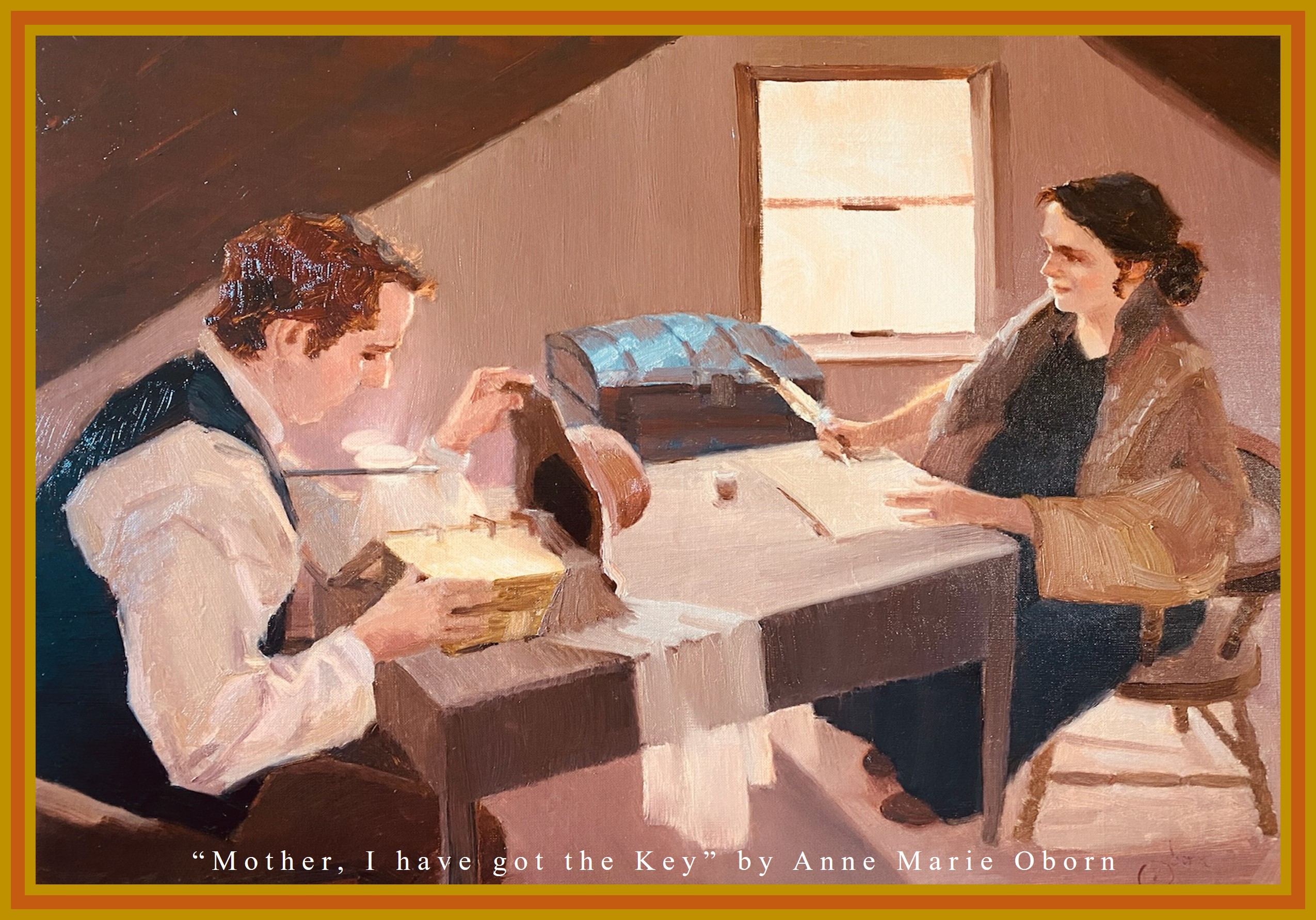
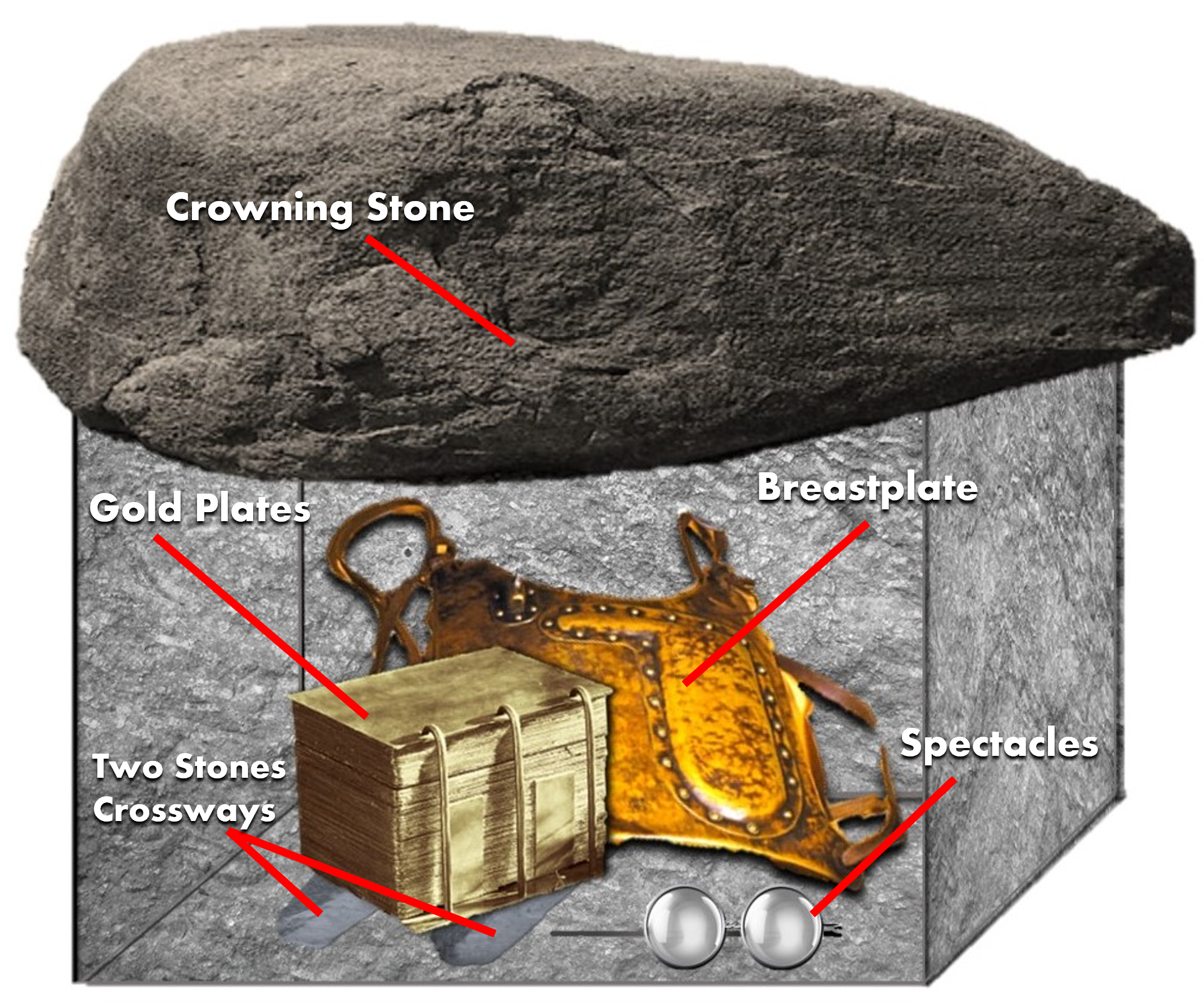
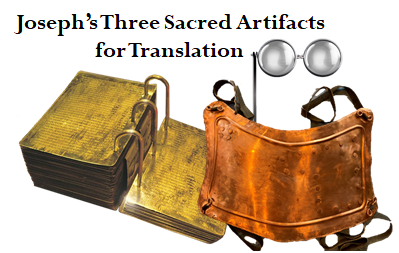
 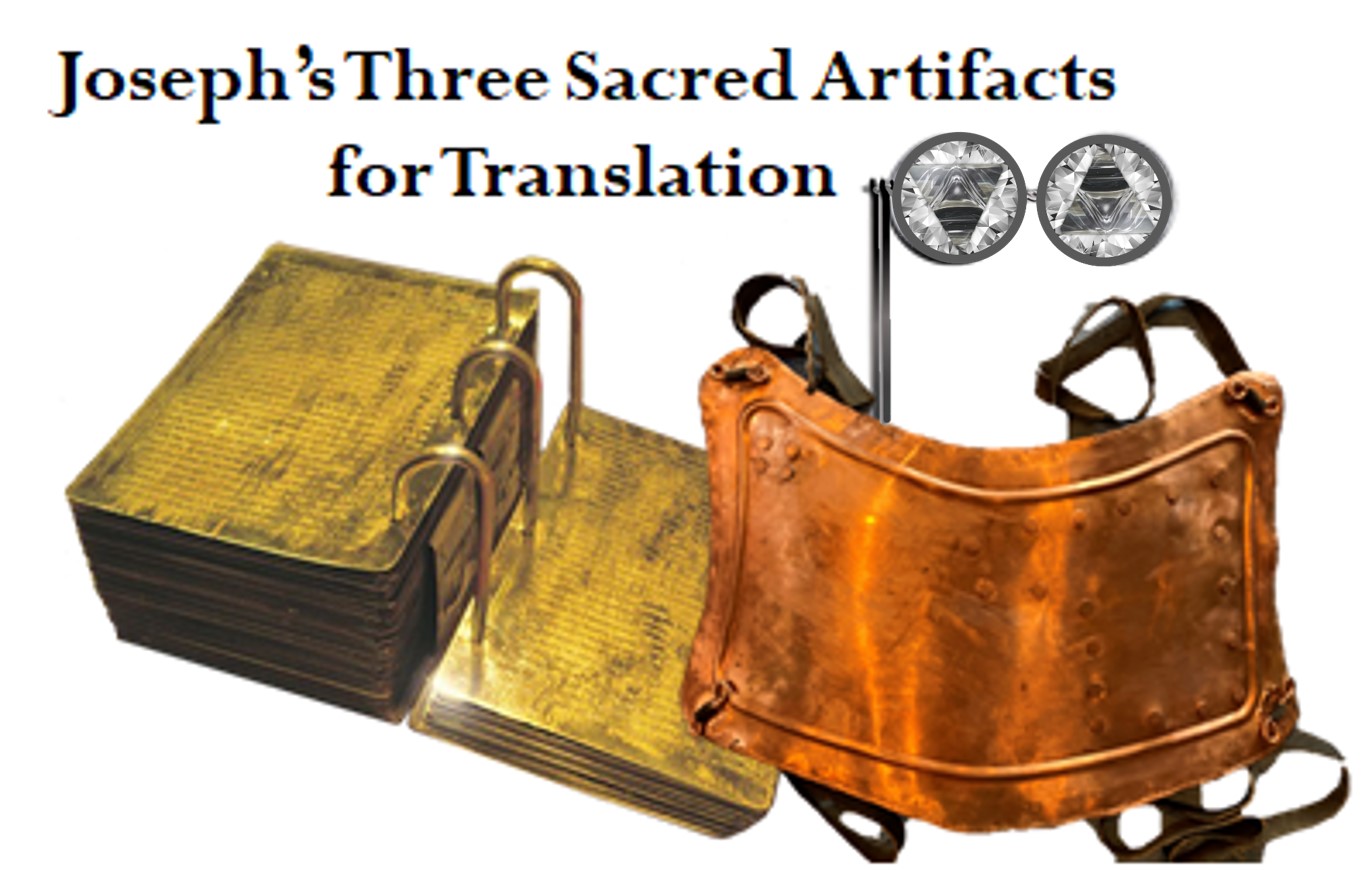 Why do I seem so confident of that statement? Because you can never find a first hand witness that claims they used such a stone and put it in a hat for translation. You can find second hand witnesses such as Emma Smith, David Whitmer and Martin Harris who claimed the stone in a hat process. None of these people however saw all three instruments used during translation. The Plates, Breastplate and Spectacles that were inside the stone box where Joseph found the plates. (No Emma did not see the Gold Plates, Breastplate nor the Spectacles See Paintings below).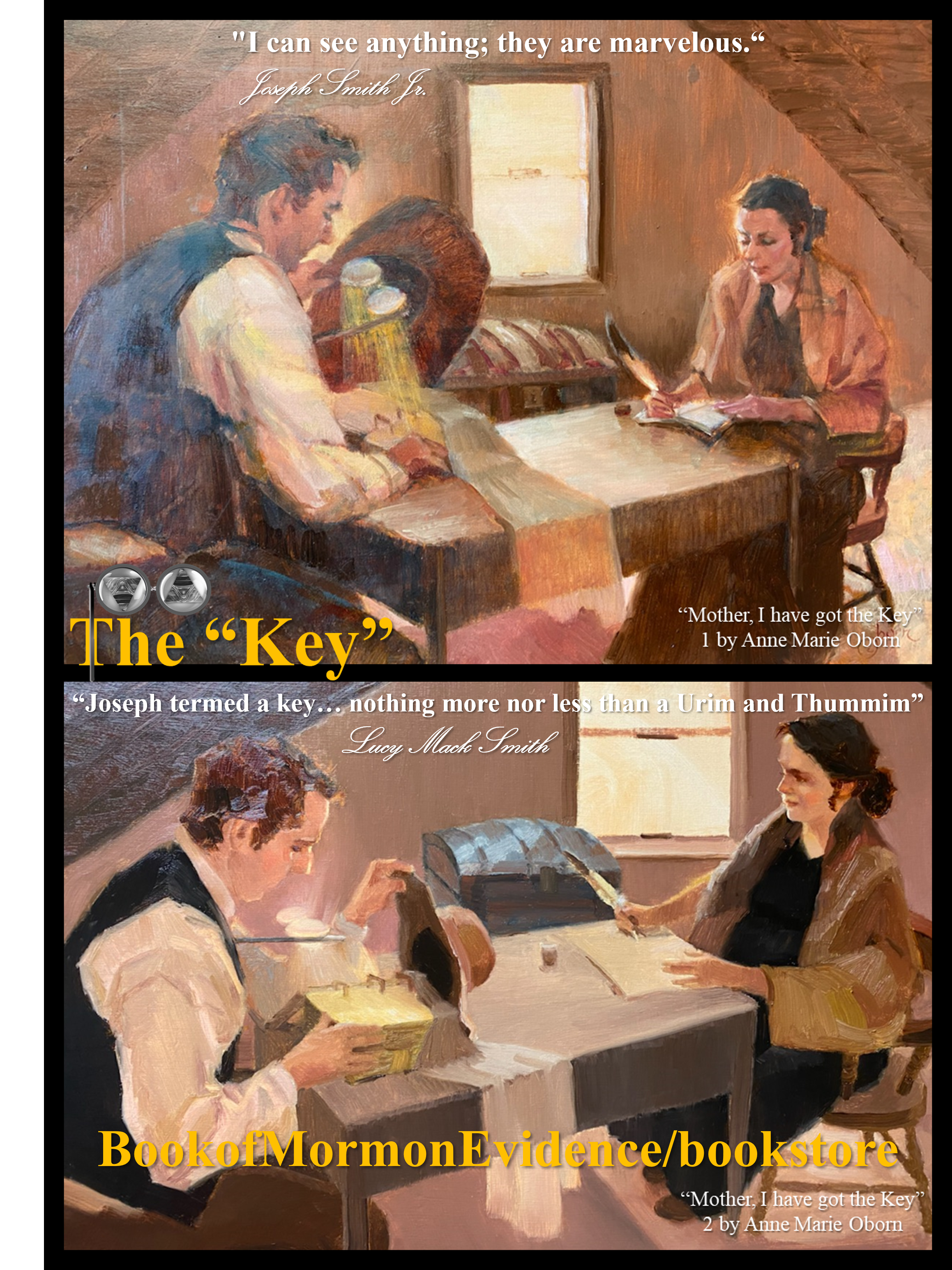
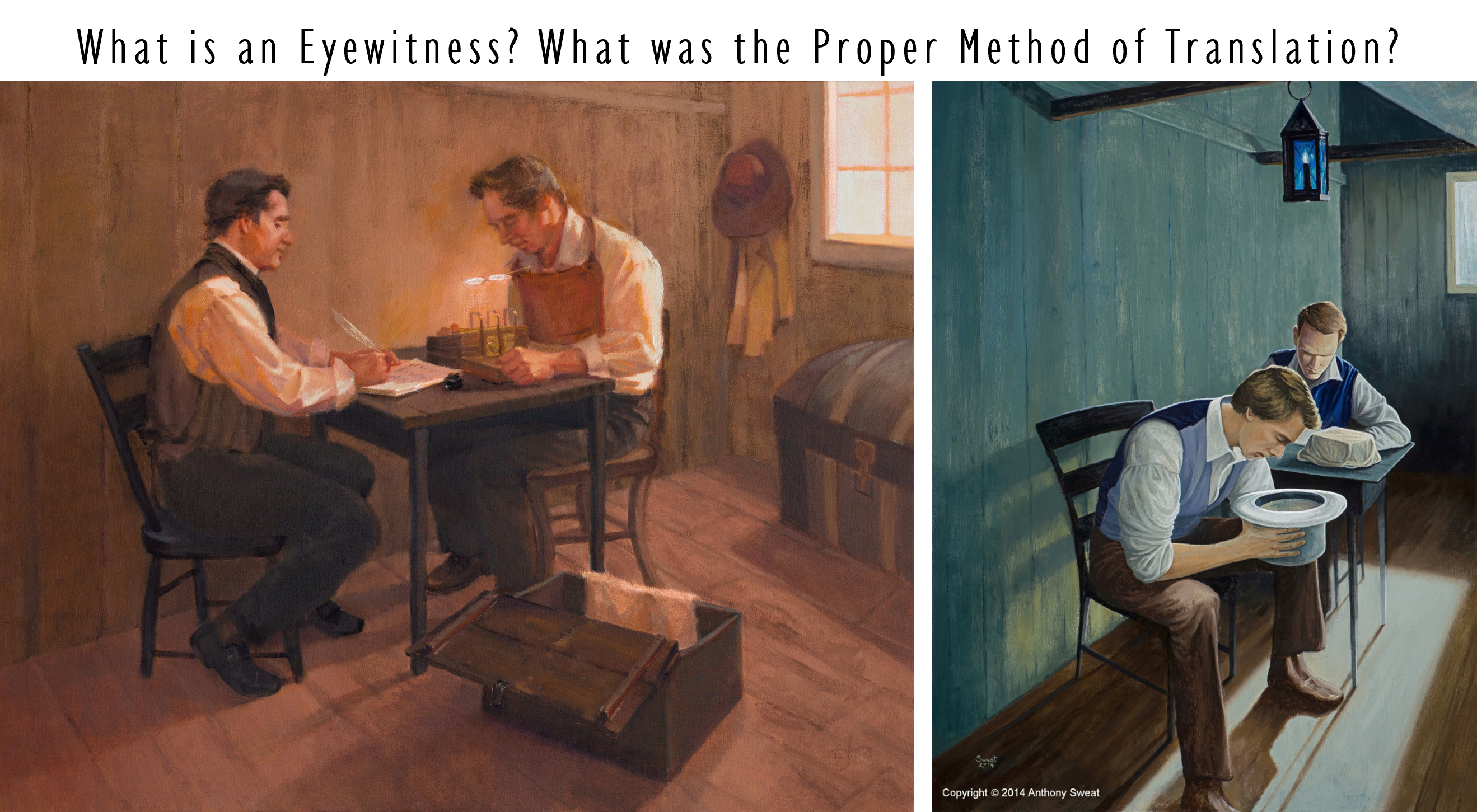
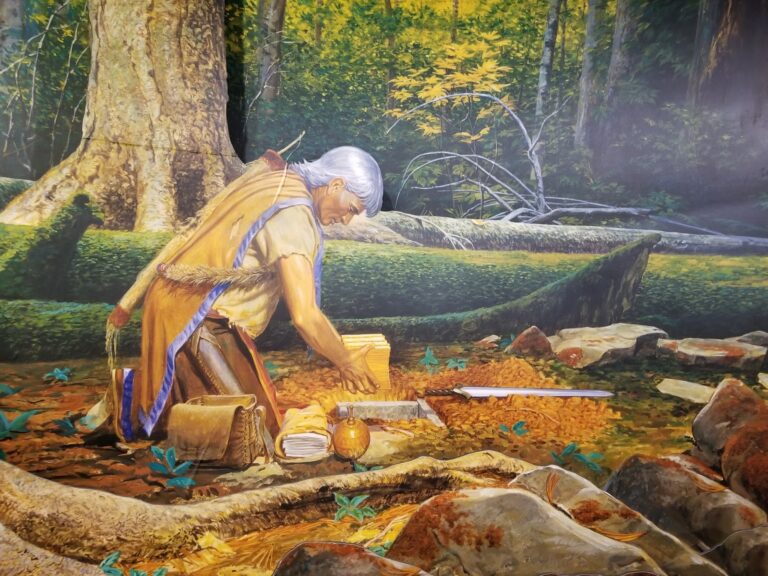
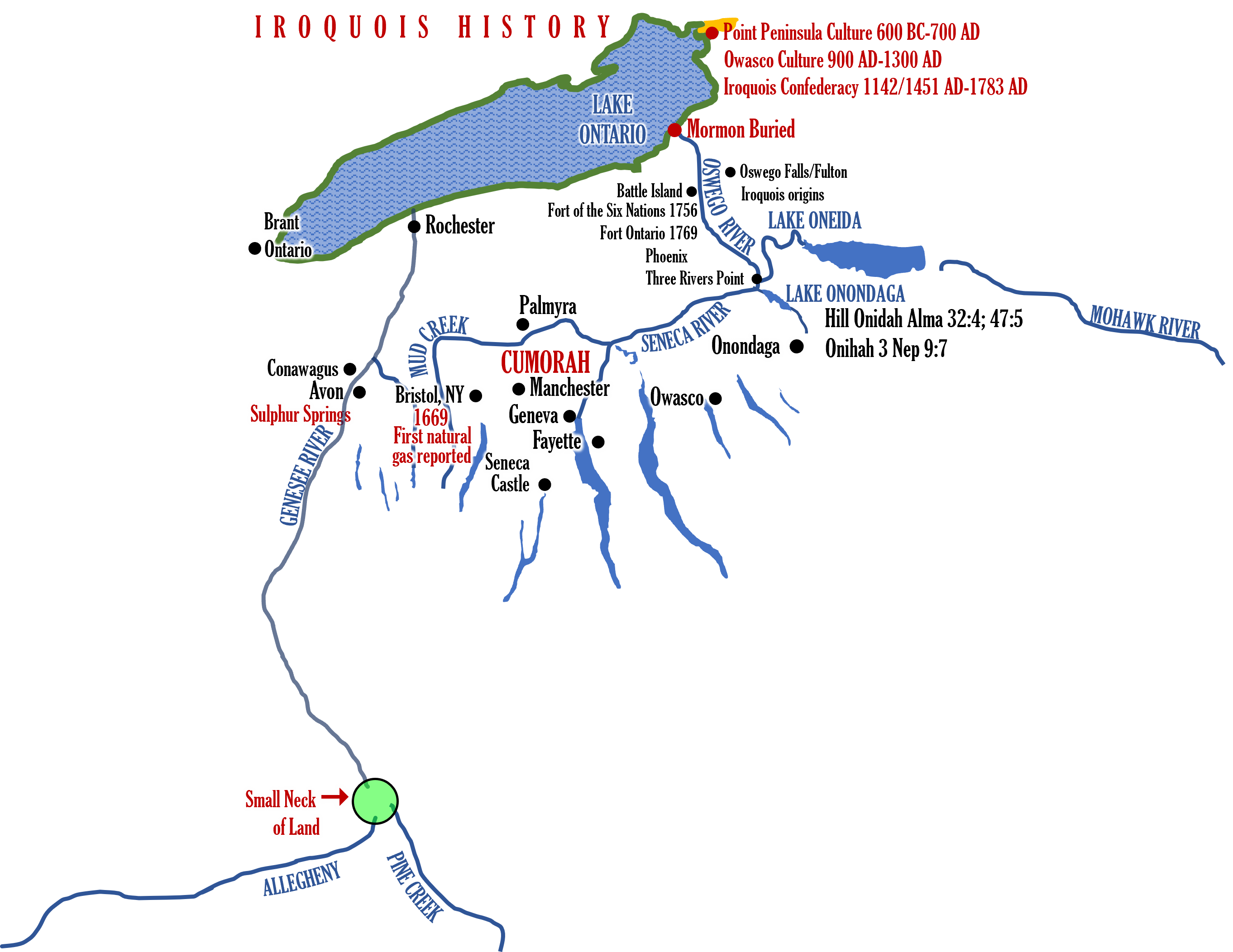
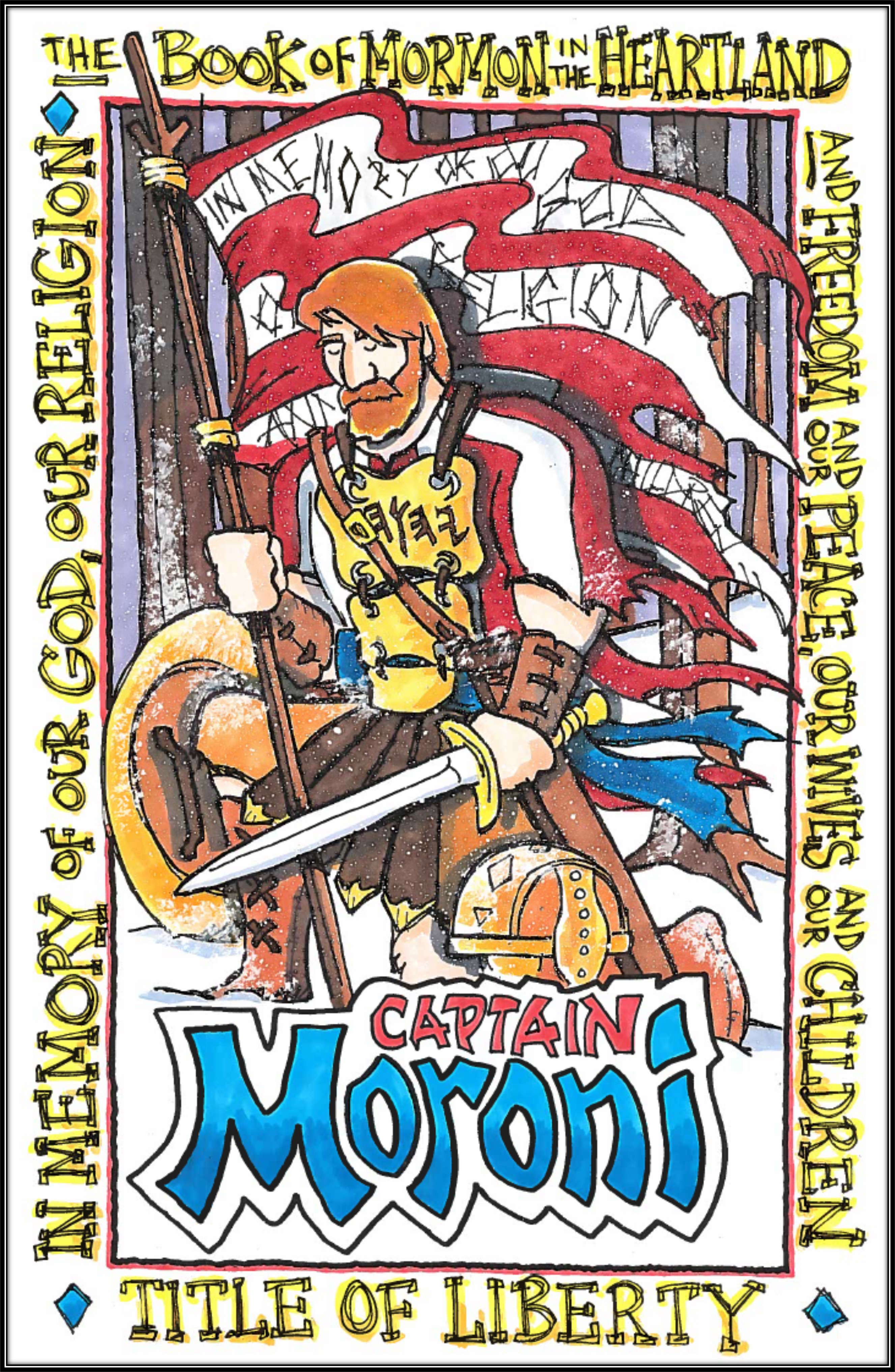
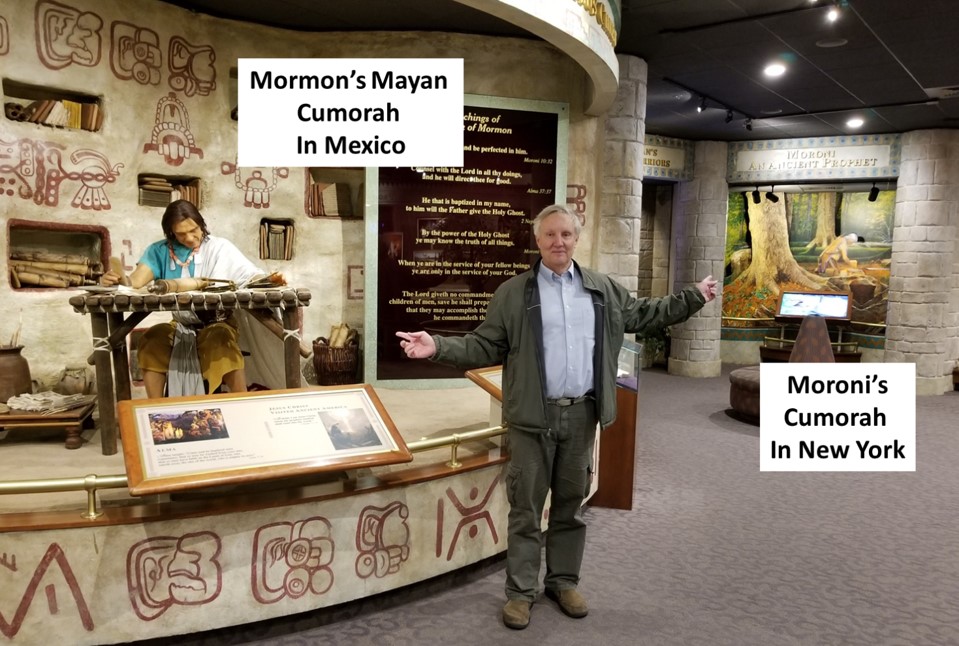 The featured picture on the main page and the one to the left, shows Moroni with the plates, Liahona and Sword of Laban at the stone box at NY Cumorah. (Small background image). This picture comes from the LDS Church Museum in a video they show there. Right next door to this display they show, (large picture at the front left with Jonathan Neville standing) Mormon abridging plates in a Mesoamerican looking cave with Mayan glyphs on the walls. See Jonathan Nevilles
  Many theorists insist the sword and ball were in the same box with the gold plates. Why do they insist this?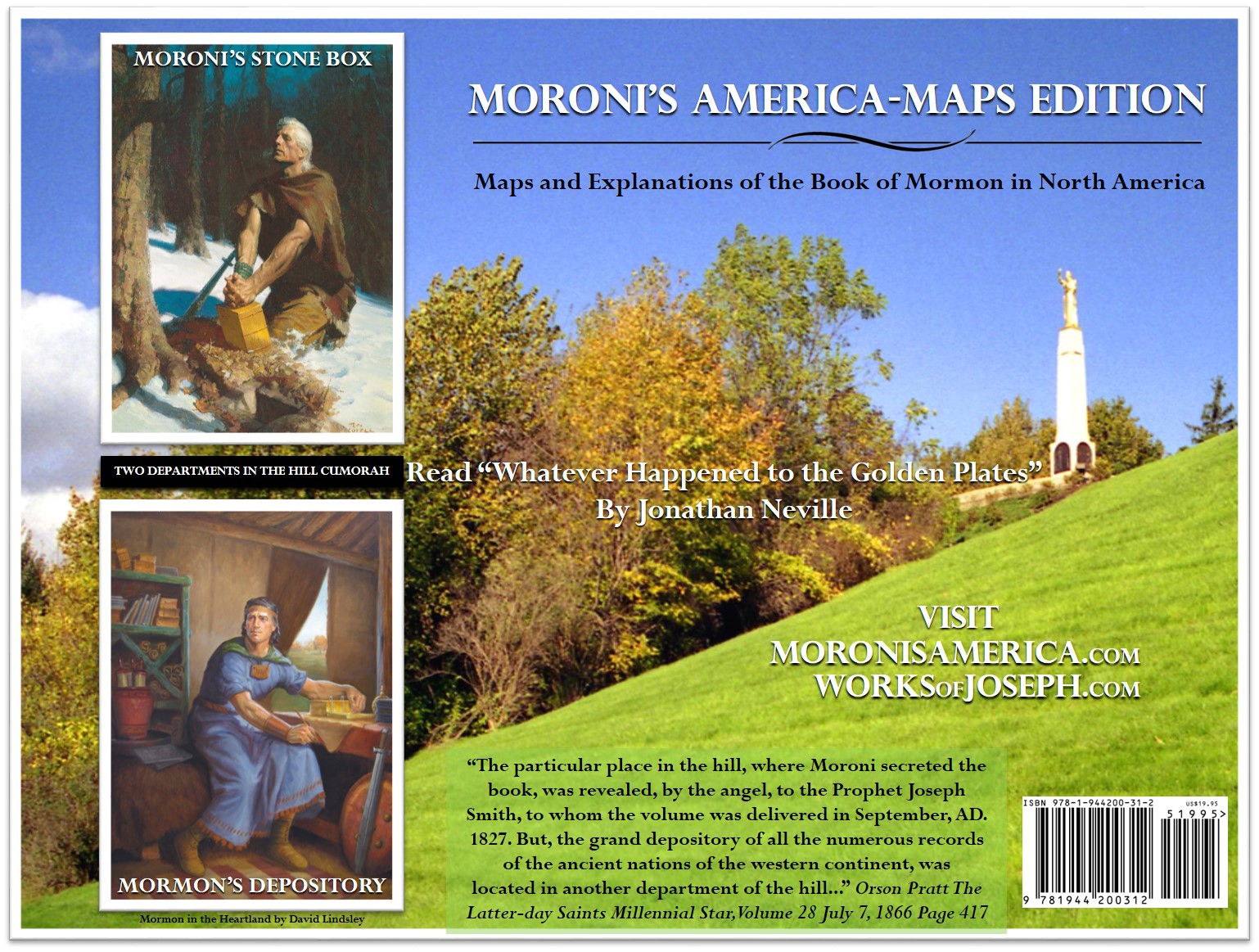

 I believe that the old stories about Joseph being tied to the occult came from the 1834 anti-Mormon book “Mormonism Unvailed” by E.D. Howe. Most of this was due to the book talking about
 On Monday, May 5, 2025, my good friend Mike LaFontaine from his email address,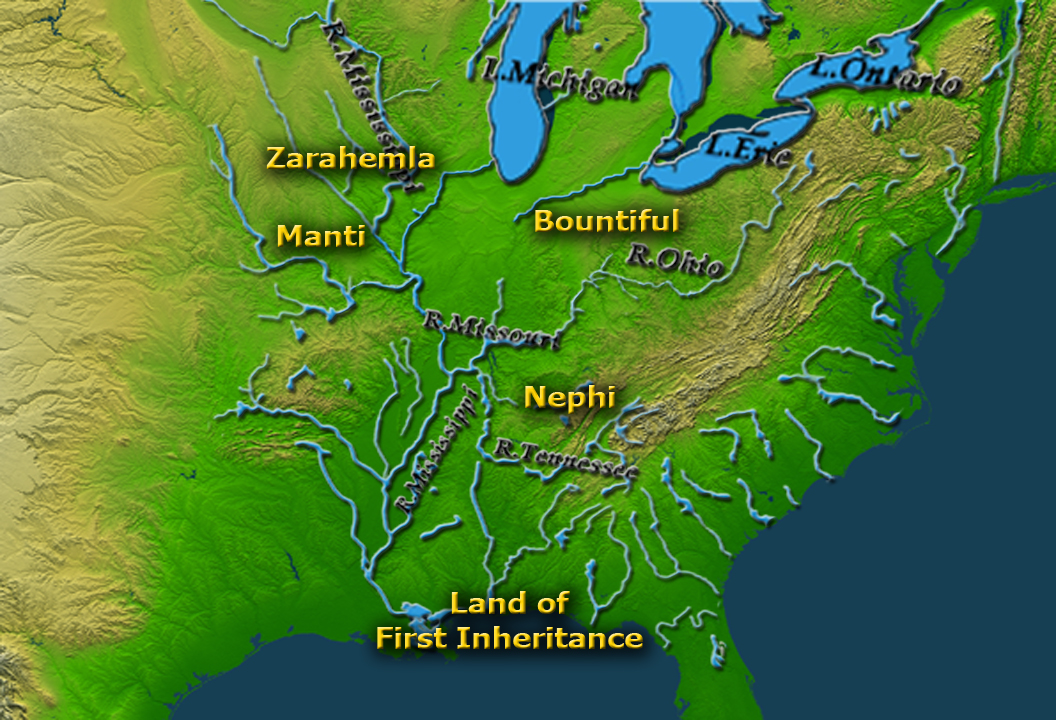

 Moreover, the Book of Mormon was written for a future audience, not just the people in Nephi’s immediate setting (see **2 Nephi 25:21-22**, where Nephi explains that his record will be preserved for later generations).

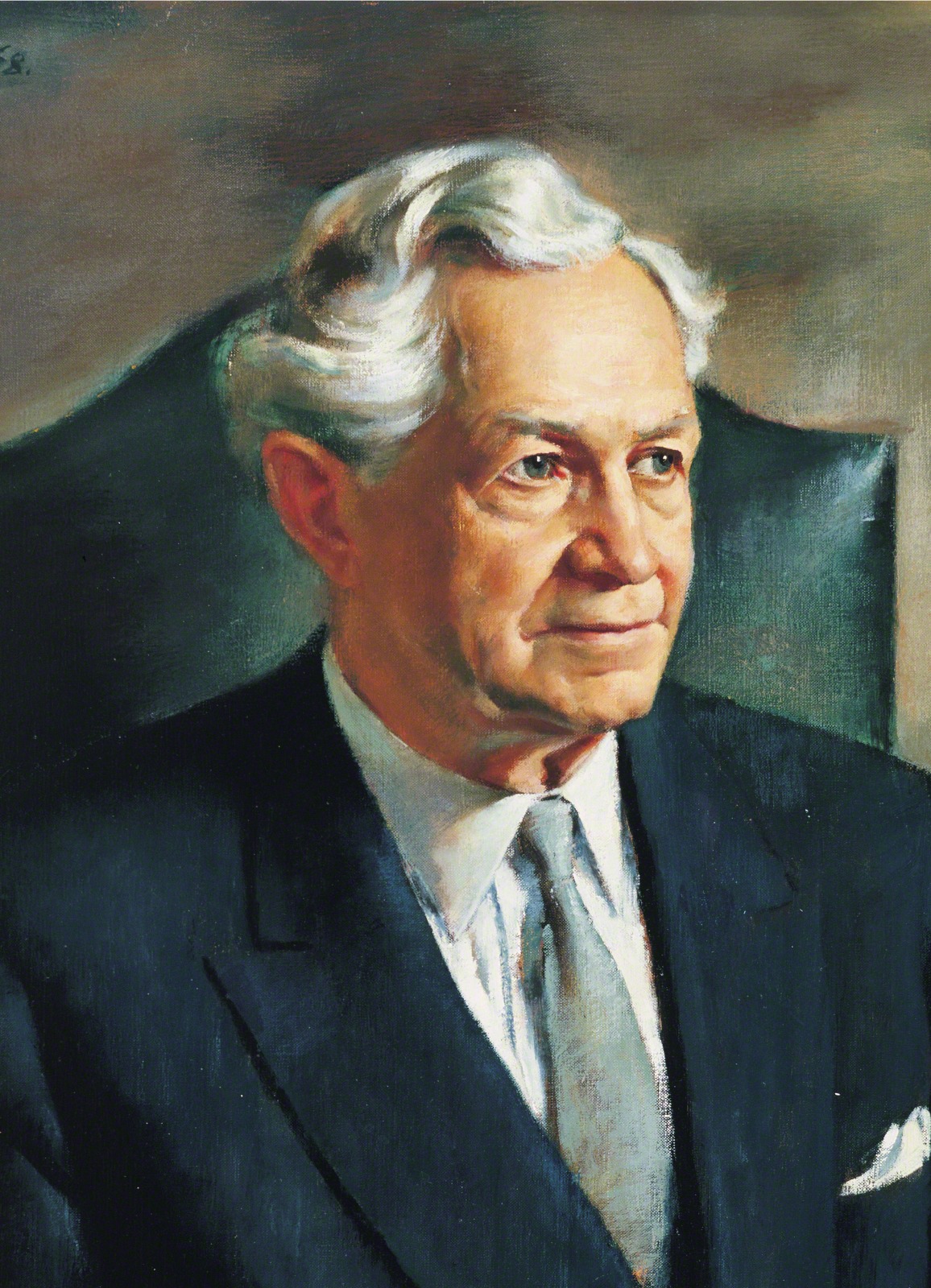

 22. Continue discrediting American culture by degrading all form of artistic expression. An American Communist cell was told to “eliminate all good sculpture from parks and buildings,” substituting shapeless, awkward and meaningless forms.





 Recently I heard from a wonderful man named Bruce Mita on my Facebook page. I have enjoyed getting to know him better. Who would know more about the Maori’s or Nephites more than him?
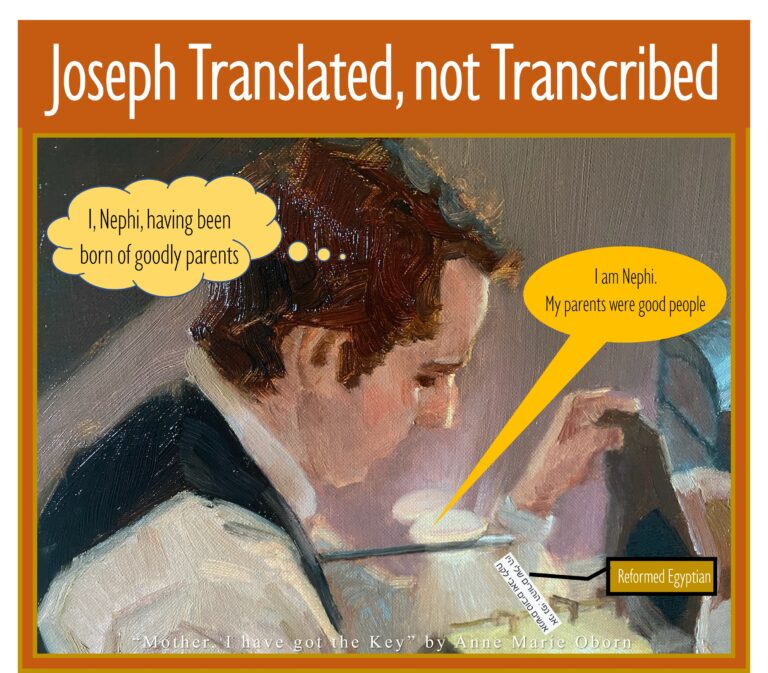
 Interpreters
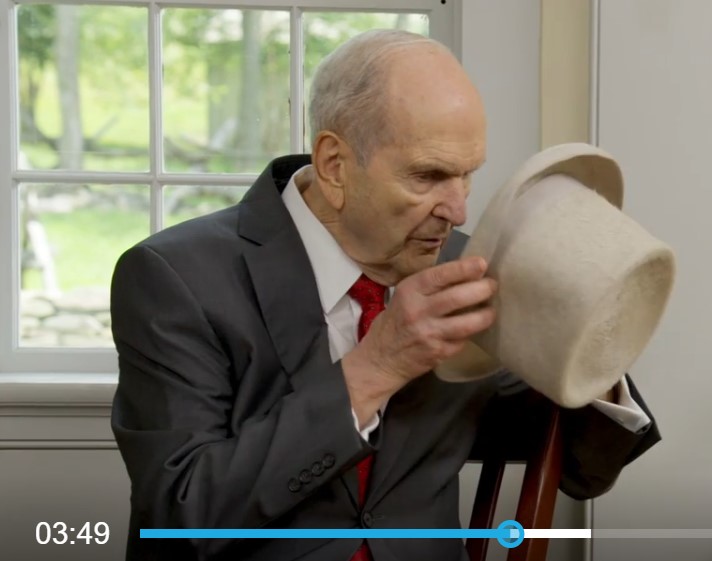 Speaking about the method of Translation President Russell M. Nelson said, in that video, at the 3:30 mark the following:







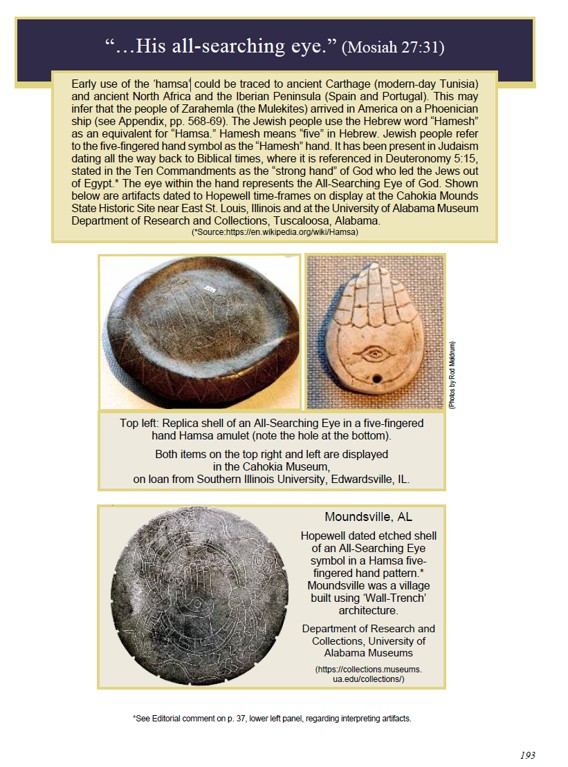
 (Left) Replica shell of an all-searching eye in a five-fingered hand Hamsa amulet (note the hole at the bottom). Both the item on the left and below are displayed in the Cahokia Museum, on loan from Southern Illinois University, Edwardsville, IL.



 “On the morning of September 22, after Joseph had returned from the hill, he placed the article [the Nephite interpreters] of which he spoke into my hands, and, upon examination,
  of in his history. It was wrapped in a thin muslin handkerchief, so thin that I could feel its proportions without any difficulty. It was concave on one side and convex on the other, and extended from the neck downwards, as far as the center of the stomach of a man of extraordinary size. It had four straps of the same material, for the purpose of fastening it to the breast.” (History of Joseph Smith by His Mother Lucy Mack Smith)

 I have learned over the years the truthfulness of the doctrine that there is opposition in all things;
 The Hebrew Shin, the 21st letter of the Hebrew alphabet, is the first letter of two of the names of God. Shin also stands for the word Shaddai, a name for God Almighty. It is formed roughly in the shape of the English letter ‘W’ with the left and middle legs connecting before jointly connecting to the right leg as shown on the left.
  One religious significance of the letter Shin in that there are three valleys that encompass the holy city of Jerusalem in the sacred name of God: the Ben Hinnom Valley, the Tyropoeon Valley and the Kidron Valley, and that these valleys converge to form the shape of the letter Shin (shown on the right; insert is an aerial view). The Temple in Jerusalem is located where the dagesh (horizontal line) ends. This is seen as a fulfillment of scripture (Deuteronomy 16:2) that instructs Jews to celebrate the Passover at “the place which the LORD shall choose to place His name there.” (



 First Mission to the Lamanites



 As I became acquainted with Wayne, I shared with him some personal stories that I would like to share with you later on in this email. I just completed watching your video again (one of my favorites as it gets me pumped up right before I have to give a presentation, along with re-reading Lucy Mack Smith’s biography) regarding the DNA evidences of the Book of Mormon and have to say that many of what you state I knew. Not because I had heard it before, but because of my own research and testimony. My father [Lee Ward] was quite the historian in the Palmyra area. So much so that the church would ask him to give special tours to “VIP” that would visit the area. He had studied for so long areas that are “off the beaten path” so to speak of the normal Palmyra / Fayette Upstate NY church historical sites, along with the ancient Indian sites in the area; (the Native American history was one of my father’s favorite things to research, second only to church history). This love of history spilled over and I would often find myself pleading with my father on Saturdays to take me on a “church” tour because I loved those off the beaten spots and because I just loved being with my father.
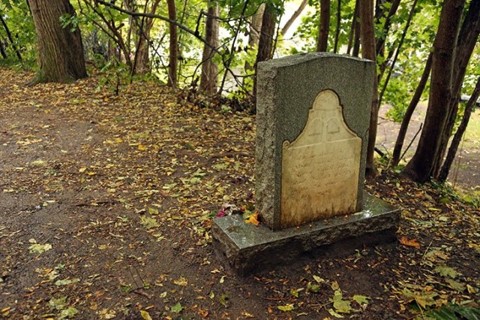 Alvin Smith’s grave is located in the Swift Cemetery just north of Four Corners one block from main street in Palmyra. It is said to be on an ancient Indian Mound.
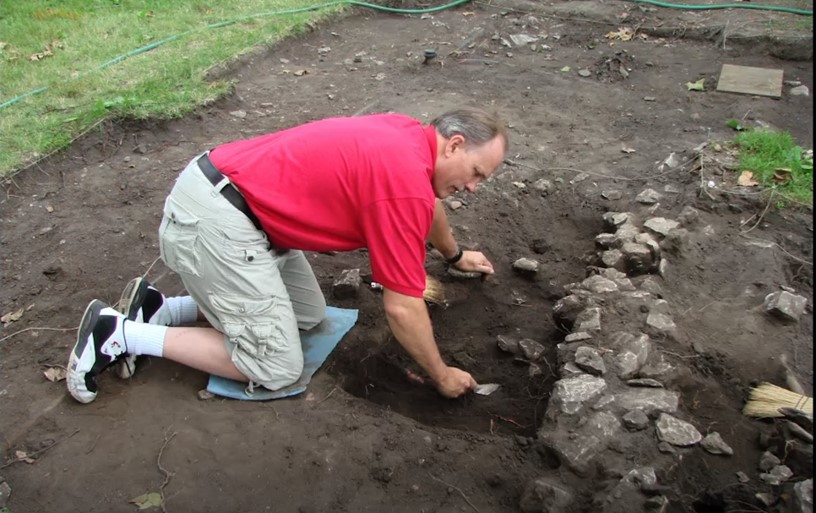

 Sure enough a year passed and he received a phone call….from this man’s wife. She sadly told my father that a few days prior he had passed away, told him of the funeral, and then told him she knew he was looking so forward to exploring that cave with him and how disappointed my father must be. of course he was more concerned for her well-being. However, after hanging up the phone he turned to my mother and said, “I NOW KNOW that the Lord does NOT want that cave to be discovered and explored.” So, even though the temptation was there the rest of his life, he felt strongly that he was not to go. I often think so much of my father for this event because he was privileged to know that there was a cave there. And, that the Lord, knowing my father’s integrity, allowed him to have this knowledge of the cave, but, he trusted my father so much with that information, knowing he would not take advantage of it. It was always the one piece of historical “evidence” that my father had always wanted to explore, discover, etc….the “one that got away” so to speak.


 Oliver Cowdery, “Lette

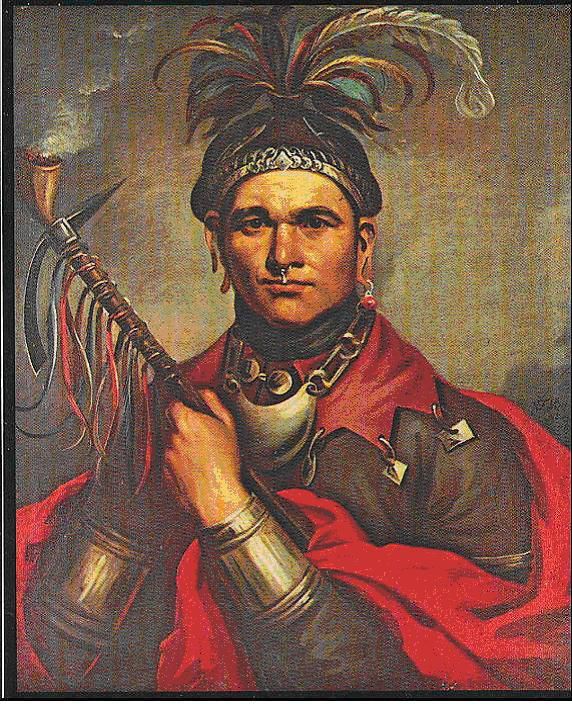
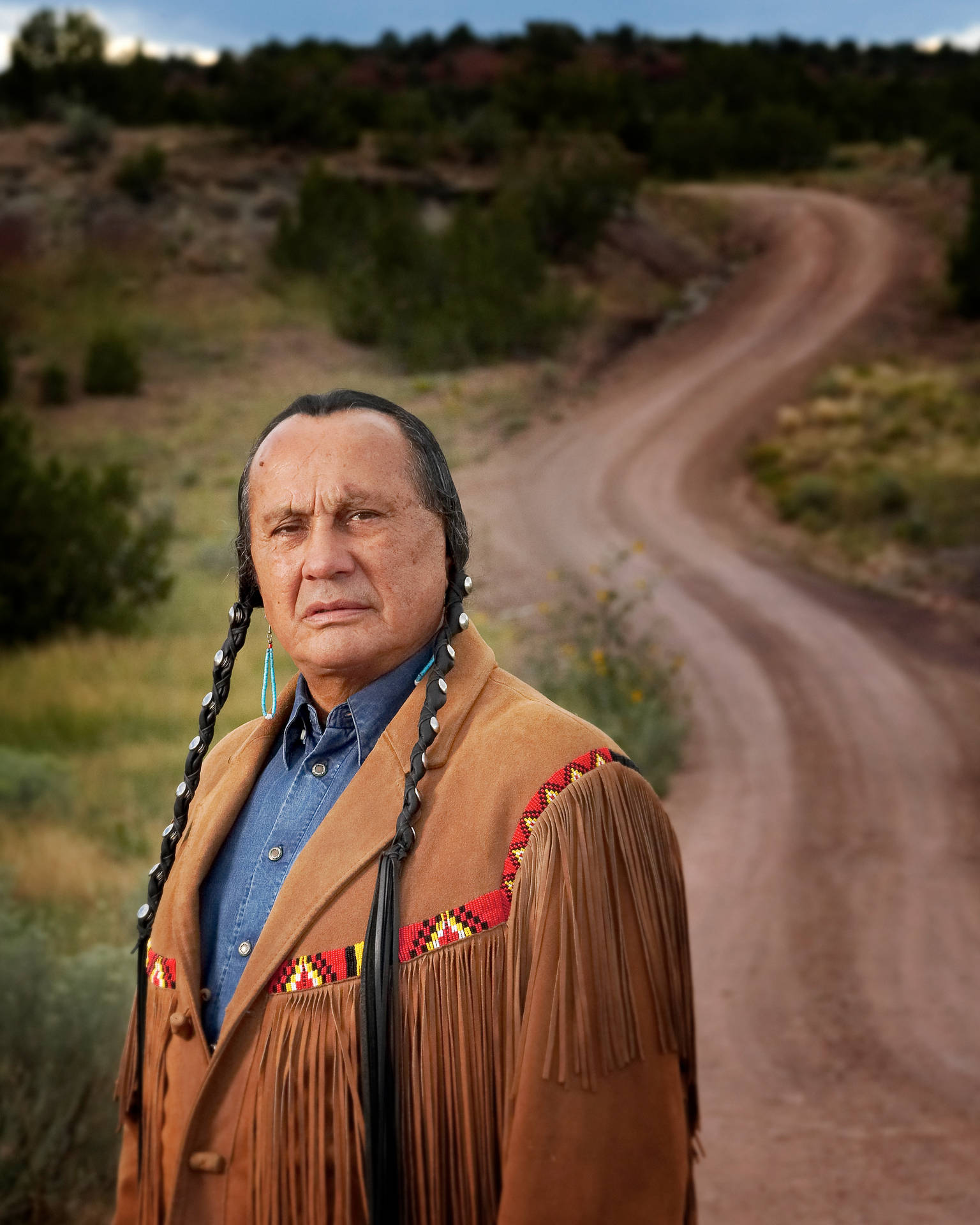 Russell Charles Means (Lakota: Waŋblí Ohítika) [wə̃blɪ ohitika] (November 10, 1939 – October 22, 2012) was an Oglala Lakota activist for the rights of Native Americans, libertarian political activist, actor, musician and writer. He became a prominent member of the American Indian Movement (AIM) after joining the organization in 1968 and helped organize notable events that attracted national and international media coverage.
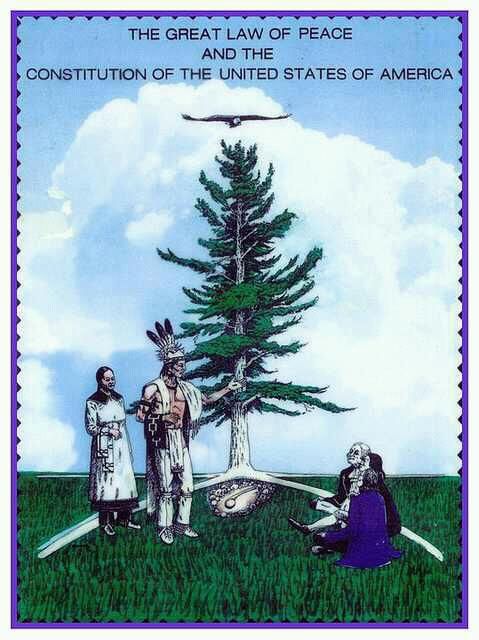
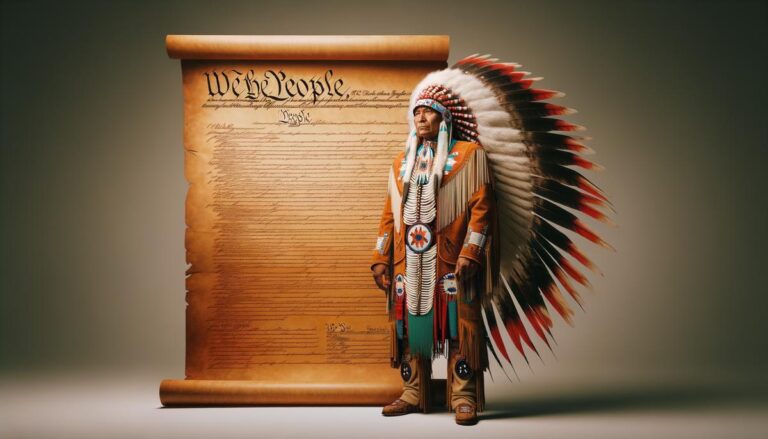 So you see the Constitution is Indian law and that’s why I love it. You know beginning in the 1840s they start stripping away your freedoms by developing the Corporation, you know a piece of paper, a piece of paper and then in the 1870s of course during Lincoln, when they declared martial law and even after they see Civil War, martial law continued on for another 3 or 4 years when it was no need to and you go on and on.
 At any rate the Federal Reserve has been for over a year, way over a year been printing money when no one’s buying the financial instruments of the United States. So, what the Federal Reserve has been doing is buying those Federal bonds and treasury notes and then printing more money. It’s absolute suicide and it’s been proven from Empire to Empire and when you allow your human right, your individual rights to be usurped, that’s when Empire grows and could care less. I was growing up when this country, they started emptying this country around the 50s. The unions had become so powerful they were about to form their own political party. They had shown during World War II how powerful they were in the vote for the presidency and the Congress, but they sat down with the bankers and the government around 1950 give or take a year, and they made a deal with the leaders of the unions, made a deal with the leaders of America, and so sold out the unions so when the people began to organize and gather and really have some power it was negated and it’s been negated ever since.
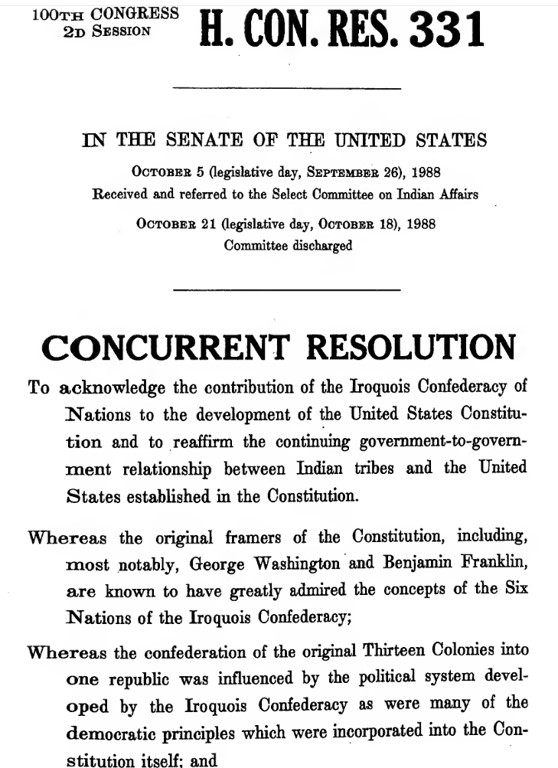 Con. Res. 331–Concurrent resolution to acknowledge the contribution of the Iroquois Confederacy of Nations to the development of the U.S. Constitution and to reaffirm the continuing Government-to-Government relationship between Indian tribes and the United States established in the Constitution; to the Committee on Interior and Insular Affairs. By Mr. UDALL (for himself, Mr. Campbell, and Mr. Lagomarsino) Reported with amendments (H. Rept. 100-1031) Debated Rules suspended. Amended and passed House Referred to the Committee on Indian Affairs Agreed to in Senate