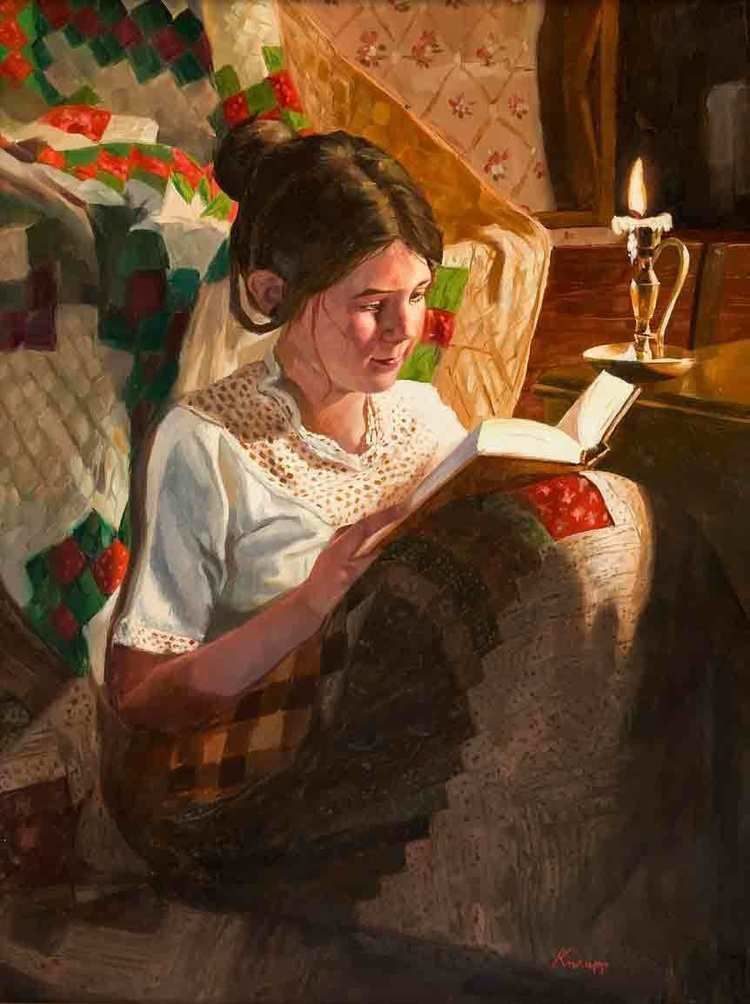
I have heard all of my life about Mary Rollins Lightner. She has a life story that is amazing. She is truly a Saint who’s story must be told over and over.
I recently found out Mary is a distant cousin to me and so her story became even more interesting. Because she was sealed to Joseph Smith that also makes Joseph Smith one of my distant relatives as well. I think you need to share Mary’s story with everyone you know and especially with your daughters and granddaughters who would love some additional role models to live up to. The faith of Mary is extraordinary. She saved the Book of Commandments, found a fish with money in its stomach, suffered and succeeded, was sealed to Joseph Smith and Brigham Young and personally saw the Savior Jesus Christ.
Relationship to Rian Nelson
Mary Elizabeth Rollins Lightner
MY 7TH COUSIN TWICE REMOVED
https://www.familysearch.org/tree/person/details/KWV9-HG6
Relationship to Rian Nelson
Joseph Smith Jr
THE HUSBAND OF MY 4TH COUSIN FOUR TIMES REMOVED
https://www.familysearch.org/tree/person/details/KWJY-BPD
Autobiography of Mary E. Lightner (1818-1913) “Mary Elizabeth Rollins Lightner,” The Utah Genealogical and Historical Magazine 17 (July 1926):193-205, 250
I was born in the town of Lima, Livingston County, state of New York, April 9, 1818. My father, John D. Rollins, came from one of the New England States; I think it was Vermont. My mother, Keziah Keturah Van Benthuysen, was born in Albany, state of New York, May 16, 1796. She married my father in 1814 or 1815. Three children were the fruit of this marriage, James Henry, myself and sister Caroline, the youngest. When Caroline was six months old, my father was shipwrecked on Lake Ontario during a terrible storm. Only one person was saved out of all the passengers and crew.
When I was ten years old, we moved to Kirtland, Ohio, and lived in a house belonging to Algernon Sidney Gilbert, mother’s sister’s husband. We remained there two years, when we heard of the plates of the Book of Mormon, being found by Joseph Smith. Soon the news was confirmed by the appearance of Oliver Cowdery, Peter Whitmer, and Ziba Peterson, with the glorious news of the restoration of the Gospel through the Prophet Joseph Smith. They bore a powerful testimony, by the Holy Spirit, of the truth of the great work they were engaged in; and which they were commissioned by the Father to present to all the world.
Brother Morley Has The Book
Quite a number of the residents of Kirtland accepted baptism. Mother and myself also, in the month of October, 1830. A branch of the Church was organized, and Father Morley was ordained an elder to preside over it. He owned a large farm, about a mile from Kirtland, and some three or four families went there to live, and meetings were held there. A good spirit and one of union prevailed among the brethren for some time. After Oliver Cowdery and his brethren left there for Missouri on their mission to the Lamanites, a wrong spirit crept into our midst, and a few were led away by it. About this time, John Whitmer came and brought a Book of Mormon. There was a meeting that evening, and we learned that Brother Morley had the Book in his possession the only one in that part of the country. I went to his house just before the meeting was to commence, and asked to see the book; Brother Morley put it in my hand, as I looked at it, I felt such a desire to read it, that I could not refrain from asking him to let me take it home and read it, while he attended meeting. He said it would be too late for me to take it back after meeting, and another thing, he had hardly had time to read a chapter in it himself, and but few of the brethren had even seen it, but I pled so earnestly for it, he finally said, “Child, if you will bring this book home before breakfast tomorrow morning, you may take it.” He admonished me to be very careful, and see that no harm came to it.
If any person in this world was ever perfectly happy in the possession of any coveted treasure I was when I had permission to read that wonderful book. Uncle and Aunt were Methodists, so when I got into the house, I exclaimed, “Oh, Uncle, I have got the ‘Golden Bible’.” Well, there was consternation in the house for a few moments, and I was severely reprimanded for being so presumptuous as to ask such a favor, when Brother Morley had not read it himself. However, we all took turns reading it until very late in the night as soon as it was light enough to see, I was up and learned the first verse in the book. When I reached Brother Morley’s they had been up for only a little while. When I handed him the book, he remarked, “I guess you did not read much in it.” I showed him how far we had read. He was surprised and said, “I don’t believe you can tell me one word of it.” I then repeated the first verse, also the outlines of the history of Nephi. He gazed at me in surprise, and said, “child, take this book home and finish it, I can wait.”
I Meet Joseph Smith
Before or about the time I finished the last chapter, the Prophet Joseph Smith arrived in Kirtland, and moved into a part of Newel K. Whitney’s house (Uncle Algernon’s partner in the Mercantile Business), while waiting for his goods to be put in order. Brother Whitney brought the Prophet Joseph to our house and introduced him to the older ones of the family (I was not in at the time.) In looking around he saw the Book of Mormon on the shelf, and asked how that book came to be there. He said, “I sent that book to Brother Morley.” Uncle told him how his niece had obtained it. He asked, “Where is your niece?” I was sent for; when he saw me he looked at me so earnestly, I felt almost afraid. After a moment or two he came and put his hands on my head and gave me a great blessing, the first I ever received, and made me a present of the book, and said he would give Brother Morley another. He came in time to rebuke the evil spirits, and set the church in order. We all felt that he was a man of God, for he spoke with power, and as one having authority in very deed.
I Speak in Tongues
In the fall of 1831, in company with Bishop Partridge, Father Morley, W. W. Phelps, Cyrus Daniels and their families, mother and myself, my brother Henry and sister Caroline, under the guardianship of Algernon S. Gilbert, left Kirtland for Independence, Jackson County, Missouri. Soon, quite a number of the Saints settled in Independence. Uncle Gilbert opened a store of dry goods, and groceries; while his partner, Newel K. Whitney, kept one in Kirtland, where they had one for several years before the Gospel came to them.
A two story printing office was also erected; altogether the Saints were in a prosperous condition, both temporally and spiritually. Oliver Cowdery, John Whitmer and Thomas B. Marsh often spoke in tongues in addressing the people on the Sabbath day, and I wanted to understand what they said; so I made it a subject of prayer, that the Lord would give me to understand what was the meaning of their words; for they seemed to speak with great power. One evening the brethren came to Uncle’s house to converse upon the revelations that had not been printed as yet, but few had looked upon them, for they were in large sheets, not folded. They spoke of them with such reverence, as coming from the Lord; they felt to rejoice that they were counted worthy to be the means of publishing them for the benefit of the whole world. While talking they were filled with the spirit and spoke in tongues. I was called upon to interpret it. I felt the spirit of it in a moment.
Terrible were the threats against our people, we were too much united to suit the inhabitants of Missouri, and they did not believe in our religion, or our way of doing business; then we did not believe in slavery, and they feared us on that account, though we were counseled to have nothing to say to the slaves whatever, but to mind our own business. Soon a mob began to collect in the town and set fire to the grain, and hay stacks in the yard of Bishop Partridge. All were destroyed. Then they began to stone the houses, breaking the doors and windows. One night, a great many got together and stoned our house, part of which was hewed logs, the front was brick. After breaking all the windows, they commenced to tear off the roof of the brick part amidst awful oaths and howls that were terrible to hear; all of a sudden they left and all was quiet. Soon after, I saw Bishop Partridge tarred and feathered, also Brother Charles Allen.
I Sewed for Lilburn Boggs Who Tried to Adopt Me.
From that time our troubles commenced in earnest. But just before these troubles began, I went to work for Peter Whitmer, who was a tailor by trade, and just married. He was crowded with work, and Lilburn W. Boggs offered him a room in his house, as he had just been elected lieutenant governor, and wanted Peter to make him a suit for his inauguration ceremonies. Peter did make them, and I stitched the collars and faced the coat. Mr. Boggs often came in to note the progress of the work. As I was considered a good seamstress, he hired me to make his fine, ruffled bosom shirts, also to assist his wife in her sewing. I worked for them some weeks; during that time, they tried to induce me to leave the Church and live with them; they would educate me, and do for me as if I were their daughter. As they had but one little girl about two years old, and two sons, the eldest near my own age, nearly 14 years old, but their persuasions were of no avail with me.
Tearing Down the Printing Office
 The mob renewed their efforts again by tearing down the printing office, a two story building, and driving Brother Phelps’ family out of the lower part of the house and putting their things in the street. They brought out some large sheets of paper, and said, “Here are the Mormon Commandments.” My sister Caroline and myself were in a corner of a fence watching them; when they spoke of the commandments I was determined to have some of them. Sister said if I went to get any of them she would go too, but said “They will kill us.” While their backs were turned, prying out the gable end of the house, we went, and got our arms full, and were turning away, when some of the mob saw us and called on us to stop, but we ran as fast as we could.
  Two of them started after us. Seeing a gap in a fence, we entered into a large cornfield, laid the papers on the ground, and hid them with our persons. The corn was from five to six feet high, and very thick; they hunted around considerable, and came very near us but did not find us. After we satisfied ourselves that they had given up the search for us, we tried to find our way out of the field, the corn was so high we could not see where to go, looking up I saw trees that had been girdled to kill them. Soon we came to an old log stable which looked as though it had not been used for years. Sister Phelps and children were carrying in brush and piling it up at one side of the barn to lay her beds on. She asked me what I had. I told her. She then took them from us, which made us feel very bad. They got them bound in small books and sent me one, which I prized very highly.
3 Half Dollars in the Belly of a Catfish
I saw the first hay and grain stacks on fire, in Bishop Partridge’s lot, and other property destroyed. Uncle Gilbert’s store was broken open, and some of the goods strewn on the public square; then the few families living in town went to the temple block, where the bishop and his first counselor, John Corrill, lived, for mutual protection; while the brethren were hiding in the woods, their food being carried to them in the night. Some of our brethren were tied to trees and whipped until the blood ran down their bodies. After enduring all manner of grievances we were driven from the county. While we were camped on the banks of the Missouri River waiting to be ferried over, they found there was not money enough to take all over. One or two families must be left behind, and the fear was that if left, they would be killed. So, some of the brethren by the name of Higbee thought they would try and catch some fish, perhaps the ferryman would take them, they put out their lines in the evening; it rained all night and most of the next day, when they took in their lines they found two or three small fish, and a catfish that weighed 14 pounds. On opening it, what was their astonishment to find three bright silver half dollars, just the amount needed to pay for taking their team over the river. This was considered a miracle, and caused great rejoicing among us. At length we settled in Clay County, where my mother married Mr. John M. Burt, a widower with two children, his wife having died with cholera at St. Louis in 1831. I stayed with Uncle Gilbert most of the time until Zion’s Camp came up in 1834.
Many of the brethren stopped with us, including the Prophet Joseph, his brothers, Hyrum and William; and Jesse Smith, their cousin, also Luke and Lyman E. Johnson. When the cholera broke out among the camp, Uncle Gilbert, (who was preparing to go on a mission) was among the first to die, then Jesse Smith. There were five who died at Uncle’s, and nine at a neighbor’s by the name of Burgett, this was in the month of June. The dead were rolled in blankets and consigned to the grave, as the people were so frightened they would do nothing for us, and our brethren were bowed down with sorrow for the loss of their friends, and almost despaired of seeing an end of the plague. But the Lord saw fit to heal the most of those who had come up in the camp, and there were not many deaths after the Prophet Joseph had administered to them. Uncle died on the 29th of June, 1834; shortly after, the camp left for their homes in Kirtland.
I commenced teaching a few children in spelling, reading and writing. I did not understand much about grammar, I had commenced its study with Sabrina Phelps, Oliver Cowdery, John Whitmer, and two or three others, in Jackson County, but was stopped by the mob, but I was well versed in geography. I continued teaching for two years, and met with good success. In 1835 on the eleventh of August, I was married to Mr. Adam Lightner of Liberty, Clay County, Mo.
Shortly after this, our people moved to Far West, Caldwell County, and soon had a flourishing town, and a settlement all around of farms, etc. The brethren persuaded Mr. Lightner to go there and keep a store for their accommodation, as the Church was not able; for the most of them had been stripped of all they had. He concluded to go and build a log house for his store, and leave me in Liberty until it was completed. We soon left for Far West, my husband furnishing the supplies for the brethren until they could harvest their crops. It was customary among the Missourians to credit the farmers a year. Mr. Lightner followed the rule, for he knew they could not pay until they could earn the money.
Loss of Possessions/Crooked River
In the meantime, on the 18th of June, 1836, a son was born to us, we named him Miles Henry. In the latter part of 1837 we moved to Milford, a small town about ten miles distant from Far West, to start a branch of the store in that place for my brother, James H. Rollins, to take charge of. Soon rumors of trouble began to circulate among the people in the outer settlements and we deemed it prudent to go back to Far West. Accordingly, we left the store in the care of Mr. Slade, and most of our housekeeping articles, expecting to send for them in a few days, which we were not able to do for two or three weeks, then we found all of our provisions gone, our carpets ruined, etc. Then the mob gathered in great numbers, threatening our people, driving off stock, and committing other depredations too numerous to mention. When our grievances became almost unbearable, the brethren determined to try and defend themselves. As there was but little powder in the place, they decided, as Mr. Lightner was not a Mormon, to send him to Liberty for a keg of powder; Homer Duncan accompanied him. They got the powder, and brought 20 yards of carpet, rolled the keg in it, put it in a barrel and filled the barrel with beans; on returning their wagon was twice searched by ten men, who thrust their bayonets into the barrel, but did not touch the powder. If they had found it two men would have been killed. Both knew their lives hung on a thread as it were, and looked for death every moment. But the Lord willed otherwise, and they arrived home safely to the joy of the brethren.
After a while, teams were sent out into the settlements to collect all the provisions they could. A number of teams went; two men were appointed to take their guns and guard each wagon. Mr. Lightner and George A. Smith were guards for one wagon. Plenty of provisions were brought in, and taken to Sidney Rigdon’s, and other places. But our people were soon to hear the heart-rending news of a battle between our brethren and the mob at Crooked River, in which Brothers David W. Patten, Patrick O’Banion and Gideon Carter were killed.
Haun’s Mill Massacre
It was about this time that seventeen men and boys were massacred by a mob at Hauns’ Mill, and their bodies buried in a well. This news was heart-rending, for all felt to mourn for the loss of the slain. Oh, what a time that was! For in the midst of sorrow, news came that the militia (besides the hundreds of the mob), were marching to destroy our city and its inhabitants. A part of the bloodthirsty mob camped near the city and placed a cannon in the middle of the road, intending to blow up the place. Then they sent in a flag of truce, demanding an interview with John Cleminson and wife, and Adam Lightner and wife. We went a short distance to meet them. We saw a number of the brethren standing around the place of meeting, well armed. As we approached, General Clark shook hands with the two men, being old acquaintances, and remarked that Governor Boggs had given him an order for our safe removal before they destroyed the place. I asked my sister-in-law what we should do about it. She replied, “We will do as you say; I was surprised at her answer, as she was the mother of four or five children, and I had but one. So I asked the General if he would let all the Mormon women and children go out? He said, “No.” “Will you let my mother’s family go out?” He said, “The Governor’s orders were that no one but our two families should go but all were to be destroyed.” “Then, if that is the case, I refuse to go, for where they die, I will die, for I am a full blooded Mormon, and I am not ashamed to own it.” “Oh,” said he, “you are infatuated, your Prophet will be killed with the rest.” Said I, “If you kill him today, God will raise up another tomorrow.” “But think of your husband and child.” I then said that he could go, and take the child with him, if he wanted to, but I would suffer with the rest.
Just then a man kneeling down by some brush, jumped up and stepping between the General and myself, said, “Hold on, General,” then turned to me and said, “Sister Lightner, God Almighty bless you, I thank my God for one soul that is ready to die for her religion; not a hair of your head shall be harmed, for I will wade to my knees in blood in your behalf.” “So will I,” said Brother Hyrum Smith, and others. The first speaker was Brother Heber C. Kimball, with whom I was not acquainted at the time. Then the General pleaded with my husband, but it was of no avail.
The next morning the Prophet and his brother Hyrum were given into the hands of the mob militia. A few days after, my husband’s brother came from Lexington for us to go to his home, forty miles distant. As we found our people were not to be massacred, we concluded to go with him for a time. Accordingly, Cleminson’s family and ourselves took a change of clothes and were ready to go, when we found a posse was hunting for my brother Henry (who had not been married long). So we got him in the back end of the wagon, and covered him with a feather bed, his wife sitting beside him to uncover him for air when no one of the mob was by. We passed through troops of five hundred men, one half on the right of the wagon and the other on the left. They did not molest us, as we feared they would. We had a negro driver, and Mr. Lightner’s brother, who was well known, walked beside the team. I do not know what would have been my brother’s fate had they seen him. We soon left Far West behind and reached Lexington in safety, though we had a hard time in crossing the Missouri River at that place, large cakes of ice would almost upset the boat, and we were in great danger of drowning. The ferryman said that he never came so near going to the bottom before. The officers found where we were, and came and took Henry and put him in Richmond jail, with Joseph, Hyrum and other brethren; where they were treated like brutes, and threatened to be shot every day or two. What their sufferings were was only known to God and themselves. But General Doniphan was disposed to favor the brethren as much as he possibly could.
About this time we decided to go to Louisville, Kentucky. We rode day and night until we reached there. We took a change of clothes for myself and babe, a shirt for Mr. Lightner, (we had left our goods in Far West) took a quilt for a wrap, and that was all we had. We expected to find an uncle of my husband’s there, with whom we could stay for awhile, as we had but little means; but in this we were disappointed, for he had moved to Pennsylvania. We rented a house of four small rooms for six months, and gave a gold watch that cost two hundred dollars in New York City for the rent. We bought a second hand bed and bedstead and two chairs, a kettle and skillet, 3 or 4 plates and cups, and commenced housekeeping.
No Jobs to be Found
Our money soon gave out and no work could be got that Mr. Lightner could do, as he was a cabinet maker by trade. What to do we did not know. Then I went from shop to shop to get work, many refused because I had no recommendation. At last I told a kind looking man that we were strangers and were destitute. He said he would give me two fine shirts to make, and if they suited, he would give me all the work that I could do. I finished them and carried them home; he was delighted with them and did up a lot more for me to take home. I asked him if he would pay me for what I had done. He offered me 30 cents for the two shirts. He said that was all he paid other women, and though my work was better, yet he could give no more. A dollar was the common price for a fine shirt, and to get only fifteen cents for one; I thought it was hard. I told him that I could do no more at that price, and left him. I spent the money for some cornmeal and molasses. We lived on that for days. I then painted some pictures of flowers, and as good luck was on my side, I sold them for just enough to live on for awhile.
One day Mr. Lightner was down at the wharf and met Francis Higbee, who told him that our people were in Illinois at a place called Commerce, and that my brother Henry was in Alton, Illinois; so we sold what little we had and started for St. Louis with just enough money to take us there, hoping to get work of some kind so we could live. Our boat proved to be an old affair and we had to stop for repair nearly every day, sometimes for hours at a time. I improved the time in giving painting lessons to a lady on board, to the amount of six dollars, which paid our passage to Alton. We met a member of the Church there whom we had befriended in Far West; he was keeping a boarding house but had a good many empty rooms. We asked permission to leave our trunk with him over night, which he readily gave. We then walked a mile, up hill all the way, and found Henry and wife living in a small house with two other families.
Oh, how glad we were to meet with friends once more, and get a square meal of victuals with wheat bread, for we had lived so long on corn meal that both husband and child were ill. Next day we went for the trunk; the man charged us our last half dollar for letting the trunk stay in an empty room over night. We did not know what to do; our boy was very sick and we almost gave up hope that he would recover, for neither we nor either of the other families had a cent to procure medicine with. Finally, a doctor’s wife, hearing of our distress, kindly gave us medicine that checked the disease, for which she would take no pay.
As soon as my husband was able to be around so as to take care of our boy, I went from house to house and procured a number of scholars for lessons in painting. We went to board with a private family at four dollars a week for both of us. I continued teaching until I had sixty dollars, besides paying board. I felt quite rich. Although in poor health, yet I traveled through the hot sun to different houses, some a good distance from others, to get means to go to Montrose, where I might find my mother, for I was near to be confined the second time. So we took deck passage to Montrose (which was opposite Nauvoo, across the Mississippi River) and found Mr. Burt had moved ten miles from there, onto what was called the half breed tract. We hired a team and went there, we found them living in a small log hut, only one room in it. We were joyfully received, and on October 18th, my daughter Caroline Keziah was born. When she was three weeks old we moved to Farmington, ten miles from the half breed tract, situated on the Des Moines River. Mother lent us a bed, knives and forks, gave us a few quarts of flour (for she had but little herself) and some other necessities, while an Irishman gave us a bushel of potatoes and some squash.
We commenced housekeeping in two rooms, one Mr. Lightner used for a shop, as there was no one there that could make furniture. The people gladly let him have all the tools and lumber he wanted, and would take his work for pay. We did well for nearly two years. I obtained work from a tailor and earned all my clothes, and the children, for we were anxious to save enough to get a home of our own, which we did by building a frame house composing one large room, which we expected to add to as we were able.
Our Bank Fails, Kiln Burns
In the meantime he bought a great deal of choice lumber to season for bureaus, tables, etc. Finding our house not in a healthy part of the place, we sold it for two hundred dollars cash, and as he wanted mahogany and some other things that he could not get at home, he went to Montrose for them. He had been there but a short time when a steamboat came in and brought the report that the bank where our money was deposited had failed and we only got twenty-five dollars for our hundred. We were about discouraged, but this was not all, for on looking out one morning, he found his kiln, in which he was seasoning his lumber, on fire. Not a plank was saved. What to do to pay our debts and live, with winter coming on, we did not know.
Weevilled Pork
While in this dilemma, Mr. Burt, my step-father, came over from Nauvoo to visit us, he saw our situation and offered us a home with him until we could do better. It seemed a “God-send” to us, and we gladly hailed the opportunity. So in January, we, Mr. Burt, myself and two children, crossed the Mississippi River on the ice. It was late in the evening and he did not dare to take his team. So we walked across the river and up the hill near the Temple where he lived. Next morning the ice was all broken up, and it was days before he could get his team across. On the 23rd of March I was confined with my third child, we called him George Algernon. Mr. Lightner had settled up his business in Farmington, paid his debts by giving up all his tools, etc., which left us poor indeed, but as some of the brethren owed us nearly two thousand dollars, we thought we could get some of it to help us, but those that owed us the most, took the benefit of the bankrupt law and refused to pay us. One man offered to let us have a barrel of pork and a coffee pot, if we would give him back his note of five hundred dollars, which we held. We did this and was very thankful for it; but not for long, for when we opened the barrel we found the meat sour and full of weevils.
Joseph’s Prophesy/Mary’s Baptism
My husband could get no work, and I commenced teaching painting to Julia Murdock Smith, to Steven Mark’s daughter; and to Sarah Ann Whitney. I also procured a lot a block below the Prophet Joseph Smith’s mansion; but as we could get no more work in Nauvoo. Mr. Lightner found a job cutting cord wood, 15 miles up the river, at a place called Pontusuc. He got a little log room with a floor made of logs split in two, and very rough. The Prophet Joseph, on learning that we were going to leave there, felt very sad, and while the tears ran down his cheeks, he prophesied that if we attempted to leave the Church we would have plenty of sorrow; for we would make property on the right hand and lose it on the left, we would have sickness on sickness, and lose our children, and that I would have to work harder than I ever dreamed of; and, “At last when you are worn out, and almost ready to die, you will get back to the Church.” I thought these were hard sayings and felt to doubt them. But the sequel proved them true. Before leaving Nauvoo on the 4th of July there was a general parade of the Legion; about noon Emma came to me to borrow my dining table, as the officers were to dine with her, and the Prophet Joseph came also, he said the Lord commanded him to baptize us that day. Emma asked, “Why is this? They have always been good members in the Church, and another thing, dinner will be ready soon and you certainly won’t go in those clothes?” “No,” he told us, and he wanted us to be ready by the time he was, for he would not wait for dinner; as we lived on the bank of the river, we were soon ready. Brother Henry and wife, Aunt Gilbert and myself were baptized and confirmed. The Prophet Joseph tried hard to get Mr. Lightner to go into the water, but he said he did not feel worthy, but would, some other time. Joseph said to me that he never would be baptized, unless it was a few moments before he died.
It was with sorrowful feeling that I went to Pontusuc to live, but by my taking in sewing we made out to live, and that was all. A lady called on me and asked me if we had a cow. I said, “No.” She said if I would let her have my bedstead she would give me a cow and two pigs. I gladly accepted her offer, and slept on the floor until we could nail up a substitute. In a short time George was taken sick and died. I was alone with him at the time; my husband had gone to a neighbor’s for assistance. An old lady helped me dress him, and Mr. Lightner had to make the coffin, as he was the only carpenter in the place. The two men that dug the grave, and a little girl, were all that went to help bury my darling. I felt that the Prophet’s words were beginning to be fulfilled.
Dreadful Lightning
We then moved to a more commodious house. In 1843, my third son, Florentine Matthias was born. When he was two months old, I commenced teaching a few children in spelling and reading. I had not taught long before I took a severe cold that caused inflammation of the bowels. I was so low that my life was despaired of by two physicians. Mother was sent for. She brought some consecrated oil with which I was anointed. I felt better, and persuaded her to fix quilts in a chair and let me try to sit up to have the bed made, for it had not been made for over two weeks, but she was afraid to try it, as the doctor said I could not live three days, but I pleaded so hard they granted my request; by fixing quilts and pillow in a large rocking chair, tipped back as nearly like a bed as they could; then lifting me in a sheet, I was placed on it. Mother was so afraid it would make me worse she put on my stockings and slippers and wrapped me up in quilts while she made my bed more comfortable. I was in the second story of the house, in a large room; there were two more rooms on the same floor, and a hall. While lying there a heavy storm came up and our house was struck by lightning, and all of us badly shocked; the door casing was torn out and struck mother on the shoulder and bruised her terribly. All were senseless for some time. There were seven of us in the family at the time. I was the first to come to my senses, and I found myself across the foot of the bed, my head on one side of the foot post of the bed and limbs on the other. As I looked around and saw the family on the floor, I thought they were all dead. I called for Mr. Lightner, who had gone into the next room; not getting any answer, I arose and went through the hall, to find him on the floor as rigid as a corpse. The window in the hall had been torn out and the water was pouring in, in torrents. I took a small bucket and would dip up the water and pour it over him as fast as I could, but it did not do him any good.
Soon the doctor and two or three of the neighbors came in. They had seen the lightning strike the house and as they could see no one moving, they concluded that we were all killed, but when they saw me they were frightened. The doctor got a quilt and wrapped it around me and carried me to a neighbor’s. This was about 4 o’clock, June 6th, and it was nine at night before they could bring Mr. Lightner to the use of his limbs. He said he suffered more in being treated to live than he would in dying, but I who had been turned over in bed for two weeks by the sheets (for I was so swollen and inflamed in my bowels, I could not bear to have them handle me) was entirely cured, and dressed myself and went about my duties. However, for two years, when a storm came up, I was very sick while it lasted.
Our Cow Dies
Our house was torn to pieces, the lightning had run from the roof to the ground in seven different places. People came from a distance to see it, and wondered that we were all not killed. A few days after this, I went out to milk my cow; when about half done, she stepped over the bucket and fell down dead. This was a great trial to us, for my long sickness had used up our means. We were obliged to leave the house and move into one close by. All of us came down with the chills and fever; there was not one to do anything but Mr. Lightner, and he had to do all the cooking and looking after the rest of us. My case proved to be biliousness, with a fever, in a bad form. I was again given up to die. We got a little girl to stay a day, then Mr. Lightner took the baby on a pillow and rode horseback to Nauvoo for mother to take care of it. I never expected to see it again, the thoughts of leaving my little children in the condition we were in, seemed more than I could bear. I thought of all that the Prophet Joseph had told me, and felt in my heart that it was all true. I prayed for help to get well, but the doctor coming in, said there was no hope for me. But I dreamed that an angel came to me and said if I would go to Nauvoo and call for a Brother Cutler, that worked on the temple, to administer to me, I should be healed. But we could get no team to go. I was in despair; however, my brother was impressed to send for me, he felt that something was wrong, so he sent a boy with an ox team after me. I was so glad, that for a few moments I felt new life. But the people said I would not get a mile from town when he would have to bring back my dead body. But I said I wanted to be buried in Nauvoo, and pleaded with them to take me there, dead or alive.
Near Death I Receive a Blessing
So after fixing a bed in the wagon, they placed me on it; the neighbors bid me goodbye as they supposed for the last time (they were not of our faith). We went a mile and stopped the team; they thought me dying, all the children were crying. I had my senses and motioned for them to go on. We went a few miles further, stopped at a house and asked to stay all night. The woman was willing until she saw me. She said I would die before morning, and she did not want me to die in her house. Mr. Lightner told her that I would certainly die if I was left in the open wagon all night. She finally let us in. She made us as comfortable as she could and fixed me some light food; after drinking some tea, I felt better and had a good night’s rest; but she was glad when we left, for she thought I would never see Nauvoo. After traveling a few miles further, we finally reached Nauvoo. They still thought me dying. Mr. Lightner asked Brother Burt if there was an old man by the name of Cutler working on the temple. He said “Yes.” Mr. Lightner told him my dream; soon they brought him, he administered to me and I got up and walked to the fire, alone. In two weeks I was able to take care of my children.
But just previous to this last sickness, the Prophet Joseph and his brother Hyrum, were taken to Carthage jail and men around Pontusuc formed a company to go to Carthage; they said to protect the Smiths, but I thought otherwise; also to go against Nauvoo if demanded. I was called to make a flag for this company; I refused, for I felt so low spirited I could hardly keep from weeping all day. I could not account for these awful feelings. But there was no one that knew how to make the flag but me, and I was compelled to make it or suffer the consequence, for I was the only Mormon in the place. In the afternoon of this same day this company started for Carthage.
The mob of men from Pontusuc, who had compelled me to make a flag, and who were bent upon the destruction of the Prophet Joseph Smith, as was already referred to in the last entry of my journal, returned in the night. As soon as we were up in the morning eight or ten men came to the door and called us to come to the door; when we came, they told us that the Smiths were killed. They said that if we attempted to go to the funeral we should be shot; I said, “You can shoot me here if you want to,” but an old man spoke up and said that if I stayed home I should not be hurt, unless the Mormons came against them; then I would be the first one to be killed; and Mr. Lightner, too, unless he joined their side. We were obliged to remain three months; when they thought I would not live to get there they let us go. But when Mr. Lightner went back for our things he had to give the most of them to pay rent and doctor bills, even some of my clothes were taken for debts. In fact, we were robbed of many things. But I felt thankful to be away from there with my life.
A Needle in my Wrist
Soon after I got well, the temple was ready for giving endowments. When spring opened, we went aboard the “War Eagle” bound for Galena; but before we started, Brigham Young sent word back from Winter Quarters for me to come on and the Lord would bless me. I was destitute of clothes for myself and children, and not a dollar to call my own, how could I go? And to add to my distress, I was watched night and day. Someone had betrayed me. After reaching Galena we did make out to get work and thought we should do pretty well, vain hope. The last week in June, 1847, I was washing and got a needle in my wrist, close to the pulse which broke off, leaving half of it in my wrist. My hand was drawn up to my breast and the pain was excruciating. I went to four different doctors, but could get no help, neither could I sleep, only when I was perfectly exhausted, and then only for a moment or two. It was September before I could sew on anything.
On the ninth of February I had a son born; we named him John Horace Gilbert. In about six weeks I was able to take in sewing for a tailor; I made forty pairs of pants at forty to fifty cents a pair, for which I received pay out of a store, no money. As Mr. Lightner could get no work, it seemed impossible for us to live and pay rent. At length a Mr. Houghton, editor of the Galena Gazette, learned of our circumstances and offered us fifty dollars a month, and our passage free, if we would go to St. Croix Falls and oversee a hotel in which he was interested. We gladly availed ourselves of this offer, considering it a blessing from God.
Remembering Joseph’s Prophecy
We found a man in charge, who was a good cook. We engaged him to remain with us. We had about fifty boarders. We did well the first month, but during the next month, Mr. Lightner was taken sick with brain fever, and my babe with chills and fever. I had my hands full for two weeks. I never undressed. I was on my feet all day and most of the night. When Mr. Lightner got so he could sit up a few moments, I began to hope our troubles were over, but vain were my hopes, for my feet began to swell, and turned purple. I could not put them to the floor. The doctors said one of them was mortified, and I must have it amputated or lose my life. I thought of the Prophet Joseph’s prophesies, when he said if I went away from the Saints I would suffer great tribulation and lose my children, and would make property on the right hand, and lose it on the left; and when I got very poor, and almost worn out, I should go back to the Church. I prayed earnestly for the Lord to spare me my limb, and in answer to my prayer another physician said he thought he could save it if I would let him try. After some days working over it, the pain ceased and the swelling gradually subsided, until I could walk on it once more. Oh, how thankful I felt to my Heavenly Father that my foot was saved and I could work for the maintenance of my family, (for Mr. Lightner was still in poor health and the house needed a mistress). As soon as we gained strength we moved into a more convenient house.
In the meantime, Aunt Gilbert came up from Nauvoo to live with us, and she proved a great help to us, for we were away from all our family relations. No one of our faith was near us, with whom we could converse on “Mormonism.” We were getting along nicely and were prospering in worldly affairs, for all of our provisions were furnished us by the company, and we could save our salary for future use.
We Bought Deadly Medicine
But on the twentieth day of September, at twelve o’clock, day time, a stranger, purporting to be a physician from Quincy, Illinois, came to the house and wanted to sell us medicine. He had a root, he said, which would cure any kind of a cold, bleeding at the lungs, and liver complaint. We did not want to buy any, but he gave us a piece of root for Aunt, as she had the liver complaint, he ate some of it (or pretended to) and said it would do us all good. So Mr. Lightner, Aunt and myself tasted it, and gave a little to two of my sons who came in at that moment, and tasted it also. In a few moments we were all taken violently ill; at three o’clock my two boys, (one ten years and six months, the other three years and six months old) were dead. We thought Aunt was also dead; all three were laid out and covered with a sheet. While Mr. Lightner and myself were not expected to live from one moment to another. Two physicians were in attendance, and gave us no hope that we should recover, and it really seemed as though their predictions would come true. But about nine o’clock in the evening Aunt came to life, but had convulsions for two weeks. It took two or three men to hold her while the convulsions lasted. The doctors were surprised at her condition, for they and ten men had pronounced her dead five hours before she came to life again. In the meantime, Mr. Lightner and myself were getting some better. So the whole town turned out to see justice done to the man who gave us the poison.
They put a rope around his neck, and raised the window at the front of my bed for me to see them hang him. He was an elderly man, with a pleasing countenance, but when they wanted me to look my last on him I begged them to desist from their purpose and try him by due course of law. Nothing but my deep sorrow and the fear that I, too, would soon join my children in the spirit land, caused them to desist from their purpose for the time being, so they confined him in a building they thought secure. But he had a friend in the place who assisted him to escape in the night. There was a light fall of snow and they traced him for two or three days without finding him.
The next spring, a gentleman named Leach opened an office for land entry, the first of the kind in that part of the country, at our house. He had learned of our trouble, and being a resident of the state of Illinois and having business in Quincy, he discovered that the quack doctor was in Quincy, in a hospital, in a very bad condition. Both of his feet were frozen till the flesh dropped off from the bones. He told Mr. Leach that he got lost in the woods after making his escape from jail, and would have died if some friendly Indians had not found him and taken care of him until spring; then he was taken aboard the first boat that went down the river in the spring, where he reached his home, to be a sufferer all his days. Mr. Leach said the man had escaped the vengeance of man, but had not escaped the vengeance of God.
The next fall we moved forty miles down the river to Stillwater, a town situated on the bank of Lake St. Croix. We resided there until the next spring, when we moved to Willow River on the Wisconsin side of the lake. On the 3rd of April my daughter Elizabeth was born. The snow was two feet deep on the level. An Indian woman attended me. As soon as I was able to travel, my husband bought a small farm of sixty-five acres, opposite Stillwater; part of it was heavy timber, the rest under cultivation. We built a four room house, and as it was not finished, and our resources about gone, we concluded to move; but in the meantime, Mr. Lightner bought a horse and cow. In a week the horse was found dead in the stable. We hired a man to drive the cow for us about seven miles. He drove her so fast that she died the next morning. It seemed as though everything worked against us. And as winter was coming, we concluded to accept an offer we had of keeping a three story hotel for three hundred dollars a year, and everything furnished. We were glad to get into a warm house, for the winters were severe in that country. The work was very hard on us, but the last of March we went back to our home, and on the 9th of April, (my own birthday) my daughter Mary was born.
We stayed at home that season, then went to Willow River and kept a boarding house for a Mr. Mears two years. Then I was called to get to Farmington, Iowa, to attend the death bed of my only sister. My baby boy was only four weeks old, and my health very poor. I went by steamboat to Keokuk, and from there by stage. I stayed five weeks, when she left me for a better state of existence. She left four children; two boys and two girls. She died strong in the faith of “Mormonism,” so called; for that, I was truly thankful. I returned home, taking the oldest girl with me, and left the others with friends till I could send for them, as I was not able to care for them at that time.
Gaining Property, just to Lose it
The next year we moved to Marine, on the Minnesota side of the lake, and rented a hotel at five hundred dollars a year. After a few years we purchased a two story house and large lot. Then we built a five story hotel, for business was increasing at such a rate that the house we were in would not accommodate the traveling public. Besides, we had nearly forty regular boarders. Of course, we went in debt a thousand dollars to get it completed and furnished for occupancy. We were doing well and would soon have been out of debt; in the meantime we had mortgaged the whole of the property for the thousand dollars, expecting we could pay it in a few months at least. However, the war of 1861 came on and we began to lose our boarders by enlistment, and through that, we failed to pay the mortgage when due; and after awhile, we lost the whole of our property, which we had labored to obtain by many years of self denial and hard work.
We finally decided to leave a place where misfortune had followed us on every hand. We went to Hannibal, Missouri, and stayed a year; waiting for letters of information from my brother, who had gone to Utah at the time of the expulsion of the Saints from Nauvoo. Not hearing from him, as we expected, and not considering it safe to remain in Hannibal, as we were for the Union, and the majority of the people there were slave owners, and sided with the South, we went back to Minnesota, and on October 28th, 1862, my son Adam was born, being my tenth child. At last the long delayed letter arrived, informing us there was a large company of teams and men being sent from Utah to Omaha to meet immigrants from England, and that one would be sent for us. Oh, how glad we were, it seemed to good to be true. We soon disposed of what little we possessed after all our moving around and many mishaps.
On May 25, 1863, we embarked on board the steamer “Canada” for St. Louis, and took up our quarters on the lower deck. All was neat and clean and we slept on our baggage. On the 26th we commenced taking on wheat, until the boat was heavily freighted. We had no chance to cook. Charles and Adam were very sick with the measles, and no chance to make them comfortable. We came to Rock Island Bridge, which is a dangerous place for boats to go through. At the draw of the R. R. Bridge, a number of vessels lay ruined nearby. Many of our passengers were badly frightened, for we attempted the passage five times before we succeeded in getting through. On the 28th, seventeen horses were taken on the lower deck, which made the atmosphere very impure. In the evening, five or six soldiers came aboard with foul company. Brute beasts in the form of men fill the place, and the scene is almost intolerable. On the 29th, we are lying at Montrose unloading grain. Nauvoo lies on the opposite side of the river and looks deserted enough. One corner of that once beautiful temple, alone remained, a monument of former beauty and grandeur. It was raining hard or I should have crossed the river to see it. But as I looked at it from this point, and thought of what it once was, blossoming forth in beauty, with a population of seventeen thousand inhabitants, I felt to mourn over its present desolation. I thought, “Can it be that I shall see the place no more? Where once the Prophet stood and moved the hearts of the people to worship God according to the new and everlasting covenant, which had been revealed through him to the people in this generation, and where he gave himself a martyr for the cause he taught…”
One of our passengers has just saved a man from drowning, he was sinking for the third time, when rescued. My oldest boy, John, was quite sick, and throat very sore; the other children better, but cross. On a Saturday we arrived in St. Louis; it was raining hard. We went aboard the steamer, “Fanny Ogden,” for St. Joseph. We were to have a stove to cook by, laid in a supply of provisions, and fancied we should be half way comfortable, but it proved the reverse. We were transferred to the upper deck until the storing of Government supplies was completed, then five hundred mules and horses were taken aboard; consequently we had to remain on the upper deck all the way from St. Louis to Omaha–wind and rain for company; nothing but bread and dried beef to eat, as the deck hands had stolen our vegetables. A soldier was put on board for home, who had lost his leg in battle; another very sick. We sat near along box for two or three days, that contained a corpse. Our progress was slow, half the time on sand bars.
We met a steamer coming down, saying the rebels were gathering in great numbers and would fire on us. We had a cannon and soldiers on board for our protection; for myself I felt no fear. The captain has built a breast work of sacks of grain and tobacco boxes; all hands prepared for action. June 3rd all was excitement, and a sharp lookout was kept, looking for the enemy every moment. At Lexington the town was almost destroyed by cannon, houses partly demolished; it was here my husband’s brother, a Unionist, was killed. We passed a gloomy night, some on trunks doubled up any way to get a few moment’s rest; but strange to relate, not a shot was fired at us, although in a rebel community. We passed Liberty landing and Independence; things remain about as they were twenty years ago. We stopped at Kansas City; plenty of Mexicans were there, loading teams for Mexico. On June 6th, we arrived at St. Joseph, all tolerable well, considering that we had not had a chance to change our clothes or undress since leaving Minnesota. We found the river banks lined with Sioux Indians, who were being removed from Minnesota by the Government, for their massacre of the whites.
June 7th, we laid all day at this place; in the evening the Indians had a pow wow dance. We then boarded the “Emilie” for Omaha–some Saints came aboard at the same time, bound for Utah. I felt to rejoice, for I had not seen the face of a member of the Church for over 18 years. Monday we landed at Omaha in a heavy rain storm; rode to Florence, six miles, without a cover from the rain, and stopped at a cabin, wet through. We had no fire and no chance to make one, so laid down in damp bed clothes; next night had the cholera and was sick three of four days, and my babe had bowel complaint very bad. Thursday some immigrants arrived with the small pox. Two are dead and ten more sick. One of the number spent the evening with us; we shook hands with them; they said nothing about the disease; the next day they were sent to the hills, where tents were provided for them. On Saturday seven hundred persons from England arrived here en route for Salt Lake. This is the gathering place for those who intend crossing the plains.
Mary Rollins Lightner, after 95 years, 8 months, 8 days of toil, sorrow and joy, passed away, December 17, 1913. Her husband died, August 19, 1885.
They were the parents of ten children, three of them now (June 1926), living. Elizabeth Turley, Los Angeles, California; Charles W. Lightner, Ogden, Utah; Mary R. Rollins, Minersville, Utah.
Her descendants now living total 119 persons: 24 grandchildren, 76 great-grandchildren, 15 great-great-grandchildren, 1 great, great, great-grandson, 9 years old. Source: Mary Elizabeth Lightner, Address at Brigham Young University, April 14, 1905, typescript, BYU. TESTIMONY OF MARY ELIZABETH LIGHTNER
Remarks by Sister Mary E. Lightner who was sealed to Joseph Smith in 1842. She is 87 years of age.
Well, my young brethren, I can say I never was more surprised in my life than to be called upon to speak to you young men who are called upon to go into the mission field to preach the gospel to the nations of the earth. It is true I have been in the Church from its beginning. Just six months after it was organized, I joined it. I have been acquainted with all of those who were first members of this Church, with all of those who saw the plates and handled them, with even those who saw the angel Moroni who came to them. I am well acquainted with every one of them and I have known them from the time that they came to Ohio until their death; and I am the only living witness who was at the first meeting that the Prophet [Joseph Smith] held in Kirtland.
The Smith family was driven from New York, and a small church had been organized. Oliver Cowdery, Peter Whitmer, and Ziba Peterson were members. Well, I being anxious, though young, to learn about the plates from those who knew all about it, my mother and I went up to the Smith family the next night after they came to Kirtland. As I went in, there were two or three others present. They were all there, from the old gentleman and his wife to all the sons and daughters. As we stood there talking to them, Joseph and Martin Harris came in. Joseph looked around very solemnly. It was the first time some of them had ever seen him.
Said he, “There are enough here to hold a little meeting.” They got a board and put it across two chairs to make seats. Martin Harris sat on a little box at Joseph’s feet. They sang and prayed. Joseph got up and began to speak to us. As he began to speak very solemnly and very earnestly, all at once his countenance changed and he stood mute. Those who looked at him that day said there was a search light within him, over every part of his body. I never saw anything like it on the earth. I could not take my eyes off him; he got so white that anyone who saw him would have thought he was transparent. I remember I thought I could almost see the cheek bones through the flesh. I have been through many changes since but that is photographed on my brain. I shall remember it and see in my mind’s eye as long as I remain upon the earth.
He stood some moments. He looked over the congregation as if to pierce every heart. He said, “Do you know who has been in your midst?” One of the Smiths said an angel of the Lord. Martin Harris said, “It was our Lord and Savior, Jesus Christ.” Joseph put his hand down on Martin and said: “God revealed that to you. Brethren and sisters, the Spirit of God has been here. The Savior has been in your midst this night and I want you to remember it. There is a veil over your eyes for you could not endure to look upon Him. You must be fed with milk, not with strong meat. I want you to remember this as if it were the last thing that escaped my lips. He has given all of you to me and has sealed you up to everlasting life that where he is, you may be also. And if you are tempted of Satan say, ‘Get behind me, Satan.'”
These words are figured upon my brain and I never took my eye off his countenance. Then he knelt down and prayed. I have never heard anything like it before or since. I felt that he was talking to the Lord and that power rested down upon the congregation. Every soul felt it. The spirit rested upon us in every fiber of our bodies, and we received a sermon from the lips of the representative of God.
Much has come and gone from me through the powers and vicissitudes of this Church. I have been in almost every mob. I have been driven about and told I would be shot and had a gun pointed at me, but I stayed with the Church until it was driven from Nauvoo. The words of the Prophet that had been revealed to him always have been with me from the beginning to the end of the gospel. Every principle that has been given in the Church by the prophet is true. I know whereon I stand, I know what I believe, I know what I know and I know what I testify to you is the living truth. As I expect to meet it at the bar of the eternal Jehovah, it is true. And when you stand before the bar you will know. He preached polygamy and he not only preached it, but he practiced it. I am a living witness to it. It was given to him before he gave it to the Church. An angel came to him and the last time he came with a drawn sword in his hand and told Joseph if he did not go into that principle, he would slay him. Joseph said he talked to him soberly about it, and told him it was an abomination and quoted scripture to him. He said in the Book of Mormon it was an abomination in the eyes of the Lord, and they were to adhere to these things except the Lord speak. I am the first being that the revelation [D&C 132] was given to him for and I was one thousand miles away in Missouri, for we went up to Jackson County in 1841 [1831].
I was there in all the tribulations and trials. I have been in the houses that have been stoned. The rocks have been thrown criss-cross in every direction. I have seen the brethren shot and ruined for life. I saw the first martyr dead and a more heavenly corpse I never saw or expect to see on the face of the earth. His face was so happy. I have seen our bishop tarred and feathered in the streets of Missouri. They took off his shirt and covered him with tar and then took a pillow and turned the feathers over him. I looked at him and thought if ever man was counted worthy to be a martyr, he was. His life proved it for he lived an upright and honorable life and was beloved by the prophet while he lived and after he died the prophet honored him. Two of his sisters were Joseph’s wives. Emma took them by the hand and gave them to Joseph.
I asked him if Emma knew about me, and he said, “Emma thinks the world of you.” I was not sealed to him until I had a witness. I had been dreaming for a number of years I was his wife. I thought I was a great sinner. I prayed to God to take it from me for I felt it was a sin; but when Joseph sent for me he told me all of these things. “Well,” said I, “don’t you think it was an angel of the devil that told you these things?” Said he, “No, it was an angel of God. God Almighty showed me the difference between an angel of light and Satan’s angels. The angel came to me three times between the years of 1834 and 1842 and said I was to obey that principle or he would slay me. “But,” said he, “they called me a false and fallen prophet but I am more in favor with my God this day than I ever was in all my life before. I know that I shall be saved in the Kingdom of God. I have the oath of God upon it and God cannot lie; all that he gives me I shall take with me for I have that authority and that power conferred upon me.”
Well, I talked with him for a long time and finally I told him I would never be sealed to him until I had a witness. Said he, “You shall have a witness.” Said I, “If God told you that, why does he not tell me?” He asked me if I was going to be a traitor. “I have never told a mortal and shall never tell a mortal I had such a talk from a married man,” said I. “Well,” said he, “pray earnestly for the angel said to me you should have a witness.” Well, Brigham Young was with me. He said if I had a witness he wanted to know it. “Why should I tell you?” said I. “Well,” said he, “I want to know for myself.” Said he, “Do you know what Joseph said? Since we left the office the angel appeared to him and told him he was well pleased with him and that you should have a witness.”
I made it a subject of prayer and I worried about it because I did not dare to speak to a living being except Brigham Young. I went out and got between three haystacks where no one could see me. As I knelt down I thought, why not pray as Moses did? He prayed with his hands raised. When his hands were raised, Israel was victorious, but when they were not raised, the Philistines were victorious. I lifted my hands and I have heard Joseph say the angels covered their faces. I knelt down and if ever a poor mortal prayed, I did. A few nights after that an angel of the Lord came to me and if ever a thrill went through a mortal, it went through me. I gazed upon the clothes and figure but the eyes were like lightning. They pierced me from the crown of my head to the soles of my feet. I was frightened almost to death for a moment. I tried to waken my aunt, but I could not. The angel leaned over me and the light was very great, although it was night. When my aunt woke up she said she had seen a figure in white robes pass from our bed to my mother’s bed and pass out of the window.
Joseph came up the next Sabbath. He said, “Have you had a witness yet?” “No.” “Well,” said he, “the angel expressly told me you should have.” Said I, “I have not had a witness, but I have seen something I have never seen before. I saw an angel and I was frightened almost to death. I did not speak.” He studied a while and put his elbows on his knees and his face in his hands. He looked up and said, “How could you have been such a coward?” Said I, “I was weak.” “Did you think to say, `Father, help me?'” “No.” “Well, if you had just said that, your mouth would have been opened for that was an angel of the living God. He came to you with more knowledge, intelligence, and light than I have ever dared to reveal.” I said, “If that was an angel of light, why did he not speak to me?” “You covered your face and for this reason the angel was insulted.” Said I, “Will it ever come again?” He thought a moment and then said, “No, not the same one, but if you are faithful you shall see greater things than that.” And then he gave me three signs of what would take place in my own family, although my husband was far away from me at the time. Every word came true. I went forward and was sealed to him. Brigham Young performed the sealing, and Heber C. Kimball the blessing. I know he had six wives and I have known some of them from childhood up. I knew he had three children. They told me. I think two are living today but they are not known as his children as they go by other names.
These are things I can testify to as the living truth, and I have told it to the Josephites. There is a great deal said about this church and the Josephites. I never knew of Joseph appointing him to be the prophet. I have never known him to say it, and I have known the boy ever since he was twelve years of age. I heard Joseph say this: “I have rolled this kingdom off of my shoulders onto the shoulders of the Twelve and they can carry out this work and build up His kingdom.” Said he, “I am tired. I have been mobbed, I have suffered so much from outsiders and from my own family. Some of the brethren think they can carry out this work better than I can, far better. I have asked the Lord to take me away. I have to seal my testimony to this generation with my blood. I have to do it for this work will never progress until I am gone for the testimony is of no force until the testator is dead. People little know who I am when they talk about me, and they never will know until they see me weighed in the balance in the Kingdom of God. Then they will know who I am, and see me as I am. I dare not tell them and they do not know me.” These words were spoken with such power that they penetrated the heart of every soul that believed on him.
Now about these Josephites–I have not a word to say about Joseph. He is doing a great work in the first principles. He does not believe in endowments; he does not believe in some other things; and he does not recognize this Church as the true church. But we have one criterion to go by. Joseph said, “The servant cannot be greater than the Master. If they persecute me they will persecute you.” Has his son Joseph ever been persecuted? Have they been whipped and murdered in cold blood? They can go into the world as members of the re-organized church. They do not believe the right one took Joseph’s place.
But let me tell you this gospel is going to spread, and you young men who are going on missions, give your hearts to God, for He said, “Young man, give me thy heart.” And if you do give Him your hearts and pray to the heavens above the spirit of God and the Holy Ghost will rest upon you. If the great soul that rules in heaven and on earth, and the inspiration of the spirit comes down and rests in your bosom you will be able to speak the light to the people and you will gain a great reward. Just speaking of yourself in your own strength the spirit is withdrawn. You will have no power that will reach the heart. It may tickle the ear, but you must have the power of the Almighty. You must have the angels to be your companions and rest upon you. Let them be your guide in health and trouble. May you ever drink of the waters of intelligence that flows from the throne of God. God Almighty will guide you and direct you and you will walk in the paths of truth and you will receive your reward as His servants for the good deeds you have done on this earth.
Joseph Smith Visit’s Me
This is my testimony and I hope and pray you will believe me for I have received it from the servant’s heart, and when that servant comes he will own his people if they are faithful and humble. A trying hour and darkest hours are in the future before us and it is only those who are humble, contrite and honest before God and endure to the end who shall receive the blessings. Faith will be trampled down and there will be punishments come upon those who are not honest. These are things I tell you and they are true and you will see that they are if you live long enough. All I have said to you about the future will come to pass just as sure as the sun shines in the heavens. May God bless you and let you be on the alert to receive the words of light that are given to you by His servants. You will all be tried by darkness and the powers of darkness will come to you, but put your trust in your Heavenly Father, let Him be your guide and support for He is the everlasting light, worlds without end.
I hope you will excuse me for being a little agitated but it is a terrible tax for me to come and get up to speak. But I want you to remember what I have said, that it is my testimony, as long as you live. I want to say to you as I said before that Joseph said if I was faithful, I should see greater things than the angel. Since then I have seen other persons, three came together and stood before me just as the sun went down — Joseph, Hyrum and Heber C. Kimball. It was prophesied that I should see Joseph before I died. Still, I was not thinking about that. I was thinking about a sermon I had heard. All at once I looked up and they stood before me. Joseph stood in the middle in a circle like the new moon and he stood with his arms over their shoulders. They bowed to me about a dozen times or more. I pinched myself to be sure I was awake, and I looked around the room to see where I had placed things. I thought I would shake hands with them. They saw my confusion and understood it and they laughed, and I thought Brother Kimball would almost kill himself laughing. I had no fear. As I went to shake hands with them, they bowed, smiled and began to fade. They went like the sun sinks behind a mountain or a cloud. It gave me more courage and hope than I ever had before.
[Sister Lightner stated that she had ten children; seven of them were boys and she had raised three of them to manhood. She has one daughter in the Church. Being asked concerning her husband, Sister Lightner said: “My husband did not belong to the Church. I begged him and pled with him to join but he would not. He said he did not believe in it, though he thought a great deal of Joseph. He sacrificed his property rather than testify against Joseph, Hyrum and George A. Smith. After he said this, I went forward and was sealed to Joseph for eternity.”]
Mary Rollins’ Incredible Eye-Witness Account of Joseph Smith Being Transfigured
By David Snell -Jan 10, 2020
I’m going to let Mary herself tell the rest of this story. Her recollection of it comes from a speech she gave to a group of prospective missionaries gathered at Brigham Young University on April 14, 1905. Mary was 87 at the time, and still kickin’. She related a story from her childhood, when she was nearing 13 years of age. The story would have taken place sometime around February, 1831, soon after the arrival of Joseph Smith in Kirtland, Ohio. She mentions that as of 1905, she was the only remaining living witness to what happened at the meeting she describes. Here’s what she had to say [spelling of transcript corrected and reformatted]:
Joseph’s first Kirtland meeting
Kirtland Ohio photograph.
Photograph of Kirtland in 1907, via josephsmithpapers.org.
It is true I have been in the Church from the beginning. Just six months after it was organized I joined it. I have been acquainted with all of those who saw the plates and handled them; those who even saw the angel Moroni, who came to them. I am well acquainted with every one of them and I have known them from the time that they came to Ohio until their death; and I am the only living witness who was at the first meeting that the Prophet held in Kirtland.
The Smith family were driven from New York, and a small Church had been organized. Oliver Cowdery, Peter Whitmer, and Ziba Peterson were members. Well I being anxious, though young, to learn about the plates from those who knew all about it, my mother and I went up to the Smith family the next night after they came to Kirtland.
As I went in there were two or three others present. They were all there, the whole Smith family, from the old gentleman and his wife to all the sons and daughters. As we stood there talking to them, Joseph and Martin Harris came in. Said he ‘There are enough here to hold a little meeting.’ Joseph looked around very solemnly. It was the first time some of them had ever seen him. They got a board and put it across two chairs to make seats. Martin Harris sat on a little box at Joseph’s feet. They sang and prayed. Joseph got up and began to speak to us.
As he began to speak very solemnly and very earnestly all at once his countenance changed and he stood mute. Those who looked at him that day said there was a search light within him, over every part of his body. I never saw anything like it on the earth. I could not take my eyes off of him. He got so white that anyone who saw him would have thought he was transparent. I remember I thought I could almost see the bones through the flesh. I have been through many changes since, but that is photographed on my brain. I shall remember it and see in my mind’s eye as long as I remain upon the earth.
He stood some minutes. He looked over the congregation as if to pierce every heart. Said he: ‘do you know who has been in your midst?’ One of the Smiths said ‘an angel of the Lord.’ Martin Harris said: ‘it was our Lord and Savior, Jesus Christ.’ Joseph put his hands down on Martin and said: ‘God revealed that to you. Brothers and Sisters, the spirit of God has been in your midst. The Savior has been here this night and I want to tell you to remember it. There is a veil over your eyes for you could not endure to look upon Him. You must be fed with milk not with strong meat. I want you to remember this as if it were the last thing that escaped my lips. He has given all of you to me and has sealed you up to everlasting life that where he is there you may be also. And if you are tempted of Satan say “get thee behind me, Satan.”‘
These words are figured on my brain; and I never took my eyes off his countenance. Then he knelt down and prayed. I have never heard anything like it before or since. I felt that he was talking to the Lord and that power rested down upon us in every fiber of our bodies, and we received a sermon from the lips of the representative of God.
Much has come and gone from me through the powers and vicissitudes of this Church. I have been in almost every mob. I have been driven about and told I would be shot and had a gun pointed at me, but I stayed with the Church until it was driven from Nauvoo. The words of the Prophet that had been revealed to him have always been with me from the beginning to the end of the gospel. Every principle that has been given in the Church by the Prophet is true. I know whereon I stand, I know what I believe, I know what I know and I know what I testify to you is the living truth. As I expect to meet it at the bar of the eternal Jehovah it is true.



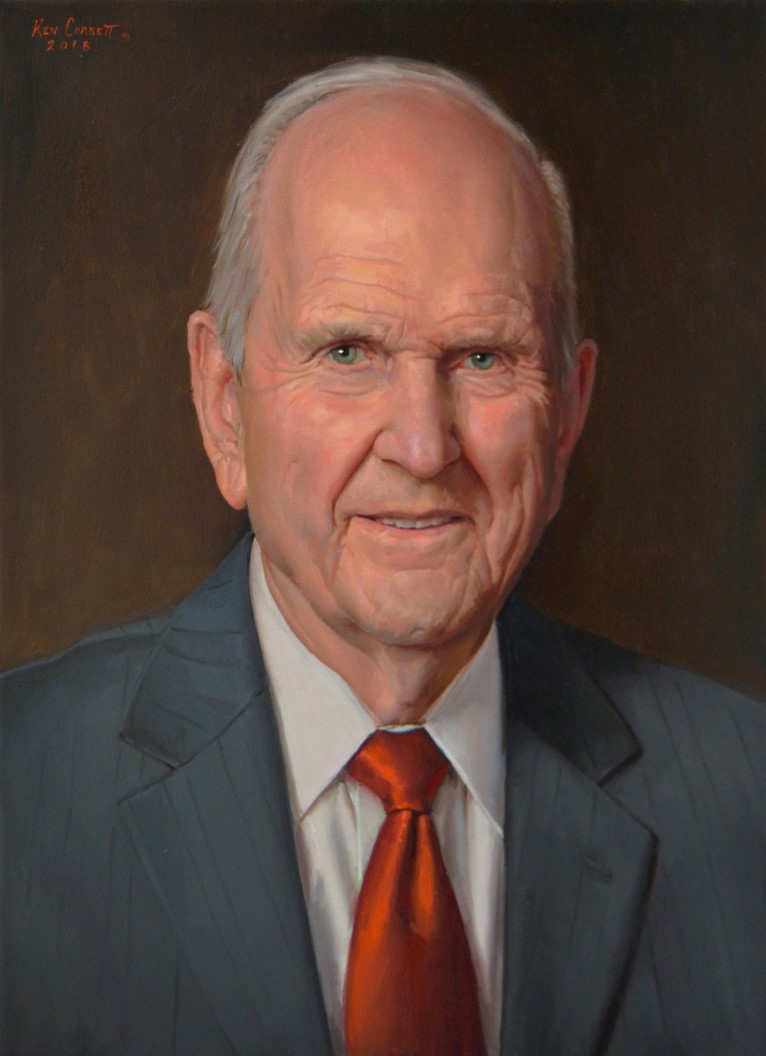
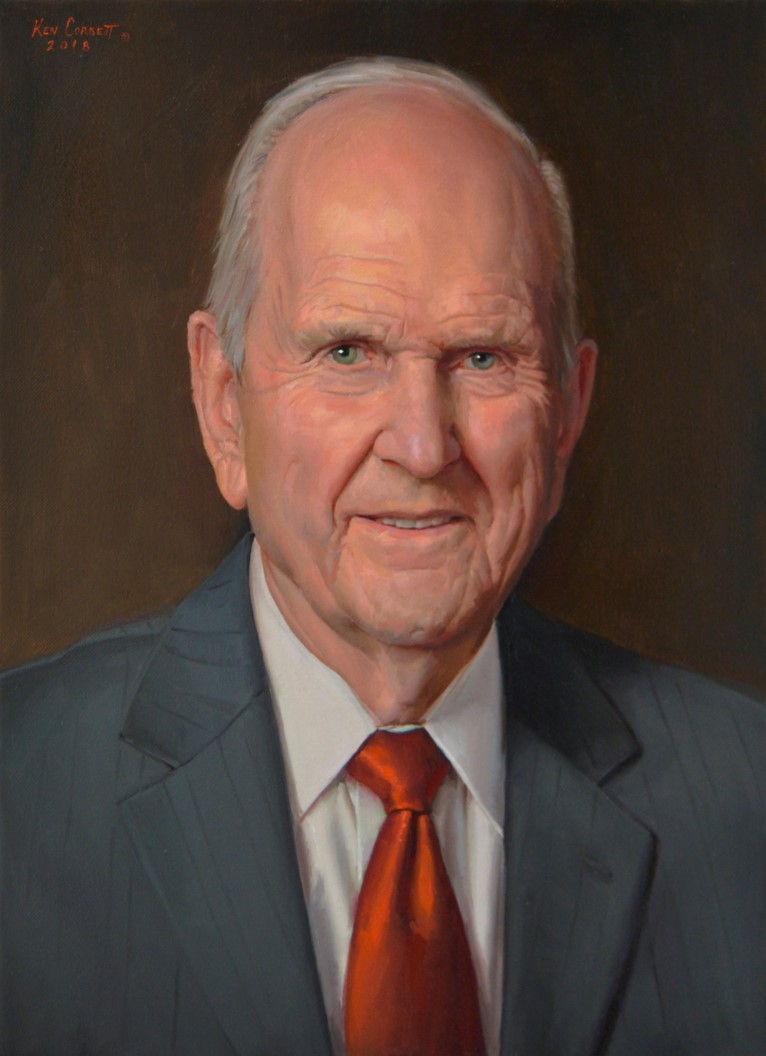 President Nelson by Ken Corbett
 2. How long will it be before the words of the Prophet Joseph will be fulfilled? He said if the Constitution of the United States were saved at all it must be done by this people. It will not be many years before these words come to pass.
  John Taylor



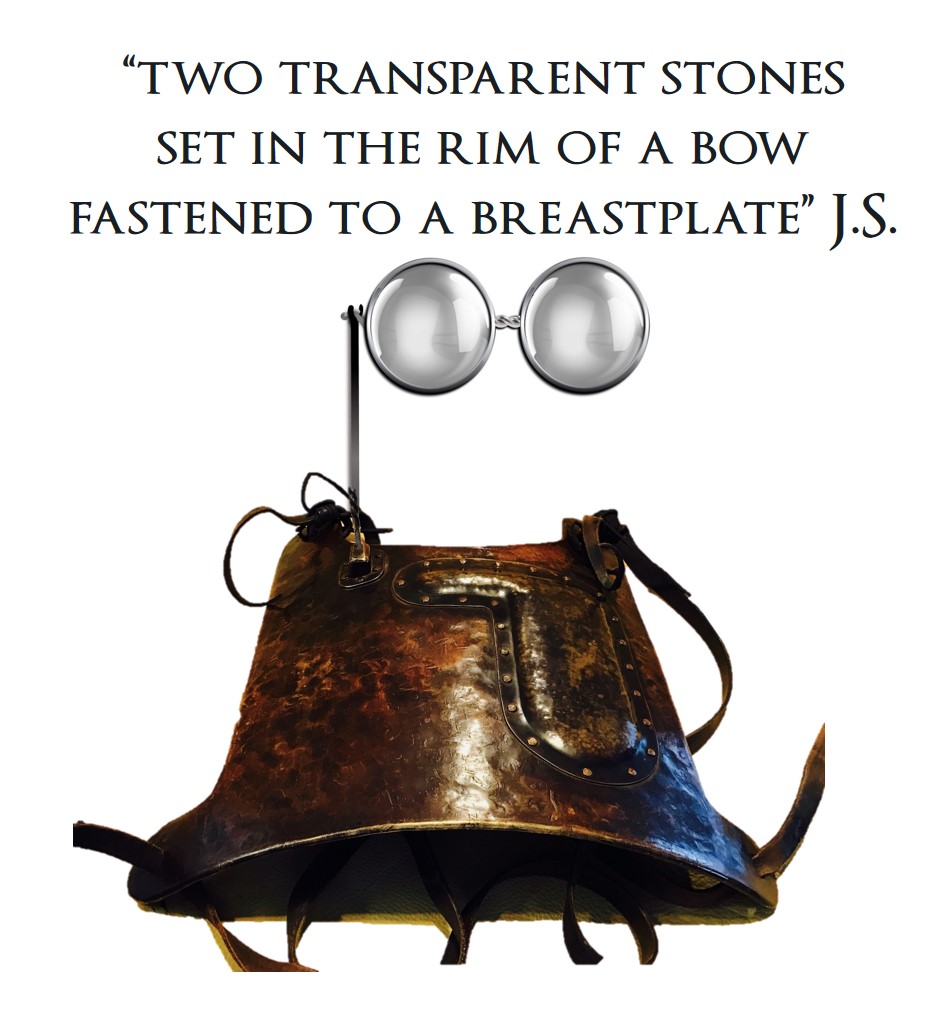
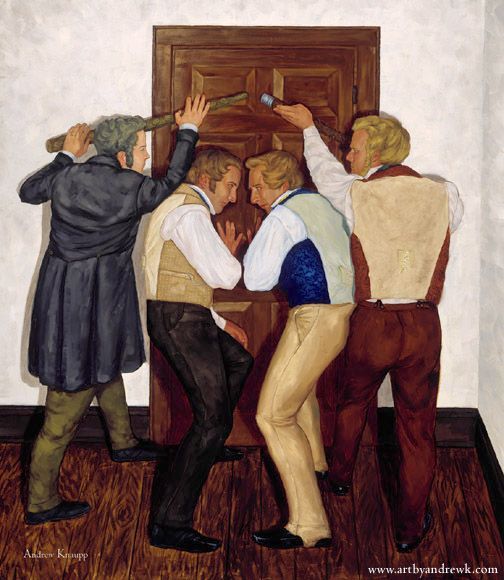
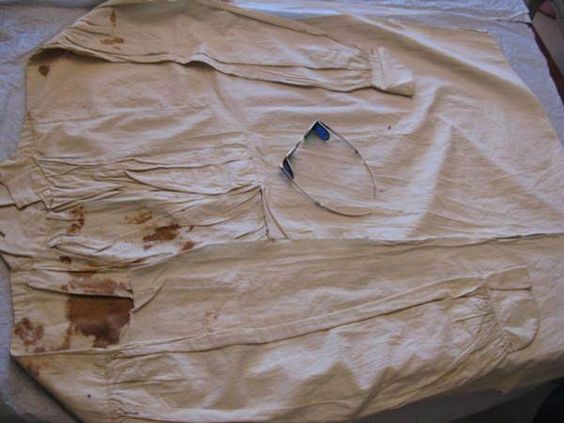

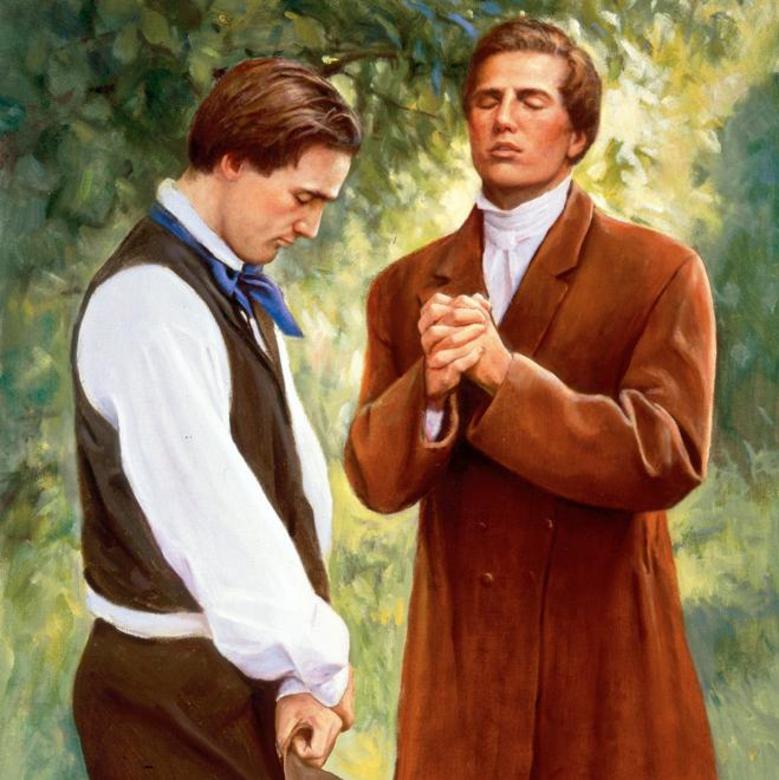 Just days after Joseph Smith announced his candidacy, Sharp regained control of the Warsaw Signal. Consequently, his attacks against the Saints intensified. He was particularly angered that Hyrum Smith was running for state representative, once again blocking his personal ambitions. Surreptitiously, Sharp and his associates did some blocking of their own. They began intercepting Nauvoo newspapers to ensure that only their newspapers reached the wider public.
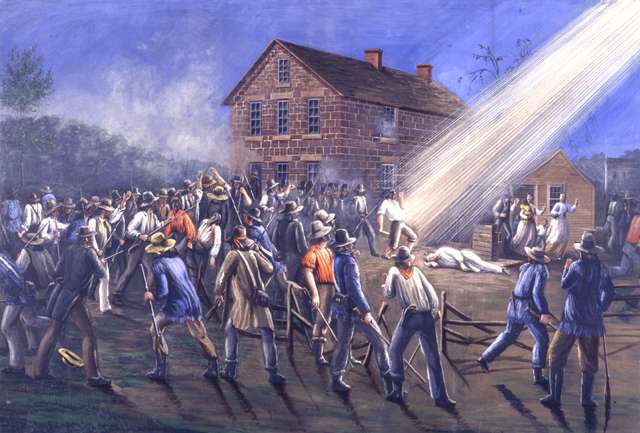 The murder of Joseph and Hyrum Smith at Carthage, Illinois, was not a spontaneous, impulsive act by a few personal enemies of the Mormon leaders, but
 “Today’s priestcraft, with increasingly secular societies bearing down against people of faith, is not so different from that of Book of Mormon times.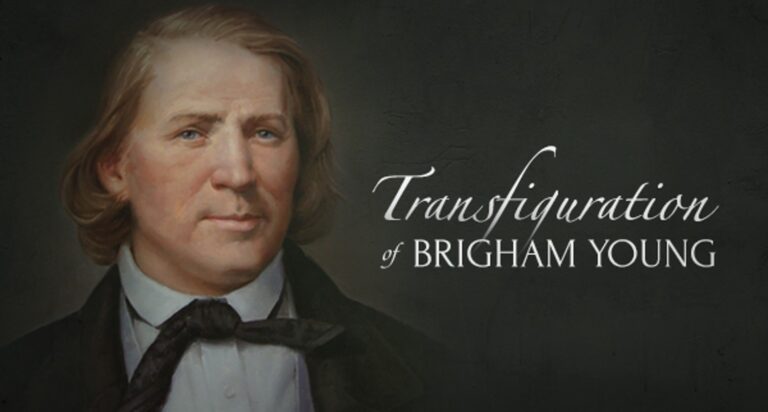
 Why all of this commotion? I believe it may be a new fad to go after Brigham Young as there are very few new criticisms about our dear Prophet Joseph Smith. Critics have failed for nearly 200 years with any credible evidence against the fruit of Joseph Smith, which is of course the truth of the Book of Mormon and the other amazing truths he has provided for us. Critics seem to be saying, if we can’t take down Joseph, then we better work against the number two guy, Brigham Young. This subject seems critical to many of those who love Joseph Smith and the Book of Mormon, but they aren’t a part of today’s Church of Jesus Christ of Latter-day Saints. I love these people, but I also pray for them, as they would likely say the same thing about me, as we all have our own biases.
 “I knew then and also know now that Joseph was a true prophet of God, and that
  Brigham Young, a man fiercely loyal to the Prophet Joseph Smith, current President of the Twelve and later to become known as the “


 The ambiguity ended on July 16.
 People may have deferred to Richards for another reason. Less than two weeks after the killings, Richards, in the course of his usual correspondence, signed one preacher’s license as “Clerk and acting President.” Other preaching licenses reportedly had a still more interesting signature.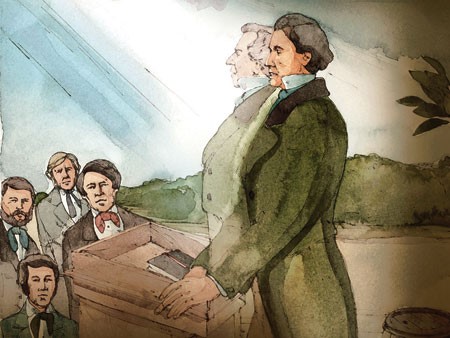
 The second semisecret group was

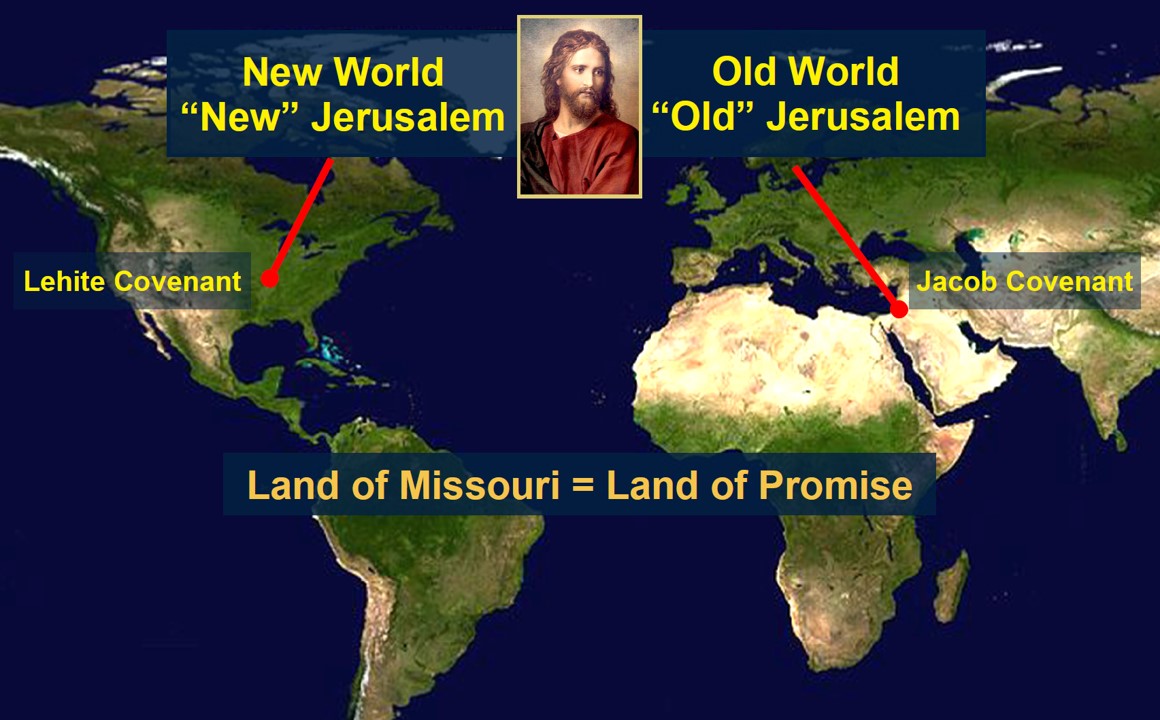 Couldn’t restoration have happened in other countries? Apparently not as these United States were chosen by God, for his specific reasons. Sure all the world has great people as God created us all, but on what land would fulfill the principles above? The United States.
 That was more than ten years ago, but I still vividly remember two things. First, how sheepish we felt for letting ourselves become so negative. And the second was the lesson taught: God is in control. Why then do we fear? It was a profound teaching moment, and I have reminded myself of that day often when I have found myself growing discouraged and pessimistic”. God is at the helm! by Elder Gerald N. Lund, adapted from “The Second Coming of the Lord” | Oct. 07, 2020
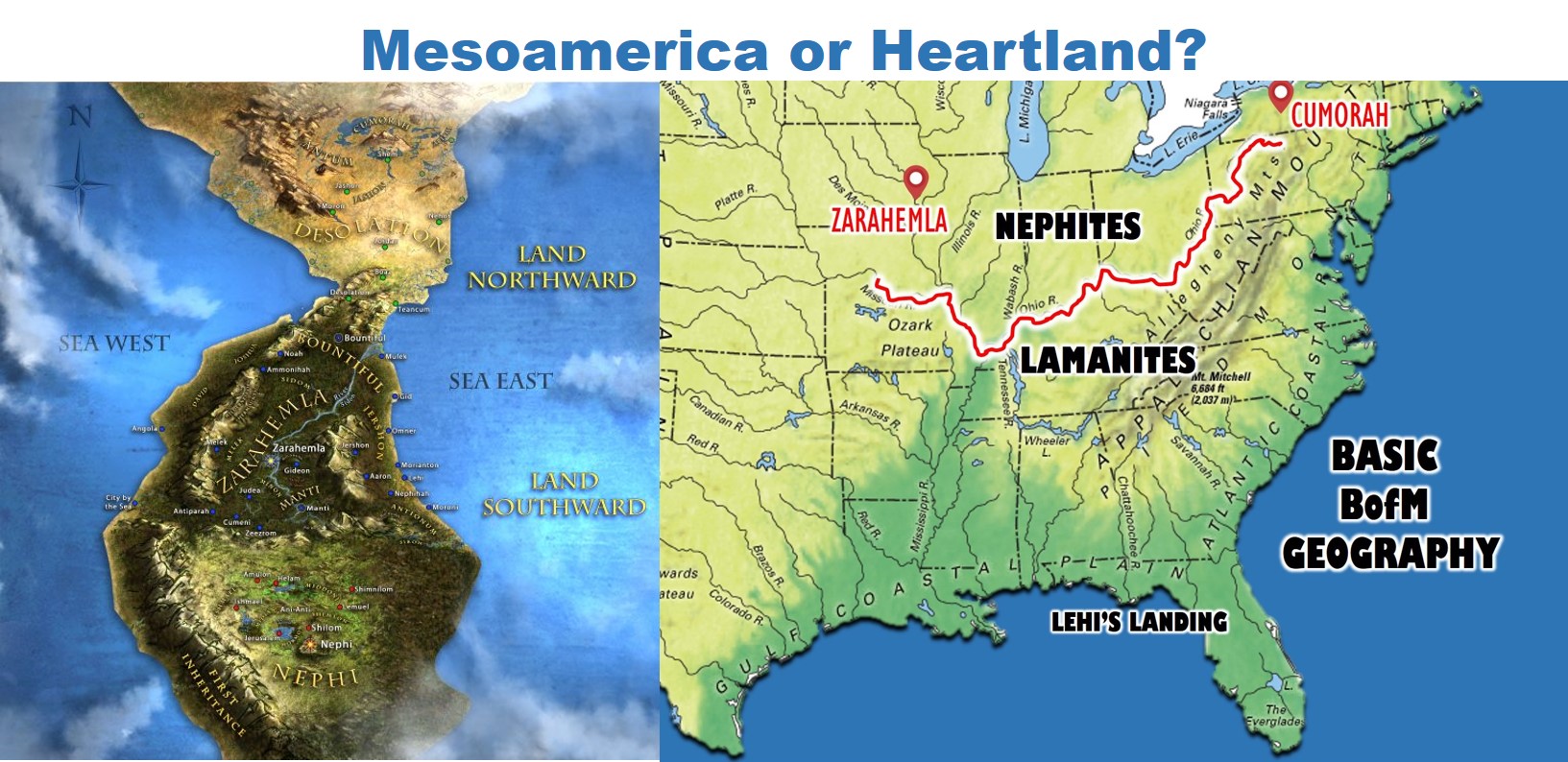
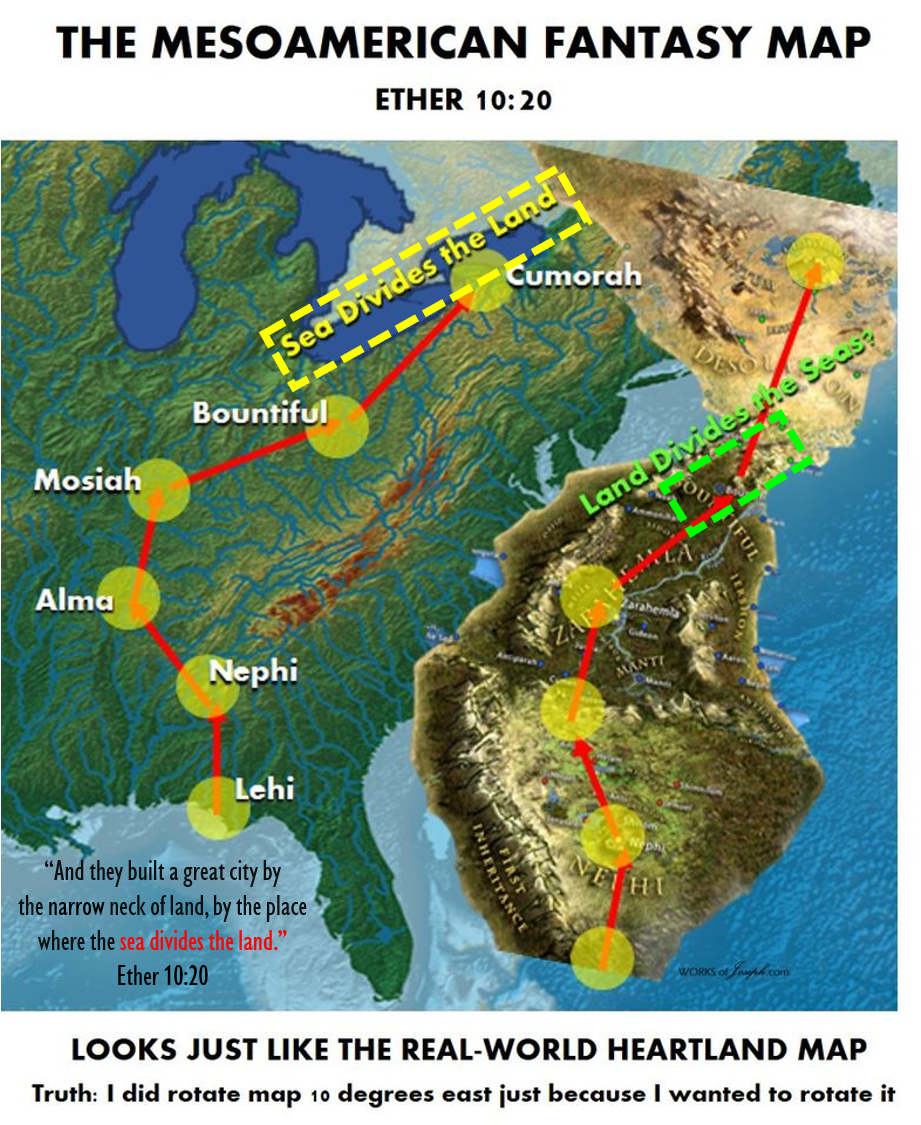 For me, I absolutely know from the Spirit that the Book of Mormon is a true book from the Lord, and as that testimony grows, I continue to see other secondary evidence of truth all around me, including the special belief that indeed the geography of the Book of Mormon in North America is a grand addition to that testimony.
 The Lord has designated these days in which we live as the “times of the Gentiles” (Luke 21:24).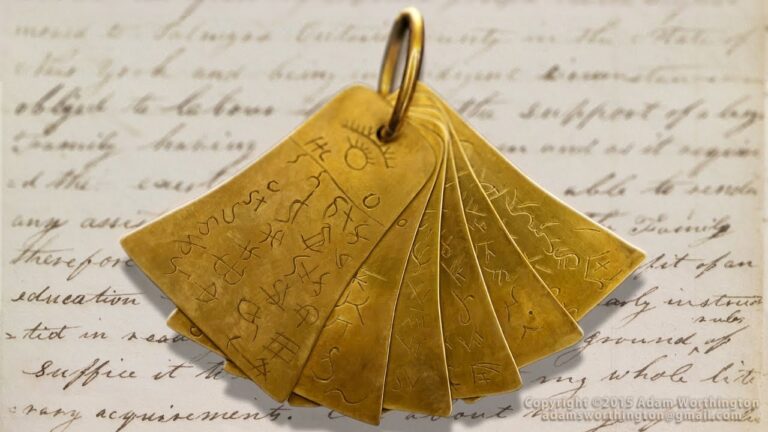
 Below is a quote from The Church of Jesus Christ of Latter-day Saint’s website, that the historians who likely wrote this article, believe the plates are not authentic. We do however know that Joseph Smith and other Saints visited the Kinderhook mound as it does exist as is recorded in Church History along with the Enon Mound and the Zelph Mound. Many historians don’t believe the Zelph Mound story either, so it is up to you to decide.
 I quote “The Mormons and the Mounds by Jonathan Neville MHA Presentation June 2017 St. Louis, Missouri where Jonathan Neville said, “Three specific mounds figure prominently in LDS history: Zelph’s mound in Illinois, the
  Neville then says, “Several authors have written and presented on the topic of the
 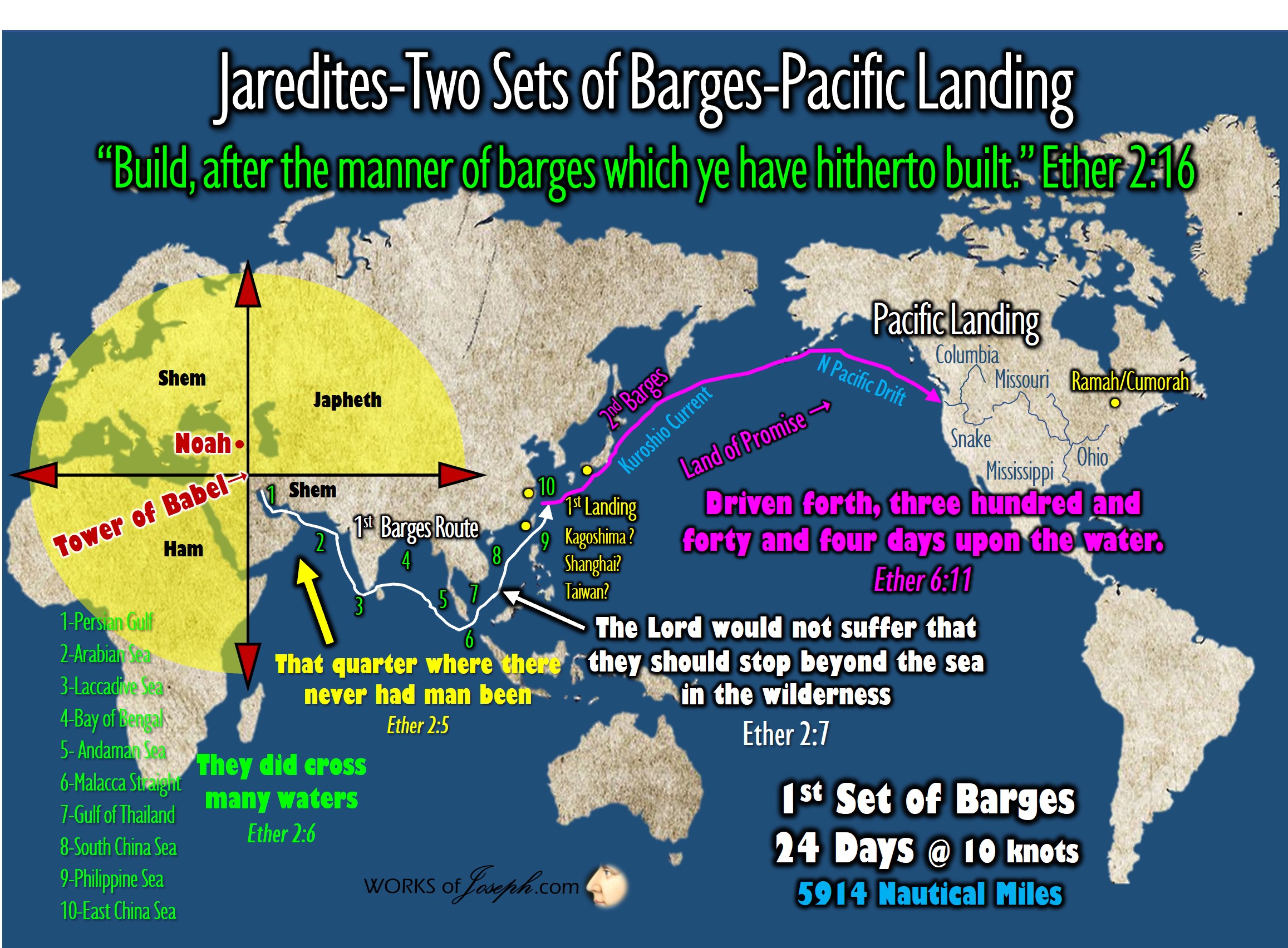 I share with you that I believe the Jaredites likely landed near Seattle Washington. I also share that I believe the Jaredites who were blessed with keeping the Adamic Language very likely had the correct Priesthood. Bruce R. McConkie said, “These promises of God to the Jaredites contain the essential elements of the everlasting covenant detailed later to Father Abraham and to every covenant people. These elements include priesthood, posterity, and a land of inheritance” Bruce McConkie, A New Witness 505
 Although this account appears to be the writing of Joseph Smith, it is actually an excerpt from a journal of William Clayton. It has been well known that the serialized “History of Joseph Smith” consists largely of items from other persons’ personal journals and other sources, collected during Joseph Smith’s lifetime and continued after the Saints were in Utah, then edited and pieced together to form a history of the Prophet’s life “in his own words.” It was not uncommon in the nineteenth century for biographers to put the narrative in the first person when compiling a biographical work, even though the subject of the biography did not actually say or write all the words attributed to him; thus the narrative would represent a faithful report of what others felt would be helpful to print. The Clayton journal excerpt was one item used in this way. For example, the words “I have translated a portion” originally read “President J. has translated a portion. …”
 The other item was a letter written in 1879 by Wilbur Fugate (another of those present at the excavation of the plates) to an anti-Mormon in Salt Lake City. Fugate declared that the alleged discovery of the Kinderhook plates was “a HUMBUG, gotten up by Robert Wiley, Bridge Whitton and myself. … None of the nine persons who signed the certificate [a document included in the Times and Seasons article] knew the secret, except Wiley and I.
 There the matter rested until 1980, when I had the good fortune to secure permission from the Chicago Historical Society for the recommended destructive tests. These tests, involving some very sophisticated analytical techniques, were performed by Professor D. Lynn Johnson of the Department of Materials Science and Engineering at Northwestern University…
 Significantly, there is no evidence that the Prophet Joseph Smith ever took up the matter with the Lord, as he did when working with the Book of Mormon and the Book of Abraham. And this brings us to the other side of the story, for those of us who believe that Joseph Smith was the Lord’s prophet: Isn’t it natural to expect that he would be guided to understand that these plates were not of value as far as his mission was concerned? That other members may have been less judicious and not guided in the same way cannot be laid at the Prophet’s feet. Many people, now as well as then, have an appetite for hearsay and a hope for “easy evidence” to bolster or even substitute for personal spirituality and hard-won faith that comes from close familiarity with truth and communion with God.

 Betty “Red Ant” Loves the Indian Placement Program


 Church Article continues, “ISPP annual enrollment peaked at five thousand participants in 1970, after which a combination of factors led to a slow but steady decline. Externally, indigenous activists began criticizing the ISPP as a tool of assimilation. Internally, the Church began to streamline and standardize its programs, which included curtailing and reducing the ISPP. This led to some internal dissent. Eventually legal and financial constraints made continuation of the program unfeasible. These constraints and the many school improvements on reservations led Church leaders to conclude that the program should be discontinued. The ISPP’s final participant graduated from high school in 2000.


 Heartland Research Group is a 501-C3 non-profit group with John C. Lefgren PhD as President, Vice President Mike LaFontaine, and VP Cultural Director Betty LaFontaine, with other board members Michael Stahlman, and Russell Barlow.


 [My parents Loa Lee Tueller, and Clyde Wendell Nelson were serving and met each other while on the Southwest Indian Mission, and later I became their second child] Here is a picture of them with President and Sister Buchanan.
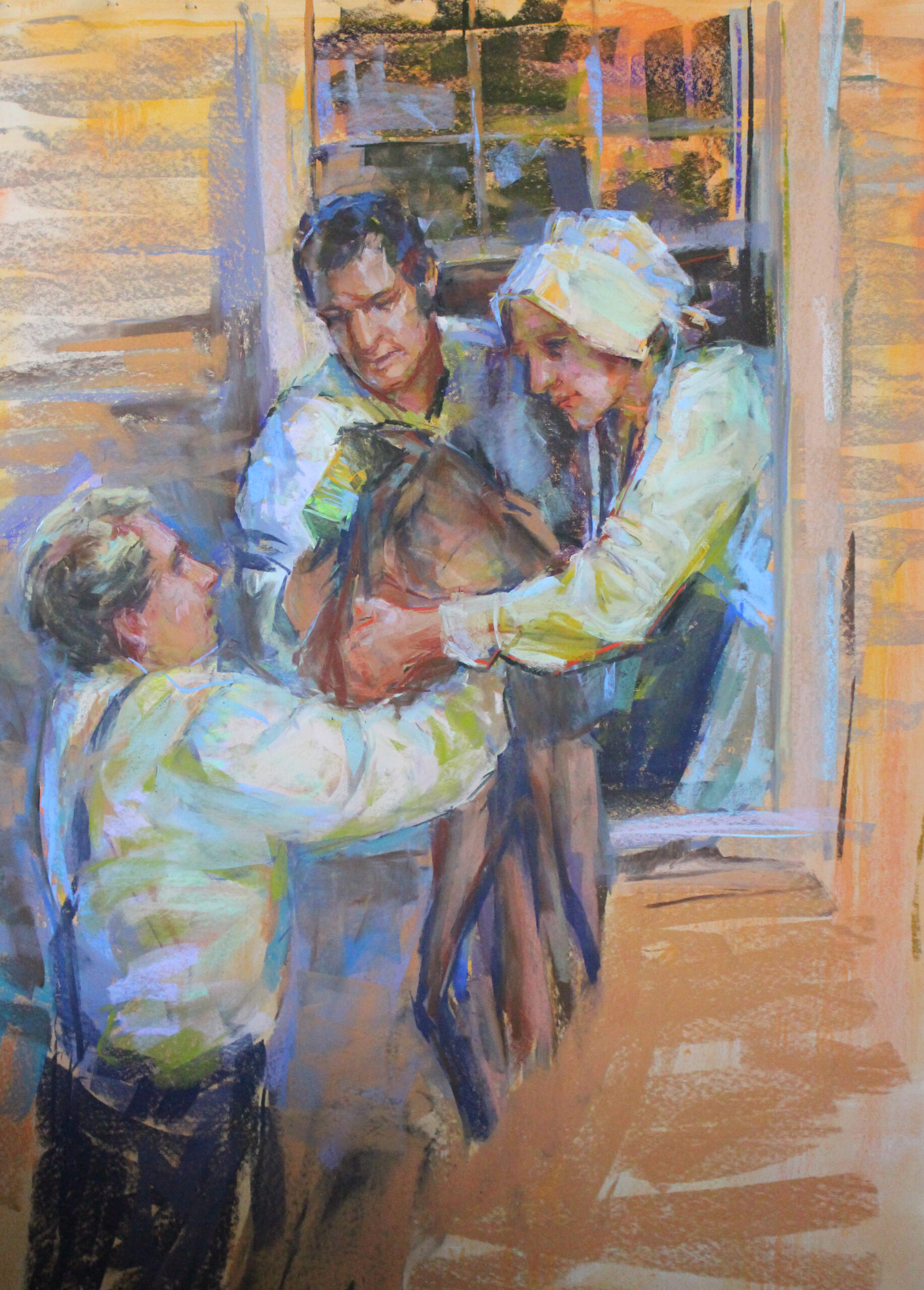 The video (Unlike Picture) also showed Josiah Stoal seeing the plates in an unusual manner I have never read in history. I always believed only Josiah Stoal saw an exposed corner of the plates and they were slightly a green color possibly from aged copper, and Josiah saw them as Joseph handed the plates to Josiah through a window, not on a table with others to see as the video shows.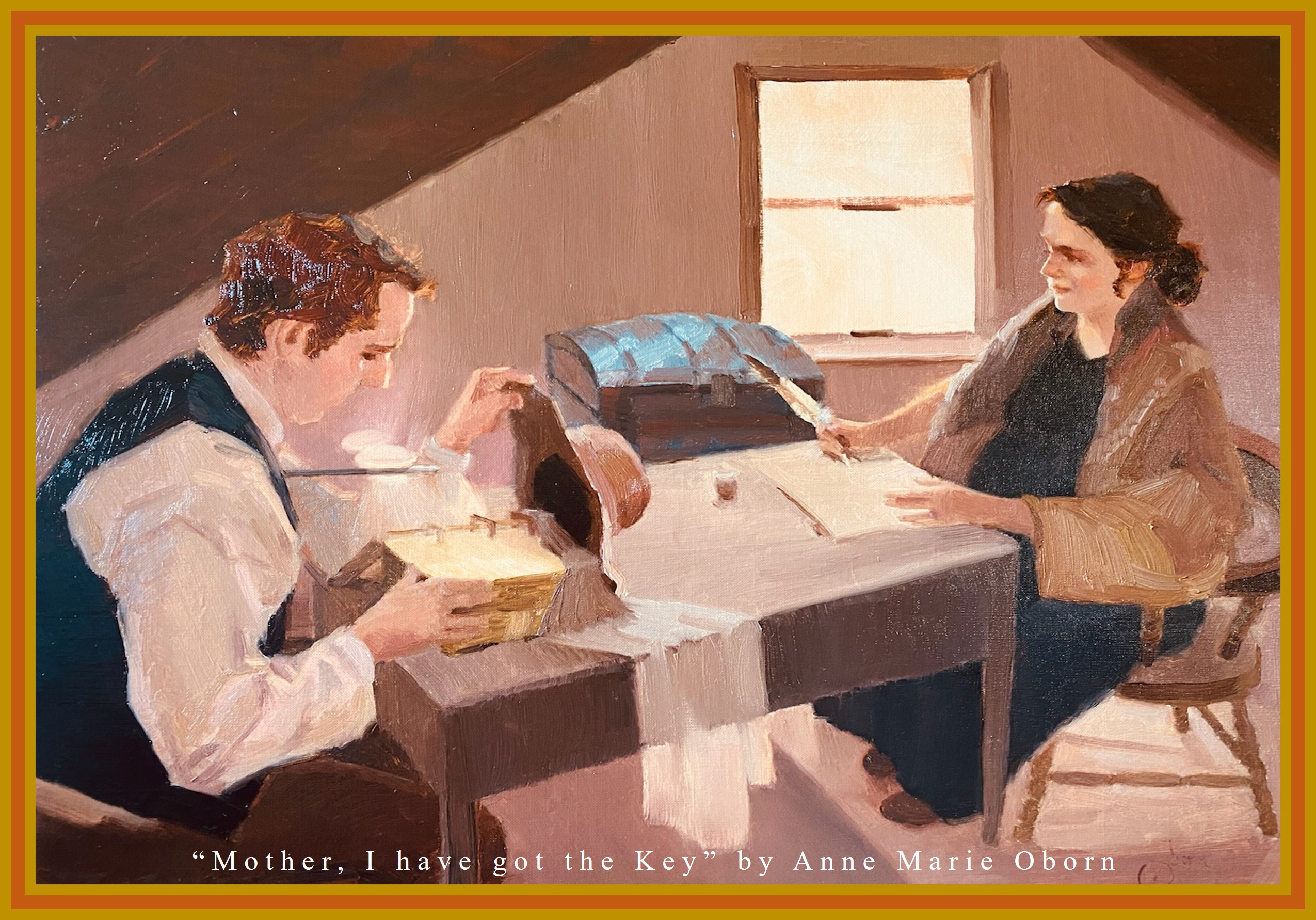

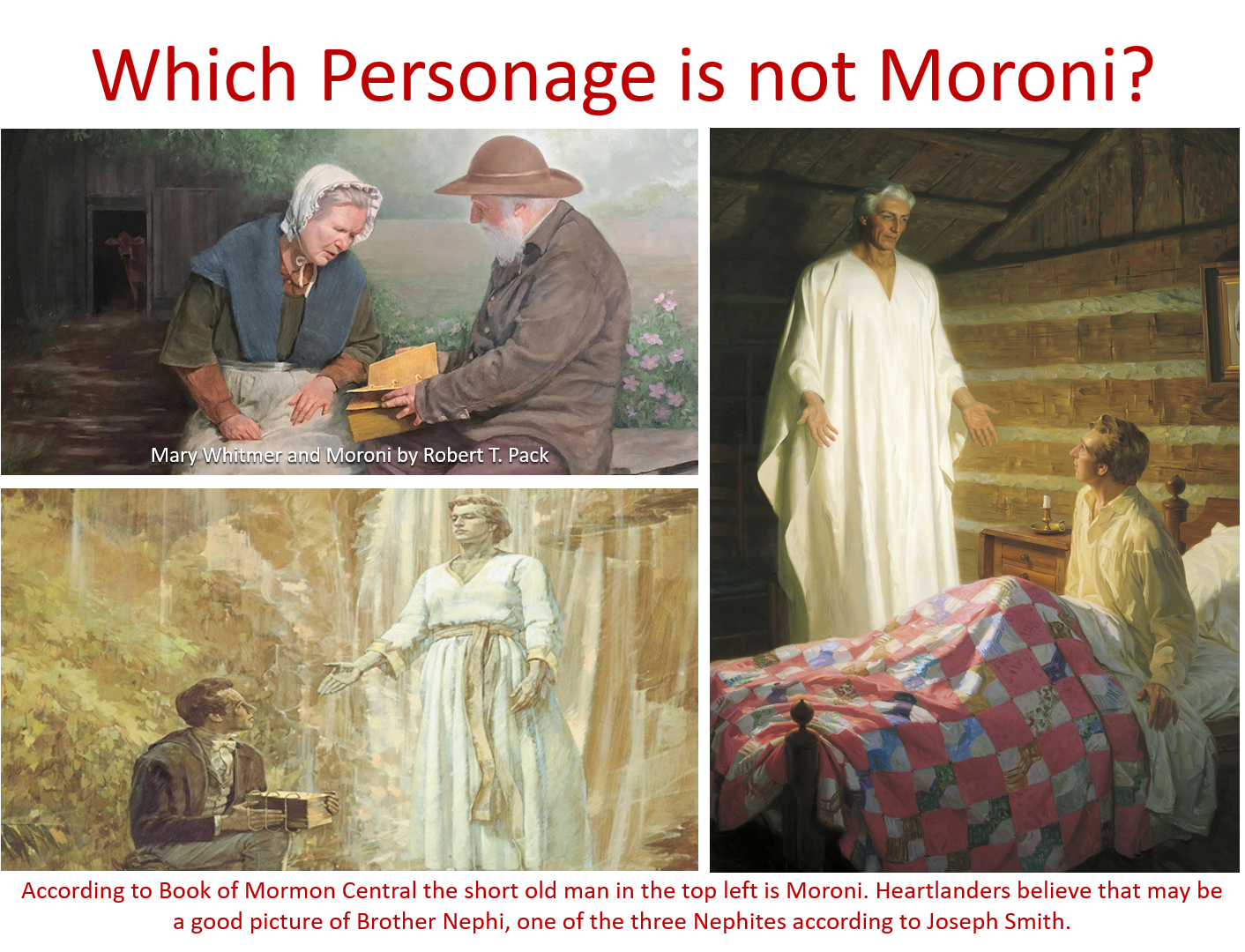 David later describes this messenger in Church History and described him similarly like Mary describes him, as the Scripture Central video depicts correctly. But Scripture Central in their writings calls the messenger, Moroni, and I believe the messenger is likely one of the three Nephites named Nephi, as Mary had called him in history. I believe Joseph Smith calls this messenger one of the three Nephites somewhere in history as well.


 “Is there not room enough on the mountains of Adam-ondi-Ahman, and on the
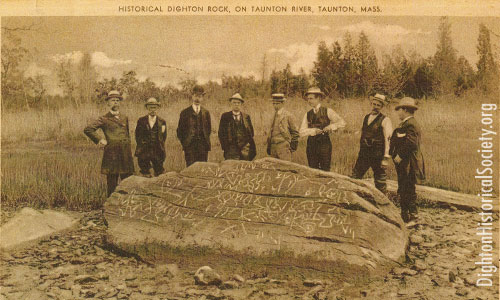

 Dighton Rock 1856
 Purchase Here


 Purchase here
 Narragansett Rock or Pojac Point Rock.




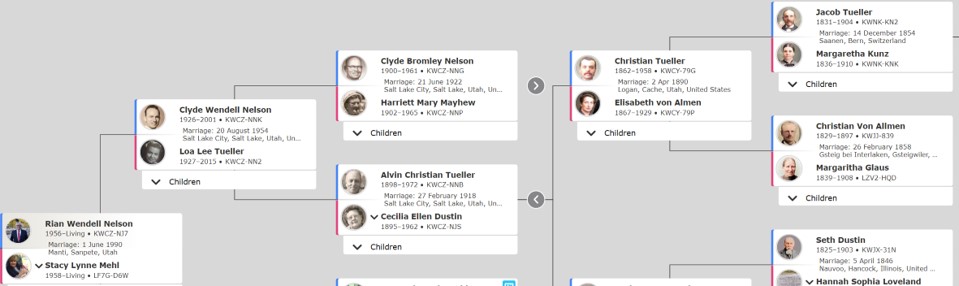

 “It was in 95 A.D. that the elderly apostle John experienced persecution from the mighty Roman Empire. This persecution would ultimately lead to his writing of the Bible’s last book. The prophetic visions God would give him would become the book of Revelation. The first of these visions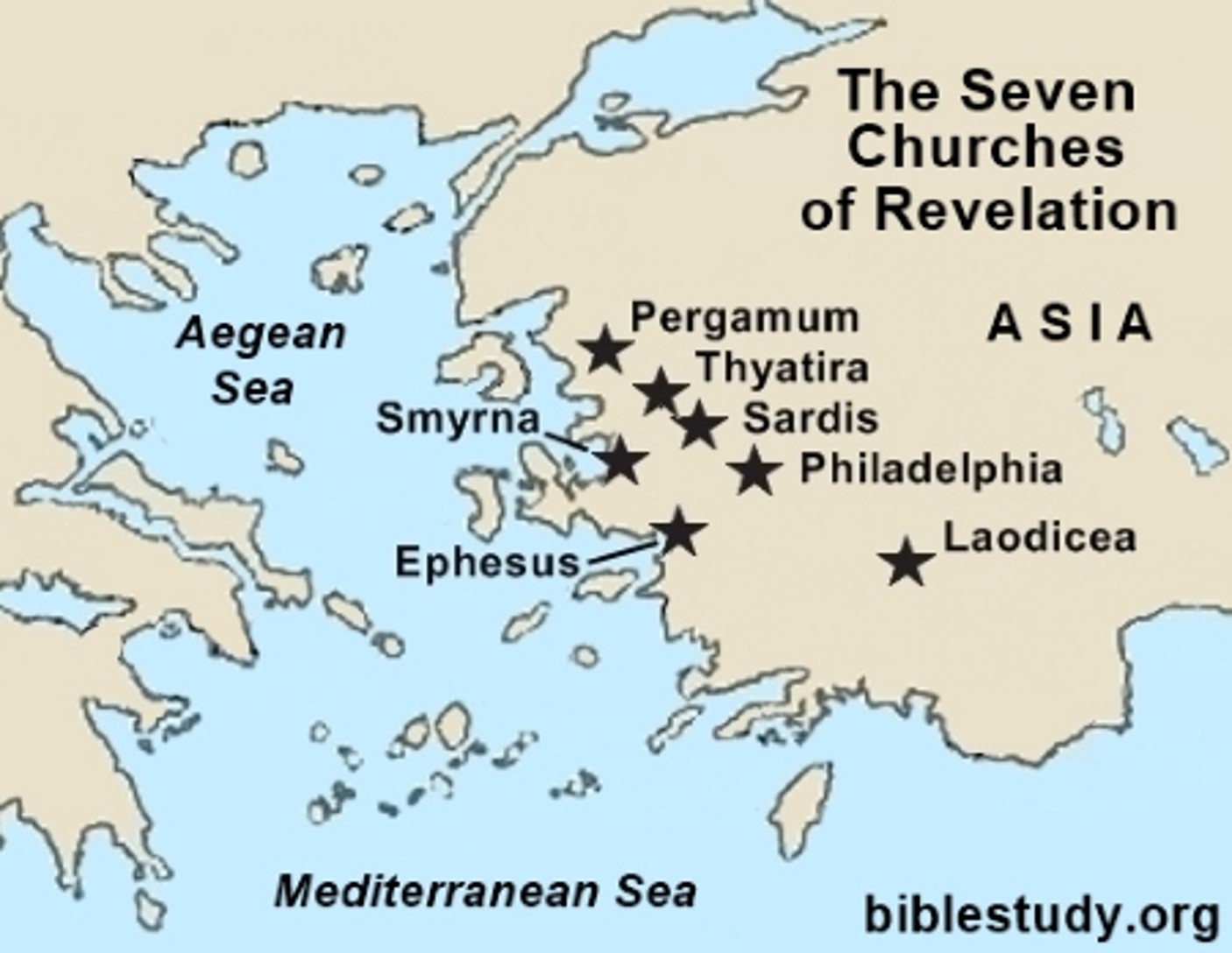

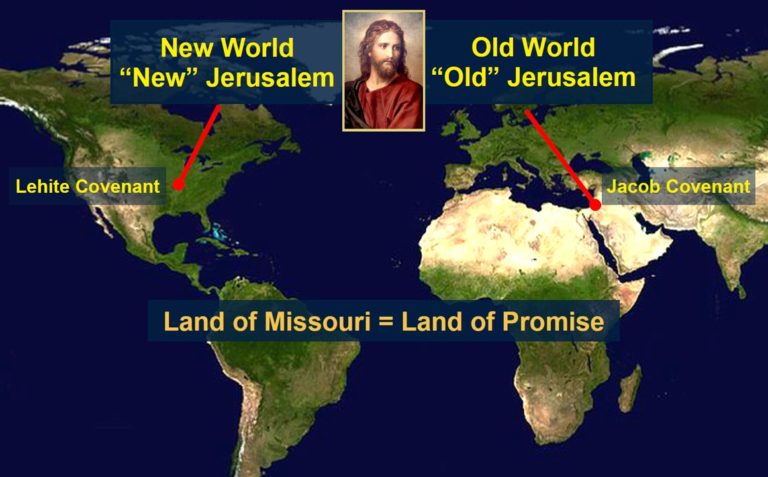
 Abinadi confronted the wicked establishment—in the person of king Noah and his priests—single-handedly. The record gives no hint of any other prophet being present with whom he could share the burden of his ministry.
  In this paper I will deal with two general subjects. First, I will discuss the historical and circumstantial record of the man Abinadi—his life, ministry, and death. Second, I will discuss his doctrinal teachings. As we review these things, I invite you to think of the prophet Mormon, at the end of his nation’s struggles in the fourth century AD, searching what must have been by that time a wagonload of the large plates of Nephi and selecting those things of greatest worth to include in his abridged and summarized record. Mormon was not a freelance writer, but was called of God to prepare a record of his people. He was divinely appointed to be the editor and compiler of a sacred record that would deliver a specific message. We can be grateful that he was inspired to include the story and the teachings of the prophet Abinadi. The Book of Mormon would lack continuity, and a major part of its message would be missing, without the Abinadi portion.

 The odd thing about this idea of using faggots, the only other thing BOMC says comes from North America information about Barley, which doesn’t come from Mesoamerica. In Book of Mormon Central’s own words they say “While the connection between Mesoamerica and Barley is not made, it would seem odd that trade of “principal crops” would take place without the trade of barley. Whether the trade came from Mesoamerica to Arizona, or the other way around, it would make sense that barley was part of the crop trade between the cultures. Why make a trade of major crops and not trade barley? They very well may have. But, because of the moisture content and acidity of the soil in Mesoamerica, it may be difficult to find “little barley” in archaeological digs in Central America.”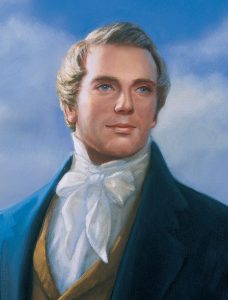


 Whose occupation was that of a toll-gatherer, was born at Nazareth. He wrote his gospel in Hebrew, which was afterwards translated into Greek by James the Less. The scene of his labors was Parthia, and Ethiopia, in which latter country he suffered martyrdom, being slain with a halberd in the city of Nadabah, A.D. 60.
 VIII. St. Mark
 Illustration from a 1583 edition of Foxe’s Book of Martyrs, showing Papists torturing Protestants, in this case by scraping their bodies with shells.
 XII. Bartholomew
 XIV. Luke
 The “beloved disciple,” was brother to James the Great. The churches of Smyrna, Pergamos, Sardis, Philadelphia, Laodicea, and Thyatira, were founded by him. From Ephesus he was ordered to be sent to Rome, where it is affirmed he was cast into a cauldron of boiling oil. He escaped by miracle, without injury. Domitian afterwards banished him to the Isle of Patmos, where he wrote the Book of Revelation. Nerva, the successor of Domitian, recalled him. He was the only apostle who escaped a violent death.
 XVII. Barnabas
 As I study Native Americans and there history side by side with the Book of Mormon, I have been drawn to this bibliographic source called, Mormon Parallels: by Rick Grunder. It makes historic reference to history, natives, and Book of Mormon parallels which I enjoy. As I read I am always thinking about the truth and doctrine I know in the Church of Jesus Christ of Latter-day Saints and seeking out of good books and history, the things that will add to the many truths I already know by the Sprit and witness of the wonderful Book of Mormon.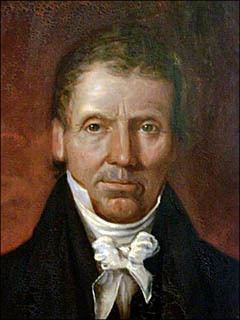
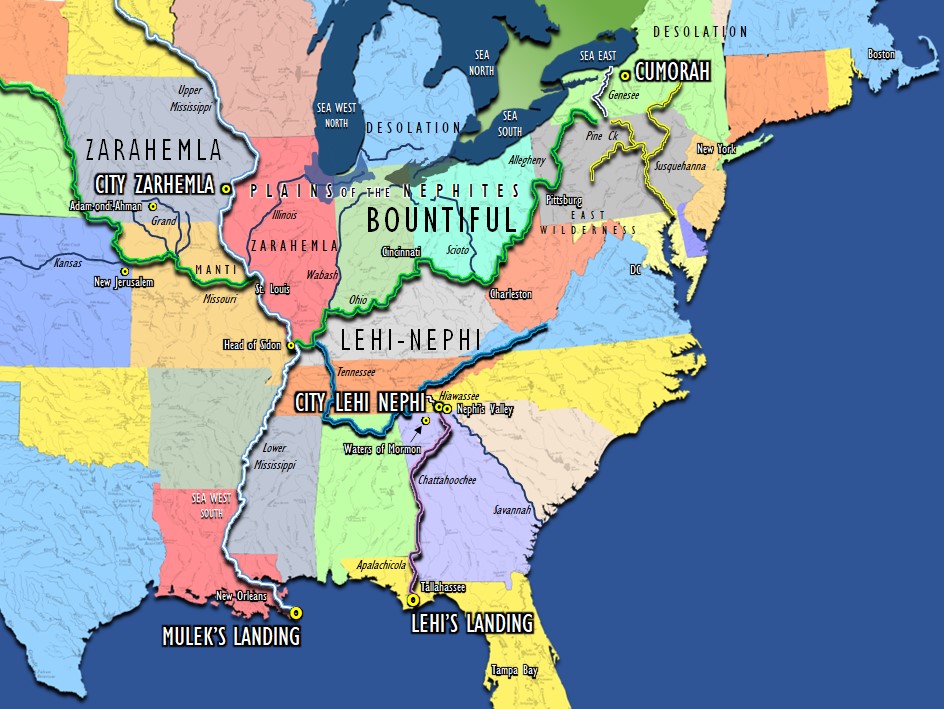 We believe Lehi landed in Florida near Tallahassee about 589 BC. Later, after Lehi dies, Nephi escaped north possibly using the Chattahoochee River to Unicoi Gap, GA, and then traveling on the Hiawasee River which connects to the Tennessee River then, settling near Chattanooga, Tennessee which area became the land of Nephi and also called the Land Lehi-Nephi.
 This translation by Mosiah was done with the same instruments that Moroni deposited in Hill Cumorah that Joseph received.
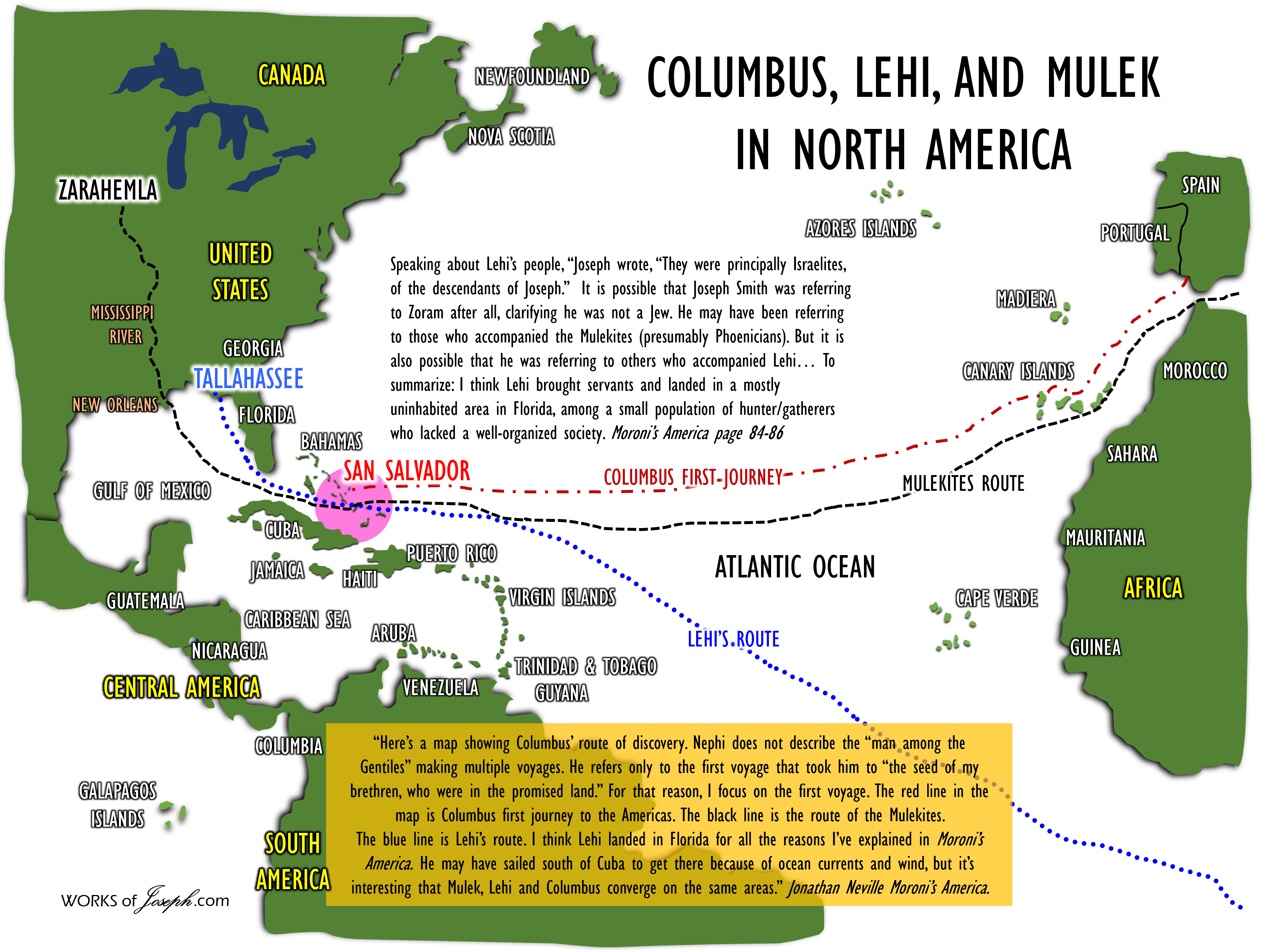 “. . . He never spoke in doubt or hesitation, but with
  The Indians have an old tradition, that when