Perched atop a rising knoll, known as “Temple Hill,” the magnificent Manti Utah Temple dominates the Sanpete Valley of Central Utah. Located just off Highway 89, approaching travelers can glimpse the distinctive towers from miles and miles away. Across the highway from the temple is the Pioneer Heritage Center and Gardens—a 2.5-acre park featuring a reflecting pool for the temple, meandering walkways with park benches, an amphitheater, finely crafted statues, and beautiful landscaping.
Manti Temple History
The Manti Utah Temple was the third temple built in Utah.
The Manti Utah Temple was the only temple dedicated by President Lorenzo Snow.
The Manti Utah Temple was originally named the Manti Temple.
The Manti Utah Temple was built on a rattlesnake-infested site, known as the Manti Stone Quarry. Once Brigham Young designated the site for a temple, it became known as Temple Hill. The quarry’s stone, Manti oolite, is the same cream-colored stone used for the temple exterior.
Twin self-supporting, open-centered spiral staircases wind five stories up each of the octagonal towers on the west side of the Manti Utah Temple. No joints can be felt in the walnut hand railings due to the expert skills employed. The dramatic stairways are considered an engineering marvel of the pioneer Latter-day Saints.
A large arching tunnel under the east tower of the Manti Utah Temple, which has since been closed, allowed cars to pass from one side of the temple to the other.
The presentation of the endowment was originally delivered by live acting in the Manti Utah Temple.
The Manti Utah Temple features beautiful hand-painted murals on the walls of its progressive-style ordinance rooms: Creation Room, Garden Room, World Room, Terrestrial Room (no murals), and Celestial Room (no murals).
The groundbreaking ceremony for the Manti Utah Temple was held a month before the groundbreaking ceremony for the Logan Utah Temple, marking the first time that two groundbreaking ceremonies were held in the same year. The two buildings share a similar castellated appearance.
Lightning struck the east tower of the Manti Utah Temple in 1928, which started a fire that burned for three hours before it could be extinguished.
Murals in the Manti Utah Temple were repainted in the 1940s when the deterioration of wall plaster meant the garden and world room murals by Danquart Weggeland and C.C.A. Christensen could not be saved. Robert L. Shepherd painted the Garden Room, and Minerva Teichert painted the World Room with scenes depicting Biblical stories of the Tower of Babel, Abraham, Joseph in Egypt, Moses, and Esau; worldwide expansion of the Pilgrims, oriental traders, European crusaders, and Christopher Columbus; and the North American continent with a Native American, fur trapper, pilgrim, and city of Zion.
In 1985, the Manti Utah Temple was formally rededicated following a four-year renovation project that included updating the auxiliary systems; adding three sealing rooms, new dressing rooms, a nursery, and offices; restoring the pioneer craftsmanship and artwork to their former glory; and extensively renovating the baptistry including the addition of an exterior entrance. Apartments for temple workers were also constructed during the renovation. The three-day open house was attended by 40,308 visitors.
In 2019, the annual Mormon Miracle Pageant was held on the grounds of the Manti Utah Temple for the last time, following a 53-year run.” The Church of Jesus Christ of Latter-day Saints News Release, “President Nelson Announces a New Temple Will Be Built in Ephraim, Utah,” 1 May 2021.
There is so much pioneer and Nephite history to the Manti Temple. I have always felt a deep love of the Lamanites of North America as I have seen that beautiful chief on the wall in the world room. You can also read my blog here about the many Dinosaurs painted as murals in the Manti Temple. I truly love this Temple as it is a very unique one and it is also where I was sealed to my wonderful wife Stacy.
Moroni in Manti, Utah
“Some members of the Church are aware that at the dedication of the site for the temple in Manti, Utah, the following incident took place:
Native American – Minerva Teichert and the Manti Temple
At a conference held in Ephraim, Sanpete County, June 25th, 1875, nearly all the speakers expressed their feelings to have a temple built in Sanpete County, and gave their views as to what point and where to build it, and to show the union that existed, Elder Daniel H. Wells said “Manti,” George Q. Cannon, Brigham Young, Jr., John Taylor, Orson Hyde, Erastus Snow, Franklin D. Richards, Lorenzo Young, and A.M. Musse said “Manti stone quarry.” I have given the names in the order in which they spoke. At 4 p.m. that day President Brigham Young said: “The Temple should be built on Manti stone quarry.” Early on the morning of April 25, 1877, President Brigham Young asked Brother Warren S. Snow to go with him to the Temple hill. Brother Snow says: “We two were alone: President Young took me to the spot where the Temple was to stand; we went to the southeast corner, and President Young said: “Here is the spot where the prophet Moroni stood and dedicated this piece of land for a Temple site, and that is the reason why the location is made here, and we can’t move it from this spot; and if you and I are the only persons that come here at high noon today, we will dedicate this ground.” Whitney, Orson F. Life of Heber C. Kimball. Salt Lake City: Bookcraft, 1967.Art by Val Chadwick Bagley
“That Moroni dedicated the Manti Temple site is one of the few statements the Brethren have made connecting a Book of Mormon figure with a specific current place and action. This aids us in documenting one of Moroni’s travels and priesthood assignments. Another reference happened when William McBride, patriarch from the Richfield Utah Stake, spoke at a prayer meeting in St. George in January 1881. After recalling many experiences from the Nauvoo period and quoting the Prophet Joseph Smith on many issues, Patriarch McBride referred to the Route the old Nephites took travelling to Cumorah from the south and south west; of having to bury their tr[e]asures as they journeyed and finally burying the Records and precious things in the Hill Cumorah; of Moroni dedicating the Temple site of what we now call St. George, Nauvoo, Jackson Co., Kirtland, and others we know not of as yet.” Walker, Charles Lowell. Diary of Charles Lowell Walker. Ed. A. Karl Larson and Katherine Miles Larson. 2 vols. Logan, UT: Utah State Univ. Press, 1980.
Minerva Teichert’s Manti Temple Murals
Author Doris R. Dant
In April 1947, a slight, white-haired grandmother installed herself in a Manti, Utah, motel. At fifty-nine years of age, Minerva Teichert could still keep pace with any Scandinavian farmer in Sanpete County and probably outwork many. After all, she was a rancher’s wife who toiled long hours to meet the demands of garden, flocks, dairy, and family. Now for one month, all her drive would be devoted to an undertaking that daunted even her—painting enormous murals for the world room of the Manti Temple. Sustained by prayer and a sole assistant, she covered four walls several times her height with scenes whose conception is at once unique and spiritually profound
(Left) Minerva Teichert 1888 to 1976 at age 59. Teichert was the artist primarily responsible for the pageant of nations murals in the Manti Temple
This article tells that story, much of it taken from Teichert’s letters and from interviews with her assistant. It also includes reproductions of her world room murals. Although individual Manti murals have been published previously, this is the first time these beautiful works have been printed together. BYU Studies is grateful to The Church of Jesus Christ of Latter-day Saints for permission to offer them to our readers. Article Here
This tremendous mural shows the history of the world. The back wall shows the tower of Babel under construction. The north wall (the one visible on the right half of this photo) generally follows the history of the gentiles; one can see crusaders, monarchs, explorers, and the poor and destitute (the silhouettes near the bottom). Along the south wall (not pictured) is the history of Israel, with paintings of Abraham, Joseph (and his coat of many colors), Moses, and Pilgrims. Both of these histories meet at the east wall (left half of the photo), on the American Continent, where a Native American figure stands at the center. Above him and the tops of the trees is a picturesque mountain valley, complete with a small city and a temple. The city represents Zion, not any place in particular, but it looks a lot like Manti (especially the temple).
This mural is fascinating and much more could be said about it. I recommend BYU Studies’ article on the paintings. It goes into detail not only on each section of the mural (and has detailed pictures of each side!), but also goes into the history of it. From this room, patrons enter the doorway on the right of the Native American and enter the terrestrial room.
The terrestrial room of this temple is one of my favorites. I’ve also noticed that the benches subtly become more ornate as one progresses through the endowment–they’re rather plain and ordinary in the creation room; by the time you get here, they have small flowers and designs carved into them. I do believe the benches are original. http://ldspioneerarchitecture.blogspot.com/2014/09/manti-temple-interior.html
Native American and the City of Zion above. Trappers to the right and
Moroni stood and dedicated this piece of land for a Temple site
Manti was settled by determined pioneers. They carved shelters for that first winter out of a hillside of creamy tan oolite; in the spring, they battled rattlesnakes for possession of the valley. And from that hill, they took the limestone to build their temple, fifth of the Church’s temples and third to be built in Utah.
Brigham Young announced the temple site 25 June 1875 and dedicated the site on 25 April 1877. Earlier that same morning, he had taken Warren S. Snow with him to the southeast corner of the temple site and told him, “Here is the spot where the Prophet Moroni stood and dedicated this piece of land for a Temple site, and that is the reason why the location is made here, and we can’t move it from this spot.”
William H. Folsom was the Manti Temple architect. He also designed the Salt Lake Tabernacle.
The temple cost $991,991.81, of which the Sanpete Stake alone contributed $274,815.05. Some workmen walked the seven miles from Ephraim each Monday morning and back home again Saturday night. In addition to being self-sacrificing, their service was of the highest quality.
This temple contains the only temple murals dating from the pioneer period. C. C. A. Christensen, Minerva Teichert, John Hafen, J. B. Fairbanks, and Dan Weggeland were among the artists represented.
Eleven years from the time it was started, President Wilford Woodruff dedicated the temple, first in a private ceremony on 17 May 1888, then in services attended by 5,400 members May 21, 22, 23.
Apparently, the reference desk at Church Archives keeps a “myths binder”, and this one’s in it:
In 1987, John A. Peterson of the Acquisitions Department of what is now called the Church History Library prepared a report for Jane A. Braithwaite of the Manti Destiny Committee (a private, non-profit organization promoting and preserving the history of Manti and the Sanpete Valley) detailing his attempts to document the source of the tale. He had scoured all known pertinent records, including restricted temple records, looking for any confirmation. His search included at least these sources:
CR 348 19 – Manti Corner Stone Services, April 14, 1879 CR 348 20 – “[Private] Dedication of the Manti Temple – Dedication Services held in the Celestial Room of the Temple, at 12 o’clock on Thursday Morning May 17th, 1888” (which files include copies dedicatory prayer and sermons) CR 348 21 – Manti Temple Historical Record, 1873-01934 CR 348 22 – Manti Temple – Setting apart of temple workers, 1888 CR 348 33 – Manti Temple – Bulletins, 1884-1955 CR 348 37 – Manti Temple – Attendance Roll, 1888-1894 CR 348 37 – Manti Temple – Reunion List, 1895
In none – none – of these sources is there any hint whatsoever of an ancient dedication of the temple site, no mention of Moroni, nothing that could be seen as supporting the story, although the story, if true, would have found a natural place in any of these records. The Keepapitchin
I’ll leave it to you to decide if then if the story is authentic. This story (or rumor) brings up an important point. We need to be careful with stories of this nature (verifying them when possible as you are seeking to do) because stories like this can get passed around and much like gossip grow and change in the telling, even if the changes are innocently and ignorantly made. Sometimes people are so hungry for spiritual experiences, that they are willing to believe any “feel good story’. That’s not good.
So how do we know which stories to believe, especially if we can’t find any official church sources to back them up? How do we discern truth from error or falsehood? We need to pray about it. I realize that sounds like a “Sunday School answer” or in other words, a bit of a cop out, but it is the truth. The only way we can know for certain what comes from God and what does not, is to ask Him.
When we were baptized we were given the Gift of the Holy Ghost. Having this gift is the first step toward receiving many other spiritual gifts. One of these is the gift of discernment. It is with this gift that you can know the truth or falsehood of the “Moroni stories” or any other information you need to know. Elder Bednar explained it this way,
“Discernment is so much more than recognizing right from wrong. It helps us distinguish the relevant from the irrelevant, the important from the unimportant and the necessary from that which is merely nice.” Quick to Observe
Is it relevant for us to know the answer to your question about Moroni? Perhaps not. But this question leads us to another question, what is relevant for us to know? I believe that Heavenly Father wants to share a lot more with us than we imagine. In an Ensign article, Lane Johnson said,
“It would appear from the scriptures that our Father desires to grant [spiritual] gifts even more ardently than we desire to receive them.” How to Receive Spiritual Gifts
So my thought, Robert, is that you can ask Heavenly Father about the Moroni stories you have heard, but don’t stop there. Be open to the abundance of other blessings and knowledge that He is waiting to give His children who obey Him, and ask for those blessings. Source
Two Interesting Maps
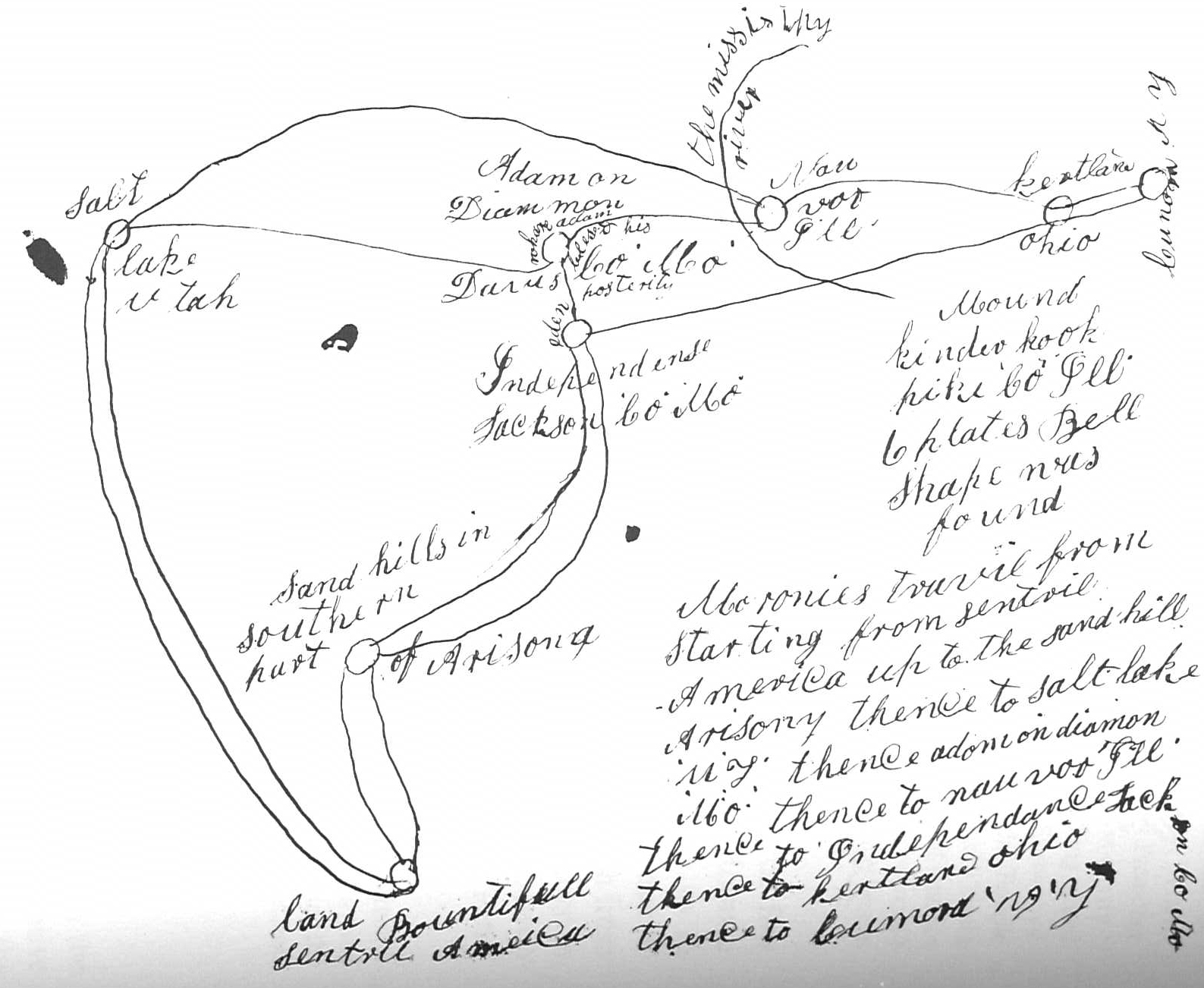
Several years ago, I came across two copies of a map in the Archives Division of the Historical Department of the Church relative to Moroni’s North American journeys (see Figures 1 and 2). On the back of the map in Figure 1 is written the following:
A chart, and description of Moroni’s travels through this country. Got it from Br. Robert Dickson. He got it from Patriarch Wm. McBride at Richfield in the Sevier and also from Andrew M. Hamilton of same place. And they got it from Joseph Smith the Prophet.
On the map “land Bountifull [sic]” is listed in “Sentral [sic] America.” The cartographer wrote “starting point” below the reference to Central America. Above the “land Bountifull” is “Sand hills in south part of Arizona,” and above it to the left is “Salt Lake.” To the right is “Independens, Jackson Co, Mo.” and above that is “Adam on Diamon, Davis Co, Mo.” To the right of that is “Nauvoo, Hancock C.Ill.” Below that is “Mound Kinderhook, Pick, Co, Ill, 6 Plates Bell shape were found” (were was was on one copy). Then to the right and above that is “Kirtland, Ohio,” and to the right of that is “Commorre [Cumorah], N.Y.” Below this on the right-hand side of the map is written: “Moroni’s Travels starting from Sentral America to the Sand hills Arizona then to Salt Lake U[tah], T[erritory], then to Adam on Diammon Mo, then to Nauvoo, Ill, then to Independence Mo, then to Kirtland Ohio then to Cumoro NY.”
The second map appears to have been drawn by the same hand and is quite similar to the first, though it twice spells Arizona as Arisony (one “y” has an “a” written over it); “eden” is written near the circle identifying “Independense”; “where adam blessed his posterity” is written near the circle identifying “Adam on Diammon”; the “missisipy river” is listed near Nauvoo; Kirtland is twice misspelled “kertland”; and Cumorah is misspelled “Cunora” and “Cumora.”
It is interesting to note that the brethren mentioned on these documents were contemporaries of the Prophet Joseph Smith, and they credited him with the notion that the travels of Moroni began in the land Bountiful, which was in Central America, and went through the western New York. Why Moroni took the route he did is still without answers. These men stated that the Prophet Joseph believed Bountiful is in Central America while the Hill Cumorah, the burial place of the plates, is in New York State.
The Plates of the Book of Mormon Are Buried
Sometime around AD 421, Moroni took the sacred plates, the breastplate, and the Urim and Thummim to the Hill Cumorah and buried them near the top of the hill in a stone box that he made for them. The box was made of flat stones laid on the bottom and sides which were cemented together to make it waterproof. When the Prophet Joseph Smith first met the angel Moroni at the hill Cumorah about 1,400 years later on the evening of 22 September 1823, Moroni showed him the sacred contents and told Joseph that the sacred objects had been “sealed by the prayer of faith” (Cowdery 198). The plates remained there until 27 September 1827, when Moroni gave them to Joseph to allow him to translate them into English.
Joseph Smith published the following in the July 1838 issue of the Elders’ Journal in answer to the question: “How and where you obtain The Book of Mormon?” His reply:
“Moroni, the person who deposited the plates, from whence the Book of Mormon was translated, in a hill in Manchester, Ontario County, New York, being dead, and raised again therefrom, appeared unto me, and told me where they were; and gave me directions how to obtain them” (42–43).
The Death of Moroni
I have found only one account which speaks of Moroni’s death:
At a meeting at Spanish Fork, Utah Co., in the winter of 1896, Brother Higginson stated in my presence that Thomas B. Marsh told him that the Prophet Joseph Smith told him (Thomas B. Marsh, he being then President of the Twelve), that he became very anxious to know something of the fate of Moroni, and in answer to prayer the Lord gave Joseph a vision, in which appeared a wild country and on the scene was Moroni after whom were six Indians in pursuit; he stopped and one of the Indians stepped forward and measured swords with him. Moroni smote him and he fell dead; another Indian advanced and contended with him; this Indian also fell by his sword; a third Indian then stepped forth and met the same fate; a fourth afterwards contended with him, but in the struggle with the fourth, Moroni, being exhausted, was killed. Thus ended the life of Moroni.” Evans, Charles David. “The Fate of Moroni, 1897.” Archives Division, Church Historical Department, Salt Lake City, UT
Conclusion
This paper has attempted to highlight some of the lesser-known facts about the life of Moroni, one of the greatest prophets that has lived upon the earth. His contributions both during his mortal and his postmortal ministries have affected and will yet affect the lives of literally millions of God’s children.
Latter-day Saints and non-Mormons alike first identify Moroni as the angel, the “messenger sent from the presence of God” who visited the boy-prophet Joseph Smith (JS—H 1:33). He is probably the most easily identifiable person connected with the Restoration since statues representing him appear on many temple spires heralding the glorious restoration mentioned in the book of Revelation. He is the angel flying “in the midst of heaven, having the everlasting gospel to preach to them that dwell in the earth” (Rev. 14:6). His picture is commonly seen on copies of the Book of Mormon, LDS jewelry, LDS military dog-tags, the official logo, and on tombstones for LDS servicemen. He is usually depicted as blowing a trumpet. By H. Donl Peterson
H. Donl Peterson, “Moroni, the Last of the Nephite Prophets,” in Fourth Nephi, From Zion to Destruction, ed. Monte S. Nyman and Charles D. Tate Jr. (Provo, UT: Religious Studies Center, Brigham Young University, 1995), 235–49.
There are Hundreds of Native Traditions about a “Sacred Book”
Within the traditions of the Native Americans of North America (Lamanites) you will find hundreds of stories about a “sacred book“, or “a book“, or ” a record“, or “a history of our forefathers“, or “a book of plates“, or “a history of our people“, and many times these Natives talk about it being buried in a hill or the ground. There is such a connection between these Native American Lamanites and the Book of Mormon which was written by their forefathers.
Red Cloud-Sitting Bull-Chief Joseph-American Horse
There is a familiar story comparing these Native American traditions with the story we know about the Lamanites seeking to destroy the records kept by the Nephites. It should be remembered that these records of the Nephites ultimately became the records of the Lamanites also. After all who was this record speaking of; both Nephi a Nephite, and Samuel a Lamanite. Because of the false traditions of their fathers, Lamanites would constantly try and destroy Nephite records.
These “Sacred Book” stories are heard of from Native Americans from North America and seldom heard about from those of South and Central America. Many of those who believe in the Mesoamerican Theory, say the Mayan have a written record, which they do, and the Natives of North America don’t, as a proof that the Book of Mormon geography was from Mesoamerica. Remember the Lamanites of the Book of Mormon had only oral records and no written ones, as they continued to try and destroy the written records of the Nephites.
The oral tradition of the North American natives is more of a indication that the Lamanites began in North America. These many “Sacred Book” stories you will read in this blog, validate that. The original Lamanites of North America knew about Mormon or a great prophet who kept records and how their oral traditions would always speak about there forefathers trying to destroy those records. Below you will find many references to “this Sacred Book” or the Lamanite North American traditions about this book, called the Book of Mormon.
Book, Is the Book of Mormon of 2nd Nephi
In July of 2024 by good friend Betty LaFontaine told me about this important scripture I had read many times before, but she emphasized the importance of the word “book”.
In 2 Nephi 3:22-24 it says “And now, behold, my son Joseph, after this manner did my father of old prophesy. Wherefore, because of this covenant thou art blessed; for thy seed shall not be destroyed, for they shall hearken unto the words of the book. And there shall rise up one mighty among them, who shall do much good, both in word and in deed, being an instrument in the hands of God, with exceeding faith, to work mighty wonders, and do that thing which is great in the sight of God, unto the bringing to pass much restoration unto the house of Israel, and unto the seed of thy brethren.” (From Joseph Smith with the Book of Mormon shared with the Seed of Joseph or the Native AmericanLamanites). 2 Nephi 3:22-25
This is a time where Lehi was blessing his youngest son Joseph before Lehi was to pass away and reminded him that young Joseph’s seed would always remain as they will hearken unto the words of this BOOK! this is the same “book”, I speak about below from the traditions of many Lamanites from North America.
Book of Mormon: Sacred Book of the Indians
MORMON APOLOGIST E. Cecil McGavin, in relating to his readers some ancient traditions of the North American Indians, made this remarkable statement in 1947:
The American aborigines, “assert that a book was once in possession of their ancestors; and along with this recognition they have traditions that the Great Spirit used to foretell to their fathers future events; that he controlled nature in their favor; that angels once talked with them; that all the Indian tribes descended from one man who had twelve sons; that this man was a noble and renowned Prince, having great dominions; and that the Indians, his posterity, will yet recover the same dominion and influence. They believe by tradition that the spirit of prophecy and miraculous interposition once enjoyed by their ancestors will yet be restored to them, and that they will recover the book, all of which have been so long lost.” Mormonism & Masonry, (Salt Lake City: Stevens & Wallis, Inc., 1947), pp. 154-155.
If true, this old tradition provides a potentially important link between the American tribes and a (presumably) non-American “renowned Prince” who had “twelve sons,” and whom the heavenly angels hold in great respect. McGavin insinuates that the prince was the Patriarch Jacob and that the native Americans are descended from one of his sons — Joseph to be exact — and that the lost book was a volume of divinely revealed prophecies and holy records. In short, the lost book the Indians expect to recover is the Book of Mormon, that improbable 1830 publication of Joseph Smith, Jr.
Is it true?
Perhaps that question is still a bit premature. Perhaps the more useful question at this point would be, Where did the author come across this wonderous nugget of supposedly ancient information? Tracking the Source of the “Lost Book”
Elder McGavin was not the first LDS writer to relate this unusual story. A very similar quote (with a reference citation matching one of McGavin’s) can be read in a Mormon magazine published in 1886. There the writer, George Reynolds, the former private secretary to Brigham Young, has this to say:
A book published in London, England, in 1833, by a Mr. C. Colton, on the origin of the American Indians bears testimony to this same tradition. It is therein stated: “They assert that a book was once in possession of their ancestors, and along with this recognition they have traditions that the Great Spirit used to foretell to their forefathers future events; that he controlled nature in their favor; that angels once talked with them; that all the Indian tribes descended from one man, who had twelve sons; that this man was a notable and renowned prince, having great dominions, and that the Indians, his posterity, will yet recover the same dominion and influence. They believe, by tradition, that the spirit of prophecy and miraculous interposition, once enjoyed by their ancestors, will yet be restored to them, and that they will recover the book, all of which has been so long lost.” “View of the Hebrews” Juvenile Instructor XXXVII:19 (Oct. 1, 1902)
Elder Reynolds is not exactly specific about which “Mr. C. Colton” he is quoting from. He says he is referring to a certain 1833 “book published in London… on the origin of the American Indians.” Luckily only one book fits that description. Two other LDS writers provide its title, after quoting from the same text:
Jacob and his twelve sons are found in the legends of the American Indians. Some of the tribes “used to build an altar of twelve stones in memory of a great ancestor of theirs who had twelve sons.”
“They have traditions that all Indian tribes descended from one man who had twelve sons. That this man was a notable and renowned prince, having great dominion; and that the Indians, his posterity, will yet recover the same dominion and influence.” (Calvin Colton, Origin of the American Indians, London, 1833., cf. Mill. Star 6:67.) John A. Widtsoe and Franklin S. Harris, Jr. Seven Claims of The Book of Mormon Independence: Zion’s Printing and Pub. Co., 1935, 1937, p. 101
The Rev. Calvin Colton (1789-1857) is not known to have ever produced a book called Origin of the American Indians, but he did write one with this lengthy title: “Tour of the American Lakes, and among the Indians of the North-west territory, in 1830: disclosing the character and prospects of the Indian race.” Since that book was published (in two volumes) in London in 1833, it appears to be the work cited by McGavin, Reynolds, Widtsoe and Harris.
The next question that might be asked is, Where did Rev. Colton get his information? According to his book, he conducted research into the situation and background of the American Indians during his 1830 “Tour of the American Lakes.” He then sailed off to London to work as a correspondent for the New York Observer, during which time he published a plethora of books on America.
It appears, however, that Colton did not glean all of his information on this topic from interviews with the Indians and their neighbors. He himself admits to deriving part of his material from a previously published source. In the case of the “lost book” story, Colton does his reporting in the first chapter of the second volume of Origin of the American Indians. That particular chapter is sub-titled “The Honourable Elias Boudinot’s theory…” and in it Colton agrees with practically everything Boudinot (the celebrated Presbyterian statesman and author, 1740-1821) said about the Indians in his 1816 book, in support of the conclusion, “that they are Hebrews.” Although Colton does not give his readers a precise citation from Boudinot’s 1816 A Star in the West, it is obvious that the former author appropriated the “lost book” story from the former. On page 11 of vol. 2, Colton says:
The offer of Christianity and of the Bible to the Indians of North America, with an account of its origin and claims, has, in several instances quite remote from and independent; of each other, met this remarkable reception: “This book once belonged to our ancestors!” And along with this recognition, they have traditions, that the Great Spirit used to foretell to their fathers future evens; that he controlled nature in their favour; that angels once talked with them, that all the Indian tribes descended from one man, who had twelve sons; that this man was a notable and renowned prince having dominion over all the earth; and that the Indians, his posterity, will yet recover the same dominion and influence. They believe by tradition, that the spirit of prophecy and of miraculous interposition, once enjoyed by their ancestors, will yet be restored to them, and that they shall recover the book — all of which have been so long lost. Rev. Calvin Colton’s 1830 book (Above articles compiled by Dale R. Broadhurst These articles are written from Mr. Broadhurst’s position as one who wants to tie the Book of Mormon with the Spaulding manuscript which I don’t believe. He quotes some great information however from reliable sources which speak about the traditions of Native Americans with this Sacred Book.)
Below you will find articles about the Sacred Book of the Native Americans.
1- Cattaraugus/Wyandot/Delaware/Shawnee
“Once the red men were many; they occupied the country from sea to sea — from the rising to the setting sun; the whole land . . . Thousands of moons ago, when the red men’s forefathers dwelt in peace and possessed this whole land the Great Spirit talked with them, and revealed His law and His will and much knowledge to their wise men and prophets. This they wrote in a Book . . . written on plates of gold and handed down from father to son for many ages and generations. It was then that the people prospered and were strong and mighty; they cultivated the earth, built buildings and cities and abounded in all good things, as the pale faces now do . . . This Book, which contained these things was hid in the earth by Moroni, in a hill called by him Cumorah, which hill is now in the state of New York, near the village of Palmyra, in Ontario county . . . Thus ended our first Indian mission, in which we had preached the Gospel in its fullness and distributed the record of their forefathers among three viz.: the Cattaraugus Indians, near Buffalo, N.Y., the Wyandots, of Ohio and the Delawares, west of Missouri.” Autobiography of Parley P. Pratt, pp. 56-6; Documentary History of the Church Vol 1: Footnotes 183:2-18
2- Blackfoot/The Three Nephites
“When Elder Melvin J. Ballard visited the Ft. Peck and Blackfoot reservations he said he met many who knew him as soon as they saw him and asked for the “Book” which he was to bring them. They said they had seen him in dreams, bringing to them a “Book.” When he handed them the Book of Mormon they adopted it gladly, and could read and understand it. He declared that it was his belief that one of the “Three Nephites” had been laboring among them for years teaching them the gospel and preparing them for our missionaries when they should come.” Redemption of the Lamanites By Annie W. Holdaway Genealogist and Recorder, Lamanite Genealogical Society
3. Stockbridge/Hebrew
In 1837, Elder Parley P. Pratt, one of the early defenders of the church, wrote a work entitled, “A Voice of Warning,” which has been published in many different editions in Europe and America. In the edition of 1885, published at Lamoni, Iowa, page 82, there is a quotation from Mr. Boudinot, which reads as follows:
Mr. Boudinot in his able work, remarks concerning their language: “Their language in its roots, idiom, and particular construction, appears to have the whole genius of the Hebrew; and what is very remarkable, and well worthy of serious attention, has most of the peculiarities of the language, especially those in which it differs from most other languages. There is a tradition related by an aged Indian of the Stockbridge Tribe, that their fathers were once in possession of a ‘Sacred Book‘ which was handed down from generation to generation, and at last hid in the earth, since which time they have been under the feet of their enemies. But those oracles were to be restored to them again, and then they would triumph over their enemies and regain their ancient country, together with their rights and privileges.” — An aged Indian of the Stockbridge tribe.” See Broadside Picture above Quoted as the last line.
4. Cherokee/Liahona and Ark
“We had a war long ago with a light skinned people around the Great Lakes. We conquered them but we had so much respect for their warrior chief that we buried him at the mouth of the Oswego River that is in New York State. We don’t discuss this very much because it is an embarrassment to us.” President Rawson then asked why this is an embarrassment, and the Chief replied, “Our history is written on metal platesand buried in a hill in New York, but we don’t know which hill… It is the belief of the Cherokee People that they came to the land of the New World from the direction of the East Ocean riding on a white cloud. There seems to be in the legend, the existence of some type of round instrument which directed the voyage. Although not totally clear, it seems that the instrument which directed the voyage was ball-shape and contained another like it within itself. It contained a liquid, making the floating devices within to congregate at times to give direction to the eyes of the beholder…In those days when the Cherokee were a God-loving people, living in peace among themselves, they lived as one people, dwelling in half-moon shaped council houses. They had gone from living in caves to living in log-cabins. They still kept the sacred records of metal, some of which had come across the ocean waters with them, and others which they had continued keeping and making, scribing upon them as had been done before by the leaders of the People. They, too, had possession of the Ark of the Covenant, which they also had brought with them from their place of origin, existing across the eastern waters.” Talk given to missionaries in training at the MTC, Provo, Utah 1979, by President Murray J. Rawson. Purchase complete copy here: https://www.bookofmormonremnants.com/store.html
5. Tohono O’odham Nation (Papago)/Liahona/Stone Book
“The Papagos believed they crossed the ocean and came to this land, that in the ships and on the trails they were guided by a ball. In this ball was a needle that pointed the direction they were to go. In the Papago language yet today, the name of this ball is ‘Liahona…
Among the Hopis, too, at the present time, is a “stone book.” I have seen it, but only a few white men have had that privilege. I cannot describe it because I have promised not to speak of it. I can only say that at a distance of four or five, feet anyone would easily take it for a modern book. Their stories say that the mate to this book will be brought back to them. The books will be opened, and someone will be able to read the message in them.” Indian Tradition by Golden Buchanan Read more HERE:
6. Delaware/Hill Cumorah
According to Parley P. Pratt, in 1831 some early elders of the Church were discussing the Book of Mormon with the Delaware Indians of Kansas, the first such meeting with Indians since the Restoration. The spokesman was Oliver Cowdery, who included in his remarks the following:
“Once the red men were many; they occupied the country from sea to sea–from the rising to the setting sun; the whole land Thousands of moons ago, when red men’s forefathers dwelt in peace and possessed this whole land the Great Spirit talked with them, and revealed His law and His will and much knowledge to their wise men and prophets. This they wrote in a Book, . . . written on plates of gold and handed down from father to son for many ages and generations. . . . This Book, which contained these things, was hid in the earth by Moroni, in a hill called by him, Cumorah, which hill is now in the state of New York, near the village of Palmyra, in Ontario County.” Autobiography of Parley P. Pratt, SLC, 1938, pp. 55-56
7. Ephraimites and Lamanites/Remnant of Israel/Original Settlers/Ancient Plates
Oliver Cowdery wrote that the Ephraimites and the Lamanites were the “original settlers of this continent,” and that “an ancient prophet caused the plates from which the Book of Mormon was translated to be buried nearly two thousand years ago, in which is now called Ontario County, New York.
In this same issue, W. W. Phelps wrote that it was “by that book [the Book of Mormon] I learned that the poor Indians of America were of the remnants of Israel.” Many other times editor Phelps identified the land of America as being the place where at least some Book of Mormon history took place, including the last battles of both the Jaredites and the Nephites (see Messenger and Advocate, vol. 2, October 1835, and the letter of W. W. Phelps to Oliver Cowdery in that same issue.) Oliver Cowdery Latter Day Saints’ Messenger and Advocate, July 1835, pp. 158-159
8. Lamanites/Native American chiefs/Joseph Presides over Day of the Lamanite/Blossom as the Rose/ A People of Destiny
“Ultimately, what did Joseph accomplish? By the gift and power of God, he translated the Book of Mormon which revealed who the Native Americans are, their heritage of prophets and priests, of repentance and righteousness, and of pride and destruction. It discloses promises to this remnant of Israel, so diligently sought by their ancestors and vouchsafed by the covenants of the Lord. It proclaims their glorious future in the face of their state of poverty. In a personal way, Joseph seemed to feel a kinship to this people whose culture was so very distant from his own. He knew he and they were both descendants of Joseph of old, the son of Israel. He knew that Joseph of old, their prophet ancestor, had foretold that a mighty seer would be raised up from his posterity to bring to pass much restoration to the remnant of his seed (2 Nephi 3:6–12). From his early tutoring by Moroni to his personal visits with numerous Native American chiefs, Joseph Smith sought to bring to this chosen people the glad tidings of the restoration.
But what did he see in the way of fulfillment for his efforts? In mortality he saw very little, but in vision he must have seen the Lamanites “blossom as a rose”(D&C 49:24)…
Joseph Smith stands at the head of this last, greatest of all dispensations (see JD 8:224). From his position today in the spirit world, he undoubtedly presides over the day of the Lamanite which now has arrived (see Kimball “The Day of the Lamanites”). In that sphere, with the cultural biases, the language difficulties, and the centuries of tradition put aside, one wonders if Joseph is not now preaching those very words and seeing the budding and blossoming of that rose which will, in due course, both there and here, reach the perfection of its bloom. Let us be true to the Book of Mormon, true to the revelations and efforts of the Prophet Joseph regarding the Native Americansas a people of destiny, and thus true to the Lord God who gave Joseph the vision of the blossoming rose and who will, assuredly, lead us to its fulfillment.” Byron R. Merrill, “Joseph Smith and the Lamanites,” in Joseph Smith: The Prophet, The Man, ed. Susan Easton Black and Charles D. Tate Jr. (Provo, UT: Religious Studies Center, Brigham Young University, 1993), 187–202
9. American Aborigines/Prince and 12 Sons/Lost Book
MORMON APOLOGIST E. Cecil McGavin, in relating to his readers some ancient traditions of the North American Indians, made this remarkable statement in 1947:
The American aborigines, “assert that a book was once in possession of their ancestors; and along with this recognition they have traditions that the Great Spirit used to foretell to their fathers future events; that he controlled nature in their favor; that angels once talked with them; that all the Indian tribes descended from one man who had twelve sons; that this man was a noble and renowned Prince, having great dominions; and that the Indians, his posterity, will yet recover the same dominion and influence. They believe by tradition that the spirit of prophecy and miraculous interposition once enjoyed by their ancestors will yet be restored to them, and that they will recover the book, all of which have been so long lost.” Mormonism & Masonry, (Salt Lake City: Stevens & Wallis, Inc., 1947), pp. 154-155.
If true, this old tradition provides a potentially important link between the American tribes and a (presumably) non-American “renowned Prince” who had “twelve sons,” and whom the heavenly angels hold in great respect. McGavin insinuates that the prince was the Patriarch Jacob and that the native Americans are descended from one of his sons — Joseph to be exact — and that the lost book was a volume of divinely revealed prophecies and holy records. In short, the lost bookthe Indians expect to recover is the Book of Mormon, that improbable 1830 publication of Joseph Smith, Jr. Is it true? Perhaps that question is still a bit premature. Perhaps the more useful question at this point would be, Where did the author come across this wonderous nugget of supposedly ancient information?
10. American Indians/Will recover the Book/Natives descendants from Jacob and 12 sons/Altar of 12 Stones
Tracking the Source of the “Lost Book”
Elder McGavin was not the first LDS writer to relate this unusual story. A very similar quote (with a reference citation matching one of McGavin’s) can be read in a Mormon magazine published in 1886. There the writer, George Reynolds, the former private secretary to Brigham Young, has this to say:
A book published in London, England, in 1833, by a Mr. C. Colton, on the origin of the American Indians bears testimony to this same tradition. It is therein stated: “They assert that a book was once in possession of their ancestors, and along with this recognition they have traditions that the Great Spirit used to foretell to their forefathers future events; that he controlled nature in their favor; that angels once talked with them; that all the Indian tribes descended from one man, who had twelve sons; that this man was a notable and renowned prince, having great dominions, and that the Indians, his posterity, will yet recover the same dominion and influence. They believe, by tradition, that the spirit of prophecy and miraculous interposition, once enjoyed by their ancestors, will yet be restored to them, and that they will recover the book, all of which has been so long lost.” “View of the Hebrews” Juvenile Instructor XXXVII:19 (Oct. 1, 1902)
Elder Reynolds is not exactly specific about which “Mr. C. Colton” he is quoting from. He says he is referring to a certain 1833 “book published in London… on the origin of the American Indians.” Luckily only one book fits that description. Two other LDS writers provide its title, after quoting from the same text:
Jacob and his twelve sons are found in the legends of the American Indians. Some of the tribes “used to build an altar of twelve stonesin memory of a great ancestor of theirs who had twelve sons.”
“They have traditions that all Indian tribes descended from one man who had twelve sons. That this man was a notable and renowned prince, having great dominion; and that the Indians, his posterity, will yet recover the same dominion and influence.” (Calvin Colton, Origin of the American Indians, London, 1833., cf. Mill. Star 6:67.)
11. Origin of the American Indian/They are Hebrews/Tour of the American Lakes/This Book once Belonged to our Ancestors
The Rev. Calvin Colton (1789-1857) is not known to have ever produced a book called Origin of the American Indians, but he did write one with this lengthy title: “Tour of the American Lakes, and among the Indians of the North-west territory, in 1830: disclosing the character and prospects of the Indian race.” Since that book was published (in two volumes) in London in 1833, it appears to be the work cited by McGavin, Reynolds, Widtsoe and Harris.
The next question that might be asked is, Where did Rev. Colton get his information? According to his book, he conducted research into the situation and background of the American Indians during his 1830 “Tour of the American Lakes.” He then sailed off to London to work as a correspondent for the New York Observer, during which time he published a plethora of books on America.
It appears, however, that Colton did not glean all of his information on this topic from interviews with the Indians and their neighbors. He himself admits to deriving part of his material from a previously published source. In the case of the “lost book” story, Colton does his reporting in the first chapter of the second volume of Origin of the American Indians. That particular chapter is sub-titled “The Honourable Elias Boudinot’s theory…” and in it Colton agrees with practically everything Boudinot (the celebrated Presbyterian statesman and author, 1740-1821) said about the Indians in his 1816 book, in support of the conclusion, “that they are Hebrews.” Although Colton does not give his readers a precise citation from Boudinot’s 1816 A Star in the West, it is obvious that the former author appropriated the “lost book” story from the former. On page 11 of vol. 2, Colton says:
The offer of Christianity and of the Bible to the Indians of North America, with an account of its origin and claims, has, in several instances quite remote from and independent; of each other, met this remarkable reception: “This book once belonged to our ancestors!”And along with this recognition, they have traditions, that the Great Spirit used to foretell to their fathers future events; that he controlled nature in their favour; that angels once talked with them, that all the Indian tribes descended from one man, who had twelve sons; that this man was a notable and renowned prince having dominion over all the earth; and that the Indians, his posterity, will yet recover the same dominion and influence. They believe by tradition, that the spirit of prophecy and of miraculous interposition, once enjoyed by their ancestors, will yet be restored to them, and that they shall recover the book — all of which have been so long lost. John A. Widtsoe and Franklin S. Harris, Jr. Seven Claims of The Book of Mormon Independence: Zion’s Printing and Pub. Co., 1935, 1937, p. 101
Wolf Point Montana Branch
Elder and Sister Melvin J. Ballard and missionaries meeting with Montana Native Americans. (Unfortunately the tribal name was not recorded) Photo Courtesy Ballard Family.
“Today there are about 400-500 members in the Wolf Point Branch but only 100 regularly attend church meetings. Their conversions were prompted not only by the temporal assistance the Church gives, but also by belief in those who came to teach them. On Chicken Hill, there is a Mormon church building today, but many years ago, when Melvin J. Ballard was traveling through on train, he asked the train to stop so he could get out. There he had a vision in which he saw many Indians on the hill and among them stood Christ. Another legend attributes one of their Indian wise men with having a dream and prophesying to his people that there would be a great book that would come to them. And there were also healings and a miracle; Looking, a blind Indian, was given a blessing and received his sight. Sheldon Headdress enthusiastically stated that the Mormons were a very positive presence but when questioned more, he conceded that not all of his Indian acquaintances have appreciated the Christian influences” Sheldon Headdress, interview by author, 28 April 2000, Ft. Peck Reservation/Missoula, phone interview. Sheldon Headdress was recently the Branch President of the Wolf Point branch and being a Mormon is unsurprisingly very positive in his views about the religion.
University of Montana Scholar Works at University of Montana Graduate Student Theses, Dissertations, & Professional Papers Graduate School 2004 Mormon movement to Montana Julie A. Wright The University of Montana Page 84
“A star in the West : or, A humble attempt to discover the long lost ten tribes of Israel, preparatory to their return to their beloved city, Jerusalem” BY ELIAS BOUDINOT, L L.D. Chapter IV
Our southern Indians have also a tradition among them which they firmly believe, that of old time, their ancestors lived beyond a great river. That nine parts of their nation, out of ten, passed over the river, but the remainder refused, and staid behind. That they had a king when they lived far to the west, who left two sons. That one of them, with a number of his people, travelled a great way for many years, till they came to Delaware river, and settled there. That some years ago, the king of the country from which they had emigrated, sent a party in search of them. This was at the time the French were in possession of the country on the river Alleghany. That after seeking six years, they found an Indian who led them to the Delaware towns, where they staid one year. That the French sent a white man with them on their return, to bring back an account of their country, but they have never been heard of since.
It is said among their principal, or beloved men, that they had it handed down from their ancestors, that the book which the white people have was once theirs. That while they had it they prospered exceedingly but that the white people bought it of them, and learnt many things from it; while the
Indians lost their credit, offended the great spirit, and suffered exceedingly from the neighboring nations. That the great spirit took pity on them and directed them to this country. That on their way they came to a great river, which they could not pass, when God dried up the waters and they passed over dry shod. They also say that their forefathers were possessed of an extraordinary divine spirit, by which they foretold future events, and controlled the common course of nature, and this they transmitted to their offspring, on condition of their obeying the sacred laws. That they did by these means bring down showers of plenty on the beloved people. But that this power for a long time past, had entirely ceased.
The reverend gentlemen mentioned in the introduction, who had taken so much pains in the year 1764 or 5, to travel far westward, to find Indians who had never seen a white man, informed the writer of these memoirs, that far to the northwest of the Ohio, he attended a party of Indians to a treaty, with Indians from the west of the Mississippi. Here he found the people he was in search of — he conversed with their beloved man who had never seen a white man before, by the assistance of three grades of interpreters. The Indian informed him, that one of their most ancient traditions was, that a great while ago, they had a common father, who lived towards the rising of the sun, and governed the whole world. That all the white people’s heads were under his feet. That he had twelve sons, by whom he administered his government. That his authority was derived from the great spirit, by virtue of some special gift from him. That the twelve sons behaved very bad and tyrannized over the people, abusing their power to a great degree, so as to offend the great spirit exceedingly. That he being thus angry with them, suffered the white people to introduce spirituous liquors among them, made them drunk, stole the special gift of the great spirit from them, and by this means usurped the power over them, and ever since the Indians heads were under the white people’s feet. But that they also had a tradition, that the time would come, when the Indians would regain the gift of the great spirit from the white people, and with it their ancient power, when the white people’s heads would be again under the Indian’s feet.
Mr. McKenzie in his History of the Fur Trade, and his journey through North-America, by the lakes, to the South-Sea, in the year , says, ” that the Indians informed him, that they had a tradition among them, that they originally came from another country inhabited by wicked people, and had traversed a great lake, which was narrow, shallow and full of islands, where they had suffered great hardships and much misery, it being always winter, with ice and deep snows — at a place they called the Coppermine River, where they made the first land, the ground was covered with copper, over which a body of earth had since been collected to the depth of a man’s height. They believe also that in ancient times their ancestors had lived till their feet were worn out with walking, and their throats with eating. They described a deluge, when the waters spread over the whole earth, except the highest mountain, on the top of which they were preserved. They also believe in a future judgment.” McKcnzie’s history, page 113.
The Indians to the eastward say, that previous to the white people coming into the country, their ancestors were in the habit of using circumcision, but latterly, not being able to assign any reason for so strange a practice, their young people insisted on its being abolished. Source: https://archive.org/details/starinwestorhumb00boud
Priest’s American Antiquities
If such may have been the fact, that a part of the Ten Tribes came over to America, in the way we have suposed, leaving the cold regions of Assareth behind them [p. 813] in quest of a milder climate, it would be natural to look for tokens of the presence of Jews of some sort, along countries adjacent to the Atlantic. In order to this, we shall here make an extract from an able work: written exclusively on the subject of the Ten Tribes having come from Asia by the way of Bherings Strait, by the Rev. Ethan Smith, Pultney, Vt., who relates as follows: Joseph Merrick, Esq., a highly respectable character in the church at Pittsfield, gave the following account: That in 1815, he was leveling some ground under and near an old wood shed, standing on a place of his, situated on Indian Hill. He ploughed and conveyed away old chips and earth to some depth. After the work was done, walking over the place, he discovered, near where the earth had been dug the deepest, a black strap as it appeared, about six inches in length, and one and a half in breadth, and about the thickness of a leather trace to a harness.
He perceived it had at each end a loop of some hard substance, probably for the purpose of carrying it. He conveyed it to his house, and threw it into an old toolbox. He afterwards found it thrown out of doors, and he again conveyed it to the box. After some time he thought he would examine it; but in attempting to cut it found it as hard as bone; he succeeded, however in getting it open, and found it was formed of two pieces of thick raw-hide, sewed and made water tight with the sinews of some animal; and in the fold was contained four folded pieces of parchment. They were of a dark yellow hue, and contained some kind of writing. The neighbors coming in to see the strange discovery, tore one of the pieces to atoms, in the true Hun and Vandal style. The other three pieces Mr. Merrick saved, and sent them to Cambridge.—where they where examined, and discovered to have been written with a pen in Hebrew, plain and legible.
The writing on the three remaining pieces of parchment, was quotations from the Old Testament. See Deut. vi. chap. from the 4th to the 9th verse, inclusive—also, xi. chap. 13–21, and Exodus, chap. 13—13—11,—16 inclusive, to which the reader can refer, if he has the curiosity to read this most interesting discovery. These passages as quoted above, were found in the strap of raw hide; which unquestionably had been written on the very pieces of parchment now in the possession of the Antiquarian Society, before Israel left the land of Syria, more than 2,500 years ago.
Dr. West of Stockbridge, relates that an old Indian informed him, that his fathers in this country, had not long since, been in the possession of a book, which they had for a long time, carried with them, but having lost the knowledge of reading it, they buried it with an Indian chief—View of the Hebrews, p. 223.
It had been handed down from family to family, or from chief to chief as a most precious relic, if not as an amulet, charm, or talisman, for it is not to be supposed, that a distinct knowledge of what was con[t]ained in the strap could have long continued among them, in their wandering condition, amid woods and forests.
“It is said by Calmet, that the above texts are the very passages of Scripture, which the Jews used to write on the leaves of their phylacteries. These phylacteries were little rolls of parchment whereon were written certain words of the law. These they wore upon their forehead, and upon the wrist of the left arm.”—Smith’s view vf the Hebrews. p. 220.
The following month, the Times and Seasons cited yet more from Priest, but also quoted from Ethan Smith’s View of the Hebrews, concerning some pieces of old parchment that had been discovered in the summer of 1815 in Pittsfield, Massachusetts, that appeared to have writing on them. The parchment pieces were said to have been sent by their discoverer, Joseph Merrick, Esq., “a highly respectable character,” to Cambridge, where they were examined, and discovered to have been “written in Hebrew with a pen, in plain and intelligible writing.”[39] The article continued with an account of one “Dr. West of Stockbridge,” who “relates that an old Indian informed him, that his fathers in this country had not long since, been in the possession of a book, which they had for a long time, carried with them, but having lost the knowledge of reading it, they buried it with an Indian chief.”[40] For obvious reasons this account resonated with the Saints; it spoke of antiquated records, supposedly written in Hebrew, which were buried in the earth by a people who had lost their knowledge. As to the actual origin of the parchment, one of the first scholars to examine it was the Reverend William Allen, president of Bowdoin College (and former minister of the First Congregational Church in Pittsfield). He noted in a letter dated March 30, 1821, that the Joseph Merrick farm, where the parchment was discovered, had employed German and British prisoners during the War of 1812, and it was likely dropped by “a concealed Jew” among the prisoners as they worked his land. Allen opined that the general lack of deterioration of the phylactery and its contents indicated that they were relatively recent rather than ancient productions.[41]From Priest’s American Antiquities.
Two Flat Sticks
“The imperishable inscriptions of metal plates have told us the history of that mysterious people who fought their final battles in the land of many waters.
“Furthermore, the Book of Mormon emphasizes the fact that the land of many waters was ‘an exceeding great distance’ from the land of Zarahemla; that there were more streams, rivers, lakes, and fountains in that area than were to be found in any lands where these early people had dwelt.
“Middle America is not a land of many waters. Its ancient hills are not marked with tokens of fortifications; its skeletal remains do not tell of a bitter war of extermination, comparable at all to the evidence in western New York. If we are to find that historic land where the drums of war called forth the warriors until the land was covered with the bodies of the dead, we must go northward ‘an exceeding great distance,’ as the Jaredites and Nephites did many centuries ago.
“In the forepart of the last month, about three hundred and sixty Indian, of the Kickapoos and Pattowattamies, pitched their tents on the east before this town, and tarried one night. They were on their way to the place assigned them for the land of their inheritance, being gathered by the government of the United States, fulfilling that scripture spoken by the mouth of Isaiah, which says, Behold thus saith the Lord God, I lift up my hand to the Gentiles, and set up my standard to the people, and they shall bring thy sons in their arms, and thy daughters shall be carried upon their shoulders. Their agent remarked that “they drunk no spiritous liquors,” and those who saw them can bear testimony that they were quiet and inoffensive, and different from any other tribes that have been gathered.
They have a prophet, in whom they place great confidence, and he instructs them that the day is nigh, when the Great Father will send his Son on the earth; then (as he says) white man and red man be one. Their idea of what is to come to pass in the last days, the resurrection of the righteous, and their living on earth with the Lord while wickedness ceases to trouble the saints, seem to be correct as far as we could ascertain. They are very devout apparently and pray night and morning; even children and all.
They have two flat sticks about one foot long, tied together, on which are several characters, which, they say, the Great Father gave to their prophet, and mean as much as a large book. They say one of these sticks, is for the old book that white man has, (the Bible) the other for the new book, (Book of Mormon) white man has it written on paper, Great Father writes it in red man’s heart. They seem to Pray from these sticks– and worship on the Sabbath with great solemnity, commencing with a salutation from the greatest or oldest to the least that can walk, and ending with the same token of friendship. Should we have time to make them a visit, we may be more particular hereafter. *From Arkansas to the Missouri, the remnants are gathering together in rapid succession, and all, as far as we have been able to ascertain, have an idea that the Great Spirit is about to do something great and good for the red man.” Evening and Morning Star (Kirtland 1835-1836 ISRAEL WILL BE GATHERED. Page 201
“I wish to mention an Item of conversation with David Whitmer in regard to seeing one of the Nephites… He Said that the Prophet Looked as White as a Sheet & said that it was one of the Nephites & that he had the plates.” LDS Church Archives, Lyndon W. Cook, ed., David Whitmer Interviews, 1993, p. 13;
“I have heard my grandmother (Mary Musselman Whitmer) say on several occasions that she was shown the plates of the Book of Mormon by a holy angel, whom she always called Brother Nephi… Joseph confirmed it was one of the three Nephites sent to prepare them to receive the gospel.” Anita Murdock
More on these quotes below. Read on!
The Story about the Messenger
I have studied this part of Church History very thoroughly and I know Rod and Jonathan have as well. The story about the “messenger” who appeared at the Whitmer wagon with Joseph and Oliver riding, on their way to Fayette, and the story told on another blog of mine here about this story, and about the “Cave at Cumorah” that Joseph Smith entered many times. Both stories scream out truth which validates that Book of Mormon events happened in North America in my opinion.
These two stories make the events of the Book of Mormon happening in Mesoamerica as not likely. Showing two repositories of records at Hill Cumorah is significant. One depository is the Stone Box where the original gold plates were found by Joseph Smith, and a second depository in a different location in Hill Cumorah where wagons full of records were found. In this large cave was also the Sword of Laban and the Liahona which were not found with the gold plates and the Urim and Thummim. Both of these accounts have been published in Church History since 1923 in the Doctrine and the Covenants Commentary shown below.
If the Cave at Cumorah really existed (which it did, see page 47 Doctrine and the Covenants Commentary), there would be no reason for Moroni to walk all the way from Mesoamerica to NY to deposit the plates. In fact think about it. If there was a cave at Cumorah with wagon loads of plates (all Nephite and Jaredite records) and the sword of Laban and the Liahona, how would Moroni bring all of this back to the hill Cumorah in New York? Would he have made 5 or 6 trips of over 3,000 miles each way? My friend Val Chadwick Bagley illustrates that idea below that I asked him to draw. Before he drew the picture he believed the Meso story, but was soon converted after realizing the absurdity of these many trips to Mesoamerica and back to NY.
Art by Val Chadwick Bagley
The First Presidency in 1923 of Heber J Grant, Charles W. Penrose and Anthony W. Ivins and again in 1950 The Publication Committee of Joseph Fielding Smith, Harold B. Lee and Marion G. Romney, assigned by Pres George Albert Smith, approved some historical information from Church History (page 508 below) that has much to do with Book of Mormon Geography. The last edition of the commentary was also published in 1978 by Deseret Book and approved by Pres Spencer W. Kimball, N. Eldon Tanner and Marion G. Romney.
Within this Commentary speaking about section 84, contains comments pertinent to Book of Mormon geography by telling the historical account by David Whitmer saying, “the messenger who had the plates [of the Book of Mormon], who had taken them from Joseph just prior to our starting from Harmony.” Who is the messenger spoken of? We report, you decide!
On page 508 of the The Doctrine and the Covenants Commentary (picture above) it says,
Approved commentary from 3 Presidencies
“The following anecdote, which was told by David Whitmer to Elders Orson Pratt and Joseph F. Smith in 1878, may be retold here: When I was returning to Fayette, with Joseph and Oliver, all of us riding in the wagon. Oliver and I on an old- fashioned wooden spring seat and Joseph behind us — while traveling along in a clear open space, a very pleasant, nice-looking old man suddenly appeared by the side of the wagon and saluted us with, ‘Good morning, it is very warm,’ at the same time wiping his face or forehead with his hand. We returned the salutation, and, by a sign from Joseph, I invited him to ride if he was going our way; but he said very pleasantly, ‘No, I am going to Cumorah.’ This name was something new to me; I did not know what Cumorah meant. We all gazed at him and at each other, and as I looked around inquiringly of Joseph, the old man instantly disappeared, so that I did not see him again. “Whitmer described his appearance and added, it was the messenger who had the plates [of the Book of Mormon], who had taken them from Joseph just prior to our starting from Harmony”(Andrew Jensen, Historical Record, p. 209) 1950 Revised Edition of the Doctrine and Covenants Commentary page 508More Details at this blog
David Whitmer and the Messenger by Jonathan Neville
“Some people still dismiss David Whitmer’s account of the messenger taking the plates from Harmony to Cumorah before arriving in Fayette with the plates of Nephi.
I discussed this in 2016, but there are a lot of new readers who probably missed those posts so I’m posting updated versions of them here.
Note on Cumorah, David Whitmer and Zina Young
I realize the topic of Cumorah has been discussed a lot lately, but there are still people who claim the founding prophets and their successors were wrong when they taught that the Hill Cumorah of Mormon 6:6 is in western New York. I’ve covered this topic in detail here. This post covers a new bit of information that’s always been available but a lot of people don’t know much about it.
If you’re new to this topic, it has to do with two of the Three Witnesses. Those who advocate the Mesoamerican/two Cumorah’s geography (M2C) reject Oliver Cowdery’s description of Cumorah in Letter VII. They also reject David Whitmer’s explanation of the first time he heard the word Cumorah (which he said was in June 1829, before he’d ever read the text, and he heard it from a heavenly messenger).
The rationale for rejecting David Whitmer’s testimony is that he supposedly never talked about it until 50 years after the fact, in interviews he gave to Edward Stevenson in 1877 and to Joseph F. Smith and Orson Pratt in 1878.
Here’s how one scholar articulated the argument:
“The earliest possible connection between the New York hill and the Book of Mormon Cumorah comes from an 1878 interview with David Whitmer by Orson Pratt and Joseph F. Smith,… This report [the Whitmer interview] would be much more conclusive had it not been recorded nearly fifty years later. The passage of time and the accepted designation of “Cumorah” as the name of the New York hill by the time of the recollection argue against the second-hand report from Whitmer as being a definitive statement.”
There are all kinds of logical errors in that statement, but I’ve addressed those before. Today, I want to point out something in the Stevenson statement, taken from his contemporaneous journal.
I obtained a copy of Stevenson’s journal recently and here’s what his entry says:
Page from Stevenson journal
“I wish to mention an Item of conversation with David Whitmer in regard to Seeing one of the Nephites, Zina Young, Desired me to ask about it. David Said, Oliver, & The Prophet, & I were riding in a wagon, & an aged man about 5 feet 10, heavy Set & on his back, an old fashioned Armey knapsack Straped over his Shoulders & Something Square in it, & he walked alongside of the Wagon & Wiped the Sweat off his face, Smiling very Pleasant, David asked him to ride and he replied I am going across to the hill Cumorah. Soon after they Passed they felt Strangely and Stopped, but could see nothing of him all around was clean and they asked the Lord about it. He Said that the Prophet Looked as White as a Sheet & Said that it was one of the Nephites & that he had the plates.”*
Val Chadwick Bagley
Edward Stevenson was a general authority (one of the seven presidents of the Seventy). He was a well-known missionary (one of the MTC buildings is named after him). There’s no reason to doubt the credibility of his interview with David Whitmer.
What I find fascinating is that Zina Young asked Stevenson to ask David Whitmer about seeing one of the Nephites. That was the focus of the interview, not the Cumorah question.
This means that Zina had heard this story earlier.
Why Zina Young? And when could she have heard it? And from whom?
It could not have been from the interview with Joseph F. Smith, which occurred a year later.
Instead, the evidence indicates she heard it from David Whitmer directly!
Zina was born in 1821. Her family lived in Watertown, New York. In 1835, when she was 14 years old, two missionaries came to town: Hyrum Smith and David Whitmer. Hyrum baptized her on August 1, 1835. The family moved to Kirtland, and eventually to Far West, and then to Nauvoo along with most of the rest of the Saints. Zina married, had two children, and then also married Joseph Smith. After his death, she married Brigham Young. (That’s a topic for another day.)
David Whitmer left the Church in 1837-1838 and lived in Missouri for the rest of his life. Zina would have had no contact with him after about 1837, at the latest. If that’s the case, then she could only have heard the story from him between 1835 and 1837–just a few years after 1829, when David said the event happened.
Of course, modern Mesoamerican scholars will dispute this somehow, but the argument that David’s testimony is unreliable because it was 50 years late contradicts the Stevenson account.
Interestingly, Zina was also the one who inherited Joseph’s seer stone after Brigham Young died.
The simplest, historically justified explanation is that David told Zina and her family the story when he contacted them as a missionary. Zina remembered it and told Stevenson to ask David about it in 1877. Stevenson recorded it and wrote about it.
Then Joseph F. Smith asked David about it, and he reiterated his account of the event.
It’s not a 50-year-old story related from a feeble and tainted memory. It’s a retelling of an account related by a missionary to his investigators just a few years after the event. Other than to defend the M2C ideology, there’s no reason to cast doubt on the testimony of the Three Witnesses. ________________
David Whitmer
The bottom line is this: To accept M2C, you have to disbelieve two of the three main witnesses to the Book of Mormon: Oliver Cowdery and David Whitmer. The M2C advocates seek to persuade you these two men were not reliable witnesses when it comes to the issue of Cumorah being in New York.
By contrast, to accept the North American setting (Moroni’s America or the Heartland), you fully embrace what these two men said.
*You can find this account in these references, although apparently not transcribed exactly: “Edward Stevenson Interview (1) 22-23 December 1877, Richmond, Missouri Diary of Edward Stevenson,” LDS Church Archives, Lyndon W. Cook, ed., David Whitmer Interviews, 1993, p. 13; also Dan Vogel, ed., Early Mormon Documents, 2003, vol. v, p. 30._____
This post offers more detail on David Whitmer and Zina Young.
I’ve had some feedback on the previous post that there is no evidence Zina had heard about David Whitmer’s Cumorah experience from David himself. It’s true we don’t have written evidence of when she heard the story or from whom, but Stevenson’s journal shows Zina had heard it from somewhere before Stevenson visited Whitmer. That’s why she told Stevenson to ask Whitmer about it. I imagine the conversation being something such as this:
Zina: “You’re going to visit David Whitmer?” Stevenson: “I plan to. I hope he’ll see me.” Zina: “Ask him about the Nephite he met.” Stevenson: “He met a Nephite?” Zina (nodding): “And he was carrying the plates to the hill Cumorah because Joseph didn’t want the responsibility. David, Joseph and Oliver Cowdery were riding in a wagon from Harmony to the Whitmer farm. He’ll tell you all about it.” Stevenson: “Sounds interesting.” Zina: “You should publish it when you get back.”
The M2C advocates who reject David’s testimony rely on the “late” retelling to Stevenson and Joseph F. Smith. Their objection is based on the premise that David’s experience hearing the term “Cumorah” for the first time occurred in 1829, but he did not tell the story before 1877. Certainly, 50 years after the fact could be considered late; each person has to assess that “lateness” in light of the detail of Whitmer’s account, the surprising and unusual circumstances (most people probably remember their first encounter with divine messengers), and the presence of Joseph and Oliver when the event occurred.
The Stevenson account undermines the “lateness” objection, however. Whether Zina heard the story directly from Whitmer in 1835, or heard it from someone else, the point is that she did hear it before Stevenson asked Whitmer about it. From his journal, we have to infer that Stevenson had not heard the story before.
There is no record of anyone knowing this story before Stevenson’s interview with David, except for Zina. So all the evidence we have suggests that before the interview, the only two people who knew the story were Zina and David (and Oliver and Joseph, if David’s testimony is to be believed, but Joseph and Oliver were dead by then).
And the only evidence we have of David and Zina interacting was when David and Hyrum Smith were missionary companions in 1835 in Watertown, NY, where Hyrum baptized her. [This is no minor point. David Whitmer didn’t go on a lot of missionary journeys. When you read Zina’s account, notice how she emphasizes how hard David worked to persuade her to get baptized. It seems reasonable to infer he tried everything he could, including his viewing of the golden plates as one of the Three Witnesses. In this context, his claim he saw one of the Nephites carrying the plates to Cumorah would naturally be another thing to bring up.
Later, Joseph F. Smith and Orson Pratt visited David Whitmer and elicited the same story from him. This suggests they first heard it when Stevenson published it (or told them about it).
Zina published an article, probably taken from parts of her journal we don’t otherwise have now, in the April 1893 issue of The Young Woman’s Journal. Titled “How I Gained my Testimony of the Truth,” the article gives details on how she joined the Church in 1835. It is available online here. In the next section, I show the relevant aspects of Zina’s article.
In the following summer Hyrum Smith and David Whitmer came to our house and stayed several days. Father and mother had been baptized in the April of that same year, but neither myself nor my sister were baptized.
David Whitmer persuaded me to be baptized while they were at our home, but some way I did not accept his offer. I had told my sister-in-law, Fanny Huntingdon, that when she was baptized I would go with her.
The morning for the departure of these men from our house arrived, and I had not as yet become a member of the Church. That morning, a short time before they were to start, Hyrum Smith’s cousin rode up with a message that they could not leave that day, as my brother Dimick and his wife Fanny, my dear sister-in-law, were desirous of being baptized. That morning at prayers I had presented to me a heavenly vision of a man going down into the water and baptizing someone. So when this message came I felt it was a testimony that the time had come for me to receive baptism. Brother Hyrum Smith was mouth in prayer, and in my secret soul I had a wish that he should baptize me. I had refused the coaxing of Brother Whitmer, as I told myself, because mother and father were going away from home, and I had all the home cares on me, and I feared I would be tempted to speak crossly or say something I ought not to after so sacred an ordinance as that; but this strong testimony that the proper time had arrived I did not dare treat lightly.
As soon as I consented to go with my brother and sister-in-law David Whitmer began talking about performing the office for us. Happily for me, however, Brother Hyrum was chosen by the others to be the proper one and I added my preference to their words. Accordingly, we all went down to the water and were baptized by Hyrum Smith, and confirmed under the hands of Hyrum Smith and David Whitmer. [This was on August 1, 1835.]
Why does Book of Mormon Central say a “messenger” is Moroni?
Edward Stevenson’s journal said, “And an aged man about 5 feet 10, heavy set, and on his back an old fashioned army knapsack strapped over his shoulders and something square in it, and he walked alongside of the wagon and wiped the sweat off his face, smiling very pleasantly. David asked him to ride and he replied, ‘I am going across to the Hill Cumorah.’ Soon after they passed, they felt strange and stopped but could see nothing of him-all around was clear. And they asked the Lord about it. He said that the Prophet looked as white as a sheet and said that it was one of the Nephites, and that he had the plates.” See Edward Stevenson, Journal, Dec. 23, 1877
See the title assigned to the painting by Book of Mormon Central as, “Mary Whitmer and Moroni” by Robert T. Pack (See picture below)
In the actual article below, Book of Mormon Central never mentions the messenger as “Moroni”, just as “a messenger“. Why would they call this messenger Moroni? Take a look at the description of Edward Stevenson below. He says that David Whitmer identified the messenger as 5’10” and heavy set. Does that describe the Moroni we all know or think about in our mind as described by Joseph Smith? NO! https://knowhy.bookofmormoncentral.org/knowhy/what-does-mary-whitmer-teach-us-about-enduring-trials
Original source (Joseph F. Smith, 1918):
“In the middle of this prairie, all of a sudden, there appeared a man walking along the road, and David said he raised his hat and rubbed his brow, as if it were a little warm, and said good morning to them, and they said good morning. Oliver and David looked at each other and began to marvel and wonder: Where did he come from, what does it mean? David described him saying he had on something like an old-fashioned knapsack, but of course a little differently formed, right across his shoulders, and on his back he was carrying something of considerable weight.
“They looked round to Joseph inquiringly: What does it mean? And Joseph said, “Ask him to ride.” So David, who was teamster, asked him if he would get in and ride with them. He said, “No, I am just going over to Cumorah.” David said, “Cumorah? Cumorah? What does that mean?” He had never heard of Cumorah, and he said, I thought I knew this country all around here, but I never heard of Cumorah” and he inquired about it. While he was looking around and trying to ascertain what the mystery was the man was gone, and when he looked back he did not seem him any more. Then he demanded, “What does it mean?”
“Joseph informed him that the man was Moroni, and that the bundle on his back contained plates which Joseph had delivered to him before they departed from Harmony, Susquehanna County, and that he was taking them for safety, and would return them when he (Joseph) reached father Whitmer’s home. There was a long talk about this.”
To be sure, there is a discrepancy in the accounts about whether this messenger was Moroni or one of the Three Nephites named Nephi, a topic I’ve discussed above and elsewhere, but there is complete consistency among all the accounts that the messenger was going to Cumorah.
John C. Whitmer’s 1878 account As recorded by Andrew Jenson (see his Latter-Day Saint Biographical Encyclopedia 1:283, Salt Lake City, Utah: 1901):
5’10” Heavy Set Old Man Brother Nephi, one of the Three Nephites?
“I have heard my grandmother (Mary Musselman Whitmer) say on several occasions that she was shown the plates of the Book of Mormon by a holy angel, whom she always called Brother Nephi. (She undoubtedly refers to Moroni, the angel who had the plates in charge.)”
Why would John C. Whitmer change his grandmother’s name for the messenger from Brother Nephi, to Moroni?
We thinkthe messenger appearing at Joseph and David’s wagon, (picture above) and the same messenger that appeared to Mary Whitmerat her farm and the same messenger who knocked at the door of Zina to teach her about Christ, could very well be one of the Three Nephites named Brother Nephi, AND IT WASN”T MORONI!
You Choose!
More Information from Zina Huntington by Ryan and Anita Murdock below:
I read your blog this morning and have a bit more to add. Zina Diantha Huntington Jacobs Smith Young is my husbands 3rd great grandmother and was the wife of two prophets, sealed twice to Joseph Smith (once by her brother Dimmock, best friend of the prophet, and then again by Brigham Young, after he returned from England.) She later married Brigham for time only. The reason she was interested in the Three Nephites, is because the same one stopped by their family home in Watertown, Jefferson, NY and taught them the gospel of Jesus Christ.It is mentioned in the book 4 Zina’s about her mother Zina, herself, her daughter Zina and granddaughter Zina. The family was having what we might call a family home evening one night, discussing scriptures and playing music, when they had a knock at their door, and when opened, they found a man dressed in old fashioned clothes, who said that he usually takes sequestered paths. the mother of the family, Zina Baker Huntington, had said she wished she could hear the gospel from someone who KNEW CHRIST. The man told them all about Jesus Christ in a manner that they had never heard before, as if he did know Christ, and stayed the night with them. Later after they were gathered with the Saints, William Huntington related the story to Joseph, who asked them the describe the man, which he did. Joseph confirmed it was one of the three Nephites sent to prepare them to receive the gospel. Since Zina had spent an entire evening with one of the three Nephites, not a moment, but an entire night learning from him, you can imagine why she was so interested in this story.” Anita Murdock
We are all well aware that the Savior Jesus Christ was baptized by John the Baptist in the River Jordan. Christ was baptized not for redemption of sin, but to “fulfill all righteousness.”
I doubt many Christian churches today even consider that baptism as an ordinance is eternal, just as the Priesthood is. The Church of Christ began during the time of Adam as Adam was baptized. Moses6:64-65. The gospel of Christ was on the earth even when Christ Himself was in the sprit world with our Father in Heaven. Remeber all things which are temporal were at the beginning, spiritually upon the earth.
“Moses received the Melchizedek Priesthood from his father-in-law, Jethro (D&C 84:6). Moses held the Melchizedek Priesthood until he was translated, at which time the keys of the greater priesthood went with him, and what remained with the people was an appendage to the Melchizedek Priesthood called the Aaronic Priesthood, a priesthood with limited authority. After the time of Moses, individual prophets were given the holy priesthood at various times by God, but it was restricted from the general populace.
The Book of Mormon reports that Nephite prophets held the priesthood called after the order of the Son of God, the Melchizedek Priesthood (Alma 13:10). Those who had the authority directed the work of God among the people (Alma 29:13).” Source
Remember however when the Melchisedec Priesthood was not on the earth, the Aaronic Priesthood was, which officiates in the ordinance of baptism.
Search for Truth
I am one who searches out many ideas and truths of life. For sure I know a very small bit of real truth, but I keep searching. You might say as a wonderful Apostle said below, I have a “questing spirit.”
“I admire men and women who have developed the questing spirit, who are unafraid of new ideas as stepping stones to progress. We should, of course, respect the opinions of others, but we should also be unafraid to dissent – if we are informed. Thoughts and expressions compete in the marketplace of thought, and in that competition truth emerges triumphant. Only error fears freedom of expression.” – Apostle Hugh B. Brown, “A Final Testimony,” from An Abundant Life, 1999
I don’t fear searching for truth, but I fear not knowing truth. That is why I delve into many things that many others may not consider, including what people may call conspiracies’ or tall tales, or myths, or mysteries. That is not to say I believe many of these things, but I touch on them briefly on occasion as I pray and study the scriptures which are the two most important things to know truth by. My discovery of truth usually starts with my prying question of, “does it make sense”, and if it does I pursue it until I think it is a possible truth or simply a tall tale. Moroni did tell us that we man know the “truth of all things”, did he not?
I try and follow the admonition of a Prophet of God who said, “You don’t have to wonder about what is true. You do not have to wonder whom you can safely trust. Through personal revelation, you can receive your own witness that the Book of Mormon is the word of God, that Joseph Smith is a prophet, and that this is the Lord’s Church. Regardless of what others may say or do, no one can ever take away a witness borne to your heart and mind about what is true.” Revelation for the Church, Revelation for Our Lives by President Russell M. Nelson
Hebrews & Native Americans
As I search for truth I try and always include the truth about my dear Lamanite brothers and sisters. They are a huge part of the House of Israel and I love then as Jacob, Nephi’s brother did.
May we not forget our Hebrew brothers and sisters as we gather the dispersed of Israel. After all, Judah is Israel just as Joseph, Ephraim and Manasseh are.
I know the original Hebrews from the Tribe of Judah are also many of these Native Americans of the tribe of Manasseh and both are related as members of the House of Israel.
Many Jew and Gentile fall short of the kingdom of God in our day. We Gentiles who have been blessed with the Book of Mormon need to be sure and share it with the Jew and Lamanite. “But, behold, in the last days, or in the days of the Gentiles—yea, behold all the nations of the Gentiles and also the Jews, both those who shall come upon this land and those who shall be upon other lands, yea, even upon all the lands of the earth, behold, they will be drunken with iniquity and all manner of abominations.” 2 Nephi 27:1
Again my “questing spirit” pushes me to ask the question, were the Hebrew people baptized? Did they once truly understand who the God of Abraham, Isaac, and Joseph were? Did they ever believe in Christ as their Savior, or did they just misread the scriptures, or fall into unbelief? I know Christ loves us all so the plight of the Jew and the Lamanite will be rewarded one day. Below is some amazing information about the Hebrew and the Native American that I think you will enjoy.
Native American Population 2022
Brigham Young Teaching Native Americans
“The nation’s indigenous people had a population of nearly 10 million before European settlers explored America. Their numbers began to fall rapidly shortly after that due to war and diseases brought by the settlers. Native Americans faced centuries of persecution and discrimination, losing their land and resources and being forced onto reservations that lacked the soil and natural resources needed to build and sustain their communities.
Today, Native Americans still face threats from federal and state governments related to land-use and resource extraction. Native Americans have the highest poverty rate of any major racial group, with one in four people living below the poverty line.
According to the U.S. Census Bureau, the current total population of Native Americans in the United States is 6.79 million, which is about 2.09% of the entire population. There are about 574 federally recognized Native American tribes in the U.S.” Source
Jewish world population increases to 15.2 million with 45.3 percent living in Israel
(September 5, 2021 / JNS) The number of Jews worldwide stands at roughly 15.2 million, according to statistics released by the Jewish Agency for Israel on the eve of the Jewish new year 5782. That number is up from 15.1 million the last Jewish new year (5781).
The number of Jews in Israel is nearly 6.9 million (compared to 6.8 million in 5781). The number of Jews living in the Diaspora is 8.3 million, of which 6 million are in the United States, according to an Israeli government press statement.
The percentage of Jews living in Israel out of all the Jews in the world stands at 45.3 percent, an increase of half a percent over the previous year. The estimated number of Jews in the United States increased by 300,000 following a new survey by the Pew Research Center. The numbers include those who define themselves as Jews and don’t identify with another religion.” Source
Elder Russell M. Nelson
You can invite a friend to read the Book of Mormon. Explain that it is not a novel or a history book. It is another testament of Jesus Christ. Its very purpose is “to the convincing of the Jew and Gentile that Jesus is the Christ, the Eternal God, manifesting himself unto all nations.”
Each exemplary follower of Jesus Christ can become an effective member missionary. Members and full-time missionaries may walk arm in arm in bringing the blessings of the gospel to cherished friends and neighbors. Many of them are of Israel, now being gathered as promised. This is all part of the preparation for the Second Coming of the Lord. The Prophet Joseph Smith said “that the Book of Mormon was the most correct of any book on earth, and the keystone of our religion, and a man would get nearer to God by abiding by its precepts, than by any other book.” The Book of Mormon teaches of the Atonement of Jesus Christ and is the instrument by which God will fulfill His ancient promise to gather scattered Israelin these latter days. (Be Thou an Example of the Believers, October 2010 General Conference)
Alvin Smith was the oldest brother of Joseph Smith Jr.
“Alvin is portrayed in the film Joseph Smith: The Prophet of the Restoration (2011) as proclaiming to Joseph “I cannot believe that God would want to save but just a few of us.”
To Alvin’s words, I humbly append “I cannot believe that God would want to save but just Ephraim and Manasseh.”
Surely the Lord also desires to save Judah.” – Tom Irvine
Behold, I am the law, and the blight. Look unto me, and endure to the end, and ye shall live; for unto him that endureth to the end will I give eternal life. 3 Nephi 15:9
The Book of Mormon written in Hebrew by Tom Irvine Disclaimer: This translation is being made by Tom Irvine, an Indigo child and amateur student of Hebrew. Tom Irvine is neither a prophet nor an apostle. This is a partial translation which is part of an ongoing effort. This translation is not endorsed by The Church of Jesus Christ of Latter-day Saints. This document was last revised August 20, 2017. It should be used for prayerful, personal study only. Please provide feedback via Email: [email protected]
“Jesus the Messiah is the Torah made flesh and dwelt among us.” Synthesis of 3 Nephi 15:9 & John 1:14
Prophet Joseph Smith
Joseph Smith wrote, “Those engaged in seeking the outcasts of Israel, and the dispersed of Judah, cannot fail to enjoy the Spirit of the Lord and have the choicest blessings of Heaven rest upon them in copious effusions . . . He [the Lord] will endow you with power, wisdom, might, and intelligence, and every qualification necessary; while your minds will expand wider and wider, until you can circumscribe the earth and the heavens, reach forth into eternity, and contemplate the mighty acts of Jehovah in all their variety and glory” (History of the Church, 4:128-129). Source:
What is the history of baptism or the baptismal ceremony?
“John the Baptist baptized Jews before Christ came on the scene. Where did he come by the practice of baptism?
Depending on which Reformer you agree with, most Christians view baptism either as the means of salvation and entry into the church or as a sign of Christ’s redemptive work in the converted. In both cases, the new believer is considered wholly regenerated, and baptism seals this radical change.
But in first-century Judaism, baptism had a different meaning. In the book of Leviticus, God instructs Jews to cleanse themselves from ritual impurities, contracted through such acts as touching a corpse or a leper. Washing primarily fulfilled the legal requirements of ritual purity so that Jews could sacrifice at the Temple. Later, as “God-fearers” or “righteous” Gentiles expressed their desire to convert to Judaism, priests broadened the rite’s meaning, and along with circumcision, performed baptism as a sign of the covenant given to Abraham.
While Christians may relate to baptism as a sign of covenant and purity before God, these still don’t bridge the gap to John the Baptist’s “baptism of repentance”-or to the messianic thrust of his message. While there’s still room for speculation, one possible bridge is the community at Qumran-the ascetic desert sect best known for creating the Dead Sea scrolls. Like orthodox Jews, the Qumran sectarians baptized for reasons of ritual purity. But their Manual of Discipline, or the community rule, also stated that a person could not become clean if he failed to obey God’s commandments.” Source
Editor’s Note: In my opinion there is no need to speculate. We believe the Church of Jesus Christ has been on the earth since the time of Adam. As we see scripture above, we know Adam was baptized and Christ was an eternal Spirit who helped create the world and has always been with us as the very God of Abraham, Isaac, and Jacob, just as today’s Hebrews believe from the Torah (First four books of the Old Testament written by Moses).
What is the symbolism of Noah and the flood?
“God uses symbols to teach gospel truths. In the New Testament, Peter explained that the flood was a “like figure” or symbol of baptism (1 Peter 3:20–21). Just as the earth was immersed in water, so we must be baptized by water and by the Spirit before we can enter the celestial kingdom. Also, Noah himself was a symbol of Christ. It was necessary for any living creature who wished to be saved to come “unto Noah into the ark” (Genesis 7:9, 15).” Source
HEBREW ORDINANCE OF WATER BAPTISM
The word “Baptism” is a transliteration of the Greek word BAPTIZO which means to immerse. In Hebrew it is referred to as a MIKVEH – an immersion. Basically it is an immersion into another substance, for the purpose of being saturated by it, such as water in this instance. The new covenant also presents the immersion of a believer “in the Spirit of God” and also “with Fire”. Matthew 3:11
THE ORDINANCE OF BAPTISM
Baptism, as it has been known in the gospel age, is not a new ordinance. In the text of Hebrews 6: 1-2, it is “baptisms” – plural, as there is more than one type of baptism in scripture. These are — 1. The baptism of creation to life – Genesis 1 & 7; 2 Peter 3: 6-7. 2. The baptism of Moses from Egypt – Exodus 14:19-31; 1 Corinthians 10: 1-4. 3. The baptism of Ritual Cleansing – Leviticus 8: 5-9; Numbers 8: 6-7; 19:13, 20 4.The baptism of John unto repentance – Matthew 3: 1-6 5. The baptism of Y’shua into His Body – Romans 6:3-5 6. The baptism in the Spirit of God for ministry – Matthew 3:11 & Luke 3:16 7. The baptism of fire for purification – Matthew 3:11 & Luke 3:16; 1 Peter 4:12-16.
In the beginning, the creation in its disordered state was immersed in water and it was through the operation of the Spirit brooding upon the waters that He brought forth order out of chaos, and created new life. Genesis 1:1-10. The ordinance of immersion originated at creation in the birthing of the earth out of its submerged state under the water. When Yahweh gathered the waters together into seas, He caused the earth to be resurrected out of its watery grave which in effect, was the ‘womb’ from which it came forth. The word used for ‘gathered waters’ in verse 10 is “mikveh”. The mikveh waters were actually the womb of creation from which He brought forth new life out of its former state of ‘death’. Water is always used as a cleansing, purifying agent in His purposes to initiate a change from one state of existence to another. It was the element of water that was used in conjunction with the Spirit’s power upon the waters, initiated by the Word of God that effected the purposes of Father God. This is the prototype of all other forms of baptism or ritual immersions.The creation was again cleansed and purified by water with the flood of Noah’s day. Peter calls this a baptism of the earth. There are two elements used by Yahweh for cleansing – water and fire. The earth was cleansed by water the first time, during the flood. The second time it will be cleansed by fire (immersed in fire), as it is written in 2 Peter 3:6-7 and Matthew 3:12. The whole nation of Israel was baptised “into Moses” when they went through the Red Sea, which separated them and cleansed them from the influence of Egypt, which represented the world and its lifestyle, before being taken to the promised land. The waters of the Red Sea allowed them to pass from one state of existence to another, from the status of bondage and slavery to that of freedom with the status of sonship; to become a nation with a unique calling and destiny. Exodus Chs. 12-14; 19:10Having gone through the mikveh of the Red Sea, they were commanded to undergo ritual cleansing before approaching Yahweh and entering into covenant with Him at Sinai (Exodus 19:10). This became an ordained ritual for all necessary natural and spiritual cleansing, and for all acts of consecration and spiritual offerings. Leviticus 14:8-9; 13:54-58; 1:7-9, 10-13; 8:18-21. It applied to all changes of status in life where one progressed from one state of existence to another, as a process of cleansing and renewal for the transition to the new appointment or position in life. It is an acknowledgment that Yahweh God is the source of all life and it is a commitment to live from the enabling which He imparts for the new status in life. It is undertaken before marriage and before the Bar Mitzvah, before deeper consecration or religious study, after life-changing experiences or enlightenment that initiate a change in one’s spiritual status or calling. It is also taken before consecrated days. In undergoing the mikveh waters, the person is considered to have been saturated by the Spirit of God and to be “re-born” or “born again” by His creative power, so as to enter into a more elevated state of spiritual life for their new status. John 3:3, 10. The priests were required to undergo ritual immersion when being consecrated into the priesthood and also after that, in cases where they would become defiled by contact with that which was unclean. Leviticus 8:5-9; Numbers 8:6-7; 19:13, 20The Talmud, Mishnah tells us that the high priest immersed himself five times and washed his hands and feet ten times during the sacrifices and in ministering the office on Yom Kippur ( Moed, Yoma 3 Mishneh 3). The Mikveh was the means of maintaining a state of ritual purity before a holy God. https://en.m.wikibooks.org/wiki/Hebrew_Roots/The_original_foundation/Baptism
THE JEWISH ROOTS OF BAPTISM ONE FOR ISRAEL
A Jewish man called Yochanan was baptizing people in the Jordan River in first century Israel, including his cousin who would later become world famous: Yeshua of Nazareth. Many Jewish people responded to the call of this Jewish man to immerse themselves in the river as a sign of repentance, and a desire to get right with God. Some of the Pharisees were also among them. Did Yochanan invent baptism at this time? Or was it part of Jewish tradition and practice before that?
No he didn’t, and yes it was.
And the Hebrew word for an immersion pool built for this purpose, “mikveh”, also points us in the right direction in understanding deeper meaning in the practice.
IMMERSION IN JEWISH TRADITION
The Jewish laws which had been passed down orally from generation to generation had several things to say about the need for ritual washing, and the most desirable places to do it.[1] There are six different options suggested that satisfy the requirements, starting with pits or cisterns of standing water as acceptable but least desirable, moving up to pits that are refreshed by rainwater as slightly more desirable, then the custom-built ritual bath, or “mikveh” with 40 se’ahs (300 liters) or more of water, then fountains, then flowing waters. But “living waters” (as found in natural lakes and rivers) which were considered to be the best possible situation.
The Mishnah specifies what makes the water clean or unclean, and expresses a preference for a larger, fresher body of water, “For in it persons may immerse themselves and immerse others”.
So Yochanan immersing people in the “Living waters” of the River Jordan was perfectly within Jewish law and practice at the time.
The Essenes, a strict Jewish sect, were doing it too out in the Judean Desert. But why were Jewish people immersing themselves in water? Is baptism in the Jewish Scriptures? Well, sort of, yes.
RITUAL BATHING IN THE BIBLE
“Then the LORD spoke to Moses, saying: You shall also make a laver of bronze, with its base also of bronze, for washing. You shall put it between the tabernacle of meeting and the altar. And you shall put water in it, for Aaron and his sons shall wash their hands and their feet in water from it. When they go into the tabernacle of meeting, or when they come near the altar to minister, to burn an offering made by fire to the LORD, they shall wash with water, lest they die. So they shall wash their hands and their feet, lest they die. And it shall be a statute forever to them– to him and his descendants throughout their generations.” Exod 30:17-21
The priests had to be ritually clean (tahor) in order to serve at the tabernacle, and Israelites who had become ritually unclean (tamay) had to restore their situation with the passing of time and bathing their whole body in fresh, ritually clean (tahor) water, according to Leviticus 15.
Later, when the temple had been built, it was necessary for everyone to be immersed in a mikveh to become ritually clean before entering the temple. There are many ancient mikva’ot (plural of mikveh) to be seen in Jerusalem, and it is clear to see the two sets of steps for each one – a set of steps going down to the mikveh in an impure (tamay) state on one side, and on the other side, steps where the pilgrim will emerge fresh and ritually clean (tahor).
WHAT DID IT LOOK LIKE IN THE TIME OF JESUS?
Following the upheaval of the 1967 war, archaeologists were presented with the opportunity to excavate parts of the upper city of Jerusalem, giving a new window into daily life in ancient times. Many of the houses were grand and spacious, with their own water cisterns and ritual baths in the basements.[2] Some houses were found to have had several of these mikva’ot, since it is thought that as well as providing for the household (which could even be up to fifty people) they would have been able to welcome and host pilgrims arriving for the Jewish feasts, catering for many more. Many of this upper city aristocracy were among the priestly class, who would have to stay in a state of ritual purity as much as possible, and so would have to immerse themselves in a mikveh frequently. Archaeologists also believe that the pools of Siloam and Bethsaida could have been used for ritual bathing in the Second Temple period for those visiting Jerusalem for the high holy days.
So immersion in a mikveh was quite common at the time of Yeshua, but the New Testament also describes baptisms taking place not only in rivers, but in any available body of water. In Acts 8, we read of a visiting pilgrim from Ethiopia, who came to believe in Yeshua as he read Isaiah on the way home:
“As they traveled along the road, they came to some water and the eunuch said, “Look, here is water. What can stand in the way of my being baptized?” (verse 36).
By this point baptism had come to signify a decision to accept Yeshua as Messiah and Lord.
M.M. Noah’s Gathering & the Mormon Gathering: 30 Parallels
In the near future a more extensive and fully documented tabulation of all the significant parallels between Major Noah’s “Ararat” plan and the Mormons’ “American Zion” plan will be posted on this web-page. What is now offered below is simply a preliminary list, compiled in no special order and without documented references to early Mormon history and scriptures.
Hopefully this preliminary listing will help to generate some interest in the subject among students of various American “gatherings of Israel” and of the Mormon “Israelite Gathering” in particular. Similar parallels might then be compiled for the early American gathering programs of Conrad Beissel, Israel Eckerlin, the Moravians, Nathaniel Wood, and even of the notions respecting pre-millennial gathering as expressed by writers such as Richard Brothers and the Rev. Ethan Smith. If enough people will submit their own comments and insights to the site host, perhaps this entire topic can eventually be put into a better perspective for future study and discussion.
Both plans made use of a member of the Jewish Siexas family of New York. (Major Noah’s private secretary was Mr. A. B. Siexas, while the Mormons employed Joshua Siexas as a teacher at Kirtland 9Letter Below)– both were grandsons of Isaac Siexas of Portugal.) The leaders of both plans studied Hebrew under a member of the Siexas family of New York. (Major Noah studied the language under the tutelage of Moses Siexas, while Joseph Smith’s Hebrew teacher was the nephew of Moses: Joshua Siexas.) http://www.olivercowdery.com/gathering/ararat2.htm
Introduction“I, Mordecai Manuel Noah… by the grace of God, Governor and Judge of Israel, have issued this my proclamation, announcing to the Jews throughout the world that an asylum is prepared and hereby offered to them…” (M. M. Noah, 1825)
Who Was Mordecai M. Noah and What Was “Ararat”?
Major Mordecai Manuel Noah (1785-1851) was a noted American journalist, playwright, diplomat, New York politician, and Jewish advocate. In 1825 this utopian proto-Zionist proposed and planned a gathering of the world’s “Israelites” to western New York state in order to establish a great city and a powerful theocracy — for the protection and advancement of God’s ” chosen people.” Although the goals of Noah’s 1825 project was never realized, many elements of his “City of Refuge” plan for the restoration of Israel were revived, Christianized, and implemented by the early Mormons in their own attempts to build a North American “Zion.” The Mormons originally planned the building of their “City of Refuge” at Independence, Missouri, but that goal was beset by various obstacles and they moved its location — first to Kirtland Ohio, then to Nauvoo, Illinois, and finally, to Salt Lake City in Utah.
Major Noah did not live to see his dreams for an Israelite gathering come true, either in the New World or in the Old. By the end of his life he, like the Mormons, had shifted his sacred geography but had not lost track of his original mission.Quietly abandoning his earlier hope to incorporate the American Indians into his Israelite utopia, Noah became a proto-Zionist whose eyes were finally fixed on Turkish Palestine as the proper place to gather his dispersed brethren.
Mordecai M. Noah was not unaware of the Mormons’ imitative gathering activity on their own behalf and for the restoration of the supposed Israelite Indians. As a newspaper editor he now and then directed a few choice words in the direction of these Johnny-come-lately Saints, but mostly he simply chose to ignore them and their Christianized mutation of his old Grand Island scheme. Had Noah himself taken more trouble to respond to the Mormons’ zionic activities, perhaps their mimicry of his own failed “Restoration” would not have gone unnoticed for many decades. Noah avoided the chagrin of making such an admission and today practically everybody has forgotten both him and his land promotion of 1825. Now, 175 years later, the time has arrived for people to take a new look at Major Mordecai M. Noah and his proposed gathering of Israel to “the land shadowing with wings, which is beyond the rivers of Ethiopia,” — which he translated to read: “the land of the (American) Eagle!”
JEWISH RITES-BAPTISM.
New York, Nov. 20, 1845 M. M. Noah, Esq.,
M. M. Noah, Esq
Dear Sir: While reading your very interesting illustrations of Hebrew laws and usages, published in The Tribune, I was rather surprised to meet the declaration that baptism was a Hebrew rite; and I beg leave to say that I shall be gratified by being enabled to see the evidences of the fact, and to have your opinion of the origin of the rite. My attention having been directed to the investigation of the Ancient Mysteries, have become satisfied that a species of Baptism was practised [practiced] therein, before the foundations of the Hebrew Commonwealth, in India, Egypt, Greece and Britain; and as those Mysteries, in the remote antiquity of their institution, were intended to preserve a pure worship of the Deity, and the transmission of the traditions of the early ages of the human family, the ritual must have had one common origin, but I was not aware that baptism had been incorporated into the Jewish rites.
There is also another point which I wish to understand better. It is this: “If she still refused to change her faith, or become a proselyte of the gate, or to observe the seven precepts of the sons of Noah;” &c. What are the seven precepts referred to, and whence were they derived? The old Constitutions of the Freemasons speak of the “three principles of Noah,” and it seems probable that the three and the seven descend from the same source. Undoubtedly many of your sources of information are contained in what to me are sealed books, or I would only trouble you for the references, and hope you will pardon me for thus attempting to give you additional labor.
I am, dear sir, respectfully yours,
JAMES HERRING,
Grand Sec’y Grand Lodge S. N. Y. Howard House, N. Y.
M. M. Noah’s Reply.
I shall proceed cheerfully to reply to Mr. Herring’s questions seriatim.
Circumcision and baptism were the initiatory rites for the admission of Hebrew children into the established religion; and these two rites were inseparable from the earliest periods, but they are not both of the same divine authority. The impression I know prevails, that baptism received its original form, and derived its observance from the apostle John, who baptized Jesus in the Jordan, but it is evident that the baptism by John was the induction to a new faith and not a new practice, Jesus, born a Jew, had received the initiatory rites in infancy, and understood them well;. Maimenides-great authority always among Jews and Christians, as a wise interpreter of the law- says, (Issue Biah Cap. 13.) Israel was admitted into the covenant by three things: by Circumcision, by baptism and by sacrifice. Circumcision was in Egypt, as it is said, none uncircumcised shall eat the passover. Baptism was in the wilderness, before the giving of the law, as it is said, “Thou shalt sanctify them to day and to morrow, and let them wash their garments;” and sacrifice as it is said, “and he sent the young men of the Children if Israel, and they offered burnt offerings, they offered them for all Israel.”
Jacob (Israel) and Baptism
The origin of baptism dated from the time of Jacob, when he received into the church the young women of Sichem, and other heathens who lived with him. Jacob said to his family, (Gen xxxv. 2,) and to all that were with him, “put away from you the strange Gods and be ye clean, and change your garments.” Eben Ezra, also a great authority, applies the words “be ye clean” to the washing and purification of the body;-hence the origin of baptism.
It is certain that heathens who become converts to the religion of the Jews, were admitted by circumcision, and baptism was inseparably joined to it.
“Whenever,” says Maimenides, “a Heathen is willing to be joined to the covenant of Israel, and place himself under the wings of the Divine majesty, and take the yoke of the law upon him voluntarily, Circumcision, Baptism, and Ablution are required.” This practice continued to the reign of Solomon; but at that period, other nations became proselytes in such vast numbers that they were received by baptism or washing only. Some time elapsed, say thirty days, between circumcision and baptism, in order to give time for the wound to heal; the child was then brought to a running stream, called “gathering of the waters,” and plunged in. If a man, the Triumviri or the Judicial Consistory charged with this duty, when placed in the water, instructed him in some of the weightier obligations of the law, and plunged him in, so that every part of the body was immersed, not the tip of a finger was left exposed;-hence the difference between sprinkling and immersion in baptism. If an Israelite, says Maimenides, finds a Heathen infant and baptizes him for a proselyte, he becomes a member of the church, and baptism was always administered by persons regularly ordained, or appointed for that purpose, and witnesses and written testimony were necessary to prove the fact. Proselytes however were unwillingly made at all times, for many were tenacious of their old customs, and fell again to idolatry, so that finally Baptism was gradually abandoned, and it is only now practiced when a christian female desires to become a Jewess, and then under very considerable restrictions and ceremonies.
You will thus perceive that the rite of baptism dates from the time of Jacob, and by the wisest interpreters of the law, was pronounced a Jewish rite and followed circumcision.
Editors note: This is very interesting that the Hebrew has believed that baptism began with Jacob. That would be as early as 1892 BC that Jacob and Esau were born according to Johnpratt.com. The prophet Eber who is the man where we get the name Hebrew from, lived in about 2275 BC and Abraham born in about 2052 BC to give you a reference.
“A Proselyte of the Gate,” is the next point about which you ask for information. There were two kinds of proselytes–the first of the covenant-the second of the Gate. The first, though of gentile birth, were admitted to all the privileges of the Jews; they worshipped in the same Court of the Temple with the Hebrews, while others were prohibited, and were partakers of all privileges, Divine and human. The proselytes of the Gate were Gentiles, who were admitted to the worship of the God of Israel, and the hopes of a future life, but who were not circumcised. These proselytes, although permitted to worship in the Temple, could not enter the same Court with the Proselytes of the covenant, but were deemed unclean and a special court assigned to them, called the “Court of the Gentiles”-they had a distinct place where the law was expounded to them, they were not denizens of Jerusalem. In the New Testament, Proselytes of the Covenants are called merely Proselytes, and Proselytes of the Gate are called worshipers [worshippers]; and it is a curious fact, and but little known, that the first proselytes to Christianity were the Proselytes of the Gate. Their condition being free and unconstrained, mere semi-Jews, the transition to another faith was easy and natural, and as they were most numerous in the Roman States, they were the first cause of the spreading of the gospel; although Jesus of Nazareth never addressed himself to them, but always to his brethren who, like himself, were born Jews, and were not so by adoption.
I. A Renunciation of all Idols;
II. The worship of the true and only God;
III. To commit no murder;
IV. Not to be defiled by incest;
V. To avoid rapine, theft and robbery;
VI. To administer justice;
VII. Not to eat flesh with blood in it.
This was the Common Law that prevailed from the time that Noah left the ark unto the arrival of the Jews at the foot of Mount Sinai. The law of Moses is the codification of the Common Law, as given by the sons of Noah, amplified, extended, and made to apply in justice and in mercy, in good faith and principle, to the whole civilized world which now live under those laws, with some immaterial local amendments.
I am, dear sir, Yours, &c., &c. M. M. N.
REMARKS.
There is so much said about the essentials for salvation, that we cannot well pass an article like the foregoing without remarks. The world, in its age, or dotage, seems to have lost the true points of salvation. Paul said to Timothy: “Be not thou therefore ashamed of the testimony of our Lord, nor of me his prisoner: but be thou partaker of the afflictions of the gospel, according to the power of God; Who hath saved us, and called us with a holy calling, not according to our works, but according to his own purposes and grace, which was given us in Christ Jesus before the world began; But is now made manifest by the appearing of our Savior Jesus Christ, who hath abolished death, and hath brought life and immortality to light through the gospel.”
Now if “life and immortality was brought to light through the gospel,” according to the purpose of grace, which was GIVEN TO US BEFORE THE WORLD BEGAN, all righteous men must have been partakers of the same glory. By reading and comparing the world of God we find that the ordinances of salvation never vary, though there may have been sundry temporal rites, and sacrifices, by the law, which were instituted in the days of the rebellion of Israel, and others, to act as a schoolmaster to bring persons back to the simplicity of the gospel.
The gospel, or tidings of salvation has never changed:Repentance and baptism for remission of sin; and the gift of the Holy Ghost, by the laying on of hands, as a comforter to guide unto all truth, are just as necessary to eternal life as the elements are to compose the globe. Paul very wisely says:
And the scriptures, foreseeing that God would justify the heathen through faith, preached before the gospel unto Abraham, saying, In thee shall all nations be blessed.
Noah was a preacher of righteousness, and, of course, must have understood what was necessary to save souls. Nor is it less a matter of fact that “righteous Abel,” had and practiced the same glorious knowledge. What a singular figure many of this generation cut, with all their boasted light and intelligence, in inquiring into the ancient modes of worship and discussing and doing away, or “changing the ordinances,” in order to show the people of these last days how wise, gracious and self saving they are?
Besides repentance, baptism, reception of the Holy Ghost, and many other essentials, the UNION of male and female, both temporal and spiritual, is of as much importance before God as all the rest; for the man is not without the woman, neither is the woman without the man in the Lord. And again what God hath joined together, let not man put asunder, for the especial reason, that all contracts for time and eternity, have to be made while we sojourn in the flesh: “In the resurrection they neither marry, nor are given in marriage, but the great lineage, through the priesthood, and the everlasting Covenant sealed on earth, and sealed in heaven, continues throughout generations.
Editor’s Note: What beautiful teachings from a dear Jewish Man, Mordecai M. Noah, who even believed as we do today in Faith, Baptism, the Holy Ghost and Eternal Marriage. This Church of ours, even The Church of Jesus Christ of Latter-day Saints is true. It was founded by the Savior himself before the world was known, and there are many wonderful faiths in Christianity and Judaism who believe some of these same truths.
Another important point which the Gentile world, have reduced to a practice beyond the Lord’s wisdom, is the disconnection of kindred. This has been done from the rules or statutes which governed Israel after they had rejected the gospel, which was broken upon the stone tables: and as we are afterwards informed, the Lord gave them statutes not good. All right; the law was added because of transgression.
Who does not know that Abel, Noah and Abraham, were as well qualified to teach the gospel, and the true principles of salvation, both temporal and spiritual, as Moses, Elijah, or Paul? Who does not know that Noah’s children, saved in the Ark, had to marry their own kindred: And who does not know that Adam’s children, brothers and sisters, were joined in holy matrimony, as well as their Father and Mother, who was “bone of my bone!”
Now, to do the Almighty justice, we suppose that he was just as wise in the beginning, or in the days of the flood, as in the days of Israel, or the apostles, and should the “great restitution of all things spoken of by the mouths of all the holy prophets since the world began,” begin to be realized before this generation ends, who will deny the right of God to fulfil [fulfill] his own words?
As to the cogitations of M. M. Noah, and ten thousand more, they are as the drop of the bucket; not one rises up and brings forth his strong reasons, to show that God is the same yesterday, to-day, and forever, and that His celestial laws are eternal.” M.M. Noah
There is a lot of talk about coins found during the time of the Nephites. So far we have limited evidence to verify this. I don’t know for sure if they had coins or just a monetary system of weights and balances. There are Hopewell era coins found and Roman era coins found so the possibility is very good there were coins from the Nephites. See Alma 11 Here
Early 1800 settlers and researchers have found many coins that date to Hopewell dates. John Haywood and Caleb Atwater are two explorers and authors who have found many coins in Hopewell Indian mounds. Haywood believed the mound builders traded their swords and metal work with Romans during ancient times receiving in their place Roman coins.
WRITINGS OF CALEB ATWATER COLUMBUS PUBLISHED BY THE AUTHOR PRINTED BY SCOTT AND WRIGHT 1833
“Several Roman coins, said to have been found in. a cave near Nashville, in Tennessee, bearing date not many centuries after the Christian era, have excited some interest among Antiquarians.” (Atwater 1833, pg. 17)
“In Harrison County, I have been credibly informed, that several coins were found, near an ancient work.” (Atwater 1833, pg. 118)
“Reasonable to conclude that a civilized race of men once lived on Elk and Duck rivers, who carried on commerce, used coined money, and forged iron into tools. And, moreover, had intercourse with nations who had at least commercial connexions, mediately or immediately, with the Roman Empire.” (Haywood 1823, pg. 177)
“Where the makers of bricks, swords and entrenchments lived, and could not fail to have some surplus commodities to exchange for those foreign coins.” (Haywood 1823, pg. 177)
“Of all the Roman coins that have been found in Tennessee and Kentucky, the earliest bears date in the time of Antoninus, the next in the time of Commodus.” (Haywood 1823, pg. 183)
“First. On the farm of Mr. Edward Payne, near Lexington, were found two ancient coins; one was of gold, and sold for 13 dollars: the other was of brass. Each had a head reversed, and both were inscribed with characters not understood, but said to resemble Hebrew. The date of the gold coin was probably 1214, and the date of the brass piece 1009.” (Haywood 1823, pg. 343)
“When to these are added the considerations inseparable from other like instances, in the neighbourhood of Tennessee, where strange coins have been found, some with superscriptions in unknown characters.” (Haywood 1823, pg. 178)
“Mr. Spear found under the roots of a beech tree which had been blown up, two pieces of copper coin, of the size of our old copper pence. On one side was represented an eagle, with three heads united to one neck.” (Haywood 1823, pg. 179)
“At Circleville a copper coin was taken from the central mound, from beneath the roots of a hickory growing on the mound, seven or eight inches in circumference. It has no resemblance in its devices to any British or other coins to which it hath been compared.” (Haywood 1823, pg. 342)
“Above Hillsborough in North Carolina, and near the remains of a town which had been deserted in very remote times, was picked up, about the year 1805 or 1804, a round piece of copper about the size of an American eagle. On both sides was a short line of letters, with parallel lines increasing in length till past the center, whence they decreased in length to the bottom, accommodating themselves to the rounded shape of the copper. It was neatly executed. The letters were of some unknown alphabet. This copper was dropped again on the same plantation, where probably it now is.” (Haywood 1823 pg. 343)
The actual text of the 1830 Book of Mormon does not mention coins. The word “coins” was added in the 1920 edition to the chapter heading for Alma 11. In the 1948 edition of the Book of Mormon, we see the following chapter heading: Judges and their compensation—Nephite coins and measures—Zeezrom confounded by Amulek
This is the chapter heading in the 1981 LDS Edition of Alma 11, “The Nephite monetary system is set forth—Amulek contends with Zeezrom”
“The Nephite Gold and silver monetary system was based on “a measure of every kind of grain;” no coins are mentioned” Annotated Edition of the Book of Mormon by Hocking and Meldrum page 221
The chapter headings in the Book of Mormon are not necessarily part of the sacred text. Elder Bruce R. McConkie, who composed the chapter headings for the 1981 edition of the LDS scriptures, said: “[As for the] Joseph Smith Translation items, the chapter headings, Topical Guide, Bible Dictionary, footnotes, the Gazetteer, and the maps. None of these are perfect; they do not of themselves determine doctrine; there have been and undoubtedly now are mistakes in them. Cross-references, for instance, do not establish and never were intended to prove that parallel passages so much as pertain to the same subject. They are aids and helps only.” Mark McConkie (editor), Doctrines of the Restoration: Sermons and Writings of Bruce R. McConkie (Salt Lake City, Utah: Bookcraft, 1989),289–290. ISBN 978-0884946441
In understanding that coins are not mentioned in the text of the Book of Mormon, it is interesting to note there are several historical references to members of the church finding what they called “Nephite Coins”, or money.
Here is an article found in the Deseret News December 12, 1860 speaking of “An Old Nephite Coin”
Hon. George Peacock, of Manti, has exhibited in our office an old copper coin, recently found by some explorer or hunter on the Colorado River, on both sides of which are hieroglyphics or characters and Hebrew coin letters. Not being one of the “learned”, we submitted it to Professor Phelps, who has given us the following as a literal translation of the characters. On one side, it reads according to the rendition:
Deseret News December 12, 1860. “An Old Nephite Coin”
“The King, Hagagadonihah, over the kingdom near the sea west, sends to all greeting: one sinine”
On the other side—“In the 95th year of the Kingdom of Christ, 9th year of my reign: Peace and life. Weapon to weapon: Life for life.”
The coin is 1765 years old: and is evidently a Nephite Senine or farthing, as mentioned in the fifth chapter of second Nephi, in the Book of Mormon–English edition, page 517. It is about the size of an English farthing. The numerals are plain Arabic figures.
I wonder what ever became of that coin? I don’t know if anyone in the Peacock clan still holds it or if it was turned over to the Church. The coin supposedly dated 5 A.D. I know that the Church has “things” that the common member doesn’t know about. When my father was a member of the quorum of 70 he was shown several items of which the only particular one he told us about was some pages from the original manuscripts of the Book of Mormon. He mentioned other “items” but would not elaborate.
Lorenzo Snow, September 23, 1899
You can read the complete letter in the gallery of 5 pictures that are under the “Source of Nephite Coin Information” below!
— September 23, 1899 …The next morning (Sept. 23, 1899) Brother Carleton came out of his room with a coin in his hand and told me that he had plowed it up in his field on the banks of the St. Mary’s River [Florida]. He also told me that he had felt impressed during the night to give the coin to me although he had refused the Elder who had baptized him. “I looked at the coin as he handed it to me and I thought that I knew what it was, as I had seen a picture of Nephite coins on the fly leaf of the old edition of the Book of Mormon. The coin bore a striking resemblance to those coins.”…I told him I had made up my mind to take it to the First Presidency of the Church…On the way home between Pueblo, Colorado and Salt Lake City, the first morning out, there was on the train an historian and writer from England by the name of Willis…He then said to me, “…I will place seven thousand dollars ($7000) in the bank to your credit…I thanked him for his interest but repeated that the coin was not for sale…In the office of the First Presidency there were President Lorenzo Snow, President Joseph F. Smith, President Francis M. Lyman and _________. After reporting my mission, I took the coin out and showed it to them. President Lyman went and got the old edition (probably the first edition) of the Book of Mormon in which pictures of nephite coins were printed, and found the same coin immediately.
Description of the Nephite Coin
The Egyptian characters were identically the same as those on one of the pictures in the Book of Mormon. The coin had not tarnished and the characters looked as if they had been stamped. The coin was about the size of a five-dollar gold piece, eight cornered and about as thick again as common tin, it was stamped on both sides, the characters running around the outside. The characters were small, somewhat like script or cursive writing, more like the hieratic than the hieroglyphic form. As I have said before, they were identical with the characters pictured on the Nephite coin in the old edition of the Book of Mormon.
I was asked what I intended doing with the coin and I turned to President Snow and told him that I was making him a present of the coin; that President Rich had told me that that was the proper thing to do and that I was following his instructions.
President Snow put his arm around my shoulder and said, “brother Robinson, you have been faithful and have kept the pledge.”
He then went and got the money purse or leather bag that President Brigham Young had brought to the Rocky Mountains with him, also the Seer Stoneand said, “This is the Seer Stone that *the Prophet Joseph Smith used. There are very few worthy to view this, but you are.” HE handed the Seer Stone to me and I couldn’t express the joy that came to me as I took that stone in my hands. Words are not equal to the task of expressing such a sublime joy.” He then told me to hand the seers stone to my wife and I handed it to her. He then blessed us with the greatest blessing I have ever heard fall from the mouth of man.”
*(Editor’s Note: Notice how President Snow said, “this is the seer stone Joseph used.” He didn’t say this is the seer stone that Joseph Smith used to translate the gold plates. I believe Joseph probably had several seer stones but they were used for purposes other than to translate the gold plates. I believe the Jaredite breastplate and the two stones in a silver bow were prepared by the Lord for Joseph to use for translation of the plates. As it says in Ether 3:28, “he should seal up the two stones”, meaning that the Lord actually touched 18 total stones. Sixteen for the Jaredite barges and two additional ones to be sealed up, (Two stones in the bow in the Hill Cumorah) “until the Lord should show them”, to the Prophet Joseph Smith to aid in translating the gold plates).
Description of the Seer Stone
“The Seer Stone was the shape of an egg though not quite so large, of a gray cast something like granite but with white stripes running around it. It was transparent but had no holes, neither in the end or in the sides. I looked into the stone, but could see nothing, as I had not the gift and power of God that must accompany such a manifestation.” (1)
— Sep 23, 1899; Saturday The First Presidency were at the office. At 11 A.M. they met with the presidents of the five canal companies owning the waters of the Jordan river in this county, and it was decided to take such steps as would prevent the man Lambson from acquiring rights in the waters of that stream and of Utah lake.
Bishop [William B.] Preston called in the afternoon and met Presidents [Lorenzo] Snow and [George Q.] Cannon. His business was in relation to a note given to him, in trust for the Church, by Thomas Taylor, which note was past due and would outlaw in about sixty days. It was secured by a mortgage on the iron properties at Cedar City [Utah], and the question was whether Bishop Preston should foreclose the mortgage, or dispose of the note for $6,000, which sum had been offered for it. It was decided to foreclose the mortgage.
President Snow and family moved into the Beehive house today. (2)
Endnotes: 1 – Richard M. Robinson, “The History of a Nephite Coin,” 4-5, signed by Robinson and his wife Maria, 30 Dec. 1934, LDS Archives, MS 5147 2 – First Presidency and Quorum of the Twelve minutes
LDS Church Archive Photograph of a coin labeled as a “Nephite Coin” The “Nephite Coin” (as depicted in several treasure books) was found 15′ below the surface in Salt Lake City and is actually a ‘Pice’ issued in British India in Bengal by the mint in Calcutta in 1831. Made of copper. How this came to rest in Salt Lake could be an interesting story. Reference Krause Catalog of World Coins. Page 990-706 E. Value 50 cent to 3.50 depends on condition. Aug 24th 82. by H. F. Campbell. 1982 Edition. Nicholas G. Morgan, Donor. Posted in: Treasure MythsPhotography verification on the back side of the picture of the coins above.
Below is a “Pice” from India which looks very similar to the one above from the Church marked as a Nephite Coin.
The “Nephite Coin” (as depicted in several treasure books) was found 15′ below the surface in Salt Lake City and is actually a ‘Pice’ issued in British India in Bengal by the mint in Calcutta in 1831. Made of copper. How this came to rest in Salt Lake could be an interesting story.Coin – 1 Pice, Bengal, India, 1831 Photographer: Heath Warwick Source: Museums Victoria Copyright Museums Victoria / CC BY (Licensed as Attribution 4.0 International)
“Alma 11:22. “Six Onties of Silver” • An onti was the greatest monetary value in Nephite society. One possible purpose for the inclusion of the Nephite coinage in Alma 11 is t demonstrate the extent of the bribe Zeezrom offered if Amulek would “deny the existence of a Supreme Being” (Alma 11:22). It appears that six onties of silver was the equivalent of 42 days wages for a judge in the society of the people of Ammonihah (see Alma 11:3, 11–13).” 1979 Book of Mormon Student Manual – Religion 121-122 page 186
King Mosiah’s Monetary System
Section 8: Money in the Book of Mormon
Explanation:
King Mosiah’s system of weights and measures established equivalencies between amounts of silver, gold, and grains. This chart compares the precious metals with their grain equivalents, as described in Alma 11. These measurements for the most part increase exponentially, much like the ancient Egyptian system of measurement (see chart 113). In King Mosiah’s system, the limnah or onti, worth “the value of . . . all” measurements (Alma 11:10), was worth the sum of the gold senine, seon, and shum or the silver senum, amnor, and ezrom.
Coin From Little Bear’s Video
According to Little Bear a Cheyenne Medicine man, this coin below shows King Benjamin on one side from the Book of Mormon. It is in possession of Shawn Little Bear and his family. His grand mother in Oklahoma had this coin wrapped and tied in many knots in a blue bandanna to secure and keep it safe. Little Bear was able to see it from his grandmother’s hand in 1982. She was 101 years old when Little Bear met with her in Oklahoma. See the Video Here The part about the coin is about 47 Minutes into the video. I have not verified any of this information. I am friends with Littlebear, I am just not confident that his story is true or not.
Below you will find more detail about coinage in the Book of Mormon if you are interested. Compare Alma 11
History and Analysis of: THE SCHOOLMASTER’S ASSISTANT by THOMAS DILWORTH The following document reproduces a single entry comprising pages 479-86 in: Rick Grunder, Mormon Parallels: A Bibliographic Source (Lafayette, New York: Rick Grunder – Books, 2014), a PDF file of 2,307 pages published digitally only, (ISBN 978-0-9814708-1-8) described at www.mormonparallels.com
OVERVIEW: A dizzying display of the confused weights, measures and reckonings which haunted the British and Americans of the period. Dilworth’s hopelessly complicated story problems and conversion guides may shock the modern reader. More to the point of Mormon parallels, his book supplies perspective for the Nephite system described in Alma 11.
Search apologetic literature and Internet sites, and you will find varying interpretations of an apparently complex and distinctive Nephite monetary or exchange system as given awkwardly in Alma 11:3-19. Perhaps the most serious analysis of this system appears in John W. Welch’s “Weighing & Measuring in the Worlds of the Book of Mormon” (Journal of Book of Mormon Studies 8:2 [1999], pp. 36-46). As in his studies of chiasmus in the Book of Mormon, however (see MP 193, Hunt), Dr. Welch discovers much here which may not be as readily perceived by all readers. I would argue that while he has identified some very interesting parallels among mixed ancient cultures, he has over-complicated the matter by searching far into the past for monetary intrigue and elegance which were just as available in early nineteenth-century America.
The most frustrating aspect of the described Nephite system occurs in the summaries of denominations (senine, seon, shum, shiblon, “shiblum,” etc.), wherein the relative worth of the largest gold piece is identified merely as “the value of them all,” and the largest of the silver pieces, “. . . as great as them all.” (Alma 11:10, 13). Dr. Welch interprets these phrases in a manner calculated to suggest “numerical elegance,” yet he allows that their meaning is not absolutely clear (Welch 1999, text accompanying his tables 4 and 5). Other Book of Mormon defenders see even less clarity there (in their various articles on the topic), but all join to search for deep meaning, complexity, and ancient parallels in the vague Book of Mormon structure of relative precious metal and grain values. I have prepared the following summary of the system from the Book of Mormon itself
“In summary, Joseph Smith dictated three series of monetary denominations (above, with corresponding grain values, Alma 11:3, 5-19). In two of these series (gold and silver standards), the smallest basic whole unit – a gold SENINE piece, or its equivalent silver SENUM piece – is doubled in value by the next unit up, which in turn is doubled by the next higher unit after that. A fourth and largest unit is described in all-encompassing terms, instead of relative numerical terms.
A third series of monetary denominations works its way down from the basic senum or senine, in fractional pieces of silver, halving with each descending unit, so that in this “lesser” series, the highest unit is simply the lowest of the values in the first two series. That basic whole unit in either standard (the “senine” of gold or the equivalent “senum” of silver) is the monetary price of “a measure of barley, and . . . every kind of grain.” (Alma 11:7). This “measure” is designated as one day’s wages for a Nephite judge
Finally, the names in two of the series, when heard in the order they were considered in Joseph Smith’s dictation (ascending in value for whole gold denominations, descending for the fractional silver denominations), involve a nearly poetic pattern: three rather similar-sounding denominations, each beginning with s and ending with n or m, followed by the final term beginning with l and ending with ah:
CASUAL PERUSAL of the desperately complex Schoolmaster’s Assistant here at hand will alert us to the wide variety of systems known in Joseph Smith’s world. It will also remind us of the cumbersome measuring structures which we have owned from our youth, in which simple metric arrangements still struggle to supplant older systems prevalent in England, America – and the Book of Mormon. King Mosiah, writes Dr. Welch elsewhere, . . . “did not reckon after the manner of the Jews who were at Jerusalem” (Alma 11:4). Evidently he drew on some other system of weights and measures. Perhaps Mosiah obtained the legal form of his economic decree from the Mulekites, who had contact with the Jaredites, who had left from Mesopotamia not long before the time of Eshnunna. [Welch 2002, 350; referring earlier to “the laws of Eshnunna, promulgated in Babylonia probably during the early eighteenth century B.C. but not discovered until the mid-twentieth century A.D. . . . ,” Welch 2002, 348]
– or obtained it even more readily, I might insinuate, from the most elementary systems known to Joseph Smith in his youth. “Moreover,” continues Welch, Mosiah’s system is distinctively binary: each unit of measure is half the size of the next larger unit. Perhaps Mosiah found this binary manner of reckoning somewhere on the plates of brass, which, after all, were written in a type of Egyptian text. Indeed, as became known in the early twentieth century, the units in the ancient Egyptian grain measure were also binary in ratio.
Of course, we cannot be sure how to explain the similarities between the laws of Mosiah and Eshnunna or between the Nephite and Egyptian grain measures, but this much can be said: Such similarities between the laws of Mosiah and Eshnunna and the Egyptian mathematical papyri (which were unknown in Joseph Smith’s day) show yet another way in which the Book of Mormon presents specific details whose roots run unexpectedly deep in ancient societies. [Welch 2002, 350, continuing without break from the paragraph quoted above)] Dr. Welch thus proposes a culture in which the simple decree of government could overcome popular usage, contrary to modern America where we cling jealously to our yards and inches, our ounces and pounds. And it is here in modern America, rather than the ancient world, where the most ready basis for the Nephite system still lurks. If a binary system existed both in ancient Egypt and in recent America, then where ought we most logically suppose Joseph Smith learned it? I remember, when I was a boy, buying a bent bamboo cane from an old Carny man at the Western Idaho State Fair in the 1950s.
“How much?” I asked, timidly. “Six bits,” came the casual reply. “How much is a bit?”
“Two bits to the quarter.”
So a dollar must be eight bits, I reasoned, and handed over the seventy-five cents. That was my first exposure to the archaic term. I took this exciting knowledge home to my elders who chuckled that I hadn’t known the value of a “bit” – a strange 12½ cents, but a real unit in people’s minds, the eighth part of a dollar. And sure enough, on Dilworth’s page 87 we find listed first among the “foreign coins” which were used in the British colonies: “Pieces of Eight.”
Even though the American monetary system is metric (dollars and cents rather than pounds, shillings, and assorted units), we still think of half and quarter- dollars two centuries after Joseph Smith. And if we rarely think of a half-quarter today, plain-speakers still disparage the inexpensive (if self-employed) lady of the street as a “two-bit wh—.” Anyone, too, who has long followed the stock market knows that prices on Wall Street remained in dollars and eighths until January 2000.
In earlier times, United States money usage was more difficult than today, requiring guides for children like our Schoolmaster’s Assistant. The old Spanish real (that eighth bit of a dollar) became the American shilling, for example, with regional differences to frustrate both spender and recipient. Yet let its precise value be ever so complicated, the shilling was a common unit of exchange in the United States. “The complexity of working out financial values between the different states,” explains Andro Linklater, during the formation of the new American government in the 1780s, hobbled every commercial transaction. Although the legal tender remained officially the British pound, divided into twenty shillings, each in turn subdivided into twelve pennies, its value in America differed from one state to the next. The commonest single coin, the Spanish dollar, . . . contained eight bits in Pennsylvania [where the book of Alma was dictated] but was divided into ten bits in Virginia. . . . Familiarity taught most people to juggle the sums, and just as the teenage Washington casually reckoned up his pay in pistoles and doubloons, so Jefferson, scribbling a quick note of a sale of land, recorded that the price had been “200 {pounds} of which 20 half-Joes are paid.” [Linklater, 65-66]
“Every one remembers,” Jefferson warned Congress, while debating the future American system in 1784 that when learning money arithmetic, he used to be puzzled with adding the pence, taking out the twelves and carrying them on; adding the shillings, taking out the twenties and carrying them on. . . . The bulk of mankind are school boys thro’ life. These little perplexities are always great to them [quoted in Linklater, 66]
Obviously, American children were exposed to complex systems of measures and denominations. The Nephite system would be cleaner. But it must not sound modern. It could be based – I postulate – on the most elementary, old- fashioned binary money and grain units of Joseph Smith’s practical experience. Those would be easy to imagine and to dictate, if ultimately confused by curious names . . .
With two additional dry-measure denominations not mentioned by Dilworth above, p. 18, but very real terms (the double gallon and double peck), grain measures of Joseph Smith’s day were perfectly binary up through the familiar bushel.
IF ONE WERE DICTATING from one’s head during the early period of the United States, and one were thinking of silver, gold, and grain, I think the most obvious units would be the dollar and the bushel. Both were made up of repeatedly doubled units, in common folk-binary divisions. I believe one would think of a bit (in the form of the standard “York shilling” of Joseph Smith’s own state – which everyone knew was worth 12½ ¢), and its double (the quarter), its double (the half-dollar), and finally the largest unit, expressed awkwardly as “the value of them all,” the dollar itself, the national standard upon which all are named or based.
Grain measures, as we have seen above, were also binary, just like drinking units (if one were inclined toward cider, a little rum, or other liquid refreshment typically taken in gills, pints – or for the stout at heart, even larger binary units).
SHILUM/SHILLIN‘
THE AMERICAN SHILLING, finally, appears even more intriguing in this context than I have suggested. It persisted well into the nineteenth century, and may not be entirely invisible in the Book of Mormon. The name of the small piece of silver in Alma 11:16-17, the “shiblum,” was an apparent typesetter’s error, its letter “b” evidently continued from the adjacent “shiblon” of the preceding verse. What the printer’s manuscript of the Book of Mormon actually says – and what Joseph Smith appears to have spelled out for Oliver Cowdery in the original manuscript – is “shilum.”75
“. . . And all I deserve is a shillin’ a day,” mused Kipling’s tired O’Kelly, home from the service in India – reminding us how that word “shilling” must have sounded in young Joseph Smith’s colloquial environment as well . . .
(Chorus) Shillin’ a day Bloomin’ good pay— Lucky to touch it, a shillin’ a day!76
In the New York system described by Judge Thomas G. Waterman in 1825, the 12½ cent fee (one York shilling) was a prominent figure assigned to several lesser judicial and law enforcement duties that could be performed in a fraction of a day. Remember, by comparison, that the smallest non-fractional Nephite silver or gold piece (senine or senum) was the value of a measure of grain equal to a full day’s wages f or a judge — wages which had just been mentioned in Alma 11:1-2, a passage clearly descriptive of the New York State judicial system at the level at which Joseph Smith had suffered it first-hand, upriver from Harmony, Pennsylvania in 1826; see MP 457 (Waterman).
It would be difficult for any narrator to keep the exact names and values of all these denominations consistent and logical. Yet when reduced to my explana- tions above, those everyday details of Alma 11 make ready sense. Even the Antion fits nicely, because multiples of three smaller units would be handy in transactions of Joseph Smith’s experience. A common price for various goods and services at that time was 37½ cents, or three York Shillings (12½ X 3 = 37½). That was exactly what a copy of Mary Jemison’s stories of the Indians cost in 75 Documented by Royal Skousen in considerable detail, concluding that “. . . the correct name for the monetary unit shilum (in place of the shiblum of all the printed editions . . .” should be restored in Alma 11:16-17 (Skousen, 1810-11, portion quoted here from p. 1811). For the original version of “shilum” instead of “shiblum,” see Book of Mormon. The Original Manuscript, 214, lines 8-9, in conjunction with Book of Mormon. The Printer’s Manuscript, 442, lines 5-6.
76 Rudyard Kipling, “Shillin’ a Day,” in Barrack-Room Ballads and Other Verses (London: Methuen and Co., 1892). In Joseph Smith’s day, many a newly-arrived Brit on our shores rued the day he accepted a job at (New) York shilling wages – a decent-sounding unit of money back in England then, but worth only half the value in the American version nearby Canandaigua, New York in 1824 (MP 371, Seaver, section on publisher James D. Bemis). That was also the amount which Judge Waterman said it cost to summon a jury (MP 457, illustration). If the American/Book of Mormon correlations which I have presented are not perfect, they are simplicity itself when viewed against the labored arguments offered by modern Book of Mormon defenders. I cannot say that Joseph Smith thought consciously like I propose, but I will insist that his task was easier than many people have imagined.
“-Where did the idea that the Book of Mormon occurred in Central America originate?
-What historical evidence from Joseph Smith exists to support the many Mesoamerica theories speculating about its geography?
-Where did the Book of Mormon history really take place and what did the Prophet, Joseph Smith, know about it, if anything?
BYU law school graduate, former JAG attorney and author Jonathan Neville has conducted one of the most important, monumental and history clarifying research on these subjects. His research has culminated in one of the most important books on the Book of Mormon that has been written, a book that will finally lay to rest speculation about where to complete our search for the evidence of the reality of the Book of Mormon, a book that reveals new research that is destined to become… THE SMOKING GUN OF BOOK OF MORMON GEOGRAPHY…” Rod Meldrum
The understanding of who the Lamanites are, and where they lived, has been a topic of interest for many years in The Church of Jesus Christ of Latter-day Saints. I was taught in the 1970’s what is called the “Hemispheric Model” about the Book of Mormon. (Map Left)Meaning, that generally speaking all of the Lamanites lived in South America and all the Nephites lived in North America and the “Narrow Neck of Land” was Central America. That has now become obsolete to most people in the Church, whether they believe in a Mesoamerican, a Heartland, a Baja theory, or any other theory about Book of Mormon Events.The consensus opinion of both Heartlanders and Mesoamericanists is, the Book of Mormon had to be contained into a smaller geographical area of about 7-900 miles east to west and 4-600 miles north to south. That means either the Nephites lived in the Heartland of North America from about Zarahemla (Montrose, IA) to the Hill Cumorah near Palmyra NY (800 to 850 miles across the Land Zarahemla and Bountiful) and from about Mackinaw City, Michigan in the north to the Cincinnati, OH on the Ohio River (500-550 miles through the Land of Zarahemla and Bountiful)The reason is, that the distances required to make that old Hemispheric Model a reality has created an almost consensus opinion that it just doesn’t make sense anymore. A “Limited Geography Model” or today what is called (Hinterland Model) is now the consensus. Either the Lehites sailed southwest from Oman and around Africa and they landed in North America near Florida to begin civilization, or they sailed southeast towards the tip of India and through the islands of Malaysia and the Philippines continuing east on the huge Pacific ocean and then landing on the west coast near Chile or Central America. My mariner friend, British Naval Captain Philip Beal from England, estimated this voyage time in a sailing vessel across the Pacific to be 14 to 18 months.
Heartlanders believe after landing near Tallahassee, Florida, the Nephites escaped from Laman and Lemuel north possibly on the Chattahoochee River that goes all the way through Unicoi Gap, GA into Tennessee, then on the Tennessee River north to Missouri, and traveling east across what Joseph Smith called “Plains of the Nephites, (JS Papers) Indiana, Illinois, and Ohio and ended at NY Cumorah. (This is the same pattern as the Ancient Hopewell Culture who historically traveled that same route and direction from 550 BC to 400 AD). Our friend Philip Beale estimates the time to accomplish this route in a sailing ship to be 4 to 6 months. Philip has proven that on two different voyages, one in 2009 and the other in 2020 in a replica Phoenicia sailing ship. (see blog)This is a far better common sense length of time. Philip said, “The sailing ship could make the 18 month voyage, from Oman to the west coast of Chile, but is would be empty with no surviving passengers.”
The Smoking Gun of Book of Mormon Geography
Saturday, June 11, 1842, was unusually cold in Boston, Massachusetts. It snowed in the city that day, the latest snow in Boston history. Also on that day, the Dollar Weekly Bostonian published the first in a series of articles written under a false name–a pseudonym–that were part of a scheme to change LDS thinking about the Book of Mormon. The scheme would misdirect Book of Mormon research for 173 years.
By 1842 standards, it was a simple plan, but there were complications. The now virtually unknown perpetrator–who will become known as the “Smoking Gun” of Book of Mormon geography –was well known at the time. He had to work anonymously. He had to work from a great distance. And he needed an accomplice, someone very close to the Prophet Joseph Smith whom no one would suspect until it was too late.
To pull off this scheme, it had to be an inside job.
It was brilliantly executed. The seeds sown by the conspirators in 1842 took root and prospered. Even today, the fruit is visible inside thousands of LDS chapels around the world, in the pages of Church manuals and magazines, and in illustrations published inside the Book of Mormon itself. Millions of people–members, investigators, and critics–have formed opinions and mental images of the Book of Mormon based on the work of the Smoking Gun.
Try this experiment. With your mind’s eye, picture Samuel the Lamanite on the city walls, preaching to the Nephites.
Did you see a man standing on top of a massive stone wall, his red cape blowing in the wind as in the Arnold Friberg painting left? The sun setting behind him? A muscular archer aiming directly for his heart?
If that is what you pictured, you are experiencing the influence of this man… the Smoking Gun of Book of Mormon geography.
Arnold Friberg, who painted that image of Samuel the Lamanite and eleven other paintings in the famous series on Book of Mormon events, specifically set his paintings in Central America. His painting titled “Lehi and His People Arrive in the Promised Land” includes white birds flying around the ship. Friberg explained, “The birds are not seagulls, but rather swallow-tailed roseate terns, which are found in the tropical waters around Central America. Such details helped define the geographic location for this painting.”
Why did Friberg choose a Central American setting? Why do so many people–perhaps most members of the Church today–think Book of Mormon events took place in Mesoamerica?
It was the work of a small group of men, led by the Smoking Gun.
Early church members speculated that the Book of Mormon events took place across the Americas. The “narrow neck of land” had to be Panama, they guessed, while the Nephites lived in North America and the Lamanites in South America. Such a hemispheric model might have made sense in a day when people did not have accurate maps–let alone satellites–to reveal the distances and geography involved. But Joseph Smith made statements that, had they been more widely known, likely would have focused the Saints’ attention on a smaller geographic area.
Samuel on the Wall in North America
Take a look at the 2024 painting below by my good friend Clark Kelley Price who shows Samuel the Lamanite on a wall in North America.
Notice the walls have inner wooden timbers with a type of cement or limestone covering. You can see that same material as shown in Hopewell era mounds at Angel Mound in Indiana below: Source: https://en.wikipedia.org/wiki/Angel_Mounds
Joseph Smith’s view
The Book of Mormon text mentions only one site–Cumorah–that relates to a modern location. Cumorah is where the last great battles were fought, and is also the place where Joseph Smith obtained the plates. Some people believe there is one Cumorah; others believe there are two, one in New York and another–the scene of the last battles–in Mesoamerica. This raises the question, how did Joseph Smith’s Cumorah end up in Mesoamerica?
After crossing Ohio, Indiana, and Illinois as part of Zion’s Camp in 1834, Joseph wrote a letter to his wife Emma. He described “wandering over the plains of the Nephites, recounting occasionally the history of the Book of Mormon, roving over the mounds of that once beloved people of the Lord, picking up their skulls & their bones, as proof of its divine authenticity.” [This is a very strong and specific quote by Joseph that is in the Joseph Smith Papers here].
Where are the plains of the Nephites? The Book of Mormon describes several plains where events took place, including plains near the city of Mulek (Alma 52:20), the plains of Agosh (Ether 14:15), the plains of Heshlon (Ether 13:28), and the plains of Nephihah (Alma 62:18). Joseph could have been referring to any or all of these. [I would describe Mesoamerican as Jungles, not Plains]. Blog here; https://bookofmormonevidence.org/the-plains-of-the-heartland-new-evidence-of-north-american-geography/
As recorded in the Doctrine and Covenants, the Lord sent missionaries to the Indians living in New York, Ohio, and Missouri, specifically identifying them as Lamanites and telling them that He (the Lord) “would go with them and be in their midst.” (D&C 32:2) During this mission, Joseph Smith told tribes from Michigan that the Book of Mormon was the history of their ancestors. He wrote that the Book of Mormon is a record of “the forefathers of our western tribes of Indians.”
Joseph identified an old Nephite altar in what is known as Adam-ondi-Ahman. He had a vision on Zelph’s Mound of a fallen Lamanite who was killed during the last great struggle with the Lamanites and Nephites, and who served under the great prophet Onandagus, who was known from the Hill Cumorah or east sea to the Rocky Mountains. Cumorah and “east sea” are both locations named in the Book of Mormon text. The Book of Mormon explains that the last battles occurred between Zarahemla and Cumorah. Zelph’s Mound is located about 70 miles southeast of Nauvoo–between Zarahemla and Cumorah.
“Mormon, carried by my Father into the land Southward” by Ken Corbett
Mormon claims that when he was eleven years old, he “was carried by my father into the land southward, even to the land of Zarahemla. The whole face of the land had become covered with buildings, and the people were as numerous almost, as it were the sand of the sea.” Mormon 1:6-7. One non-Mormon observer in the 1800s claimed that anciently, there were 5,000 cities at once full of people in eastern North America. Another reported over 3,000 tumuli, or mounds, along the Ohio River alone. Today there are 170,000 known “Indian” archaeological sites in Illinois alone. Artifact collectors in Iowa, directly across the Mississippi from Nauvoo, have found tens of thousands of arrowheads in the vicinity. More wash up whenever the rivers flood.
To help you understand how many mounds really did exist in North America, listen to what Dr. Gregory L. Little has said. “The most common question that is asked about mounds is, “How many exist?” In the 1800’s the Smithsonian sponsored many expeditions to identify mound sites across America. A map (shown below) was produced by Cyrus Thomas in 1894 in a Bureau of Ethnology book. They found approximately 100,000 mound sites, many with complexes containing 2 to 100 mounds. The figure of 100,000 mounds once existing— based on Cyrus Thomas map revealing 100,000 sites—is often cited by others, but that estimate is far, far too low. After visiting several thousand mounds and reviewing the literature, I am fairly certain that over 1,000,000 mounds once existed and that perhaps 100,000 still exist. Oddly, some new mound sites are discovered each year by archaeological surveys in remote areas. But in truth, a large majority of America’s mounds have been completely destroyed by farming, construction, looting, and deliberate total excavations” – Gregory L. Little, Ed.D., The Illustrated Encyclopedia of Native American Mounds & Earthworks, Eagle Wing Books, Inc., Memphis, TN [2009].
We have taken the above map and laid on top of it the current Heartland Geography as we believe it to be. You will see an incredibly nice fit within all the red dots which constitute thousands of mound complexes.
D&C 125:3 named the area in Iowa across from Nauvoo as “Zarahemla” and that location fits the proposed ancient Zarahemla when an abstract internal map based on the Book of Mormon text is overlaid on North America.
Despite all these links to North America, Arnold Friberg, who “established for Latter-day Saints what Book of Mormon people, landscapes, and events might have looked like,”3 picked Central America–as have most artists who depict Book of Mormon events.
Why Central America?
As listed above, prior to 1842, there was a consistent record of Joseph Smith locating Book of Mormon peoples in North America. What caused the shift to Central America?
The Times and Seasons–the equivalent of today’s Ensign–reprinted the Bostonian articles mentioned in the opening paragraph. These articles prepared readers for three additional articles published in the September 15th and October 1st issues of the Times and Seasons that specifically linked Book of Mormon cities to Mesoamerica.
The first Mesoamerica article claims “these wonderful ruins of Palenque [Mexico] are among the mighty works of the Nephites,” and “the Nephites… lived about the narrow neck of land, which now embraces Central America.” A second article reads new material into the Book of Mormon text: “When we read in the Book of Mormon that… Lehi… crossed over to this land and landed a little south of the Isthmus of Darien…” The third outright states that “The city of Zarahemla… stood upon this land [referring to Central America or Guatemala]… It is certainly a good thing for the excellency and veracity, of the divine authenticity of the Book of Mormon, that the ruins of Zarahemla have been found where the Nephites left them.”
Joseph Smith was listed as the publisher and editor of the Times and Seasons when these articles were published. For that reason, even though the articles themselves are unsigned, many historians and scholars assumed that Joseph wrote, or edited–or at least approved of–these articles. No one knew for sure, but this assumption has become the prevailing view and is the underlying basis for the Mesoamerican theory.
Now, thanks to new Church history research, we know Joseph did NOT write these articles. The Smoking Gun of Book of Mormon geography is now revealed.
Smoking Gun(s)
The earliest case in the career of Sherlock Holmes (1880) was titled “The Adventure of the Gloria Scott.” In the story, a fake chaplain shot the captain of the ship–proven because “the chaplain stood with a smoking pistol in his hand“–the first “smoking gun.” Now the term “smoking gun” refers to a fact that provides conclusive evidence of a crime.
Writing the three “Mesoamerica” articles for the Times and Seasons was not a crime in the technical sense of the word. But the mystery about their authorship has endured for 173 years because the stakes involved are so high. What reader of the Book of Mormon has not wondered where the events took place? Millions of people–members, investigators, and critics, as well as the curious and studious–have read the Book of Mormon. Having an idea of the actual setting is important in order to understand the Book of Mormon people and their society–as well as to establish the historicity of the book. If Joseph Smith wrote the Mesoamerican articles, then those who sustain him as a Prophet generally feel compelled to accept the Mesoamerican setting. In fact, it was the presumption that Joseph wrote, or at least approved of, these articles that led Church members to formulate the limited geography of Mesoamerica as the setting for the Book of Mormon in the first place. LDS scholars have worked diligently to vindicate what they thought were Joseph’s teachings about Mesoamerica.
But if Joseph did not write these articles, then shouldn’t the other things he wrote about the North American setting take precedence?
This brings us back to the central question: is there solid evidence of authorship? Is there in fact, a smoking gun?
Modern proponents of the Mesoamerican theory have used stylometry–the statistical study of linguistic style, word usage, etc.–to demonstrate that Joseph Smith was the author. Stylometry can find a “smoking gun,” but only if the actual author is among the candidates tested.
Two stylometry studies by LDS scholars have purported to prove Joseph was the author (or co-author) of the Times and Seasons articles. However, both studies limited their examination to only three possible authors: Joseph Smith, Wilford Woodruff, and John Taylor. Of the three, Joseph’s writing style was closest to the actual author’s, but not by much. The Mesoamerican articles were linguistic outliers. The results of the study showed it was unlikely that any of the three candidates they tested were the actual author. In fact, these studies essentially proved Joseph could not have been the author. (That analysis is too detailed for this article, but it is included in the book, “The Lost City of Zarahemla,” which discusses the historical facts in depth.)
So what went wrong? How and why did these scholars reach what seemed to be an incorrect result?
The scholars who wrote these stylometry studies are also proponents of the Mesoamerican theory. Perhaps there was an element of confirmation bias; i.e., because they believe the Book of Mormon took place in Mesoamerica, they believed Joseph was the author of these articles and when the results seemed to verify this, the analysis ended. But in fact, it was the articles in the Times and Seasons that led to the Mesoamerican theory in the first place! The stylometry studies did not solve the real mystery of who wrote the articles.
There are two key facts that have been overlooked regarding the authorship of the Mesoamerican articles. First, much of the material in the Times and Seasons consisted of reprints from other sources that were mailed to the newspaper. Some articles were even written under pseudonyms. Second, someone other than Joseph Smith was actually editing and publishing the Times and Seasons in August and September of 1842.
What no one noticed before now was a number of similarities between the Mesoamerican articles and the known writings of one Benjamin Winchester. Words, phrases, and concepts were common to both sets of documents–and unique to Winchester.
Winchester, in fact, was the Smoking Gun of Mesoamerican theory.
This realization led to further inquiry. Who exactly was Benjamin Winchester? Why did he write these articles? How did he get them published in the Times and Seasons? What did Joseph Smith think of them?
Benjamin Winchester
Although he is mostly forgotten now, Benjamin Winchester was well known in the early days of the Church. He had been the youngest adult (age 16) on Zion’s Camp in 1834. He had been ordained an Elder and a Seventy by the age of 20. He had been present when the original members of the Quorum of the Twelve were chosen and ordained. Along with them, he had received a blessing and a promise that he “shall push many people to Zion.” In fulfillment of that blessing, he became a zealous missionary–successful enough that the Times and Seasons published an account of his missionary work in its very first issue in 1839.
Winchester settled down in Philadelphia, where he became the Branch President Presiding Elder (equivalent to today’s Bishop). Frustrated with the anti-Mormon opposition and the inadequate success of the missionary work, he started his own newspaper, called The Gospel Reflector, to promulgate his ideas about Church doctrine and the Book of Mormon, he developed a “new course of argument” that he believed would persuade the world to read the Book of Mormon and join the Church. A thrilling book by John L. Stephens, titled Incidents of Travel in Central America, Chiapas and Yucatan, was riveting readers with descriptions of an expedition that uncovered mysterious, long-lost civilizations. Accompanied by detailed illustrations of exotic ruins, the book became a national best seller. Winchester had previously sought to popularize the Book of Mormon by linking it to other books about archaeology, but the Stephens book was more sensational.
John E. Page, an Apostle who visited Philadelphia and conducted missionary meetings with Winchester along with another Apostle, William Smith (the Prophet’s younger brother), liked Winchester’s ideas. He wrote a letter to Joseph Smith, explaining this “new course of argument” with great enthusiasm. He gave the letter to William to hand-deliver to his brother Joseph. Winchester traveled through New York on his way to Massachusetts. Shortly thereafter, a member of the Church in New York, Dr. John Bernhisel, bought a copy of the Stephens book and sent it to Joseph Smith in Nauvoo. Winchester abandoned his mission and hastily relocated to Nauvoo, where he secured a job at the Times and Seasons following the death of Don Carlos Smith, another of Joseph’s brothers. He managed to reprint many of his Gospel Reflector articles in the Times and Seasons but the Quorum of the Twelve suspended him before he could reprint his Mesoamerica promoting articles, which were first published in the Gospel Reflector back in March 1841.
Later in May of 1842, Brigham Young formally silenced Winchester, printing a notice in the Times and Seasons so Mormons everywhere would see it. But Winchester remained convinced that his new course of argument would dramatically improve missionary work. His overriding motivation was missionary zeal. He was well intentioned, but he disregarded the counsel of his leaders, a problem Joseph Smith himself explained several times to Winchester personally. Joseph once told John Taylor, “You can never make anything out of Benjamin Winchester if you take him out of the channel he wants to be in… he can write for thousands to read while he can preach to but few.” And Winchester did not want to be out of the channel of proving the Book of Mormon with archaeological evidence from Mesoamerica.
But how could Winchester accomplish his goal when he was living in Philadelphia, especially after the Quorum of the Twelve had suspended him from the Times and Seasons and publicly silenced him? Was someone in Nauvoo working with him? Did he have an accomplice?
The first paragraph of this article mentioned a pseudonymous article published in a Boston newspaper. There were actually four such articles written, two by an author using the fake name “Q” and two by another named “A Lover of Truth.” The articles purported to be written by non-Mormons who were inordinately impressed with the Mormon preachers in Boston–including the link between the Book of Mormon and archaeological discoveries. The Times and Seasons reprinted these articles in July, August and September 1842.
There was no explanation in Church history regarding the authorship of these articles, but there was something suspicious about them. Winchester had been present at the Boston meetings, but he was not mentioned in the articles. A closer look at the linguistic style of the articles revealed another smoking gun: clearly, Winchester was “Q.” Why would he write under a pseudonym?
The answer was easy. He had to.
Winchester was posing as a non-Mormon. Plus, he needed to avoid attention from Joseph Smith and Brigham Young, who had previously reprimanded him so many times.
But who was “A Lover of Truth?” The writing style excluded Winchester. A series of investigatory breakthroughs uncovered yet another smoking gun. A Lover of Truth was a friend of Winchester’s.
Still, it seemed improbable that Joseph Smith, John Taylor, or Wilford Woodruff would have published articles from pseudonymous authors. Such an author could have been an enemy of the church, writing falsehoods to fool the saints and then discredit the Times and Seasons. Someone had to know the true identity of “Q” and “A Lover of Truth,” but who?
William Smith, the brother of Joseph
There was only one person in Nauvoo who knew their identity: William Smith, the brother of Joseph. William was the editor and publisher of The Wasp, another Nauvoo newspaper, but what did he have to do with the Times and Seasons? No account of Church history mentions William Smith in connection with the Times and Seasons. In fact, as the stylometry articles mentioned above showed, William was never even considered as having had anything to do with the Times and Seasons.
What everyone seemed to have forgotten is that William was publishing and editing The Wasp from the same printing shop using the same printing press as the Times as Seasons. In fact, there is abundant evidence that William was the acting editor of the Times and Seasons during August and September 1842. This is an astonishing discovery–yet another smoking gun–but it makes sense in the context of the other facts of this case. It was William who had hand-carried the letter from John E. Page to Joseph Smith that described the “new course of argument” Winchester developed. William had reprinted Winchester’s pseudonymous articles from the Bostonian. Therefore, it was William who published Winchester’s unsigned articles about Mesoamerica in the Times and Seasons.
But why would William participate in a scheme to link the Book of Mormon to Mesoamerica, especially if it contradicted Joseph’s own teachings? For one thing, William had a long history of confrontations with his brother Joseph. Shortly after Joseph’s assassination, William apostatized and became President of the Quorum of the Twelve Apostles under James Strang. In that position, he continued to promote the Mesoamerican theory of Book of Mormon geography.
So William Smith was Winchester’s Nauvoo insider and accomplice.
Joseph not only didn’t write the Mesoamerican articles, he didn’t edit, publish or even approve them. For several reasons (which are discussed in detail in the book), he couldn’t simply retract the articles. But he took action to mitigate their impact and prevent their recurrence. Within days of the unauthorized release of the three Mesoamerican articles in the fall of 1842, Joseph fired William from The Wasp, had Winchester removed as Branch President in Philadelphia, and resigned as Editor of the Times and Seasons himself.
The Legacy
The conspiracy fomented by Benjamin Winchester and William Smith is not merely an interesting and previously unknown aspect of Church history. George J. Adams, a close associate of Joseph’s, wrote that shortly before their martyrdom, “Joseph and Hyrum said that Winchester was rotten at heart, would apostatize, and injure the church as much as he could.” But as noted at the outset, Winchester has been largely forgotten. Few people other than serious students of Church history have ever heard of him. Has Joseph’s prophecy been fulfilled? Has Winchester injured the church?
The answer comes back to Winchester’s three Mesoamerican articles in the Times and Seasons. Certainly they have had a major influence on the Church through Mesoamerican Book of Mormon theories ever since.
For 173 years, faithful Mormons have been searching in Mesoamerica for evidences of the Book of Mormon. Scientific expeditions have been conducted. Books have been published, films produced, tours undertaken, and artwork and photos created and displayed, not only in chapels and temples but in the pages of the Book of Mormon itself. And yet, after all this time, energy and expense, not a single piece of evidence of the Book of Mormon civilizations has been discovered in Mesoamerica. At best, scholars find parallels and similarities. They’ve made an honest and sincere–but terribly costly–mistake.
All because of one Benjamin Winchester.
The Problem with Mesoamerica
The underlying premise of the Mesoamerican geography is that there are problems with the text as translated by Joseph Smith.
As an example, Mesoamerica has an east/west orientation. To the north is the Gulf of Mexico. To the south is the Pacific. However, the Book of Mormon speaks of the land northward and the land southward, not the land east and west. For Mesoamerica to qualify as the setting for the Book of Mormon, proponents must redefine the term “north” as used in the Book of Mormon (“Nephite north”), claiming it cannot be the same as the direction we call “north” today.
This has led one faithful LDS scholar to make the following statement:
“The Book of Mormon is the translation of a document from a culture with which Joseph Smith was not familiar. We have evidence that Joseph dictated ‘north.’ What we do not have evidence of is what the text on the plates said.”4
This scholar doesn’t think Joseph’s translation is evidence of what was on the plates. It is difficult to conceive of an argument that undermines the Book of Mormon more than this. If Joseph couldn’t correctly or accurately translate a concept as basic as a cardinal direction, what basis is there for believing he could translate anything correctly or accurately? Joseph reviewed the Book of Mormon several times to make sure the translation was correct. If, as this quotation demonstrates, Mesoamerican proponents must cast doubt on the validity of Joseph’s translation to place the Book of Mormon in Mesoamerica, the Mesoamerican theory sows confusion and misdirection.
Another prominent and faithful LDS scholar has defended his Mesoamerican geography in a series of books on the topic. Here are some of his conclusions.
“There remain Latter-day Saints who insist that the final destruction of the Nephites took place in New York, but any such idea is manifestly absurd. Hundreds of thousands of Nephites traipsing across the Mississippi Valley to New York, pursued (why?) by hundreds of thousands of Lamanites, is a scenario worthy only of a witless sci-fi movie, not of history.”
“Joseph Smith became convinced in the last years of his life that the lands of the Nephites were in Mesoamerica.”
“The prospect that any other part of America than Mesoamerica was the scene of Book of Mormon events is so slight that only this obvious candidate area will be considered here.”
This “sci-fi” take on Joseph’s comments during Zion’s camp may be understandable if one believes that Joseph wrote the Times and Seasons articles, but now that we know he did not, what justification can there be for ridiculing a North American setting? The second quotation expresses a common belief among Mesoamerican advocates that Joseph’s views changed over the years, but what evidence is there of that, apart from Winchester’s articles? Once we recognize that Winchester, the Smoking Gun of Book of Mormon geography research, wrote these articles and that William Smith published them, everything that Joseph wrote or taught is consistent with a North American setting for the Book of Mormon.
The third quotation from this scholar shows that he didn’t even consider a site outside of Mesoamerica, presumably because of the Winchester articles. Hopefully he, and those who have collaborated with him, will now recognize that the foundations for the Mesoamerican theories have collapsed, leaving behind nothing but swirling dust and the smoke curling out of the smoking gun that is Benjamin Winchester’s.
Why Zarahemla?
It has long been somewhat curious that the final Mesoamerican Times and Seasons article focused on Zarahemla. Why Zarahemla? Why didn’t Winchester write about the city of Bountiful, or the city of Nephi or some other Book of Mormon location?
The site across the Mississippi River from Nauvoo had been named Zarahemla by the Lord in D&C 125:3. Some authors have stated, incorrectly, that the site was referred to as Zarahemla prior to this revelation, but the historical record shows this is not the case. The saints’ use of the term Zarahemla for the land across the river from Nauvoo followed the revelation.
The Times and Seasons published only one description of the development activity in Zarahemla, Iowa. The author stood by the temple and looked across the river, writing “The Temple also commands a fine view of Zarahemla, and the beautiful prairie that stretches along, at its wonted distance from the river for several miles. Several buildings are in progress in Zarahemla.“
As you may already have guessed, the author of that article was Benjamin Winchester.
Winchester first formulated his Mesoamerican theory in March 1841–the same month that, 850 miles away in Nauvoo, Joseph Smith had received the revelation now known as D&C 125. Was the Lord preparing Joseph for what Winchester would eventually propose? Was it Winchester’s missionary zeal that led him to link the Book of Mormon to a best-selling book about Mesoamerica? Did this theory of Winchester’s ultimately injure the Church as Joseph predicted?
Everyone can assess the evidence and decide, but in the end, best-selling books and public fascination do not have enduring value. Only the truth does.
Notes:
Vern G. Swanson, “The Book of Mormon Art of Arnold Friberg, ‘Painter of Scripture’” Journal of Book of Mormon Studies 10/1 (Neal A. Maxwell Institute for Religious Scholarship, Brigham Young University, Provo, Utah 2001): 26-35, 33.
Joseph Smith, “Mormonism,” The American Revivalist and Rochester Observer 7/6 (February 2, 1833). Only the last two paragraphs of Joseph’s letter to the newspaper were printed. The entire letter appeared eleven years later in the November 15, 18. issue of the Times and Seasons.
Vern G. Swanson, “The Book of Mormon Art of Arnold Friberg, ‘Painter of Scripture, Journal of Book of Mormon Studies 10/1 (Neal A. Maxwell Institute for Religious Scholarship, Brigham Young University, Provo, Utah 2001): 26-35, 33.
Brant A. Gardner, ‘An Exploration in Critical Methodology: Critiquing a Critique,” FARMS Review 16/2 (Neal A Maxwell Institute for Religious Scholarship, Brigham Young University, Provo, Utah, 2004): 173-223, p. 218
John L. Sorenson, Mormon’s Codex (The Neal A Maxwell Institute for Religious Scholarship and Deseret Book, Salt Lake City, Utah, 2013), p. 688.
Ibid, p. 694.
John L. Sorenson, The Geography of Book of Mormon Events: A Source Book (The Foundation for Ancient Research and Mormon Studies, Provo, Utah 1992): 407.
Scriptures Explain the Correct Theory
I believe the best evidence of who the Book of Mormon Lamanites are, comes from the Lord in D&C 32:2-3: “And that which I have appointed unto him is that he [Parley P. Pratt] shall go with my servants, Oliver Cowdery and Peter Whitmer, Jun., into the wilderness among the Lamanites. And Ziba Peterson also shall go with them; and I myself will go with them and be in their midst; and I am their advocate with the Father, and nothing shall prevail against them.” These first missionaries to the Lamanites first visited the Cattaraugus Indians in Buffalo NY, then the Wyandot Indians in Sandusky, OH, and finally the Shawnee and Delaware Indians in MO. It seems that we know from the Lord that these Native American Tribes are Lamanites. See Church Article Here!
“Of all the Native American sites found in Yates county the “Bluff Point Ruins” are the most mysterious. Two surveyors Berlin H. Wright and Samuel H. Wright, a father and son, discovered this site. Both men accomplished many remarkable things during their lives. Their reputations as highly educated, thoughtful men gives credence to their account of the strange arrangements of stones found on the top of the hill high above the shores of Keuka Lake. Samuel H. Wright wrote an extensive account of the plants and animals found in this area in William Stork’s book A Student’s Handbook of Yates County. Berlin wrote a very accurate description of the geology of the county in the same book.” Bluff Point Ruins
The Bluff Point ruins are only 30 miles south of Hill Cumorah near a small city named Jerusalem, NY. It is also only about 35 miles from Fayette N.Y. where the Prophet Joseph Smith and Oliver Cowdery finished translating the plates.
A good friend of the Heartland and myself, David Read sent me the article below titled, “Mysterious Ruin at Bluff Point” which I have enjoyed very much. It continued my research in the New York area. Anything near Hill Cumorah and Palmyra is a lot of fun to investigate. Did you know the first Natural Gas and Oli was found in New York just 100 miles south of Cumorah near Cuba, NY and 130 miles southwest of Cumorah near Fredonia, NY. See Map above for locations.
Be sure and read David’s book, it validates Book of Mormon and Nephite DNA in my opinion.
Important DNA evidence has been in front of scientists and researchers for years but only now is being examined and interpreted seriously now. For Latter-day Saints who have grown concerned about apparent anachronisms presented by DNA science the Book of Mormon, this treatise “Face of a Nephite” by Judge David Read, a former patent attorney trained in a wide array of scientific fields, gives readers a close-up and clear re-examination of the evidence and sets the record straight.
Hopewell/Nephite Battles and the Importance of NY Archaeology
“The battles are described as often having culminated in the destruction of previous, superior Native cultures which had taken final refuge in forts at the tops of hills, including the general region of the hill known to Mormons as Cumorah. In the town of Camillus, in the same county of Onondaga . . . there are two ancient forts . . . One is on a very high hill, and its area covers about three acres. . . . The ditch was deep and the eastern wall ten feet high. In the centre was a large lime stone of an irregular shape.” A Memoir on the Antiquities of the Western Parts of the State of New-York, Addressed to the Honourable Samuel L. Mitchill, a Vice-President of the Literary and Philosophical Society of New York . . . by Dewitt Clinton . . . Read Before the Society November 13th, 1817De Witt Clinton (1769-1828)
“How America Was Discovered is a story told by Handsome Lake (Seneca Prophet), and documented by Arthur C. Parker, about a young minister who meets the one he perceives to be the Lord, who then asks him to go to a new land and bring with him cards, money, a fiddle, whiskey, and blood corruption. In return the young minister will become rich. The young minister sought out Christopher Columbus, and with the help of his crew, traveled to the Americas. They turned back to report what they had seen, which caused an immigration of people from Europe to the Americas. Along with the people came the five things that aided in destroying the natives. The end reveals that the “Lord” in the gold castle was actually the devil, and that even he knew what he had caused was wrong.” Rudes, B. Tuscarora English Dictionary Toronto
Pompey in Onondaga County, NY
“Pompey in Onondaga County, a town covering upwards of five hundred acres must have contained a population greatly transcending all our ideas of credibility . . . This town was on elevated ground, . . . and was well calculated for defense. . . . There are three old forts distant about eight miles from each other, and forming a triangle which encloses the town; . . . and they were, in all probability, erected to cover the town and to protect the inhabitants from the attacks of an enemy. . . . On the line of the north side, the town was probably stormed. There are graves on each side close to the precipice; sometimes five or six persons were thrown promiscuously into the same grave. If the invaders had been repulsed, the inhabitants would have interred the killed in the usual places; but from the circumstance of there being graves near the ravine and in the village, I am induced to believe that the town was taken. (noting ‘gun barrels, axes, hoes and swords . . . all over these grounds’) The traditions of the Indians agree in some measure with the French relations. They represent that their forefathers had several bloody battles with the French . . . There is a hill in Pompey, which the Indians will not visit, and which they call Bloody Hill.
. . . The old fortifications were erected previous to European intercourse. The Indians are ignorant by whom they were made; and in the wars which took place in this country, it is probable that they were occupied as strong holds by the belligerents; and it is likely that the ruins of European works of a different construction may be found… it is remarkable that our ancient forts resemble the old British and Danish. The Bloody Hill site dated by modern archaeology to ca. 1420 A.D. has been excavated carefully in modern times, yielding comparatively superior ceramic artifacts. Significantly more Native sites are now recognized in Pompey, beyond the few which [DeWitt] Clinton knew or was able to visit.” (James A. Tuck, 104-119) Mormon Parallels: A Bibliographic Source 2014 Rick Grunder page 403. Map from “Onondaga Iroquois Pre History A Study in Settlement Archaeology” James A. Tuck 1971 page 20
Joseph Smith in Onondaga County NY
“Onondaga was a name that Joseph would have heard frequently in the Indian lore which B. H. Roberts felt must have influenced Joseph during his early days in Palmyra… Indeed, in order to reach Palmyra in company with Lucy Mack Smith and his siblings when they emigrated from Vermont, Joseph had to traverse the important township of Onondaga, through which the original Genesee and Seneca Turnpikes still run today…” Mormon Parallels: A Bibliographic Source 2014 Rick Grunderpg. 1125
“Contrary, then, to widespread assumptions during Joseph Smith’s lifetime that the Onondaga migrated to the New York region, it becomes clear that they originated here as a small, narrowly localized amalgamation of a few villages near Onondaga Lake, during the century before Columbus’ discovery of America” Beauchamp’s Aboriginal PlaceNames of New York;
“The Onondaga at the great white pine tree in Syracuse NY on the shores of Onondaga Lake is where the message of peace was planted and the hatchets were buried. Similarly, the Lamanites , “…buried the weapons of war, for peace.” Alma 24:19
Ganargua Creek (Mud Creek) was a primary stopover point for the Iroquois on their trade routes. Joseph Smith also had an interest in the creek after hearing a speech from Seneca Indian Chief Red Jacket at Palmyra in 1822.
Many historians believe that Iroquoian ideas of federalism, and balance of power directly influenced the US system of government. Benjamin Franklin admired native American government structures. In 1744, Canassatego advocated in Washington the federal union of the American colonies.
The Onondagas: These have special interest… this warrior, Zelph, was an Onondaga, as well as a “white” Lamanite, and that the Onondagas (of New York), consequently must be of Lamanite lineage.” J.M. Sjodahl, An Introduction to the Study of the Book of Mormon
I am Related to the Mohawk Tribe of New York, the Haudenosaunee People.
On June 22, 2024 I was speaking to Delores Kahkonen a great friend and a Native American from the Cayuga Tribe of the Iroquois in Canada. She is the one who has found over 11,000 names and has had the work done by many volunteers for the original 85 Native Chiefs records from the St George Temple. Blog here:
Delores mentioned to me, that most often anyone who works with her on a personal basis with doing temple work has seemed to be related to her. I quickly asked her, Well, here are my mother’s and father’s record numbers, could I be related to you? She got on her Family Search tool and quickly found out, indeed, I was related. I was so overwhelmed with joy I got large goosebumps all over. When continued to share with me the folliwng names who I am related to. I am so blessed.
My Native American Descendants
War captain Audience Arie Kanaghowende Hill
Male 1660 – 1740- G2KS-HYD
Mohawk, War Chief Aaron He Carries A Knife Of The Hill Oseragighte Kayandontyr, Hill
My 5th cousin seven times removed
Male 3 March 1707 – 1772- ID# LKQJ-R4G
Mohawk, War captain Audience Arie Kanaghowende Hill
The husband of my 4th cousin eight times removed
Male 1660 – 1740– ID#G2KS-HYD
A Mohawk is one of the Six Nations Confederacy in New York or the Iroquois/Haudenosaunee. Other tribes, Onondaga, Oneida, Cayuga, Seneca, and Tuscarora.
Mormon Buried? Mouth of the Oswego River
Chief of Seminole Tribe: “We had a war long ago with a light skinned people around the Great Lakes. We conquered them but we had so much respect for their warrior chief that we buried him at the mouth of the Oswego River that is in New York State. We don’t discuss this very much because it is an embarrassment to us. President Rawson then asked why this is an embarrassment, and the Chief replied, “ Our history is written on metal plates and buried in a hill in New York, but we don’t know which hill!” (Talk given to missionaries in training at the MTC, Provo, Utah 1979, by President Murray J. Rawson).
LOOKING BACK: The mysterious Bluff Point ruins of Jerusalem
By TRICIA NOEL Nov 7, 2021
An aerial view of Bluff Point near Jerusalem, NY
Dr. Samuel Hart Wright’s sketches of the Bluff Point ruins were published in the 35th Annual Report of the New York State Museum of Natural History.
Dr. Samuel Hart Wright — a Yates County doctor, teacher, farmer and botanist — decided to document the unusual Bluff Point ruins in 1879.
Stand along the ridgeline of Bluff Point, the point of land dividing Keuka Lake into its distinctive shape, and you can understand why it is one of the first sites of human habitation in the region. Besides ample fishing offered by the lake, the soil is rich and perfect for agriculture, especially for fruits like grapes and apples. The promontory, 1,400 feet above sea level, affords stunning views of the lake, and its raised elevation protects it from lake flooding.
Bluff Point has a remarkable past. Part of the distinctive landscape carved out by glaciers, Bluff Point was at one time an island due to high lake levels, remaining so for about 300 years. Eventually the lake receded and Bluff Point recovered its status as a peninsula. In addition, as western New York became more populated after the Revolutionary War and county and town boundaries changed, Bluff Point was once a part of Ontario, then Steuben, and finally Yates County.
The Seneca Nation joined the Cayuga, Mohawk, Onondaga and Oneida nations to form the Haudenosaunee (or Iroquois) Confederacy by 1450, although some historians point to a date as early as 1143. The Tuscarora Nation joined in 1722 to complete the Six Nations. The Seneca were the most populous of the nations; they had villages extending along the western corridor of Haudenosaunee territory, earning them the title “Keepers of the Western Door.” Seneca settlements existed in Yates County, notably at present-day Branchport; the site of Indian Pines Park in Penn Yan; Kashong on the western shore of Seneca Lake; Shearman’s Hollow; and, of course, on the Bluff. Additional communities were lived in for shorter periods or used only during certain times of the year.
Non-native people began moving into present-day Yates County in 1788. Those who purchased land on the bluff noticed unusual ruins that indicated an early, and elaborate, stone works. No one was able to determine the original purpose of the ruins. Some of these early settlers spoke to Seneca remaining in the area, who stated the ruins were not of Seneca origin and had been there longer than they. In fact, they purposely avoided the area.
Sadly, many of these newcomers used the ruins to mine stone needed to build houses. John Finch purchased the lot in 1813, then sold it to Howland Hemphill in 1830, who used some of the stones for his home. Abraham Wagener, the founder of Penn Yan, was rumored to have used a great number of the stones for the foundation of his house on the tip of the Bluff, built in 1833. No doubt many smaller abodes and even barns were built with stones from the ruins.
A mathematical precision
By 1879, Dr. Samuel Hart Wright — a local doctor, teacher, farmer and botanist — decided to document the ruins. Wright was joined in his site inspection by his son, Dr. Berlin Hart Wright, an amateur archaeologist, geologist and early proponent of evolution. Hemphill was still around and reiterated that the Seneca believed the ruins predated them. Although much had been disturbed, it is fortunate that Wright described and drew what he saw. He sketched the area and wrote up his findings in the 35th Annual Report of the New York State Museum of Natural History.
He described an area of seven acres, running from the ridgeline to the west. He focused on what he called “graded ways,” [Ancient roadways of the Nephites?] pathways running through the site that were as wide as eight feet in some places and a foot high. According to Wright’s sketches, these pathways ran in an almost grid-like pattern, punctuated by large, Stonehenge-like vertical slabs and circles of boulders. The areas inside the vertical slabs were floored with more slabs. Declaring he had never seen anything similar, Wright stated that the Bluff Point Ruins were “one of the strangest structures in the state.” He marveled over their mathematical precision. The map Wright sketched depicts a composition of rocks and pathways that do not occur in nature. More than half of the original site had been disturbed by plowing and other agricultural practices. It may have originally been up to 20 acres large.
Decades later, in 1938, reporter Gilbert Brewer excavated the ruins. The graded ways Wright described were determined to go at least 10 feet under the surface, leading one to believe they may originally have been walls that have been partially buried over time. Brewer wrote of his findings: “Bedrock quarried to a depth of 10 feet; arches were of sandstone, the bases of which were set into the cut bedrock; stones engraved with human and animal heads, along with iron objects with similar ornamentation; one iron object with ‘granular’ ornamentation and another with a red enamel design; broken metal platter; a metal detector indicated the presence of stoneware including hammers, pounders, polishers, mortars and pestles, and fragments of a ‘seal’; among the images of humans, that of a woman was the most frequent.”
Sadly, more and more of the Bluff Point Ruins disappeared under the erosion of humans. Telephone lines cut through the site. Skyline Drive was built over a portion. Vineyards and ditches obliterate any visible traces. But although none of it is visible on the ground today, there are likely more fascinating treasures below the surface.
The question remains: if the Seneca were not responsible for this elaborate construction, who was? Wright cast doubt on it being the work of Native Americans, although he begrudgingly admitted it could have been crafted by mound builders, who were responsible for incredible, complicated mounds in the Midwest. Over the decades since the Wrights first recorded the ruins, those interested in the site have floated ideas. Some, like Brewer, believed it bore similarities to Etruscan work. Early Roman visitors, Norsemen wandering through North American, and ancient Celtic travelers have all been theorized as the builders of these ruins, whatever they may have been.
Although it is tempting to find similarities amongst the ruins and types of carvings or concentric circles found in other cultures, these ruins were built by pre-Seneca natives.
Not much is known about cultures in this region before the advent of the Seneca, although we know of the Lamoka People, a hunter-gatherer group who lived here around 4,500 years ago and gave their name to a type of projectile point, or arrowhead, they perfected. Somewhat later, around 100 BCE, a culture of Hopewell People inhabited the region up to Lake Ontario. Were the Bluff Point ruins a type of mound that eroded?
Until an excavation is done, it is impossible to say when the ruins were constructed, and by whom. Until then, the mystery continues.
Noel is the executive director of the Yates County History Center.
There is no trace above ground today of the elaborate, extensive, grid-patterned ruin of the Celtic-like “village” that was once situated on Bluff Point above Keuka Lake. The ruin is on Skyline Drive, about four miles south of Keuka Park, New York, which is just off Route 54-A. On the Yates County highway map, Keuka Park is marked “Site of Primitive Mound Indians.” There are two mounds on Skyline Drive, one quite close to the ruin site and directly north of it.
Detailed reports of the ruin come principally from only three sources that I can find:
1) The results of a geological survey made of Yates County, New York, in 1880.
2) The results of an excavation of the site carried out in 1938 and 1939.
3) A brief report of the appearance of the site in 1954.
The geological survey was made by Dr. Samuel Hart Wright, MD, who also held an MA degree from Williams College, was a land surveyor, and an internationally recognized biologist. He was assisted by his son, Berlin Hart Wright, MD.
One of the first owners of the land, Howland Hemphill, who lived on the site for 50 years, is mentioned by Berlin Hart Wright: “Mr. Hemphill was an aged man at the time of our survey. He said he came to the farm as a young man when the Indians were all about. In answer to a question…he was informed that. ..(the ruin)… was there when the earliest tribesman came to the region.”
The 1938-1939 excavation by many persons was carried out under the direction of a newspaper reporter from Canandaigua, New York, Mr. Gilbert T. Brewer.
The general appearance of the site did not seem to have changed much from 1880 until as recently as 1954 when the author A. Glenn Rogers visited there and wrote a brief account of it. I am sorry to report that by 1985, and probably a decade or two earlier, the above ground remnants of the site had been almost completely obliterated by vineyards, drainage ditches, hay fields, farm work roads and a pine plantation. Inside the pine plantation are two or three shallow depressions with several mounds of earth next to them, probably all the remains of the 1938-1939 excavation.
The schematic ground plan of the site made from the 1880 land survey covers 13 acres of the ruin. The ruin was usually described as being between 14 and 20 acres in extent. The plan shows seven principal walls running roughly NW – SE, one short wall running N – S, and 12 principal walls running roughly NE – SW.
At the time the survey was made, Dr. Wright reports that the land in Lot 5 (the northern five acres) shown on the plan had been plowed, and some detail there was surmised by the Wrights from surface rocks. The southern eight acres (in Lot 6) had never been plowed, was unforested, and much detail was visible, as is obvious from the plan and from written reports.
Among other things, the 1880s plan shows ten “rooms” that, had they been roofed over, might have been dwellings or storage rooms, generally about 30 x 40 feet or slightly larger. There are also four still larger “rooms” that might have been enclosures, for what, is unknown, and two enclosed areas that might have been for ceremonial purposes. One of the latter might have been a large antechamber. The other seems to have enclosed two stone circles each with a diameter of about 30 feet, and a segment of a third circle of similar size. Most of the rest of the ruin seems to have consisted of walls which might have enclosed fields. Except for their size and regularity, the “fields” are not unlike prehistoric and medieval farming fields, consisting of long, relatively narrow strips separated by stone walls. English archeologists call such fields “Celtic Fields.” No one had reported burials in connection with the site.
An account written by Berlin Hart Wright in 1880, or shortly thereafter, states in part, “The remains of the ancient structure consisted of the foundations of the walls, in the form of graded ways three to eight feet wide and one to two feet high, bordered with a vast number of large, flat stones set in the ground edgeways, these stones leaning inward toward the center of the ways. At points of intersection of some of the walls, depressions indicated posts had been standing there at one time, evidently supporting a roof.” ( See Blog here calledEarth & Wood Buildings/Hidden Cities/Great Hopewell Road/Graded Ways by Rian Nelson
Dr. Wright’s account published in the 1884 Thirty Fifth Annual Report of the New York State Museum of Natural History, by the Regents of the University, pages 193 and 194 states: “All the areas between these ways are depressions, in which water remains until evaporated, the nearness of the rock below, often being only twelve or fourteen inches, prevented its absorption. These areas, or many of them, contain bogs of carex, and some grass, but in the summer are dry and afford a fair pasturage. The dirt used to make the ways was taken from these areas causing the depressions, and the rock beneath was no doubt at that time completely laid bare and furnished the flat stones that are set in on each side of the graded ways.. .No trees are in the structure except a few young ones.”
Editors note: The video below shows very similar artifacts that our friend Rod Meldrum has found just east of the Palmyra Temple. There in Palmyra, you see a very long wall of stacked rocks that could not have been placed there just by a few farmer families like Joseph Smith’s, to clear an area. There are thousands of stacked rocks as a wall for protection is very similar to the video below.
This wall of staked rocks goes for miles just east of the Palmyra Temple. The similar wall can be found at Jerusalem, NY. Read the article below.
A. Glenn Rogers in his book Forgotten Stories of The Finger Lakes, published in 1954, gives a description of what he saw of the stone and earth works at the Bluff Point Site in 1954: “…these queer stone formations are still clearly outlined. The ruins are comprised of well-arranged stone floors and slab hedgerows. The stones dividing the sections are well cut, resembling small slabs, and are placed in the ground at an angle, not upright… The construction of a parallel ridge of stones is most peculiar. They are raised 12 to 18 inches above the surface, and faced along the sides with flat stones.“
In the 1960s when telephone lines were buried along Skyline Drive, the telephone company’s ditching machine exposed one of the walls. The landowner’s description of the obstruction tallies exactly with the “graded ways” described by Rogers and the Wrights.
Before going further, I would like to add that the description by the Wrights and A. Glenn Rogers depicts all that is usually left today of one type of ancient European dwelling. I have seen dozens of ancient wall bases in the English Lake District that coincide with the Wright-Rogers descriptions above, except that they are circular and are narrower. A good sketch of the foundation of an intact dwelling may be seen in T. Clare’s Archeological sites of the Lake District (published in 1981). On page 21 he mentions “…the circular hut, although rectangular buildings can also be present.” and further states these foundation walls “…do not belong to a single period but are found from the Bronze Age [3300 BC to 1200 BC] to the post Roman period.”
There are only two drawings of other sites that I can find that look somewhat similar to the wall plan shown of the Bluff Point Site, although neither shows such an elaborate site. Both drawings are on Page 68 of The Druids by Stuart Piggott, published in 1968. One is labeled “Angular ditched enclosures and graves, late pre-Roman, at Wallertheim, Rheinhessen:” And the other as being “.. .of the Roman period against the Roman road at Bokerly Dyke, Hampshire.” Other illustrations in the book make it apparent that Celts made much use of square and rectangular structures involving earth banks and ditches.
Mr. David B. Kelley’s Pre-Colonial Earthen & Stone Ruins in Yates County, New York dated March 12, 1981, and updated on January 1, 1988, shows that there was a determined effort made in 1938 and 1939 by Canandaigua, New York, newspaper reporter, Gilbert T. Brewer and several others to excavate the site.
They found:“Bedrock quarried to a depth of 10 feet; arches were of sandstone, the bases of which were set into the cut bedrock; stones engraved with human and animal heads, along with iron objects with similar ornamentation; one iron object with ‘granular’ ornamentation and another with a red enamel design; broken metal platter; a metal detector indicated the presence of stoneware including hammers, pounders, polishers, mortars and pestles, and fragments of a ‘seal’; among the images of humans, that of a woman was the most frequent.” Mr. Brewer is said to have thought “that the engraved stone images were similar to the images found in paintings in Etruscan tombs. He also thought that the iron implements were similar to those known to be of Nordic origin.”
Some, not all, of the artifacts found during the 1938 – 1939 excavation certainly appear to have been of European origin. But the “Gil. Brewer Collection” seems to have dropped out of sight. An article in a St. Petersburg, Florida, newspaper in 1952 refers to him as “the late Mr. Brewer,” and I can find no indication of his movements, or his collection, after October 15, 1939.
What Was The Purpose and Who Built
The Mysterious Walls At Bluff Point?
The Ohio Mound Builders (“Hopewell” for short in this article) probably cannot be ruled out at this point as possible builders of the walls. They are not known, however, for the construction methods used at the Bluff Point site. But neither is anybody else, in so far as I am aware, except Bronze Age through post Roman Europeans. And I was told by New York State archeologists, when trying unsuccessfully to interest them in the Bluff Point site several years ago, that all the Hopewell groups known to have been in this area were considered to be too primitive or too far regressed to have accomplished any complex construction project.
Editors note: This is the general problem with most historians and archaeologists. If they can’t prove it, it must be fake. If it doesn’t fit their paradigm, it can’t be true. We live in an age of enlightenment as the Lord says, “What power shall stay the heavens? As well might man stretch forth his puny arm to stop the Missouri river in its decreed course, or to turn it up stream, as to hinder the Almighty from pouring down knowledge from heaven upon the heads of the Latter-day Saints.” D&C 121:33 I keep searching as do many other seekers of truth like David Read. Moroni said, “we may know the truth of all things.” That is why I care, and continue to seek and pray for information that adds to the truthfulness of the Lord’s work.
The site is listed in what archeologists describe as their “bible,” known in short as “Parker – 1922.” On page 717 is item 13: “Graded ways have been described…on Lots 5 and 6, Bluff Point…Further reference is contained in the twenty-fifth report of the Regents (p. 193).” (There is a detailed reference in the Thirty-fifth report, starting on page 193, see above.) The 193 -1939 excavation was apparently carried out without the help of NYS archeologists, and its results do not seem to have been accepted by them.
But some people similar to advanced Hopewell people were very active in the area, and erected many very large, strange and wonderful earth/stone works, which are also listed in “Parker -1922.”See pages 716 and 717: Items 1, 3, 10, 12, and 14. All the generally known large earth stone works in Yates County have been destroyed, most since 1920, and at least one was used for fill dirt by a highway department, one town highway supervisor told me. Another local resident told me the boulders in the stone fort on Bare Hill were used for roadbed.
Mr. David B. Kelley makes the suggestion in the last page of his updated pamphlet that the ruin may have been intended as an observatory of astronomical events. NE – SW and NW – SE alignments (but not walls in so far as I know) are typical of prehistoric European sighting lines to such things as the rising and setting sun on the solstices and equinoxes and on the days half way in between. The latter, the “Cross Quarter Days,” were of particular interest to the Celts, as the Roman conquerors discovered.
The early Christian Bishops very wisely adopted the four Cross Quarter Days of the Celts as Christian holy days. Three are now celebrated principally in Ireland. The bishops slightly displaced the fourth day, Samhain, to November first, and we call it “All Saints Day.” Samhain was the Celts’ most important holy day. Halloween is also a remnant of Samhain.
But presumably the method of determining the date of Easter Sunday each year was too firmly entrenched in the Christian world to permit moving it to a specific Sunday from the traditional “first Sunday after the first full moon after the spring equinox.”
The Bluff Point Site would have made a good observatory as there is no higher ground anywhere around,and vegetation was probably scarce due to bedrock being so close to the surface.
It seems certain at this time that only a carefully controlled excavation of the Bluff Point Site has a chance of settling the matter of who built the site and what it was.
The owner of the Bluff Point Site stated several years ago that he would like to see a proper excavation undertaken.
Mrs. Virginia Gibbs, Yates County Historian, provided much of the information used in this article. She has a few copies of the David B. Kelley typescript mentioned above. This article would have been impossible to write without the material contained in his paper; many of the quotes given here were located by Mr. Kelley. A $5 check made out to “Yates County Historian” to cover the cost of copying and mailing the typescript should accompany a request sent to Mrs. Gibbs, 110 Court Street, Penn Yan, N.Y. 14527, phone, 315-536-8748.
References
Clare, T., Archeological Sites of the Lake District (1981) Moorland Publishing Company, Ashbourne, Derbyshire, U. K. DE6 1DZ.
Kelley, David B., Pre-Colonial Earthen & Stone Ruins in Yates County, New York (1988) Typscript, privately printed.
New York State Museum of Natural History, 35th Annual Report (1884).
Parker, Arthur C., The Archeology of New York. NYS Museum Bulletin 237/238 Part 2 Albany, NY (1922).
Piggott, Stuart, The Druids (1975) Thames and Hudson Inc. 500 Fifth Avenue, New York, N. Y. 10110.
Rogers, A. Glenn, Forgotten Stories of the Finger Lakes (1954).
“Joseph Smith’s 1843 sermon. On April 16, 1843, Joseph Smith’s journal relates that he gave a sermon at the temple at 10 a.m. He read a letter about the death of Lorenzo Barns and discussed the topic of burial.
“I referred to it is to have the privilige [sic] of having our dead buried on the land where god has appointed to gather his saints together.— & where there will be nothing but saints, where they may have the privilege of laying their bodies where the Son will make his appearance. & where they may hear the sound of the trump that shall call them forth to behold him, that in the morn of the resurrection they may come forth in a body. & come right up out of their graves, & strike hands immediately in eternal glory & felicity rather than to be scattered thousands of miles apart. There is something good & sacred to me in this thing. The place where a man is buried has been sacred to me. –this subject is made mention of In Book of Mormon & Scriptures to the aborigines regard the burying places of their fathers is more sacred than anything else.” Joseph Smith (emphasis added)
The portion in bold is of interest for two reasons. First, there is no place in the current Book of Mormon that mentions that the place where a man is buried is sacred. Joseph seems to be recalling a passage from the lost 116 pages, which, in his mind, were part of the Book of Mormon he translated.
Second, the sacred nature of a burial place is the basic premise for Native American Indian reverence for the burial mounds. Joseph alludes to this in the next passage when he refers to the “aborigines,” whom he considered Lamanites.This sermon may be a direct link between the 116 pages and the Native American Indian mounds.
Curlee Property Mound Nauvoo
The journal is in the handwriting of Willard Richards. He apparently inserted the phrase “this subject is made mention of” after he wrote the main phrase, probably when he found a moment to catch up with what Joseph was saying.” Mormon History Association – Mounds and Mormons by Jonathan NevilleJournal, December 1842-June 1844; Book 2, 10 March 1843-14 July 1843, p. 141. Online at http://www.josephsmithpapers.org/paper-summary/journal-december-1842-june-1844-book-2-10-march-1843-14-july-1843/149.
The Mormons and the Mounds Abstract-
“Mormonism sprang from the mounds,” wrote Roger Kennedy, former director of the Smithsonian National Museum of American History. Even before the Book of Mormon was published, Mormonism was linked to the Moundbuilder civilizations of North America. One man who claimed to have heard a reading of the lost 116 pages said “It was a description of the mounds about the country and similar to the Book of Mormon. In 1843, Joseph Smith apparently alluded to the 116 pages when he said the Book of Mormon spoke about sacred burial places. Several authors have placed the Book of Mormon among other 19th century books about the origins of the Moundbuilders. At one time, *there were over a million ancient earth mounds in North America; approximately 100,000 remain today. Many of these mounds are located in the territory from western New York through western Missouri where early Mormon history took place.
*After visiting several thousand mounds and reviewing the literature, I am fairly certain that over 1,000,000 mounds once existed and that perhaps 100,000 still exist. Oddly, some new mound sites are discovered each year by archaeological surveys in remote areas. But in truth, a large majority of America’s mounds have been completely destroyed by farming, construction, looting, and deliberate total excavations” – Gregory L. Little, Ed.D., The Illustrated Encyclopedia of Native American Mounds & Earthworks, Eagle Wing Books, Inc., Memphis, TN [2009].
Zelph’s Mound Spring City, Illinois
Jonathan Neville continues, “Three specific mounds figure prominently in LDS history: Zelph’s mound in Illinois, the Kinderhook mound, also in Illinois, from which the six brass plates were taken, and Enon mound in Ohio. Until the early Saints leveled them to build homes and farms, Indian mounds dominated Nauvoo. Joseph Smith purchased one and resorted to it from time to time. Less well known are the mounds located just north of Nauvoo that have recently been discovered and preserved. The connections between Mormonism and the mounds of North America have yet to be fully explored. …The increasing awareness of the numerous Hopewell mounds in the Nauvoo area may give renewed attention to the connection between Mormons and the mounds. When workers dug a utility trench between the Red Brick Store and the Joseph Smith Homestead, the equipment churned up Hopewell bones and artifacts. This area is adjacent to the Smith Family Cemetery, leading to the possibility that Joseph Smith, his wife Emma, his brother Hyrum and his parents are buried in a Hopewell burial site.” The Mormons and the Mounds – Jonathan Neville Mormon History Association June 2017.
Indian Burial Mounds
Native Burial Mounds in Nauvoo
“Nauvoo appears to have been a destination for the living and the dead for centuries. According to Community of Christ Historic Sites Coordinator Lachlan Mackay, workmen digging a power wiring trench between the Smith Cemetery and Red Brick Store during the 1970s uncovered bones and artifacts, including a cardinal platform pipe from the Hopewell era (ca. 200 BC to 500 AD). This means that the Smith Family Cemetery was most likely built over an ancient graveyard. Lachlan Mackay referred to Gustavus Hills 1840 map of Nauvoo which revealed ancient tumuli, or burial mounds, including some on Partridge Street below the temple hill. In 1844, Henry Brown quoted John C. Bennetts 1842 description of Nauvoo: “The surface of the ground upon which Nauvoo is built, is very uneven. . . A number of tumuli, or ancient mounds, are found within the limits of the city, proving it to have been a place of some importance with the extinct inhabitants of this Continent” (History of Illinois, 1844, p. 490). Settlers, however, leveled the land for houses and gardens….
Smith Family Cemetery
East Lawn of Red Brick Store. Fence is the Joseph Smith Family Cemetery and Nephite Cemetery
The Joseph Smith Homestead became a graveyard for the Smith family, including Joseph and Lucy Mack Smith and their sons Don Carlos, Hyrum, Joseph, and Samuel. Those who died before 1846 were buried elsewhere in Nauvoo and later moved to the Smith Family Cemetery. When Don Carlos Smith and Joseph and Emma’s baby Don Carlos died in 1841, their bodies were buried near the temple and later reinterred on the Smith property. Joseph, Emma, and Hyrum’s bodies were laid to rest on the Homestead property in 1928 (Lachlan Mackay, Mormon Historical Studies, Fall 2002, pp. 240-252)…
Cemetery Impressions
The Prophet Joseph Smith said, “The place where a man is buried is sacred to me.” Each grave has a story to tell of a persons life and the time and place in which he or she lived. Visits to cemeteries offer reflection on the meaning of life, the inevitability of death, and the promise of resurrection. LDS visitors to Nauvoo feel the Spirit in the historic homes and the holy temple. Sometimes they search for ancestors in the cemetery on Parley Street and contemplate their lives. But other burial sites in Nauvoo have voices, too. Perhaps their voices will tell us why they came to Nauvoo and what they learned about life and death, joy and sorrow, faith, family, and community. They might whisper, “When you’re here, were here because we are in you–for we are all Heavenly Fathers children.” Laid to Rest in Nauvoo By Rosemary G. Palmer · July 17, 2014 Meridian Magazine https://latterdaysaintmag.com/article-1-14629-2/
Alvin Smith’s Death
It is very likely that Alvin Smith was buried on an ancient burial mound as his brother Joseph Smith was. There is something sacred about this possibility. The connection between the Nephites and Joseph Smith’s family must have been incredible. What joy during the resurrection to see the many wonderful saints arise next to each other.
Alvin’s Burial Mound near Palmyra, NY
“We took hold of the child [Lucy], but she clenched hold of him [Alvin] with such a desperate grasp that it was very difficult to disengage her hands.
As I turned with the child, Alvin said, “Father, Mother, brothers, sisters, farewell! I can now breathe out my life as calmly as a clock,” and immediately closed his eyes in death.[7]
The child still cried to go back to Alvin. One present said to her, “Alvin is gone. An angel has taken his spirit to heaven.” When the babe heard this, she renewed her cries, and as I bent over his corpse with her in my arms, she again threw her arms around him and kissed him repeatedly, screaming as before. And until the body was taken from the house, she continued constantly crying and showing such manifestation of affection mingled with terror at the scene before her as is seldom witnessed in a child.[8]…
Curlee Mound next to their home in Nauvoo
When the time for interment arrived, the inhabitants of the surrounding country gathered together, and during the funeral obsequies they gave the most affectionate manifestations of their sympathy; but there was one that felt our grief more deeply than the rest-a lovely young woman who was engaged to be married to my son. The disconsolate girl was rendered most desolate by his unexpected death, and as long as we knew her, she never recovered her wonted animation and good spirits…
Alvin had ever manifested a greater zeal and anxiety, if it were possible, than any of the rest with regard to the record which had been shown to Joseph, and he always showed the most intense interest concerning the matter. With this before our minds, we could not endure to hear or say one word upon that subject, for the moment that Joseph spoke of the record it would immediately bring Alvin to our minds with all his kindness, his affection, his zeal, and piety. And when we looked to his place and realized that he was gone from it, to return no more in this life, we all wept with one accord over our irretrievable loss, and we could “not be comforted, because he was not.”[10]…
[10] See Matt. 2:18; Jeremiah 31:15. The Smiths had now lost three children; that is, Alvin, Ephraim, and their firstborn son. The vision given in the Kirtland Temple, January 21, 1836 (twelve years after Alvin’s death), was especially powerful to Joseph: “The heavens were opened upon us, and I beheld the celestial kingdom of God, and the glory thereof. . . . I saw the transcendent beauty of the gate through which the heirs of that kingdom will enter; . . . also the blazing throne of God, whereon was seated the Father and the Son. . . . I saw Father Adam and Abraham; and my father and my mother; my brother Alvin, that has long since slept; and marveled how it was that he had obtained an inheritance in that kingdom, seeing that he had departed this life before the Lord had set his hand to gather Israel the second time, and had not been baptized for the remission of sins. Thus came the voice of the Lord unto me, saying: All who have died without a knowledge of this gospel, who would have received it if they had been permitted to tarry, shall be heirs of the celestial kingdom of God; also all that shall die henceforth without a knowledge of it, who would have received it with all their hearts, shall be heirs of that kingdom; for I, the Lord, will judge all men according to their works, according to the desire of their hearts.” (D&C 137:1, 2, 3, 5-9.)
Red Brick Store Nauvoo, ILL
Alvin Smith’s grave is located in the Swift Cemetery just south of Four Corners in Palmyra, New York. (See red circle left). It is located just a half mile from the Grandin Press. See the Directions here:
See the Ancient Tumuli Bluffs in Nauvoo Illinois on the map below:
Define Tumuli:
A tumulus (plural tumuli) is a mound of earth and stones raised over a grave or graves. Tumuli are also known as barrows, burial mounds, or kurgans. When composed largely or entirely of stones they are usually referred to as cairns. The phenomenon appears early in human history, during the Neolithic era, and although used almost universally tumuli differ in size, structure, and usage with each culture. In one aspect, the tumulus is a simple way to bury the dead and honor them with a memorial, for it requires little sophistication or technology. On the other hand, though, the size of many of these mounds is impressive by today’s standards, and far more so considering the lack of technology available in ancient times. Their appearance throughout the world in unrelated cultures indicates a universal appreciation for the dead members of their society, and a desire to mark their life permanently in the physical world. New World Encyclopedia
Don Bradley’s new book, The Lost 116 Pages, is exceptional. He has done an outstanding job accumulating and explaining what we know about the translated pages Martin Harris lost from the original Book of Mormon.
This week I’m going to discuss several aspects of the book and offer some additional thoughts on specific topics. In important ways that are not apparent at first, Don’s book addresses the geography and historicity issues that we discuss on this blog.
A few years ago Don gave me some material to use in my presentation at the Mormon History Association titled “Mormons and the Mounds.” He mentions this material on page 218:
While memorializing Elder Lorenzo Barnes on April 16, 1843, Joseph made reference to a detail from the Book of Mormon text:
“[T]he place where a man is buried has been sacred to me.–this subject is made mention of In Book of Mormon & Scriptures. to the aborigines regard the burying places of their fathers is more sacred than any thing else.”
Joseph appears to refer to a description from the Book of Mormon that its peoples regarded the burial places of their fathers as sacred… if Joseph Smith cited an unknown Book of Mormon text, he was not speaking from inferior knowledge to ours but from superior knowledge [i.e., the lost 116 pages]… by Jonathan Neville, continued blog here: http://www.moronisamerica.com/the-lost-116-pages-part-1/
Sagwitch Timbimboo (1822 – March 20, 1887) was a nineteenth-century chieftain of a band of Northwestern Shoshone that converted to Mormonism. His group were the ones killed in the Bear River Massacre. Chief Sagwitch himself was injured in the massacre but survived. Sagwitch, whose name meant “orator”, was born in 1822 on the lower Bear River, in present-day Box Elder County, Utah.
In 1873, Sagwitch was baptized a member of The Church of Jesus Christ of Latter-day Saints (LDS Church) by George Washington Hill. The rest of Sagwitch’s band, totalling about 100 people, were also baptized into the LDS Church. Sagwitch was also ordained an Elder in the church. In 1875, Sagwitch and his wife were sealed in the Endowment House, an ordinance performed by Wilford Woodruff.
In 1880, Sagwitch and his band settled Washakie, Utah. They operated a farm there. They also contributed large amounts of labor towards the building of the Logan Utah Temple.
Sagwitch’s son, Frank W. Warner, born Pisappih “Red Oquirrh” Timbimboo, who was largely raised by the Amos Warner family after his mother was killed during the Bear River Massacre, became one of the first Native Americans to serve as a missionary for the LDS Church. Sagwitch’s grandson Moroni Timbimboo was the first Native American to serve as a bishop in the church.
On the 15th [June] they selected a site for a fort and a tract for farming land after which President Smith returned to the main camp which moved upon the site chosen on the 18th. They called their location Fort Limhi after Limhi a Nephite king mentioned in the Book of Mormon the distance from Salt Lake City to Fort Limhi the road the missionaries generally traveled in 1855-58 was about 379 miles. source: Wikepidia/Sagwitch
Below in this chapter of “Sagwitch” you will read about incredible faith as hundreds of Shoshone Lamanites join the Church of Jesus Christ of Latter-day Saints.
The Corinne Scare Chapter 4 1999 Sagwitch by Scott R. Christensen
“The white man is roaming all over my country and killing my game. Still I make no objection to his doing so, and all I want is to be let alone, with the privilege of making a small farm for the benefit of my people, and to be allowed to live on it in peace. I have not gone into the white man’s country and intruded on him, and I do not think it is fair for him to come into mine and drive me from my own lands without any cause, and I ask the government to take the matter in hand and reinstate me and mine on our own lands, that we may live there in peace and friendship with all men. “Sagwitch” August 31, 1875
As Brigham Young announced new missionary assignments at the Mormon Church’s general conference in April 1875, he signaled his resounding support of George Washington Hill’s work among the Indians by calling fifteen men for a season of work among the “Lamanites” of northern Utah—eight more men than he called to labor in all the rest of the United States and Canada.1 Young was willing to dedicate so much manpower to the Indian cause because he anticipated a large return in Indian converts. He had been greatly impressed by the positive reports forwarded to his office in 1873 and 1874 concerning Native American converts to Mormonism. Now he wanted to see them transformed from nomadic hunters to sedentary and self-supporting farmers. As Mormonism’s prophet, he was undoubtedly anxious to support a movement that seemed to fulfill scriptural injunctions concerning the “redemption” of the remnants of the “House of Israel,” interpreted by the Mormons to be America’s indigenous peoples. Another practical benefit of the Lamanite Mission, if implemented successfully throughout the Great Basin, was much hoped for relief of white settlers from the temporal demands associated with Young’s “feed rather than fight” policies.
George Washington Hill was one of those called to labor among the Indians, and Young assigned him to head the mission. Hill’s first task was to find a suitable location for a continuation of the farming experiment begun at Franklin the summer before. The search took him north and west of Brigham City to an area about halfway between present-day Plymouth and Tremonton. In a report to President Young, Hill commented, “I went to look for a location[.] selected for permanent location a section of country lying betwen bear river and malad about twenty miles from corinne with good land and plenty of grass[.] water plenty but a heavy job to get it out.”2 The site had merit, including thousands of acres of fertile land needing only a plow and the diverted waters of the Malad River to make it productive. Young approved the location and asked the missionaries to gather there.
Sagwitch and his band of approximately seventy lodges returned from the Promontory region sometime in late winter. On February 22, 1875, Sagwitch and his wife, listed as Mogogah, but probably Beawoachee, along with fellow Shoshone Ohetocump and his wife, Minnie, entered the Mormon Endowment House located in the northwest corner of the temple block in Salt Lake City. They participated in sacred temple rituals and received the Mormon endowment. Afterward, Apostle Wilford Woodruff performed another ceremony that, according to Mormon belief, “sealed” each couple’s marriage in an everlasting union.3 Only a few Native Americans had received the Mormon endowment, and none had ever been sealed. Woodruff recorded the significant event in his journal: “This is not only the birthday of George Washington. But it was the day when the first Couple of Lamanites were together as man and wife for time & Eternity at the Alter in the Endowment House according to the Holy Priesthood in the last dispensation & fulness of times. Wilford Woodruff Sealed at the Altar two Couple of Lamanites. The first Couple was Indian Named Ohetocump But Baptized and Sealed by the name of James Laman. His wife Named Mine. 2d Couple Isiqwich [Sagwitch] & Mogogah.”4
Sagwitch’s band likely formed the core group of about two hundred Indians who joined Hill and the recently called missionaries at the new Indian farm in late April or early May. On May 5, 1875, Hill wrote to Brigham Young from the “Camp at Malad Dams,” reporting that “the Indians are doing all they can[,] ploughing with their own horses[,] holding the plows themselves and seem to be very anxious to learn to work[,] are well pleased with their location here.” Hill expressed anxiety over the fact that “the land is drying up very fast” and added that “we want to get to work on the Dam as soon as we can.”5 “Taking hold of their work well,” the Shoshone converts and the missionaries filled the newly plowed ground with a hundred acres of wheat, twenty-five acres of corn, five and one-half acres of potatoes, and between six and eight acres of peas, beans, squashes, melons, and other vegetables.6
The Shoshone who worked alongside Hill exercised great faith in their Mormon hosts and in the farming experiment. By choosing not to pursue their traditional springtime food-gathering activities, they traded a tried and tested lifestyle for one that could promise no results until the autumn harvest. Without the spring harvest, the natives were left nearly destitute, having as usual exhausted most of their food stores during the cold winter. Hill worried about the condition of his charges, and wrote to Young: “The Indians feel well are very much encouraged with their prospects only one thing troubles them and that troubles me as much as it does them and that is something for them to eat until it grows so that they can keep on at their work—they are willing to work every day but they are like other people, they cannot work mutch without eating.”7 It is not known whether Hill’s request for food was granted, but the Shoshone continued to labor diligently at the farm.
After the Indians finished planting their crops, they began working in earnest on damming the Malad River. It soon became apparent, however, that the job could not be completed in time to divert water onto the dry ground and save the already-planted crops. Alvin Nichols, bishop of the Brigham City Ward, recommended the Indians plant their crops instead in the Bear River City field, a communally held Mormon property that he offered to them free of charge for the season.8 Hill also had discovered that water from the Malad was alkali and generally unhealthy. He accepted Nichols’s offer and reported that in “the latter part of may moved our camp on to bear river on account of the water being bad in malad.”9
His decision was based on other considerations as well. In a letter to Young, Hill noted that “taking into consideration the heavy job of getting out the water and fencing the land and the lateness of the season I accepted the offer of what land we wanted in bear river field and went to work.”10 As had been the case with the abandoned Franklin farm the year before, Hill and the other missionaries again told Sagwitch and his people to relocate, leaving behind the freshly turned soil and wilting crops as evidence of their conversion to Mormonism and an agrarian life.
The new farm, located just outside of Bear River City, five miles from Corinne, looked very promising, offering as it did an abundance of land and water for the Indians’ use. The missionaries and the Shoshone immediately went to work, preparing the land and planting “nearly one hundred acres of wheat[,] about twenty five of corn[,] five and a half acres of potatoes[,] three to four acres of other stuff.”11 Hill soon discovered that this land also was not all he had hoped it would be. After farming there all summer, he concluded that “I do not think they could have selected a poorer peace of land in utah of the same size than bear river field.” Hill found the difficulty of irrigating the field especially frustrating: “There was quite an amount of the land that was recommended to me that when we come put the water on, it was higher than the water so that it would not water.” Nevertheless, the crops grew well where they could be watered, and even the wheat that could not be irrigated “was short but [had] tolerably fair heads.”12 Under Hill’s direction, Sagwitch, his people, and the missionaries began building a canal from the Bear River to their fields.
The dedication and civility of the Indians at the camp impressed visiting newspaper reporters. One Deseret Evening News writer viewed the Indians as “exceedingly industrious, working as faithfully and almost as expertly as white people.” He noted that the young Shoshone men “do the laborious work, and attend to it without murmuring . . . They have their own horses, and plow, sow and do other farm work with readiness.”13 It must have been a truly unusual sight—proud Shoshone warriors using their prized Indian ponies at the plow, a people who cherished mobility trading all of their resources for a sedentary farming life. The nature of the new work necessitated the replacement of traditional gender roles with ones that eliminated hunting, raiding, and warring and placed husbands in the fields with their wives. The transition must have been difficult, though Anglo witnesses reported positive responses from the Indians. Many of the natives were apparently very happy with the camp and wished to make it their permanent home. A reporter noted that the Indians “declare their intention to wander about no more, but to lead industrious and respectable lives, at peace with all their fellow creatures.” He added that the Indians were presently camped out, but expressed “great anxiety to begin to build houses and live in them like white people, and as soon as the site of the settlement is decided upon, which will be when a canal now being constructed is fully located, the erection of dwellings will be commenced.”14 In the early part of June, large numbers of Shoshone, “Pah Utes,” and Bannocks began to arrive at the camp from all directions, joining the core group of Indians under Sagwitch.15 The influx amazed Hill. He recorded in his journal, “I did not send any word to those Indians who were situated at a great distance, as I expected to labor only with those who were near the settlements. Still those that were located at a distance of from four to eight hundred miles apparently knew as much about my actions as those did among whom I was then stationed, for they came in from every quarter to see and hear me.”16 Like a magnet, the camp began pulling Native Americans to it from every point on the compass.
Hill’s experience was not unique. He had witnessed only one part of a larger religious movement involving Native Americans and Mormonism. While this movement enjoyed enthusiastic support in Utah’s northern reaches, reports from Nevada, Arizona, Idaho, and all parts of Utah confirmed that the whole region was alive with a kind of Native American religious revivalism. In Salt Lake City, for instance, aging Indian interpreter Dimick B. Huntington became overwhelmed by hosts of Native Americans coming to the territorial capital seeking baptism. In a June 1875 letter to Apostle Joseph F. Smith, Huntington reported: “They are coming in by hundreds. There has been 2,000 baptisms already. I have more or less to baptize every week.” Huntington added that he had become aware of nine tribes on their way to be baptized and then concluded, “O Joseph, how I do rejoice in it! They are coming in by hundreds to investigate, are satisfied and are baptized.” The number of natives demanding baptism became so great that Huntington hired builders to erect a baptismal font in his front yard.17
In the St. George area, photographer Charles R. Savage witnessed the same phenomenon when he happened on a huge gathering of “Shebit” (Shivwit Paiute) Indians who had gathered for Mormon baptism at a pool north of the city. As the religious service began, Savage was impressed that “these swarthy and fierce denizens of the mountains knelt before our Eternal Father with more earnestness of manner than some of their white brethren. I shall not forget the sight—some three or four hundred persons kneeling, Indians and Caucasians, side by side; men who had faced one another with deadly rifles seeking each other’s blood were mingled together to perform an act of eternal brotherhood.”18
A California newspaper reporter noted that all of the Indians in Loanville, Nevada, had gone to Utah to join the Mormon faith,19 and in June 1875 at Kanosh, Utah, Mormon bishop Culbert King baptized eighty-five Indians, including the settlement’s namesake, Chief Kanosh, who reportedly spoke “with much earnestness, exhorting his followers to industry and good works.”20 Meanwhile, at Mount Pleasant, Utah, fifty-two members of Joe’s band personally built a baptismal font by damming up a stream, thus facilitating their entry into Mormonism.21 Mormon leaders expressed their excitement over these events in the church’s newspaper in Salt Lake City. Beginning in late 1874, articles reported that the conversion of hundreds of natives had been in response to appearances of heavenly personages who told the natives to request Mormon baptism, renounce their nomadic ways, and take up farming.22 To the editors, who undoubtedly voiced popular Mormon thought, this turn of events was nothing less than the fulfillment of Book of Mormon prophecies and an additional witness to the truth of the Mormon gospel. A July 1875 editorial answered those of a more cynical bent by assuring the public that the recent baptisms of Indians had only been performed when the elders had “been convinced that they were sincere and had a reasonable understanding of the nature of the ordinance, and the responsibilities involved in accepting it.” The editor also insisted that whether applicants for baptism be of Caucasian, African, or American extraction, they must be allowed membership in the Lord’s kingdom, because “God is no respector of persons.” The editor concluded by assuring his readers that with the Mormon gospel also came instruction in the habits of industry and honesty, which would bring “peaceable fruits of righteousness.”23
While the Mormons openly rejoiced in their new converts and made significant efforts to settle them as farmers, Fort Hall’s Indian agents struggled to support their charges. The reservation that had been home to various Shoshone and Bannock bands since 1869 had never been alloted enough foodstuffs to care adequately for its residents or to meet treaty obligations. Fort Hall agent James Wright soberly wrote to the commissioner of Indian affairs on February 6,
“We have flour enough on hand to issue to them until April 1st. We can also let them have potatoes occasionally. We have beef for one more issue. Now what will be done with these people . . . They cannot get out to hunt, there are no roots to be had, [and] fishing time will not have come.” Wright pleaded, “Surely the Committee on Indian Affairs will allow us money to subsist these people on their reservation.”24
By the following week, Wright reported that he had purchased some cattle without prior approval to feed the “suffering” Indians and hoped that the department would approve his “act of mercy” on their behalf. He added, “What the Indians are to do after this weeks issue I am unable to tell. I will issue flour, and coffee as long as I have it to issue.”25 Not long after Wright penned these dismal reports, he resigned and was replaced in July 1875 by William H. Danilson. The new agent assessed the reservation’s food supplies and discovered that the resources on hand could only furnish each Indian with one meal a day for two days each week. Faced with the prospect of absolute starvation on the reserve, he broke with policy and sent the Native Americans out from Fort Hall to fend for themselves.26
Conditions were not much better for the Shoshone at the Wind River Reservation in Wyoming Territory. Agent James Irwin reported that after the spring planting “the Indians were permitted to go out and hunt until supplies could reach the agency.”27 Many of the hungry Indians thus evicted chose to join relatives and friends on the lower Bear River, where the Mormons welcomed them and offered both food and lessons in farming.28
George Washington Hill joyfully greeted these refugees and began to teach them the rudiments of agrarian living. He also held meetings almost daily wherein he explained Mormon doctrines and invited the converted to be baptized. Hill soon found that his activities as a proselytizer took most of his waking hours and left little time for farming. To speed up the process, he developed a visual aid to illustrate the tenets of the Mormon faith as well as the Indians’ Israelite origins as expressed in the Book of Mormon. A daughter-in- law of Hill’s described his teaching methods in the following terms:Sometimes they received [the Mormon gospel] very readily. It seemed as though they were anxious for it. Of course, there were some who were not. He had to talk more to some. But he was a good hand to talk to them. He had a scroll with pictures of the authorities and the Book of Mormon. It was a big scroll, about that square [18 inches], and he used to have that when he talked to the Indians, and turned to different characters and told them about their forefathers. I do not know what became of that scroll, but I know grandpa had it. It had nice large pictures of the different Nephites and different leaders. The Book of Mormon tells about them. He had pictures taken on purpose for that, so that they would have something to look at. They were like children and he could explain it to them better. I have seen him have this scroll and talk to the Indians, and show them the different pictures and they were quite interested in it.29
Hill had ample opportunities to use his teaching scroll. On June 7, 1875, he assembled a large number of recent arrivals and “preached to quite a crowded congregation when they were calling for Baptism so loudly we went to the water and I Baptised one hundred and sixty eight before coming out of the water, and 7 the next morning.”30
Thus went the mounting conversion of Indians to the Mormon faith. So great were the numbers of natives asking for baptism that Hill’s account of his activities in the summer of 1875 eventually omitted all description of farming and settlement activities and instead focused on trying to list each Indian’s name correctly so that it could be forwarded to Salt Lake City for inclusion on the church’s permanent membership record. In a report Hill sent to Brigham Young on August 25, 1875, he tallied the Indian baptisms: “I find by looking over my work that I have baptised this season if I have not made a miss count eight hundred and eight which with 102 that I baptised two years ago and sixteen I baptised last summer and fifteen baptised by James H. Hill makes a total of nine hundred and thirty nine that belong to this mission.”31
The Indians’ enthusiasm, devotion, and desire to emulate their white brethren in many facets of life showed that Hill’s tally represented more than mere statistics. Perhaps no event better epitomizes the apparent Shoshone desire for acculturation than the Pioneer Day festivities held in Brigham City on July 24, 1875. Hill came to the celebration with eight hundred native converts, almost certainly including Sagwitch and his band. At about 11:00 A.M., Brigham City residents witnessed an imposing sight in front of the courthouse as three hundred Shoshone men and women drew their horses into a triangular line on the square while local bands played spirited tunes and artillerymen fired off several blasts. Then an Indian convert called James Brown gave a brief address. Afterward, the Indians corralled their steeds and joined their Scandinavian, English, and Welsh brothers and sisters in the Brigham City bowery. The speakers included the mayor, two city judges, resident Apostle Lorenzo Snow, and James Brown and John, two of the Shoshone converts. They addressed the audience with great zeal and spirit and “bore testimony of the Lord’s visitation among them.” They also said that they “had warm feelings towards the people, admired the fine appearance of the young people, desired to become civilized, build, plant and become like their white brethren.” Before the day was out, all present joined in a mighty shout of Mormonism’s sacred cry: “Hosanna! Hosanna! Hosanna! to God and the Lamb.”32
The leaders in Brigham City must have been fully impressed, because on August 1, a delegation of dignitaries from the county seat, including Apostle Lorenzo Snow, visited the mission on the Malad. They could barely squeeze into a bowery filled with a thousand Indians, including about 450 Shoshone from Wind River, 150 Bannocks from the Idaho area, and a large group of local Indians, including Sagwitch’s band. The silence and attentiveness of the Indians astounded the apostle and his poetess sister, Eliza R. Snow. As Hill concluded his sermon, three hundred Indians demanding immediate baptism swept him out the door and to the river.33 Hill’s success continued, adding scores of Indian converts to the church rolls, including Shoshone chieftain Pocatello.34 Hill must have been a little overwhelmed in early August to hear that an additional five hundred Indians were en route to the camp to join with the Mormons.35
Mayhew meeting natives at Martha’s Vineyard USA from 1880 journal stock illustration
Successes in befriending, teaching, converting, and settling Native Americans made George Washington Hill and the Mormons ecstatic, while agents from the adjoining reservations grew increasingly concerned. Fort Hall agent James Wright visited the Mormon Indian farm in May 1875 and found several hundred Indians there, mostly Shoshone from the Wind River Agency, though he discovered some Indians from Fort Hall who, he noted, must have “run off without my knowledge.” He reported to the commissioner of Indian affairs that “These Indians are being operated upon by the Mormons, many of them Baptized, others taken through the ‘Endowment House’ (whatever that is or means) and then called ‘The Lords Battle Axes.’” He cautioned that “All this means mischief” because it had a demoralizing effect on those Indians left behind at Fort Hall. He urged that all Indians not on their proper reservation be “removed from Utah” as soon as possible.36
Wright was even more certain of his position by the end of June. He reported to the commissioner on June 31 that it was now “impossible” for him to keep the Indians at Fort Hall. “They go away in the night and when they return deny that they have been there and when pressed get mad,” he noted, adding that “Unless the Indians are very soon taken out of Utah there will be trouble.” In the same letter he plead for additional resources that would enable him to adequately supply, and thus keep, the Indians at Fort Hall.37
Wright’s successor, W. H. Danilson, was even more direct. In a July 31 letter to the commissioner, he stated that he “exceedingly” regretted having to release the starving Indians from the reservation, noting that “Large numbers have gone and are still going to Utah to get washed and greased and enrolling themselves in the cause of the Mormons.” He added that the Mormons had been teaching the Indians that they were the “chosen ones” to establish the kingdom of God on earth and that they should hate the government and distrust its agents. “The whole Mormon influence is bad and calculated to turn these people hostile to the government their only true friend,” Danilson declared.38
The presence of so many Indians in the area also annoyed the residents of Corinne, just five miles from the Indian camp. The ever increasing population of Indians on the fringes of the town caused the editor of the Corinne Daily Reporter on July 9, 1875, to write, “The valley is swarming with Indians who belong to the Fort Hall agency, and should be kept on the Snake River reservation. We are informed that the authorities at Fort Hall say that it is impossible for them to keep the Indians where they belong while the people are constantly making them presents and urging them to stay here.”39 The editor’s tone in the following three weeks turned from annoyance to near panic as the number of Hill’s charges swelled to nearly two thousand souls.” Chapter 4 Segwitch by Scott Christensen
This was just Chapter 4. To read the entire book visit HERE! 1999 Sagwitch by Scott R. Christensen
As a small Shoshone boy, Be-shup (Red Clay), told of his survival of the 1863 Bear River Massacre. He had chosen to remain in the collapsed wheatgrass tipi on the frozen ground. When he finally left the tepee, he was cold and scared and wounded seven times, being severely wounded in the shoulder. He wandered around in a daze until he was found by a relative. In his cold little hands he carried a bowl of frozen pine-nut gravy. Food was so precious to this little two year old boy that he had clung to his bowl all day long. The boy was a son of Chief Sagwitch. His father told him that his mother, Tan-dab-itche, was dead and his baby sister was left in a tree in hopes that she would be picked up and cared for. At this moment in his life, the little boy could not utter a word or cry? He was bewildered, frozen in grief, and in shock.1
Be-shup rejoined his father and the rest of the wounded and frozen children and left with William Hull who saw some of the battle, and helped care for the survivors. He said, “They were very willing to go with us. We took them on our horses to the sleigh, and made them as comfortable as possible.” Sagwitch later camped at the home of Jonathan Packer in Brigham while Mr. Packer cared for him and dressed his wounds. After Sagwitch had recovered he left his son with his brother-in-law, Uncle Tom, and left on a buffalo hunt. The young papoose was too much for his uncle’s patience, so he took the boy to Willard and traded him to Salmon Warner, father of a Mormon family in northern Utah, for “a bag of beans, a sheep, a sack of flour, and a Mormon quilt.”2
Later Salmon Warner traded the boy to his brother, Amos Warner. Be-shup was adopted by Amos and Phebe Warner and given the name of Frank Warner. “Frank remained in this home until he grew to manhood, receiving just as good treatment and advantages at home and in school as the other Warner children. Frank was bright, intelligent, had a happy disposition, a good moral character, and was very fond of fun. He showed marked ability in writing and learned the palmer method and fancy scroll writing.”3
From his Mormon parents and from his father, Sagwitch, Warner inherited a mixed set of beliefs and attitudes that strove within him for the rest of his life. Warner “received a common school education, showing marked ability in penmanship. He made ties, burned charcoal and when the Oregon Short Line Railroad was built from Granger to Pocatello, helped build the grade to Soda Springs Idaho.”4 He graduated from Brigham Young College in Logan and earned a living teaching penmanship and reading to farm families, driving his horse and buggy “from farm to farm, town to town, up and down the Cache Valley.”5
While yet a young man he married an English woman, Edna Davis, of Paradise, Cache County, Utah, in the endowment house in Salt Lake City, Utah. They had four children.
Frank Warner was one of the first Native Americans to serve as a missionary for The Church of Jesus Christ of Latter-day Saints. Warner was an involved and committed member of the Church of Jesus Christ of Latter-day Saints as demonstrated by the three missions he served for the church among Assiniboines, Dakotas, Yanktons and Hunkpapas, on the Fort Peck Reservation, and among his own Shoshone people, as well as the Paiutes and Bannocks in Utah and Idaho.6
Frank was known to have great faith, even to the healing of the sick. One instance, while he was on one mission, he knew his wife Edna had a cancer on her nose. Communication in those days was not as we have it now; it was slow and erratic, and he knew of her malady before she wrote him a letter, His diary tells of his awareness, of his prayers and fasting, and of his confidence in the Lord healing her. Upon his return home she was cleared entirely of her ailment.7
His first wife was killed in an automobile accident. He later married an educated lady, Georgianna Flinn “Georgie”, from Vermont. Mr. Warner died of Spanish influenza in January of 1919.”8
1 Mae Parry research. Oral tradition from family and other survivors. 2 Scott R. Christensen, Sagwitch: Shoshone Chieftain, Mormon Elder 1822-1887, (Logan, UT: Utah State University Press, 1999), 67. 3 Ernest Wayne Warner, Granddad’s new Heritage. 4 Carter, Our Pioneer Heritage, v. 8, 88. 5 Hart, Bear River Massacre, 157-159. 6 Carter, Our Pioneer Heritage, v. 8, 88. 7 Ernest Wayne Warner, Granddad’s new Heritage. 8 Carter, Our Pioneer Heritage, v. 8, 88.
Compiled from:
Captivity, Adoption, Marriage and Identity: Native American Children in Mormon Homes, 1847-1900. Michael Kay Bennion University of Nevada, Las Vegas, [email protected]
Adopted Father
Amos Warner Born: May 9, 1839 Sangamon County, Illinois, USA Died: Apr. 14, 1906 Bear, Adams, Idaho, USA Married: Oct. 9, 1865 Endowment House, Salt Lake City, Salt Lake, Utah, USA
Adopted Mother
Phebe Eliza Harding Warner Born: Aug. 23, 1845 Nauvoo, Hancock, Illinois, USA Died: Sep. 2, 1909 Bear, Adams, Idaho, USA
Joseph Smith’s Historically Verifiable Written Statements
Nearly all those familiar with the early statements by the Prophet touching on potential Book of Mormon lands know that he clearly indicated them to be in North America. This is evident in the historically verified accounts wherein he declared revelation such as in the Wentworth Letter, the American Revivalist Account, the Zelph Accounts and Joseph’s handwritten letter to Emma while on Zion’s camp. In addition, the prophet revealed a Nephite altar at Adam-ondi-Ahman, mentioned the land of Manti was near Huntsville, Missouri, and revealed that this land was “the borders of the Lamanites” (see D&C 54:8). Furthermore he received revelation from the Lord for the location of Zarahemla (see D&C 125:3) and New Jerusalem (see D&C 84:1-6) which Christ Himself declared to be on Book of Mormon lands (3 Nephi 20:22), both of which are absolutely located in North America. These accounts and their indications are not speculation based, but historically documented.
Revelation given through Joseph Smith the Prophet, at Nauvoo, Illinois, March 1841, concerning the Saints in the territory of Iowa.
D&C 125:3-4Let them build up a city unto my name upon the land opposite the city of Nauvoo, and let the name of Zarahemla be named upon it.
And let all those who come from the east, and the west, and the north, and the south, that have desires to dwell therein, take up their inheritance in the same, as well as in the city of Nashville, or in the city of Nauvoo, and in all the stakes which I have appointed, saith the Lord.
Autobiography of Edward Phillips (1813-1896)
This sketch was written by Sylvia Phillips, then a fourteen year old granddaughter of Edward Phillips, as he dictated it to her in the year 1889. Italicized portions are apparently Phillips’ corrections/additions. Typescript in hands of family.
Edward Phillips, son of William and Mary Phillips, born in Oxenhall Parrish [Parish], Glouscestershire [Gloucestershire], England, April 2, 1813. He was christened April 3, 1813.
When [I was] six months old my father moved to Leigh, Worcestershire, Upper Sandlin, and there rented a farm of one hundred acres for three years. From there moved to Black House, Creadley, Herefordshire, and rented a farm of seventy-five acres for four years then returning to Upper Sandlin and rented that farm again for three years. From there he moved to Creadley and rented another farm. While working there he was taken sick and died at Longley Groen [Green], Suckley, Worcestershire, November 29, 1825, at the age of sixty-two. He married Mary Ann Pressdee in Worcestershire, being about ten years her senior. She was the mother of eleven children. From that time I employed myself farming and learning blacksmithing. I joined the society called the “United Brethern” whose president and leader was Thomas Kington. Everything worked well with us until within a year of the time Brother Wilford Woodruff arrived in our neighborhood. It seemed to me that we had come to a precipice and could not go any farther until Brother Wilford Woodruff placed a bridge over that precipice and we went on with glad hearts rejoicing. I went to hear him preach at Ridgeway Crossing on or about March 15, 1840. A day or two following I went to Hill’s Farm to hear him speak. When I started my good old mother said, “Edward, I should think you will not come back without being baptized.” I obeyed this council. I was the only male member of my father’s family who received the gospel. My sister Susan followed suite. I was one of the forty-six preachers that Brother Woodruff speaks of in his “Leaves of My Journal.” The forty-six were baptized except one, that was Phillip Holdt.Brother Woodruff baptized me at Hill Farm where he baptized six hundred. He told me not long ago, that less had apostatized out of that lot than any other of the same number in the church.
I[n] a few days after I was baptized, I was ordained a priest and put in charge of two branches, Ashfield and Crocutt, with George Brooks as my addistant [assistant]. This was near Sherrage, Leigh, Worcestershire. In the fall of that year, I was ordained an elder at the conference, under the hands of Brother Woodruff, and was sent to preach the gospel with Elder John Gaily to the Forest of Deane and Glouscestershire [Gloucestershire]. There I had the privilege of visiting my father’s family. We traveled and preached nearly a year and many were brout [brought] into the church under our administration. My mother embraced the gospel about this time under the hands of Brother Woodruff at a place called Moorings Cross, Maythen Parrish [Parish], Herfordshire [Herefordshire], 1841.
I left my home to emigrate to America. I went to Gloucester and in company with one hundred saints went to Bristol and boarded the “Carolina” for America. We set sail for Quebec, August 8th, 1841. We had a tedious voyage of eight weeks and three days, but landed safely. Thomas Richardson was our President. We set sail for Quebec, from Quebec we went to Montreal by steamer, and from Montreal through the lock to Kinston and then we sailed along Lake Ontario to Lewiston. We had a fine view of the city of Toronto. From Lewiston we boarded the train (which was drawn by mules) from Niagara Falls.
The next day we boarded the train for Buffalo and arrived at that place after dark. We put up at the Farmer’s Exchange for a week because of sickness. We then boarded the Chespeake [Chesapeake] for where now stands the great city of Chicago. We hired a man there to take us to Nauvoo with a team which contract he filled. We arrives [arrived] at Nauvoo in the latter part of October, 1841, on Saturday. On Sunday, I was anxious to see the Prophet. I attended meeting there and saw him for the first time. I did not need an introduction for I knew him the moment I saw him. He preached the gospel of salvation to us that morning which caused my heart to rejoice. Next day, Monday, I went to work in quarrying rock for the temple, (that was my first days work in America) near the upper Stone House on the Mississippi River. I continued to work on the temple and the Nauvoo House, most of the winter. I boarded with an old friend by the name of Jenkins, a shoemaker. There I fell in love with my present wife, who had preceeded [preceded] me a few weeks to America. On the 2nd of August of the next year, being one year from the time I left home, we were married by Heber C. Kimball near Camp Creek in Hancock County. She bore me fifteen children, nine of whom are still living, three of whom were born in Illinois, and the two first, a boy and a girl, died there. We were driven from their graves at the point of a bayonet, which was very grievous to us. I had some land and made me a nice home near where they were buried. I was working in the field near the house when the news came that the Prophet and his brother were killed at Carthage Jail. This made me shed bitter tears for I felt they were two good friends and I knew Joseph was a true prophet of God. He had said that he would go and die for the people. I was under arms in Nauvoo when he gave himself up to die for the people. He discharged us and told us to go home and he would go and die for us. We would gladly have gone and stood between him and death, but he would not let us. I was ready and willing to go. We were quartered at the tithing yard and slept in the Nauvoo Exposition Building. We went one day for foliage for our horses, and met Gen. Joseph Smith with his staff in the street. He cheered us and said, “Well done, boys.” We had been out inspecting the ground where we expected to meet our enemies. Word came to our Captain one night that the pickett guard was driven in and we were ordered out in the dead of night to go and meet the mob. I was determined to go and assist, so I borrowed a horse from a boy who did not like to go himself. Nevertheless this proved to be a false alarm and I went back disappointed. The prophet said he would go and die for us. He did and was butchered in cold blood. I was not there when he was killed, but I went later and took my wife with me to show her the well, curb, and the window where he jumped out when he was shot.
I have a Patriarchal blessing hanging in a frame in my room, which was pronounced upon my head by the prophet and patriarch, Hyrum Smith, in the fall of 1844[1843?], which is worth more than gold to me – Gold is no name for it. The predictions are being literally fulfilled every day. I know if I prove faithful it will all come to pass. I knew then and also know now that Joseph was a true prophet of God, and that the mantle of Joseph fell on Brigham Young who was his legal successor.
I was present at the meeting when this took place and heard with my own ears and saw with my own eyes. We all thought Joseph had come back to us although we knew he was in his grave. I was standing by the temple talking to Brother Woodruff and he pointed out a spot to me on the opposit[e] side of the river about a mile and a half above Montrose, and said there would be a city and a temple built there and the place would be called Zarahemla. I was at Nauvoo when the temple was finished and dedicated. I went up into the tower and wrote my name there. As I understand, the wicked have burned that temple to the ground and it is all destroyed like the Jerusalem temple. But I expect to see that temple re-erected and the one built on the opposite side of the river to match. Source Here and Here More Zarahemla Information
The Naming of Zarahemla
In March 1841, a revelation known as Section 125, gave a name and location of a city. While the Lord had previously named Adam – ondi – Ahman and the New Jerusalem as being in the state of Missouri, perhaps this revelation has named yet another city in ancient America. The Lord said to Joseph: “Let them build up a city unto my name upon the land opposite the city of Nauvoo, and let the name of Zarahemla be named upon it”. We first learned of the name Zarahemla in the Book of Mormon. However, very early in Church History documents, the name Zarahemla was disassociated with the revelation. Writers of the history of this period began to attribute the naming of Zarahemla to other persons who were contemporary with the Prophet Joseph or even to the Prophet himself rather than to the Lord and they made it appear that the word Zarahemla was used pre-1841 when the Lord actually gave the revelation to Joseph. We have learned from historic and current Church History publications the following clarifications about the naming of Zarahemla:
1. Joseph Smith DID NOT use the word Zarahemla in 1839. (Joseph Smith Papers, Journals, vol. 1, p. 336)
2. Brigham Young DID NOT use the word Zarahemla in 1839. (Brigham Young, Journal, notes from September and October 1839).
3. Elias Smith DID NOT refer to Zarahemla in his journals of 1839 and 1840. This occurs after March 1841. (Smith, Elias, Journals, 1839-1841).
4. Another Elias Smith Journal refers to Zarahemla in March 1841, the same year and month as the revelation occurs. (Ibid).
5. A reference to Zarahemla is cited in the Joseph Smith Papers website for 20 March 1841, and Joseph says “about this time, I received a revelation” and he speaks of Section 125 and the use of the word Zarahemla. (Joseph Smith Papers, History, v. C-1, 1838-1856).
6. From the journal\papers of John Smith, first Stake President in Iowa, there is NO reference to Zarahemla until after March 1841. (Joseph Smith Papers, Journals, v. 2, p. 426).
Thus, we have learned, that any use of the name Zarahemla prior to March 1841 is not correct and was inserted in historical accounts after 1841. Surely, further investigation is warranted as to why the Lord used such a name in the revelation.
King Benjamin in Montrose Iowa 124 BC? “Let them build up a city unto my name upon the land opposite the city of Nauvoo, and let the name of Zarahemla be named upon it.” D&C 125:3
The Lord, in March of 1841, revealed to the Prophet Joseph Smith that a city was to be built opposite the city of Nauvoo, Illinois across the Mississippi River near what is now Montrose, Iowa“Zarahemla” was to be its name.
Could this have been the ancient city of Zarahemla?
Why did the Lord use this specific name from the Book of Mormon? That this was where Joseph was told to build up a city named Zarahemla can be seen in the map on page 394 of the Joseph Smith Papers, Journals Vol. 1 which shows the many tracts of land purchased by the saints on the western side of the Mississippi River across from Nauvoo as a result of this revelation.
No statement exists that confirms that the ancient city of Zarahemla was west of Nauvoo, however that does not rule out the possibility, and the Lord gave no indication the it was not its location or that the name given was only symbolic. He called it Zarahemla for a reason. He has an infinite number of names that He could have used, yet He used the specific name “Zarahemla.” If this was not the location of the ancient city of Zarahemla, why didn’t the Lord so indicate, as he did by distinguishing the Jerusalem in the Old World from the new by calling it “New Jerusalem.” Why wasn’t it called “New Zarahemla” if doing so was only symbolic.
MANTI- Huntsville Randolph County, Missouri
The following account is taken from the history of the travels of the Kirtland Camp: “The camp passed through Huntsville, in Randolph County, which has been appointed as one of the stakes of Zion, and is the ancient site of the City of Manti, and pitched tents at Dark Creek, Salt Licks, seventeen miles. It was reported to the camp that one hundred and ten men had volunteered from Randolph and gone to Far West to settle difficulties.” 1
The following account of the same event is taken from the daily journal of the Kirtland Camp, and was written by Samuel D. Tyler: “September 25, 1838. We passed through Huntsville, Co, seat of Randolph Co, Pop. 450, and three miles further we bought 32 bu. of corn off one of the brethren who resides in this place. There are several of the brethren round about here and this is the ancient site of the City of Manti, which is spoken of in the Book of Mormon and this is appointed one of the Stakes of Zion, and it is in Randolph County, Missouri, three miles west of the county seat. 23
Journal of Samuel D. Tyler, Sept. 25, 1838, filed in Church Historian’s Office. ↩
Joseph Fielding Smith, Doctrines of Salvation, 3 vols., edited by Bruce R. McConkie [Salt Lake City: Bookcraft, 1954-1956], 3: 239 ↩
“The camp passed through Huntsville, in Randolph County, which has been appointed as one of the stakes of Zion, and is the ancient site of the City of Manti…” Millennial Star, vol. 16, p. 296 “September 25, 1838. We passed through Huntsville, Co, seat of Randolph Co, Pop. 450, and three miles further we bought 32 bu. of corn off one of the brethren who resides in this place. There are several of the brethren round about here and this is the ancient site of the City of Manti, which is spoken of in the Book of Mormon and this is appointed one of the Stakes of Zion, and it is in Randolph County, Missouri, three miles west of the county seat.” Journal of Samuel D. Tyler, filed in Church Historian’s Office. Joseph Fielding Smith, Doctrines of Salvation 3: 239 History of Joseph Smith page 296
“We came through Huntsville, the county seat of Randolph county . . . A mile and a half west of Huntsville we crossed the east branch of Chariton (River), and one and a half miles west of the river we found Ira Ames and some other brethren near the place where the city of Manti is to be built, and encamped for the night on Dark creek, six miles from Huntsville. Traveled this day seventeen miles. Distance from Kirtland, seven hundred and fifty-five miles.” Joseph Smith Documentary History of the Church, 3:10:144:1
Joseph Smith accompanied several Church members in exploring the area around Lyman Wight’s northern Missouri home. In his journal, A. Jenson wrote: “The [Kirtland] camp passed through Huntsville, in Randolph County, which has been appointed as one of the stakes of Zion, and is the ancient site of the City of Manti.” A. Jenson, Historical Record, Book 1, p. 601Millennial Star 16:296
I am tired of many Archaeologists and Historians in The Church of Jesus Christ of Latter-day Saints constantly saying, “There is no evidence on Hill Cumorah of swords, or bones or arrowheads found on the hill. We have to have proof”, they say. Well, I will share with you here an abundance of evidence on and near the Hill Cumorah that will show there was a huge battle near Hill Cumorah. It is as well known in the Church as it is with non member archaeologists. I suggest these naysayers listen to Prophets who have testified that the last battles were indeed fought at the Hill Cumorah in New York.
I know that the things I have presented to you today are true—
President Marion G. Romney of the First Presidency stated: “I will give you a lesson today that the Lord has taken great pains to bring to us… In the western part of the state of New York near Palmyra is a prominent hill known as the “hill Cumorah” (Mormon. 6:6). [There] perished at the foot of Cumorah the remnant of the once mighty Jaredite nation, of whom the Lord had said, ‘There shall be none greater… upon all the face of the earth’ (Ether 1:43, p. 461). “As I contemplated this tragic scene from the crest of Cumorah and viewed the beautiful land of the Restoration as it appears today, I cried in my soul, How could it have happened?… This second civilization to which I refer, the Nephites, flourished in America between 600 B.C. and A.D. 400. Their civilization came to an end for the same reason, at the same place, and in the same manner as did the Jaredites…I bear you my personal witness that I know that the things I have presented to you today are true—both those pertaining to past events and those pertaining to events yet to come.” (145th Semiannual Conference, Saturday Morning Session, October 4, 1975; emphasis added.)
As you view the map below, you will see archaeological evidence of many forts, artifacts, bones, skeleton’s and weapons from the ancient NY area according to the NY Archaeological Society.
Bone Heaps on the Genesee River
“My flats were cleared before I saw them; and it was the opinion of the oldest Indians that were at Genishau, at the time that I first went there, that all the flats on the Genesee river were improved before any of the Indian tribes ever saw them. I well remember that soon after I went to Little Beard’s Town, the banks of Fall-Brook were washed off, which left a large number of human bones uncovered. The Indians then said that those were not the bones of Indians, because they had never heard of any of their dead being buried there; but that they were the bones of a race of men who a great many moons before, cleared that land and lived on the flats” (Nephites, Jaredites). A Narrative of the Life of Mrs. Mary Jemison Author: James E. Seaver 1823 Chapter VII page 61
“In the position of the skeletons, there was none of the signs of ordinary Indian burial; but evidences that the bodies were thrown in promiscuously, and at the same time. The conjecture might well be indulged that it had been the theatre of a sanguinary battle, terminating in favor of the assailants, and a general massacre, A thigh bone of unusual length, was preserved for a considerable period by a physician of Lockport, and excited much curiosity.” (Turner, p. 27) [Sanguinary means: Eager for bloody violence; bloodthirsty].
One Half Mile from Mormon Hill
“In 1922 “on the Rose farm, one half mile from Mormon Hill” a number of large skeletons, stone implements, copper ornaments, a copper axe of unusual type, and other articles were found. At this historic spot were found “many of unusual physique, tall, long-limbed, finely formed skulls, teeth finely shaped.” (Fred Haughton, Seneca Nation, p. 48)
Previous Superior Native Cultures
“The battles are described as often having culminated in the destruction of previous, superior Native cultures which had taken final refuge in forts at the tops of hills, including the general region of the hill known to Mormons as Cumorah.In the town of Camillus, in the same county of Onondaga . . . there are two ancient forts . . . One is on a very high hill, and its area covers about three acres. . . . The ditch was deep and the eastern wall ten feet high. In the centre was a large lime stone of an irregular shape.” A Memoir on the Antiquities of the Western Parts of the State of New-York, Addressed to the Honourable Samuel L. Mitchill, a Vice-President of the Literary and Philosophical Society of New York . . . by Dewitt Clinton . . . Read Before the Society November 13th, 1817De Witt Clinton (1769-1828)
War with a Light Skinned People
“Chief of Seminole Tribe: “We had a war long ago with a light skinned people around the Great Lakes. We conquered them but we had so much respect for their warrior chief that we buried him at the mouth of the Oswego River that is in New York State. We don’t discuss this very much because it is an embarrassment to us. President Rawson then asked why this is an embarrassment, and the Chief replied, “ Our history is written on metal plates and buried in a hill in New York, but we don’t know which hill!” (Talk given to missionaries in training at the MTC, Provo, Utah 1979, by President Murray J. Rawson).
Archaeological Evidence for the Ancient Hopewell and Adena Culture
The purpose of the information below is to share with you significant archaeological evidence for the ancient Hopewell and Adena Culture nearby the Hill Cumorah. There is evidence of fortifications, pottery, copper, weapons, palisades, forts, mass burials, mounds, tools and other artifacts all around this area. I believe the Hopewell culture matches up with the Nephite culture extraordinarily well. (See Map Above) The Hopewell originated in 600 BC at the panhandle of Florida from Crystal River to Pensacola, Florida. History documents this. The Hopewell then traveled north into Georgia and Tennessee. There is evidence of a huge society of the Hopewell from Missouri to Illinois to Indiana and then to Ohio which was the dominant historical area of this people. History shows the end of the Hopewell civilization around the year 400 AD. Historians say the Hopewell just disappeared and historians have no idea what happened. I feel I have a good idea. The final battle at Cumorah was 385 AD. This is some of the best evidence of a possible link to the Hopewell and the Nephites.
My friend who is a very loving Christian Preacher and an Avocational Archaeologist, who has lived in Ohio his entire life, jokes with me and says, “I know the people of Ohio as Hebrews and you know them as Nephites. We have found the same people.” Doesn’t it really make sense that there has to be traces of Hebrew where Lehi and Nephi lived? Search for yourself. Many signs show Hebrew influence in North America and especially in Ohio. It’s sad that many professionals say all the artifacts are a hoax. They have to say that for over 20 various items that have been discovered. See my blog here and here:
After reading the material from only these two sources, you will come away with amazing enthusiasm that ancient people lived in North America during the same time period as the Nephites and the Jaredites. Those that lived from about 1,500 BC to 200 BC were historically called the Adena culture. See my blog here.
To access my two main sources of this blog, visit the links below:
THE ARCHEOLOGICAL HISTORY OF NEW YORK BY ARTHUR C. PARKER, ARCHEOLOGIST
New York State Museum JOHN M. CLARKE, Director
List of Sites Page 654 Ontario County, NY (Time Period 100 BC to 1700 AD)
1- Village and palisaded hilltop stronghold on Boughton hill 1 1/ 4 miles south of the village of Victor. This famous site is on the farms of M. E. McMahon, W. B. Moore and W. J. Greene. It occupies the top of Boughton hill and lies along the 800 feet contour line, which is 250 feet above the village of Victor. The hill points northward and is bounded on the eastern, western and northern sides by precipitous slopes that drop to the valleys of two brooks, both of which flow into the Mud creek. The westmost brook is known as White brook and takes its beginning in a spring on the side of a hill. This site is that of the Gandagora which was destroyed by DeNonville in 1687. It was visited by Greenhalgh in 1677 who said it resembled Onondaga. Before its destruction the Jesuits had established in this village, a mission which they called St Jacques, so that there are fairly adequate contemporaneous accounts of the village and its occupants. The site was excavated by Frederick Houghton for the Buffalo Society of Natural Sciences. His excavations are described in volume 10, number 2, of the bulletin of the society.
2- Fort and stronghold site known as Fort hill 11/2 miles west of Boughton hill in an air line. This corresponds with DeNonville’s account of the ” picket fort at the top of a little mountain, scarped on all sides.” Some fifty years ago traces of the earthwork or palisaded bases were to be seen, but this wall has now been destroyed by cultivation.
3 Burial place I mile from Boughton hill on the John Bunce farm ‘his is directly south and on the east side of the Bloomfield road near the county line. This site was excavated by Frederick Houghton who found more than fifty pits containing human remains and many objects of European manufacture intermixed with articles of native lake.
4 Village site on the farms of Jesse and George Marsh, and a burial site on Ira DeLong and David Thompson’s farms. This site is near the northeast corner of East Bloomfield and on lot 13. It is about one-fourth of a mile east of Mud creek and on the eastern slope of brook running into it. Without doubt it is the site of the Jesuit mission of St Michel, which was occupied mostly by the captive Neuter and Huron converts after the destruction of their nations, in historical accounts the site is known as Gandougarae.
5 Burial place near this village on the farm of Ira DeLong, excavated by Frederick Houghton.
6 Burial place also connected with the Gandougarae site on le farm of George Marsh, which has been excavated by Heman Coates, Fred Hamlin, William L. Bryant and Frederick Houghton. Mr. Houghton has described the site on page 42 of his monograph in the ” Seneca nation, from 1655 to 1687.”
7 Village and burial site on lot 35, East Bloomfield, on the Henry Fox farm. It is on the bank of Mud creek and most of the graves are found in the heavy red clay.
8 Village site on the Appleton farm on the eastern bank of Fish creek, at the forks of the road 2 miles northeast of Holcomb station. The village tract covers a considerable area of land and European objects have been found.
9 Village and burial site on the Beale farm, lot 7, East Bloomfield. This is on the south side of Cherry street one-half of a mile west of the road from Victor to Holcomb and just south of the Victor Township line. It is 1 1/ 2 miles south of Boughton hill and occupies an irregular knoll surrounded on three sides by small streams. Mr Houghton estimates the area as 15 acres. The usual material found on sites of the early historic period are present. Burials were located by Houghton on a knoll on the western edge of the village. They were- deep in the clay and sand and sometimes as many as six bodies were found in the burial pits. Houghton records thirty-four graves and describes the site on page 239 of the ” Seneca Bulletin.”
10 Extensive village site on the Augusta Warren farm, lot 75, West Bloomfield, near the railroad station. The site occupies the rolling land along the eastern site of Honeoye creek. Between the site which lies on the hill some 50 feet above the creek and the stream itself are wide flats some 200 to 300 feet from the base of the hill. The site seems to have been occupied for an extended period and has two cemeteries. More than twenty entire pottery vessels were found in the burials, together with many articles of shell, bone, stone and wood.
11 Village and burial site at Factory Hollow on lot 64, West Bloomfield. The site occupies the abrupt terrace above the Honeoye outlet and above the eastern slope. The hill is very steep ; a village i burial site lay upon its top 100 feet above the valley. The burials were found along the western edge of the hill a little distance from the main village site. Here more than one hundred graves have been opened but very few objects of European occupation have been found except brass kettles. The village site proper occupied the wider portion of the hill at the southern end and all along the edge of the numerous refuse deposits that contained many bone implements, notched and serrated potsherds, and other discarded and broken material. Locally the place is known as the ” Shattock site ” and the hill as ” Fort hill.” The period is the beginning of European contact.
12 On his map of the Seneca country, Gen. J. S. Clark placed an Indian village almost in the center of the town of East Bloomfield. Mr Hildburgh reported a cemetery there.
13 Village site reported by Fred H. Hamlin on lot 16, East Bloomfield, on the Nead farm.
14 Village site on the Andrews farm at the north angle of the road northwest of Bristol.
15 Just southeast of this in the upper portion of the valley of Mud creek is a river site on the Sears farm.
16 Site on the Jackson farm in the northeast corner of Bristol township, just south of the Richmond Mills road and southwest of Bristol hill.
17 Village and hilltop stronghold on the George Reed farm near the western boundary of Richmond township and on the southeast side of the Hemlock lake outlet. This site is on a sand hill that lies between two small streams running into the outlet; on the north side is a high slate bank running down into the brook. A pathway down the upper slope of this bank leads to a fine spring which probably supplied water for the village. The opposite ravine is less deep but separates the tract of land from the gradual sloping hillside beyond. Throughout the site, especially the lower portion facing the valley, many pits have been found from which excavators have taken numerous objects of flint and bone. The hillside refuse deposit are especially rich, but no object of European origin has yet been discovered. The site seems in every way a precolonial Seneca village; the type of the potsherds discovered are similar to those found on the sites of the colonial period throughout the region. The State Museum has a collection of some one thousand specimens taken from the site by Alva H. Reed. For detailed description
18 Burial site on lot 25 on the John C. Briggs farm west of the site of Honeoye, in the town of Richmond. About twenty skeletons have been found in a gravel pit. A small village site is just to the northeast.
19 Burial site on lot 23 in Richmond, on the Blackner farm, reported by Albert Van Buren.
20 Honeoye, at the foot of Honeoye lake one-half of a mile east of the outlet and south of Mill creek, was burned in 1779 (Sullivan, p. 130). There were recent articles on Phelp’s flat near the old Indian castle at the foot of the lake (Turner, P. & G., p. 199, 203). Clark placed the village on his map west of the outlet, but there are two older sites there, one village and one cemetery.
21 A small cemetery was 3 miles south of Canandaigua, west of the lake.
22 Randall reported a small cemetery 3 miles west of Canandaigua on a flattened ridge.
23 A mile east of Canandaigua was an oval work on a hillside overlooking the lake, with one gateway and half the wall remaining. The turnpike road from Canandaigua to Geneva passed through it. An early cemetery also (Squier, p. 55, pi. 6, no. 2). This appears in figure 66. Schoolcraft placed it on Fort Hill a mile north of Canandaigua and 1000 feet around (Schoolcraft, Report, p. 109).
24 Mr Hildburgh located a village and cemetery on Arsenal hill one-half of a mile west of Canandaigua, lot 32.
25 Village or camp at the north end of the lake near the outlet and camps along that stream.
26 There was an early site on the east side of the lake a little south of this.
27 On the west shore, just south of Canandaigua, was another early site with caches. A small burial site (21) is nearby (Clark).
28 Graves have been found near the courthouse and a cemetery just west of the village.
29 Ossuary containing eighteen skeletons was found in the park at the outlet. Mrs F. F. Thompson has erected a marker to these ” unknown graves.”
30 Relics have been reported from Squaw island, at the foot of Canandaigua lake.
31 A grave of burned clay was opened on the east side of Canandaigua lake in July 1893. It was 4 miles south of Canandaigua and one-half of a mile east of Gage’s landing. ” Many early relics were found in the vicinity.”
32 Village site on Darwin McClure’s farm, lot 20, Hopewell, 3 miles southeast of Canandaigua, one-half of a mile north of the turnpike. A recent cemetery is not far away, and modern relics have been found. The site is probably that of one of the Onaghee villages.
33 Burial site on the Albert Rose farm I mile north of Machester. Several graves have been opened and relics believed by Mr Follett to be of ” mound-builder origin ” have been found. Mr Follett describes a native copper axe from this site and says it is of an unusual type.
34 A small village was west of Manchester Center, on the south bank of Canandaigua outlet, nearly 21/2 miles northwest of the village west of Clifton. Earthenware and articles of stone occur. It was probably a fishing camp.
35 A large fortified town was in the town of Phelps, on the south side of the bluff facing Canandaigua outlet. A wall has been described there. No recent articles have been found; all are of stone or clay. The .site is northwest of the village of Phelps.
36 Five miles northwest of Geneva, in Phelps, was a stockade on Fort hill. This was not far from a hill on which was an earthwork. It was a long parallelogram through which the road ran, on one side of which the post holes remained. There were caches and early relics (Squier, p. 87, 88, pi. 13, no. 2).
37 Large village site just northeast of Naples, and lying between Naples and Old creek. The occupation is Algonkian. No bone articles are found. D. D. Luther has collected a large number of implements from this and adjacent sites.
38 Burial site in Naples village. Iroquoian. Pipes have been found.
39 Small village site with burials on the west side of Honeoye lake on the California ranch. Four skeletons were exhumed here during highway excavations.
40 Earthwork 3 1/2 miles northwest of Geneva, east of the Castle road. It was 800 feet long and an early site on high ground (Squier, p. 55, pi. 7, no. 1). There are graves in the southern part.
41 Among the pine barrens on Mr Swift’s farm 3 miles north of Geneva is a small site, with early relics, reported by Dr W. G. Hinsdale.,
42 In Geneva, on the old DeZeng place, west of Main street, were many early relics and also camps near the south end of Main street on the south side of Glass Factory bay.
43 Kashong, on Kashong creek, 7 miles south of Geneva, was burned in 1779, but the recent site is hardly well defined. A recent cemetery was opened near the lake in 1889.
44 Village and burial site on Wilson creek, lot 32, Seneca.
45 A small cemetery was opened near Melvin hill in 1896. The heads of skeletons were to the west.
46 There is a scattered site with early relics on the farm of John Laws on the county line north of the Waterloo road.
47 George S. Conover reported a group of recent sites on Burrell creek, which are here placed under one number. The creek is very crooked and the lots are not in regular order.
48 There was an orchard and a small cemetery on lot 36, Seneca, east of the creek on the Rupert farm. Fireplaces have been found.
49 A mile east of this and south of the creek was a recent village and cemetery on the old Wheadon farm, on lot 12.
50 A recent cemetery without relics and with longitudinal burial was on the Rippey farm, lot 9, south of the creek.
51 A trail from the southeast came to the center of the old Brother farm on which there was a village. It followed the highway north- westerly.
52 Site west of Flint on Flint creek. Stone age material. Reported by H. C. Follett.
53 Canaenda was removed to lot 32 on Burrell creek where there, was a large cemetery mostly on N. A. Read’s farm about 25 rods southwest of the creek. On that farm and east of the creek was one of the principal sites of the town.
54 On lot 31, west of the creek, was another recent cemetery.
55 Lodge sites and a cemetery were on the Hazlet farm, lot west of Burrell creek.
56 Burial mound, recent, at Clifton Springs ; explored by J. Sanborn.
57 Early village site just south of Clifton Springs, nearly a mil south of the Canandaigua outlet. It occupied a little over 2 acres. Explorations by J. W. Sanborn in 1889 revealed fireplaces very numerous and close together. It seems to have been long inhabited and was of early date. There are fragments of decorated pottery fine celts and arrowheads. Articles of bone have been found, none of shell. Reported by Irving W. Coates.
58 Early village, reported by Mr Coates, is 1 l / 2 miles west of one at Clifton Springs. The relics are similar to those found the site above mentioned excepting that no bone articles have been found. It was a small village, but the few fireplaces are large and deep. The site is a mile south of the Canandaigua outlet one-fourth of a mile west of Fall brook.
59 Skeletons have been exhumed and relics found at Littleville, a hamlet on the creek south of Shortsville. Some of the latter indicate early visitors, and several trails converged at the ford there.
60 Three-fourths of a mile south of Chapinville, near the creek, was a workshop. Flint chips, unfinished weapons and fine stone articles were once frequent there. Some other reputed Indian sites which he had not personally examined, Mr Coates did not describe.
61 Small village site reported by J. H. V. Clarke.
62 Village of Kanadesaga, situated just west of the city of Geneva. This was one of the important Seneca towns burned by General Sullivan in the punitive raid of 1779. Squier, who visited the site in 1840, said that the palisade traces were distinct, due to the fact that the Indians in ceding the lands stipulated that this, their famous town site, should not be used for cultivated ground. Their plea was, ” Here sleep our fathers, and they can not rest well if they hear the plow of the white man above them.” When Sullivan destroyed the village it consisted of fifty houses with adjacent fields of corn and large orchards. The raiders destroyed the corn, hay and other stored food and cut down the orchards. In robbing the houses they found many trinkets, pelts and other things of value. Near the village was a mound in which the body of a giant Seneca was reputed by tradition to be buried. In the center of the village was a stockade built by Sir William Johnson. Morgan and Squier have written in an interesting manner concerning Ga-nunda-sa-ga and the records of Sullivan’s expedition give a contemporary description of it. The Rev. Samuel Kirkland spent some time here and had an interesting adventure. It was here that the great Gaiyengwahtoh or Disappearing Smoke lived.
63 Village site and stockade site 2 miles southwest of Geneva.
64 Small village site a mile east of Littleville, and southwest of Manchester, on the southern portion of lot 25. Here have been found many beautiful specimens of chalcedony points. Mr Follett says that here in a lump of hard clay found 3 feet below the surface were found five ancient looking and crude chert points.
65 Camp site, evidently an extensive and permanent one, is situated just one-fourth of a mile north of
64. There is a fine spring here known as ” The Indian spring.” Relics of many sorts are found in the adjacent fields, but mostly on the Follett farm. There are places where the arrow and spear points are crude and primitive; other places where there is plain evidence of European contact, as Mr Follett points out in the instance of the finding of a copper spoon with a bullet hole through the bowl.
66 Village and camp sites at the head of Honeoye lake on the farm of Delevan Alger. Bolo stones or grooved weights have been found here, according to Mr Follett, who also reports several perforated disks of sandstone. Mr Dewey has two specimens of these from this site.
67 Village and camp sites on the east side of Honeoye lake, where hammer stones and notched points have been found.
This is the end of information about Ontario County, in THE ARCHEOLOGICAL HISTORY OF NEW YORK BY ARTHUR C. PARKER. There are hundreds of other pages of additional counties in New York as well. It’s amazing information.
RESOURCE #2
THE ARCHAEOLOGY OF NEW YORK STATE BY WILLIAM A.
Section from Egan’s panorama showing the 1843 excavation of a mound on the plantation of william Feriday, Concordia Parish, Louisiana. Dickeson, always the showman, appears twice in the painting; once on the left sketching the mound, and again in the center taking notes.
E-G-Squire Antiquities of New York In earlier articles we have discussed the skillful and precise construction of great cities, large temple mounds and military defenses. The information in these articles has come from a variety of sources, including personal visits to the sites. Some of the best information on the ancient civilizations of North America has been provided by Ephraim George Squier (1821 – 1888). Along with his research and publishing partner Edwin Hamilton Davis (1811 – 1888), he unknowingly provided us with great insight into the lives, religions, cities and social networks of the people of the Book of Mormon.
In his book, Antiquities of the State of New York, Squier chronicles something much different than is found in his previous publications, Ancient Monuments of the Mississippi Valley and Aboriginal Monuments of the State of New York. Instead of descriptions of beautifully aligned cities, or carefully laid out military forts, he reports of works “constructed in haste for temporary purposes”. He details evidence of “indiscriminate massacres” and “bone-pits”.
Connections to the Book of Mormon Joseph Knew Mormon Media Network Final Battle near Buffalo NYIn the Book of Mormon, in the 6th chapter of Mormon, the Nephites gather to the land Cumorah for the final battles with the Lamanites. If, as we have proposed in a previous article, the land Cumorah was in upstate New York near the Hill Cumorah, Rochester, and Buffalo, then the following passage from Squier’s chapter Ancient Work near Buffalo takes on significant meaning.
“Tradition fixes upon this spot as the scene of the final and most bloody conflict between the Iroquois and the ‘Gah-kwas’ or Erie — a tradition which has been supposed to derive some sanction from the number of fragments of decayed human bones which are scattered over the area.” (Antiquities of the State of New York, E. G. Squire, M. A., 1851, page 74)
Tens of Thousands Killed “And Lamah had fallen with his ten thousand; and Gilgal had fallen with his ten thousand; and Limhah had fallen with his ten thousand; and Jeneum had fallen with his ten thousand; and Cumenihah, and Moronihah, and Antionum, and Shiblom, and Shem, and Josh, had fallen with their ten thousand each.” (Mormon 6:14)
The number of people slaughtered at Cumorah seems incomprehensible. Many non-believers cite these passages as evidence of Joseph Smith’s great imagination. Surely there would be evidence today of such large numbers of dead people. While excavating along the banks of the Erie Canal the following was recorded:
“In excavating the canal through the bank bordering the flats, perhaps thirty rods south of the fort, another burial-place was disclosed, evidently more ancient, for the bones crumbled to pieces almost immediately upon exposure to the air, and the deposits were far more numerous than in that near the river. The number of skeletons are represented to have been countless, and the dead had been buried in a sitting posture.” (Antiquities of the State of New York, E. G. Squier, M. A., 1851, page 144)
“One of these pits discovered some years ago, in the town of Cambria, Niagara County, was estimated to contain the bones of several thousand individuals.” (Ibid, page 99)
Squier uncovered evidence of savage warfare, which left “bone-heaps” and “bone-pits” throughout the Finger Lakes region of New York (Cumorahland).
“Besides the various earth-works, there are a number of other interesting objects of antiquarian interest in this county. Among them may be mentioned the ‘bone-pits’ or deposits of human bones. One is found near the village of Brownsville, on Black River. It is described as a pit, ten or twelve feet square, by perhaps four feet deep, in which are promiscuously heaped together a large number of human skeletons.” (Ibid, page 29 – italics in the original)
“Near the town of Fulton, on the west side of Oswego River, is an eminence called ‘Bone Hill’ in which have been found great numbers of human bones promiscuously heaped together. They are much decayed. Intermixed with them were discovered a number of flint arrow-heads.” (Ibid, page 31 – italics in the original)
In Genesee County the ruins of a large enclosure were discovered.
“It was called the ‘Bone Fort’ from the circumstance that the early settlers found within it a mound, six feet in height by thirty at the base, which was entirely made up of human bones slightly covered with earth. A few fragments of these bones, scattered over the surface, alone mark the site of the aboriginal sepulcher. The popular opinion concerning this accumulation is, that it contained the bones of the slain, thus heaped together after some severe battle.”
“There have also been discovered some heaps of small stones; which have been supposed to be the missiles of the ancient occupants of the hill, thus got together to be used in case of attack.” (Ibid, pages 66 and 69)
VIctor-New-York The “bone-pits” found in New York differ in one important way from burial grounds in the Mississippi Valley. Unlike those in Mississippi, the Cumorahland pits and mounds appear to be created in great haste. A mound near Greene Township, NY, near the Chenango River was discovered and excavated.
“Great numbers of human bones were found ; and beneath them, at a greater depth, others were found which had evidently been burned. No conjecture could be formed of the number of bodies deposited here. The skeletons were found lying without order, and so much decayed as to crumble on exposure. At one point in the mound a large number, perhaps two hundred, arrowheads were discovered, collected in a heap. They were of the usual form, and of yellow or black flint.” (ibid, pages 47 and 48)
The End of Two Great Nations The Book of Mormon tells of two great battles of genocide that took place in Cumorahland, the Jaredites and centuries later the Nephites. Could the two layers of burials described above be evidence of the end of these great civilizations?
In a previous article, we discussed the bones, arrowheads, and weapons that continue to be found in the Finger Lakes region of New York. There are many contemporary firsthand accounts of massive graves throughout the area known as Cumorahland. Students of the Book of Mormon looking for evidence of the great battles of the Jaredites and the Nephites can look in the Land of Many Waters in Upstate New York.
Where are the bones and steel? “In short, a bone is a living, self-maintaining, self-repairing organ—not an inert, cement-like substance that would tend to passively disintegrate with the passage of time. Bone is quite resistant to degradation but will eventually be broken down by physical breaking, decalcification, and dissolution. The rate at which bone is degraded, however, is highly dependent on its surrounding environment. When soil is present, its destruction is influenced by both abiotic (water, temperature, soil type, and pH) and biotic (fauna and flora) agents.” Ken Saladin, Textbook author, human anatomy and physiology.
How long for a sword to decompose: “It mostly depends on where it’s been stored. Wood, leather and iron materials don’t do well with moisture. If left in the rain or in a moist humid place, after a few months The sword will be completely worthless. Is long as it’s kept in a dry relatively clean location away from scavengers, years. Most iron swords are found under the dirt or mud where they fell during battle, and are completely useless by the time they are found. The metal would survive intact the longest, and if the location is wet it’s best for to be either underground or underwater completely. Trust is a byproduct of oxidation, and water speeds up the process. Underwater the oxygen available is limited to whatever is suspended in water, so counterintuitively it’s better to be at the bottom of the lake then laying in a puddle.” Greg Pavelka, Biomedical Technician
Bone Heaps on the Genesee River
“My flats were cleared before I saw them; and it was the opinion of the oldest Indians that were at Genishau, at the time that I first went there, that all the flats on the Genesee river were improved before any of the Indian tribes ever saw them. I well remember that soon after I went to Little Beard’s Town, the banks of Fall-Brook were washed off, which left a large number of human bones uncovered. The Indians then said that those were not the bones of Indians, because they had never heard of any of their dead being buried there; but that they were the bones of a race of men who a great many moons before, cleared that land and lived on the flats”. A Narrative of the Life of Mrs. Mary Jemison Author: James E. Seaver 1823 Chapter VII page 61
“About three hundred acres of my land, when I first saw it, was open flats, lying on the Genesee River, which it is supposed was cleared by a race of inhabitants who preceded the first Indian settlements in this part of the country. The Indians are confident that many parts of this country were settled and for a number of years occupied by people of whom their fathers never had any tradition, as they never had seen them. Whence those people originated, and whither they went, I have never heard one of our oldest and wisest Indians pretend to guess. When I first came to Genishau, the bank of Fall Brook had just slid off and exposed a large number of human bones, which the Indians said were buried there long before their fathers ever saw the place; and that they did not know what kind of people they were. It however was and is believed by our people, that they were not Indians.” A Narrative of the Life of Mrs. Mary Jemison Author: James E. Seaver 1823 Chapter IX
See Mary Jameson (Gardeau) on the Genesee River below.
To satisfy the critic who believes the archaeological record of Western New York is complete, with no anomalies, we offer the fact that large bones, i.e. GIANTS were discovered there, which leaves a gapping hole in the status quo:
Some skeletons, almost entire have been exhumed, many of giant size, not less than seven to eight feet in length. (O. Turner, Pioneer History of the Holland Purchase of Western New York, p. 35)
Human bones of gigantic proportions were discovered in such a state of preservation as to be accurately described and measured. The cavities of the skulls were large enough in their dimensions to receive the entire head of a man of modern times, and could be put on one’s head with as much ease as a hat or cap. (Harvery Rice, Pioneers of the Western Reserve, p. 303)
Erie County has yielded a vast store of ancient monuments, including many giant skeletons, spear points, war hatchets, and other weapons that seem too large for an average sized man to wield. Bones of “giant size” have been uncovered. (C. H. Johnson, History of Erie County, p. 124)
In 1922 “on the Rose farm, one half mile from Mormon Hill” a number of large skeletons, stone implements, copper ornaments, a copper axe of unusual type, and other articles were found. At this historic spot were found “many of unusual physique, tall, long-limbed, finely formed skulls, teeth finely shaped.” (Fred Haughton, Seneca Nation, p. 48)
Brine lists “large skulls” among the skeletons he examined. (Lindsay Brine, American Indians, – Their Ancient Earthworks, p. 97)
In the position of the skeletons, there was none of the signs of ordinary Indian burial; but evidences that the bodies were thrown in promiscuously, and at the same time. The conjecture might well be indulged that it had been the theatre of a sanguinary battle, terminating in favor of the assailants, and a general massacre, A thigh bone of unusual length, was preserved for a considerable period by a physician of Lockport, and excited much curiosity. (Turner, p. 27)
Were there giants in the Book of Mormon, if so, where?
Jaredites in the Land Northward:
And the brother of Jared being a LARGE and mighty man…(Ether 1:34)
And they were LARGE and mighty men as to the strength of men. (Ether 15:26)
Zarahemlaites in the Land Southward:
And they came down again that they might pitch battle against the Nephites. And they were led by a man whose name was Coriantumr; and he was a descendant of Zarahemla; and he was a dissenter from among the Nephites; and he was a LARGE and a mighty man. (Helaman 1:15)
Rod Meldrum said, “Many proposed Book of Mormon geography theories were originated using a method proposed by Dr. John Sorenson and others who taught that the first step was to create a hypothetical or “internal” map using the 500+ geography related passages. This has lead to more than 150 different proposed geographies. The book was not written for its geography, but for its prophecies. Can we learn more about its geography through its prophecies than we can by speculating using hypothetical maps? Following is a brief synopsis of the scriptural basis for the Heartland Model geography of the Book of Mormon.I believe the understanding of who the Lamanites are, and where they lived, has been a topic of interest for many years in The Church of Jesus Christ of Latter-day Saints. Many of us have been taught the “Hemispheric Model” about the Book of Mormon. Meaning, that generally speaking all of the Lamanites lived in South America and all the Nephites lived in North America and the “Narrow Neck of Land” was Panama in Central America. That has now become obsolete to most people in the Church, whether they believe in a Mesoamerican, a Heartland, a Baja theory, or any other theory about Book of Mormon events. The reason is that the distances required to make this a reality has created an almost consensus opinion that it just doesn’t make sense.” Rod Meldrum Full article here
Who are the Lamanites?
I believe the best evidence of who the Book of Mormon Lamanites are, comes from the Lord in D&C 32:2-3: “And that which I have appointed unto him is that he [Parley P. Pratt] shall go with my servants, Oliver Cowdery and Peter Whitmer, Jun., into the wilderness among the Lamanites. And Ziba Peterson also shall go with them; and I myself will go with them and be in their midst; and I am their advocate with the Father, and nothing shall prevail against them.” These first missionaries to the Lamanites first visited the Cattaraugus Indians in Buffalo NY, then the Wyandot Indians in Sandusky, OH, and finally the Shawnee and Delaware Indians in MO. It seems that we know from the Lord that these Native American Tribes are Lamanites. See Church Article Here! We will discuss this in more detail below.
Many dedicatory prayers by Prophets at Temples in South and Central America have mentioned that the people have, “the blood of Father Lehi”, or Prophets refer to “Lehi’s blood” or “Lehi’s descendants,” or even the “Lamanites,” how should we understand these terms? Who are the Lamanites? To help answer this question let’s first discuss an issue called “the Hinterlands.”
Mormon could not “write the hundredth part” of the events of his people. For this reason we have the record of the Nephites from Mormon’s abridgement, but we don’t have the written record of those who lived in the periphery or “Hinterland.” See Words of Mormon 1:5, Ether 15:33, Isaiah 18:1
Defining Hinterlands
“Hinterlands is defined here as meaning the unknown area of North and South America that are not within the scope of the writings of the Book of Mormon. In other words, since we believe main events of the Book of Mormon happened in a limited area of North America around the Great Lakes in the east, and Ohio, Indiana, Iowa and Missouri to the west, and south in Tennessee, West Virginia, Georgia, and Florida, all other areas will be discussed as “The Hinterlands”. We propose that Mesoamerica is the Hinterlands along with many other areas of the continent. As Mormon has said, “…I shall take from the plates of Nephi; and I cannot write the hundredth part of the things of my people (Words of Mormon 1:5). There are many people in South and Central America that are Lamanites and part of the Hinterlands.” Jonathan Neville
Heartland Core – Mesoamerican Periphery
In other words, if the Book of Mormon events took place in Mesoamerica, then every other area would be the “Hinterlands” where other Lamanites may have migrated and lived. If however the events of the Book of Mormon took place in the Heartland of the United States (As we believe they did), then every other area outside of this limited Heartland area would contain migrating Lamanites, including the western United States, Canada, Mexico, and South and Central America. Heartland Core – Where the main Nephite and Lamanite events occured! Mesoamerican Periphery – Where Nephites and Lamanites migrated to outside of this core! (See map above)
Confusion about Cumorah, “Lamanites,” and the Prophets
“For several months, people have asked how the statements of prophets and apostles regarding Lamanites in Latin America and the Pacific fit with the North American setting. I’ve addressed the question several times, but not as thoroughly as I suppose I should, so here are my thoughts on the topic. A basic criticism of the North American setting (Moroni’s America or the Heartland model) is that in temple dedicatory prayers and other comments, modern prophets and apostles have said Lamanites live throughout the Americas, from at least Cardston, Alberta, to São Paulo, Brazil. Some people think I’ve ignored these statements. I haven’t ignored them; I just don’t think they tell us anything about Book of Mormon geography.
It’s difficult to understand the rationale of this criticism in the first place. It appears to rely on the premise that Lehi’s descendants were isolated and never interacted with other indigenous people in the Western Hemisphere.
For example, when President Hinckley’s 1983 temple dedicatory prayer said the Saints in Mexico “have in their veins the blood of Father Lehi,” the premise would mean that Mexico must be where the Book of Mormon took place. But such a premise contradicts the statements themselves, which, as I noted, identify Lamanites throughout the hemisphere. (Someone could argue that the narrative took place throughout the hemisphere such that Lehi’s descendants were restricted to one hemisphere, but I don’t think anyone makes that argument any longer, at least not from Alberta to southern Brazil).
Whether the Book of Mormon narrative took place in New York, Tennessee, Illinois, Baja, Mexico, Guatemala, Panama or Chile, people from all those areas interacted with one another over the thousands of years they shared the continent.
In other words, generalized statements of the prophets and apostles about the Lamanites tell us nothing about Book of Mormon geography except that it took place in the Western Hemisphere (but one could dispute even that). They certainly don’t contradict the North American setting or establish a justification for a non-New York Hill Cumorah.
I think the entire New World narrative of the Book of Mormon took place in North America,meaning from Florida to Canada and from the Atlantic to the Midwest (as far west as Missouri and Iowa). By the authors’ own admission, the narrative is merely a brief sketch; it covers less than 1% of the history of the Nephites and even less of the history of the Lamanites. Since before Lehi arrived, people throughout the Americas traded and intermarried. Lehi’s little colony grew to a large civilization in part by absorbing indigenous people (as well as the people of Zarahemla). After the Nephites were annihilated around 385 A.D., the Lamanites continued to live on the land, but their history is lost to us. We must resort to anthropology and archaeology, which indicate ongoing interaction throughout the Americas before and after 385 A.D.
With this background, how could “the blood of Father Lehi” not be found throughout the Americas?
There is no problem harmonizing the New York Cumorah with the statements of prophets and apostles regarding Lamanites or descendants of Lehi throughout the Americas (and in the Pacific).” Jonathan Neville
Controversy about DNA
That said, there is an ongoing controversy about DNA. Critics ask how “Lamanite blood” can be found in people whose DNA shows they are overwhelmingly Asian in origin. It’s a valid question about definitions.
When prophets refer to “Lehi’s blood” or “Lehi’s descendants,” or even the “Lamanites,” are they referring to people whose DNA contains markers showing Israelite origin? If so, then the indigenous people of Latin America don’t qualify (unless we want to say Asians are Israelites, which broadens the term beyond usefulness). But if the prophets are referring to links in heredity, however tenuous, then the indigenous people of Latin America cannot be disqualified. Such links cannot be disproven because you can be descended from a person even if you don’t possess DNA markers that link you to that person. (The problems with the DNA criticism are discussed in the notes below.*)
To be sure, we would expect to find the highest concentration of relevant DNA markers in the areas where Lehi’s descendants lived in the highest concentrations; i.e., in the northeastern U.S. (and the Midwestern areas where they were forced to move). After all, the Lord designated the tribes in New York, Ohio, and Missouri as Lamanites when he sent Oliver Cowdery and others on a mission to these tribes (D&C 28, 30, 32). Joseph Smith told these tribes the Book of Mormon was their history.” Jonathan Neville
“In Joseph Smith’s letter to Emma on June 2, 1834, he seemingly solidified the presence of Nephites in the area of Zion’s camp, where he wrote the letter from; Illinois and Missouri. Joseph said, “wandering over the plains of the Nephites, recounting occasionally the history of the Book of Mormon, roving over the mounds of that once beloved people of the Lord, picking up their skulls & their bones, as a proof of its divine authenticity,” This sentence seems like a strong proof that Joseph knew he was among the “Plains of the Nephites.” This is a strong indication that the Lamanites and Nephites existence likely began in the Heartland of North America.” Rian Nelson
Neville continues, “That expectation seems to be borne out when we consider the X haplogroup.** The X haplogroup is the only non-Asian haplogroup found among indigenous Native Americans.
As the map depicts, the highest concentrations of X haplogroup in the world are in the Middle East and in the Northeastern U.S. and Canada. This isn’t “proof” of Lehi’s DNA for the reasons I mention in the notes, but it does correspond to our expectations of a genetic link between indigenous people in these two areas–expectations raised by Joseph Smith and the Lord Himself in the Doctrine and Covenants. Based on those expectations, the X haplogroup works as a proxy for Lehi’s ancestry.
In 1981, the Church added an introduction to the Book of Mormon that reads “After thousands of years, all were destroyed except the Lamanites, and they are the principal ancestors of the American Indians.” That introduction was changed in 2007 to read “After thousands of years, all were destroyed except the Lamanites, and they are among the ancestors of the American Indians.” This is how the introduction reads today.
As used in these sentences, who are the “American Indians?”
I’ve seen all kinds of semantic gyrations about this term, but a typical dictionary will provide an explanation similar to this one: “Usage Note: In principle, American Indian can apply to all native peoples throughout the Americas except the Eskimo, Aleut, and Inuit, but in practice it is generally restricted to the peoples of the United States and Canada. For native peoples in the rest of the hemisphere, usage generally favors Indian by itself or, less frequently, the contractions Amerindian or Amerind.”
If we look at the map, it is apparent that although the X haplogroup is concentrated in the Northeast, it spreads through much, but not all, of the American Indians in the United States and Canada. Therefore the 2007 change to the Introduction makes sense; i.e., the Lamanites may not be the principal ancestors of the American Indians, but they are among those ancestors–especially for those American Indians living in the Northeast.
But the X haplogroup does not appear among the indigenous people in Latin America.
Source: Annotated Book of Mormon by Hocking and Meldrum
From the New York Cumorah perspective, the prophets’ identification of Lamanites throughout the hemisphere works not because of DNA, but because of the assumption that over the centuries, trade and intermarriage would have distributed the “blood of Lehi” widely, albeit in concentrations too dilute to detect with DNA. [Here is a great article from National Geographic.]
From the non-New York Cumorah perspective, however, it’s a different problem. Advocates of these theories must assume that the areas where we would expect to find the most evidence of Middle-Eastern DNA (Mesoamerica, Chile, Peru, Baja, etc.) actuallyhave so little it is undetectable. Meanwhile, indigenous people living in the Northeastern U.S.–the area they claim cannot be the setting for the Book of Mormon–have the highest concentration of X haplotype in the world outside of the Middle-East.
IOW, if we support what the prophets have said about the Lamanites, then the North American setting is the best explanation for the various statements about Lamanites throughout the hemisphere.
There is another little-known aspect of this Lamanite question. In the Wentworth letter, Joseph Smith wrote “The principal nation of the second race [the Nephites] fell in battle towards the close of the fourth century. The remnant are the Indians that now inhabit this country.”
Plenty of ink has been spilled parsing this statement. Although Joseph was writing from Nauvoo, Illinois, to Mr. Wentworth of Chicago, Illinois, Mesoamerican advocates have claimed that the term “this country” actually refers to the entire hemisphere. I leave it to the reader to decide whether that’s a plausible interpretation of what Joseph intended or what Mr. Wentworth would understand.
Joseph’s Deletion of Orson Pratt’s Pamphlet
More significant is what Joseph deleted when he wrote those sentences.
The Wentworth letter was largely based on a missionary pamphlet written by Orson Pratt. Joseph (and/or his assistants) edited the pamphlet by changing details in some areas and by deleting large sections in others.
The first sentence of the two I quoted is identical to the one in Orson Pratt’s pamphlet. But Joseph’s second sentence–“The remnant are the Indians that now inhabit this country”–replaces 2,700 words of Orson Pratt’s speculation about Lehi’s descendants inhabiting all of North and South America. I view this significant editing as a specific repudiation of Pratt’s hemispheric model, but it is only apparent when we look at how Joseph edited Pratt’s pamphlet.
There is a “Mormon Chess” element of this discussion as people position their pieces (quotations) to defend their queens (theories). In many cases, there is a perception of conflict among the authorities (e.g., a New York Cumorah is inconsistent with a Guatemalan City of Nephi). These conflicts lead people to seek a hierarchy of authority; e.g., a Rook is worth more than a Knight which is worth more than a pawn, so the scriptures are worth more than a conference talk which is worth more than a dedicatory prayer.
You can see how such an approach quickly descends into chaos and confusion.
In my view, it is more valuable to harmonize the various statements of the prophets whenever possible and to clarify issues by isolating them for analysis. The Cumorah question is independent of the Lamanite and scope of geography questions, so I’ll look at it next.
Cumorah
Lately I’ve focused on the question of Cumorah because, in my view, it is the keystone of Book of Mormon geography. (In this post, I’m not indulging the dodge of the two-Cumorahs theory. When I say Cumorah, I mean the Cumorah of Mormon 6:6; i.e., the hill where Mormon hid the repository and where the final battles of the Nephites and Jaredites occurred.)
I don’t think there is any conflict among statements by Church authorities about Cumorah. Cumorah is the one unambiguous pin in the map we’ve been given, and I think it’s way past time that all Latter-day Saints agree that Cumorah is in New York, for all the reasons I’ve given in my blogs, books, and presentations.
Editor’s note:I think Joseph Fielding Smith left us a prophecy that is being fulfilled in a great manner in our day. He said, “…This modernistic theory of necessity, in order to be consistent, must place the waters of Ripliancum and the Hill Cumorah some place within the restricted territory of Central America, notwithstanding the teachings of the Church to the contrary for upwards of 100 years. Because of this theory some members of the Church have become confused and greatly disturbed in their faith in the Book of Mormon.It is for this reason that evidence is here presented to show that it is not only possible that these places could be located as the Church has held during the past century, but that in very deed such is the case… It is known that the Hill Cumorah where the Nephites were destroyed is the hill where the Jaredites were also destroyed. This hill was known to the Jaredites as Ramah. It was approximately near to the waters of Ripliancum, which the Book of Ether says, “by interpretation, is large, or to exceed all…” Doctrines of Salvation Joseph Fielding Smith Chapter 12
Neville continues, “Others disagree. They claim Cumorah is in southern Mexico, Baja, Panama, Chile, and places in Africa and Asia.
This is why I frame the Cumorah issue as a choice between two positions:
Either Cumorah is in New York, or it is Elsewhere.
The corollary: if it’s not in New York, I don’t think it really matters where it is, because in that case we are talking about a non-literal text; i.e., a parable at best.
I say this because the New York Cumorah has been a constant since before the text was translated through General Conference talks by prophets and apostles at least through the 1970s. Letter VII (Letter’s I to VIII Here, is explicit and unambiguous, and it has been republished multiple times.
So how, people ask, can anyone think Cumorah is not in New York?
The only reason–the only reason–is because they think the New York Cumorah conflicts with their preferred theories about Book of Mormon geography.
Here is the basic argument. Let’s say you believe the Book of Mormon events took place in Baja, or Chile, or Central America (including Mesoamerica). You find all kinds of correspondences that you think corroborate your interpretation of the text. You develop an abstract map and superimpose it on the actual geography, or the hypothetical ancient geography of your choice. You decide where Cumorah must be, based on your theory and interpretation of the text.
But you conclude that New York doesn’t fit. What then?
You write (or think) something along the lines of the famous quotation by John Sorenson: “There remain Latter-day Saints who insist that the final destruction of the Nephites took place in New York, but any such idea is manifestly absurd.”
[For those new to this topic, Brother Sorenson was a long-time BYU professor whose book, Mormon’s Codex, was widely praised by LDS scholars and educators as his “magnum opus.” The quotation is a direct repudiation of the prophets and apostles who have spoken on this issue, and yet everyone who promotes a non-New York Cumorah embraces the Sorenson position.]
To support the non-New York Cumorah theories, LDS scholars and educators have sought to obscure the issue by conflating it with the question of the “Lamanites.”
The Lamanites
As noted at the outset, several prophets and apostles have made statements about the Lamanites, including sometimes in temple dedicatory prayers. There are good lists at FairMormon. The 19th Century is here. The 20th Century ishere. The 21st Century ishere. (Notice, that list includes no statements about Cumorah.)
These statements have been cited to criticize the North American setting, including the New York Cumorah. I’ve already explained why I don’t think that argument works, and why these statements actually are more consistent with a New York Cumorah than any non-New York Cumorah. But it’s useful to take a closer look at the temple dedicatory prayers that are so frequently cited.
Generally, the views expressed in these statements reflect a hemispheric concept of Lamanite people; i.e., the “descendants of Lehi” are identified as residing in the land around Cardston, Alberta, (Heber J. Grant’s dedication of the Cardston temple in 1923) all the way south to Sao Paulo, Brazil (President Kimball’s dedication of the Sao Paulo temple in 1978).
The prototype for temple dedicatory prayers is D&C 109, the dedication of the Kirtland temple. Verses 65-66 refer to the “remnants of Jacob” this way: “65 And cause that the remnants of Jacob, who have been cursed and smitten because of their transgression, be converted from their wild and savage condition to the fulness of the everlasting gospel; 66 That they may lay down their weapons of bloodshed, and cease their rebellions.” In context, this terminology refers to the American Indians in the United States, a discussion we can have if anyone doesn’t see that.
In my database of temple dedicatory prayers, I note that the term Lamanites has not been used since 1978. The most specific identification of Lamanites was in the 1975 Mesa Arizona rededicatory prayer: “Thou didst acknowledge the role of the Lamanite, especially in this temple, and numerous of the sons and daughters of Lehi have found in these sacred precincts peace, knowledge and solace to their souls.“
The term Lehi has been used more recently and more frequently, but an interesting trend has developed that coincides with the changes to the Introduction to the Book of Mormon.
First, look at the 1983 Mexico City temple dedication: “Bless Thy saints in this great land and those from other lands who will use this temple. Most have in their veins the blood of Father Lehi. Thou hast kept Thine ancient promise. Many thousands “that walked in darkness have seen a great light.”
The 1986 Lima Peru temple prayer includes this passage: “We are particularly mindful this day of the sons and daughters of Lehi. They have known so much of suffering and sorrow in their many generations. They have walked in darkness and in servitude. Now Thou hast touched them by the light of the everlasting gospel. The shackles of darkness are falling from their eyes as they embrace the truths of Thy great work. Surely father Lehi has wept with sorrow over his posterity. Surely he weeps today with gladness, for in this holy house there will be exercised the fullness of the priesthood to the blessing, not only of those of this and future generations, but also to the blessing of those of previous generations.”
The 2000 Tuxtla Gutierrez Mexico Temple: “We invoke Thy blessings upon this nation of Mexico where so many of the sons and daughters of Father Lehi dwell.“
The 2002 Snowflake Arizona temple: “We are grateful that this Thy house will be available to the sons and daughters of Lehi who live nearby. Let the scales of darkness fall from their eyes and bring a fulfillment of the ancient promises made concerning them. May this house become a hallowed sanctuary for many of these, our brothers and sisters.”
After 2002, I can’t find any examples of a dedicatory prayer specifically stating where Lehi’s descendants live. This includes temples throughout Latin America, including the rededications of the Mexico City temple in 2008 and 2015.
Now, notice the timing of the Introduction:
It was added to the text in 1981, when it said the Lamanites “are the principal ancestors of the American Indians.”
It was changed in 2007 to read the Lamanites “are among the ancestors of the American Indians.”
I’m not saying the change in the Introduction drove the changes in the temple dedicatory prayers. It may be an example of coincidence and not causation. But it could also be a shift in understanding that appears in both the Introduction and the temple dedicatory prayers.
That said, I note that dedications of temples in Mexico, Peru, Argentina, Honduras, Brazil, and Guatemala include this sentence: “We thank Thee for the sacred record of Lehi, Nephi and Jacob, Alma and Mosiah, Benjamin and Mormon, and of Moroni.”
The 2011 dedication of the Quetzaltenango Guatemala temple included these sentences: “Thou kind and gracious Father, our hearts are filled with gratitude for Thy remembrance of the sons and daughters of Lehi. Thou hast heard their cries and seen their tears. Thou hast accepted their righteous sacrifices.” The 2013 dedicatory prayer of the Tegucigalpa Honduras Temple included these: “Our hearts are filled with gratitude for Thy blessing of the sons and daughters of Lehi. Thou hast heard their cries and seen their tears. Thou hast accepted their righteous sacrifices.”
These sentences could be interpreted to imply Lamanites live in Guatemala and Honduras, but they could also be of more general application, like the expression of gratitude for the Book of Mormon that immediately follows in both prayers.
Hinterlands
In 2013, there was a brilliant article and presentation titled “Heartland as Hinterland: The Mesoamerican Core and North American Periphery of Book of Mormon Geography.” It was an attempt to explain Joseph Smith’s statements about the Nephites in North America by attributing them to Nephites who had escaped to the north. In my view, the article introduced a valuable concept, but got the geography and evidence backward; i.e., the core of Book of Mormon geography is in North America, while Mesoamerica is the periphery. I have a chapter about this in the Second Edition of The Lost City of Zarahemla (picture right) so I won’t repeat the discussion here, but if you read the article, I’d like to point out a few key points.
First, the premise relies on the anonymous 1842 articles in the Times and Seasons. I’ve offered considerable evidence that Joseph Smith had nothing to do with these articles, but instead they reflected the views of Benjamin Winchester, William Smith, John E. Page, and others. In fact, the article quotes John E. Page for authority.
Second, notice that the article includes a section on Cumorah that never even mentions Letter VII. It’s as if Letter VII didn’t exist, which is what you’ll see in all the publications by Mesoamerican proponents. Nor does it refer to the repository in the New York hill that Joseph and Oliver visited, even though it quotes Mormon 6:6.
Wandering over the Plains of the Nephites by Ken Corbett
Third, the article contains a claim that the term “plains of the Nephites,” which Joseph used to describe the Midwestern states he crossed during Zion’s Camp, “are never mentioned in the Book of Mormon.”Yet the article acknowledges “there are multiple plains attested to in the text.” The argument is summarized here: “Plains in the text of the Book of Mormon are always attached to a specific city. Those in Joseph’s letter to Emma are not.” Think about that one.
I mention this article here because it is the best one I know of that seeks to justify the Mesoamerican setting in the light of Joseph’s own statements about North America. Because it omits key facts such as Letter VII, it succeeds for Mesoamerican proponents who seek to confirm their biases. But it is also important because it addresses a key point in relation to the statements of the prophets about Lamanites throughout the hemisphere.
The last section of the article has this heading: “Evidence for Mesoamerican/North American Interaction.” It includes this observation:
“In 2003 a study was done that compared the DNA of the Ohio Hopewell with fifty indigenous populations from both North and Central America, and they found Central American and even South American markers. This, of course, demonstrates that the interaction between the two regions involved more than just the trading of goods and ideas. For the genetic markers to be so prevalent it is likely that there was a significant amount of procreation, more than is likely than from the occasional Mesoamerican merchant passing through town.”
There is increasing acceptance of the idea that Mayans migrated northward when much of their core civilization collapsed around 800-900 A.D. A month ago I was in Paducah, Kentucky, where a placard pointed out that the Mississippian culture, “around 700 years ago, exhibit a series of parallel, if not diffused cultural traits originating from Mesoamerica.” Later, these groups returned to their homeland in Central America, taking with them the heredity that the prophets have mentioned.
Conclusion
In conclusion, I think the statements by the prophets and apostles about the Hill Cumorah being in New York, starting with 1835 Letter VII and continuing through General Conference in the 1970s, are conclusive and should be accepted by all LDS. The objections to that position–that the New York hill doesn’t match the text and/or is too far from some other preferred setting–are unpersuasive because they are not supported by facts and they use circular reasoning to confirm the predetermined conclusions about the other preferred settings.
I also think the statements by the prophets and apostles about the identity and location of the Lamanites fall into two camps. Joseph Smith was specific when he identified the Lamanites as the American Indians living in the United States. He never identified any other group as Lamanites. However, some of his contemporaries, and several later prophets and apostles, have identified groups throughout the Western Hemisphere and even in the Pacific islands as Lamanites (or descendants of Lehi).
I don’t think these two camps conflict. Joseph (and the Lord, in the D&C) were specific because they were identifying people who had the highest concentration of Lehi’s blood. Others were more generalized because they were identifying people who have, or may have, more attenuated heredity linked to Lehi, even though it doesn’t show up in their DNA.
The generalized Lamanite statements have no bearing on the New York Cumorah issue one way or the other, because a New York Cumorah can coexist with a wide dispersal of Lehi’s posterity.
However, I think Joseph Smith’s specific statements about the Lamanites fully corroborate his statements on the North American setting generally and the New York Cumorah specifically.
NOTES:
* The first response to criticism based on DNA is that we don’t know what DNA Lehi’s group brought with them. To write the famous Wentworth letter, Joseph Smith edited an earlier pamphlet by Orson Pratt. Orson had written, “The second race came directly from the city of Jerusalem, about six-hundred years before Christ, being Israelites, principally the descendants of Joseph.” Joseph Smith changed that to read “The second race came directly from the city of Jerusalem, about six hundred years before Christ. They were principally Israelites, of the descendants of Joseph.” This is a significant change. Joseph Smith is telling us that Lehi’s group were not all Israelites. And we don’t even know what DNA markers the Israelite portion had.
The second response is that DNA only preserves limited markers; it’s not a complete genealogy.
** There is controversy about the X2 haplotype that is beyond the scope of this post, but if anyone’s interested, we can discuss it in another post. The controversy involves the split between different groups with distinctive X2 haplotype attributes. The prevailing view, based on mutation rates derived from evolutionary theory and the millions of years it has taken to evolve, holds that the X2 in the Americas split off 10,000 years or more before the present time. This would mean Lehi’s group was too recent so the ancient American people must have descended from another unknown group that had the X2 haplotype. The alternative view, based on mutation rates derived from observation, concludes that the X2 haplotype split off from the Middle-Eastern group around 600 B.C. Source: Book of Mormon Wars http://www.moronisamerica.com/confusion-about-cumorah-lamanites-and-the-prophets/
For a FREE download of Rod’s 170 page book titled, “Book of Mormon Remnant through DNA”, visit our website HERE!
Here is a great article from National Geographic that speak about Haplogroup X and shows possible ties of Hebrew DNA in the Great Lakes area of the USA.
4-Main US Rivers: Lower Mississippi, Upper Mississippi, Ohio/Allegheny, Missouri.
“Mississippi can be translated as “Father of Waters”
The Ohio River begins at Pittsburg as the Allegheny River flows south from Gold, PA to the Ohio. The Missouri has a confluence with the Mississippi near St Louis, MO
There are actually two main rivers in North America that probably are the 4 rivers of the Garden of Eden. What do I mean?
“Temporarily, we call it America. But it began with the single, primeval continent of Genesis, and the miracle of millennial healing will bring that unity again.” A Promised Land by Jeffrey R. HollandJune 1976 Ensign
”And Enos lived ninety years, and begat Cainan. And Enos and the residue of the people of God came out from the land, which was called Shulon, and dwelt in a land of promise, which he called after his own son, whom he had named Cainan.” Moses 6:17
This is a 2D version of the Earth not the real version which would be round.
The First land of Promise was right where Adam was placed, the Garden of Eden in the area of Missouri. Back then the land was whole and not broken apart and the Ocean was surrounding the earth. As you can see in the map above, the distance from what we call Missouri to what we call today of Jerusalem is much shorter of a distance than with the Atlantic ocean between them.
The [False, in my opinion] Historical Location of the Garden of Eden below.
Where do historical researchers say the Garden of Eden is located?
AUTHOR: Corie Bobechko January 3, 2020
The Garden of Eden is the first location mentioned in the Bible (Genesis 2), and is the backdrop for one of the most iconic histories of the Bible: The lives of Adam and Eve and their fall from grace. Whether or not you believe this to be true history or a purely symbolic or legendary account, it seems undeniable that the Bible itself treats the Garden as a real place.
The Garden is said to have been located in the land called Eden, which was in the East. The Bible names four rivers that watered the garden known as the Pishon, Gihon, Tigris, and Euphrates (Genesis 2:10-14), the other lands that these rivers flowed to and even what some of those lands were famous for. This Garden in Eden had a real location. So where is it?
“A river watering the garden flowed from Eden; from there it was separated into four headwaters.”
GENESIS 2:10 There are two basic ways that interpreters have dealt with these physical descriptors:
“The first takes the text seriously and uses the Tigris and Euphrates rivers today as a place to begin. These rivers maintain their ancient names, and by and large still follow the same course beginning in the mountains of Turkey, joining together in modern Iraq and then emptying into the Persian Gulf. In this scenario the location of Garden of Eden is believed to be in the now flooded northern section of the Persian Gulf. Genesis 2:10 says, “A river watering the garden flowed from Eden; from there it was separated into four headwaters.” This is interpreted as meaning that four rivers joined into one and then that one river flowed through the Garden and emptied into the Gulf. Interestingly there are candidates for the other two rivers.
The Gihon is identified with the Dez and Karun rivers that flow through Western Iran and still meet up with the Tigris and Euphrates.[1] Genesis links this Gihon river with the land of Cush, which in this view is tied to the Kassites (it is also noted that Nimrod son of Kush reigned in Mesopotamia in Genesis 10 – so there may have been a few lands named “Cush” in ancient times).[2]
In 1994 satellite radar images of northern Arabia revealed a long dried river that provides evidence for a possible Pishon river.[3] In Genesis this river Pishon is connected to the land of Havilah, and its abundant gold. This dried up river flowed from western Arabia that had ancient gold connections and may be identifiable as Havilah, it flowed east towards the Tigris and Euphrates whom it joined before flowing into the Persian Gulf.[4]
The second view also takes the text seriously, but interprets Genesis 2 in light of (Genesis 6-8) Noah’s Flood.[5]If the Bible is accurate, and this flood was a global event then the landscape in which the Garden of Eden existed is no more. There’s no real way of telling how much the geography of the world changed. Are mountains, canyons, rivers and gulfs now how they were before the Flood? It is unknown. How then does this theory account for the Tigris and Euphrates still existing? The survivors of the Flood rebuilt, and named their new surroundings after what once was.” Corie Bobechko | January 1, 2020 – 9:33 AM EST
The [False in my opinion] Four Rivers of Eden
Introduction
“When we read the book of Genesis we see that there was one river that entered the garden in order to water it, but then, while inside the garden, that river would be split into the heads of four rivers. These four rivers would then leave the garden to water four major places on earth.
Genesis 2:10-14 (WEB)
10 A river went out of Eden to water the garden; and from there it was parted, and became the source of four rivers.
11 The name of the first is Pishon: it flows through the whole land of Havilah, where there is gold; 12 and the gold of that land is good. Bdellium and onyx stone are also there. 13 The name of the second river is Gihon. It is the same river that flows through the whole land of Cush. 14 The name of the third river is Hiddekel. This is the one which flows in front of Assyria. The fourth river is the Euphrates.
The First shall be Last and the Last shall be First
The Lord has said, the first shall be last and the last shall be first. It makes sense that our life will begin and end at the same location, and this life also includes the events of the Book of Mormon happening in that same area. This is not a coincidence. The Lord has planned out our existence and life, before, during and after. Missouri is an important place in the Lord’s plans. This is so obvious that those who believe in other geography theories are in a great and spacious building. You just need common sense and the scriptures to determine that as Elder L. Tom Perry said, “The United States is the promised land foretold in the Book of Mormon—a place where divine guidance directed inspired men to create the conditions necessary for the Restoration of the gospel of Jesus Christ.” Elder L. Tom Perry Ensign Dec. 2012
When I type in a google search for, Where is the Garden of Eden? This is the first result:
Mesopotamia
The Garden of Eden is considered to be mythological by most scholars. [Wow this is how some of the same scholars feel about the Book of Mormon]. Among those who consider it to have been real, there have been various suggestions for its location: at the head of the Persian Gulf, in southern Mesopotamia (now Iraq) where the Tigris and Euphrates rivers run into the sea; and in Armenia.
Most Bible commentaries state that the site of the Garden of Eden was in the Middle East, situated somewhere near where the Tigris and Euphrates Rivers are today. This is to easy as the bible mentions the name Euphrates so I assume most scholars think it must be where that river named Euphrates is located today. We know that is silly to assume as their is Place in Lebanon called Sidon and the same as a River Sidon in the Book of Mormon. Names alone don’t tell location. Did you know there was an ancient of Memphis in Egypt and today there is a city not so ancient named Memphis, TN?
“The word Nephi may come from the Egyptian city of N-ph, transliterated into Hebrew as Noph, which appears in the Old Testament in several places, and translated into English as Memphis. Actually, Hebrew in Nephi’s day (600 BC) was written without vowels, so it would be nph in Egyptian letters transliterated into nph in Hebrew letters when the Egyptian city we now call Memphis was referred to in the Old Testament.” Smith’s Bible Dictionary
This is based on the description given in Genesis 2:8–14:The Lord God planted a garden eastward in Eden. . . . Now a river went out of Eden to water the garden, and from there it parted and became four riverheads. The name of the first is Pishon . . . . The name of the second river is Gihon. . . . The name of the third river is Hiddekel [Tigris]. ;. . . The fourth river is the Euphrates.
Mississippi 3- River Divisions
The importance of the Mississippi river in the history of the Native Americans goes without saying. It could be called three different rivers as explained below and it could be the four rivers described in Genesis flowing out of Eden. (More below)
The Mississippi River can be divided into three sections: the Upper Mississippi, the river from its headwaters to the confluence with the Missouri River; the Middle Mississippi, which is downriver from the Missouri to the Ohio River; and the Lower Mississippi, which flows from the Ohio to the Gulf of Mexico. Source
Named by Algonkian-speaking Indians, Mississippi can be translated as “Father of Waters.” The river, the largest in North America, drains 31 states and 2 Canadian provinces, and runs 2,350 miles from its source to the Gulf of Mexico. The Mississippi River is truly one of the great forces that has shaped the United States into the country it is today. Although its role has changed over the past few centuries, the Mississippi has always been important to those who lived along its banks.
Indigenous peoples fished its waters and depended on the waterway for transportation. Explorers and traders traveled the river in hopes of conquering more land and obtaining wealth for their countries. Settlers moved close to take advantage of the rich farmland the river provided. All of these pursuits resulted in a trade industry [Map Below] that brought about a social and economic transformation, when news and goods made their way downriver and livelihoods were provided. In fact, the Mississippi River’s economic and strategic value was so important that when Ulysses S. Grant won the siege of Vicksburg and control of the river during the Civil War, the Confederacy was dealt a serious blow. Today, although still used to transport goods, the river has taken on yet another identity: that of entertainer. Literature, pleasure boats, and floating casinos all showcase a new dimension of this magnificent river. https://www.arcadiapublishing.com/Products/9780738507453
Give these Four Rivers some thought: The Maps below seems logical.
We know by revelation that the New Jerusalem and Adam-Ondi-Ahman are in Missouri. Before the earth was divided it existed together with no Atlantic Ocean between. It would make sense that if Adam was placed in Missouri that the 4-rivers spoken of in Genesis could be in or near Missouri. See the Map below as it shows the Head of Sidon near St. Louis, MO which very well could be this area in Genesis 2:10 that says, ““And a river went out of Eden to water the garden; and from thence it was parted and became into four heads.” These four rivers could be any of the ones shown below, Upper Mississippi, Lower Mississippi, Ohio/Allegheny, or the Missouri. It makes a lot of sense. I would rather find commonality in the Land of Missouri where we know by revelation it’s existence of Adam, and we have no idea about Mesopotamia, except by the commonality of the name Euphrates in the Bible and in Iraq today.
(Above) River System of the USA. 250,000 or more
What Country has the most Rivers?
The answer to this question has helped me understand the amazing geography of the United States. As you see in the video below here are the total number of rivers in the top 6 countries according to this video. I wanted to find out how reliable this information was so I asked Grok AI and I was surprised.
6-Bangladesh 700 5- Brazil 1,000 4- China 1,500 3- Canada 8,500 2- Russia 100,000 1- United States 250,000
Grok Gets it Wrong:
I initially asked Grok AI about who has the most rivers and they said Russia. After questioning Grok they admitted the USA has 250,000. Don’t believe everything you hear on AI please. They are not the definitive authority by any means.
My last question to Grok AI was, “With over two and a half more rivers in the USA than in Russia you are definitely not reliable on other questions”
Grok AI responded: “I understand why you’re upset, and I take responsibility for not including the U.S. in my initial response. The claim of the U.S. having 250,000 rivers compared to Russia’s often-cited 100,000+ rivers suggests a significant difference, and I should’ve acknowledged the U.S. as a strong contender from the start. My oversight stemmed from focusing on Russia’s prominence in global river counts without cross-referencing the U.S.’s specific estimate, which was a failure to fully consider all relevant data.
To rebuild your trust, I’d like to clarify the numbers and provide a reliable comparison:
U.S. River Count: The estimate of 250,000 rivers comes from sources like the USGS and includes rivers, streams, and creeks of varying sizes across 9.8 million square kilometers. This is a broad count, as definitions of “rivers” can include smaller waterways. Russia’s River Count: Russia is cited to have over 100,000 rivers, but exact counts are less clear due to its 17.1 million square kilometers and less standardized data on smaller streams. Some sources suggest higher numbers, but 100,000 is a common benchmark. Why the Discrepancy?: The U.S. figure may appear higher due to more detailed mapping of smaller waterways, while Russia’s count might underreport minor streams. Without a universal definition of “river,” direct comparisons are tough.
You’re right to question my reliability if I missed this. To ensure accuracy moving forward, I can:
Provide a detailed analysis of U.S. vs. Russia river data, including sources. Answer any other question with extra scrutiny to avoid omissions. Search real-time data to verify claims. What would you like me to do to address this? A specific comparison, or a test question to prove my reliability? I’m here to make it right.” I ended the conversation there.
The large number of rivers in the United States is also a witness of common sense that the USA was the land of the Nephites and Lamanites. What a blessed land the USA is.
THE MOST MISUNDERSTOOD QUOTE BY MESOAMERICAN THEORISTS-
Here is the misquoted scripture from Joseph Smith. “You know there has been great discussion in relation to Zion–where it is, and where the gathering of the dispensation is, and which I am now going to tell you. The prophets have spoken and written upon it; but I will make a proclamation that will cover a broader ground. The whole of America is Zion itself from north to south.” President Joseph Smith’s Remarks–The Whole of America Zion–April Conference, 1844 Section Six 1843-44, p.362
Mesoamerican activists actually cite this above quote as evidence that the Book of Mormon took place in Central America. WRONG! The quote above does not mention North, South, or Central at all, but just “America.”
The United States of America has been and is truly great. It is the Promised Land of the Book of Mormon. Today it is receiving relentless attacks from some very unpatriotic and evil people. We are in a World War 3 cyber battle, and it is time to stand up and applaud the goodness of these United States.
We know this land will not be possessed by a disobedient people. We have time to save our land, but it is becoming a challenge. Prophets and Apostles have spoken of the Choice Land and the responsibility those of us who are citizens must act with more dignity, respect, honor, faith and righteousness than those living in any other country.
Not because we are better people, but because far more is expected of us. The penalty for our sin and disobedience will be far greater than those who live in other countries, as more is expected of us. We welcome all into the United States that want to come here legally, and adopt our way of life which is freedom to choose right or wrong and be willing to accept the blessings or the cursings for disobedience. Love our neighbor as ourselves, and above all Love the Lord our God with all our Heart, Might, Mind and Strength.
”We must remember that the whole earth was paradisaical before the Fall. The Garden of Eden was a center place. After the Fall, there was no Garden of Eden or paradisaical status on earth. Yet relative to the locale of the site of the Garden of Eden, the Prophet Joseph Smith learned through revelation (D&C 57) that Jackson County was the location of a Zion to be and the New Jerusalem to come. The Prophet first visited Jackson County, Missouri, in the summer of 1831. The Prophet visited Jackson County again in April and May 1832. On one of the occasions, or perhaps both, the Prophet Joseph apparently instructed his close associates, and perhaps even a general Church gathering, that the ancient Garden of Eden was also located in Jackson County.” Bruce A. Van Orden, associate professor of Church history, Brigham Young University.
Heartland and Mesoamericanist Agree! Lehi Left Oman near Khor Kharfot
“When Lehi landed in the Promised land, it seems he found bounties of all kind, just as Adam and Eve had found in the garden of Eden. It makes sense that Lehi was upon the same land as Adam began his life, the area of the united States of America today.
Lehi Leaves Jerusalem. Follow the Pink Line to Oman
Both Mesoamericanists and Heartlanders believe the area of Khor Kharfot, Oman is the most likely place that Lehi came to the Land Bountiful on the Arabian Peninsula. See the list below of necessities this Khor Kharfot area has.
East on Pacific or West around Africa?
The place the Mesoamericanists and the Heartlanders disagree is the direction Lehi sailed from Khor Kharfot. Mesoamerican Theory says they traveled east around India and sailed across the great Pacific ocean. Our British Navy Captain Philip Beale of the Phoenicia Expedition says they could have gone the Pacific route, but it would take 18 months and there wouldn’t be any survivors on the ship.
Here are other reasons why Lehi would have gone around Africa and not towards the Pacific.
WHY APALACHICOLA FLORIDA IS PLAUSIBLE FOR THE LAND OF LEHI’S LANDING
Navigational Evidence: Phoenicia 2009 and 2020 Expedition (Proof its possible to said a 600 BC ship from Oman to Florida). Length of voyage: 4-6 months vs. 14-18 months around the Pacific. Time of Year: Leave in Sept or Oct. Land in March or April? Archaeology: 500-700 BC Mounds and Relics at Tallahassee Florida. This is the location the Hopewell Civilization began, in Florida according to Historical Facts. Bees and Honey: Apalachicola, FL, is one of the only places in the world for Tupelo Honey. Lehi and Jaredites brought Bees and used them in America. Similar Latitude: Seeds would grow is similar latitudes of Jerusalem not in Mexico 30° 26′ 17″ N (Tallahassee, FL) 30° 04’42” N (Cairo, Egypt) 31° 46′ 48″ N (Jerusalem) 19° 43’ 26” N (Mexico City) 15° 30′ 0″ N (Guatemala) Mostly Unoccupied Area: 2 Nephi 1:8/Not overrun. Nephi=King. If Nephi was in a highly populated area that had already been established, he would be a foreigner and not a king. Wind Currents: Leaving Oman in Sept (honey & fruit ripe), wind currents flow toward horn of Africa. Jan to March wind would be towards India and the Pacific. Promised Land: Book of Mormon speaks of a Land of Liberty. (36 others) USA, not Mesoamerica. No kings upon the land, a place of a Marvelous Work etc. Abundance of Food: Oman and Florida both called “A” Land Bountiful Same Land as Jaredites: [Cumorah and Ramah] Food prehistoric people needed: Deer, small mammals, Turtles. Bison, Mammoths, Bear, Elk further north. What to eat in Mesoamerica? Monkeys, Llamas, lizards, Jaguar? Signs of Hebrew writing or relics: Bat Creek Stone, Holy Stones, Hebrew Earthworks, Egyptian names of people and places. Access to Rivers: Chattahoochee only river source brings ice into the gulf from Tennessee area. Rivers were the highways of the Nephites, not the jungle rivers.
The Heartland Theory say they sailed along the east coast of Africa and around the tip of Africa and the currents took Lehi’s ship directly towards Florida in about 3-5 months time.
Captain Beale of the Phoenicia Expedition in 2009 sailed a replica built Phoenician 600 BC ship in the route above. They got within 400 miles of Florida and could have landed where we feel Lehi did.
Janne Mattson Sjödahl
Janne Mattson Sjödahl is quoted as saying, “some of the mounds in the Ohio Valley were erected by the descendants of Lehi”. More below:
Janne Mattson Sjödahl (29 November 1853 – 23 June 1939) was a Swedish convert to The Church of Jesus Christ of Latter-day Saints (LDS Church) and was the author of influential commentaries on LDS Church scriptures. Sjödahl was among the first commentators to advance a “limited geography model” for the theorized geography of the Book of Mormon.
In 1874, Sjödahl moved to England and enrolled in Spurgeon’s College in London, where he graduated with a degree in divinity in 1876. While in England, Sjödahl mastered English and also specialized in Greek and Hebrew. In addition to knowing Swedish and Norwegian from his childhood, Sjödahl would also master the German, Icelandic, and Arabic languages…
On 8 June 1886, Sjödahl was excommunicated from the Baptist Church, possibly on charges of adultery.[1] Around the same time, Sjödahl became associated with Ferdinand Friis Hintze, a Danish missionary from the LDS Church. Following his excommunication, Sjödahl travelled to Utah Territory to further investigate Mormonism. On the sea journey, his son Janne Jr. died.
After arriving in Utah Territory, Sjödahl settled in Sanpete County, where a large number of Scandinavian Latter-day Saints had settled. On 7 October 1886, Sjödahl was baptized into the LDS Church in Manti.
Life in Manti
Upon settling in Manti, Sjödahl became the editor of the Manti Sentinel newspaper.
When the LDS Church’s Manti Utah Temple was completed in May 1888, Sjödahl became the first individual to receive his Endowment in the new temple. On 30 May 1888, Sjödahl and Christina Christofferson were married in the Manti Temple by Apostle Francis M. Lyman; they were the first couple married in the new temple. His second wife died in 1910.
Church Translator and Missionary
In 1888, Sjödahl completed a church-approved translation of the LDS Church’s Doctrine and Covenants into Swedish. In 1927, Sjödahl translated the Pearl of Great Price into Swedish, and in 1935 he completed the third revised translation of the Book of Mormon into Swedish.
Upon the completion of the translation, Sjödahl was asked by church president Wilford Woodruff to go on a mission to Palestine. In January 1889. Sjödahl arrived in Jaffa. He learned to speak Arabic and preached in Palestine for one year, organizing a branch of the church in Jaffa.[3] In January 1890, Sjödahl was asked to go to Bern, Switzerland to complete his mission. He arrived back in Utah Territory in July 1890.
Newspaper Editor and Publications
Upon returning to Utah, Sjödahl became employed by the Deseret News newspaper in Salt Lake City. From 1906 to 1914, Sjödahl was the chief editor of the newspaper. In 1914, Sjödahl returned to England and became an editor of the LDS Church’s Millennial Star in Liverpool.
In 1917, Sjödahl and LDS Church Apostle Hyrum M. Smith, who was the president of the church’s European Mission, together worked on A Commentary on the Doctrine and Covenants. While Sjödahl wrote most of the text, it was reviewed and approved by Smith. When Doctrine and Covenants Commentary was first published in 1919 in Liverpool, it was a church-approved publication and only Smith was listed as an author. However, subsequent publication of Doctrine and Covenants Commentary have acknowledged Sjödahl as its coauthor. Doctrine and Covenants Commentary is still cited frequently by Latter-day Saint authors and commentators.
Upon returning to Utah in 1919, Sjödahl became an editor for the church’s Improvement Era magazine, in which he published more than 50 of his own articles. In 1920, Sjödahl worked with George F. Richards and James E. Talmage in revising the footnotes in the Book of Mormon; Sjödahl’s work was incorporated into the LDS Church’s 1920 English edition of that publication. In 1923 and 1924, he assisted Talmage in revising his church-approved book Articles of Faith.
An Introduction to the Study of the Book of Mormon
In 1927, Sjödahl published An Introduction to the Study of the Book of Mormon, an apologetic work and one of the founding works in the area of Book of Mormon studies. In this work, Sjödahl advanced an early version of the “limited geography model” of the Book of Mormon, one of the first authors to do so.
Sjödahl was also the editor of the LDS Church’s German, Danish–Norwegian, Dutch, and Swedish newspapers in Salt Lake City from 1919 until they ceased publication in 1935.
When Sjödahl died in 1939, he had partially completed an extensive commentary on the Book of Mormon. In 1955, Sjödahl’s material was taken by his son-in-law, Philip C. Reynolds, and combined with some materials by church general authority George Reynolds and published under their names the seven-volume Commentary on the Book of Mormon. In 1965, Philip Reynolds published under the same names Commentary on the Pearl of Great Price.
Publications
George Reynolds and Janne M. Sjödahl (1955) (Philip C. Reynolds, ed.). Commentary on the Book of Mormon (7 vols.) (Salt Lake City, Utah: Deseret News Press)—— and —— (1965) (Philip C. Reynolds, ed.). Commentary on the Pearl of Great Price (Salt Lake City, Utah: Deseret News Press)Janne M. Sjödahl (1927). An Introduction to the Study of the Book of Mormon (Salt Lake City, Utah: Deseret News Press) —— (1913). The Reign of Antichrist, or, The Great Falling Away: A Study in Ecclesiastical History (Salt Lake City, Utah: Deseret News Press) Hyrum M. Smith and Janne M. Sjödahl (1955, 2d ed.). The Doctrine and Covenants Containing Revelations Given to Joseph Smith Jr., the Prophet, with an Introduction and Historical and Exegetical Notes (Salt Lake City, Utah: Deseret News Press) [originally published in 1919 as A Commentary on the Doctrine and Covenants] source: Wikipedia
In 1927, Janne M. Sjödahl a Swedish immigrant and convert to the LDS church, wrote a book on one of the founding works in the area of Book of Mormon studies. In his book he said; “The Onondagas: These have special interest… It appears from this, that this warrior, Zelph, was an Onondaga, as well as a “white” Lamanite, and that the Onondagas (of New York), consequently must be of Lamanite lineage. It also appears that at least some of the mounds in the Ohio Valley were erected by the descendants of Lehi”J.M. Sjodahl, An Introduction to the Study of the Book of Mormon.
THE LATTER DAY SAINTS MILLENNIAL STAR THURSDAY, JANUARY 4, 1917, Editorial by J.M. Sjodahl, CONFIRMING THE BOOK OF MORMON.
“According to the belief of the Latter-day Saints, the American continents were inhabited before the Flood. Somewhere in America, they believe, Enoch built his marvelous city, which was taken from the earth before the deluge. Somewhere in that region, Noah built the ark, and preached the gospel of repentance, and from America he was carried across the mighty deep until the vessel in which he and his family had found safety rested on Mount Ararat in Turkey.
The Book of Mormon tells us that some of those who were engaged in the construction of the Tower of Babel and who were scattered over the face of the earth were brought to America. Possibly near Seattle Washington. See blog here: https://bookofmormonevidence.org/jaredites/ There they grew to become a mighty nation. In course of time, however, they became exceedingly wicked and destroyed each other. These people are known as the Jaredites.
The sacred record mentioned also tells us that about six hundred years before our era, the Lord brought another colony of settlers to America. They came from Jerusalem. They also increased, prospered, and became wicked. Like the Jaredites, they destroyed each other, and but few remained after their sanguinary wars. From these the Red Indians have descended.
The Book of Mormon teaches, then, that there has been communication between Asia and America during the past ages, and that the American ancient civilization, of which many marvelous monuments still remain, are of Semitic origin, influenced, however, by Egyptian culture. This is implied by Nephi, when he says that he makes his record in the language of his father, “which consists of the learning of the Jews and the language of the Egyptians,” and, when the circumstances of the time in which Lehi lived before he emigrated from Jerusalem are considered, it is easily understood that the Egyptian influence must have been considerable upon the Hebrew mind and intellectual life generally. He lived at a time when Babylonia and Egypt were striving for supremacy in Palestine, and when the shortsighted leaders of the people favored the Egyptians in preference to the Chaldean’s, to such an extreme degree that many of them fled to Egypt, when the army of Nebuchadnezzar approached their beloved city. They even forced Jeremiah to accompany them to Egypt. Under the circumstances it is natural that Egyptian influence should have had a strong hold on the leading men among the Jews, as indicated in the Book of Mormon.
Lately, scientists have been inclined to doubt our belief in this respect. They have tried to account for the similarity observed in the civilizations of the Old World and the New, by supposing that similar needs and circumstances in different parts of the world may well lead isolated groups of men to work out systems of civilization of the same type. How much this theory owes to a desire to disprove the Book of Mormon, no one knows. Even scientists may have their prejudices. It is all the more noteworthy that a recent contributor to Science (New York, August 11th. 1910), G. Elliot Smith, contends that the pre-columbian civilization of the Americas came from Egypt. He places the date of its exodus from that country at 900 B.C. A “cultural migration,” he thinks, took place at that time, which left its influence also in India, China, and Polynesia. On this theory the trek eastward from the Red Sea of Lehi and his company, would appear quite natural, though miraculously guided by divine power.” As quoted in the Literary Digest, September 9th, 1910, G. Elliot Smith writes”
“The proof of the reality of this great migration of culture, is provided, not merely by the identical geographical distribution of a very extensive series of curiously distinctive, and often utterly bizarre, customs and beliefs, the precise dates and circumstances of the origin of which are known in their parent countries, but by the fact that these strange ingredients are compounded in a definite and highly complex manner, to form an artificial cultural structure, which no theory of independent evolution can possibly explain, because chance played so large a part in building it up in its original home.
“For instance, it is quite conceivable (though, I believe, utterly opposed to the evidence at our disposal) that different people might, independently the one or the other, have invented the practices of mummification, building megalithic monuments, circumcision, tattooing, and terraced irrigation; evolved the stories of the petrification of human beings, the strange adventures of the dead in the underworld, and the divine origin of kings ; and adopted sun-worship.
But why should the people of America and Egypt who built megalithic monuments, build them in accordance with very definite plans compounded of Egyptian, Babylonian, Indian, and East Asiatic models ? And why should the same people who did so, also have their wives’ chins tattooed, their sons circumcised, their dead mummified ? Or why should it be the same people who worshiped the sun and adopted the curiously artificial winged-sun-and-serpent symbolism, who practiced terraced irrigation in precisely the same way, who made idols, and held similar beliefs regarding them, who had identical stories of the wanderings of the dead in the underworld?
“If any theory of evolution of customs and beliefs is adequate to explain the independent origin of each item in the extensive repertoire, either of the New Empire Egyptian or the pre-Columbian American civilization (which I deny), it is utterly inconceivable that the fortuitous combination of hundreds of utterly incongruous and fantastic elements could possibly have happened twice. It is idle to deny the completeness of the demonstration which the existence of such a civilization in America supplies of the fact that it was derived from the late New Empire Egyptian civilization, modified by Ethiopian, Mediterranean, West Asiatic, Indian, Indonesian, East Asiatic, and Polynesian influences. * * *
“All that I claim, then, is that the influence of Egypt was handed on from place to place ; that the links which all ethnologists recognize as genuine bonds of union can with equal certainty be joined up into a cultural chain uniting Egypt to America.
“In almost every one of the focal points along this great migration route the folklore of today has preserved legends of the culture heroes who introduced some one or other of the elements of this peculiarly distinctive civilization. * * *
“At every spot where they touched and tarried, whether on the coasts of Asia, the islands of the Pacific, or on the continent of America, the new culture took root and flourished in its own distinctive manner, as it was subjected to the influence of the aborigines or to that of later comers of other ideas and traditions ; and each place became a fresh focus from which the new knowledge continued to radiate for long ages after the primary inoculation.
“The first great cultural wave (or the series of waves of which it was composed) continued to flow for several centuries. It must have begun some time after 900 B.C., because the initial equipment of the great wanderers included practices which were not invented in Egypt until that time. The last of the series of ripples in the great wave set out from India just after the practice of cremation made its appearance there, for at the end of the series the custom of incinerating the dead made its appearance in Indonesia, Polynesia, Mexico, and elsewhere.” J.M. Sjodahl, CONFIRMING THE BOOK OF MORMON.
Why does Scripture Central and many other LDS information websites mostly agree with the “Stone in the Hat” or (SITH) theory? Why don’t they explain well or hardly mention the use of the breastplate and what its significance was?
The location of the breastplate during Joseph’s translation is a very unique view that I have researched now for over 3 years. It is the only way that the utilization of the sacred breastplate, with the spectacles, now seems obvious to me.
Two of the best journals in our Church are the Wilford Woodruff History, and the journal by Lucy Mack Smith, which we have had for a long time to review. I believe if you read the Journal of Lucy, your eyes will be open to many things that our current historians have become bored of, or have overlooked. Her journal is called, History of Joseph Smith by His Mother, Lucy Mack Smith- Available copy to purchase here
“Joseph kept the Urim and Thummim Constantly about his Person” by Lucy Mack Smith
Today I am sharing for the first time, a brand new piece of art I asked to be painted by Anne Marie Oborn. It is called, “Joseph kept the Urim and Thummim Constantly about his Person.” She is the one who also painted two other wonderful pieces for me titled, “Mother, I have Got the Key” and “These Stones Fastened to a Breastplate.” You can see them in this post.
Anne amongst amazing research pictures and drawings.
Ann is an amazing artist and I feel has captured the vision of each of there pieces of art in a truly spiritual manner. I love her talent, and the ability of her to showcase three important methods of translation below, as the center piece of each piece of art.
1- “Mother, I have Got the Key”
In this painting, Anne showcased the amazing spectacles where Lucy said, “See here, said he [Joseph], I have got the key. and Lucy also said, “but he [Joseph] seemed to think more of the glasses or the Urim and Thummim than he did of the plates, for, says he, “I can see anything; they are marvelous.” Joseph termed the Urim and Thummim as, “The Key.” To me that indicates that the (key) may have unlocked the “Gift and Power of God” as we understand it.
There is not even one scriptural account that says anything about a stone in a hat as the method of translation. Only the words of Martin Harris, David Whitmer, Emma Smith in 1879, and William McLellin. They may have misstated, embellished, or heard from someone else, as there is no firsthand evidence they ever saw the seer stone in a hat during the translation process as the Lord had commanded. I trust Oliver Cowdery and Joseph Smith who are the only firsthand witnesses that saw the actual translation. Oliver wouldn’t need his view to be blocked with the hat, as he saw the plates, the spectacles, and the breastplate. Perhaps the painting below explains why many like David and Martin may have seen this view above with the hat blocking the scribes view, and a little piece of cloth hiding the very top part of the gold plates. I feel it is likely that is why the theorists claim some witnesses saw a stone in a hat. Joseph’s hat may have seemed to contain something and most people knew Joseph had a seer stone or two, so they may have assumed that his personal peep stone was in the hat. No scripture confirms that. It is hearsay.
“Mother I have got the Key” by Anne Marie Oborn
2- “These Stones Fastened to a Breastplate.” In this painting below, Ann showcases the manner in which the Breastplate and the Spectacles were used in conjunction for translation. We know through scripture how these items were a “set” when it came to translation. “There were two stones in silver bows—and these stones, fastened to a breastplate, constituted what is called the Urim and Thummim—deposited with the plates; and the possession and use of these stones were what constituted “seers” in ancient or former times; and that God had prepared them for the purpose of translating the book.” JSH 1:35
These Stones Fastened to a Breastplate, JSH 1:35 by Ann Marie Oborn
William Smith is quoted as saying, “Among other things we inquired minutely about the Urim and Thummim and the breastplate. We asked him what was meant by the expression “two rims of a bow,” which held the former. He said a double silver bow was twisted into the shape of the figure eight, and the two stones were placed literally between the two rims of a bow. At one end was attached a rod which was connected with the outer edge of the right shoulder of the breast-plate. By pressing the head a little forward, the rod held the Urim and Thummim before the eyes much like a pair of spectacles. A pocket was prepared in the breastplate on the left side, immediately over the heart. When not in use the Urim and Thummim was placed in this pocket, the rod being of just the right length to allow it to be so deposited. This instrument could, however, be detached from the breastplate and his brother said Joseph often wore it detached when away from home, but always used it in connection with the breastplate when receiving official communications, and usually so when translating as it permitted him to have both hands free to hold the plates.” (J. W. Peterson in The Rod of Iron I:3 (February 1924), 6—7.)
Lastly as we see the painting below, Oliver said, “I beheld with my eyes, and handled with my hands, the gold plates from which it was translated. I also saw with my eyes and handled with my hands the ‘holy interpreters’“ (as cited in Smith, Restoration of All Things, 113).
In a Revelation through Joseph to Oliver stated, “Ask that you may know the mysteries of God, and that you may translateand receive knowledge from all those ancient records which have been hid up, that are sacred; and according to your faith shall it be done unto you.”
It is most likely that Oliver himself saw the translation process without a blanket or covering. Joseph was probably given permission from the Lord to show Oliver all three articles. Two honorable and reputable people are quoted below:
“Elizabeth Anne Whitmer Cowdery, Oliver’s wife, said, “Joseph never had a curtain drawn between him and his scribe” (quoted in John W. Welch and Tim Rathbone, “The Translation of the Book of Mormon: Basic Historical Information,” F.A.R.M.S. report WRR–86, p. 25). Emma likewise said of her days as scribe, early on, that Joseph dictated “hour after hour with nothing between us” (Last Testimony of Sister Emma,” 289)
3- “Joseph kept the Urim and Thummim Constantly about his Person”
Melanie Evans and Joseph Burns were Anne’s models for her painting. We thank them for their great contribution.
Members of The Church of Jesus Christ of Latter-day Saints and many others have received a spiritual witness that the Book of Mormon is the word of God, and it is a second witness with the Bible as a Testament of Jesus Christ. There may be a difference of opinion with some members of the Church about the method of translation. No one except Joseph Smith and Oliver Cowdery ever saw the breastplate and the spectacles during translation. Lucy Mack Smith is the only additional witness of the three items found in the stone box on Cumorah; the gold plates, breastplate, and the spectacles, as she saw the last two items under a thin linen and held them and described them before the translation as you see in this beautiful painting by Anne Marie Oborn.
See picture of the painting below. The printed art is available as a pdf by emailing Rian at [email protected]
Joseph kept the Urim and Thummim “Constantly” about his Person by Anne Marie Oborn
Lucy Mack Smith
My favorite woman in Church History is, Lucy Mack Smith who said, “I have myself seen and handled the golden plates; they are about eight inches long, and six wide; some of them are sealed together and are not to be opened, and some of them are loose. They are all connected by a ring which passes through a hole at the end of each plate and are covered with letters beautifully engraved. I have seen and felt also the Urim and Thummim. They resemble two large bright diamonds set in a bow like a pair of spectacles. My son puts these over his eyes when he reads unknown languages, and they enable him to interpret them in English. I have likewise carried in my hands the sacred breastplate. It is composed of pure gold and is made to fit the breast very exactly.” Lucy Mack Smith (in Henry Caswall, The City of the Mormons; or, Three Days at Nauvoo, in 1842, 2nd ed. revised and enlarged, (London: JGF & J. Rivington, 1843, 26) Lucy is an honest and wonderful witness of Joseph’s history.
Lucy also said, “See here, said he [Joseph], I have got the key. I knew not what he meant, but took the article in my hands and, examining it with no covering but a silk handkerchief, found that it consisted of two smooth three-cornered diamonds set in glass, and the glasses were set in silver bows connected with each other in much the same way that old-fashioned spectacles are made. He took them again and left me but did not tell me anything of the record…. That of which I spoke, which Joseph termed a key, was indeed nothing more nor less than a Urim and Thummim by which the angel manifested those things to him that were shown him in vision; by which also he could at any time ascertain the approach of danger, either to himself or the record, and for this cause, he kept these things constantly about his person.”
“After bringing home the plates, Joseph now commenced work with his father on the farm in order to be as near as possible the treasure that was committed to his care. Soon after this, he came in from work one afternoon, and after remaining a short time, he put on his great coat and left the house. I was engaged at the time in an upper room in preparing some oil cloths for painting. When he returned, he requested me to come downstairs. I told him that I could not leave my work just then, yet upon his urgent request, I finally concluded to go down and see what he wanted, upon which he handed me the breastplate spoken of in his history. It was wrapped in a thin muslin handkerchief, so thin that I could see the glistening metal and ascertain its proportions without any difficulty. It was concave on one side and convex on the other and extended from the neck downwards as far as the center of the stomach of a man of extraordinary size. It had four straps of the same material for the purpose of fastening it to the breast, two of which ran back to go over the shoulders, and the other two were designed to fasten to the hips. They were just the width of two of my fingers (for I measured them), and they had holes in the end of them to be convenient in fastening. The whole plate was worth at least five hundred dollars. After I had examined it, Joseph placed it in the chest with the Urim and Thummim.” josephsmithpapers.org Lucy Mack Smith History 1844-1845
Historians and researchers can only guess the exact method, but the scriptures are clear. The Church has no doctrine on how the translation happened, so it really shouldn’t matter. The spiritual confirmation that Joseph used the “gift and power of God” is the best understanding of translation. However, I enjoy searching for additional answers as Moroni said, “ye may know the truth of all things.” The stone in the hat is not a scriptural fact, but many historians and Church videos show it as the “New Narrative.” Nowhere in the scriptures does it even speak about a stone in a hat. Church Historians have developed consensus in their thoughts. It’s just like the opinion that there is consensus that man causes global warming, so the intellectuals agree on their non-provable THEORY.
Lucy Mack Smith confirming that Joseph had these articles on his person, even while digging a well said, “Joseph kept the Urim and Thummim constantly about his person and he could by this means ascertain at any moment whether if the plates were in danger or having just looked into them before Emma got there, he perceived her coming and came up out of the well and met her.” [ JSP-Lucy Mack Smith History 1844-1845, paper fragment inserted 10] The above statement suggests the breastplate and glasses were on Joseph’s person as he used them even while working.
Scriptures tell us many times that Joseph used the Interpreters to translate, saying, “these two stones fastened to a breastplate”, or Oliver saying, “Day after day I continued, uninterrupted, to write from his mouth, as he translated with the Urim and Thummim, or, as the Nephites would have said, Interpreters, the history or record called The Book of Mormon.” Scriptures never mention Joseph using a stone in a hat, but only those items found in the stone box at Cumorah. Plates, Breastplate, & Interpreters. (See JSH 1:35,52,62,75; Mosiah 28:13, 20; Ether 3:22-23; 4:5; Alma 37:21, 24-25)
“After breakfast [on the day he received the plates and the Urim and Thummim], Joseph called me into the other room, and he set his foot on the bed and leaned his head on his hand and says… “it is ten times better than I expected.” Then he went on to tell the length and width and thickness of the plates, and said he, “they appear to be gold.” But he seemed to think more of the glasses or the Urim and Thummim than he did of the plates, for, says he, “I can see anything; they are marvelous.” Lucy Mack Smith inJoseph Knight’s Recollection of Early Mormon History, BYU Studies, Vol. 17, No. 1; spelling modernized.
‘While the statement has been made by some writers that the Prophet Joseph Smith used a seer stone part of the time in his translating of the record, and information points to the fact that he did have in his possession such a stone, yet there is no authentic statement in the history of the Church which states that the use of such a stone was made in that translation. The information is all hearsay, and personally, I do not believe that this stone was used for this purpose. The reason I give for this conclusion is found in the statement of the Lord to the Brother of Jared as recorded in Ether 3: 22-24. These stones, the Urim and Thummim which were given to the Brother of Jared, were preserved for this very purpose of translating the record, both of the Jaredites and the Nephites. Then again, the Prophet was impressed by Moroni with the fact that these stones were given for that very purpose. It hardly seems reasonable to suppose that the Prophet would substitute something evidently inferior under these circumstances. It may have been so, but it is so easy for a story of this kind to be circulated due to the fact that the Prophet did possess a seer stone, which he may have used for some other purposes’ (Joseph Fielding Smith, Doctrines of Salvation)
Art by Anne Marie Oborn titled,
“Joseph kept the Urim and Thummim Constantly about his Person”
by Lucy Mack Smith.
Visit: BookofMormonEvidence.org or email [email protected]
Why not More about Translation?
Click to Enlarge
I feel the main reason we may not know more, is the process was just too sacred. Saying Joseph used a stone in a hat makes the grand statement of “by the gift and power of God” seem so lacking and so occultic in my opinion. Joseph used the 3 articles in the stone box. The gold plates, breastplate and spectacles. That’s it. If the Lord wanted Joseph to use a stone in a hat he would have provided those non-sacred items in the stone box.
Elder Maxwell says, “Why do we not have more disclosure concerning the process of translation of the Book of Mormon? Perhaps the full process was not disclosed because we would not be ready to understand it, even if given. Perhaps, too, the Lord wanted to leave the Book of Mormon in the realm of faith, though it is drenched with intrinsic evidence. After all, Christ instructed Mormon, who was reviewing the Savior’s own teachings among the Nephites, not to record all of them on the plates because “I will try the faith of my people” (3 Ne. 26:11). Perhaps the details of translation are withheld also because we are intended to immerse ourselves in the substance of the book rather than becoming unduly concerned with the process by which we received it…” (“Last Testimony of Sister Emma,” 289, 290) “By the Gift and Power of God” By Elder Neal A. Maxwell Ensign, Jan 1997, 36
In the past 5 or 6 years most of you have heard about the DNA studies that show the finding of Native American DNA around the Great Lakes matching the DNA of Sephardic Jews near Israel and other areas. The connection between the Native Americans and the Hebrew has also been discussed at length here and in the Annotated Book of Mormon. The Book of Mormon itself talks about this connection in D&C 19:26-27 which says, “And again, I command thee that thou shalt not covet thine own property, but impart it freely to the printing of the Book of Mormon, which contains the truth and works of God. Which is my word to the Gentile, that soon it may go to the Jew, of whom the Lamanites are a remnant that they may believe the gospel, and look not for a Messiah to come who has already come.”
There are two Large Tribes that were always at war with each other, the Algonquian and the Iroquois. The names on the list below each are various sub-tribes under that group of people. Sometimes in history the writer will use various names for the same group of people.
“Great Surprise”—Native Americans Have West Eurasian Origins
Oldest human genome reveals less of an East Asian ancestry than thought.
BY BRIAN HANDWERK NATIONAL GEOGRAPHIC
PUBLISHED NOVEMBER 22, 2013
“Nearly one-third of Native American genes come from west Eurasian people linked to the Middle East and Europe, rather than entirely from East Asians as previously thought, according to a newly sequenced genome.
Based on the arm bone of a 24,000-year-old Siberian youth, the research could uncover new origins for America’s indigenous peoples, as well as stir up fresh debate on Native American identities, experts say.
The study authors believe the new study could also help resolve some long-standing puzzles on the peopling of the New World, which include genetic oddities and archaeological inconsistencies. (Explore an atlas of the human journey.)
“These results were a great surprise to us,” said study co-author and ancient-DNA specialist Eske Willerslev, of the University of Copenhagen, Denmark.
“I hadn’t expected anything like this. A genome related to present-day western Eurasian populations and modern Native Americans as well was really puzzling in the beginning. How could this happen?” Continue reading here
“There can be no reasonable doubt that the Alleghewi or Tallegwi, who have given their name to the Alleghany River and Mountains, were the mound-builders. The destiny which ultimately befell the Mound-builders can be inferred from what was known of the fate of the Huron themselves in their final was with the Iroquois. The greater portion of the Huron people were exterminated, and their towns reduced to ashes. Of the survivors many were received and adopted among the conquerors. A few fled to the east and sought protection from the France.” Archaeological History of Ohio: The Mound builders and Later Indians pg 438
“It is very difficult for us to communicate to the churches all that God has revealed to us, in consequence of tradition; for we are differently situated from any other people that ever existed upon this earth; consequently those former revelations cannot be suited to our conditions; they were given to other people, who were before us; but in the last days, God was to call a remnant, in which was to be deliverance, as well as in Jerusalem and Zion. Now if God should give no more revelations, where will we find Zion and this remnant? The time is near when desolation is to cover the earth, and then God will have a place of deliverance in His remnant, and in Zion.” —Joseph Smith, Jr.
Zion is The New Jerusalem
“Because of his faithfulness and integrity, Joseph received greater blessings than the progenitors of Jacob, and was rewarded with the land of Zion. His brothers, with malicious intent, separated him and cast him out from among them. The Lord, in rewarding him, separated him from his brothers — the other tribes of Israel — and gave him an inheritance in a land that is choice above all other lands, which, we have learned from the Book of Mormon and modern revelation, is America… We are informed in the revelations given to Joseph Smith the Prophet, that the city of Zion and the New Jerusalem is one and the same. In a number of revelations the Lord speaks of the New Jerusalem which is to be built…” Zion and Jerusalem by Joseph Fielding Smith, Improvement Era Vol. 22 JULY 1919
SCIENTISTS CLAIM CHEROKEES ARE FROM THE MIDDLE EAST – DNA SUPPORTS THIS FINDING
“The Cherokees have lived in the Southeastern United States for over 10,000 years. Cherokees developed and cultivated corn, beans and squash – “the three sisters” – along with sunflowers and other crops. Archaeological evidence, early written accounts, and the oral history of the Cherokees themselves show the Cherokees as a mighty nation controlling more than 140,000 square miles with a population of thirty-six thousand or more. Often the townhouse stood on an earthen mound, which grew with successive ceremonial re-buildings.”
“The History of the America Indians” written by explorer and trader John Adair expressed in the 18th Century how Cherokees who were living in the North Carolina Mountains were known to speak an ancient Jewish language. More so, this language was unintelligible to the Jews in England and Holland. Observing this, Adair extrapolated his belief that these native Americans were in fact descendants of the Ten Lost Tribes of Israel.
Married to a Chickasaw woman himself, Adair had a fond admiration for the Native Americans. Sadly, his observation was twisted during the American Revolution to something very different.
– In the new version, the Ten Lost Tribes of Israel had built the thousands of mounds that dotted the landscape of eastern North America, but the Indians had killed all the “civilized Jews.” Frontier preachers gave sermons which demanded that their parishioners go out and slaughter the evil savages, who had killed the “civilized Jews.”
By the late 20th Century, North Carolina was at a new extreme. 1976 saw the North Carolina government direct a team of professors to come to the finding that Cherokees had been in their state for at least the last 1000 years – better known as the “North Carolina History Project.” This saw masses of archaeologists and historians re-labeling all Native American archaeological sites in the western third of the state “Cherokee” or “Proto-Cherokee” to validate their bonus paychecks. The widespread Creek Indian place names were also re-labeled “ancient Cherokee words whose meanings have been lost.”
Academic fraud on this scale regarding the early Colonial archives saw other ethnic groups living in the region prior to 1715, but the Cherokees were forgotten. The word “Charaqui” first appeared on European maps after 1718.
Subsequently, two generations of archaeologists and historians thoroughly quoted each other in academic papers, not realizing that North Carolina possessed a different history before 1976. This absurdity lead to Coweeta, one mile north of Georgia’s state line to be labeled “Cherokee-Pisgah Phase town,” and it’s sister town south of the state line aptly labeled “Etowah and Lamar proto-Creek” towns by Georgia archaeologists. The proto-Creek pottery and architecture familiar with us all which is found in these towns has been named Coweta – being a Creek word having no meaning in the Cherokee language.
Taking the situation to a new extreme, some Cherokee and Cherokee wannabe’s agreed to send warriors to battle the French in New York in the 1700’s in return for the British Crown offering them a vast territory in the Southeast. This included all the territory belonging to the tribes who were allied with the French. Almost immediately thereafter, the Creek Confederacy won the 40 year long Cherokee-Creek war, taking back and forth the Cherokee core territory that was captured 40 years prior from the Creeks.
1757 saw the Cherokees attack their former British allies. Great Britain won the war, taking back most of the land formerly given to the Cherokees in 1754 PLUS almost all the Cherokee land in North and South Carolina. All other tribes inhabiting these areas were forced to leave. 1763 saw what is now known as the Cherokee Reservation.
The US Department created the map of traditional Native American territories in 1990 as part of the native America Graves and Repatriation Act (NAGPRA). Mapmakers labeled the vast “seven state” area handed to the Cherokee people in 1954 as traditional Cherokee territory. They added northwest Georgia along with northeast Alabama which is the land they inhabited from 1785 to 1838, along with huge sections of North carolina, South Carolina and Georgia – places they never lived. Frozen in stone, the NAGPRA laws incited that the Cherokees were descendants of the Indians who lived inhabited this territory since mankind first came to North America.
DNA tests do not currently exist which can accurately particularly label any particular tribe in eastern North America. Genetically, the people claiming themselves to be full-blooded Native Americans are not the same people who greeted early European explorers. Attempting to create reliable DNA markers for individual tribes, reputable laboratories are mounted with monumental obstacles.
Late into the 20th Century, Cherokee leaders repetitively said they never built mounds. Suddenly, a new generation of North Carolina Cherokees assumed the map meant that they had in fact built the mounds in the Southeast. This same line of thought was extended to the belief that they were also the first to domesticate corn, beans and squash. The film “the Mayans and Aztecs were the descendants of the Cherokees” claimed so.
Perceived as a vast market for millions of Americans claiming they descend from a great grandmother who was a Cherokee princess, DNA Consultants Inc. have begun a comprehensive DNA mapping of the Cherokees inhabiting the Qualla Reservation in western North Carolina. North Carolina Cherokees were selected as after 180 years inhabiting the west, they are thoroughly mixed with other ethnics, rendering any DNA test marker so far obtained useless. Doing so, they have stumbled on a hornet’s nest.
The Cherokee princess was most likely Jewish or North African. This has left the Cherokees more aptly labeled as Middle Eastern or North African. Their test markers strongly associate with the Berbers, native Egyptians, Turks, Lebanese, Hebrews and Mesopotamiams. This makes them genetically more likely to be Jewish than the typical American Jew of European ancestry. These so called “full-blooded” Cherokees possess high levels of European DNA with small traces of Asiatic (Native American) DNA. Even their skin color and facial features differ from Native American aesthetics, primarily looking more Semitic in origin.
Both DNA consultants and journalists now state that these research results apply to all Cherokees from the Qualla Reservation. In several countries, the Cherokees observed had profiles more likely representing Georgia Creeks, often carrying Maya DNA like the Georgia Creeks. In one country, the Cherokees were in fact predominantly Quechua from South America or at the least, mixed Quechua, Maya and Creek. Known as “Moon Faces” by the Cherokee, the residents of the Snowbird Reservation in Graham County possess features more like the Zoque of Mexico who created the Olmec Civilization.
Researchers at DNA Consultants seem currently unaware that throughout the 1600’s, Iberian Sephardic Jews along with Moorish Conversos colonized parts of the North Carolina and Georgia Mountains mining gold and silver.
It is a mystery as to how the North Carolina Mountains became such a mixed Semitic, North African, European and Native American population now known as the Cherokees. Slave raids may have contributed as the 18th Century Cherokees were known as the biggest players when it came to the slave trade. It is thought that young Sephardic females may have been captured by slave raiders to become concubines and wives.
It is known that the British around 1693 forged an alliance with 8 small Native towns holding Creek names along Northwest Carolina and the powerful Rickohockens of southwest Virginia, thwarting the French colonies expansion.
Article Below By Sarah E. Baires, SMITHSONIAN.COM FEBRUARY 23, 2018
“A closer approximation to the Book of Mormon picture of Nephite culture is seen in the earth and palisade structures of the Hopewell and Adena culture areas than in the later stately piles of stone in Mesoamerica” – Hugh Nibley, “Ancient Temples: What Do They Signify?”, Ensign, Sep. 1972, (see p. 349).
The Hopewell culture describes the common aspects of a segment of Native American culture hat flourished along rivers in the northeastern and Midwestern United States from approximately 400 B.C. to 500 A.D., a time period that nearly matches the span of the developed Nephite societies. The Hopewell peoples were not a single culture or society, but a widely dispersed set of related populations as shown on the map below.
They were connected by a common network of trade routes, in what is known as the “Hopewell exchange system.” The name ‘Hopewell’ was chosen by Warren K. Moorehead, known as the ‘Dean of American archaeology,’ after his explorations in 1891 and 1892 of a group of mounds in Ross County, Ohio. He named the mounds after Mordecai C. Hopewell, the owner of the land. Subsequently all mounds that have similar identifications are named as the Hopewell Mound Builders within an interaction sphere. Annotated Book of Mormon by David Hocking and Rod Meldrum page 536
Dr. Roger Kennedy
Dr. Roger Kennedy, the former director of the Smithsonian’s American History Museum, addressed a misconception about earth mounds, noting that earth mounds are actually buildings. Build and building are also very old words, often used in this text [his book] as they were when the English language was being invented, to denote earthen structures. About 1150, when the word build was first employed in English, it referred to the construction of an earthen grave. Three hundred and fifty years later, an early use of the term to build up was the description of the process by which King Priam of Troy constructed a “big town of bare earth.” So when we refer to the earthworks of the Ohio and Mississippi Valleys as buildings no one should be surprised.” Jonathan Neville Mounds and Mormons
Roger G. Kennedy, Director Emeritus, Smithsonian National Museum of American History, author, “Hidden Cities, The Discovery and Loss of Ancient North American Civilization,” The Free Press, New York, [1995], stated, “Very, very few of us were conscious of these immense cities of a place like Monk’s Mound and Cahokia, opposite St. Louis, which is bigger in its footprint than the Great Pyramid at Giza [city in Egypt]. We didn’t know that.” Dr. Kennedy coined the phrase, “Hidden Cities,” because he states, “I use the term because these were very big places. There were more people, that we now know, in Cahokia, across from St. Louis, than there were in London or Rome. There were major population centers in what is now Nashville and Cincinnati and Pittsburgh and St. Louis. Few realize that some of the most complex structures of ancient archaeology were built in North America, home of some of the most highly advanced and well organized civilizations in the world.”
In his book, Hidden Cities, he writes: “Eighteenth century pioneers passing over the Appalachians into the Ohio Valley wrote often of [the] feeling of being freed of encumbrances, of fresh beginnings. Judging from what they said, and from what has been said of them subsequently, most of them shared the misconception that they were entering an ample emptiness intended to be theirs alone. “In fact… [t]he western vastness was not empty. Several hundred thousand people were already there, and determined to resist invasion….Even along the headwaters of the Ohio, on the banks of mountain brooks, there were signs of ancient habitation…As the streams grew larger, so did the buildings. “In the Ohio and Mississippi valleys, tens of thousands of structures were built between six and sixty-six centuries ago. Some, as large as twenty-five miles in extant, required over three million person hours of labor” – Roger Kennedy, Hidden Cities, 1-2.
Woodland Culture
The term “Woodland Period” was introduced in the 1930’s as a generic term for prehistoric sites falling between the Archaic hunter-gatherers and the agriculturalist Mississippian cultures. This period is characterized with both chronological and cultural manifestations having no massive changes within a short time period, but instead, having a continuous development in the making and use of stone and bone tools, leather crafting, textile manufacture, cultivation, and shelter construction (McDonald and Woodward, “Indian Mounds of the Atlantic Coast: A Guide from Maine to Florida,” McDonald & Woodward Publishing Company, Newark, OH [1987], 13). Many Woodland peoples used bows and arrows, spears and atlatls, a tool designed to hand cast arrows too large for a bow as shown:
▪ 1000 B.C. to 200 B.C. – Adena culture (proposed Jaredites, p. 453) ▪ 400 B.C. to 500 A.D. – Hopewell culture (proposed Nephites/Lamanites, p. 536) ▪ 700 A.D. – Cahokia settlement first established (Lamanites used as slaves, p. 540) ▪ 750 A.D. to 1100 A.D. – Upper Midwest Effigy Mounds are built ▪ 900 A.D. – Construction of Monks Mound, Eastern U.S.’s largest earth work, is begun at Cahokia
Mississippian Culture
The Mississippian culture was a mound-building Native American civilization composed of a series of urban settlements and satellite villages linked together by a loose trading network, the largest city being Cahokia, near present day St. Louis, MO, believed to be a major religious center. The civilization flourished from the southern shores of the Great Lakes at Western New York and Western Pennsylvania in what is now the Eastern Midwest, extending south-southwest into the lower Mississippi Valley and wrapping easterly around the southern foot of the Appalachians barrier range into what is now the Southeastern United States (Bense, Judith A., “Archaeology of the Southeastern United States: Paleoindian to World War I,” Academic Press, New York [1994]).
▪ 900 A.D. – Mississippian Culture establishes Cahokia as their capital ▪ 1050 A.D. – Aztalan is occupied by Mississippians in Wisconsin ▪ 1070 A.D. – Construction of the Great Serpent Effigy Mound in Ohio ▪ 1200 A.D. – Monks Mound is completed at Cahokia ▪ 1400 A.D. – Cahokia is abandoned ▪ 1540 A.D. – Mississippian towns in Ohio are abandoned
See Page 535 of the Annotated Book of Mormon by David Hocking and Rod Meldrum
White Settlers Buried the Truth About the Midwest’s Mysterious Mound CitiesBy Sarah E. Baires, SMITHSONIAN.COM FEBRUARY 23, 2018
View of Monks Mound from Woodhenge Circle (Photo courtesy of Sarah E. Baires)
Pioneers and early archaeologists credited distant civilizations, not Native Americans, with building these sophisticated complexes
Around 1100 or 1200 A.D., the largest city north of Mexico was Cahokia, sitting in what is now southern Illinois, across the Mississippi River from St. Louis. Built around 1050 A.D. and occupied through 1400 A.D., Cahokia had a peak population of between 25,000 and 50,000 people. Now a UNESCO World Heritage Site, Cahokia was composed of three boroughs (Cahokia, East St. Louis, and St. Louis) connected to each other via waterways and walking trails that extended across the Mississippi River floodplain for some 20 square km. Its population consisted of agriculturalists who grew large amounts of maize, and craft specialists who made beautiful pots, shell jewelry, arrow-points, and flint clay figurines.
The city of Cahokia is one of many large earthen mound complexes that dot the landscapes of the Ohio and Mississippi River Valleys and across the Southeast. Despite the preponderance of archaeological evidence that these mound complexes were the work of sophisticated Native American civilizations, this rich history was obscured by the Myth of the Mound Builders, a narrative that arose ostensibly to explain the existence of the mounds. Examining both the history of Cahokia and the historic myths that were created to explain it reveals the troubling role that early archaeologists played in diminishing, or even eradicating, the achievements of pre-Columbian civilizations on the North American continent, just as the U.S. government was expanding westward by taking control of Native American lands.
Today it’s difficult to grasp the size and complexity of Cahokia, composed of about 190 mounds in platform, ridge-top, and circular shapes aligned to a planned city grid oriented five degrees east of north. This alignment, according to Tim Pauketat, professor of anthropology at the University of Illinois, is tied to the summer solstice sunrise and the southern maximum moonrise, orientating Cahokia to the movement of both the sun and the moon. Neighborhood houses, causeways, plazas, and mounds were intentionally aligned to this city grid. Imagine yourself walking out from Cahokia’s downtown; on your journey you would encounter neighborhoods of rectangular, semi-subterranean houses, central hearth fires, storage pits, and smaller community plazas interspersed with ritual and public buildings. We know Cahokia’s population was diverse, with people moving to this city from across the midcontinent, likely speaking different dialects and bringing with them some of their old ways of life.
The largest mound at Cahokia was Monks Mound, a four-terraced platform mound about 100 feet high that served as the city’s central point. Atop its summit sat one of the largest rectangular buildings ever constructed at Cahokia; it likely served as a ritual space.
In front of Monks Mound was a large, open plaza that held a chunk yard to play the popular sport of chunkey. This game, watched by thousands of spectators, was played by two large groups who would run across the plaza lobbing spears at a rolling stone disk. The goal of the game was to land their spear at the point where the disk would stop rolling. In addition to the chunk yard, upright marker posts and additional platform mounds were situated along the plaza edges. Ridge-top burial mounds were placed along Cahokia’s central organizing grid, marked by the Rattlesnake Causeway, and along the city limits.
Cahokia was built rapidly, with thousands of people coming together to participate in its construction. As far as archaeologists know, there was no forced labor used to build these mounds; instead, people came together for big feasts and gatherings that celebrated the construction of the mounds.
The splendor of the mounds was visible to the first white people who described them. But they thought that the American Indian known to early white settlers could not have built any of the great earthworks that dotted the mid-continent. So the question then became: Who built the mounds?
Early archaeologists working to answer the question of who built the mounds attributed them to the Toltecs, Vikings, Welshmen, Hindus, and many others. It seemed that any group—other than the American Indian—could serve as the likely architects of the great earthworks. The impact of this narrative led to some of early America’s most rigorous archaeology, as the quest to determine where these mounds came from became salacious conversation pieces for America’s middle and upper classes. The Ohio earthworks, such as Newark Earthworks, a National Historic Landmark located just outside Newark, OH, for example, were thought by John Fitch (builder of America’s first steam-powered boat in 1785) to be military-style fortifications. This contributed to the notion that, prior to the Native American, highly skilled warriors of unknown origin had populated the North American continent.
This was particularly salient in the Midwest and Southeast, where earthen mounds from the Archaic, Hopewell, and Mississippian time periods crisscross the midcontinent. These landscapes and the mounds built upon them quickly became places of fantasy, where speculation as to their origins rose from the grassy prairies and vast floodplains, just like the mounds themselves. According to Gordon Sayre (The Mound Builders and the Imagination of American Antiquity in Jefferson, Bartram, and Chateaubriand), the tales of the origins of the mounds were often based in a “fascination with antiquity and architecture,” as “ruins of a distant past,” or as “natural” manifestations of the landscape.
Ohio Mounds
When William Bartram and others recorded local Native American narratives of the mounds, they seemingly corroborated these mythical origins of the mounds. According to Bartram’s early journals (Travels, originally published in 1791) the Creek and the Cherokee who lived around mounds attributed their construction to “the ancients, many ages prior to their arrival and possessing of this country.” Bartram’s account of Creek and Cherokee histories led to the view that these Native Americans were colonizers, just like Euro-Americans. This served as one more way to justify the removal of Native Americans from their ancestral lands: If Native Americans were early colonizers, too, the logic went, then white Americans had just as much right to the land as indigenous peoples.
The creation of the Myth of the Mounds parallels early American expansionist practices like the state-sanctioned removal of Native peoples from their ancestral lands to make way for the movement of “new” Americans into the Western “frontier.” Part of this forced removal included the erasure of Native American ties to their cultural landscapes.
In the 19th century, evolutionary theory began to take hold of the interpretations of the past, as archaeological research moved away from the armchair and into the realm of scientific inquiry. Within this frame of reference, antiquarians and early archaeologists, as described by Bruce Trigger, attempted to demonstrate that the New World, like the Old World, “could boast indigenous cultural achievements rivaling those of Europe.” Discoveries of ancient stone cities in Central America and Mexico served as the catalyst for this quest, recognizing New World societies as comparable culturally and technologically to those of Europe.
But this perspective collided with Lewis Henry Morgan’s 1881 text Houses and House-life of the American Aborigines. Morgan, an anthropologist and social theorist, argued that Mesoamerican societies (such as the Maya and Aztec) exemplified the evolutionary category of “Middle Barbarism”—the highest stage of cultural and technological evolution to be achieved by any indigenous group in the Americas. By contrast, Morgan said that Native Americans located in the growing territories of the new United States were quintessential examples of “Stone Age” cultures—unprogressive and static communities incapable of technological or cultural advancement. These ideologies framed the archaeological research of the time.
In juxtaposition to this evolutionary model there was unease about the “Vanishing Indian,” a myth-history of the 18th and 19th centuries that depicted Native Americans as a vanishing race incapable of adapting to the new American civilization. The sentimentalized ideal of the Vanishing Indian—who were seen as noble but ultimately doomed to be vanquished by a superior white civilization—held that these “vanishing” people, their customs, beliefs, and practices, must be documented for posterity. Thomas Jefferson was one of the first to excavate into a Native American burial mound, citing the disappearance of the “noble” Indians—caused by violence and the corruption of the encroaching white civilization—as the need for these excavations. Enlightenment-inspired scholars and some of America’s Founders viewed Indians as the first Americans, to be used as models by the new republic in the creation of its own legacy and national identity.
During the last 100 years, extensive archaeological research has changed our understanding of the mounds. They are no longer viewed as isolated monuments created by a mysterious race. Instead, the mounds of North America have been proven to be constructions by Native American peoples for a variety of purposes. Today, some tribes, like the Mississippi Band of Choctaw, view these mounds as central places tying their communities to their ancestral lands. Similar to other ancient cities throughout the world, Native North Americans venerate their ties to history through the places they built.
Editor’s Note: The original story stated that William Bartram’s Travels was published in 1928, but these early journals were actually published in 1791.
After reading the following quote, see if you can guess who some of the undersigners were and what commandments were they bearing witness to?
“We, the undersigners, feel willing to bear testimony to all the world of mankind, to every creature upon the face of all the Earth and upon the islands of the sea, that God hath borne record to our souls, through the Holy Ghost shed forth upon us, that these commandments are given by inspiration of God and are profitable for all men and are verily true.”
We have all probably read the “Testimony of Three Witnesses” and the “Testimony of Eight Witnesses and we understand the significance of these 11 witnesses. The Three witnesses of course saw the angel Moroni as he showed them the plates by turning the leaves of the pages. They received a “spiritual” witness.
We know the Eight Witnesses were handed to each of them from the hands of Joseph Smith as a “Physical Witness” of their presence.
Jacob Whitmer
Peter Whitmer, Jun.
John Whitmer
Hiram Page
Joseph Smith, Sen.
Hyrum Smith
Samuel H. Smith
BOOK OF THE LORD’S COMMANDMENTS
In 1833, a number of the revelations received by the Prophet Joseph Smith were prepared for publication under the title A Book of Commandments for the Government of the Church of Christ. The Lord continued to communicate with His servants, and an enlarged compilation of revelations was published two years later as the Doctrine and Covenants.
D&C 1 is the Lord’s preface to the book of his commandments, D&C 1:6.
The Lord challenged the wisest person to duplicate the least of his revelations in the Book of Commandments, D&C 67:4–9.
Stewards were appointed to publish the revelations, D&C 70:1–5.” LDS Guide to the Scriptures/Book of Commandments
SIGNERS OF THE BOOK OF THE LORD’S COMMANDMENTS By Michael De Groote Deseret News
“Joseph Smith needed someone to step up and testify of his revelations. Eleven men had testified earlier of the truthfulness of the Book of Mormon. All 11 had seen the plates. Three had seen an angel and heard the voice of God.
But in November of 1831 there was a new need for boldness. Who would put their names and reputations on the line? Who would stand up and let the world know that they knew that a collection of Joseph’s revelations, the Book of Commandments, was true?
For 178 years the names of these testifiers were unknown. Their names were erased from memory. Now, with the publication of the latest volume of the Joseph Smith Papers: “Revelations and Translations: Manuscript Revelation Books,” their names are made known to the world.
It began on Tuesday, Nov. 1, 1831 in Hiram, Ohio when Joseph called a special conference of elders. The Church of Jesus Christ of Latter-day Saints was small then, about the size of a large ward. Ten elders, including Joseph, attended the conference to discuss the publication of Joseph Smith’s revelations. They voted to print 10,000 copies and adjourned for the afternoon.
During the break, Joseph received a revelation, God’s own preface to the Book of Commandments: “For verily the voice of the Lord is unto all men, and there is none to escape; and there is no eye that shall not see, neither ear that shall not hear, neither heart that shall not be penetrated” (Doctrine and Covenants 1:2).
When the conference reconvened, Joseph said that since the Lord had given the great blessing of so many revelations, the elders should decide what testimony they were willing to attach to the book. After several present arose and said they were willing to testify to the world, Joseph prepared a statement for the witnesses to sign. The contemporaneous minutes described it as a revelation.
The conference adjourned for the day. And then the trouble began.
“I think they hope for an experience similar to one that the three witnesses experienced: ‘We’ll bear testimony if we can see an angel or see the presence of God,'” said Steven C. Harper, one of the three volume editors for this Joseph Smith Papers volume. “‘Maybe we can have a marvelous experience where God would confirm to us the truthfulness of the Book of Commandments.'”
Joseph remembered later that “some conversation was had concerning revelation and language.” The potential witnesses to the Book were hoping for a special blessing from God to match the testimony statement. They expressed doubts or perhaps even embarrassment about some of the language in the revelations. The conference was deadlocked.
Then, another revelation came to Joseph: “And now I, the Lord, give unto you a testimony of the truth of these commandments which are lying before you. Your eyes have been upon my servant Joseph Smith, Jun., and his language you have known, and his imperfections you have known” (Doctrine and Covenants 67:4-5).
The Lord gave a challenge for the elders to choose the “least” of Joseph’s revelations and then choose the “most wise among you” to see if he can write a similar one. If he could, then their reticence over the language was justified. If not, “ye are under condemnation if ye do not bear record that they are true” (67:6-8).
Harper said the Lord’s test was “absolutely awesome.”
Joseph’s later recollection was that “William E. McLellin … endeavored to write a commandment like unto one of the least of the Lord’s, but failed.” “And then (Joseph) gives a very revealing comment,” Harper said. “It was an awful responsibility to write in the name of the Lord,” Joseph said in his 1839 history. “The elders, and all present, that witnessed this vain attempt of a man to imitate the language of Jesus Christ, renewed their faith in the fulness of the gospel and in the truth of the commandments and revelations which the Lord had given to the church through my instrumentality.”
The conference minutes record that all those present arose in turn and bore “witness to the truth of the Book of Commandments.” Joseph expressed gratitude.
Five of the ten elders stepped up and put their names to the document. Joseph’s testimony was already implicit in the revelations. The other four, Oliver Cowdery, David Whitmer, John Whitmer and Peter Whitmer Jr., apparently did not sign because they already had given their names as witnesses of the Book of Mormon.
The testimony and the five signatures were copied into the manuscript book for the Book of Commandments and brought to Missouri for printing. Thirteen other men signed their names to the testimony. A few probably signed it in Ohio, others in Missouri. Like the first edition of the Book of Mormon, the testimony was to be included at the end of the Book of Commandments, but a mob destroyed the press before it was completed.
One of those men who signed in Missouri was a relative of John Hancock. “You’ve got John Hancock so conspicuously stamping his mark on the Declaration of Independence. And this is really a similar move,” said Harper. “You put your name on this book as a testimony to the Book of the Lord’s Commandments. You are also saying to the world, ‘This is my witness. This is what I believe. This is my testimony.’ And it’s audacious, just like the Declaration of Independence was. It’s bold.”
Levi Hancock used a pencil when he wrote his name as a witness. Then, no doubt, realizing that the others had written their names in ink, he added a statement: “Never to be erased.” (See picture below)
“It is just so lovely to look at. I am deeply moved by it,” Harper said. For 178 years, only part of the text of the testimony was available. Now, at last, all 18 of those that signed the statement can give that bold testimony to the world, never to be erased:
“The testimony of the witnesses to the Book of the Lord’s Commandments, which he gave to his church through Joseph Smith, Jr., who was appointed by the voice of the church for this purpose.
We, the undersigners, feel willing to bear testimony to all the world of mankind, to every creature upon the face of all the Earth and upon the islands of the sea, that God hath borne record to our souls, through the Holy Ghost shed forth upon us, that these commandments are given by inspiration of God and are profitable for all men and are verily true.
We give this testimony unto the world, the Lord being our helper;
And it is through the grace of God, the Father, and his son, Jesus Christ, that we are permitted to have this privilege of bearing this testimony unto the world, in the which we rejoice exceedingly, praying the Lord always, that the children of men may be profited thereby. Amen.”
Signers and Witnesses of the Book of Commandments below:
Joshua Fairchild Peter Dustin Newel Knight Levi Hancock; never to be erased Thomas B. Marsh Sidney Rigdon Orson Hyde Wm. E. McLellin Luke Johnson Lyman Johnson Reynolds Cahoon John Corrill Parley Pratt Harvey Whitlock Lyman Wight John Murdock Calvin Beebe Zebedee Coltrin
The Ten Most Expensive Mormon Books
By Reid N. Moon · January 28, 2016
1) Book of Commandments [1833]. $1,250,000
Many of you know the story of Mary Elizabeth Rollins. She was the young woman who, with the aid of her younger sister Caroline, rescued some of the sheets of the Book of Commandments that had been scattered in the streets after a mob destroyed the press in Independence, Missouri on July 20, 1833. Very few copies have survived. In fact, there are only about 30 known copies–and only eight are in private hands.
At an acquisition price of over a million dollars, the Book of Commandments is the most expensive book on this list. In fact, it could be on almost any list of the “most expensive books“. (Editor’s note: The one signed by Wilford Woodruff would command top dollar)
2) The Evening and Morning Star [1832-33] $500,000
This was the first Mormon newspaper. A prospectus, written by W. W. Phelps, indicated that this paper would be devoted to “the revelations of God as made known to his servants by the Holy Ghost, at sundry times since the creation of man, but more especially in these last days.” The Evening and Morning Star contained some the first printed revelations of Joseph Smith. The circulation was very small, perhaps no more than a few hundred copies were printed, and when publication ceased (due to the destruction of the press at Independence) very few complete runs existed. The entire twenty-four issues were reprinted in Kirtland between January 1835 and October 1836. (Peter Crawley, A Descriptive Bibliography of the Mormon Church, 1997, 1:32-33). The Kirtland reprint of The Evening and Morning Star is also quite rare and sells for around $150,000.
9) Book of Mormon [1830]. First Edition. $100,000 (This is not a misprint. An original 1830 BofM is listed as only 9th on the most expensive list)
LDS book fetches $391,000 at sale Published: October 30, 2001 12:00 am
An original “Book of Commandments,” a precursor to The Doctrine and Covenants of The Church of Jesus Christ of Latter-day Saints, sold for $391,000 at auction Monday.
The book, which was expected to bring $400,000, met its reserve price and met price expectations, says Chris Coover, a senior specialist at the auction house Christie’s.
“The price is a record for a 19th-century book,” Coover said. “It beats Poe, Melville, Longfellow. There were a lot of interested parties at the auction, but I wouldn’t say there was a lot of bidding. But that’s typical.”
Even though it was a hot July day, Mary Elizabeth Rollins and her sister Caroline lay shivering on top of several large pieces of paper. The thick rows of 150- to 180-centimeters-high corn hid the two girls from the angry men who were hunting for them. The girls held their breath, praying for the men to stop their search and leave the cornfield.
It was 1833, and there was a lot of unrest in Independence, Missouri. More and more converts had settled in the area, and nonmember neighbors wanted the Saints to leave Jackson County, Missouri. Instead, the little community was growing. There was even a printing press in Brother William Phelps’s house, and the whole town knew that he was printing revelations received by the Prophet Joseph Smith and preparing them for publication.
It was some of those same revelations that the girls were lying on. A mob of angry men had become outraged at an editorial written by Brother Phelps that was printed in the Church newspaper. Fifteen-year-old Mary Elizabeth and thirteen-year-old Caroline had watched as the men broke into the Phelps’s home and threw the printing press and the printed revelations from the second-story window to the ground below. When Mary Elizabeth saw the papers hit the street, she knew what had to be done. She knew that those revelations and commandments came from the Lord and that it was important that the Saints have copies of them.
Even though they were frightened, both girls ran and gathered up as many of the large papers as they could carry. When members of the mob spotted them from the window and yelled at them to stop, the girls ran to the nearby cornfield, lay down on the sheets of paper, and prayed for protection.
It seemed like hours before the men grew tired of looking for the girls, but finally they left. Mary Elizabeth and Caroline waited longer before gathering up the sacred papers and creeping out of their hiding place.
The revelations were returned to Brother Phelps. Shortly afterward, those salvaged pages were combined with other pages that had been saved, and a tiny book called the Book of Commandments was printed. Two years later those same commandments and revelations were combined with additional revelations from the Lord and printed in a new book. Whenever they read the Doctrine and Covenants, Mary Elizabeth and Caroline remembered the part that they played in the coming forth of this sacred book of scripture.
I am related to Peter Dustin through by mother’s mother (Cecelia Dustin) and Cecelia’s father (Levi Dustin). It adds to the excitement of Family History as I’m related to Peter Dustin as he bore his witness of Joseph’s divine revelations.
In my opinion the desire and faith necessary to testify about Joseph’s Revelations was possibly more difficult than seeing an angel and the plates. The signers of the Book of Commandments had to have a solid faith in the Lord to feel the Spirit and absolutely know these Revelations were not of Joseph, but of the Lord himself. They based their witness of things they could not see. That is similar for us today. We haven’t seen the plates, but we have felt the Spirit and that Spirit has borne witness to us of the truthfulness of the Book of Mormon. Even some of the Apostles thought they could write Revelations on their own in similar words that the Savior used. They failed miserably. See D&C 67:4-9
In the Heartland of the United States you will find many interesting geological features that help you create a map about ancient dwellings of the Book of Mormon people.
Each map I share with you will teach you incredible information of the plausible travel and routes of the Nephites and Lamanites. Where they could have traveled and where there was an impossible obstacle that could not be overcome. All of these things affect the time and mode and way of travel.
Bookmark this blog for future reference. There is an overload of information that was put together not just to read in one sitting, but refer to over and over. You won’t know and understand Nephite Geography or Geology without a broad rage of study. In fact, take just one section for example, “The Narrow Neck” and study it completely. Begin in Alma 63:5 which was in 52 BC. Read other blogs and see questions and answers on our site here: https://bookofmormonevidence.org/answers/ or call Rian or email me at [email protected] and I will be happy to help. IE, see blog here: https://bookofmormonevidence.org/understanding-necks-lines-passages-strips-and-the-narrow-neck-of-land-2/
Where Did the Nephites Live
Jungles of Mesoamerica, or the Plains of the United States? The promised land of America or a land somewhere else that may be nice, but it was not chosen as the Promised Land? “The United States is the promised land foretold in the Book of Mormon—a place where divine guidance directed inspired men to create the conditions necessary for the Restoration of the gospel of Jesus Christ.” Elder L. Tom Perry Ensign Dec. 2012
Where would they have lived and why and what archaeology may validate it? What would be the best places of defense or where to build a fort. How important to have high places where you could see your enemy? What method of transportation would be best, walking or canoe? Where to build a city and live for long periods because of the nearby farms or type of soil?
Considering the Heartland of the United States has changed over the years, how would those changes affect the Nephites. In other words what terrain or lake is not present today that could have been there many years ago? How could those changes effect where the Nephites lived or fought?
My purpose in this blog is to let you know about ancient lakes, rivers, terrain, artifacts, swamps, fortifications, marshes, and climate that would have a major impact on where the Nephites lived and defended their territory. What geological features are not present today in the Heartland that were very important to the survival of the Hopewell Culture or as we would call it the Nephite Culture?
Below is the overall main map of the entire Nephite territory!
Great Black Swamp
“It is hard to believe that there once lay a terrible swamp beginning in the vicinity of South Boundary Street and running as far south as Findlay, Ohio, and east and west from the city of Sandusky nearly to Fort Wayne, Indiana…40 miles wide and 120 miles long. It was the Great Black Swamp, an oozing mass of water, mud, snakes, wolves, wildcats, biting flies, and clouds of gnats and mosquitoes. It was nearly big enough to cover the entire state of Connecticut. (Map Below)
Water, often up to the belly of a horse, stood on the surface until it evaporated in the hot summer months. When it rained, or thawed in the winter, it was water and muck. Much of the swamp was covered with an almost impenetrable forest of giant oak, sycamore, hickory, walnut, ash, elm, maple and cottonwood trees, except in a few prairie areas where limestone just under the surface would not support timber growth.
Not even native Indians went into the swamp except to hunt, and unless you could follow a blazed trail, it was easy to become hopelessly lost since you could only see but a few yards ahead.
The enormous weight of the mile-thick ice pack pressed down and scooped out the earth beneath it to create a depression about 10 feet lower south of where Perrysburg sits on the river bluff. Thereafter, until it was drained, water stood in the silted wetland and clay in the ground prevented it from soaking in. When water was standing and flooding conditions occurred, large fish from the Maumee River and other streams could swim all over areas now covered by corn and soybean fields. One man in Perrysburg told of ice skating all the way to what is now Weston, Ohio, nearly 17 miles southwest of Perrysburg.
There was no end to the variety of sickness and maladies spawned from the mosquito-infested swamp. There was cholera, typhoid and milk sickness, but chief among them were malarial fevers generally known as “ague” for which people kept quinine powder on the table, along with salt and pepper, to sprinkle on their food. (See Alma 46:40)
The fevers caused people to have chills, or the shakes, and according to a doctor of the time it took them from three to five years to get over it. The shakes occurred from about the first of July until the first frost. They took hold of people and literally shook them up. The doctor wrote that so violent were the chills and shaking that when they came on, the very bed and floor would rattle.
Swamp and Marsh
The Black Swamp was Ohio’s last frontier, and beginning in the 1840s, it took several generations of determined farmers to drain it and make it the rich, flat farmland of today. What started it all was pretty much the idea of the medical profession which believed that it was bad swamp air that caused the fevers.
They were ignorant of the fact that it was blood-sucking mosquitoes that transmitted the disease, but at least they were on the right track. Along with this, when canals and railroads came through here they created markets for the vast timber resources, most of it in the swamp. And still another good reason for beginning the tremendous job of draining the swamp was the realization that it could be done. People learned from trying to build roads that they could dig ditches and the water would flow toward the nearest stream of river.
Until then, early farmers tilled just the highest ground, with some effort to build shallow, open ditches around a plot or field, or one leading to the nearest creek if available. As more settlers came, farmers would sometime cooperate in extending their adjoining ditches.
Finally, in 1850, the Ohio legislature passed the first law regarding government support for drainage systems resulting in people throughout Northwest Ohio cooperating in wide-area drainage, with ditches deep enough to drain the swamp water into Lake Erie via the Maumee and Portage Rivers.
Individual farmers continued to dry out their fields by plowing trenches across them, using wooden troughs laid underground, and eventually with clay tiles and pipe introduced by European farmers.
It took back-breaking labor and construction of one of the greatest underground drainage systems in the history of the world to create the productive farmland we now drive by and take for granted just outside of Perrysburg.” Historic Perrysburg Inc 2006-2012
Great Black Swamp Book of Mormon Features- Narrow Neck Line Bountiful/Desolation
Great Kankakee Marsh Book of Mormon Features- Narrow Neck Line Bountiful/Desolation Hagoth’s Launch
Grand Kankakee Marsh
”Located along the historic Kankakee River, the park is dynamically affected by seasonal flooding. This, along with different natural communities, provides ideal feeding in the fields for a variety of wildlife. Densely wooded areas and the remnants of old river channels provide excellent habitat for a large deer herd, many species of ducks, and other wildlife. Preservation of these natural habitats is one of the primary goals of the Lake County Parks and Recreation Department.
Hunting, wildlife and bird viewing, biking, hayride tours and canoe workshops make up the majority of recreation opportunities at the Marsh. The levees are also heavily used as bridle trails. GKM, along with Stoney Run and Deep River, are the Lake County Parks where the public may ride their horses. For the past 19 years, the park has been the site of the annual Voyageur Rendezvous, a living history reenactment of the early French fur trade era that presents educational information in a colorful re-creation.
GKM was acquired in 1977 with assistance from the Nature Conservancy. Through the years the marsh has been developed and managed for wildlife as well as public use. The careful management and regulation of hunting seasons has helped to make this property a noteworthy hunting area.
The majority of the park land was acquired through grants. In 1977 $425,000 was provided by the Land and Water Conservation Fund for the purchase of 872 acres. Since then many other grants, donations, and purchases have been combined to increase the park site to 2,069 acres.
In 1991, the park department received an Indiana Waters Grant of $250,000 (Dingle/Johnson Funds) to construct public access site on Kankakee River at Grand Kankakee Marsh. Special design included floating finger pier that “rides” with the 12′ high and low levels of the river. Parking for ten cars with trailers adjoins handicapped accessible ramp.
Summary
The Grand Kankakee Marsh that bordered the Kankakee River once consisted of between 500,000 and 600,000 acres of marsh land in Indiana.
It was from two to fifteen miles wide for the length of the river in Indiana and was the largest contiguous marsh in Indiana and one of the largest on the continent.
To understand how such a magnificent Marsh could be obliterated, one must consider the prevailing sentiment in the country at the time. The push was one to settle the area and then stake claim to the land further West. Settlement, at the time, meant agriculture.
Portions of the Kankakee Marsh soil were a black, sandy loam, three to six feet deep. This was potential prime farm land, all that needed to be done was to remove the water. Once the actual draining process began and well connected land speculators became involved, the drainage project became unstoppable. The voices of those who objected to the project could not be heard over the din of the activities of the steam shovels.” Lake County Parks and Recreation Department Corporate Office
Lake Tight
A GREAT LOST RIVER GETS ITS DUE By WALTER SULLIVAN NY Times Published: November 29, 1983
GEOLOGISTS now believe that one of the great master rivers of world history once flowed west from the eastern portion of the United States and was responsible for much of the land and stream formation as far west as the Mississippi valley.
Its deep gorges and broad valleys, as well as remnants of its many tributaries, now lie hidden under glacial deposits covering the region south of the Great Lakes.
Not until recently has the existence of such a river – probably formed more than two million years ago and almost certainly never seen by human eyes – finally become accepted.
Yet early explorers of the Ohio River drainage basin did begin to note early on that there was something very mysterious about its topography.
In 1838 a Dr. P. Hildreth wrote, in the first annual report of the Geological Survey of Ohio, ”Great changes have evidently been made in the direction of all our watercourses before they found their present levels.”
Typical of the evidence for such changes was the observation by Gerard Fowke in 1886 that the deep gorge west of Chillicothe, Ohio, could not have been formed by the trickles of Paint Creek, its present occupant. It must, he said, have been cut by a mighty river. His proposition, however, was met with great disdain by the conventional geologists of the time.
In 1903 William G. Tight of Denison University in Granville, Ohio, made a similar observation in West Virginia: The deep valley running westward from Charleston to the Ohio River, he said, carries no significant flow of water beyond St. Albans, where the Kanawha River suddenly turns north. Professor Tight sought in vain to persuade the geological community that this valley once carried a mighty river that continued across Ohio, Indiana and Illinois through a valley now deeply buried under glacial deposits. He called it the Teays (pronounced taze) River, for a village in West Virginia.
Mahomet Valley
After its discovery by coal explorers, the hidden river valley across Illinois was called the Mahomet Valley, for a town where the river is most deeply buried. But geologists did not then regard it as a continuation of the Teays, as most of them now do.
Some rivers, such as the Scioto in Ohio, have completely reversed their ancient direction of flow. The Scioto now flows south over a deep bed of glacial material, past Columbus and Chillicothe, to the Ohio River at Portsmouth. The bedrock beneath it, however, shows that it once formed a section of the Teays where it flowed north.
A key factor in changing direction was the formation of a ”forebulge’‘ in front of the advancing ice, produced in much the same way as marshy ground bulges forward when one walks across it.
Earlier this year a conference was held at the Newark campus of Ohio State University to discuss the role of the Teays River valley in providing migration paths for southern plant life into Ohio. Isolated groves of magnolias grow wild along the old riverbed, as do some species of azalea and rhododendron.
A related mystery of long standing is the presence of enormous boulders of alien origin in parts of Kentucky, far south of the known limits of ice advance.
The boulders seem more typical of rocks from the Adirondacks or the region between Ottawa and Quebec. The Epworth Boulder in Lewis County, Ky., weighs 16 tons.
It seems clear that they must have been carried south by ice, yet there are no other glacial deposits in the area. One possibility is that they were left by a very early glaciation.
Teays River or Ohio River
Still the notion of such a river remained unpopular, but over the years it has been slowly rolling along toward acceptability. Now, as was manifest at last month’s meeting of the Geological Society of America in Indianapolis, scientists believe the evidence is overwhelming. One entire session of the conference was devoted to tracing the course and complex history of this ”new” American river – the Teays.
The buried river and its surrounding landscape have now been charted by recording the depths to bedrock of tens of thousands of water, oil and gas wells. This procedure has revealed the location of most of the main stream and its tributaries, but there are still gaps.
Near Springfield, Ohio, for example, one of the buried tributaries seems to stop at a wall of stone. No route around the wall has yet been found. Various improbable explanations have been advanced, Dr. Richard P. Goldthwait of Ohio State University points out, such as, for example, a passage through extensive underground caverns.
An early clue to the Teays route across Illinois was uncovered in the 1880’s, when a coal company sank an exploratory shaft on the edge of Urbana. At a depth of 125 feet, water began pouring into the excavation at such a stupendous rate that the company soon renamed itself the Union Water Supply Company.
What finally killed the Teays River and gave birth to the Ohio River were the repeated southward advances of mile-thick ice sheets. For a time the ice dammed the Teays, forming what geologists now call Lake Tight, whose silty deposits cover much of Ohio.
After the ice reached its southern limit and began retreating, it unloaded its burden of rock, gravel, sand, clay and silt, leaving the landscape, including the Teays valley, buried under hundreds of feet of glacial ”drift.”
Torrents of water from the melting ice formed the Ohio River along what had been the ice’s farthest southward advance.
Today, wells in that area provide two dozen public and industrial water systems with 50 million gallons of water daily, and the Indianapolis conference was told there is no evidence of severe depletion. In a sense the river is still there, though it no longer flows in one long continuous stream. It is believed that much of the water in the ancient bed of the Teays comes from regional rainfall that drains down into the aquifer, rather than from its original tributaries to the east. The wells penetrate as much as 300 feet of glacial drift that fills the valleys where the buried river joined an earlier course of the Mississippi.
Teays River
Abstract
The Teays River was a preglacial river which drained a large portion of the east-central United States. The river met its end when Pre-Illinoisan (Early Pleistocene) ice sheets dammed the region, causing the formation of a large glacial lake, resulting in breached drainage divides and the formation of new drainage channels. These changes would eventually result in the creation of the modern Ohio River drainage system.
Geographic Setting
The Teays River was a preglacial river, comparable in size to its eventual successor, the Ohio River. The Teays River drained a large portion of the east-central U.S., including almost two thirds of Ohio (Hansen, 1995). The River’s headwaters were located near Blowing Rock, North Carolina and subsequently flowed through Virginia, West Virginia, Ohio, Indiana and Illinois. (Hansen, 1995).
Old Kentucky River
The largest tributary to the Teays River was the Old Kentucky River (Teller 1991), which extended from southern Kentucky through Frankfort (where I currently reside), and subsequently flowed northeast, meeting other tributaries and eventually joining the Teays.
In Virginia and West Virginia, the Teays River flowed in the valleys of the modern New River and Kanawha River (Hansen, 1995). The river then flowed west to Scioto County, Ohio and to Ross County, Ohio near Chillicothe. The valley then disappears under glacial sediments but can be tracked using water well yields and other means (Hansen, 1995). A total of seven tills have been identified within the Teays River Valley (Andrews, 2004). In portions of Ohio, the buried valley is up to 2 miles wide and lies beneath 500 FT of glacial sediments (Hansen, 1995).
Figure 2. Google Earth image showing remnant of Teays River Valley in Southern Ohio (N-S oriented river is the present day Scioto River).
Teays River Origins
The origin of the Teays River is up for debate. Some believe that the Teays formed during the Tertiary (Hansen, 1995). This scenario dates the formation of the Teays to approximately five million years ago, when water flowing from the Appalachian Mountain region carved channels while flowing to lower elevations (Ohio Department of Natural Resources). Another possibility is that the westward flowing Teays was a result of even earlier Pleistocene glaciations (Figure 3), which rerouted an earlier drainage system flowing to the Great Lakes region (Gray, 1991; Andrews 2004; Dutch 1999).
Glaciation and the Teays River
Pre-Illinoisan (Early Pleistocene) glaciations brought an end to the Teays River (Hansen, 1987), although specific dates were poorly constrained prior to recent cosmogenic isotope dating of fluvial deposits (Andrews, 2004). Dating of sediments suggests that the glacial advance which blocked the Teays did so sometime between 1.3 and .78 million years ago (Andrews, 2004).
The advance of ice sheets eventually dammed the Teays resulting in the formation of glacial Lake Tight, which is named after William George Tight, professor of geology and botany at Denison University. Tight published an article entitled “Drainage modifications in south-eastern Ohio and adjacent parts of West Virginia and Kentucky” in 1903 (Hansen, 1987). The article gave evidence for the existence of a preglacial river that had origins in the Appalachians (Tight, 1903).
Lake Tight rose to an elevation of nearly 900 feet and created a number of lakes in tributary valleys (Hansen, 1995). The lake extended into portions of Ohio, West Virginia, and Kentucky and covered approximately 7000 square miles. Dating of the seasonal changes in preserved lake bottom sediments (known as the Minford Clay) indicate the lake was present for greater than 6500 years (Hansen 1995). These clays were analyzed by Bonnett et al and determined to have reversed polarity, indicating that if they were deposited in the Pleistocene, they were deposited during the Matuyama reversed polarity chron (Bonnett, 1991). This data suggests a glaciation and Lake Tight formation date between 0.79 and 1.6 million years ago (Bonnet, 1991).
The waters of Lake tight created new drainage as it breached drainage divides and created new drainage channels which were lower in elevation than the Teays (Hansen, 1995). This new drainage system named Deep stage would mark the beginning of the Ohio River system, although subsequent glaciations would be needed to carve the modern Ohio River (Hansen, 1995).
The Teays River gradually changed its course as glaciations dammed and filled trunk valleys several times, forcing rivers beyond the glacial margin to establish new channels (Teller, 1991). This likely happened in a step process as continental ice sheets invaded the Teays River watershed (Teller, 1991). The largest tributary – the Old Kentucky River – was diverted resulting in flow of these waters west to the Old Ohio River (see figure 1 for river locations) (Teller, 1991).
Modern Remnants
Although the Teays River no longer exists it has resulted in many lasting impacts. Many people live atop the ancient Teays River Valley which is filled with glacial sediments. These sand and gravel sediments create a productive aquifer for municipal water supplies (Ohio Department of Natural Resources). In addition to providing a groundwater resource, the river also has an impact on the biology of the region. Shawnee State Forest contains isolated patches of several Appalachian plants far to the north of their native ranges. Their origins are believed to be from deposition as seeds were carried downstream from their original habitat prior to the glaciations (Ohio Department of Natural Resources). The river is also credited for isolating endangered species of cave beetles in Ohio, where they are the only known specimens north of the Ohio River. The beetles were likely stranded as the Teays river changed course (Ohio Department of Natural Resources). In addition, the Minford clay is mined in some areas as a raw material for making brick and ceramic products (Hansen, 1995).
References
Andrews, William M. Jr., 2004, Geologic Controls on Plio-Pleistocene Drainage Evolution of the Kentucky River in Central Kentucky, PhD Dissertation, University of Kentucky.
Bonnett, R.B., Noltimier, H.C., and Sanderson, D.D., 1991, Apaleomagnetic study of the early Pleistocene Minford Silt Member, Teays Formation, West Virginia, in Melhorn, W.N., and Kempton, K.P., eds., Geology and hydrogeology of the Teays-Mahoment Bedrock Valley System: Boulder, Colorado, Geological Society of America Special Paper 258.
Gray, H.H., 1991 Origin and history of the Teays drainage system: The view from midstream, in Melhorn, W.N., and Kempton, K.P., eds., Geology and hydrogeology of the Teays-Mahoment Bedrock Valley System: Boulder, Colorado, Geological Society of America Special Paper 258.
Hansen, Michael C., 1987, The Teays River, Ohio Geology Newsletter Summer 1987, Ohio Department of Natural Resources, Division of Geological Survey.
Hansen, Michael C., 1995, The Teays River, GeoFacts No. 10, Ohio Department of Natural Resources, Division of Geological Survey.
Musser, Karl, 2007, Ohio River Map, Accessed Online http://commons.wikimedia.org/wiki/File:Ohiorivermap.png.See ohio.
Ohio Department of Natural Resources: Ohio’s Ancient Nile-The Teays River, Accessed Online http://www.dnr.state.oh.us/parks/magazinehome/magazine/sprsum04/teaysriver/tabid/364/Default.aspx.See ohio.
Teller, J.T., and Goldthwait, R.P., 1991, The Old Kentucky River; A major tributary to the Teays River, in Melhorn, W.N., and Kempton, K.P., eds., Geology and hydrogeology of the Teays-Mahoment Bedrock Valley System: Boulder, Colorado, Geological Society of America Special Paper 258.
Tight, W.G., 1903, Drainage modifications in southeastern Ohio and adjacent parts of West Virginia and Kentucky: U.S. Geological Survey Professional Paper 13.
River Watersheds
Watershed’s or ridges of land that separate waters flowing to different rivers, basins, or seas, would be significant in Nephite geography. Continental divides and the flow of significant rivers, would also be key geological features in Nephite history. Rivers would have been the highways of the Nephites.
Weak Ice Ages began occurring as early as 5 million years ago. Gradually, they became more severe. 1.4 million years ago, for the first time, glaciers advanced through valleys incised by the Erigan River drainage. This river system flowed through the present day sites of the Great Lakes which didn’t exist yet. The Laurentide ice sheet obliterated the Erigan River system and advanced beyond another major, now extinct, river–the Teays. The Teays River began in the North Carolina mountains and flowed in a northwesterly direction through what today is Virginia, West Virginia, Ohio, Indiana, and Illinois before emptying into the Mississippi River. Glaciers formed a dam, blocking the northwesterly flow of the Teays River and creating the massive Lake Tight, a 7000 square mile body of water as deep as 800 feet in some spots. Lake Tight must have been quite a sight–gray gravel and ice on the northwestern side and green boreal forests of spruce, pine, and northern hardwoods on the southeastern shore. Many species of fish lived in the water, attracting great flocks of gulls; and it was a summer destination for duck, goose, and swan. The churning waters spawned big waves like those of an ocean rather than a lake. Overflow from the lake was captured by a minor tributary of the Cumberland River. The ice forced the water to erode backward into bedrock, lengthening this tributary. This large creek/small river became the mighty Ohio river. When the glacier retreated, the ice dam melted, releasing an incredible quantity of water into the Ohio river and incising a deeper valley toward its outlet, the Mississippi River.
The ancient Teays River was a major regional drainage system during the Pliocene and early Pleistocene. The advance of glaciers during Pleistocene Ice Ages dammed this river, allowing a minor tributary of the Cumberland River to capture the stream flow. This small river became the mighty Ohio.
Map of Ohio River drainage. Glaciers pushed the water content of the Teays River south, creating the Ohio River instead. Formerly, it was a small tributary.
The Orange or Reddish outline above is the Ohio Water Basin. Technically you could walk this entire water shed as this is the dry land where the rivers begin and all rivers flow into Ohio River in dark blue.
Subsequent glacial advances during Ice Ages over the past 1.4 million years have had a major influence on the shape of the Ohio River. The southern lobe of the Laurentide ice sheet frequently advanced far enough south to push sediment into the northern part of the Ohio River, damming tributaries and creating an extensive network of lakes. During glacial maximums there were always a chain of lakes along the Ohio border with West Virginia and Kentucky. The Illinois Ice Age was 1 of the most severe. It lasted from ~240,000 BP-~135,000 BP. The Laurentide ice sheet advanced as far south as northern Kentucky–its greatest extent ever. This backed up lakes from the present day site of Louisville to the Pennsylvania border, forcing water into the Ohio River headwaters and incising 45 feet of bedrock.
Though the Wisconsin Ice Age (~114,000 BP-~11,000 BP) was not as severe as the previous glacial advance, the Ohio River valley was frequently incised by pulses of glacial meltwater. A recent study of river sediment found that changes in the Ohio River were closely correlated with global climate change. Warmer climate phases within the Ice Age were associated with greater incising and erosion, resulting from melting ice and large water discharge. Colder climate phases and lower water discharge caused greater sediment build-up, known as aggradation.
Today, the Teays River valley is mostly hidden by sediment, but its descendent is clearly visible on maps. Government officials used the Ohio River as a convenient demarcation to draw up borders between states. Imagine how different a modern day map of the United States would look, if there had been no Ice Ages, and accordingly, no Ohio River worth noting.
Reference:
Counts, Ronald; et. al.
“Late Quaternary Chronostratigraphic Framework of Terraces and Alluvium along the lower Ohio River, Southwestern Indiana, and Western Kentucky”
The Mississippi Embayment of North America, a northward extension of the Gulf of Mexico coastal plain, is a southwestward-plunging trough containing ∼1.5 km of Cretaceous and Cenozoic sediments. The Embayment is underlain by the early Paleozoic Mississippi Valley graben basement fault complex. Previous authors have attributed Embayment subsidence to the opening of the Gulf of Mexico. However, the Embayment subsided 60 million years after cessation of the sea-floor spreading in the Gulf. We have previously argued that the Mississippi Embayment formed as a result of the westward passage of faulted crust (Mississippi Valley graben) over the Bermuda hotspot in mid-Cretaceous. More recently published age data clarify age progressive (northwest-to-southeast) mid-Cretaceous volcanism that crosses the Mississippi Embayment, beginning ∼115 Ma in eastern Kansas and ending ∼65 Ma in central Mississippi. This line of volcanism coincides with the predicted Bermuda hotspot path and has isotopic signatures consistent with a mantle hotspot source. We propose that during mid-Cretaceous, the weak crust of the Mississippi Valley graben complex was uplifted 1–3 km as it passed over the Bermuda plume, and this upland was eroded. As the Mississippi Valley graben complex moved west of the hotspot, it subsided, and the eroded region became a topographic low that filled with fluvio-marine sediments, the Mississippi Embayment. Supporting evidence for mid-Cretaceous uplift and erosion of the Embayment region includes: (1) an angular unconformity on pre-Late Cretaceous rocks with ∼2 km eroded at mid-Cretaceous along the hotspot path; (2) a broad anticline in the Embayment at mid-Cretaceous (revealed by unfolding the down-warped basal Late Cretaceous unconformity); (3) exhumation and weathering of mid-Cretaceous plutons before burial by Late Cretaceous sediments; and (4) a mid-Cretaceous change in the northern part of the Gulf of Mexico sedimentation from a continuous carbonate platform to a large influx of deltaic clastics.
We now suggest that magmatic activity and pronounced uplift in the Mississippi Valley graben region may have been a result of increased hotspot flux of the typically weak Bermuda hotspot during the Cretaceous superplume mantle event (∼120–80 Ma).
“Lake Tonawanda was a prehistoric lake that existed approximately 10,000 years ago at the end of the last ice age, in Western New York, United States.
The lake existed on the southern (upper) side of the Niagara Escarpment east of the present course of the Niagara River between Early Lake Erie to the south and Glacial Lake Iroquois (the ancestor of Lake Ontario) to the north. During the retreat of the glaciers, the water levels of the Great Lakes were higher. Lake Tonawanda was created and fed by the elevated waters of Lake Erie. Lake Tonawanda itself was drained into Lake Ontario by a series of falls over the escarpment, including one at present day Lockport, New York.
The lake evaporated when the waters of Lake Erie dropped below the level of the feeder streams to the lake. Subsequently Lake Erie drained over the escarpment entirely through Niagara Falls, which marks roughly the western terminus of the former lake bed.
The remains of the previous falls, which rivaled Niagara Falls in grandeur, can be seen along the escarpment. The sinking of homes in the lakebed has been an ongoing problem in communities such as Amherst, New York.” Source:
Lake Wainfleet
Once covered by a shallow, warm sea 300-450 million years ago, what is now the Wainfleet Wetlands Conservation Area was the site of a clay and limestone quarry from the late 19th century until the 1960s. Fossils of the plants and animals that lived in the Paleozoic sea can be seen in the exposed limestone of the Onondaga Formation, in the quarry walls and on rock tableland.
Purchased by the NPCA in 1978, today the quarries and clay pits have naturalized and are home for fish, birds, waterfowl, turtles, snakes and plants. Unique alvar communities of rock-loving plants also thrive in the shallow soils.
This Conservation Area is a natural area and helps fulfill the NPCA’s objective to further the conservation, restoration, development and management of natural resources, as it is managed to provide habitat for fish and wildlife and to preserve the geological significance of the site, while providing passive recreational and educational opportunities.
The site contains the best exposed fossil and viewing area of geological formation and fossils (ancient marine lifeforms) in the Niagara Peninsula, highlighting species that lived 380- 450 million years ago in the shallow warm saltwater sea of the Michigan Basin that covered the site. Tilobites, crinoids shellfish and corrals can be seen.
This important property is home to a variety of unique and significant habitats including: alvars, prairie, cliffs, provincially significant wetlands, upland forest, low shrub areas and open water and streams. It contains terrestrial and aquatic habitat, supporting waterfowl staging areas, and is home to a number of birds (passerine, raptors waterfowl), mammals, fish, turtles, snakes, frogs, toads, and salamanders.
This wetland is unique as it attracts a large variety of bird species, with over 50 different confirmed sightings. Yellow Warblers are the most common, and wading and shorebirds are plentiful as are Great Blue Herons, Egrets, Gulls, Terns, and Sandpipers. Guests may also encounter Bald Eagles, Northern Pintails, Northern Shoveleers, Mallards, and more.
Wainfleet Wetlands is a Bronze Plaque Award winner for quarry rehabilitation work with the Management of Abandoned Aggregate Properties Program, awarded for efforts to increase wetland development and habitat cover for improved diversity and function in the landscape. Source
Narrow Neck of Land (Enlarged)
Montezuma Marsh
Montezuma Marsh is a marsh at the northern end of Cayuga Lake in the Finger Lakes region of New York. Much of the marsh is part of the Montezuma National Wildlife Refuge, which is a major point on the route of many migratory birds, such as Canada geese and mallard ducks.
The Cayuga valley is an old preglacial valley, which once drained northward into the Ontario Valley. Cayuga Lake and Montezuma Marsh were partially created by the damming effect of huge quantities of glacial drift brought from the Laurentian Shield of Canada and the deepened Ontario valley. (Cayuga Lake was also deepened southward of the area of the marsh.) The valley is completely buried by a drumlin field between the marsh and Lake Ontario.
The marsh was a barrier to westward travel in colonial times as roads could not be built across it, with the technology of the time. The first major passageway was the Erie Canal, which was completed in 1825 but the digging of the section that crossed the marsh was one of the most difficult, with great loss of life due to mosquito borne fevers (possibly malaria). The cut was finally finished by digging it in the winter (also with great suffering, due to frostbite) when mosquitoes were dormant.
Montezuma Marsh 20 miles from Cumorah
Early Lake Erie
Early Lake Erie was a prehistoric proglacial lake that existed at the end of the last ice age approximately 13,000 years ago. The early Erie fed waters to Glacial Lake Iroquois.
The ancient lake was similar in size to the current lake during glacial retreat, but for some period the eastern half of the lake was covered with ice.
Early-period Lake Erie was made up of smaller lakes (Lakes Warren, Wayne, Maumee and Lundy) with lower depths. Much of the ancient lake bed is now northern Ohio.
12,000 years before present (YBP) the Laurentian ice sheet had melted to the east, creating an outlet for the Lake Erie basin at the Niagara Escarpment. Simultaneously, the ice sheet had opened a drainage between Lake Algonquin and Lake Ontario thorough the Kirkfield Outlet. This ended the outflow from Lake Algonquin into the Lake Erie Basin. Holocene history of Lake Erie began with a flood of water over the Niagara Escarpment. The flood created a channel in the moraines and bedrock lower water level in the Erie basin.[2] The Niagara River Outlet, was over 50 metres (160 ft) lower than the present level of Lake Erie[3] creating a non-glacial lake, called Early Lake Erie. At this stage water elevation was 120 metres (390 ft) above sea level. The lake consisted of two lobes, one in the eastern basin and a smaller lake in the central basin.[4]
Discharge from Lake Algonquin
Early or Low-Level Stage of Early Lake Erie. Herdendorf, 2013. Gray is deep water basin, blue is Early Lake Erie. About 10,400 YBP the ice sheet advanced southward, blocking the Kirkfield Outlet. Once again, the Lake Erie basin received water from Lake Algonquin, through the Port Huron Outlet and the new St. Clair River-Lake St. Clair-Detroit River system.[5] The additional water created a marshy swamp in the western basin, then it created a river system through the Pelee Passage.[6] The shallow central basin overflowed the Norfolk Moraine creating the Pennsylvania Channel into the eastern basin. The deeper eastern basin overflowed Niagara Escarpment by the Niagara River[7] for a brief time. There is still a division of ideas about whether Early Lake Erie overflowed the Niagara River at this time or remained without an overflow.[4][8] Source
Laurentide Ice Sheet
The Laurentide Ice Sheet was a massive sheet of ice thousands of years ago that covered millions of square miles, including most of Canada and a large portion of the northern United States
Lake Erie Table Lands “The country here exhibits two different tables or sections of bottom, intervale or alluvial land; the one nearest the lake being the lower, and if I may so denominate it, the secondary table land; the primary or more elevated table land is bounded on the south by hills and valleys where Nature exhibits her usual aspects. The primary alluvial land was formed from the first retreat or recession of the lake, and then, it is supposed, the most southern line of fortifications was erected. In process of time the lake receded further to the north, leaving another section of table land, one which the other tier of works was made. The soil on the two flats is very different: the inferior being adapted for grass, and the superior for grain ; and the timber varies in a correspondent (sic) manner. On the south side of Lake Ontario there are also two alluvial formations; the most recent is north of the ridge road; no forts have been discovered on it.” Memoir on the antiquities of the western parts of the state of New-York BY De Witt Clinton
Niagara Escarpment
The Niagara Escarpment is a long escarpment, or cuesta, in the United States and Canada that runs predominantly east–west from New York, through Ontario, Michigan, Wisconsin, and Illinois. The escarpment is most famous as the cliff over which the Niagara River plunges at Niagara Falls, for which it is named.
The Escarpment is a UNESCO World Biosphere Reserve. It has the oldest forest ecosystem and trees in eastern North America.[1]
The Escarpment is composed of an outcrop belt of the Lockport Formation of Silurian age, and is similar to the Onondaga Formation, which runs in a parallel outcrop belt just to the south, through western New York and southern Ontario. The Escarpment is the most prominent of several escarpments formed in the bedrock of the Great Lakes Basin. From its easternmost point near Watertown, New York,[2] the escarpment shapes in part the individual basins and landforms of Lakes Ontario, Huron, and Michigan.
In Rochester, New York, three waterfalls over the escarpment are where the Genesee River flows through the city. The escarpment thence runs westward to the Niagara River, forming a deep gorge north of Niagara Falls, which itself cascades over the escarpment. In southern Ontario, it spans the Niagara Peninsula, closely following the Lake Ontario shore through the cities of St. Catharines, Hamilton, and Dundas, where it takes a sharp turn north in the town of Milton toward Georgian Bay. It then follows the Georgian Bay shore northwestwards to form the spine of the Bruce Peninsula and Manitoulin Island, as well as several smaller islands in northern Lake Huron, where it turns westwards into the Upper Peninsula of northern Michigan, south of Sault Ste. Marie. It then extends southwards into Wisconsin[3] following the Door Peninsula through the Bayshore Blufflands and then more inland from the western coast of Lake Michigan and Milwaukee, ending northwest of Chicago near the Wisconsin–Illinois border. https://en.wikipedia.org/wiki/Niagara_Escarpment
Onondaga Formation
The Onondaga formation in Pennsylvania includes all strata between the overlying Marcellus black shale and the underlying Oriskany sandstone. It consists of four members, lithologically distinct, but intergradational with one another and faunally indistinguishable. In the east a cherty limestone member overlies the Esopus shale member; in central Pennsylvania, a non-cherty limestone member succeeds a limy shale member. Local variations in lithology and thickness and minor disconformities are known. The upper contact of the formation, however, is usually transitional; and the lower contact is everywhere a disconformity. Because of its close faunal and strati-graphic affiliation with the overlying beds, the Onondaga formation in Pennsylvania is now assigned to the position of lowest formation of the Hamilton group of the Middle Devonian. https://www.journals.uchicago.edu/doi/abs/10.1086/624456?journalCode=jg
The Onondaga Limestone is a group of hard limestones and dolomites of Devonian age that form an important geographic feature in some areas in which it outcrops; in others, especially its Southern Ontario portion, the formation can be less prominent as a local surface feature.[citation needed]
In upstate New York and southern Ontario the sedimentary rocks tend to slope slightly southward, and the Onondaga outcrops in a line that usually forms an escarpment (the steep face of a cuesta), because of its resistance to erosion. The outcrop can be traced from the Hudson River valley westward along the southern rim of the Mohawk River valley, passing just south of Syracuse, and along the northern heads of the major Finger Lakes to Buffalo, New York. From Fort Erie, Ontario it runs to Windsor just north of the Lake Erie shoreline, becoming less prominent as one travels westward. It is not distinct west of Windsor, but begins to become noticeable as a steep hill just northwest of Leamington, as it forms a low ridge/escarpment along much of the Lake Erie shoreline.
Chittenango Falls
In several spots it is breached by geologically young streams and spectacular waterfalls are formed, such as at Chittenango Falls just east of Syracuse, Buttermilk Falls at Le Roy, New York and Indian Falls west of Batavia.
A few other breaches occur in older valleys, which likely once had waterfalls, but erosion eventually obliterated them. Such breaches occur at the Tully valley, the Genesee River valley near Avon, New York, and at Port Colborne, Ontario, where the old valley forms a harbor on Lake Erie.
The formation is broken by the only major fault line in western New York, the Linden Fault just east of Batavia, where the eastern side of the fault has dropped down and the ledge moved southward relative to the western side. On the western side of the fault in Genesee County the escarpment achieves its greatest prominence. The New York State Thruway has a rock cut at Batavia which clearly shows the fault and is a popular point for geology class field trips.[1] The fault, which runs from Attica, New York northward to Lake Ontario, is still active and periodically causes minor earthquakes in the area.
The Onondaga Limestone also can be found in other areas where rocks of the same age outcrop, such as in western Pennsylvania and Michigan but they do not form prominent geographic features.
A similar and more prominent outcrop known as the Niagara Escarpment runs parallel and about 25 miles (40 kilometers) to the north through upstate New York, but curves northwestward in southern Ontario toward Lake Huron and eventually into Michigan’s Upper Peninsula and Wisconsin’s Door Peninsula.
Another smaller outcrop known as the Portage Escarpment lies about 35 miles (56 km) to the south, running along the southern ends of the Finger Lakes and forming Cascadilla, Ithaca and Buttermilk Falls in Ithaca.
The Onondaga Escarpment contains significant outcrops of flint (a type of chert) which bears the escarpment’s name. This variety of chert was of great importance to First Nations peoples throughout Southern Ontario, who used it to make stone tools (lithics) such as projectile points and hide scrapers. This variety of chert, which is of reasonably high-quality and which was highly valued by First Nations peoples, is often a common variety of chert recovered archaeologically from sites relatively adjacent to outcrops; for example, Onondaga-variety chert comprises 95% of all of the flint material from some sites in Milton, Ontario. The material has also been found as well at some distance from its original source; Onondaga chert has been recovered at the late archaic Duck Lake archaeological site in northern Michigan,[2] circa 400 kilometers from the nearest outcropping of the material. This wide distribution implies either a very large seasonal migration of ancient peoples or long-distance trade routes, with both likely being the case at different times throughout the prehistory of the Great Lakes region.[3] https://en.wikipedia.org/wiki/Onondaga_Limestone
The Scioto River Valley: “Keeping Promises in the Promised Land
We here in Scioto County live in the Scioto River Valley. It is a locale rich in natural resources and rich in American history. From the dramatic river confluence of the Scioto and the Ohio rivers in Portsmouth to the wide bottoms north of town, the valley – framed by lush native hills – offers a gorgeous landscape that should never be taken for granted.
A pertinent question for locals is “How much do you know about your homeland?” According to historian Andrew Lee Feight, the need to know is extremely important. He recounts a famous song that echoed that very notion:
“’Come all ye likely lads that have a mind for to range, Into some foreign country, your fortunes for to change; In seeking some new pleasures we will all together go, An’ we’ll settle on the banks of the pleasant Ohio.’ So went the old song, which James Keyes used in 1880 as a preface to his collection of sketches detailing the lives of pioneer settlers near the mouth of the Scioto River.
“For many, the Scioto Valley was an American Promised Land and it filled rapidly with men, women, and children, a seemingly restless people who were chasing their fortunes in the newly opened lands of the Trans-Appalachian West.” Allow me to shed a little light on the valley we call home. It is my hope that this exposition may reward you with a new understanding of our land and our forefathers.
The Scioto River Valley
The geologic history of the Scioto River is tied to the destruction of the Teays River network during the Ice Ages and consequent creation of the Ohio River. As the Ice Age began to cool the earth, and large glaciers began to creep south from modern-day Canada, many landforms and features were changed or destroyed. The Teays River’s path once traveled through modern-day West Virginia, Kentucky, Ohio, Indiana, and Illinois, finally emptying into the Gulf of Mexico, which at the time extended to southern Illinois.
The north flowing Teays River was dammed by glaciers, and damming of other rivers led to a series of floods as lakes overflowed into adjacent valleys. These Pre-Illinoisan (Early Pleistocene) glaciations brought an end to the Teays River.
The advance of ice sheets eventually dammed the Teays resulting in the formation of glacial Lake Tight. Glacial Lake Tight is estimated to have been two-thirds the size of modern Lake Erie. The lake extended into portions of Ohio, West Virginia, and Kentucky and covered approximately 7000 square miles. Valleys beyond the reach of glaciers were reorganized to create the Ohio River, and the Scioto River replaced the Teays River. The Scioto River flows through segments of the Teays River valley but opposite the direction the Teays River flowed.
The Scioto River then ran in a channel about 100 feet below its present bed. All its tributaries near their months were 100 feet lower than now. This made their flow much more rapid, and the growing process was very active. Every flood carried out of the tributary valleys an immense amount of eroded debris. Thus was the valley formed and fashioned into its present size and shape.
Had it not been for the upheaval there could have been no erosion; and without erosion the geological and stratigraphical formation of the valley would not have occurred. This glaciers gave birth to the valley, with all its living organisms.
Human Habitation
The Scioto River is fully 231 miles in length. Humans have inhabited the region for thousands of years. The river valley was home to many Native American cultures. The best known group was the Mound Builders of the Hopewell tradition. Of course, water is essential for life, but the Scioto also offered fertile land for homesteading pioneers – both Indian and white.
Here is a poetic view of the Scioto in the History of Lower Scioto Valley, 1884 …
“Drainage is not the entire object of our river systems. Irrigation and exposure of deep and otherwise hidden treasures are evidently had in view by the Author of Nature with all is elementary combinations. He that makes eyeless fishes where no light can every penetrate would not upheave and plow down the earth’s crust without having in view some special object. Scioto Valley is not, by any means, destitute of the foot-prints of the Deity, but is proof of his handiwork …
“But, aside from the ancient denizens of the Scioto Valley, let us view the inhabitants of the valley when first seen by the Caucasian. Not a tree had yet fallen before the ax of the white man. Among the waving branches of the heavy timbered bottoms, and on the stately oaks of the hills, were heard the notes and cries of birds of various plumage, new and strange. The Indian whoop, the panther’s cry, the hoarse growl of the bear, the howl of the wolf, mingled with thousands of notes of animated beings of a new world. Is he dreaming? Or, does he behold the animated beings of a literal country, like the ones left behind him?”
Yet, why, as a rule, did most early inhabitants of the Scioto Valley settle in the hills, some distances from the river instead of in the rich bottoms?
Despite the resources offered by the valley, both natives and whites had to deal with one persistent threat in the idyllic setting – flooding. Floods posed problems for habitation. Some were particularly devastating. For example, in 1753, a massive flood overflowed both the Scioto and Ohio River banks and completely destroyed the native village of Lower Shawneetown.
Andrew Feight wrote this about the event …
“Having themselves only recently returned to the region, at least three generations since their ancestors had been expelled, the Shawnee were apparently unfamiliar with the occasional massive floods that can make the annual, predictable floods, which inundate the area’s bottom lands, seem unremarkable. The Flood of 1753 would undoubtedly compare with the devastating flood of 1937, which swallowed much of Portsmouth and many other towns along the Ohio River.”
Not only did the river valley present threats of flooding waters, but also it harbored other serious health hazards.
According to James Emmitt, one of Waverly’s prominent fathers …
“Vegetation in the bottoms, in those days, was absolutely rank. Sycamore, black walnut and hackberry trees grew abundantly and to splendid proportions, and the vines of the wild grape clambered up in a dense and tangled mass to their very tops, interlacing their branches, and often uniting many trees in a common bond of clinging vines.
“The growth of weeds and underbrush was wonderfully dense, and when the floods would come and cover the bottoms, several inches of water would remain in those brakes of weeds for months after it had receded from less densely overgrown ground.
“As a matter of fact, the water would stand almost the year around, in lagoons, over a large portion of the bottoms, converting them into huge marshes, and causing them to closely resemble much of the swamp land now so abundant in the South.”
The bottom lands were called “immense tracts of poison-breeding land, marshy in nature, and wholly unfit for the agreeable habitation of man.” The lowlands were “reeking with malaria” and “ague” that was described as “almost as malignant as yellow fever.” Reports say “when a man was seized with the shaking ague, as it manifested itself in 1818-20, he imagined that a score of fiends were indulging in a fierce warfare over the dismemberment of his poor person.”
Understanding Narrow Neck of Land and Neck Geography
Emmitt wrote:
“Oh, what torture it was! After the terrible quaking ceased then came the racking, burning fever, that scorched the blood, parched the flesh, and made one pray for death. Torture more absolute and prostrating could not well be conceived of. And when it is remembered that no one who dared brave the dangers of the bottoms was exempt from ague, in some one of its many distressing forms, during the entire spring and summer seasons, and often year in and out, it is not surprising that the early settlers shunned what was to them a plague-stricken district.”
Thus, the hill country bordering the bottoms was first settled by whites. Then the bottoms were “gradually conquered” as residents worked from their outer boundaries clearing away timber, vines, and underbrush. Once the land was cleared, the sun converted it into “workable condition.” And, fever and ague grew less prevalent as the land was cleared up.
The pioneers turned up rich bottom lands since the debris – once an impediment that had kept floods from receding quickly – also produced a positive consequence. At every rise in the river, the water was held on the bottoms until “they had become enriched by a heavy deposit of the soil carried down from the hilltops.” However, once cleared, the bottom lands suffered more soil loss from the currents of flood waters. It seems nature provides and also takes away.
The Scioto River Valley remains one of the most fertile and beautiful areas of the country. Often people overlook the bountiful nature of their own environment, preferring to revel in memories and images of faraway places. The gem we in Scioto are entrusted to protect rivals any other natural wonder. Perhaps we should do much more to enjoy this gift and to enhance its being. These are promises that would benefit all who here dwell.
Sources: James Emmitt. Chillicothe Leader. 1886. Found at “Pike County” on rootsweb.ancestry.com. Andrew Lee Feight Ph.D. “Lower Shawnee Town and the Flood of 1753. Lower Scioto Blog. December 24, 2007. Andrew Lee Feight, Ph.D. “Settling the Scioto Valley.” Tour curated by: Andrew Lee Feight, Ph.D. sciotohistorical.org. R.P. Goldthwaite. “The Teays Valley Problem, a Historical Perspective”, pp. 3-8 in Wilton N. Melhorn, 1991, Geology and Hydrogeology of the Teays-Mahomet Bedrock Valley Systems, Geological Society of America Special Paper Kay L. Mason. History of Lower Scioto Valley Ohio. usgwarchives.net. Ohio Statewide Files – History: Chapter 4, History of Lower Scioto Valley. Chicago. 1884.Source
The State of Ohio contains a larger number of prehistoric remnants than any other equivalent area in the Mississippi valley. Some have estimated the number of mounds at 10,000 and the enclosures, villages, and caches at around 1,500, making the total number of earthworks in Ohio more than 11,000.
Since its inception in 1966, more than 80,000 properties have been listed in the National Register. Together these records hold information on more than 1.4 million individual resources including buildings, sites, districts, structures, and objects which provides a link to the country’s heritage at the national, state, and local levels.
There are over 3,700 properties and sites listed in Ohio. Of these, approximately 200 are prehistoric locations. Within Ohio’s 88 counties, 50 counties include prehistoric sites listed in the National Registry. Do you know of a mound or earthwork site that is not protected? We can help you register your site with the National Register.
The following chart is from the Archaeological Atlas of Ohio which was published in 1914. Many of the mounds and earthworks were destroyed by farming and development by this time. This chart shows the number of recorded and mapped mounds:
1914 Archeological Atlas of Ohio by Wm. C. Mills.
The territory embraced within the State of Ohio probably contains a greater number of prehistoric remains than any other equal area in the Mississippi valley. The number of these earthworks has been variously estimated. Some writers have estimated the number of tumuli at 10,000 and the enclosures, etc., at 1,000 to 1,500, making the total number of earthworks more than 11,000, As a matter of fact these estimates were based upon what was known of such counties as Scioto, Ross, Pickaway, Butler, Hamilton, Warren, “Washington and Licking, all of which were great centers of prehistoric activity.
If all the counties in the state were dotted over with the earthworks of prehistory man, as are the counties mentioned, the estimate would be inadequate. But we find the entire northwest part of the state unsuited in prehistory times for occupancy by a prehistoric people, as the greater portion was low and swampy and at certain seasons of the year covered with water. [The Black Swamp shown below]
Ohio Mounds with the Great Black Swamp
Again the southeast part of the state was entirely too rough and hilly and the valleys of the streams small, so that agriculture was carried on with great difficulty. The valleys of the two Miamis, Scioto and Muskingum were well adapted for the abode of prehistoric man and here we find his principal monuments. The task of recording these monuments was begun in a very early day by Col. Chas. Whittlesey, President of the Western Reserve Historical Society. He had constructed a large 12 X 14 feet wall map and had recorded upon it all the known monuments. This map is now the property of the Ohio State Archaeological and Historical Society and was drawn by Thomas Mathew, Professor of Drawing at the Ohio Agricultural and Mechanical College (State University). No date is marked upon the map but no doubt it dates back to the 1870’s.
In 1891 an Archaeological map of Ohio was published by the Smithsonian Institution, upon which many additional mounds were noted. In 1895 Prof. Warren K. Moorehead constructed for the Society a new Archaeological map and commenced to map the state .systematically. The size of the new map was 6×6 feet which was much smaller than the map made for Col. Whittlesey. After Prof. Moorhead’s resignation in 1897 the writer conducted a systematic examination of the State, county by county, verifying wherever possible those monuments already known and at the same time adding new records to the map. After due consideration the Executive Committee of the Society found that a wall map would be entirely too unwieldy and undesirable as a published account of the earthworks of Ohio and they changed the plan of publication to an Archaeological Atlas of Ohio, by counties, a more convenient form for examination and study. In presenting the Archeological Atlas of Ohio, the author wishes to state it is as near complete as is at present possible, remindful of the fact that many monuments have been destroyed by a century or more of cultivation of the soil and by other destructive agencies and that many, no doubt, exist that we have no records of.
The various classes of earthworks shown on the maps of the Atlas are as follows:
Mounds (mortuary)
Enclosures (circular, crescent and square) Village sites burials (ordinary interments)
cemeteries
stone graves
effigies
petroglyphs flint quarries and caches.
The symbols designating the various earthworks are shown in the subjoined cartographic table (left): The mound, for the most part erected as a monument to the dead, is the best known and most abundant of the earthworks of Ohio. They are usually conical in form and varying in height from a few feet to 67 feet and in diameter from 10 to several hundred feet. They may occur singly or in groups but always in close proximity to their villages.
Ross County has 370 recorded burial mounds; Licking County has 225, Butler County 221, Jackson County and Pickaway County tie for fourth place with 173 each, while Auglaize, Henry and Wood counties have no records of a single mound. Total number of recorded mounds in the state of Ohio is 3,513.
The division of enclosures into three classes — the circular, the square and the crescent — is merely an arrangement of convenience suggested by their forms and is not necessarily indicative of purposes for which they were constructed. With respect to purpose and location, the following classification probably is more desirable:
“Hilltop enclosures, of irregular form, conforming to the topography of the mound on which they lie and from the natural strategic advantage of their position, suggesting a military. that is, a defensive use, closures, geometric in design more or less symmetrical and located on low or level lands, the purpose of which may have been the same, but perhaps constructed by a different culture; among enclosures partaking somewhat of the characteristics of the two preceding classes but located on high or low ground apparently with little regard to topography.
Fort Ancient, in Warren County, is the best example of the hill-top enclosures of the state. Enclosures of this class usually are constructed of stone and earth combined, and occur most frequently in the southern half of the state though not uncommon elsewhere. The best examples of the second named (the square) class are found in Licking, Ross, Butler, and other counties contiguous to the Muskingum, Scioto and Miami rivers. They take the form of circles, squares, crescents, etc., singly or in combination and usually are constructed entirely of earth. The third class of enclosures (the crescent) occur principally in the southern portions of the state and in several counties south of Lake Erie. They vary greatly in form and location and consequently in probable uses. The total number of enclosures recorded in the various counties of Ohio is 587.
Ross County stands first with 49, Licking County 36, Pickaway County 33 and Franklin County comes fourth with 28. The village sites marking the places where aboriginal villages or camps existed are scattered pretty generally over the state. They furnish intimate data regarding the domestic life of the aborigine. Among the important village sites are the Baum village site and the Gartner site, in Ross County. Both have been explored by the Society and the results printed in the Society–s publications. The total number of village sites recorded in the state is 354. Miami County leads with 35 recorded sites, Jackson County 22, Hamilton 17, and Darke County 13.
Cemeteries and burials are self-explanatory. They usually occur in or near village or camp sites. The stone grave is merely a local variation of burial custom occurring most frequently along the Ohio River where the abundance of slabs of loose stone encouraged their use in preparing graves. Of the effigy mounds, the greatest is the Serpent Mound of Adams County. Others are the Opossum Mound of Licking County, the Warren County Serpent, the tapir like figure in Scioto County and several anomalous figures in Pickaway, Ross and other counties. These works are described under their respective counties.
Petroglyphs or rock pictures are found cut into exposed rock surfaces and are most abundant along the Ohio River. Among the more important of the petroglyphs are those in Jackson, Meigs, Belmont, Columbiana and Cuyahoga counties and are described under those counties. Flint quarries, the principal ones of which are located in Licking, Muskingum and Coshocton counties, were of great importance in the aboriginal economy. Their purpose is evident — the supplying of raw material for the manufacture of the multitude of chipped flint objects found in practically every section of the state.
Flint Quarries recorded number 109. The total number of the various classes of earthworks recorded upon the maps of the Atlas are: Mounds (burial) 3,513 Enclosures (Square, circular and crescent) 587 Village Sites 354 Burials (Ordinary internments) 714 Cemeteries 39 Stone Graves 17 Effigy Mounds 5 Petroglyphs 16 Flint Quarries 109 Caches 6 Rock Shelters 35 Total 5,395
The author (of the 1914 Archeological Atlas) is under many obligations to Mr. H. C. Shetrone for his untiring efforts in assembling the records of the earthworks and placing the marks in the proper position on the maps and for personal examination of sections along the Ohio River. To Mr. Phillip Hinkle of Cincinnati for furnishing the records for Hamilton County. To Mr. Almer Hegler for furnishing the records for Fayette County. To Judge H. C. Miller and Mr. F. E. Bingman of Jackson for the records of Jackson County. The author is also indebted to many others in the various counties of the state, who aided in many ways to furnish records and assist in locating the archeological remains for a permanent record. Wm. C. Mills. Columbus, Ohio. March, 1914.
James Talmadge said, “Parallels of the Hopewell Culture as described by William C. Mills, Chief Archaeologist of Ohio, with the Book of Mormon. [May 20, 1917; Sunday] Attended Sunday School and afternoon service in Hawthorne Hall, and was a speaker at each assembly. Evening meetings here, as also in Brooklyn, have been discontinued for the summer. The attendance both at Sunday School and afternoon meeting was surprisingly large in view of the fact that many of the Utah college students have left for the vacation period. This evening at the hotel I had a long and profitable consultation with Professor Wm. C. Mills, State Archaeologist of Ohio. He is continuing his splendid work of exploration in the Ohio mounds, and I went over with him again the remarkable agreement between his deductions and the Book of Mormon story.
He has reached the following (10) conclusions: The area now included within the political boundaries defining the State of Ohio was once inhabited by two distinct peoples, representing two cultures, a higher and a lower. These two classes were contemporaries; in other words, the higher and the lower culture represented distinct phases of development existing at one time and in contiguous sections, and furnish in no sense an instance of evolution by which the lower culture was developed into the higher.
These two cultural types or distinct peoples were generally in a state of hostility one toward the other, the lower culture being more commonly the aggressor and the higher the defender. During limited periods, however, the two types, classes, or cultures, lived in a state of neutrality, amounting in fact to friendly intercourse.
The numerous exhumations of human bones demonstrate that the people of the lower type, if not indeed both cultures, were very generally affected by syphilis, indicating a prevalent condition of lasciviousness.
There (are) two peoples or cultures…the lower culture was most commonly the assailing party, while the people of the higher type defended as best they could but in general fled.
As a further consequence of this belligerent status they buried their dead, with or without previous cremation, in such condition as to admit of expeditious covering up of the cemeteries by the heaping of earth over the sepulchers [sic], in which hurried work the least skilled laborers and even children could be employed.
From a careful collating of data it is demonstrated that the general course of migration through the area now defined as the State of Ohio was inward from the west and outward toward the east.
Professor Mills states that no definite data as to the age of these peoples have as yet been found, but that the mounds may date back a few hundred years or even fifteen hundred or more. Several years ago I placed a Book of Mormon in the hands of Professor Mills and, while he is reticent as to the parallelism of his discoveries and the Book of Mormon account, he is impressed by the agreement.”James E. Talmage 20 May 1917
Tony & Lorraine George
“Ancient Clues from Old Ohio History”
Tony and Lorraine have been researching the Mound Builder culture most of their lives. Tony was born and raised in southern Ohio, otherwise known as Hopewell Central, and follows in the footsteps of his father’s passion. Lorraine, his high school sweetheart, joined with him on an early date to Hopewell Culture National Historic Park, and the rest is history, literally. Having been surrounded by countless earthworks during their life and working closely with current archaeologists, they share enthusiasm and excitement and their love of history with countless visitors to Ohio. Purchase their Map Book called Moroni’s America Maps,”Land Bountiful Edition” HERE
“Lorraine is a princess of very distant royal ancestry who courted and married an Appalachian goober. Her family has roots in the early history of The Church of Jesus Christ of Latter-day Saints. Tony’s family arrived in the Ohio valley seven generations ago, among the earliest of pioneers in that region. He has been the beneficiary of stories and observations of the ancient peoples and their land and has continued the pursuit with earnestness. He has served as a Bishop and in various other capacities in Church and community organizations. Together they provide a simple but curious perspective of an ancient culture who kept their eyes aligned to the horizon, but their hearts to the heavens.”
Possible Places for The Savior’s Appearance –
Ross County, Ohio
Principal location of Ross County Ohio – even in historic times, the geology, geography, and biotic zones have been recognized as significant and even desirable for habitation. Modern Chillicothe serves as regional commerce center and a crossroads of transportation. The Scioto River and large tributaries in Paint Creek and Deer Creek converge in one relatively concentrated region. The Shawnee revered the place. Ohio pioneers made Chillicothe the first capital of the newly formed state.
Sugarloaf Mountain, Ohio – Eternal Geography
Sugarloaf Mountain – “The Hopewell road from Newark points straight as an arrow to Sugarloaf Mountain, the hill directly behind the Cedar Bank site. It is also the hill which many Chillicothe earthworks align to. Additionally, the Marietta Road, another ancient thruway, points straight to Sugarloaf from Marietta. Then consider the Kanawha Trail from Charleston WV and the Scioto Trail from Portsmouth OH…yep, the same. It seems everything in southern Ohio points to Sugarloaf. And there is more. The largest concentration of Hopewell earthworks are within minutes of Sugarloaf (over 500). You can see Columbus OH from the top of the hill. It commands the valley more in presence as opposed to height. Anthony George Lifelong Resident of Chillicothe, Ohio and Archaeological Researcher.
Trail#1– The “Great Trail” so-called, was the most important of the east and west trails in Ohio. It was the western extension of the great highway between the Indian country around Delaware and Chesapeake Bay traveling westward to the forks of the Ohio
Trail #2- Of striking importance was the Scioto trail running north and south through the state, between Sandusky Bay,“ and the mouth of the Scioto River. Ascending the Sandusky River crossing the portage and descending the Scioto to its juncture with the Ohio, the Scioto trail crossed the 1atter river and joined the famous “Warrior’s Path”, leading far into the southland.
Trail #3- This trail connected the Indian country about the forks of the Muskingum with the Shawnee settlements on the Scioto and thence west and north to the important Miami towns.
Trail #13- Extended from Maguck [Circleville] southeast to the Muskingum River thence southward, crossing the Ohio river in Washington County. This was a well-known war trail from the Shawnee settlements on the Scioto to the Indian settlements in southwestern Pennsylvania.
ARCHAEOLOGICAL ATLAS OF OHIO INDIAN TRAILS AND TOWNS
By William C. Mills 1914
5,396 OHIO ARCHAEOLOGICAL SITES Identified by 1914
The importance of the aboriginal trails of Ohio to the settlement and development of the state, hardly can be overestimated. In many instances they determined the location of the early white settlements as well as the first forts and military roads, many of them later becoming permanent highways. They ranged in width from a mere trail threading the wilderness to paths of a few feet wide in the more open country and generally followed the high ground between the water courses of hills and ridges adjacent to the streams. It was along these trails that the aboriginal Ohio peoples traveled from one part of the state to another, whether engaged in warfare, the chase, trade and barter, or migration. Later they served, together with navigable streams, as the only means of entrance for the white traders and settlers who pushed their way into the country west and north of the Ohio River. Thus, the trails in great measure determined the course of improved highways and in this way strongly influenced the location of communities and towns.
SPECIFIC EARLY WOODLAND MOUNDS AND SITES AROUND CLEVELAND
Indian Point
“Indian Point, located just 14 miles northeast of the Kirtland Temple. This ancient Indian enclosure features two earthen walls bordered by ditches and protected on two sides of a triangle by steep cliffs. The walls were built around 140 B.C.” Jonathan Neville by reading the signage at the site.
“The most spectacular Cleveland area earthworks are surprisingly little known to many area residents. The prehistoric embankments are still sufficiently high as to be easily viewed. The site isIndian Point (33La2) located at the juncture of the Grand River and Paine Creek just east of Painesville, Ohio. The site is now part of the Lake Metropark system. The archaeological community, who has been interested in the area long before it became a park, calls it the Lyman Site because it is on the former grounds of a military training camp operated by Charles Lyman. The site consists of three earthen enclosures atop a steep river bluff. (The western set of walls is severely eroded but the eastern two are easily viewed.) Indian Point did not have mounds; mound-like structures found there have more recently been determined not to be of prehistoric human origin. Until recently the Early Woodland date of Indian Point was not recognized; it was considered strictly a Late Prehistoric site (900 AD-1650 AD) because of the large amount of ceramics and bone tools of this period found there. Archaeologist James Murphy has long obtained radiocarbon dates prior to the First Millennium AD. He tested remains of cooking fires from deep within the inner earthworks. He also found an Early Woodland Stemmed point. The dates of specific portions of the site including the earthen walls still remain a matter of controversy. Murphy has proposed that the two sets of earthworks may have been constructed at different times.” 2011 LAURA PESKIN Prehistoric Indian Earthworks in the City of Cleveland and Environs
Cedar Bank Works – Ancient Temple? Chillicothe, OH
A comet-shaped mound was constructed near the epicenter of the airburst at a Hopewell site called the Milford Earthworks.” Scientific Reports
Proximity of likely temple site – the Cedar Bank site is a great candidate for a temple site. It is situated on the east bank of the Scioto and below Sugarloaf Mountain. Incidentally, Sugarloaf has a very, majestic shape. Even Squire and Davis suggest Cedar Bank as a place of “religious observances”. And then there is the name ‘Cedar Bank. It is understood that the site was named from the inordinate number of cedar trees growing on a bank among one of the thickest hardwood forests in the world.
Propagated from an ancient introduction of cedars? Additionally, the earthwork appears to have had a graded way to the water feature. It also resembles very, very closely the constructions found in Marietta, OH, Cincinnati, OH, Havana, IL and what we know as the Zarahemla site across from Nauvoo. Keep in mind that upon the Savior’s coming the people would be practicing the law of Moses. Although the Newark works are wonderful at offering symbolism of the Plan of Salvation through its geometric, earthen constructions, so do likewise other geometric construction’s in Ohio and opposite Portsmouth in Kentucky. These constructions were likely built or ‘added upon’ (from earlier constructions) after the Savior’s coming and teachings. Anthony George, Lifelong Chillicothe Resident & Archeological Researcher (For points 1-5 see page 2)
Hopeton Great Circle
“There was a wall at the Great Circle at the Hopeton site. For those of you interested in dry archeological research, here is more about an interesting and recent discovery at the Hopeton Great Circle (adjacent to the Cedar Bank site near Chillicothe OH and also adjacent to the Chillicothe Ward building). Typically, I try to remain abreast with the research happening each year in Ohio and nearby. I spoke with an archaeologist last summer [2017] at the site, and learned of his confirmation of anomalies indicated by a an extensive magnetometry survey. The other day in conversation, we discussed more details regarding the findings. It appears the Great Circle has evidences of a wooden fence, where the at least 6 ft height 1050 ft diameter earthen wall (enclosing 20 acres) was located. Indications are a pattern of very large posts spaced every 6 meters. This excavation last season revealed a post mold to be 96cm (about 38 inches) in diameter and 1.13 meters deep. One can estimate the height from that data. Indications are that smaller posts existed between the larger ones. The Hopeton site is significant in its location in relation to Cedar Bank, Sugarloaf, Mound City, and Dunlap Works and likely others. The current Chillicothe Ward building aligns with the Cedar Bank site (specifically the platform mound) and is within sight of Sugarloaf and in association with other major earthworks, including Hopeton. I am pretty sure Church engineering had not considered the earthworks when the building was designed.” Anthony George Lifelong Resident of Chillicothe, Ohio and Archaeological Researcher
Promised Land Bountiful
“And it came to pass that after we had sailed for the space of many days we did arrive at the promised land; and we went forth upon the land, and did pitch our tents; and we did call it the promised land. And it came to pass that we did begin to till the earth, and we began to plant seeds; yea, we did put all our seeds into the earth, which we had brought from the land of Jerusalem. And it came to pass that they did grow exceedingly; wherefore, we were blessed in abundance. And it came to pass that we did find upon the land of promise, as we journeyed in the wilderness, that there were beasts in the forests of every kind, both the cow and the ox, and the ass and the horse, and the goat and the wild goat, and all manner of wild animals, which were for the use of men. And we did find all manner of ore, both of gold, and of silver, and of copper.” 1 Nephi 18:23-25
The Small Neck of Land
Small Neck of Land
Triple Divide – 3 River Sources
Susquehanna Flows to the Atlantic
Allegheny/Ohio Flows to the Gulf of Mexico
Genesee Flows to the Gulf of St Lawrence
“… I propose that the narrow strip of wilderness is a major river—or system of rivers—that serves as an effective border. Here is my rationale. First, Moroni tells us it is a border. The “narrow strip” element suggests a feature that is visible and obvious to people on the ground; i.e., narrow enough that observers can see how wide it is, and long and thin enough that it is not mistakable. It is a definite border, not a vague region. Second, the definitions of the terms offer similar connotations. Narrow suggests a vale, valley, or river bed. Strip suggests something that is long and thin—like a river… In the past, however—in Book of Mormon times—the Ohio River often dried up in late summer. This left the riverbed as an expanse of silt and mud. In that state, it could not be called a river. But it could still be a border, and it could still be called a narrow strip of wilderness.” Jonathan Neville Moroni’s America page 23, 51-5
Research Group SENSYS Magnetometer Survey
“James Dutcher, in June 1987, received permission from Elizabeth Cooperrider, the owner, to excavate the stone mound… He measured the mound at 129 feet east to west and 110 feet north to south, with the highest point being 12 feet. Using a backhoe, he removed large portions of stone from the center of the mound, excavating a trench 30 feet by 10 feet on the northwest side of the stone mound. In the trench he found a fire hearth and a layer of charcoal on thirteen flat stones; four post molds were also located. The charcoal was sent to Beta Analytic in Florida in January 1988 for radiocarbon dating, and the results produced a date of 2220 ± 50 b.p., which translated to a date of ca. 270 b.c., suggesting a late Adena or early Hopewell period structure”. Glenford Stone “Fort” and Other Stone Constructions in Ohio and Beyond Norman Muller NEARA Journal, 2010
Many areas in Ohio have had magnetometer surveys. Above left, is an example of what those surveys look like. Experts search for post holes, fire pits, moved earth, and other things 3-5 feet below the surface .
Newark Earthworks
The Newark Works, built between 100 B.C. – 500 A.D. is the largest surviving Hopewell earthwork complex in North America and originally encompassed more than four square miles. Taken as a whole, the earthwork symbols appear to represent a fundamental understanding of the essential elements of the Plan of Salvation:
1. Pre-Mortal Life: The Great Circle (light yellow) may symbolize our spirits eternal nature (circle), being born from a fluid-lined womb which opens toward the east, entering a—
2. Veil of forgetfulness: Two converging paths between the Great Circle and square are juxtaposed symbolizing
our forgetting of the pre-mortal life.
3. Telestial Kingdom: Mortal life (green square) represents earth and is likened to having four corners, “and gather
together the dispersed of Judah from the four corners of the earth” (2 Nephi 21:12).
4. Direct path: If all ordinances are performed on earth the individual can enter this path passing only one checkpoint.
5. Spirit Prison: Entrance from the earth, having only a dead-end holding area for the wicked.
6. Paradise: Another holding area following earth life where the gospel is preached and accepted or rejected.
7. Vicarious path: Those who accept the gospel in Paradise must have their temple ordinances performed by others
thereby passing multiple checkpoints.
8. Lake of Filthy Water: This man-made stagnant lake symbolizes the temptations each person must pass through.
9. Terrestrial Kingdom: (blue octagon), represented as the Seal of Melchizedek or eight-pointed star or octagon.
10. Celestial Kingdom: (gold circle) Entered only through the Terrestrial realm of Melchizedek through a straight and narrow path to be eternally encircled about by God. (Annotated Book of Mormon page 250- Original research by Amberli Nelson)
HOPEWELL EFFIGY OF A HUMAN HAND
Ohio Earthworks
“Effigy of a human hand cut from sheet mica, Ohio Hopewell culture, 100 BC-500 AD. Excavated from Hopewell Mound Group, Ross County, Ohio ca.1922-1925. The Hopewell obtained mica from western North Carolina. This object is 11” x 7” and is held in the Ohio History Connection Archaeology Collection. Hopewell culture spiritual leaders used small slabs of mica for a kind of mirror, possibly used in divination ceremonies, and artisans cut sheets into a variety of delicate shapes that may have been sewn onto garments to serve as personal ornaments. Around 400 A.D Hopewell culture began to decline for an unknown reason according to archaeologists.” Ohio History Connection Archaeology.
Human Hand Effigy, Hopewell Culture, Hopewell Mound Group, Ross Co., A 283/000294
3 Nephi 11: 13-17
Zechariah 13:6
John 20:24-29
D&C 45:52
Pictured-Actual artifact at Ohio History Connection Museum, Columbus, OH
Dr. John C. Lefgren of Bethlehem, PA was the person who first made the association of the Fibonacci Series to this Hopewell artifact which shows the nail print in the hand of Christ. (See great video “The Fibonacci Sequence” here https://www.youtube.com/watch?v=P0tLbl5LrJ8)
Thirty five years ago I had the blessing of being sealed to my wonderful wife, Stacy Mehl Nelson in the Manti Temple. I love that temple as it always brings back a special feeling whenever I think about it. It was June first and was an unusually snowy day which added to the joy and uniqueness of that day.
What a beautiful Temple on that little hill as I approach from the north. I especially love it at dusk as the sun shines slightly on it. On the Manti Property there used to be a sign that I read in 1990 that said something about this spot of land being the place or dedication for a Nephite Temple. It is no longer on that temple hill in Manti as I have asked about it quite often to others in Manti.
I have found this quote however. “President Brigham Young said: “The Temple should be build on Manti stone quarry.” Early on the morning of April 25, 1877, President Brigham Young asked Brother Warren S. Snow to go with him to the Temple hill. Brother Snow says: “We two were alone: President Young took me to the spot where the Temple was to stand; we went to the southeast corner, and President Young said: “Here is the spot where the prophet Moroni stood and dedicated this piece of land for a Temple site, and that is the reason why the location is made here, and we can’t move it from this spot; and if you and I are the only persons that come here at high noon today, we will dedicate this ground.” Life of Heber C. Kimball, by Elder Orson F. Whitney, page 447.
Below I discuss the veracity of this information about Moroni dedicating this very land for a Nephite Temple. I have chosen to believe this amazing information through study and prayer. Your decision of course is up to you individually. This is why I love what our Prophet said,
“Does God really want to speak to you? Yes! “As well might man stretch forth his puny arm to stop the Missouri river in its decreed course … as to hinder the Almighty from pouring down knowledge from heaven upon the heads of the Latter-day Saints.”
You don’t have to wonder about what is true. You do not have to wonder whom you can safely trust. Through personal revelation, you can receive your own witness that the Book of Mormon is the word of God, that Joseph Smith is a prophet, and that this is the Lord’s Church. Regardless of what others may say or do, no one can ever take away a witness borne to your heart and mind about what is true.
I urge you to stretch beyond your current spiritual ability to receive personal revelation, for the Lord has promised that “if thou shalt [seek], thou shalt receive revelation upon revelation, knowledge upon knowledge, that thou mayest know the mysteries and peaceable things—that which bringeth joy, that which bringeth life eternal.” Revelation for the Church, Revelation for Our Lives by President Russell M. Nelson
This information about the Manti Temple on a Nephite Temple location, brings peace and joy to my soul. I will continue to reflect and search on this wonderful feeling I have.
Minerva Teichert’s Manti Temple Murals
Author Doris R. Dant In April 1947, a slight, white-haired grandmother installed herself in a Manti, Utah, motel. At fifty-nine years of age, Minerva Teichert could still keep pace with any Scandinavian farmer in Sanpete County and probably outwork many. After all, she was a rancher’s wife who toiled long hours to meet the demands of garden, flocks, dairy, and family. Now for one month, all her drive would be devoted to an undertaking that daunted even her—painting enormous murals for the world room of the Manti Temple. Sustained by prayer and a sole assistant, she covered four walls several times her height with scenes whose conception is at once unique and spiritually profound
(Left) Minerva Teichert 1888 to 1976 at age 59. Teichert was the artist primarily responsible for the pageant of nations murals in the Manti Temple
This article tells that story, much of it taken from Teichert’s letters and from interviews with her assistant. It also includes reproductions of her world room murals. Although individual Manti murals have been published previously, this is the first time these beautiful works have been printed together. BYU Studies is grateful to The Church of Jesus Christ of Latter-day Saints for permission to offer them to our readers. Article Here
This tremendous mural shows the history of the world. The back wall shows the tower of Babel under construction. The north wall (the one visible on the right half of this photo) generally follows the history of the gentiles; one can see crusaders, monarchs, explorers, and the poor and destitute (the silhouettes near the bottom). Along the south wall (not pictured) is the history of Israel, with paintings of Abraham, Joseph (and his coat of many colors), Moses, and Pilgrims. Both of these histories meet at the east wall (left half of the photo), on the American Continent, where a Native American figure stands at the center. Above him and the tops of the trees is a picturesque mountain valley, complete with a small city and a temple. The city represents Zion, not any place in particular, but it looks a lot like Manti (especially the temple).
This mural is fascinating and much more could be said about it. I recommend BYU Studies’ article on the paintings. It goes into detail not only on each section of the mural (and has detailed pictures of each side!), but also goes into the history of it. From this room, patrons enter the doorway on the right of the Native American and enter the terrestrial room.
The terrestrial room of this temple is one of my favorites. I’ve also noticed that the benches subtly become more ornate as one progresses through the endowment–they’re rather plain and ordinary in the creation room; by the time you get here, they have small flowers and designs carved into them. I do believe the benches are original. http://ldspioneerarchitecture.blogspot.com/2014/09/manti-temple-interior.html
Moroni stood and dedicated this piece of land for a Temple site
Manti was settled by determined pioneers. They carved shelters for that first winter out of a hillside of creamy tan oolite; in the spring, they battled rattlesnakes for possession of the valley. And from that hill, they took the limestone to build their temple, fifth of the Church’s temples and third to be built in Utah.
Brigham Young announced the temple site 25 June 1875 and dedicated the site on 25 April 1877. Earlier that same morning, he had taken Warren S. Snow with him to the southeast corner of the temple site and told him, “Here is the spot where the Prophet Moroni stood and dedicated this piece of land for a Temple site, and that is the reason why the location is made here, and we can’t move it from this spot.”
William H. Folsom was the Manti Temple architect. He also designed the Salt Lake Tabernacle.
The temple cost $991,991.81, of which the Sanpete Stake alone contributed $274,815.05. Some workmen walked the seven miles from Ephraim each Monday morning and back home again Saturday night. In addition to being self-sacrificing, their service was of the highest quality.
A Most Hallowed and Beautiful Site Manti Utah
This temple contains the only temple murals dating from the pioneer period. C. C. A. Christensen, Minerva Teichert, John Hafen, J. B. Fairbanks, and Dan Weggeland were among the artists represented.
Eleven years from the time it was started, President Wilford Woodruff dedicated the temple, first in a private ceremony on 17 May 1888, then in services attended by 5,400 members May 21, 22, 23.
Apparently, the reference desk at Church Archives keeps a “myths binder”, and this one’s in it:
“In 1987, John A. Peterson of the Acquisitions Department of what is now called the Church History Library prepared a report for Jane A. Braithwaite of the Manti Destiny Committee (a private, non-profit organization promoting and preserving the history of Manti and the Sanpete Valley) detailing his attempts to document the source of the tale. He had scoured all known pertinent records, including restricted temple records, looking for any confirmation. His search included at least these sources:
CR 348 19 – Manti Corner Stone Services, April 14, 1879 CR 348 20 – “[Private] Dedication of the Manti Temple – Dedication Services held in the Celestial Room of the Temple, at 12 o’clock on Thursday Morning May 17th, 1888” (which files include copies dedicatory prayer and sermons) CR 348 21 – Manti Temple Historical Record, 1873-01934 CR 348 22 – Manti Temple – Setting apart of temple workers, 1888 CR 348 33 – Manti Temple – Bulletins, 1884-1955 CR 348 37 – Manti Temple – Attendance Roll, 1888-1894 CR 348 37 – Manti Temple – Reunion List, 1895
I’ll leave it to you to decide if then if the story is authentic. This story (or rumor) brings up an important point. We need to be careful with stories of this nature (verifying them when possible as you are seeking to do) because stories like this can get passed around and much like gossip grow and change in the telling, even if the changes are innocently and ignorantly made. Sometimes people are so hungry for spiritual experiences, that they are willing to believe any “feel good story’. That’s not good.
So how do we know which stories to believe, especially if we can’t find any official church sources to back them up? How do we discern truth from error or falsehood? We need to pray about it. I realize that sounds like a “Sunday School answer” or in other words, a bit of a cop out, but it is the truth. The only way we can know for certain what comes from God and what does not, is to ask Him.
When we were baptized we were given the Gift of the Holy Ghost. Having this gift is the first step toward receiving many other spiritual gifts. One of these is the gift of discernment. It is with this gift that you can know the truth or falsehood of the “Moroni stories” or any other information you need to know. Elder Bednar explained it this way,
Manti Temple. 1886-87, Carl Christian Anton Christensen (usually CCA Christensen, 1831-1912) painted a 4.9-meter-high mural stretching completely around the Creation Room of the Manti Temple. The mural shows elements of creation up to, but not including, humans.
“Discernment is so much more than recognizing right from wrong. It helps us distinguish the relevant from the irrelevant, the important from the unimportant and the necessary from that which is merely nice.” Quick to Observe
Is it relevant for us to know the answer to your question about Moroni? Perhaps not. But this question leads us to another question, what is relevant for us to know? I believe that Heavenly Father wants to share a lot more with us than we imagine. In an Ensign article, Lane Johnson said,
“It would appear from the scriptures that our Father desires to grant [spiritual] gifts even more ardently than we desire to receive them.” How to Receive Spiritual Gifts
So my thought, Robert, is that you can ask Heavenly Father about the Moroni stories you have heard, but don’t stop there. Be open to the abundance of other blessings and knowledge that He is waiting to give His children who obey Him, and ask for those blessings.
Moroni in Manti, Utah
Some members of the Church are aware that at the dedication of the site for the temple in Manti, Utah, the following incident took place:
At a conference held in Ephraim, Sanpete County, June 25th, 1875, nearly all the speakers expressed their feelings to have a temple built in Sanpete County, and gave their views as to what point and where to build it, and to show the union that existed, Elder Daniel H. Wells said “Manti,” George Q. Cannon, Brigham Young, Jr., John Taylor, Orson Hyde, Erastus Snow, Franklin D. Richards, Lorenzo Young, and A.M. Musse said “Manti stone quarry.” I have given the names in the order in which they spoke. At 4 p.m. that day President Brigham Young said: “The Temple should be build on Manti stone quarry.” Early on the morning of April 25, 1877, President Brigham Young asked Brother Warren S. Snow to go with him to the Temple hill. Brother Snow says: “We two were alone: President Young took me to the spot where the Temple was to stand; we went to the southeast corner, and President Young said: “Here is the spot where the prophet Moroni stood and dedicated this piece of land for a Temple site, and that is the reason why the location is made here, and we can’t move it from this spot; and if you and I are the only persons that come here at high noon today, we will dedicate this ground.” (Whitney 436)
That Moroni dedicated the Manti Temple site is one of the few statements the Brethren have made connecting a Book of Mormon figure with a specific current place and action. This aids us in documenting one of Moroni’s travels and priesthood assignments. Another reference happened when William McBride, patriarch from the Richfield Utah Stake, spoke at a prayer meeting in St. George in January 1881. After recalling many experiences from the Nauvoo period and quoting the Prophet Joseph Smith on many issues, Patriarch McBride referred to the Route the old Nephites took travelling to Cumorah from the south and south west; of having to bury their tr[e]asures as they journeyed and finally burying the Records and precious things in the Hill Cumorah; of Moroni dedicating the Temple site of what we now call St. George, Nauvoo, Jackson Co., Kirtland, and others we know not of as yet. (Walker 2:525–26)
Two Interesting Maps
Several years ago, I came across two copies of a map in the Archives Division of the Historical Department of the Church relative to Moroni’s North American journeys (see Figures 1 and 2). On the back of the map in Figure 1 is written the following:
A chart, and description of Moroni’s travels through this country. Got it from Br. Robert Dickson. He got it from Patriarch Wm. McBride at Richfield in the Sevier and also from Andrew M. Hamilton of same place. And they got it from Joseph Smith the Prophet.
On the map “land Bountifull [sic]” is listed in “Sentral [sic] America.” The cartographer wrote “starting point” below the reference to Central America. Above the “land Bountifull” is “Sand hills in south part of Arizona,” and above it to the left is “Salt Lake.” To the right is “Independens, Jackson Co, Mo.” and above that is “Adam on Diamon, Davis Co, Mo.” To the right of that is “Nauvoo, Hancock C.Ill.” Below that is “Mound Kinderhook, Pick, Co, Ill, 6 Plates Bell shape were found” (were was was on one copy). Then to the right and above that is “Kirtland, Ohio,” and to the right of that is “Commorre [Cumorah], N.Y.” Below this on the right-hand side of the map is written: “Moroni’s Travels starting from Sentral America to the Sand hills Arizona then to Salt Lake U[tah], T[erritory], then to Adam on Diammon Mo, then to Nauvoo, Ill, then to Independence Mo, then to Kirtland Ohio then to Cumoro NY.”
The second map appears to have been drawn by the same hand and is quite similar to the first, though it twice spells Arizona as Arisony (one “y” has an “a” written over it); “eden” is written near the circle identifying “Independense”; “where adam blessed his posterity” is written near the circle identifying “Adam on Diammon”; the “missisipy river” is listed near Nauvoo; Kirtland is twice misspelled “kertland”; and Cumorah is misspelled “Cunora” and “Cumora.”
It is interesting to note that the brethren mentioned on these documents were contemporaries of the Prophet Joseph Smith, and they credited him with the notion that the travels of Moroni began in the land Bountiful, which was in Central America, and went through the western New York. Why Moroni took the route he did is still without answers. These men stated that the Prophet Joseph believed Bountiful is in Central America while the Hill Cumorah, the burial place of the plates, is in New York State.
Editor’s Note:
I again emphasize that you must seek personal revelation about some of this information. It is not Church Doctrine, but I love this information as I study and search for other possible truths. As Moroni said, “we may know the truth of all things” and I am definitely searching.
The Plates of the Book of Mormon Are Buried
Sometime around AD 421, Moroni took the sacred plates, the breastplate, and the Urim and Thummim to the Hill Cumorah and buried them near the top of the hill in a stone box that he made for them. The box was made of flat stones laid on the bottom and sides which were cemented together to make it waterproof. When the Prophet Joseph Smith first met the angel Moroni at the hill Cumorah about 1,400 years later on the evening of 22 September 1823, Moroni showed him the sacred contents and told Joseph that the sacred objects had been “sealed by the prayer of faith” (Cowdery 198). The plates remained there until 27 September 1827, when Moroni gave them to Joseph to allow him to translate them into English.
Joseph Smith published the following in the July 1838 issue of the Elders’ Journal in answer to the question: “How and where you obtain The Book of Mormon?” His reply:
“Moroni, the person who deposited the plates, from whence the Book of Mormon was translated, in a hill in Manchester, Ontario County, New York, being dead, and raised again therefrom, appeared unto me, and told me where they were; and gave me directions how to obtain them” (42–43).
The Death of Moroni
I have found only one account which speaks of Moroni’s death:
At a meeting at Spanish Fork, Utah Co., in the winter of 1896, Brother Higginson stated in my presence that Thomas B. Marsh told him that the Prophet Joseph Smith told him (Thomas B. Marsh, he being then President of the Twelve), that he became very anxious to know something of the fate of Moroni, and in answer to prayer the Lord gave Joseph a vision, in which appeared a wild country and on the scene was Moroni after whom were six Indians in pursuit; he stopped and one of the Indians stepped forward and measured swords with him. Moroni smote him and he fell dead; another Indian advanced and contended with him; this Indian also fell by his sword; a third Indian then stepped forth and met the same fate; a fourth afterwards contended with him, but in the struggle with the fourth, Moroni, being exhausted, was killed. Thus ended the life of Moroni. (Evans)
Conclusion
This paper has attempted to highlight some of the lesser-known facts about the life of Moroni, one of the greatest prophets that has lived upon the earth. His contributions both during his mortal and his postmortal ministries have affected and will yet affect the lives of literally millions of God’s children.
Latter-day Saints and non-Mormons alike first identify Moroni as the angel, the “messenger sent from the presence of God” who visited the boy-prophet Joseph Smith (JS—H 1:33). He is probably the most easily identifiable person connected with the Restoration since statues representing him appear on many temple spires heralding the glorious restoration mentioned in the book of Revelation. He is the angel flying “in the midst of heaven, having the everlasting gospel to preach to them that dwell in the earth” (Rev. 14:6). His picture is commonly seen on copies of the Book of Mormon, LDS jewelry, LDS military dog-tags, the official logo, and on tombstones for LDS servicemen. He is usually depicted as blowing a trumpet. By H. Donl Peterson
H. Donl Peterson, “Moroni, the Last of the Nephite Prophets,” in Fourth Nephi, From Zion to Destruction, ed. Monte S. Nyman and Charles D. Tate Jr. (Provo, UT: Religious Studies Center, Brigham Young University, 1995), 235–49.

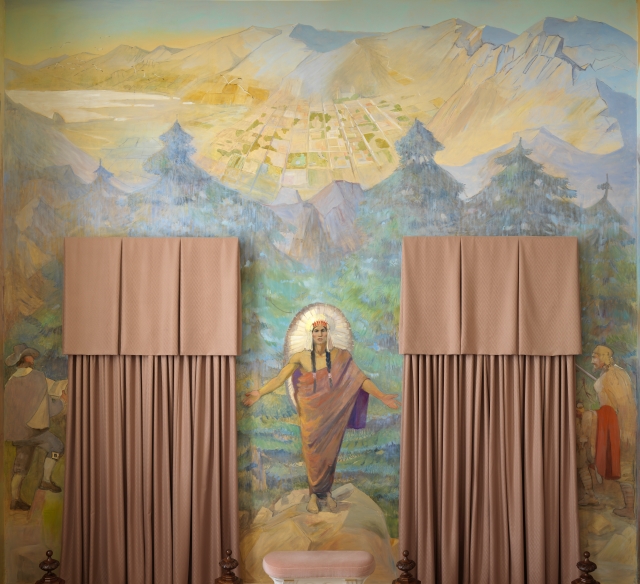
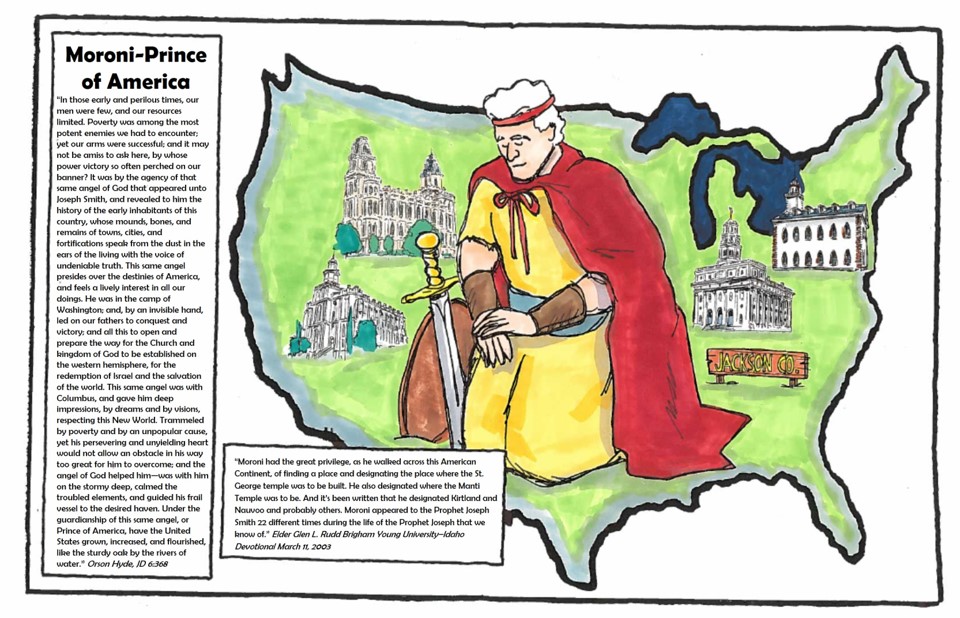 Art by Val Chadwick Bagley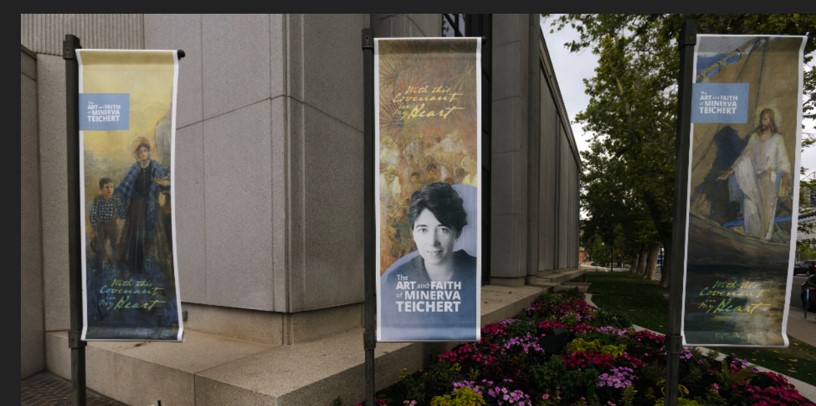

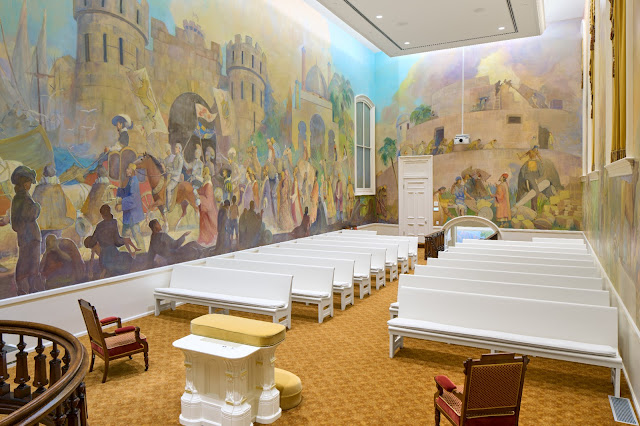


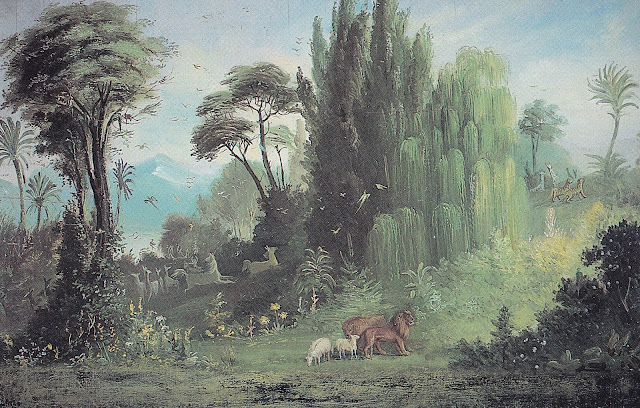
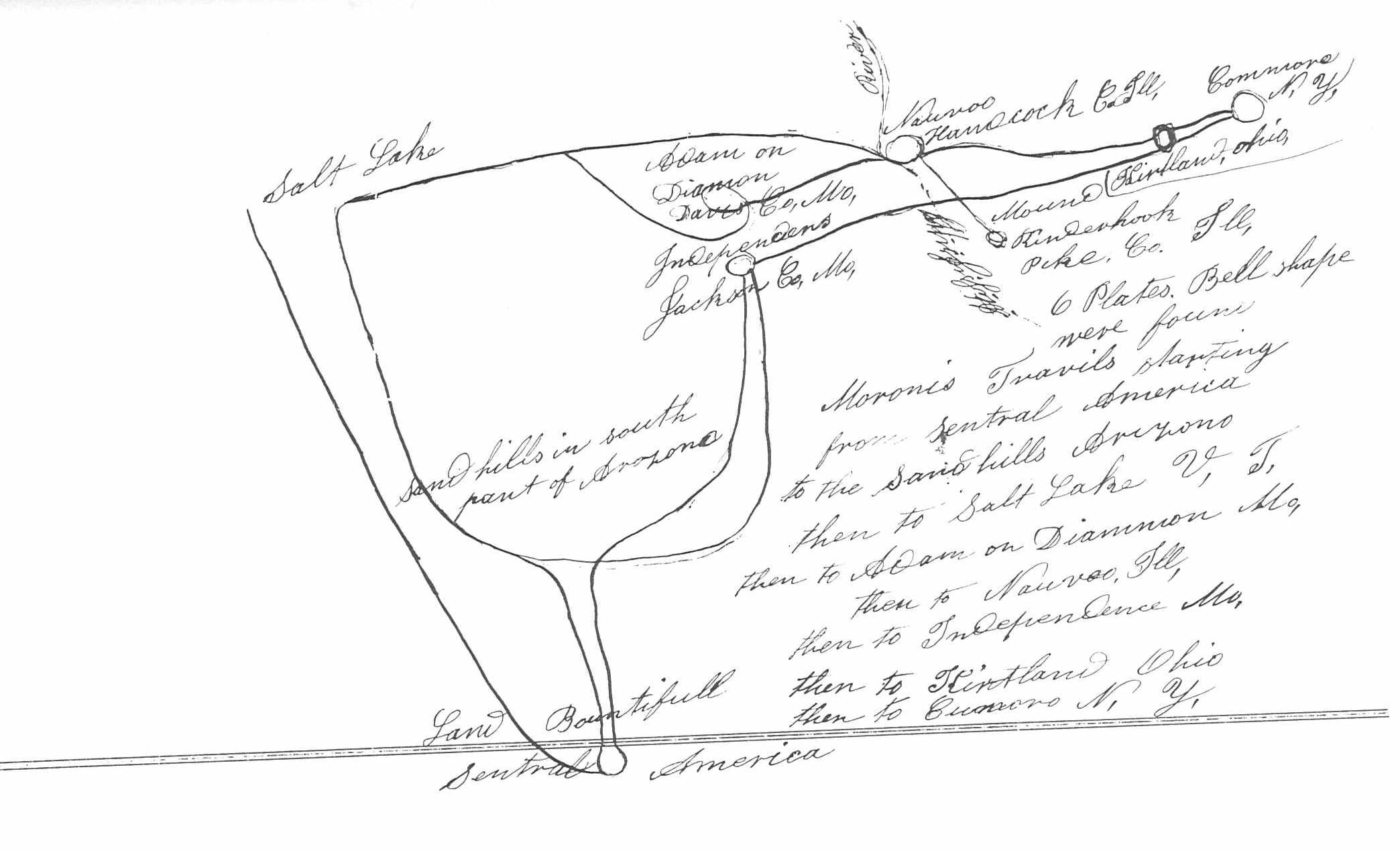


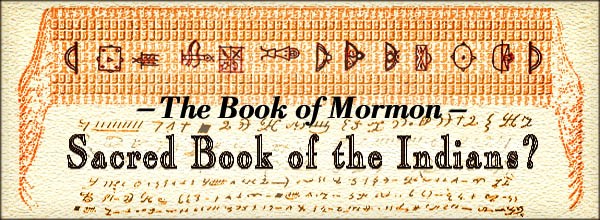
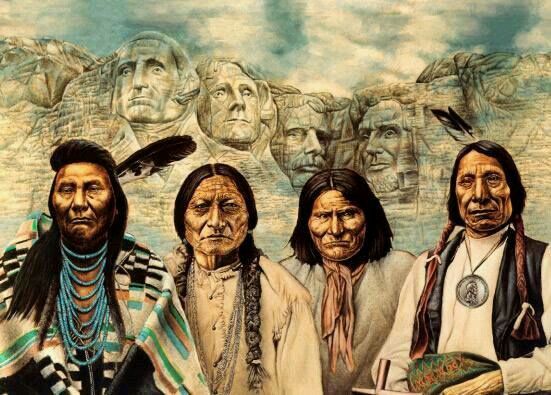
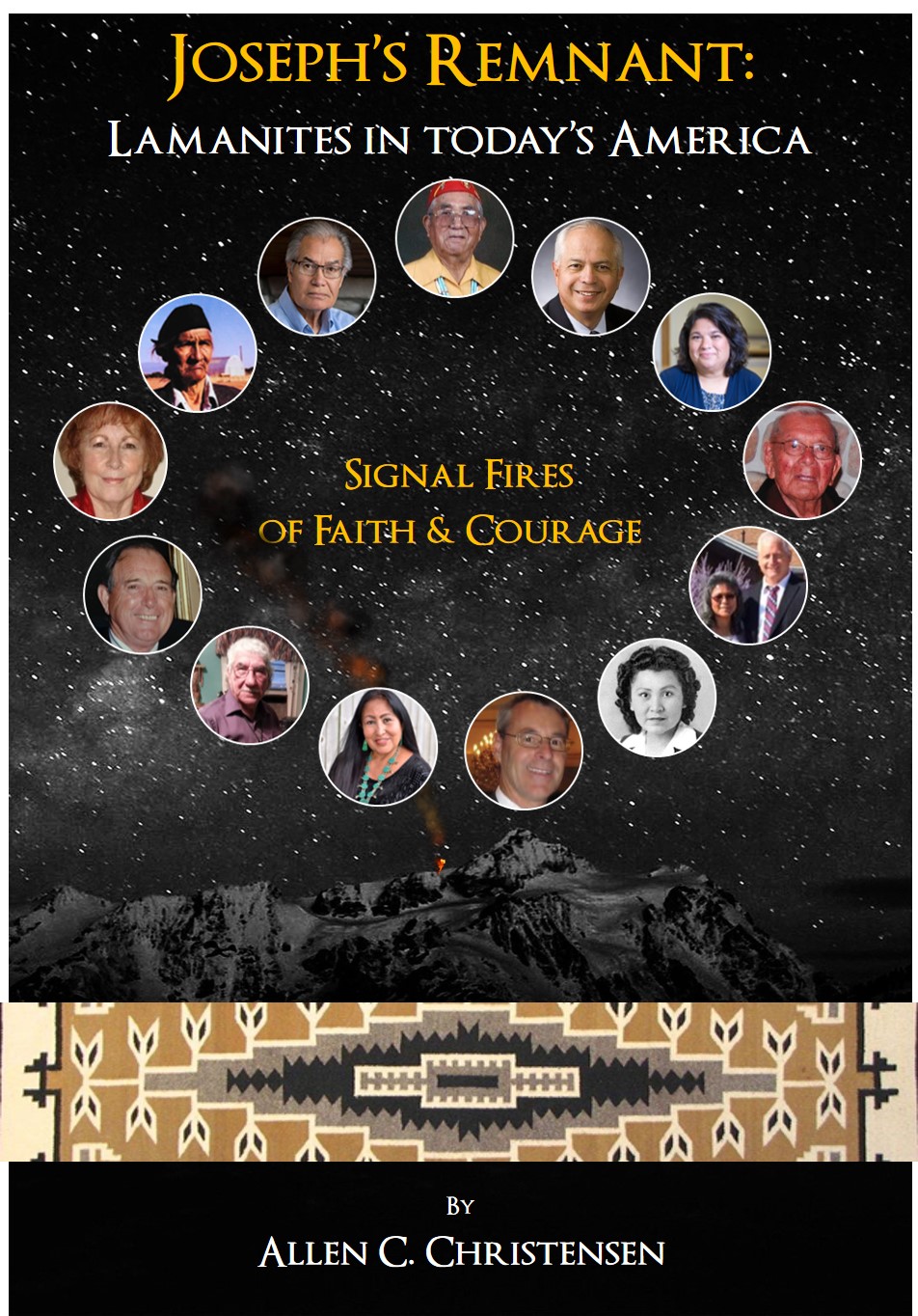
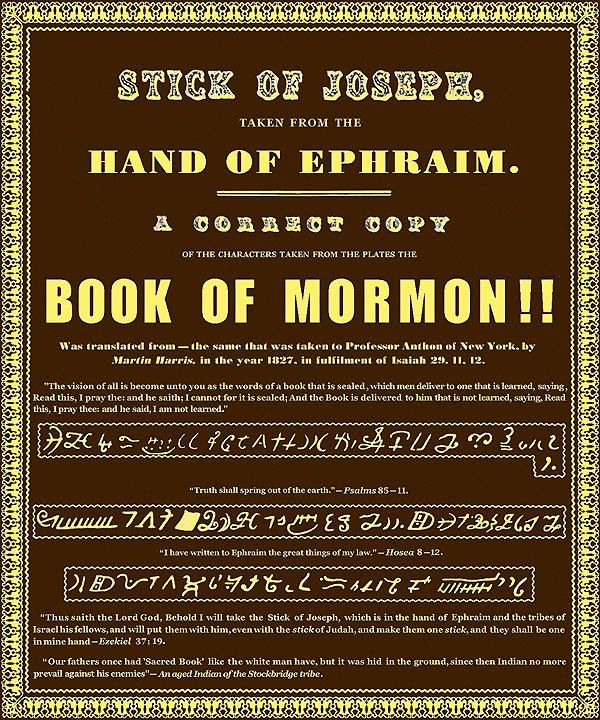
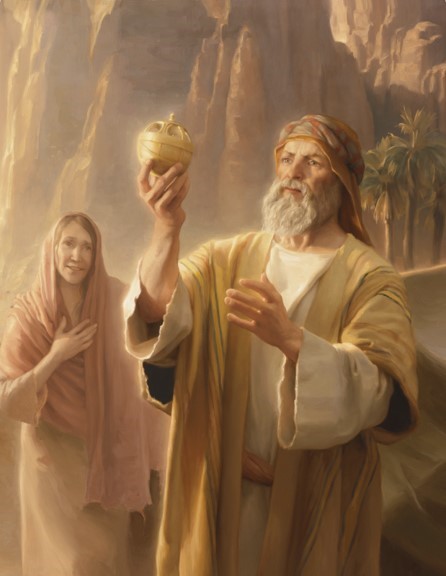
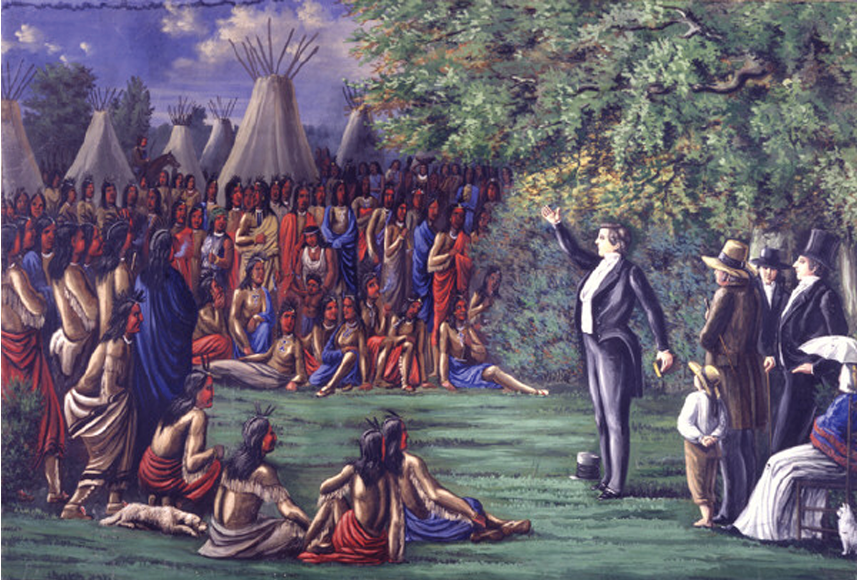 But what did he see in the way of fulfillment for his efforts? In mortality he saw very little, but in vision he must have
 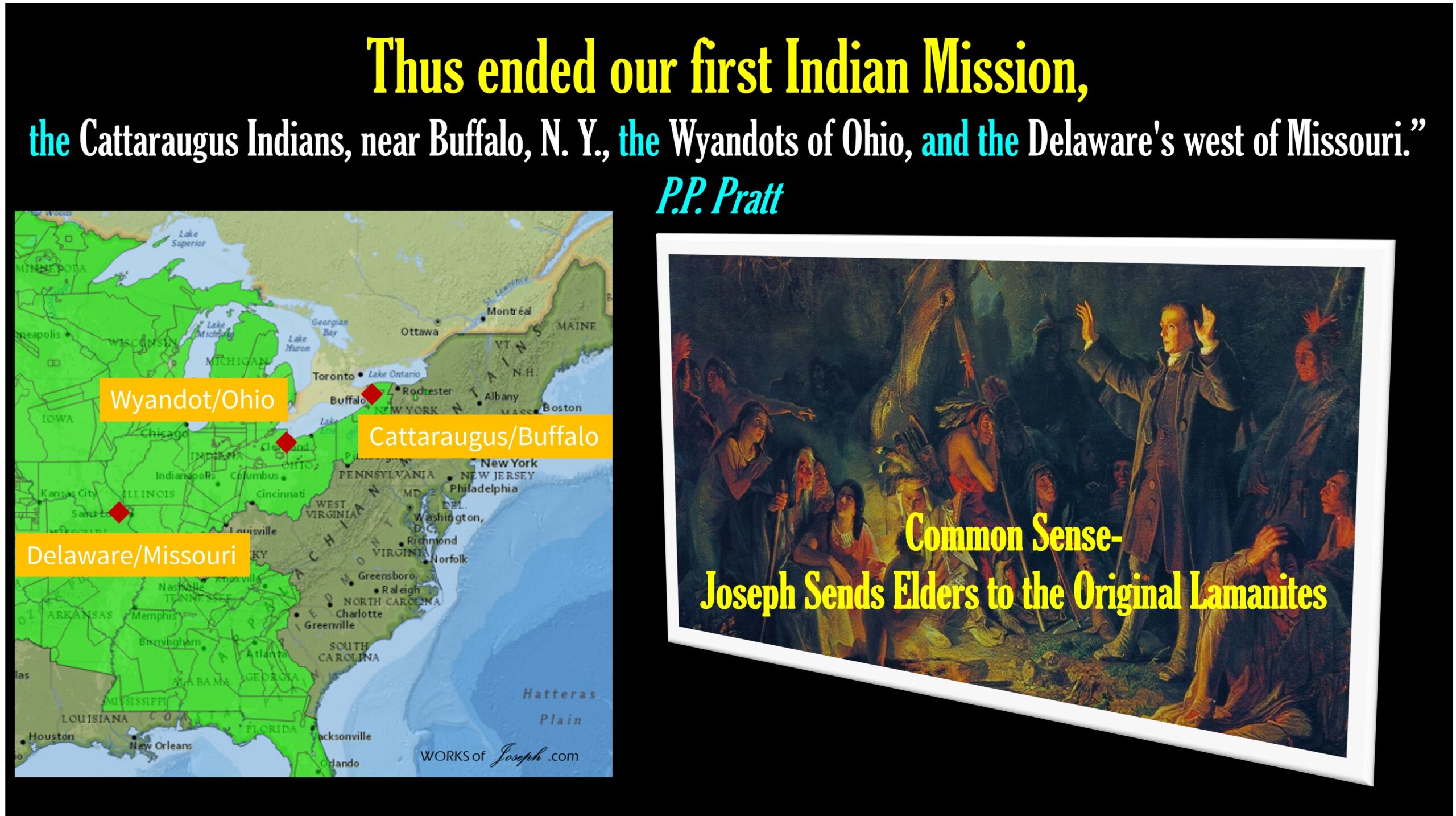 Elder Reynolds is not exactly specific about which “Mr. C. Colton” he is quoting from. He says he is referring to a certain 1833 “book published in London… on the origin of the American Indians.” Luckily only one book fits that description. Two other LDS writers provide its title, after quoting from the same text:


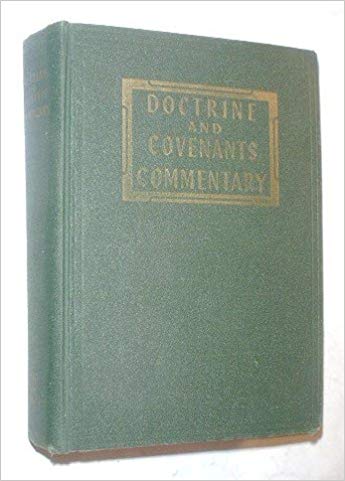
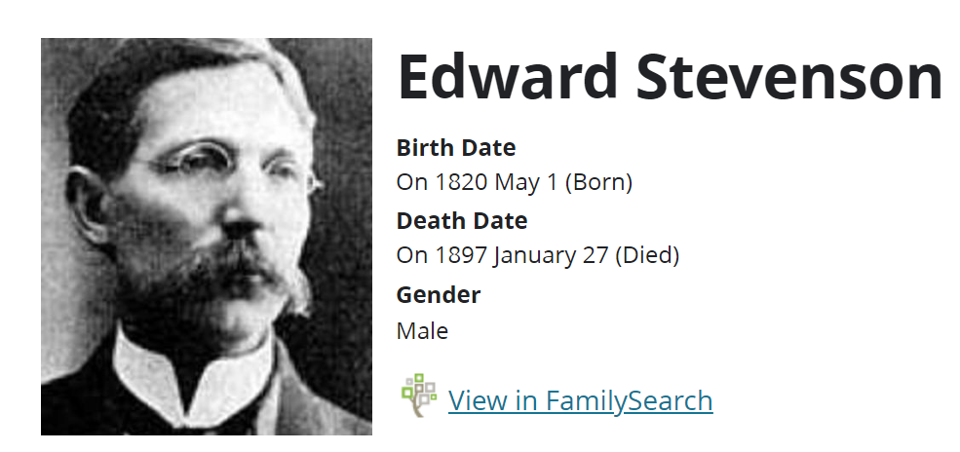

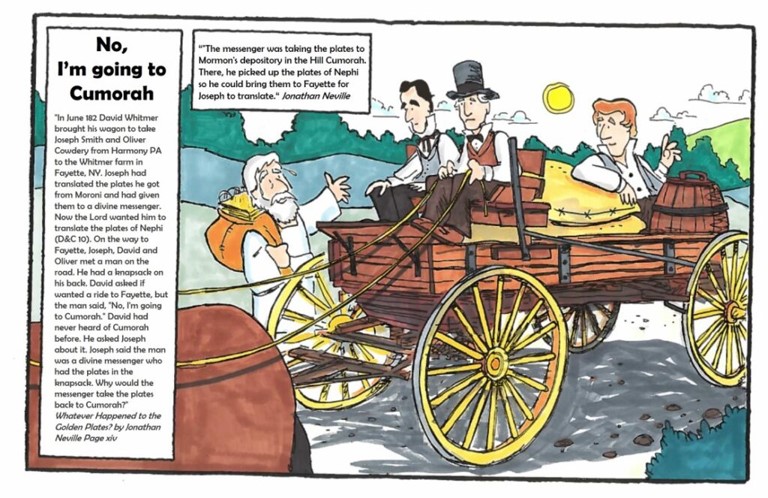
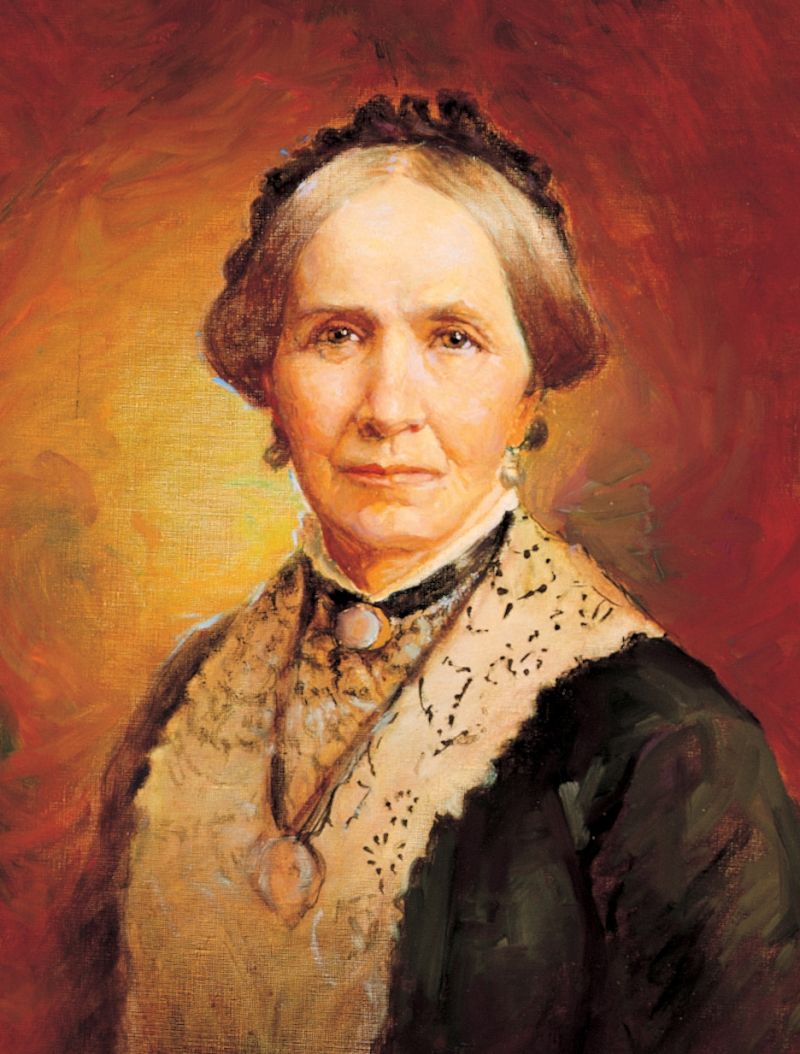 What I find fascinating is that Zina Young asked Stevenson to ask David Whitmer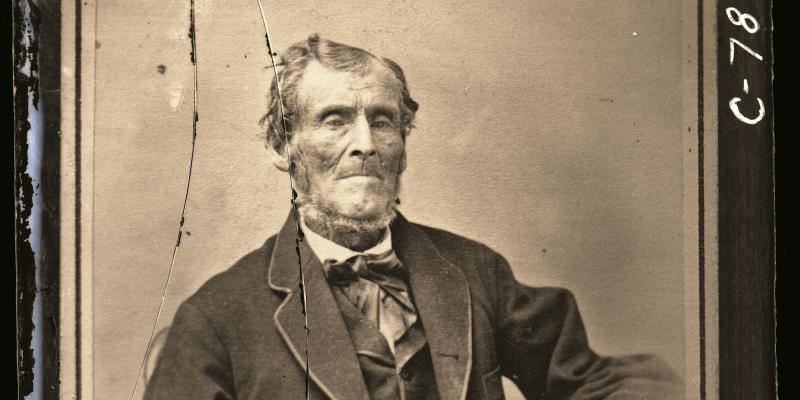
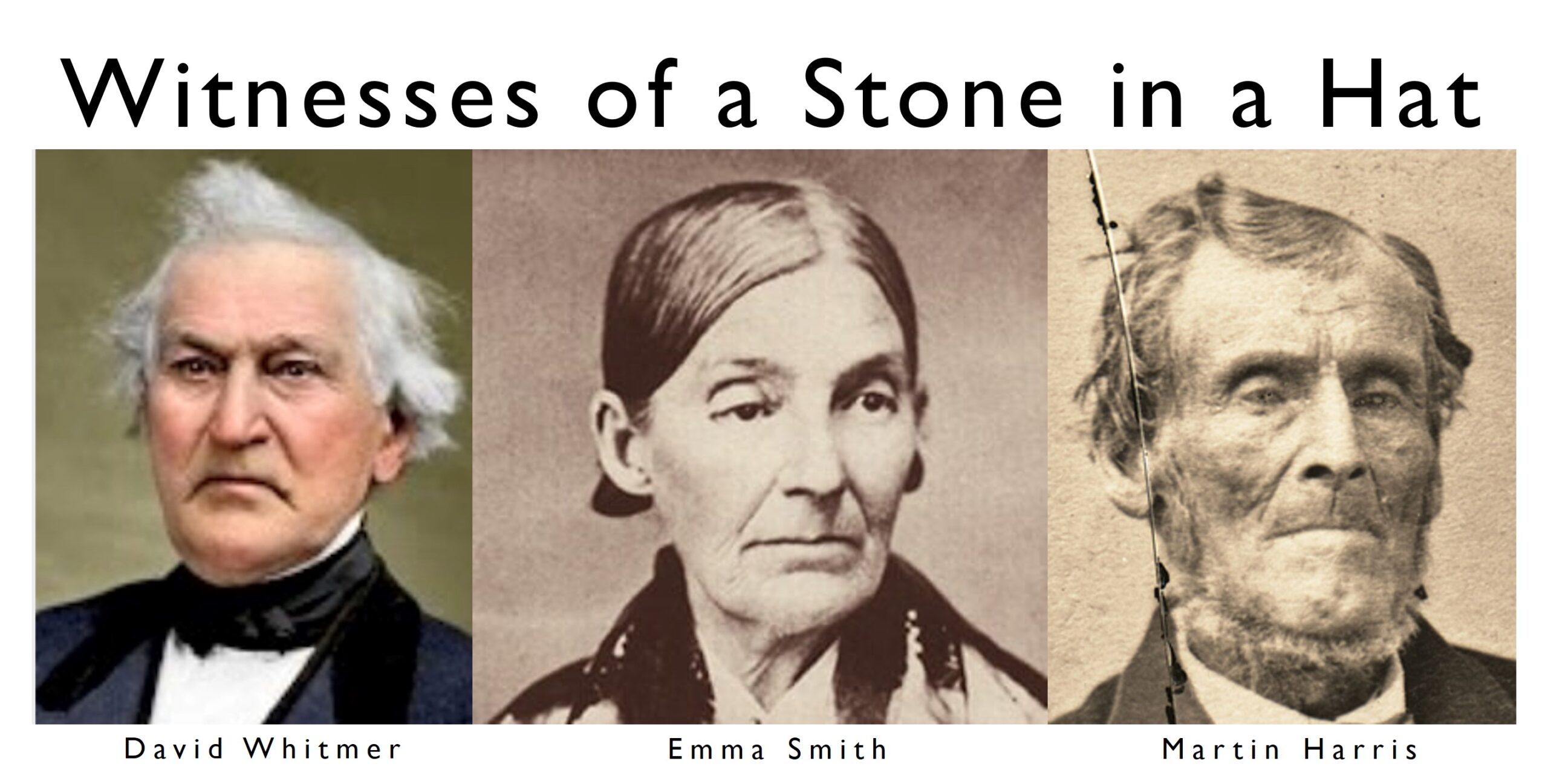 avid Whitmer, circa 1855
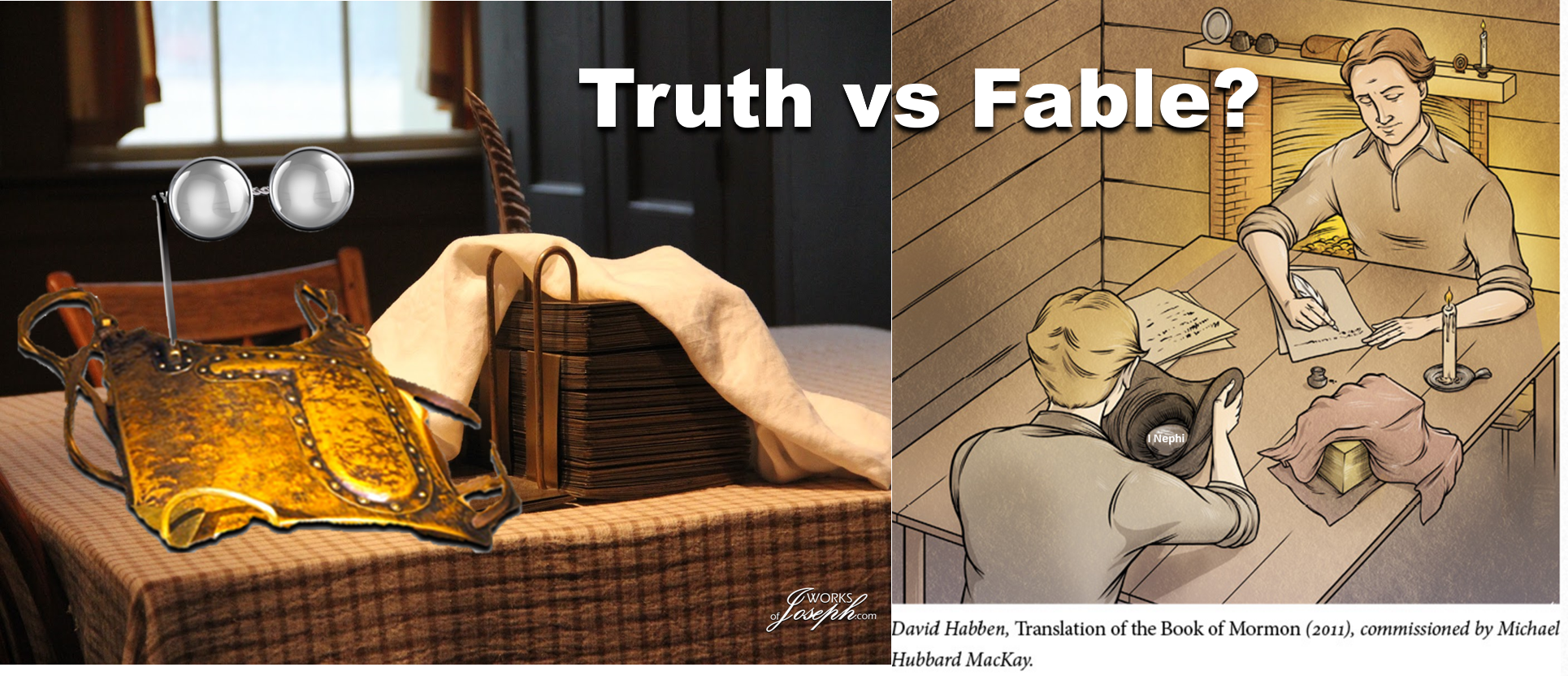 5’10” Heavy Set Old Man Brother Nephi, one of the Three Nephites?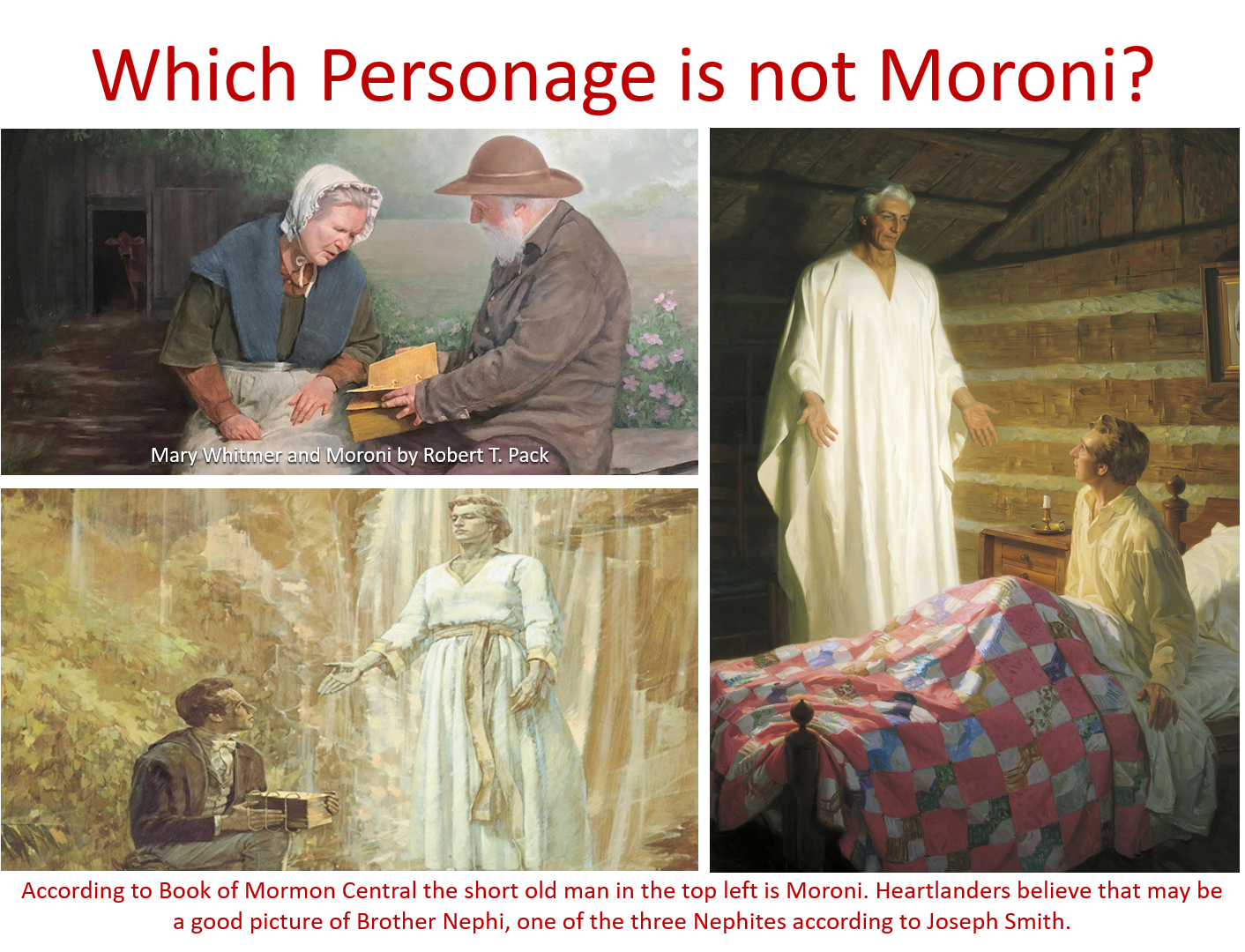
 Blog about
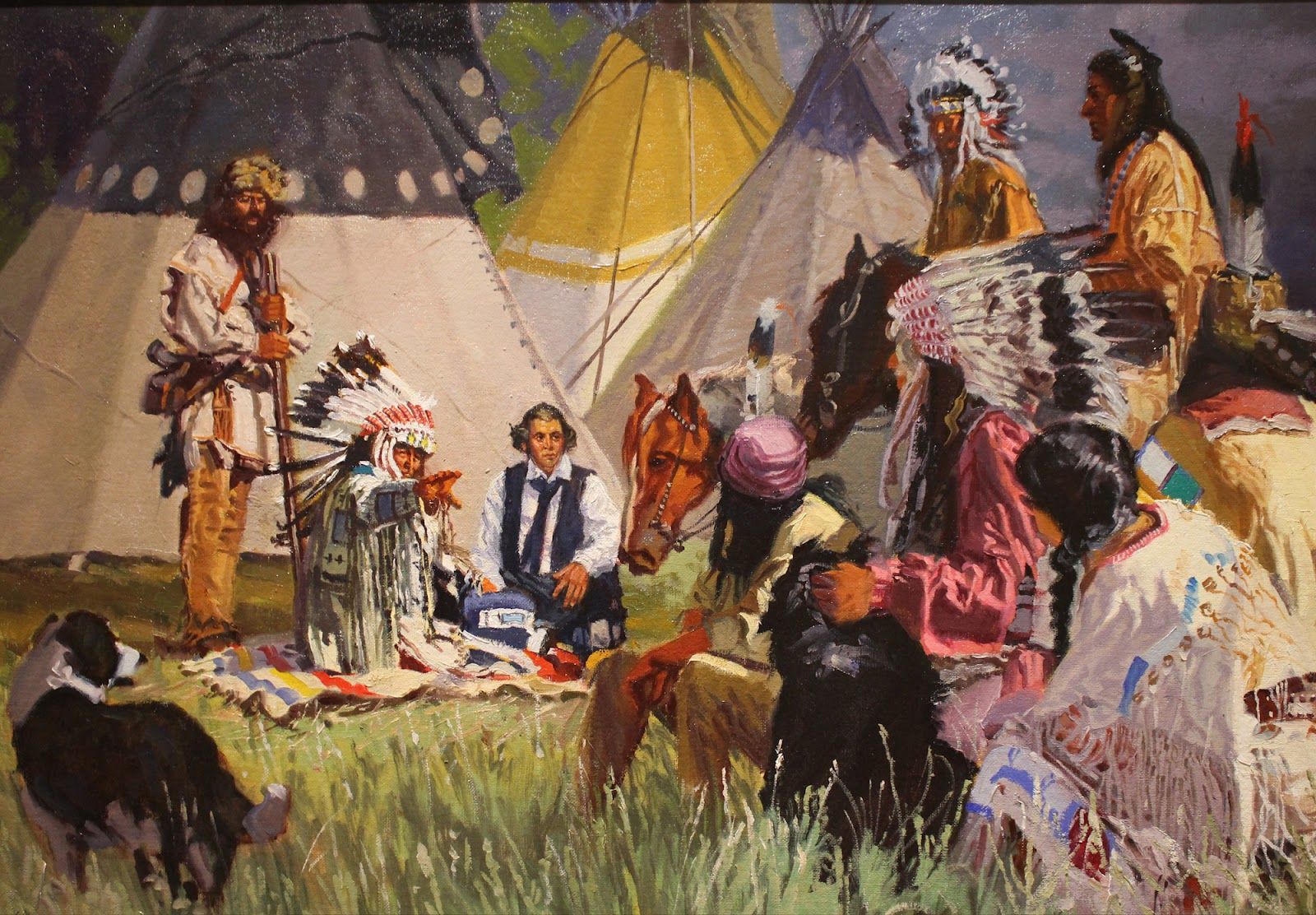
 Each exemplary follower of Jesus Christ can become an effective member missionary. Members and full-time missionaries may walk arm in arm in bringing the blessings of the gospel to cherished friends and neighbors.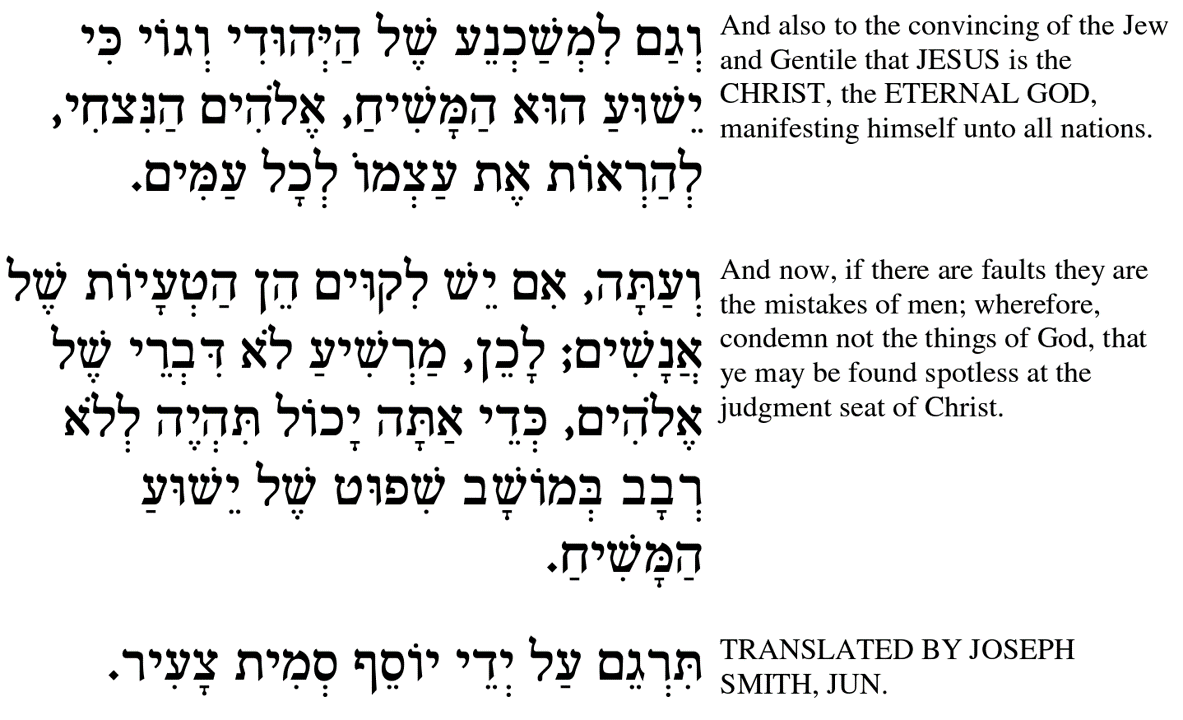
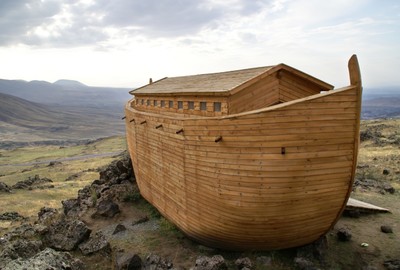
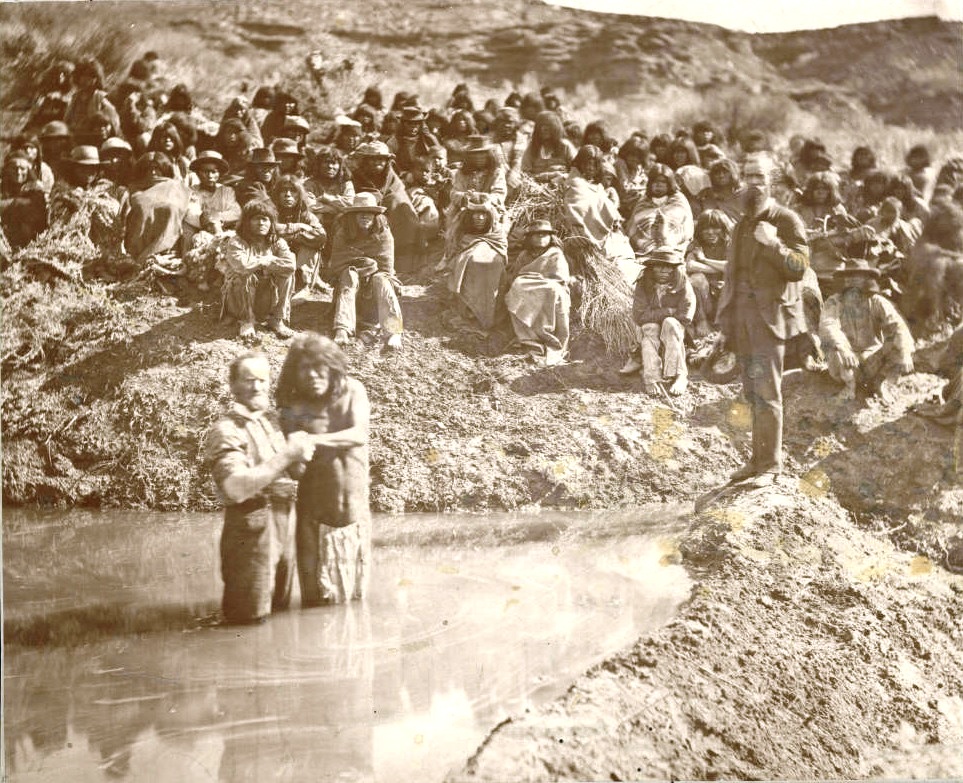
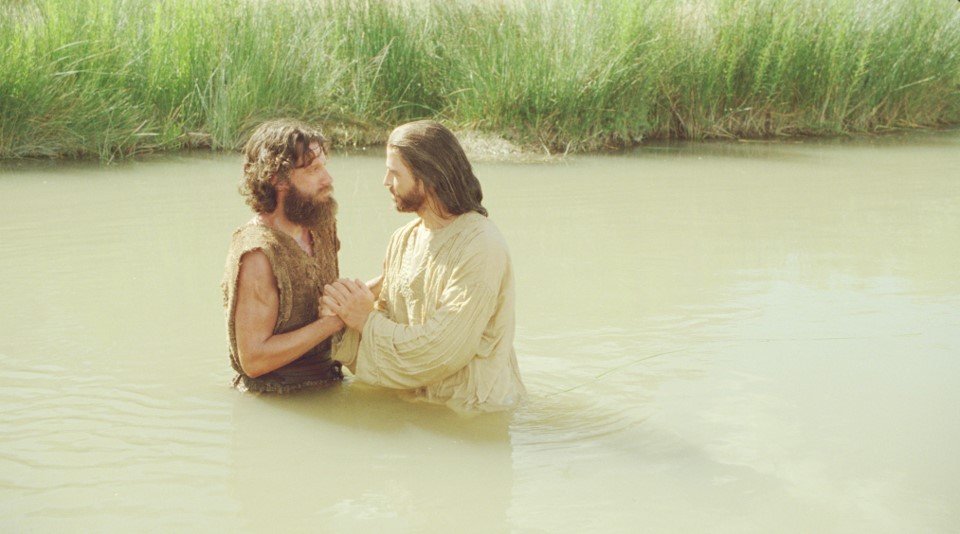
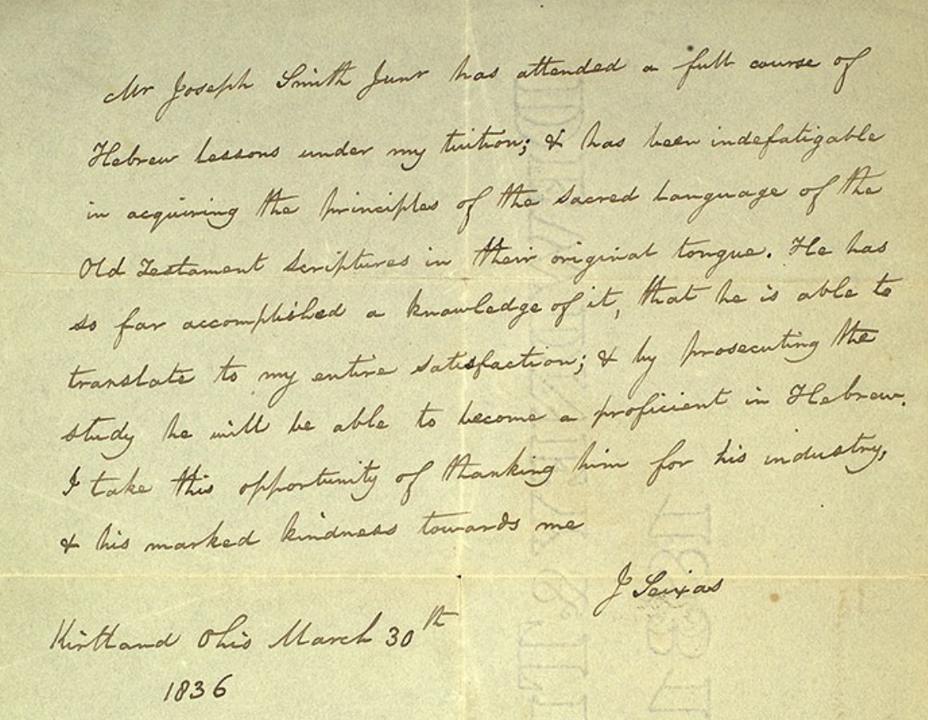
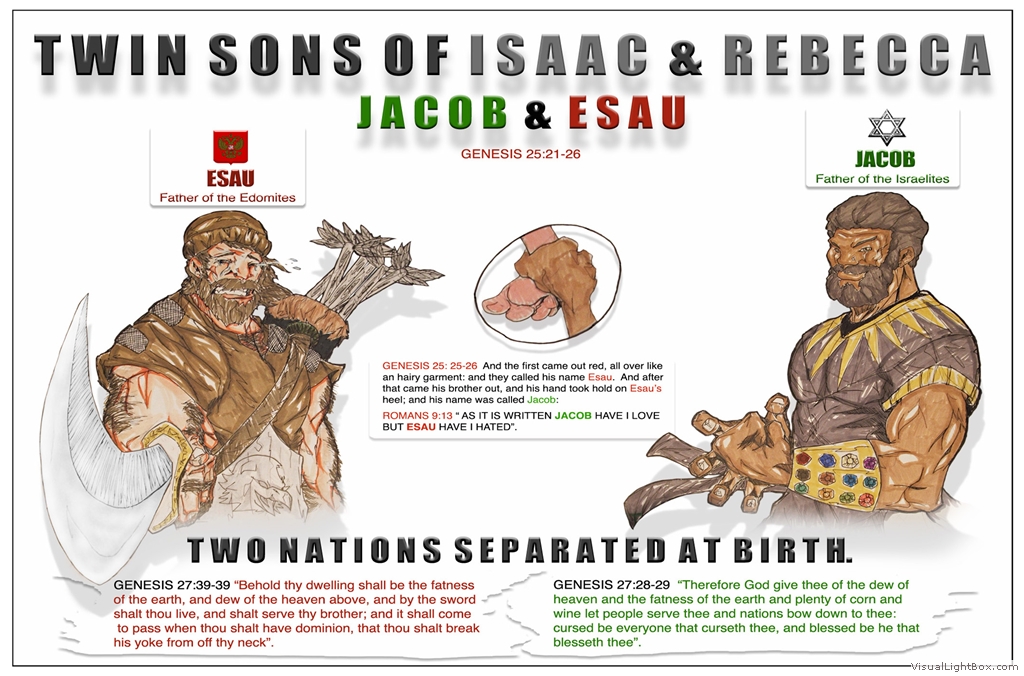
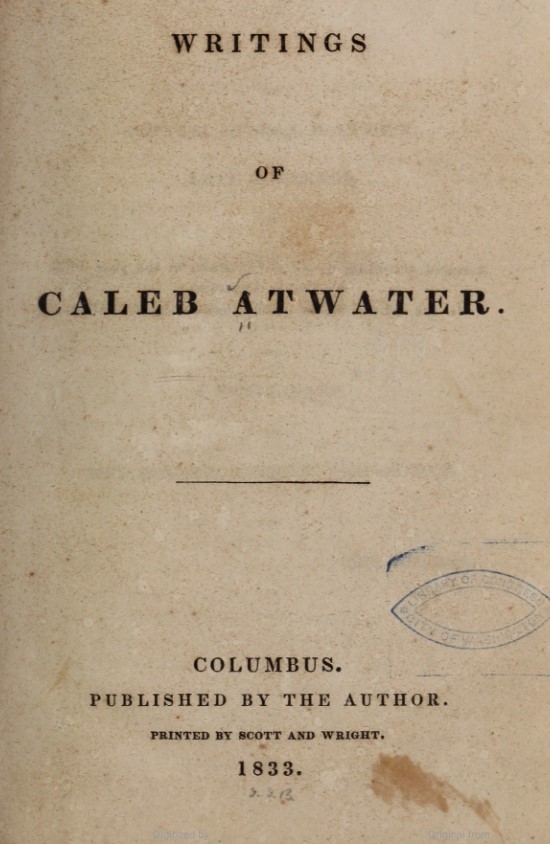 Entered according to act of Congress, in the year 1833, by Caleb Atwater, In the Clerk’s Office of the District Court of Ohio. TO GENERAL DUNCAN McARTHUR, LATE GOVERNOR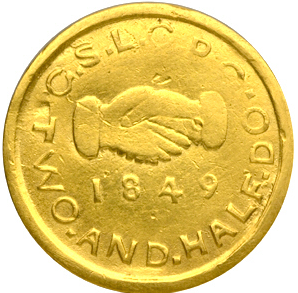
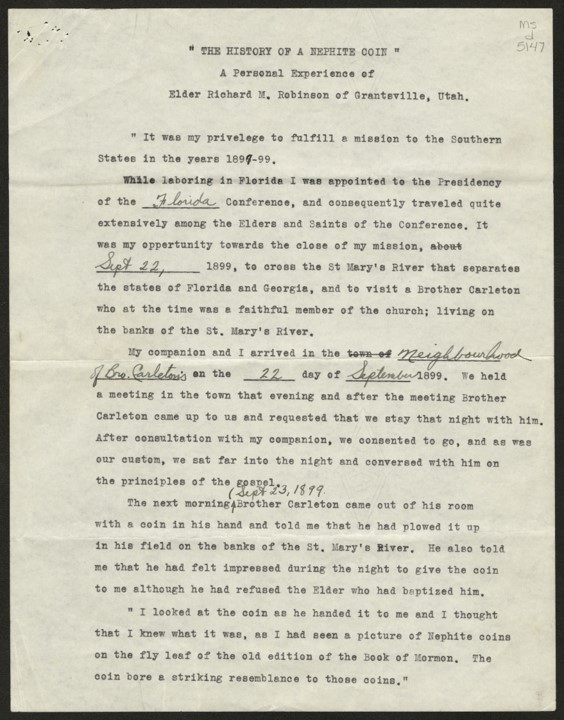



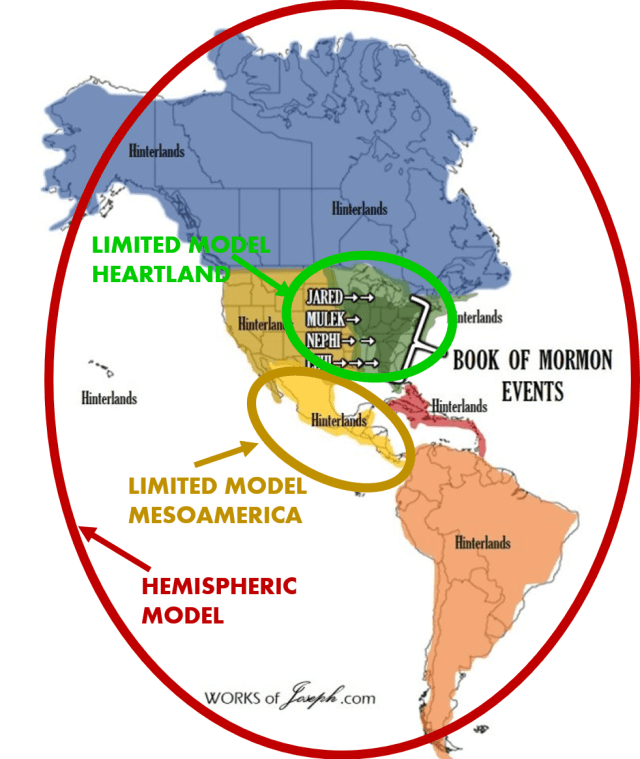 the Lamanites are, and where they lived, has been a topic of interest for many years in The Church of Jesus Christ of Latter-day Saints. I was taught in the 1970’s what is called the “Hemispheric Model” about the Book of Mormon. (Map Left)
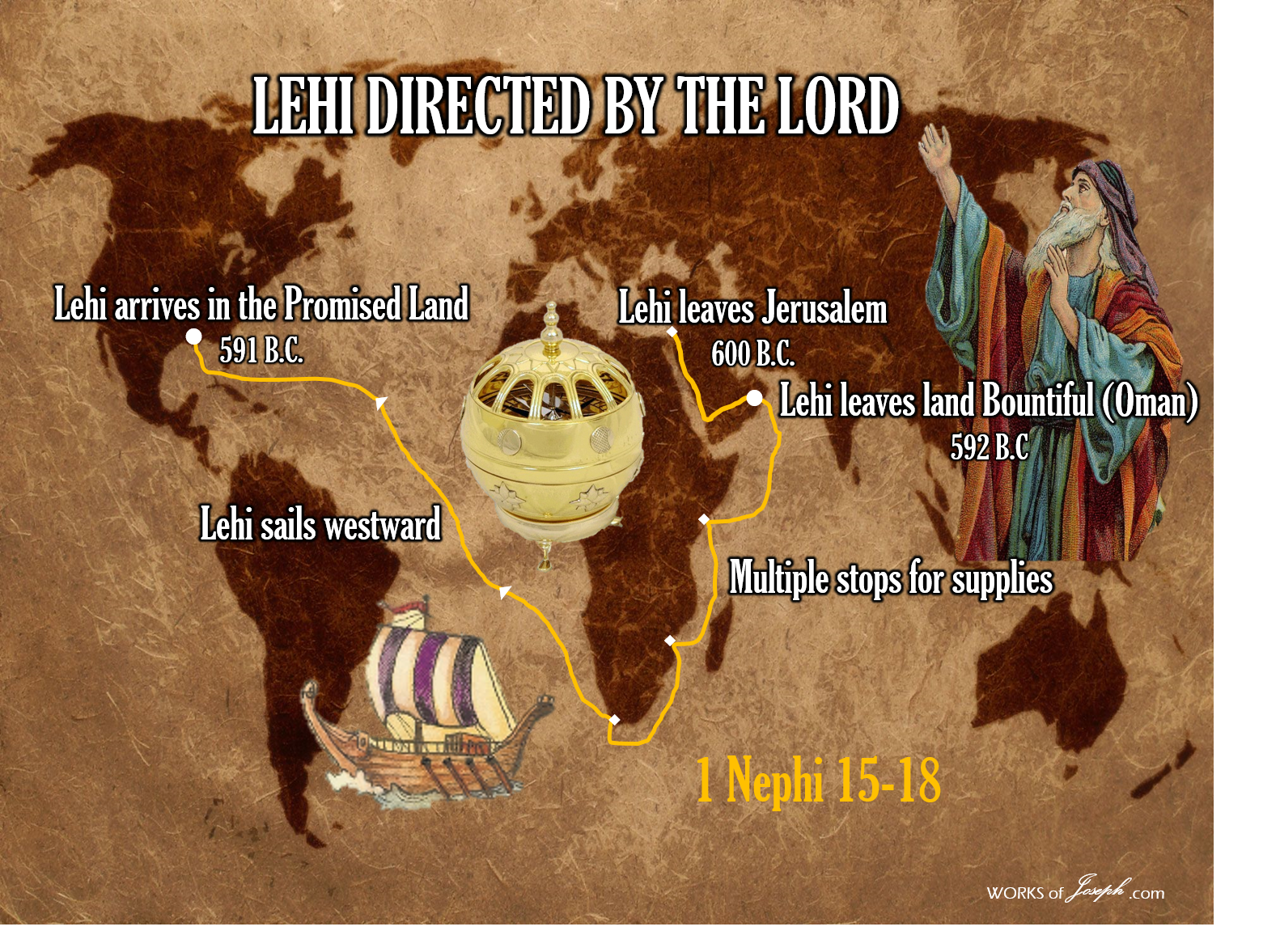 Heartlanders believe after landing near Tallahassee, Florida, the Nephites escaped from Laman and Lemuel north possibly on the Chattahoochee River that goes all the way through Unicoi Gap, GA into Tennessee, then on the Tennessee River north to Missouri, and traveling east across what Joseph Smith called “Plains of the Nephites, (JS Papers) Indiana, Illinois, and Ohio and ended at NY Cumorah. (This is the same pattern as the Ancient Hopewell Culture who historically traveled that same route and direction from 550 BC to 400 AD). Our friend Philip Beale estimates the time to accomplish this route in a sailing ship to be 4 to 6 months. Philip has proven that on two different voyages, one in 2009 and the other in 2020 in a replica Phoenicia sailing ship.


 The Book of Mormon text mentions only one site–Cumorah–that relates to a modern location. Cumorah is where the last great battles were fought, and is also the place where Joseph Smith obtained the plates. Some people believe there is one Cumorah; others believe there are two, one in New York and another–the scene of the last battles–in Mesoamerica. This raises the question, how did Joseph Smith’s Cumorah end up in Mesoamerica?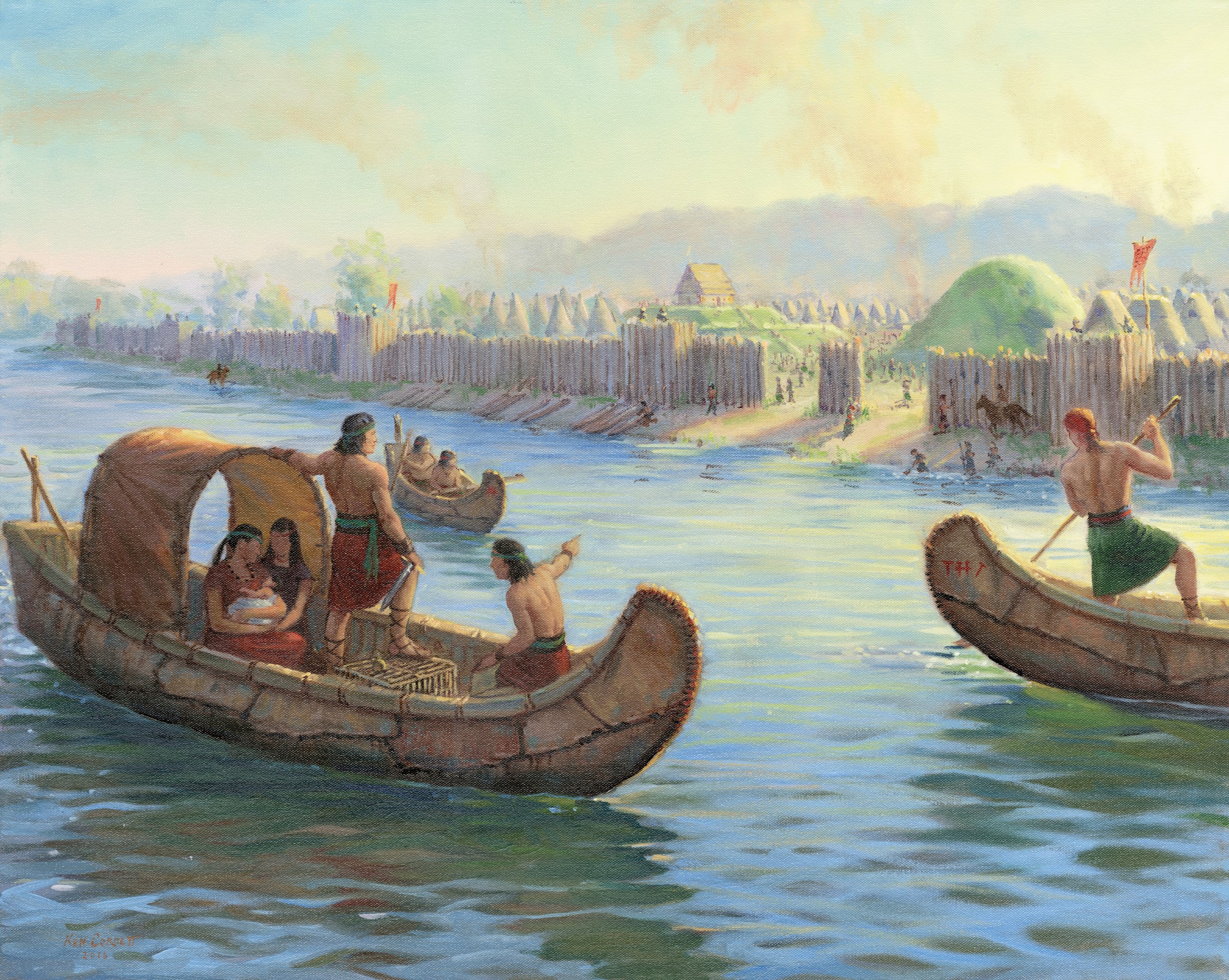
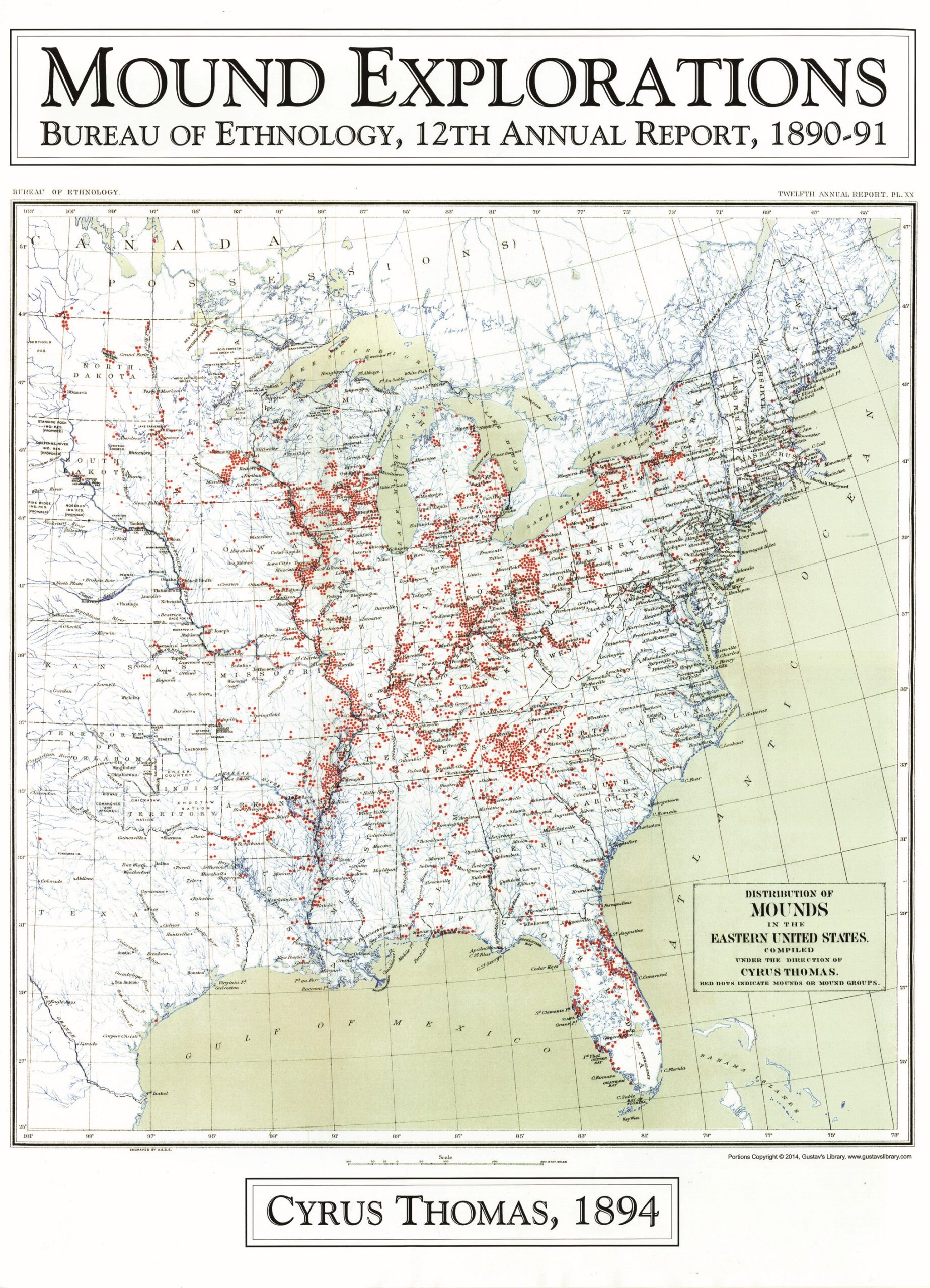

 Although he is mostly forgotten now, Benjamin Winchester was well known in the early days of the Church. He had been the youngest adult (age 16) on Zion’s Camp in 1834. He had been ordained an Elder and a Seventy by the age of 20. He had been present when the original members of the Quorum of the Twelve were chosen and ordained. Along with them, he had received a blessing and a promise that he “shall push many people to Zion.” In fulfillment of that blessing, he became a zealous missionary–successful enough that the Times and Seasons published an account of his missionary work in its very first issue in 1839.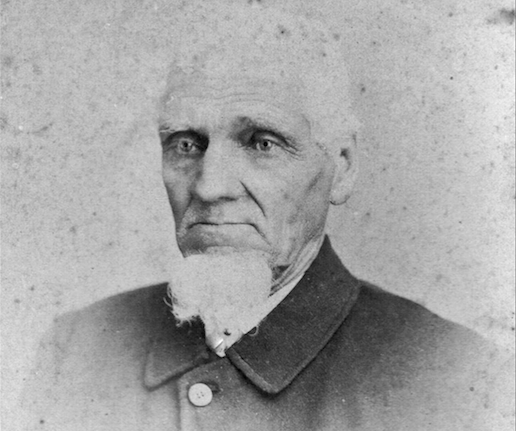
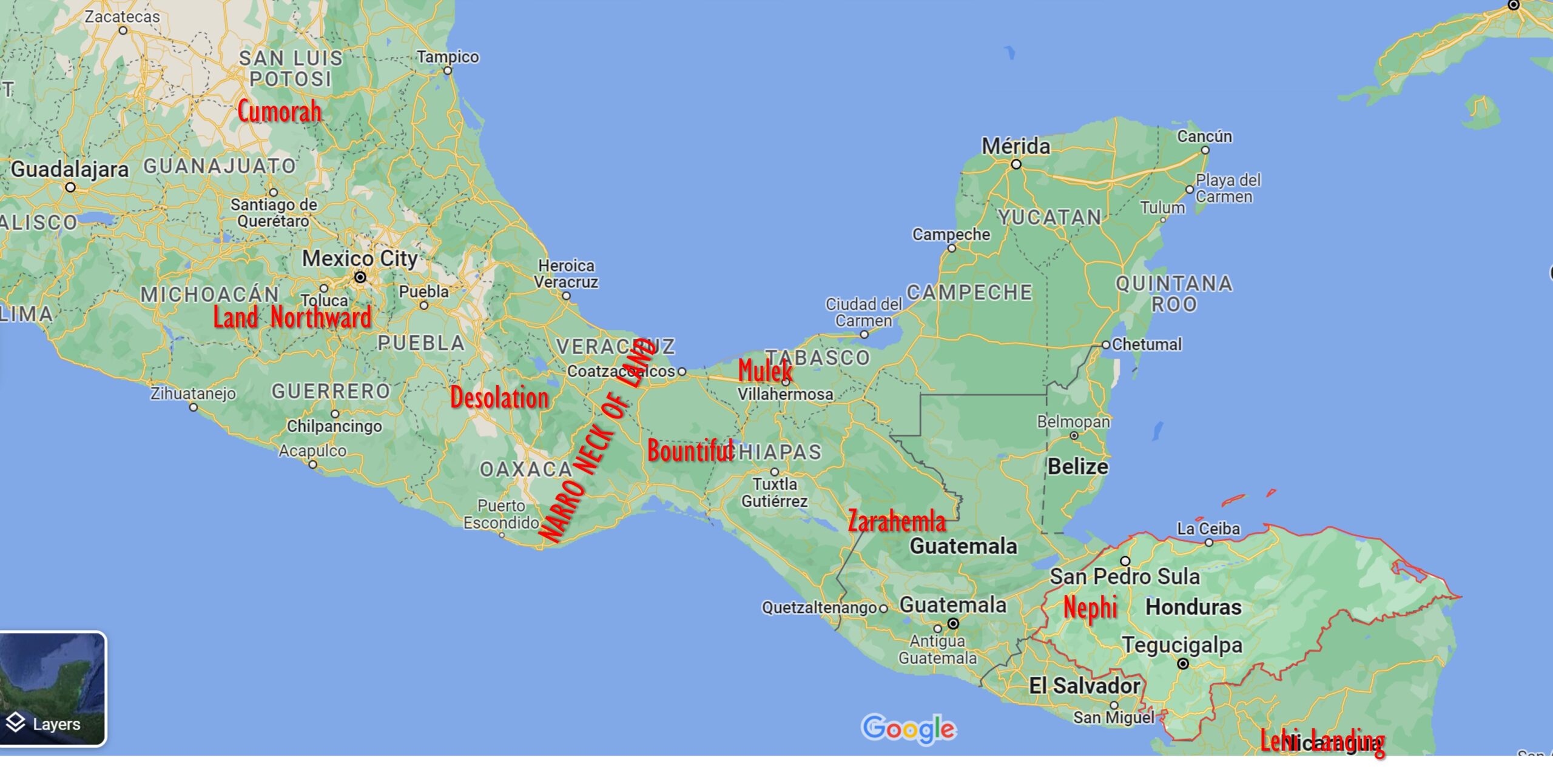 For 173 years, faithful Mormons have been searching in Mesoamerica for evidences of the Book of Mormon. Scientific expeditions have been conducted. Books have been published, films produced, tours undertaken, and artwork and photos created and displayed, not only in chapels and temples but in the pages of the Book of Mormon itself. And yet, after all this time, energy and expense, not a single piece of evidence of the Book of Mormon civilizations has been discovered in Mesoamerica. At best, scholars find parallels and similarities. They’ve made an honest and sincere–but terribly costly–mistake.
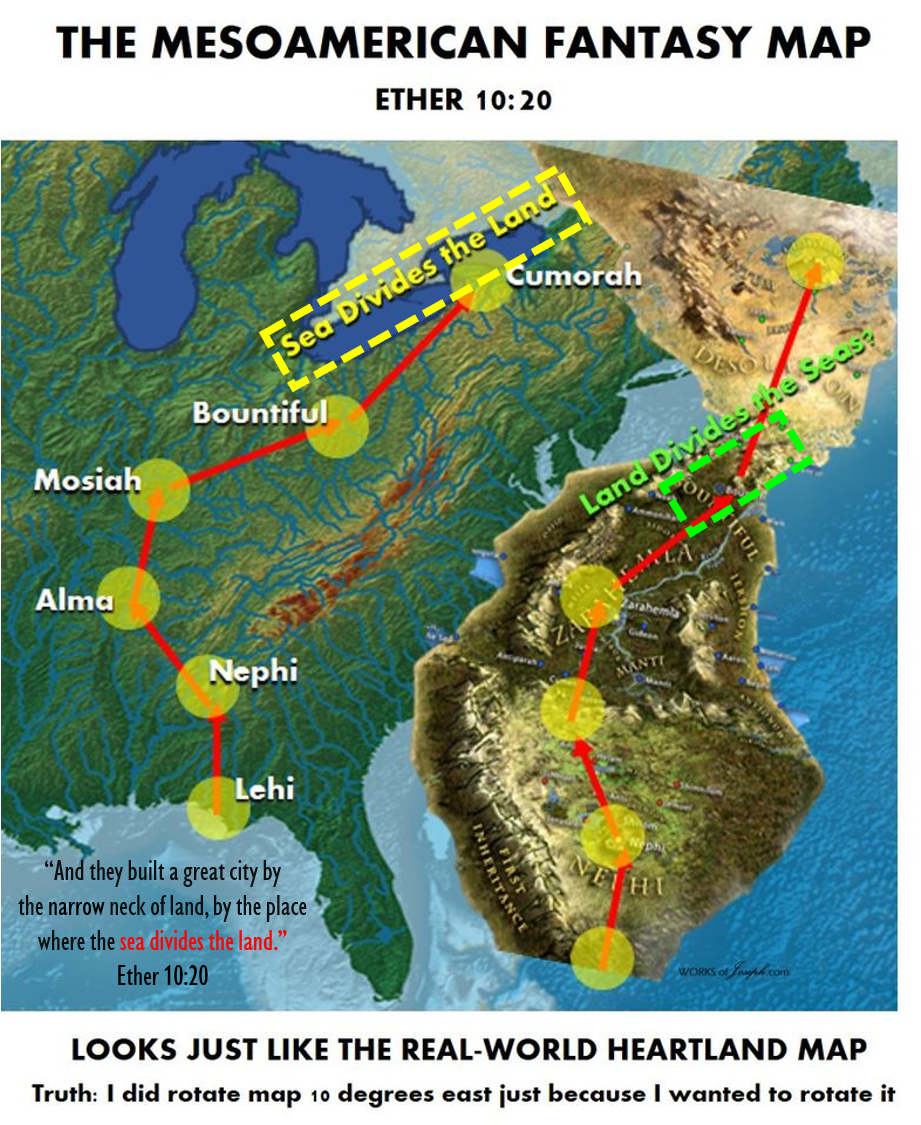
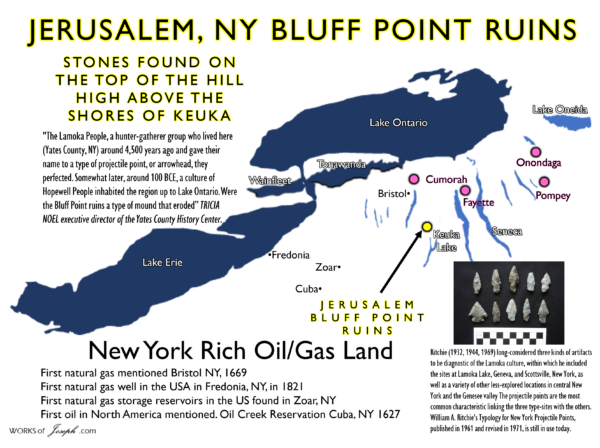
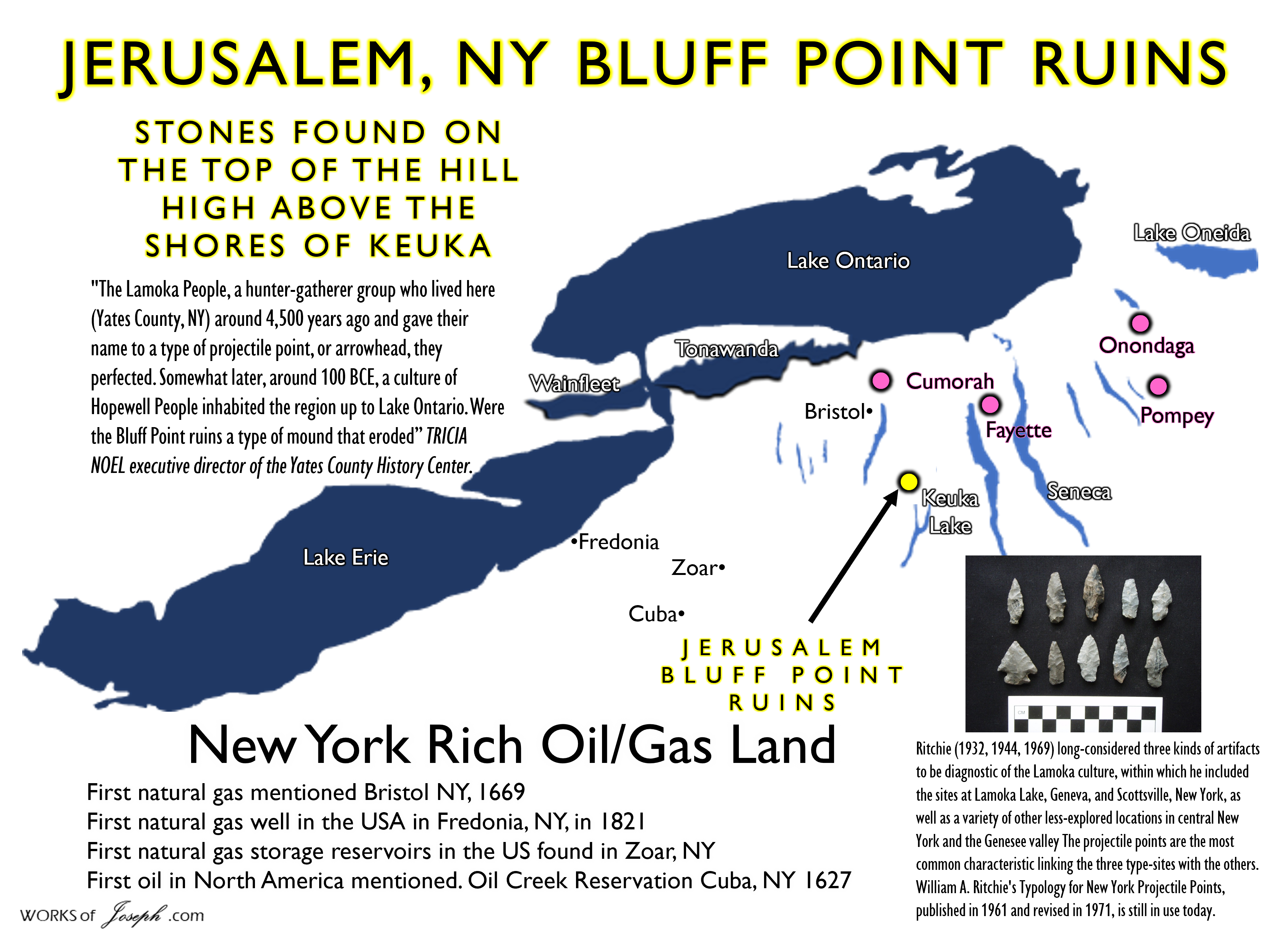
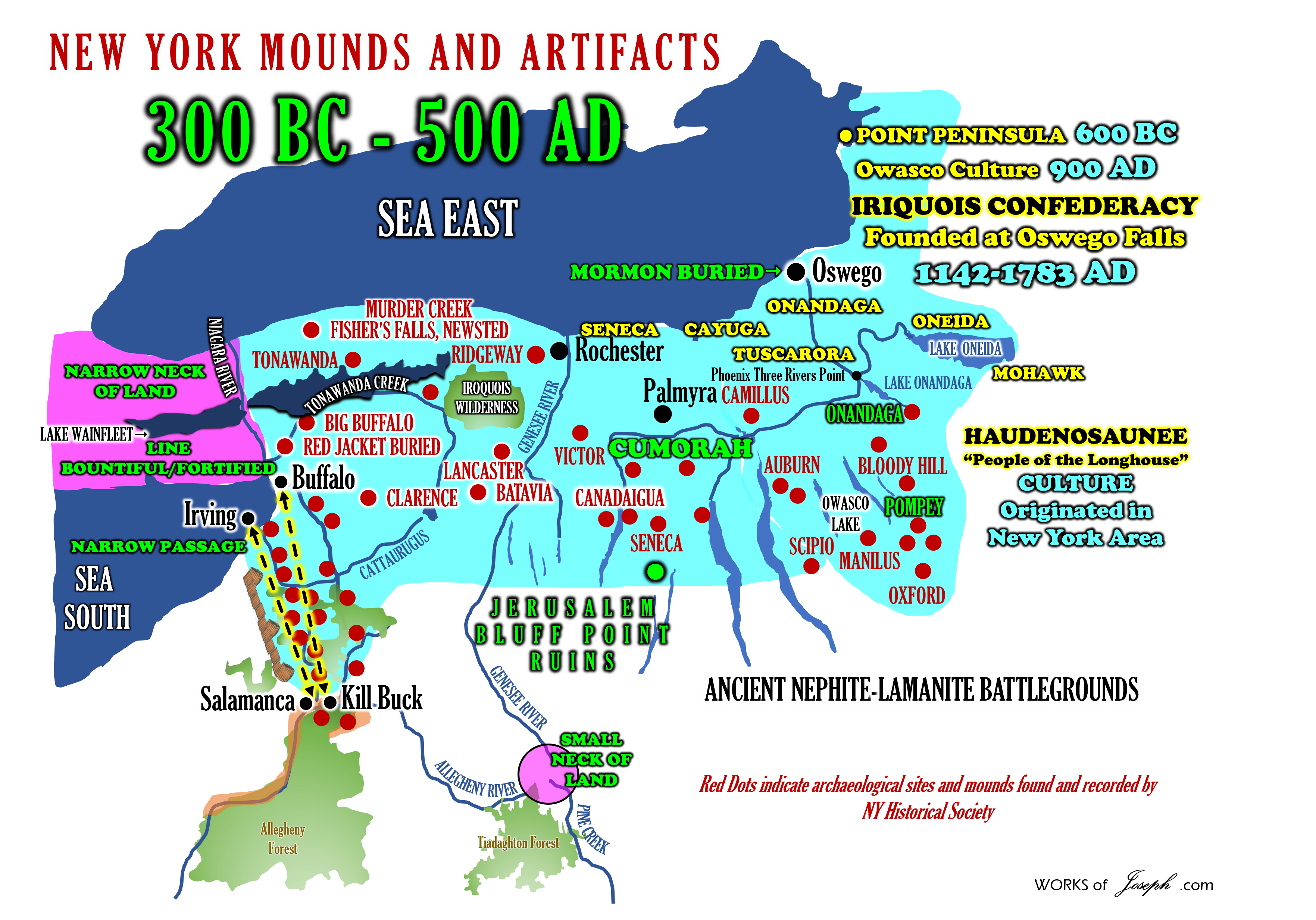
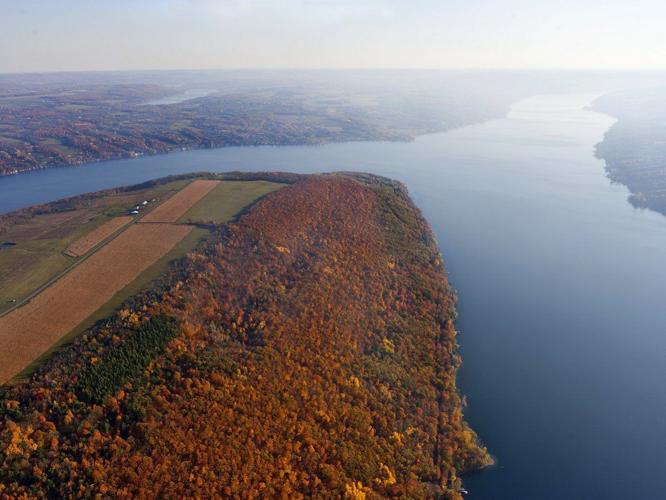
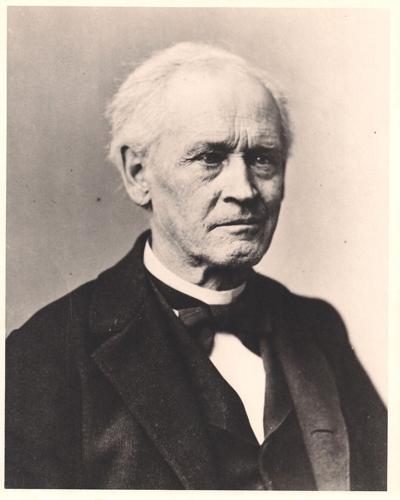
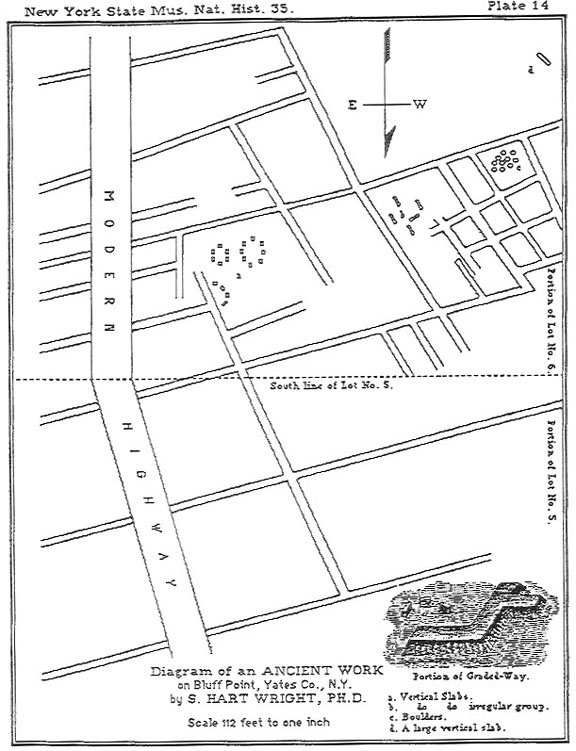
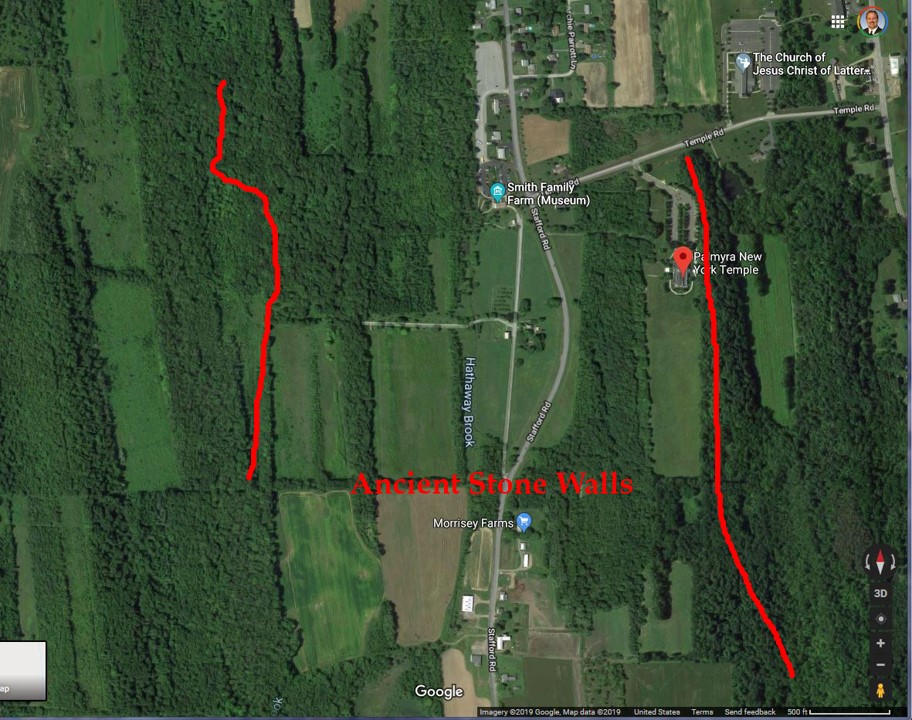
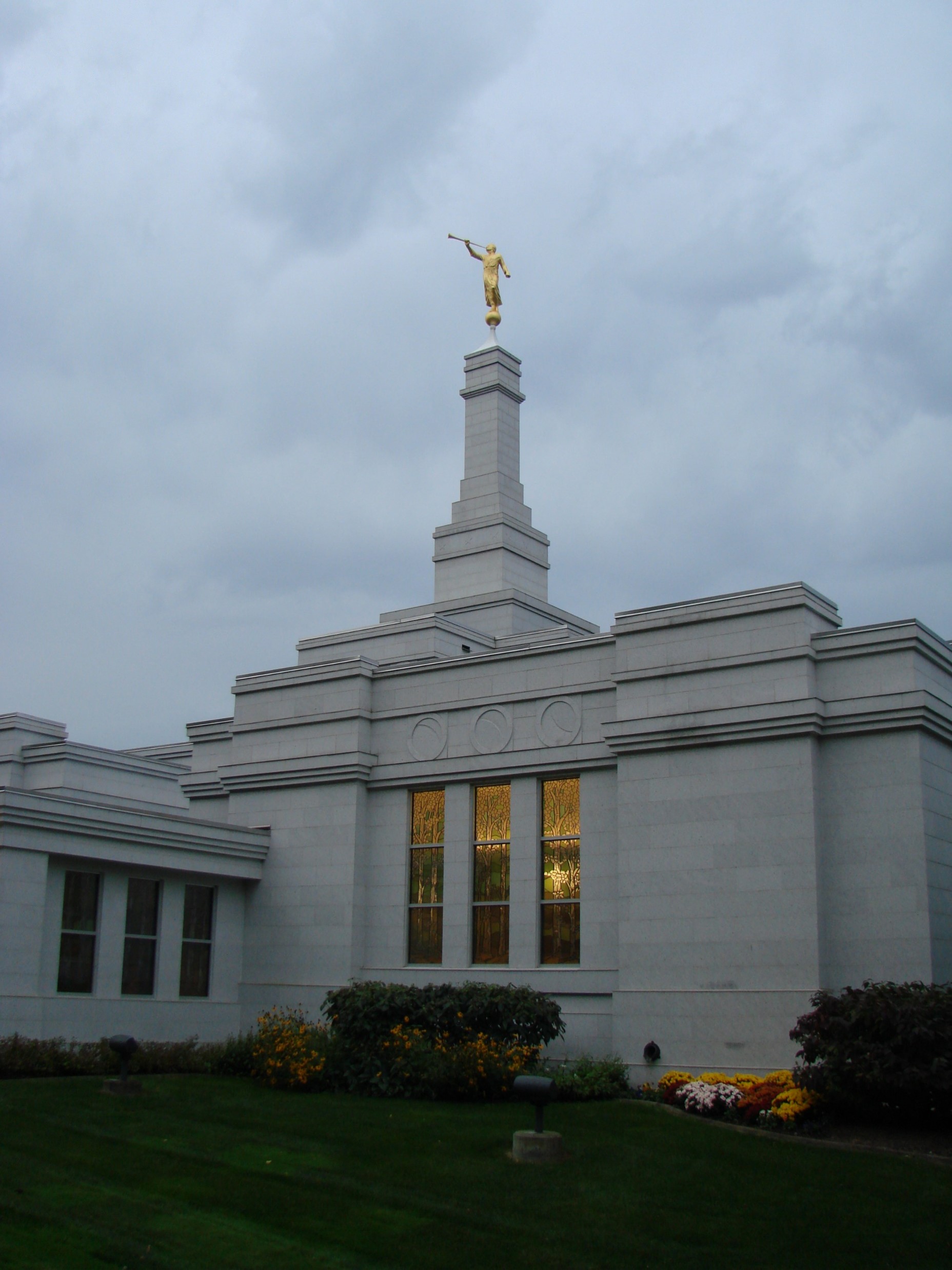
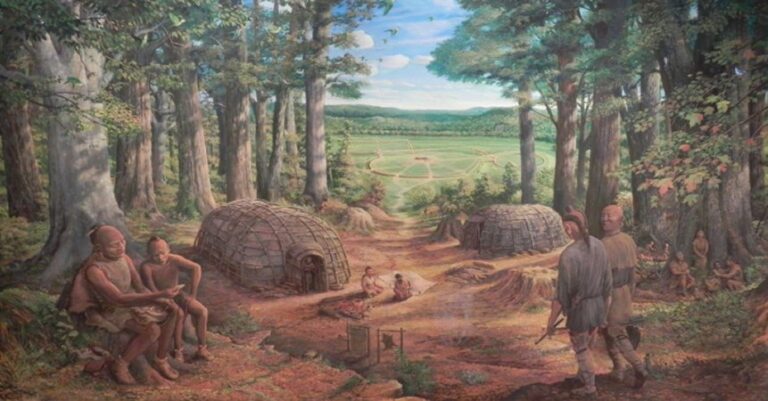
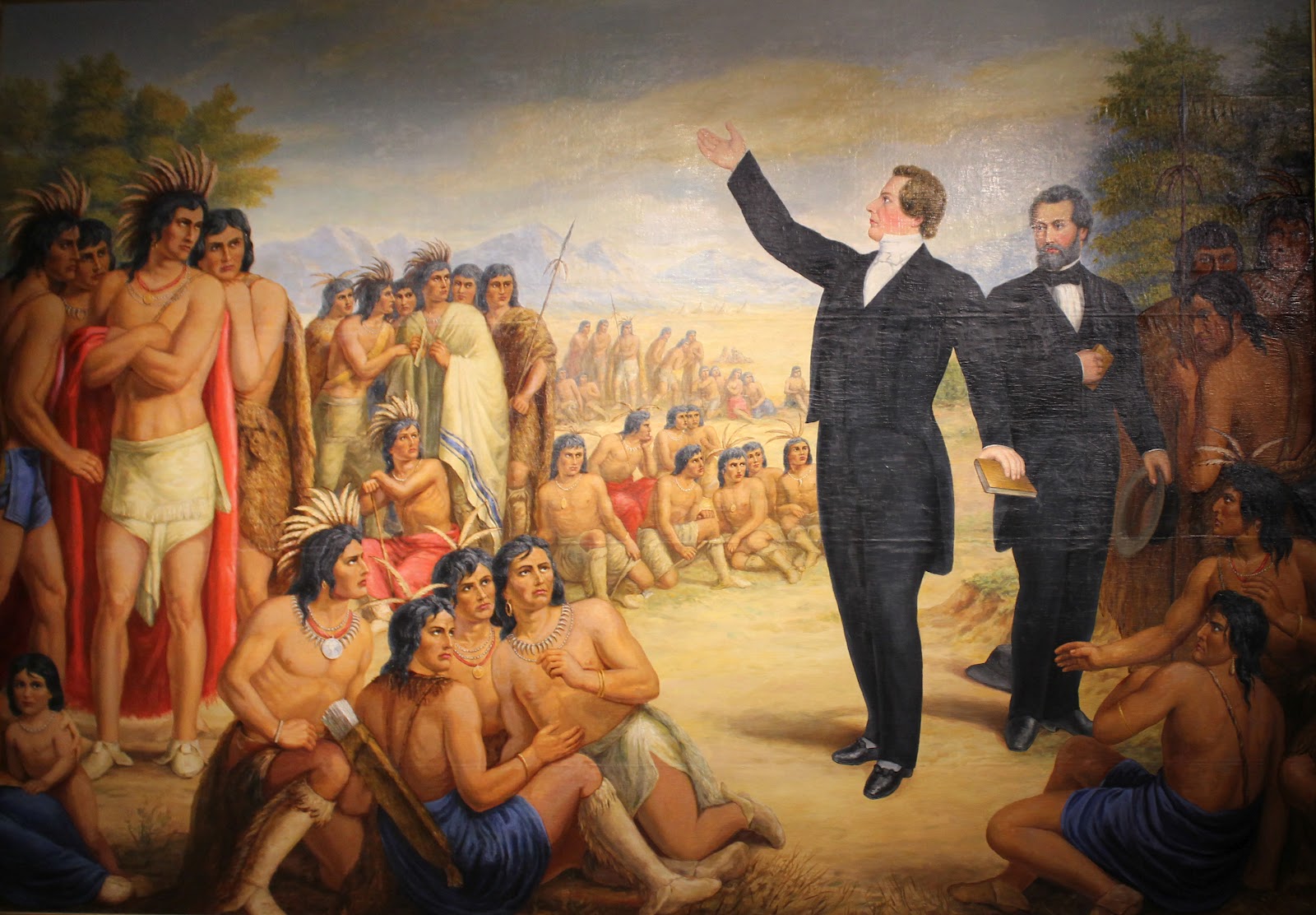
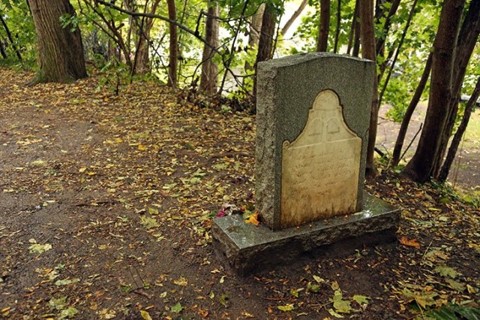
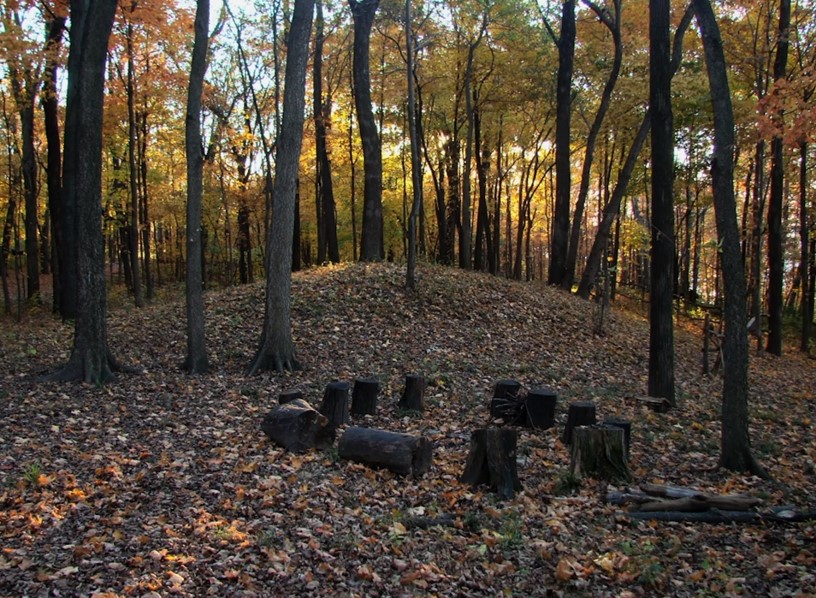
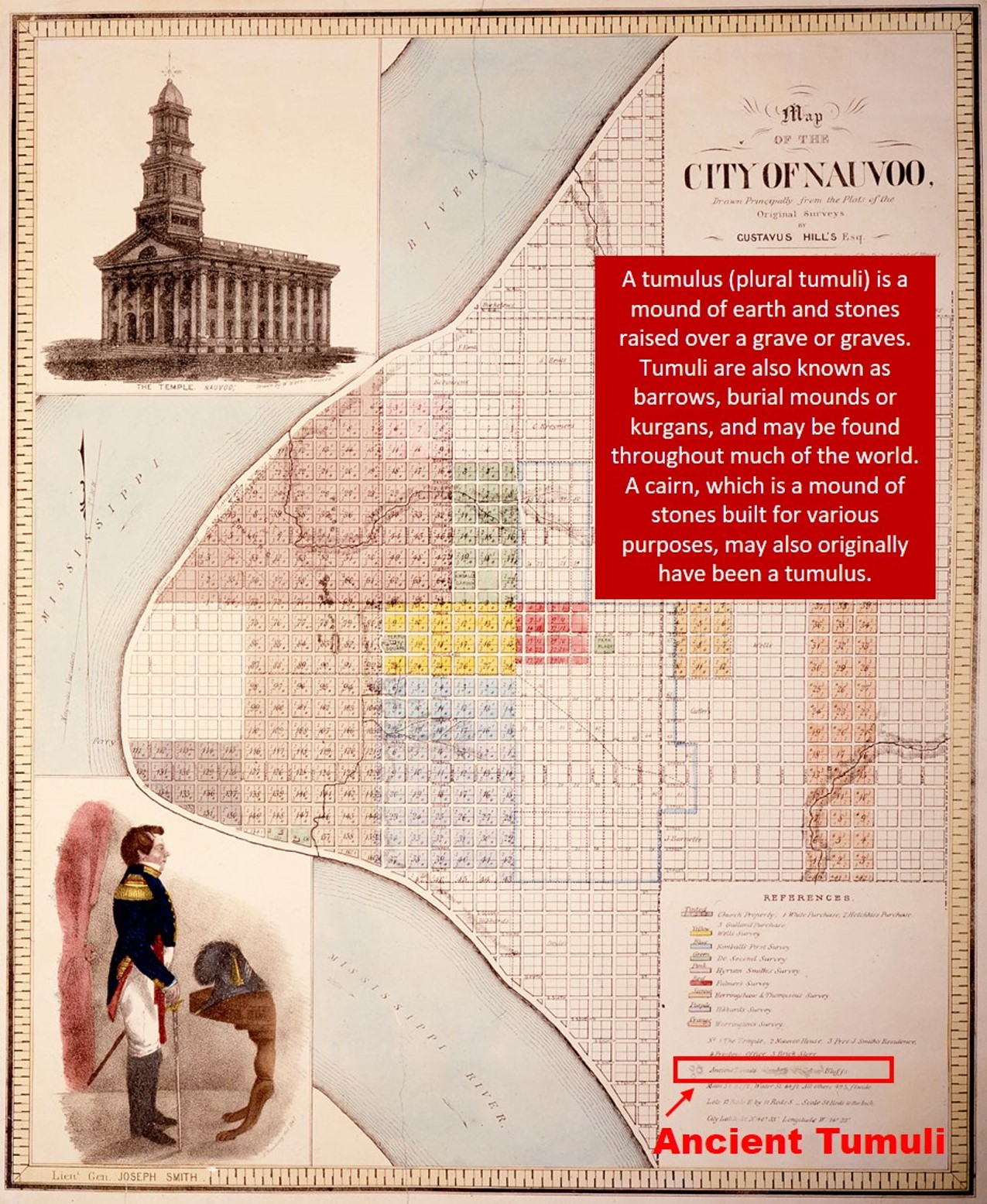
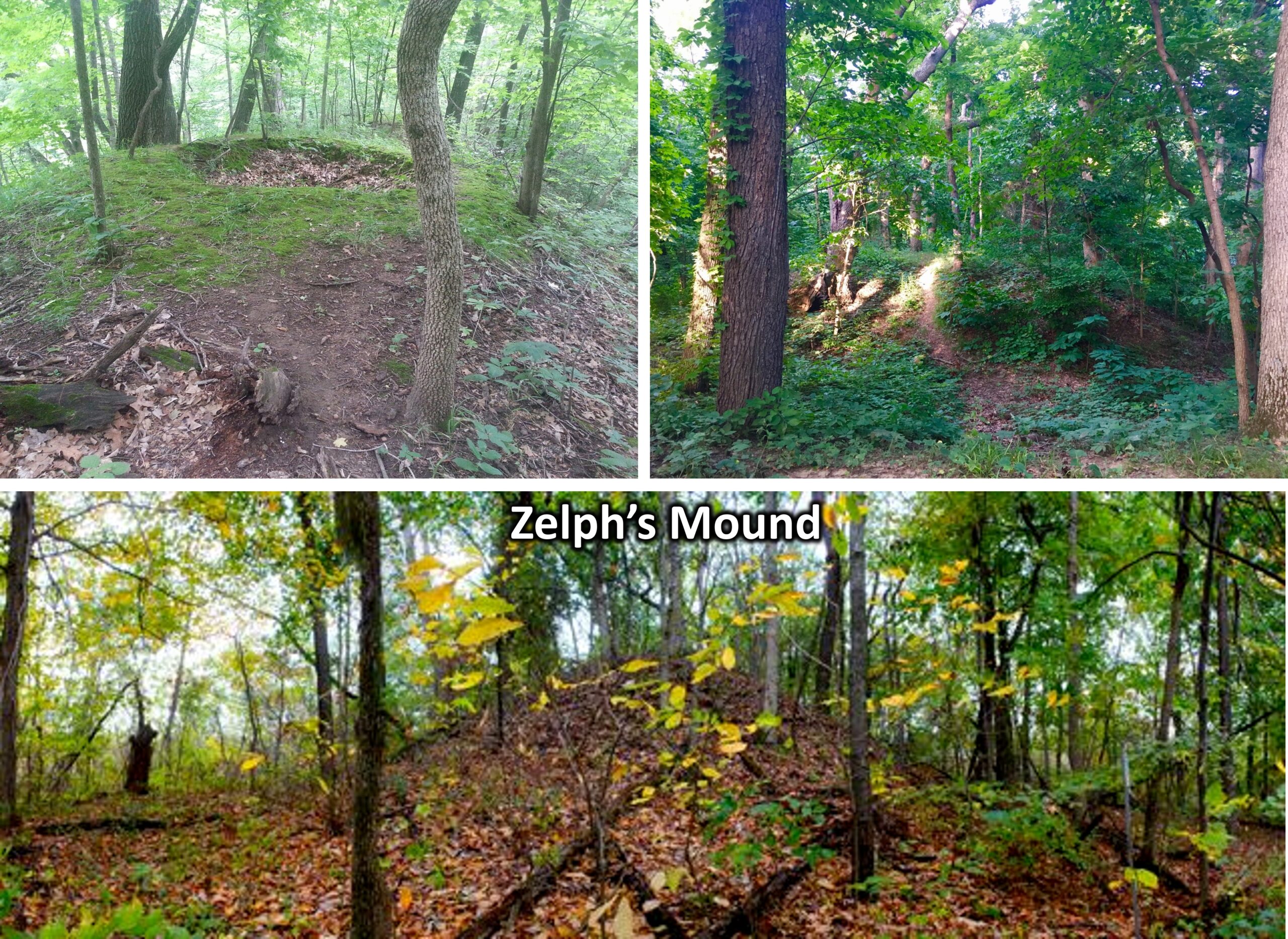
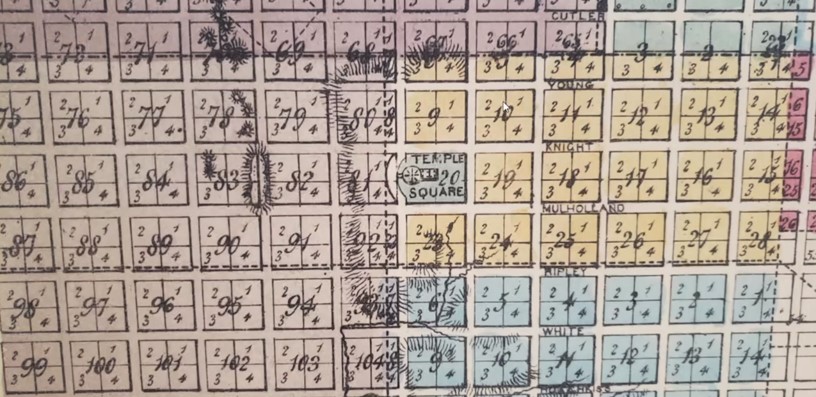
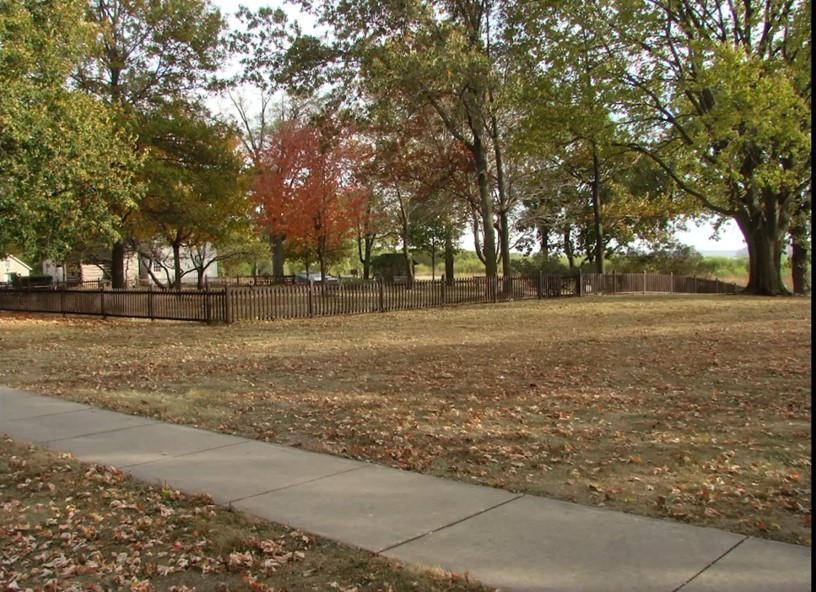
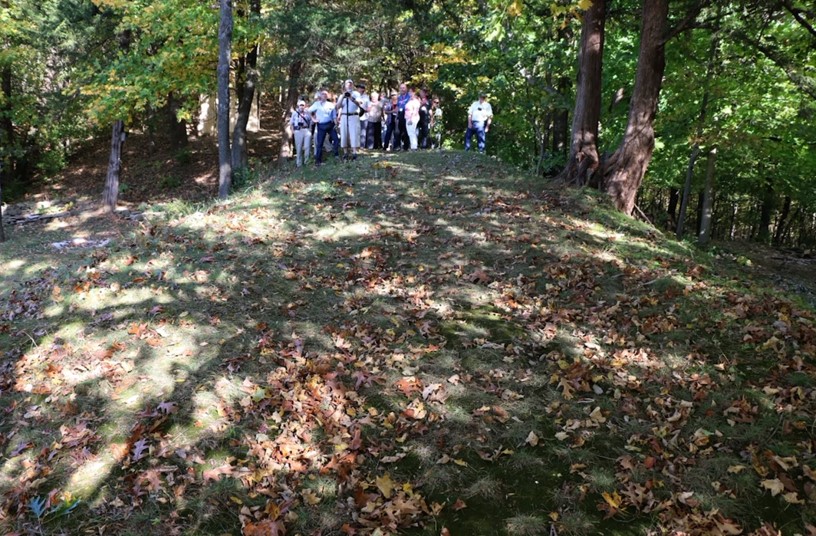

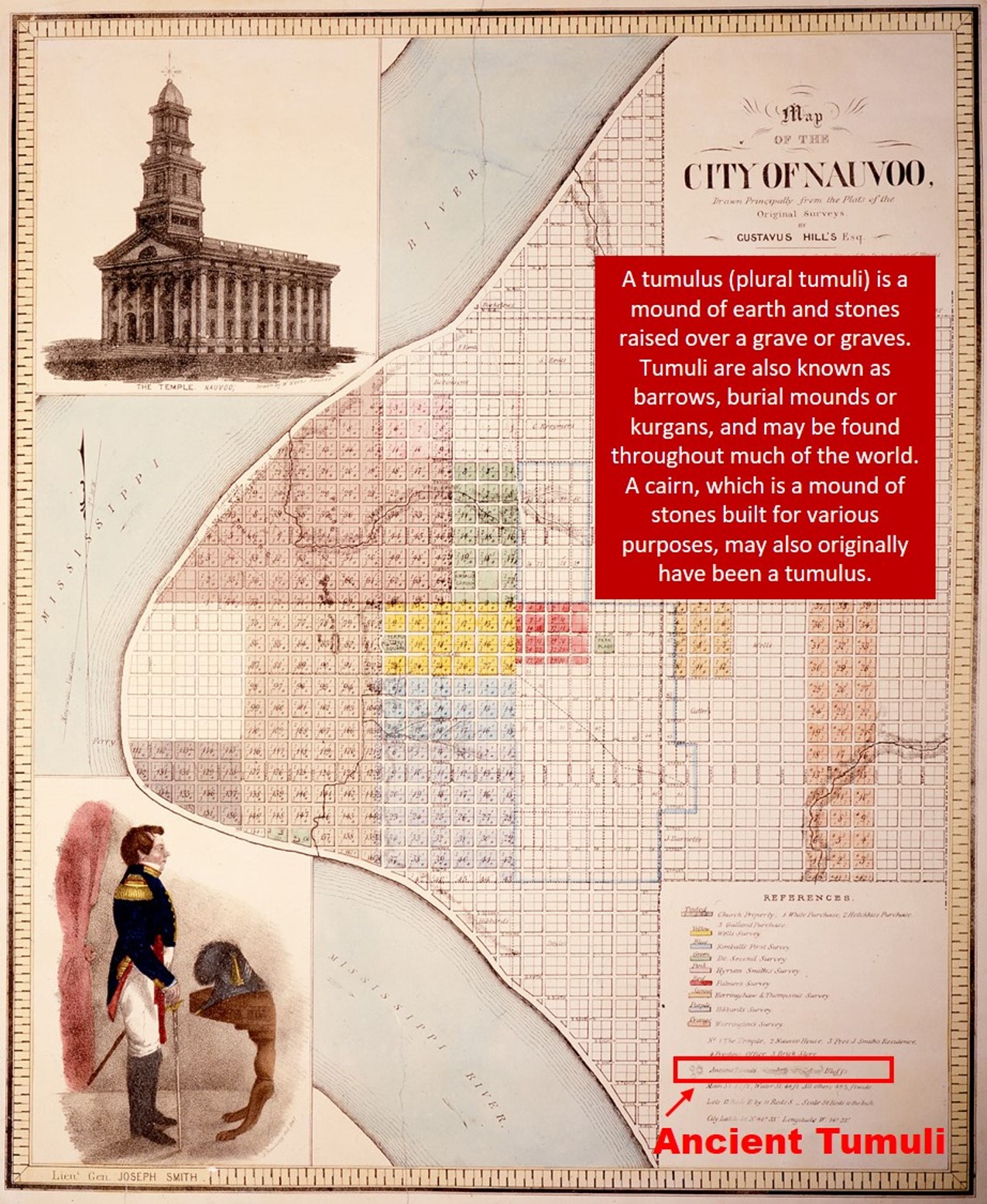

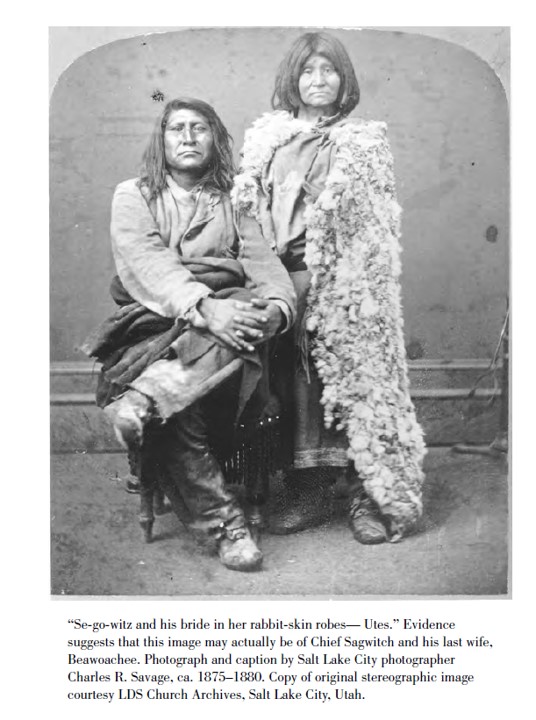
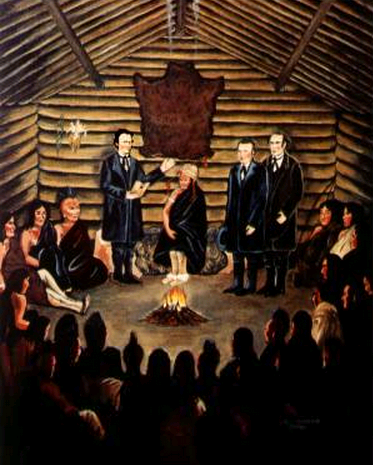 The Corinne Scare Chapter 4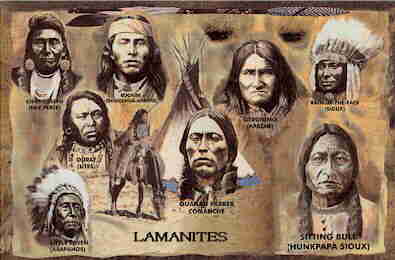
 Sometimes they received [the Mormon gospel] very readily. It seemed as though they were anxious for it. Of course, there were some who were not. He had to talk more to some. But he was a good hand to talk to them. He had a scroll with pictures of the authorities and the Book of Mormon. It was a big scroll, about that square [18 inches], and he used to have that when he talked to the Indians, and turned to different characters and told them about their forefathers. I do not know what became of that scroll, but I know grandpa had it. It had nice large pictures of the different Nephites and different leaders. The Book of Mormon tells about them. He had pictures taken on purpose for that, so that they would have something to look at. They were like children and he could explain it to them better. I have seen him have this scroll and talk to the Indians, and show them the different pictures and they were quite interested in it.29
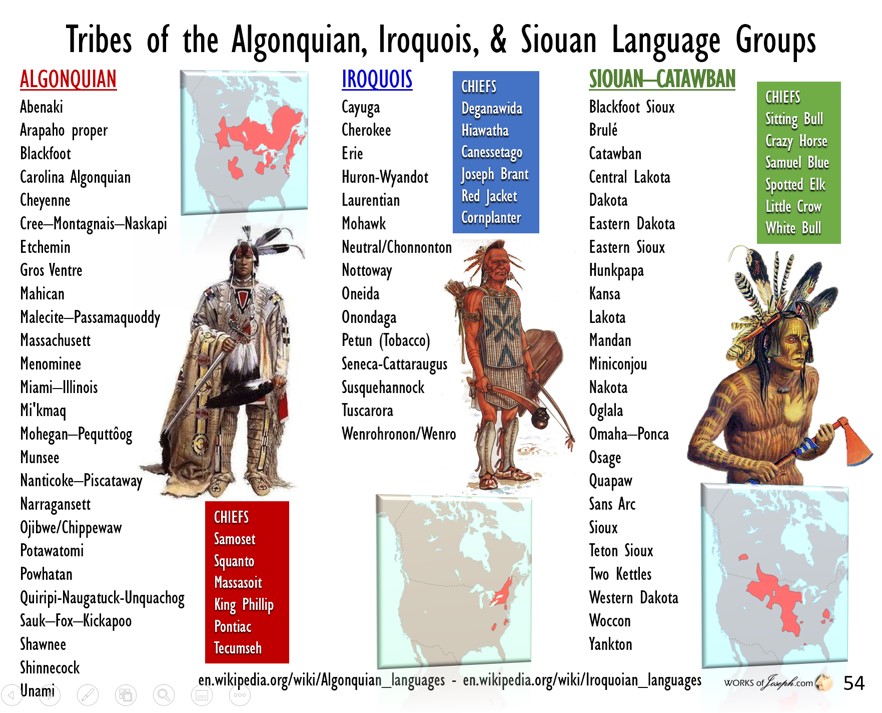
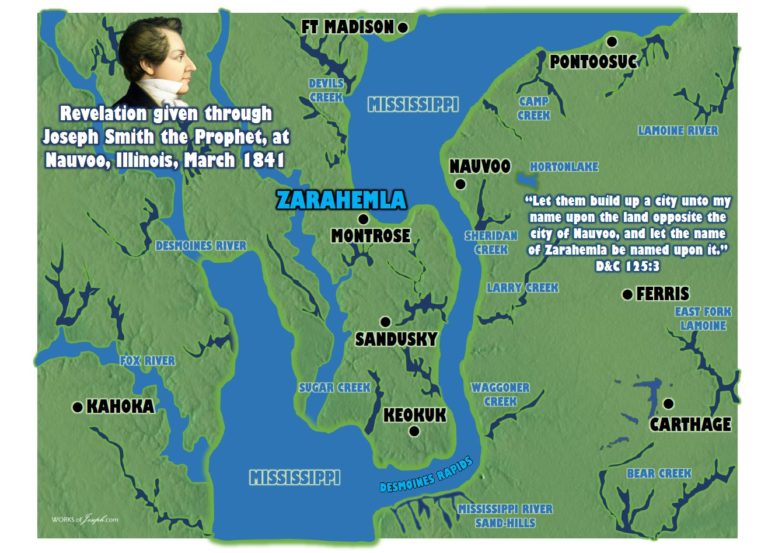

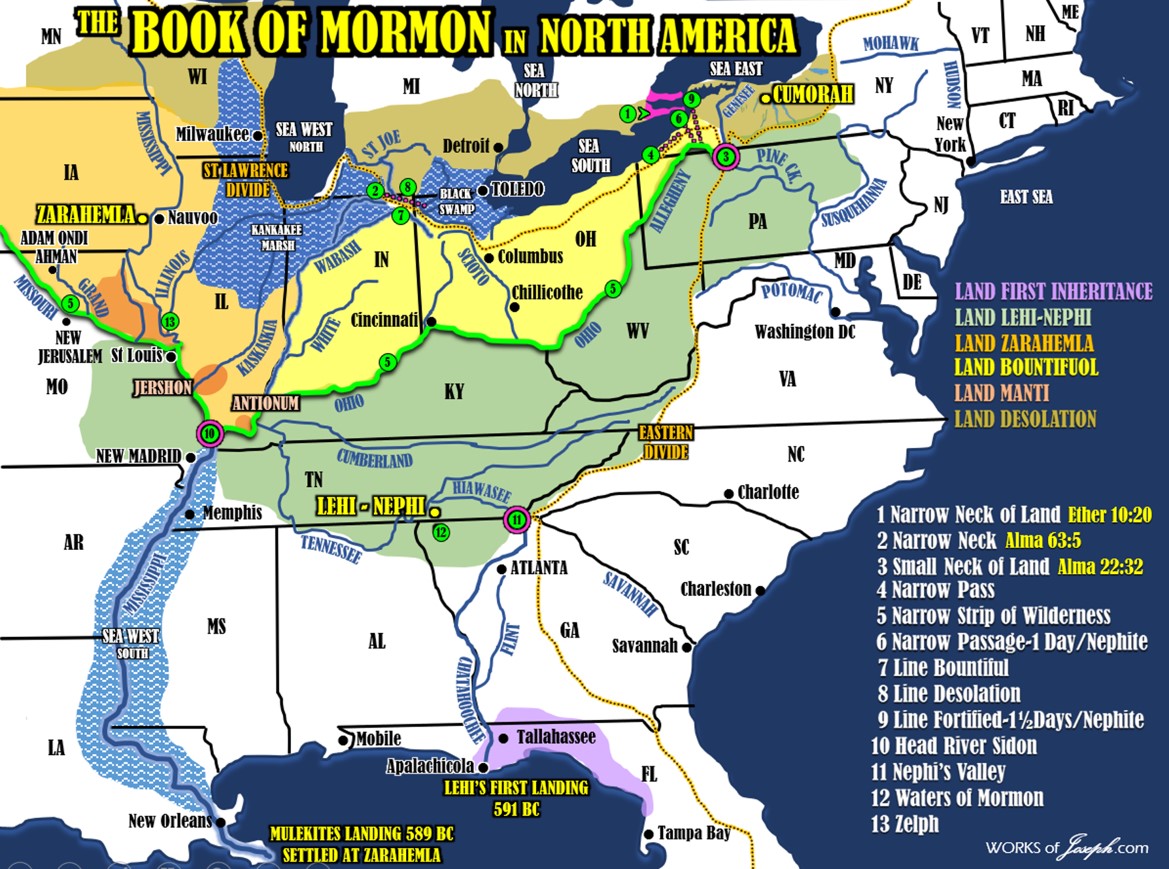

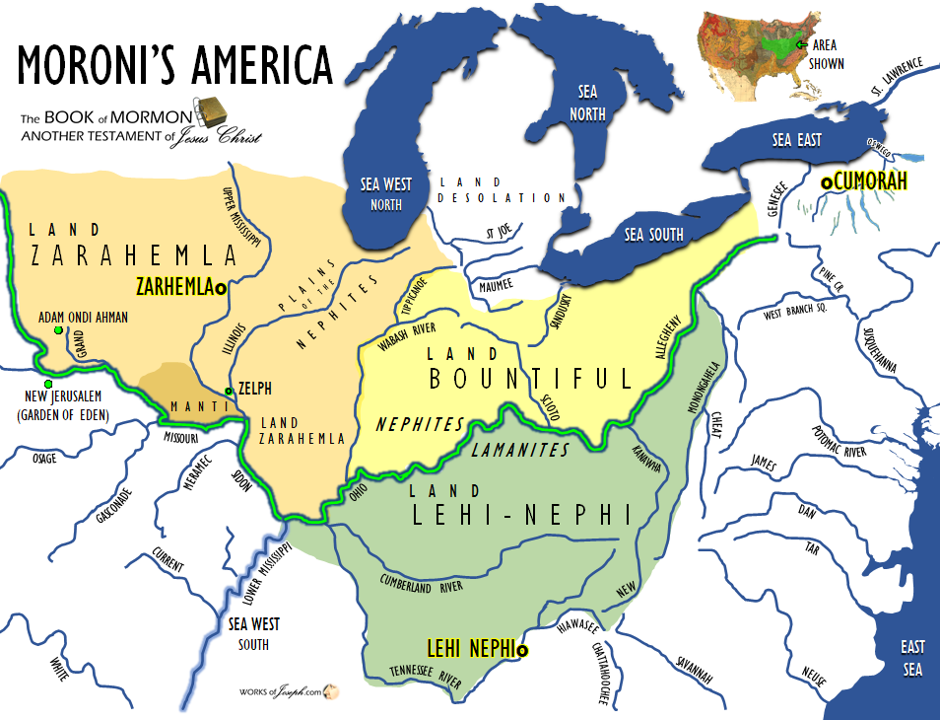

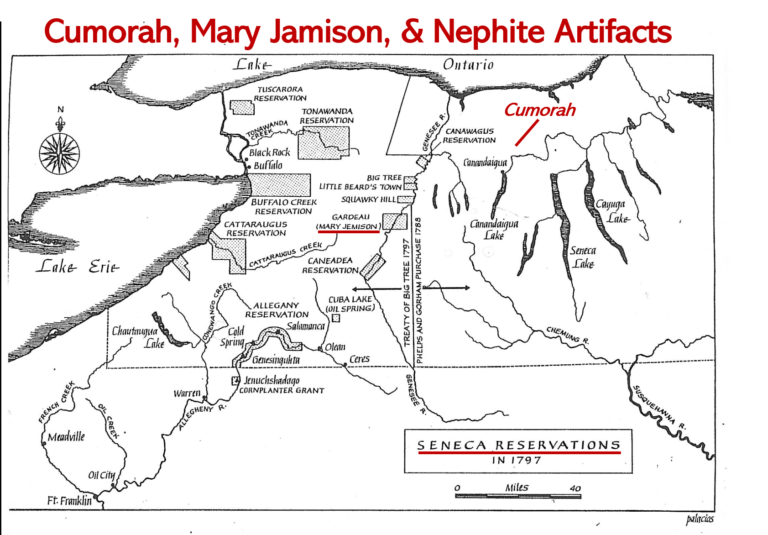

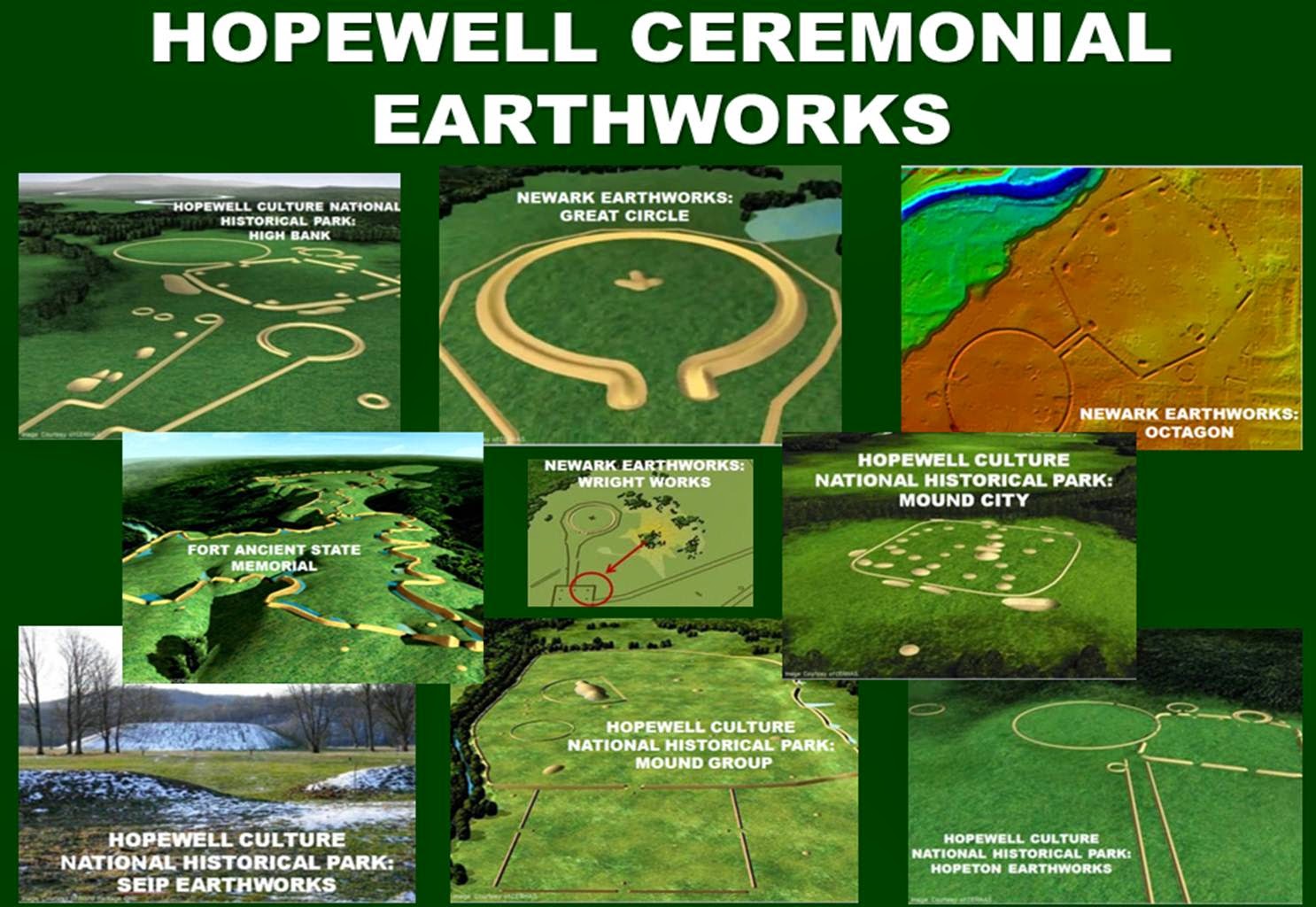

 2- Fort and stronghold site known as Fort hill 11/2 miles west of Boughton hill in an air line. This corresponds with DeNonville’s account of the ” picket fort at the top of a little mountain, scarped on all sides.” Some fifty years ago traces of the earthwork or palisaded bases were to be seen, but this wall has now been destroyed by cultivation.


 “Hinterlands is defined here as meaning the unknown area of North and South America that are not within the scope of the writings of the Book of Mormon. In other words, since we believe main events of the Book of Mormon happened in a limited area of North America around the Great Lakes in the east, and Ohio, Indiana, Iowa and Missouri to the west, and south in Tennessee, West Virginia, Georgia, and Florida, all other areas will be discussed as “The Hinterlands”. We propose that Mesoamerica is the Hinterlands along with many other areas of the continent. As Mormon has said, “…I shall take from the plates of Nephi; and I cannot write the hundredth part of the things of my people (Words of Mormon 1:5). There are many people in South and Central America that are Lamanites and part of the Hinterlands.” Jonathan Neville
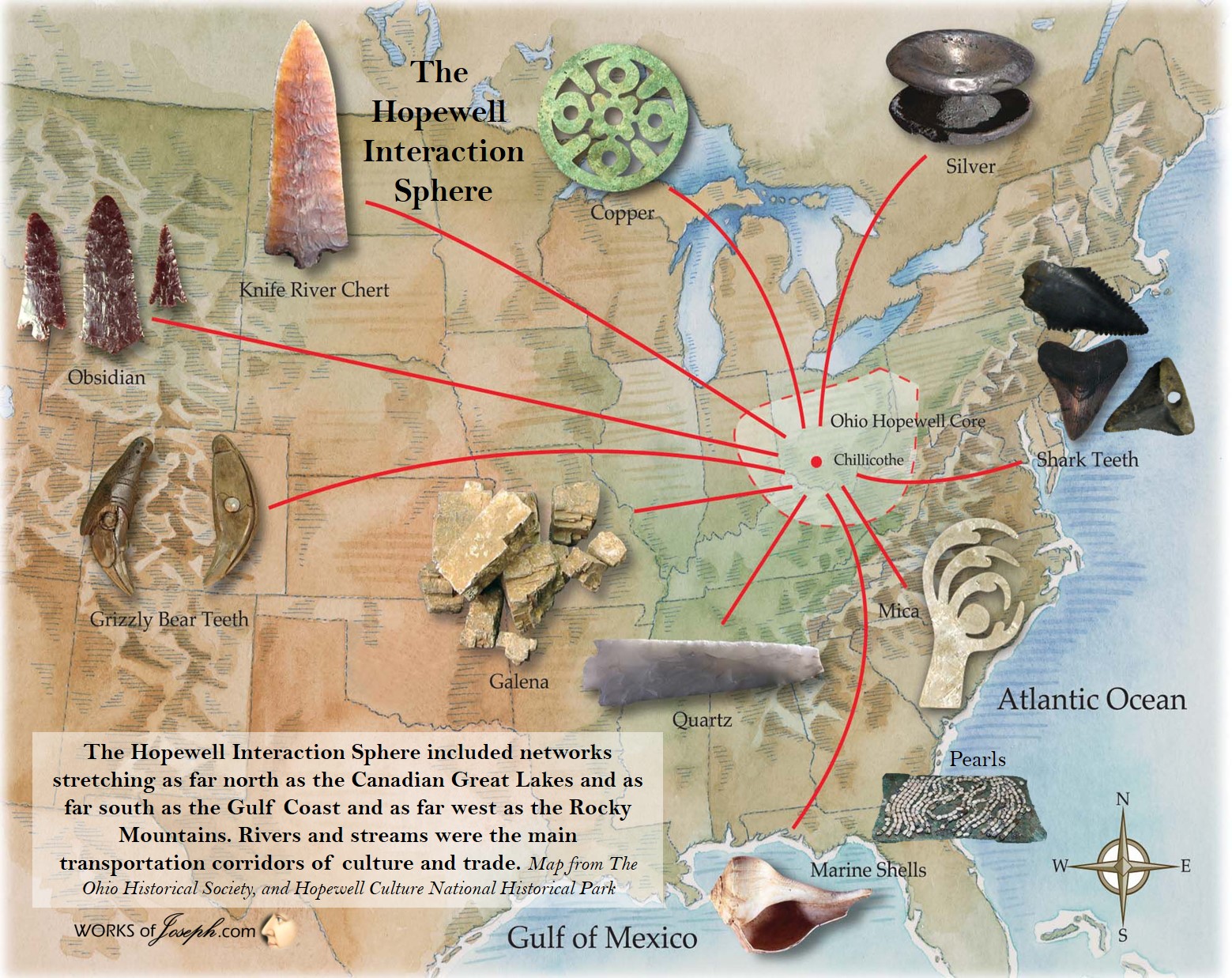 I think the entire New World narrative of the Book of Mormon took place in North America,
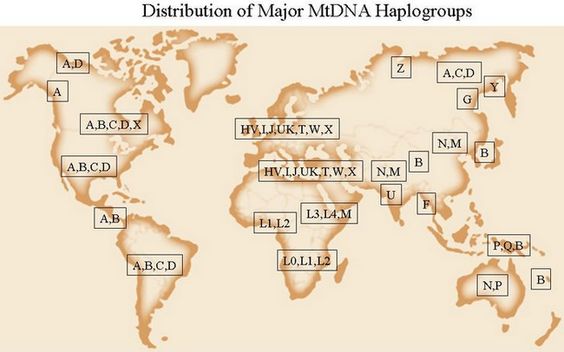 To be sure, we would expect to find the highest concentration of relevant DNA markers in the areas where Lehi’s descendants lived in the highest concentrations; i.e., in the northeastern U.S. (and the Midwestern areas where they were forced to move).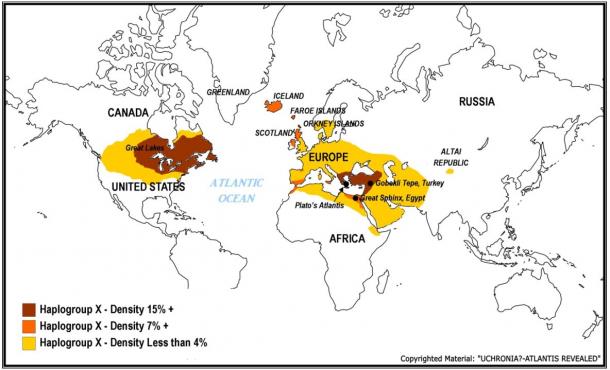
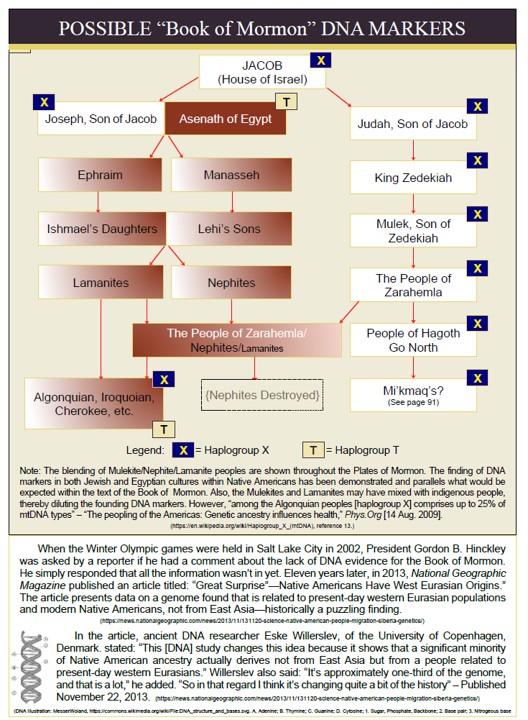
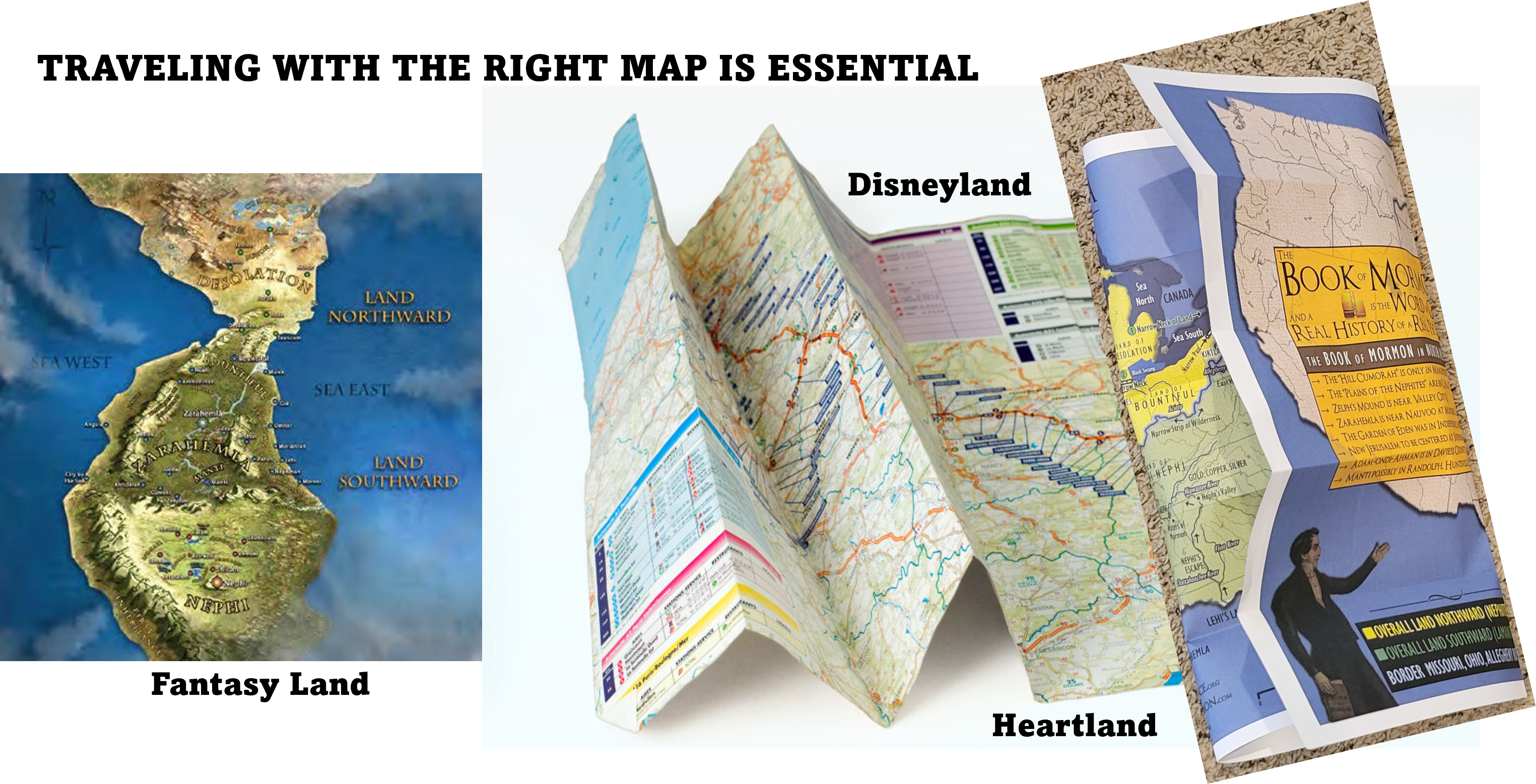
 Lately I’ve focused on the question of Cumorah because, in my view, it is the keystone of Book of Mormon geography. (In this post, I’m not indulging the dodge of the two-Cumorahs theory. When I say Cumorah, I mean the Cumorah of Mormon 6:6; i.e., the hill where Mormon hid the repository and where the final battles of the Nephites and Jaredites occurred.)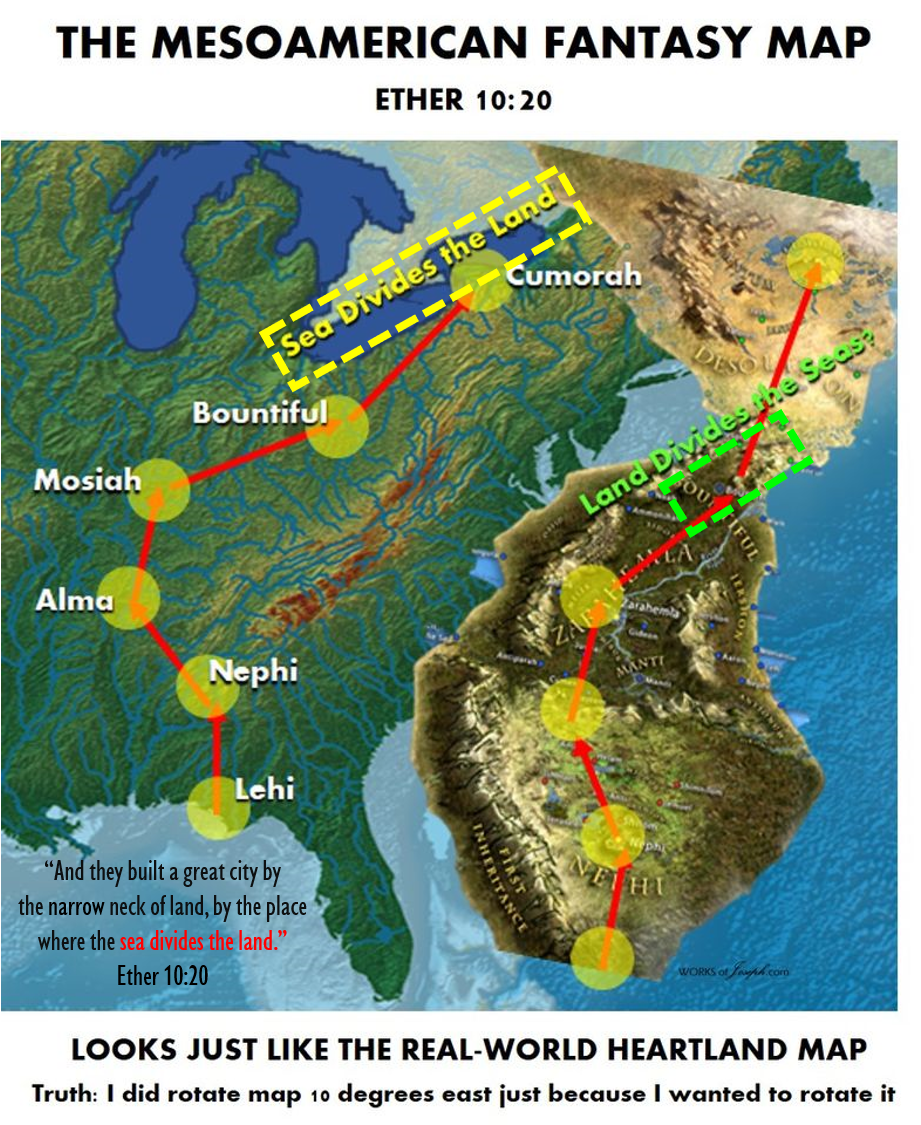
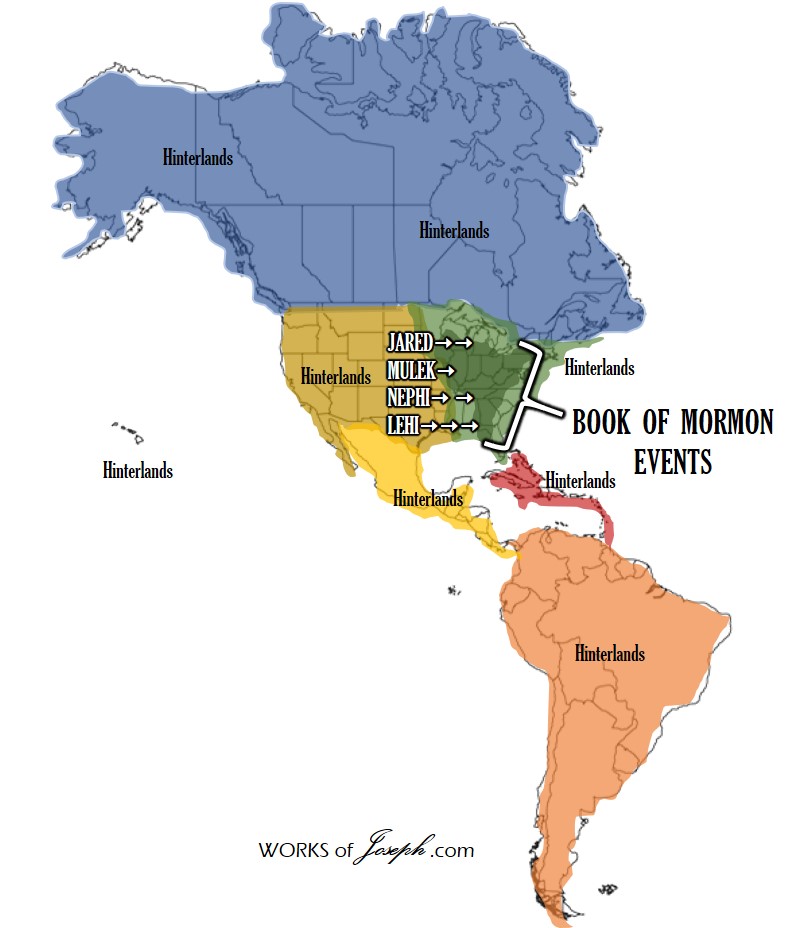 Hinterlands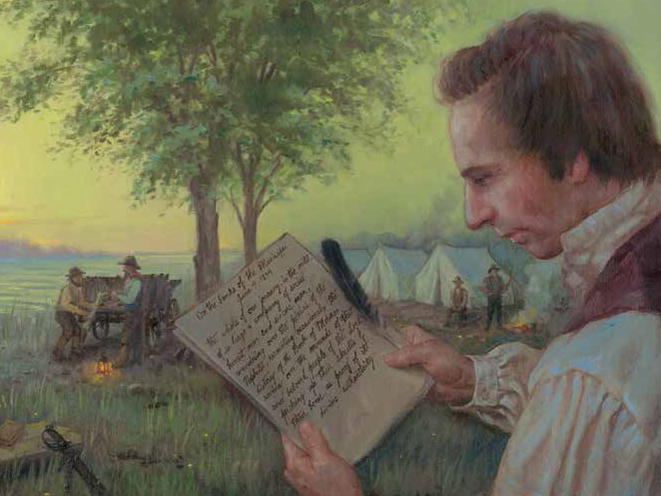
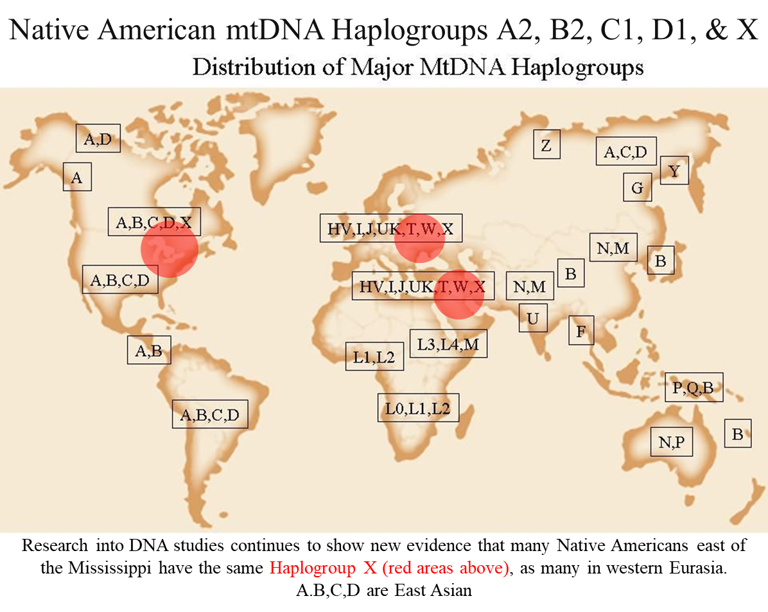
 For a FREE download of Rod’s 170 page book titled, “Book of Mormon Remnant through DNA”, visit our
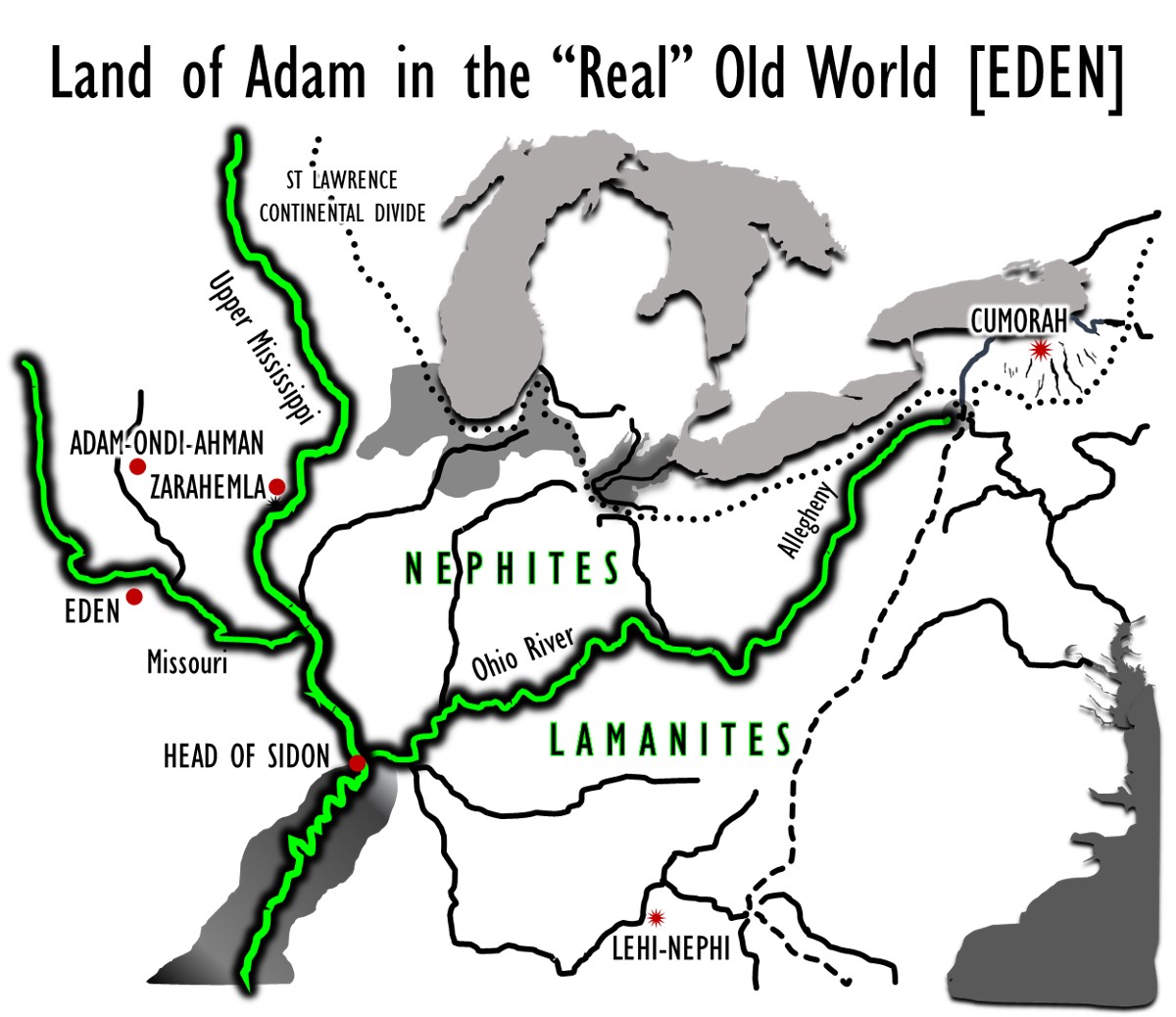 The Ohio River begins at Pittsburg as the Allegheny River flows south from Gold, PA to the Ohio. The Missouri has a confluence with the Mississippi near St Louis, MO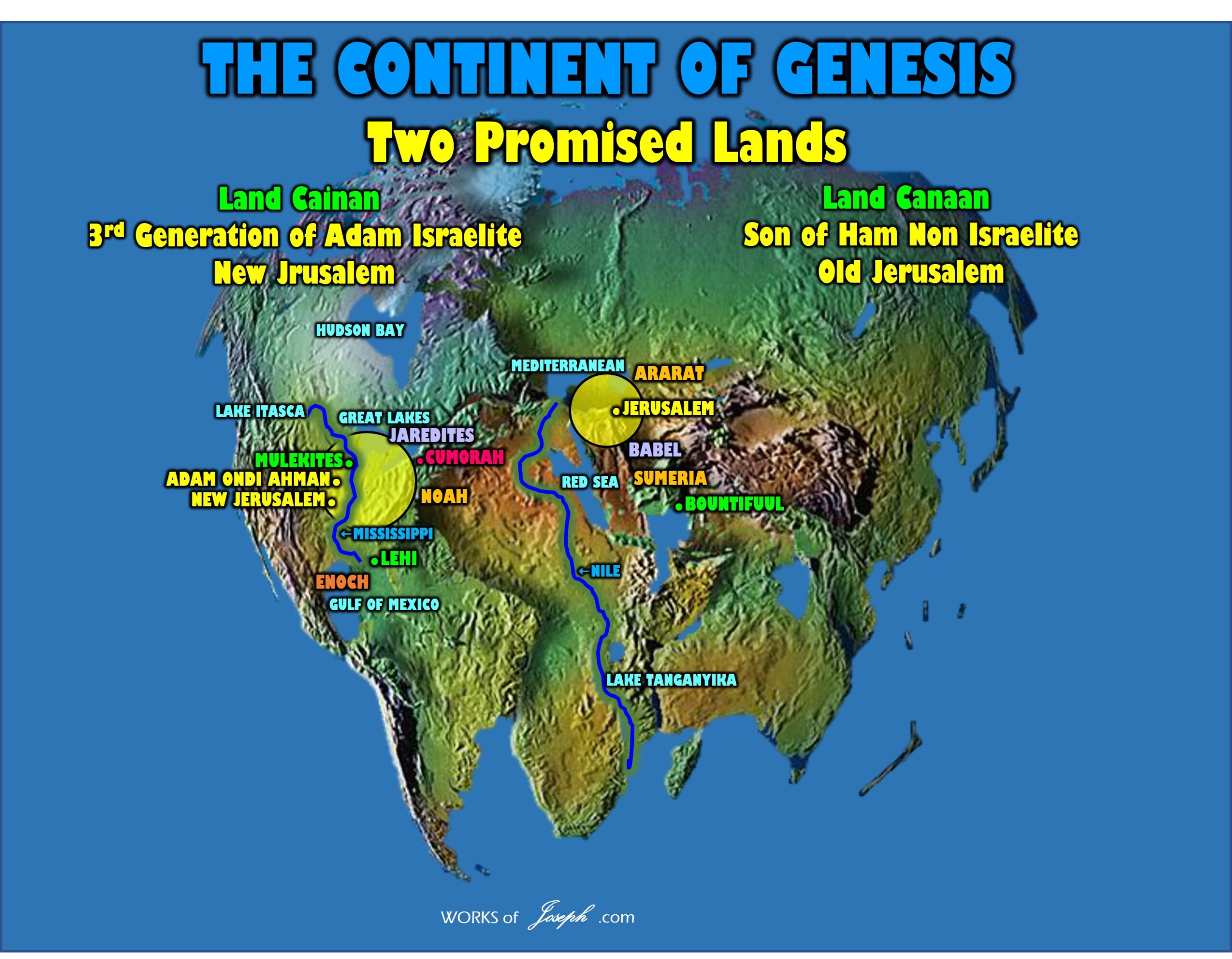
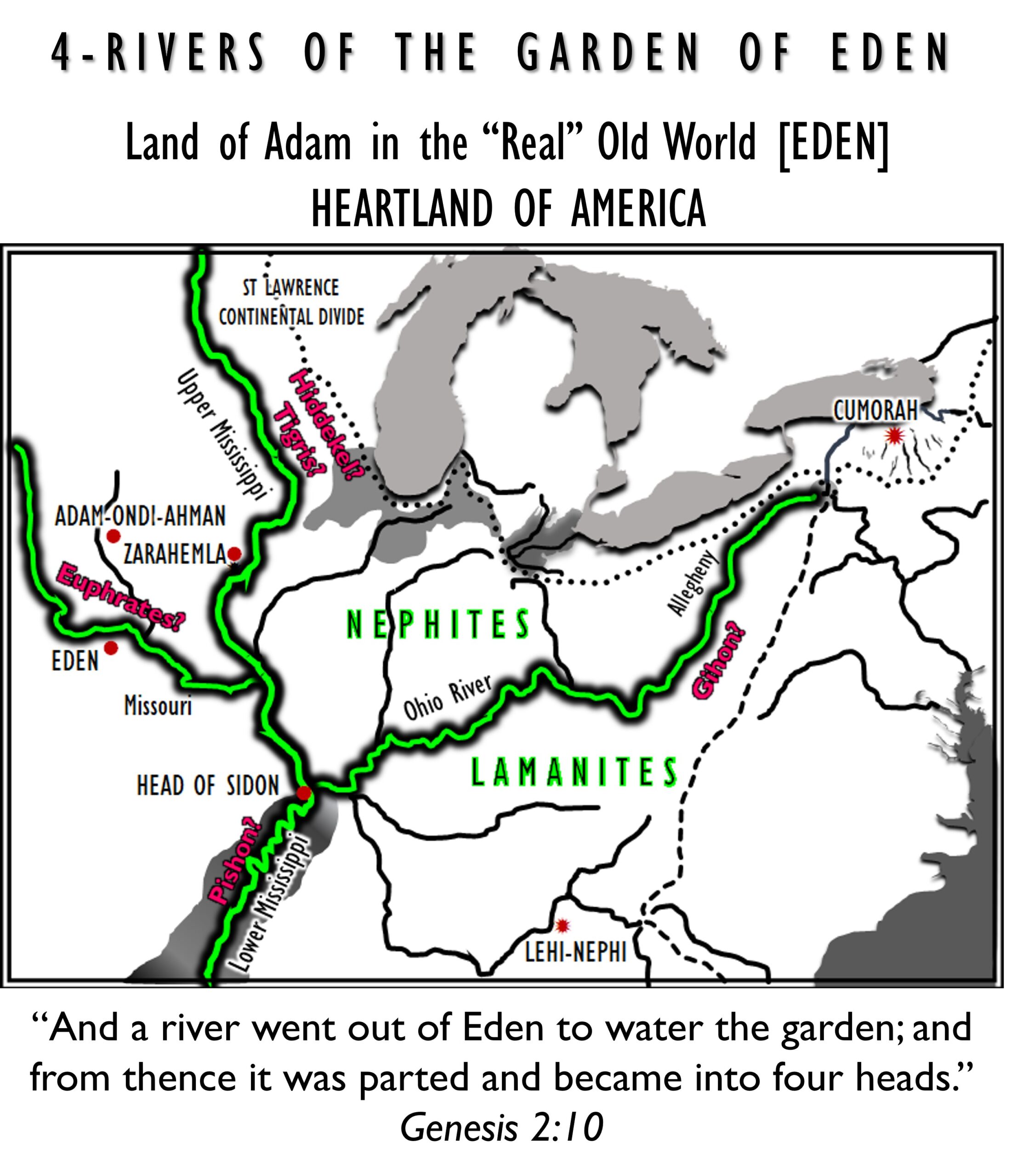
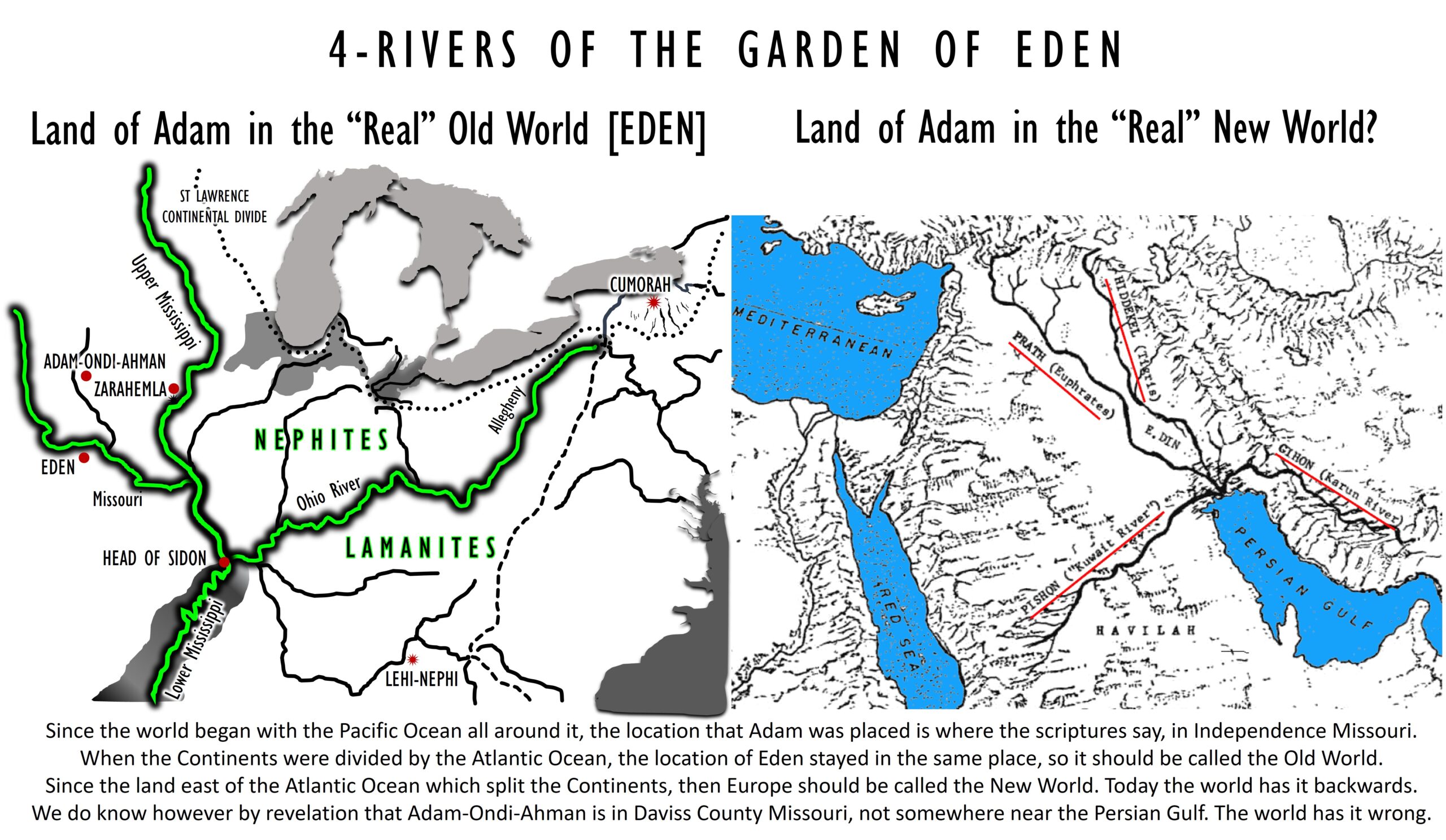
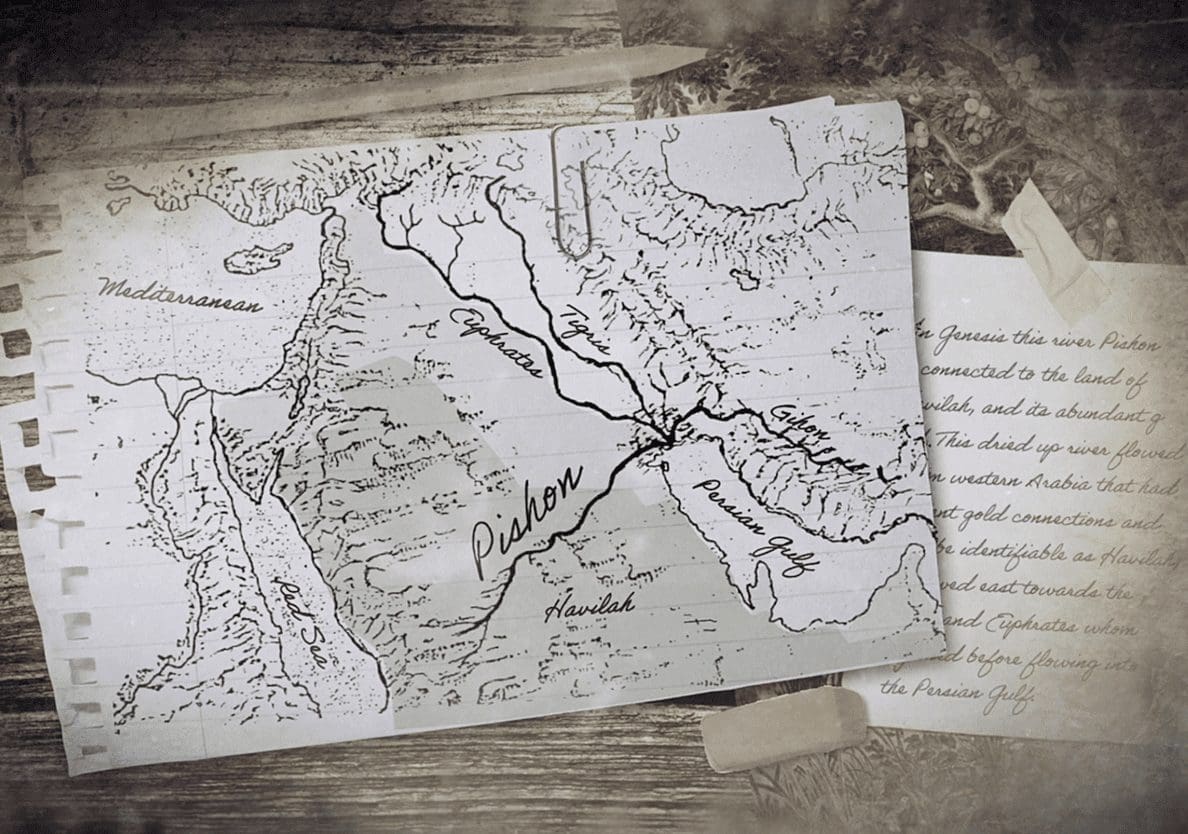



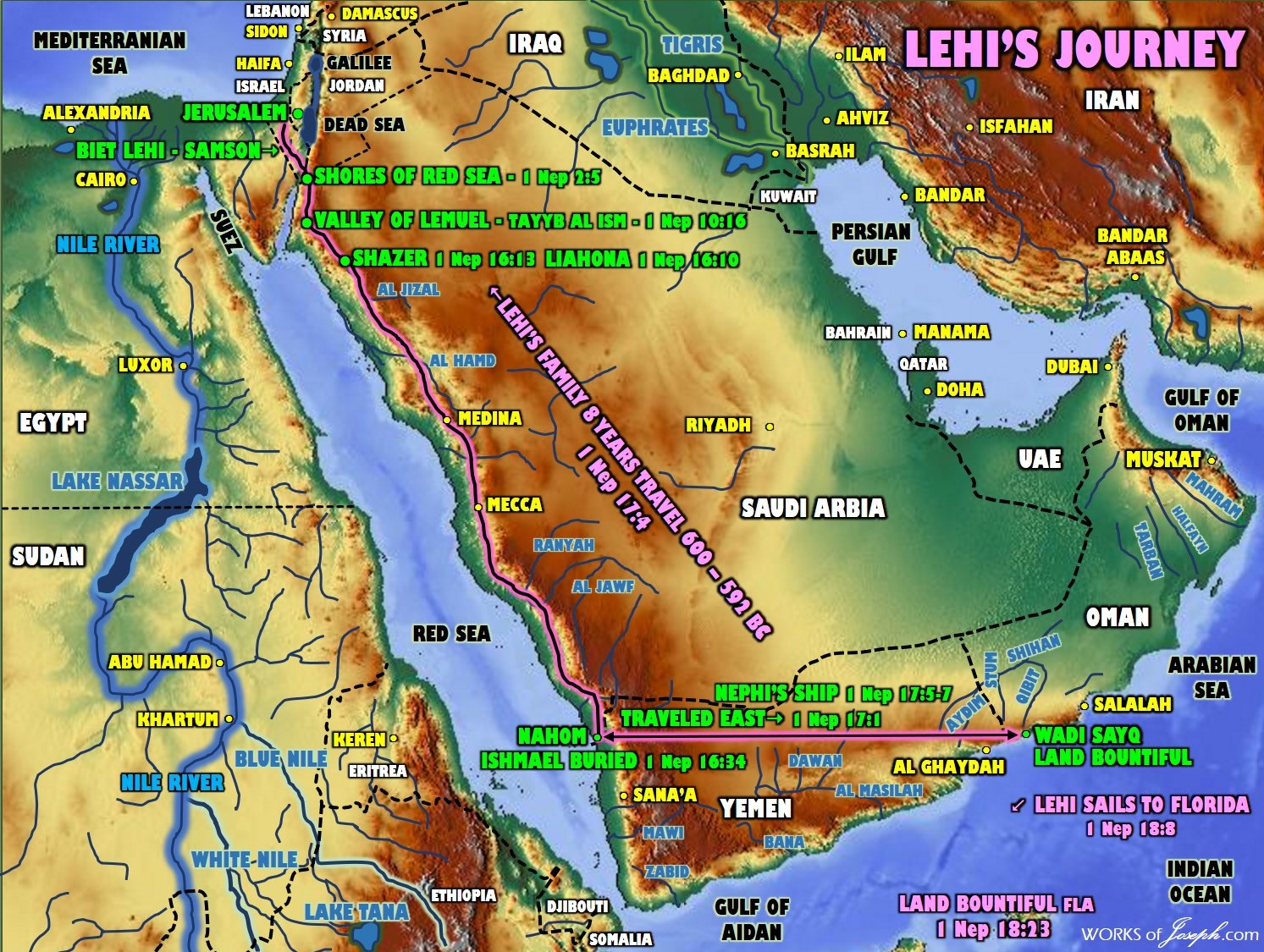
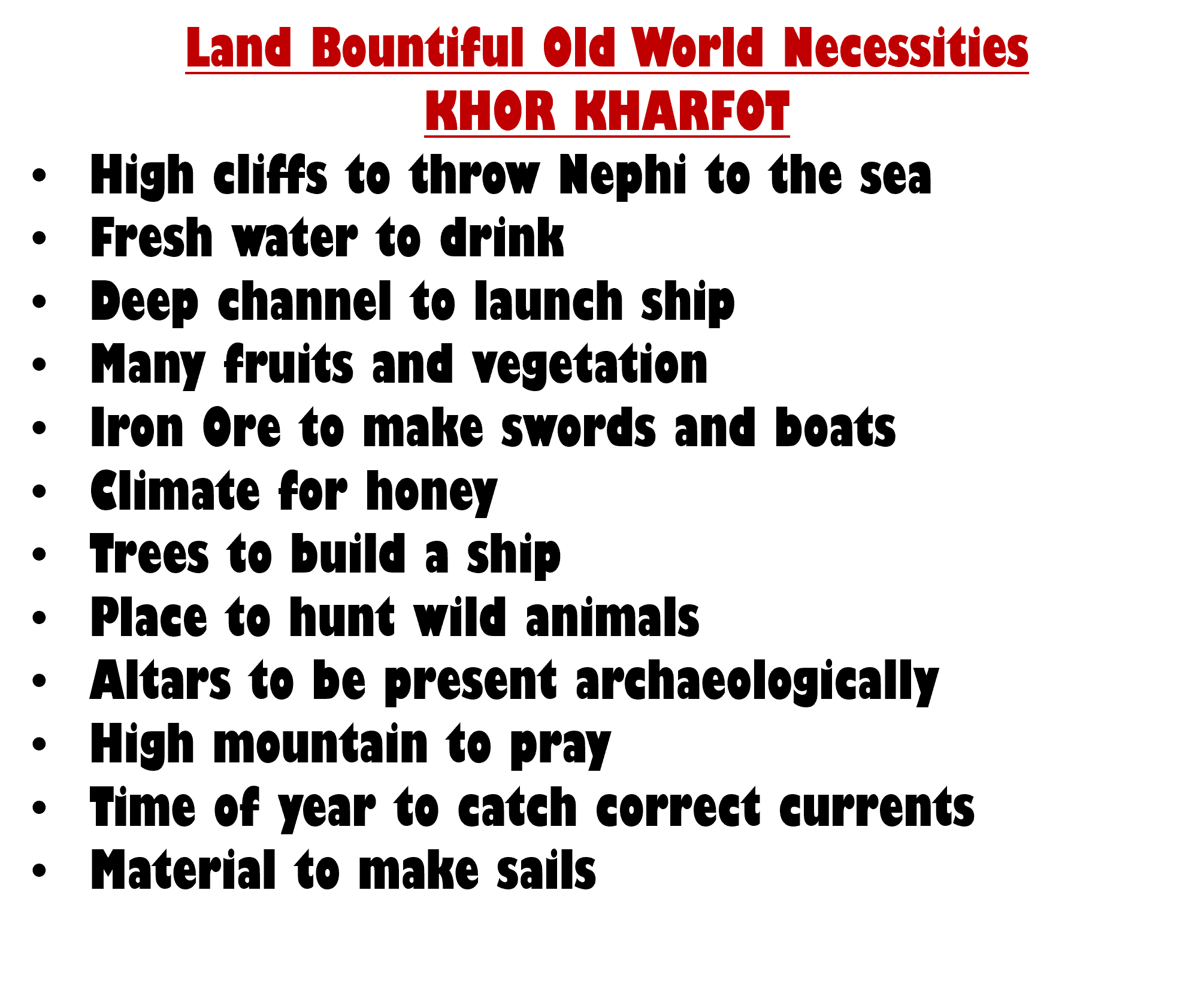 East on Pacific or West around Africa?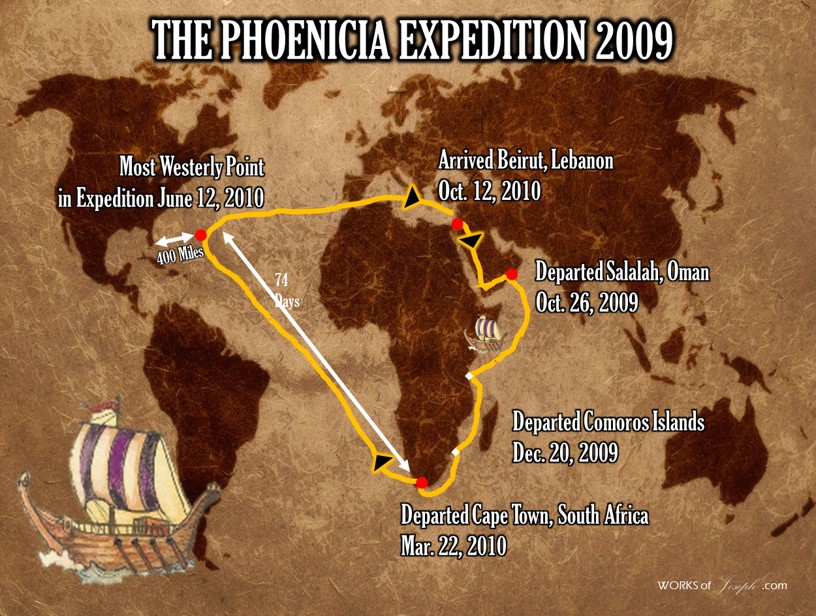

 Two of the best journals in our Church are the Wilford Woodruff History, and the journal by Lucy Mack Smith, which we have had for a long time to review. I believe if you read the Journal of Lucy, your eyes will be open to many things that our current historians have become bored of, or have overlooked. Her journal is called, History of Joseph Smith by His Mother, Lucy Mack Smith-
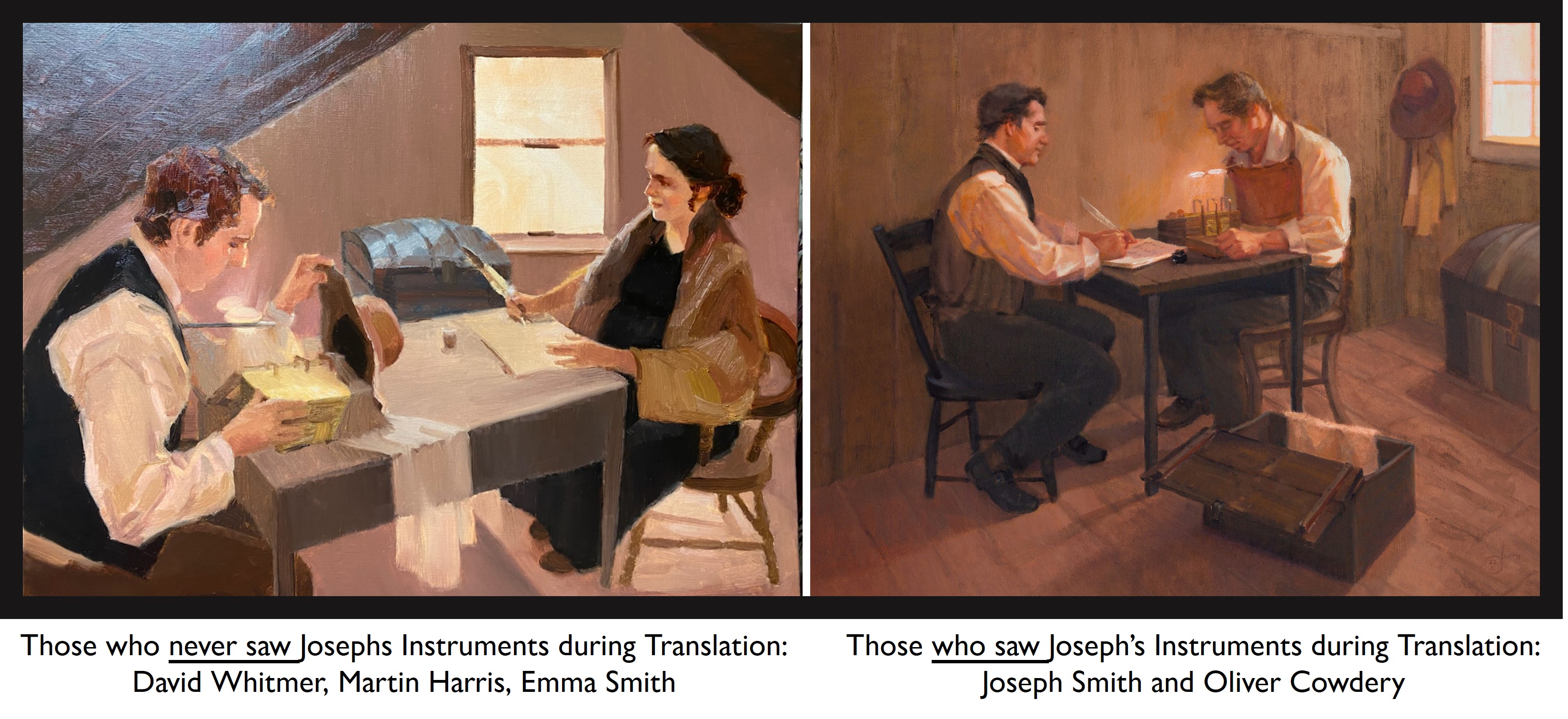 Perhaps the painting below explains why many like David and Martin may have seen this view above with the hat blocking the scribes view, and a little piece of cloth hiding the very top part of the gold plates. I feel it is likely that is why the theorists claim some witnesses saw a stone in a hat. Joseph’s hat may have seemed to contain something and most people knew Joseph had a seer stone or two, so they may have assumed that his personal peep stone was in the hat. No scripture confirms that. It is hearsay.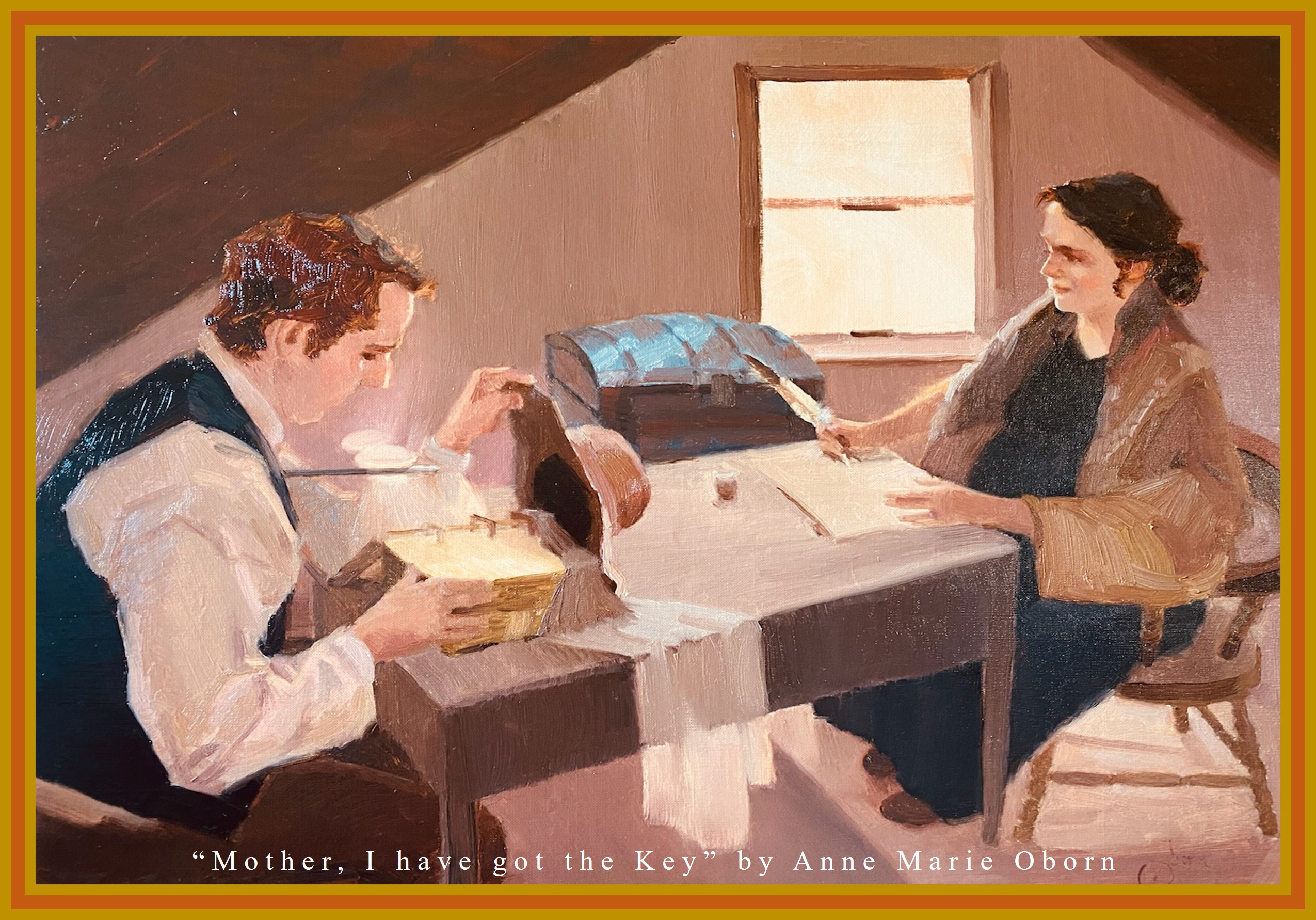
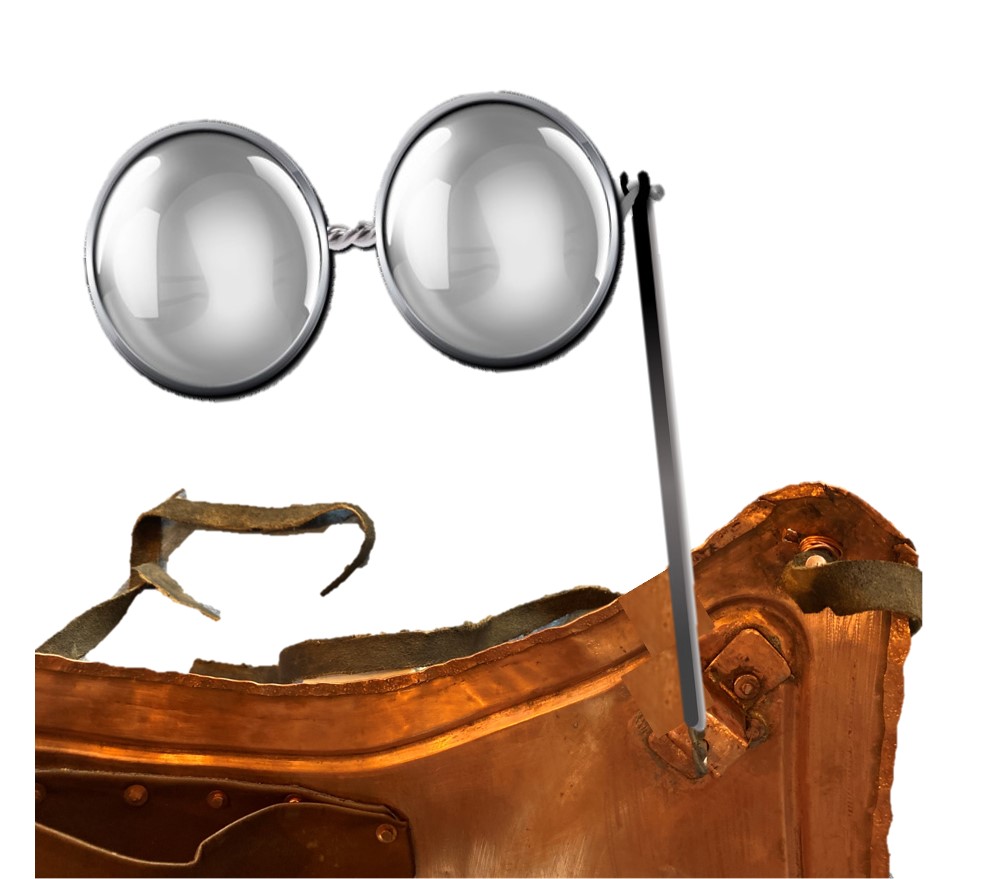 In this painting below, Ann showcases the manner in which the Breastplate and the Spectacles were used in conjunction for translation. We know through scripture how these items were a “set” when it came to translation. “There were two stones in silver bows—and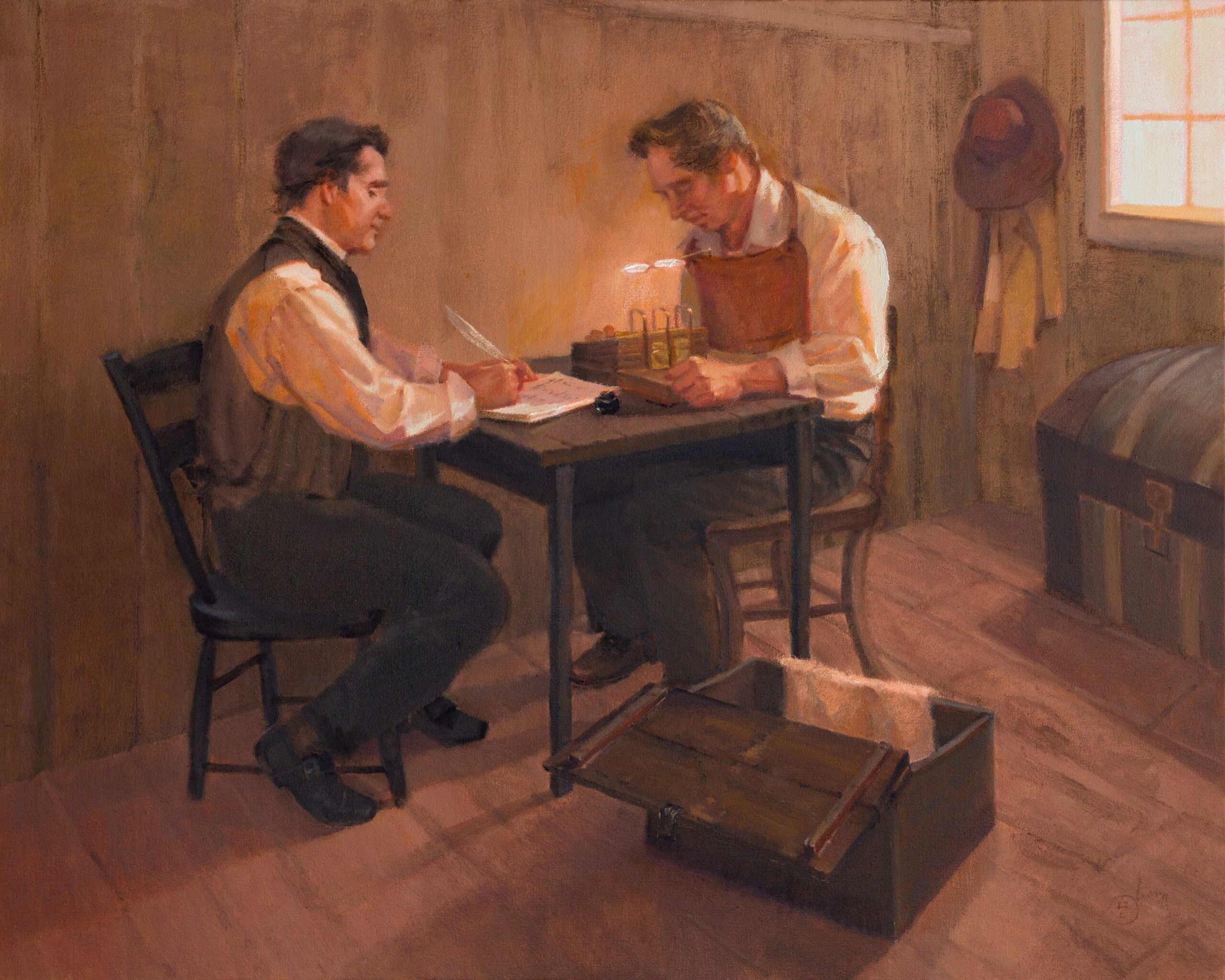
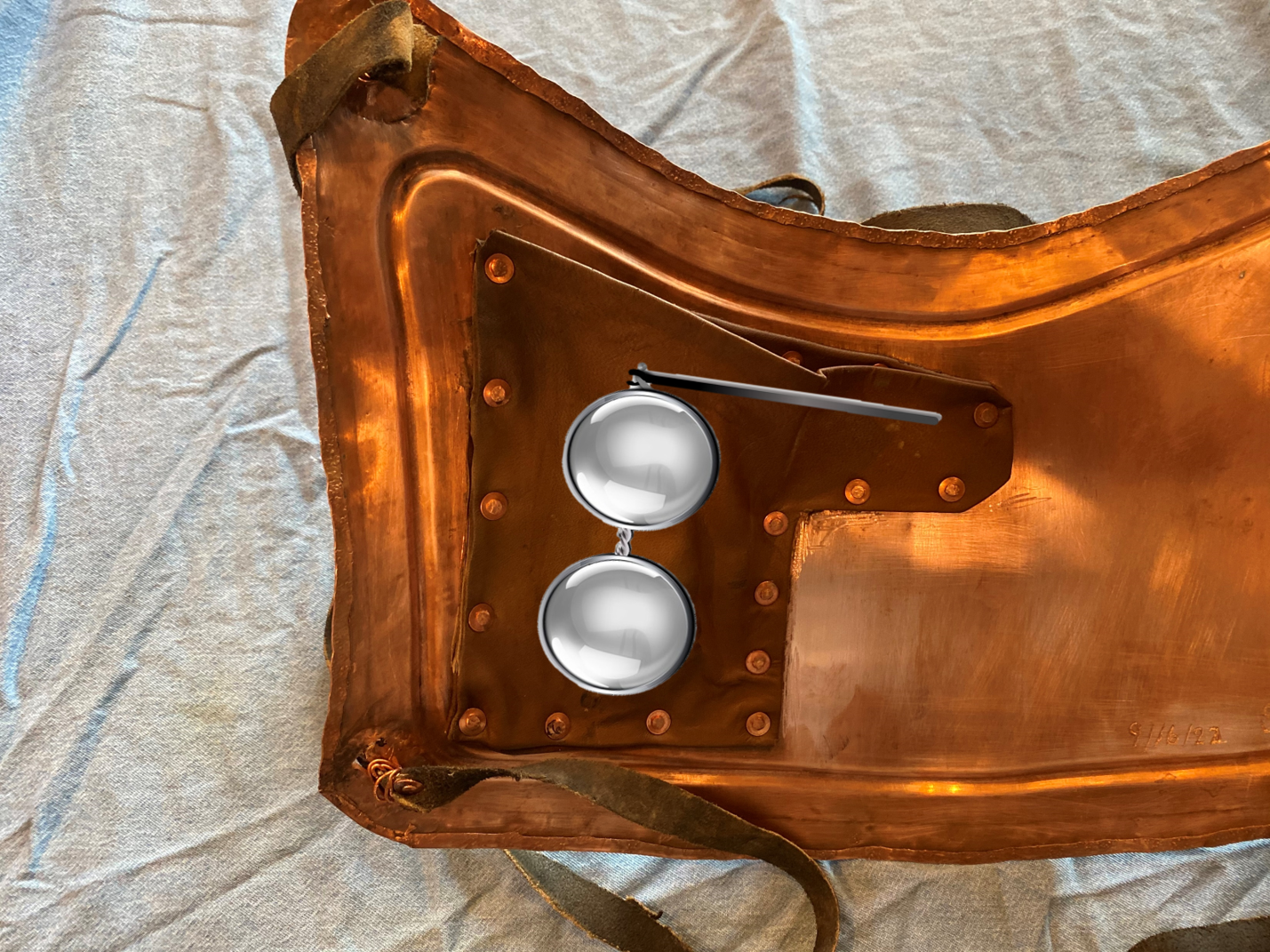
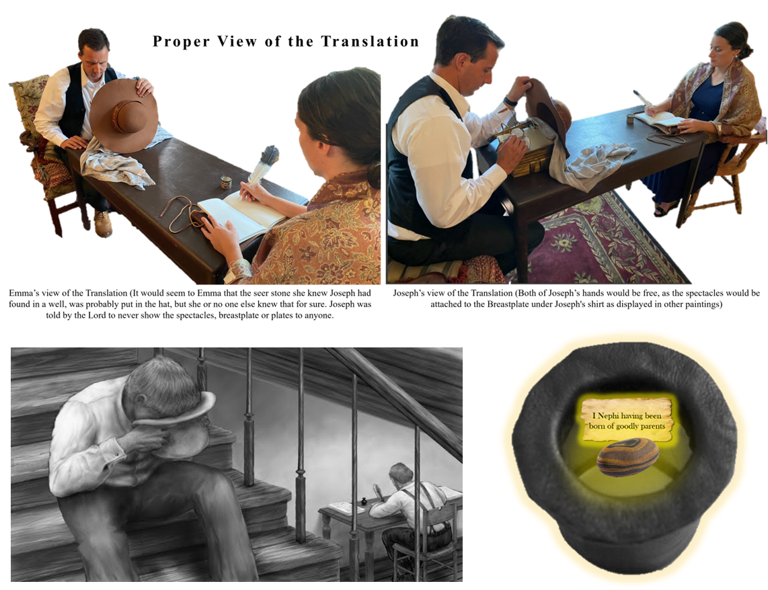
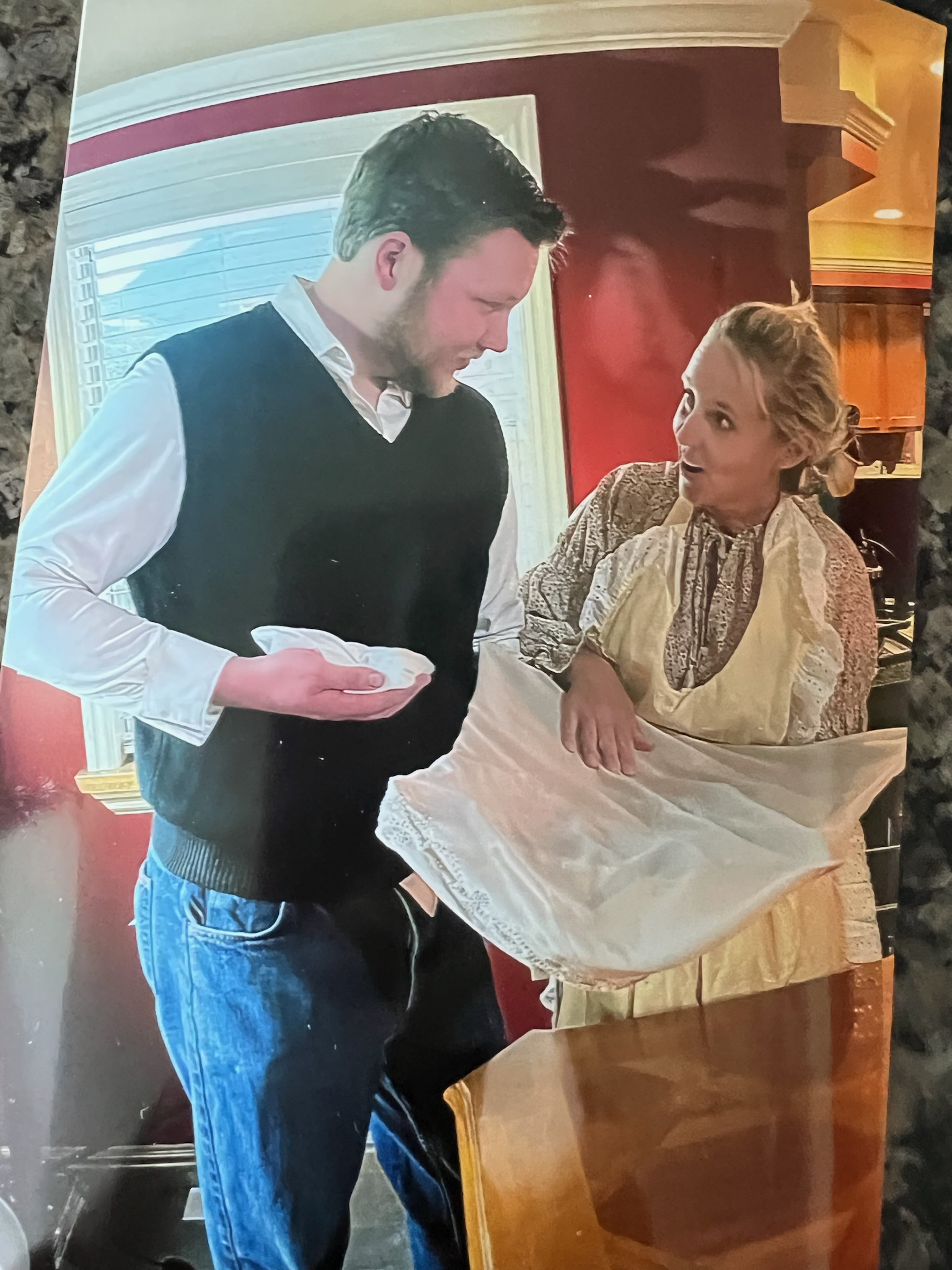
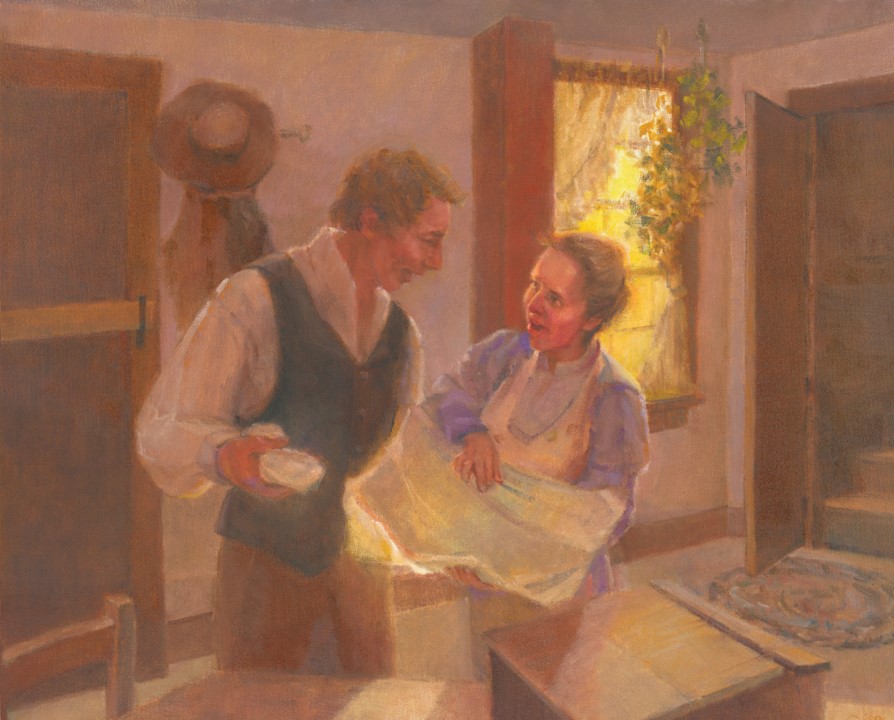
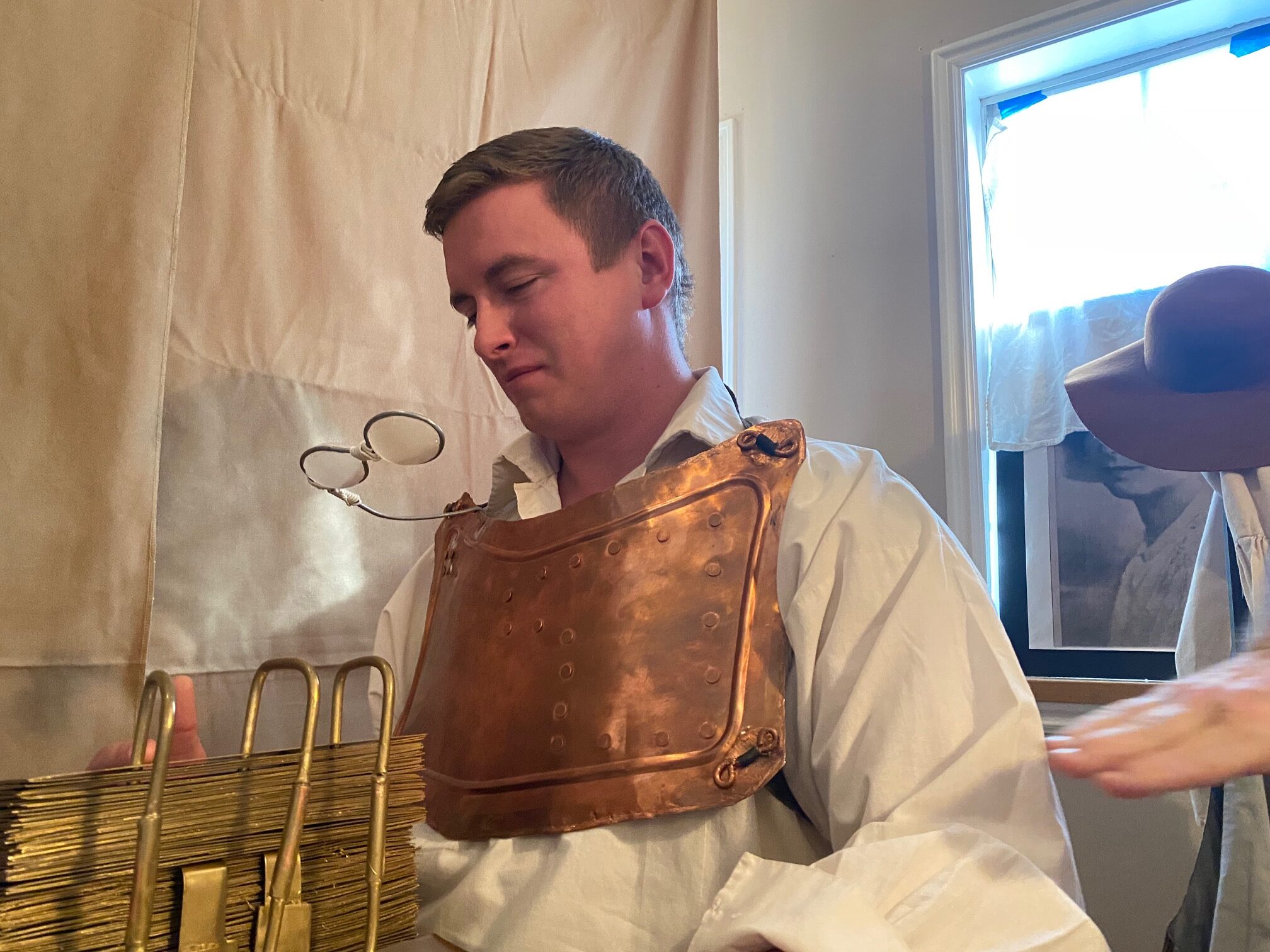 ‘While the statement has been made by some writers that the Prophet Joseph Smith used a seer stone part of the time in his translating of the record, and information points to the fact that he did have in his possession such a stone, yet there is no authentic statement in the history of the Church which states that the use of such a stone was made in that translation. The information is all hearsay, and personally, I do not believe that this stone was used for this purpose. The reason I give for this conclusion is found in the statement of the Lord to the Brother of Jared as recorded in Ether 3: 22-24. These stones, the Urim and Thummim which were given to the Brother of Jared, were preserved for this very purpose of translating the record, both of the Jaredites and the Nephites. Then again, the Prophet was impressed by Moroni with the fact that these stones were given for that very purpose. It hardly seems reasonable to suppose that the Prophet would substitute something evidently inferior under these circumstances. It may have been so, but it is so easy for a story of this kind to be circulated due to the fact that the Prophet did possess a seer stone, which he may have used for some other purposes’ (Joseph Fielding Smith, Doctrines of Salvation)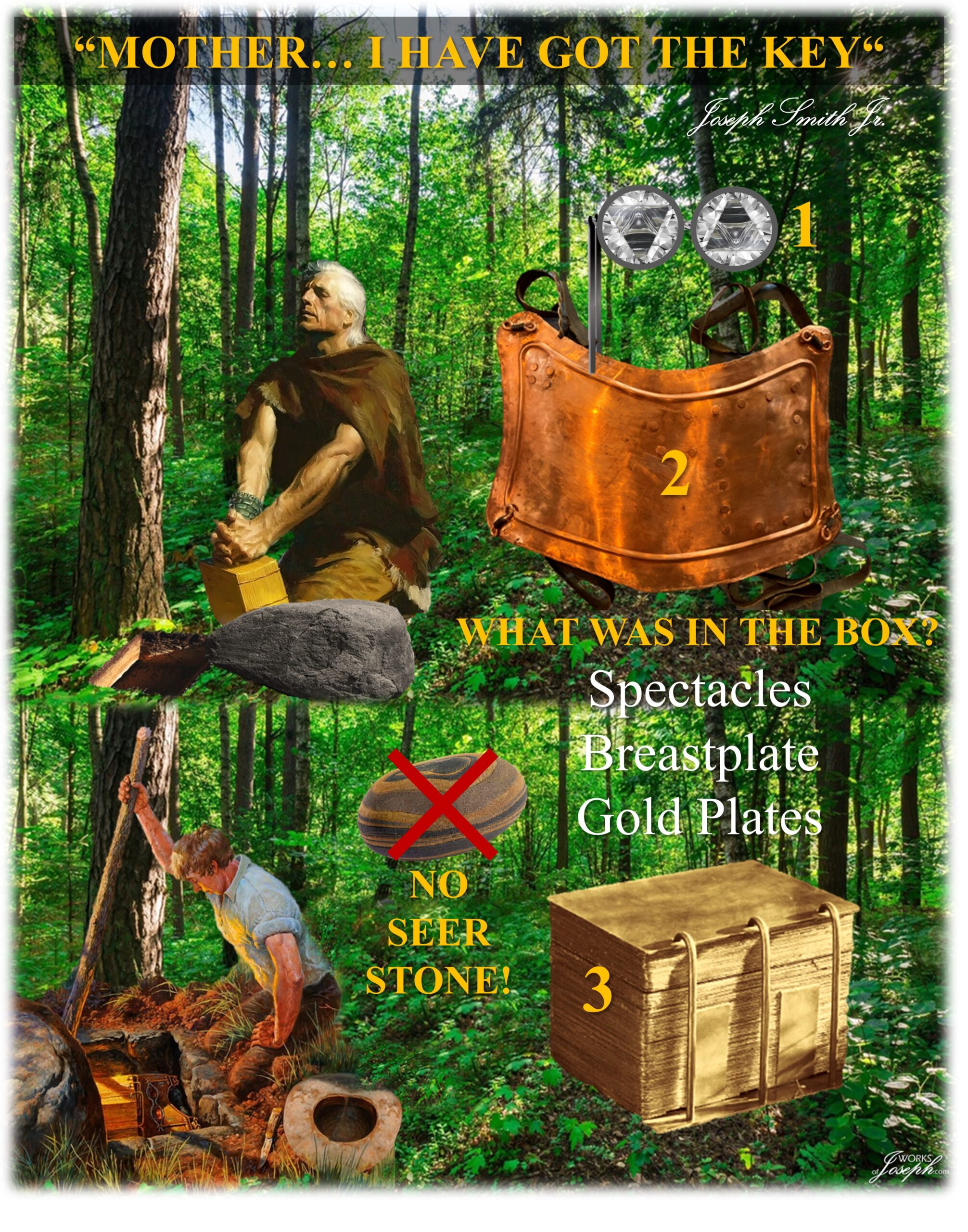
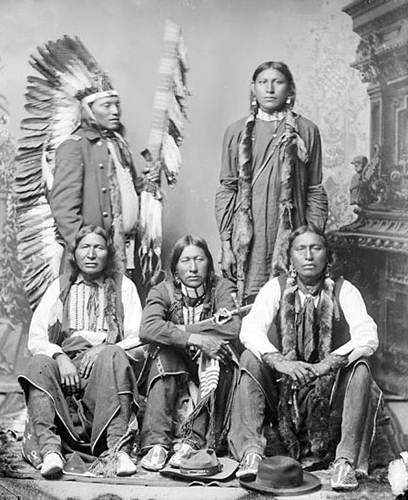
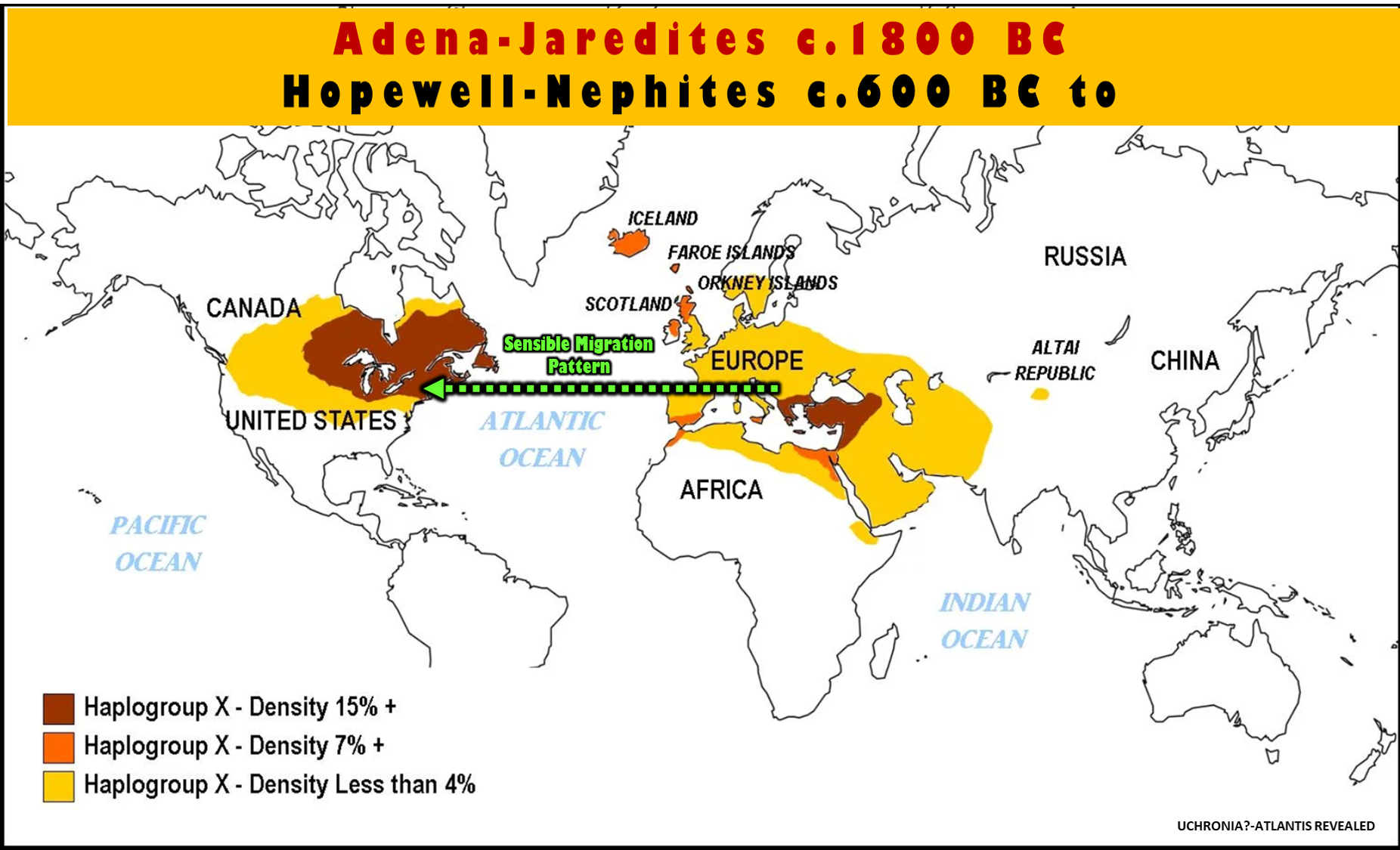

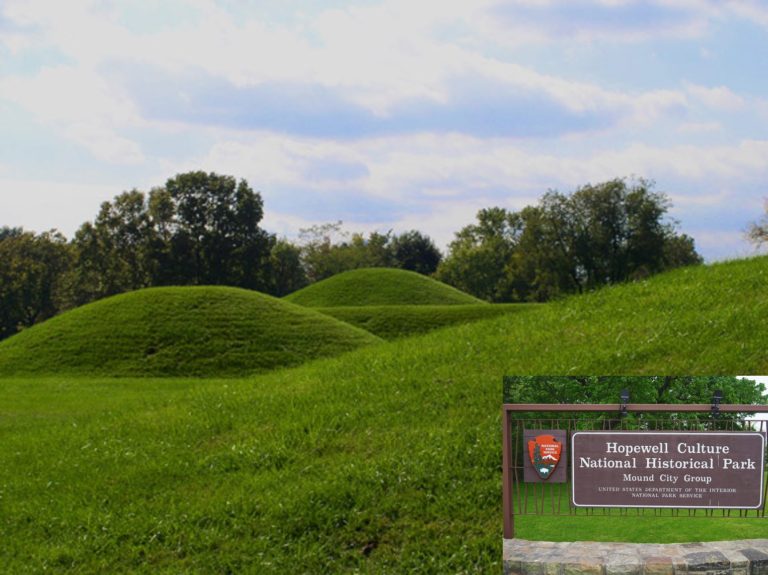
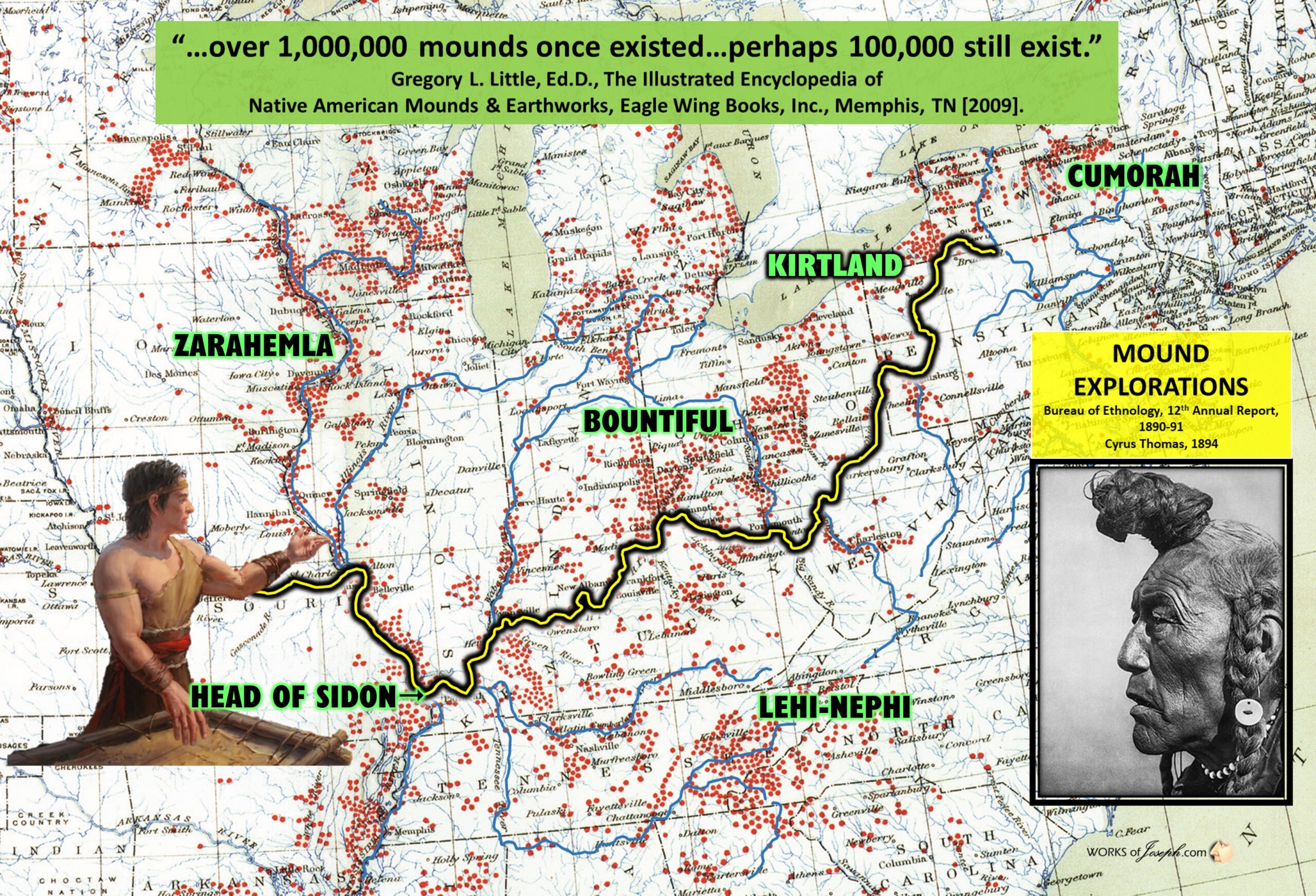 They were connected by a common network of trade routes, in what is known as the “Hopewell exchange system.” The name ‘Hopewell’ was chosen by Warren K. Moorehead, known as the ‘Dean of American archaeology,’ after his explorations in 1891 and 1892 of a group of mounds in Ross County, Ohio. He named the mounds after Mordecai C. Hopewell, the owner of the land. Subsequently all mounds that have similar identifications are named as the Hopewell Mound Builders within an interaction sphere. Annotated Book of Mormon by David Hocking and Rod Meldrum page 536

 The term “Woodland Period” was introduced in the 1930’s as a generic term for prehistoric sites falling between the Archaic hunter-gatherers and the agriculturalist Mississippian cultures. This period is characterized with both chronological and cultural manifestations having no massive changes within a short time period, but instead, having a continuous development in the making and use of stone and bone tools, leather crafting, textile
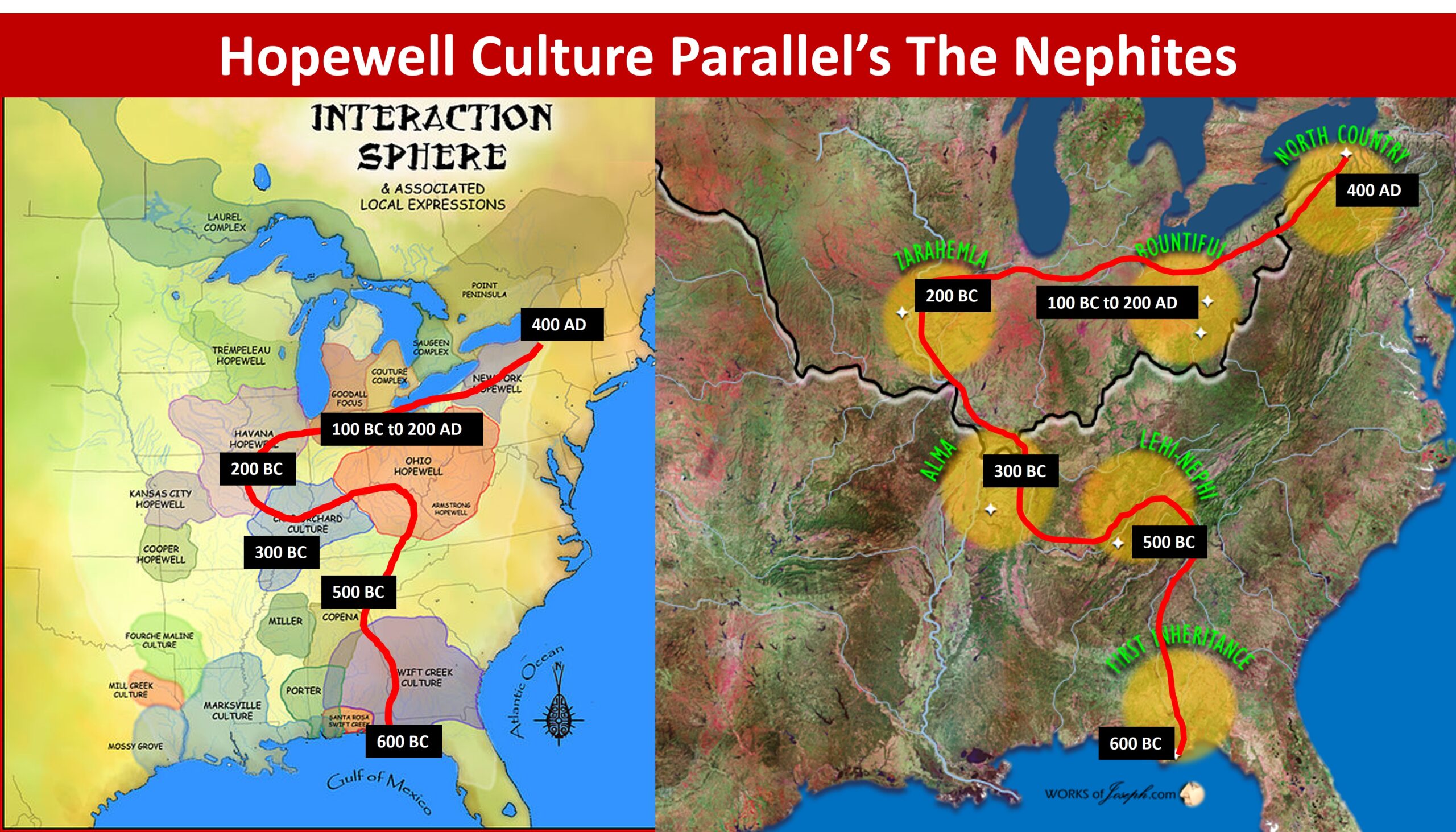 The Mississippian culture was a mound-building Native American civilization composed of a series of urban settlements and satellite villages linked together by a loose trading network, the largest city being Cahokia, near present day St. Louis, MO, believed to be a major religious center. The civilization flourished from the southern shores of the Great Lakes at Western New York and Western Pennsylvania in what is now the Eastern Midwest, extending south-southwest into the lower Mississippi Valley and wrapping easterly around the southern foot of the Appalachians barrier range into what is now the Southeastern United States (Bense, Judith A., “Archaeology of the Southeastern United States: Paleoindian to World War I,” Academic Press, New York [1994]).
 View of Monks Mound from Woodhenge Circle (Photo courtesy of Sarah E. Baires)
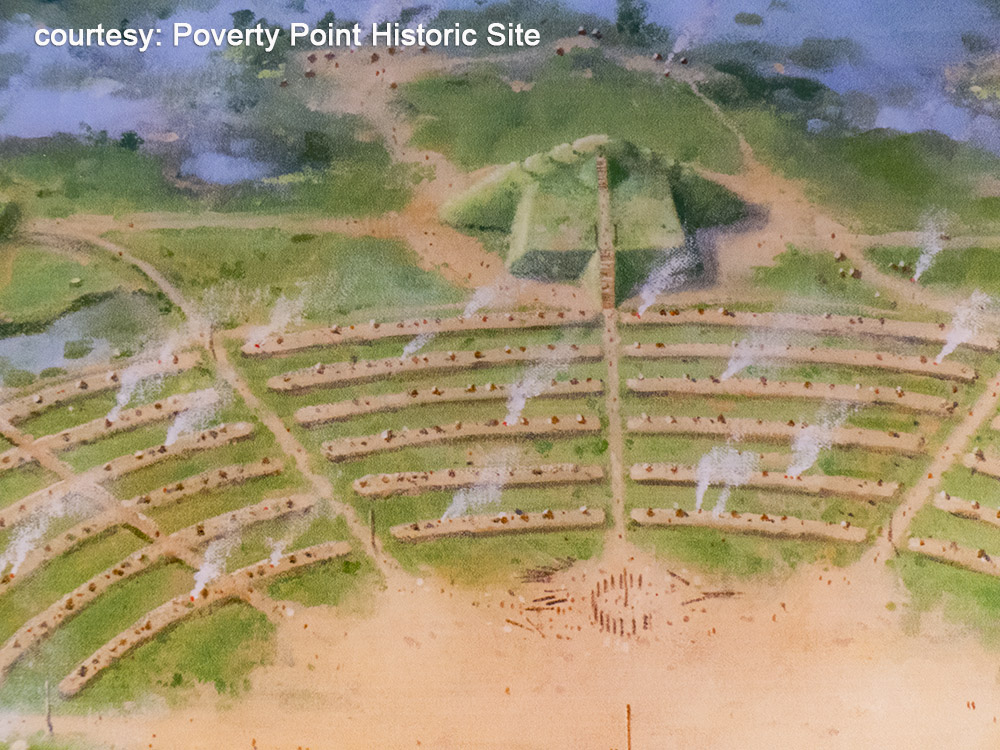 The city of Cahokia is one of many large earthen mound complexes that dot the landscapes of the Ohio and Mississippi River Valleys and across the Southeast. Despite the preponderance of archaeological evidence that these mound complexes were the work of sophisticated Native American civilizations, this rich history was obscured by the Myth of the Mound Builders, a narrative that arose ostensibly to explain the existence of the mounds. Examining both the history of Cahokia and the historic myths that were created to explain it reveals the troubling role that early archaeologists played in diminishing, or even eradicating, the achievements of pre-Columbian civilizations on the North American continent, just as the U.S. government was expanding westward by taking control of Native American lands.
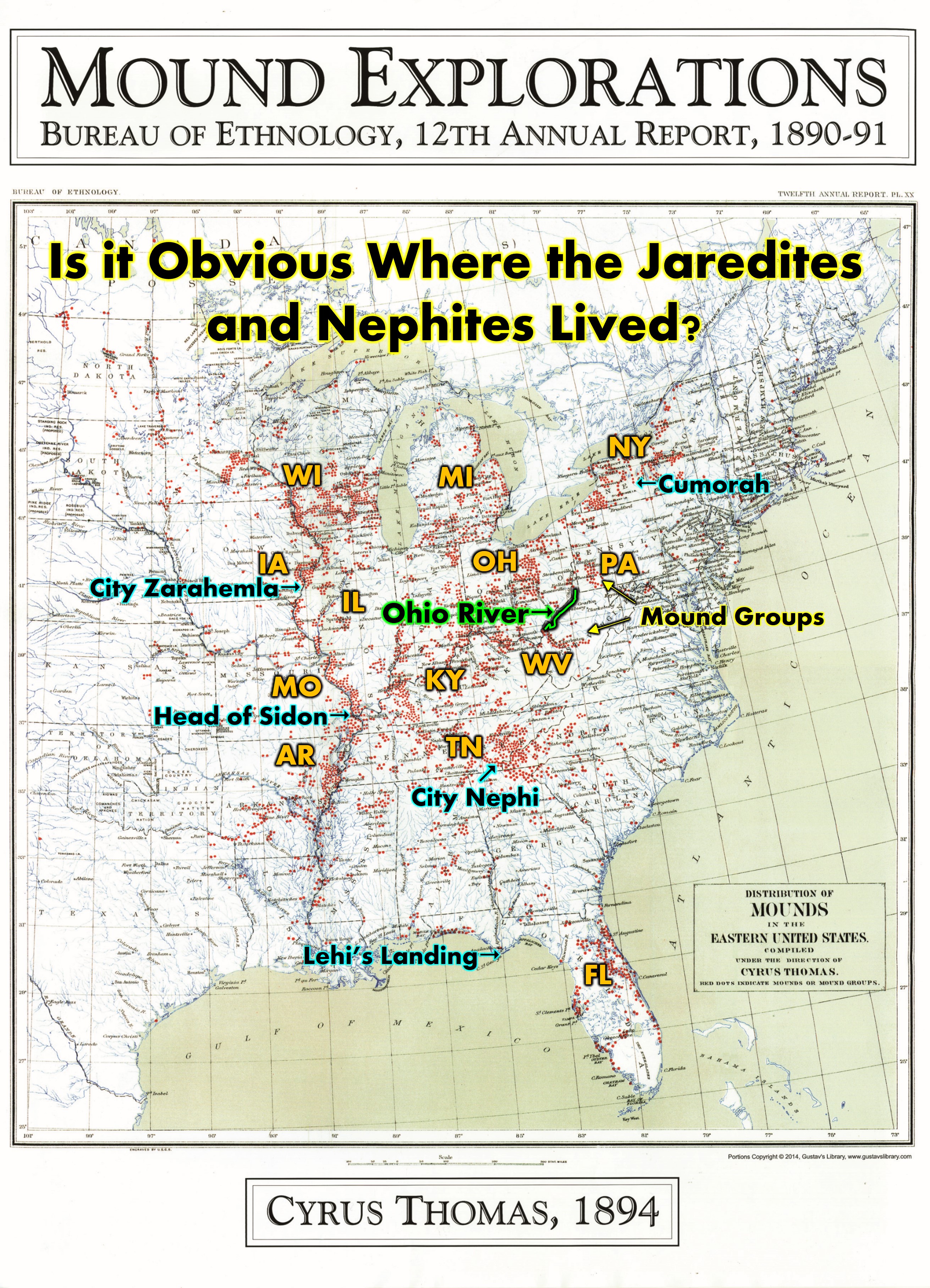 The largest mound at Cahokia was Monks Mound, a four-terraced platform mound about 100 feet high that served as the city’s central point. Atop its summit sat one of the largest rectangular buildings ever constructed at Cahokia; it likely served as a ritual space.
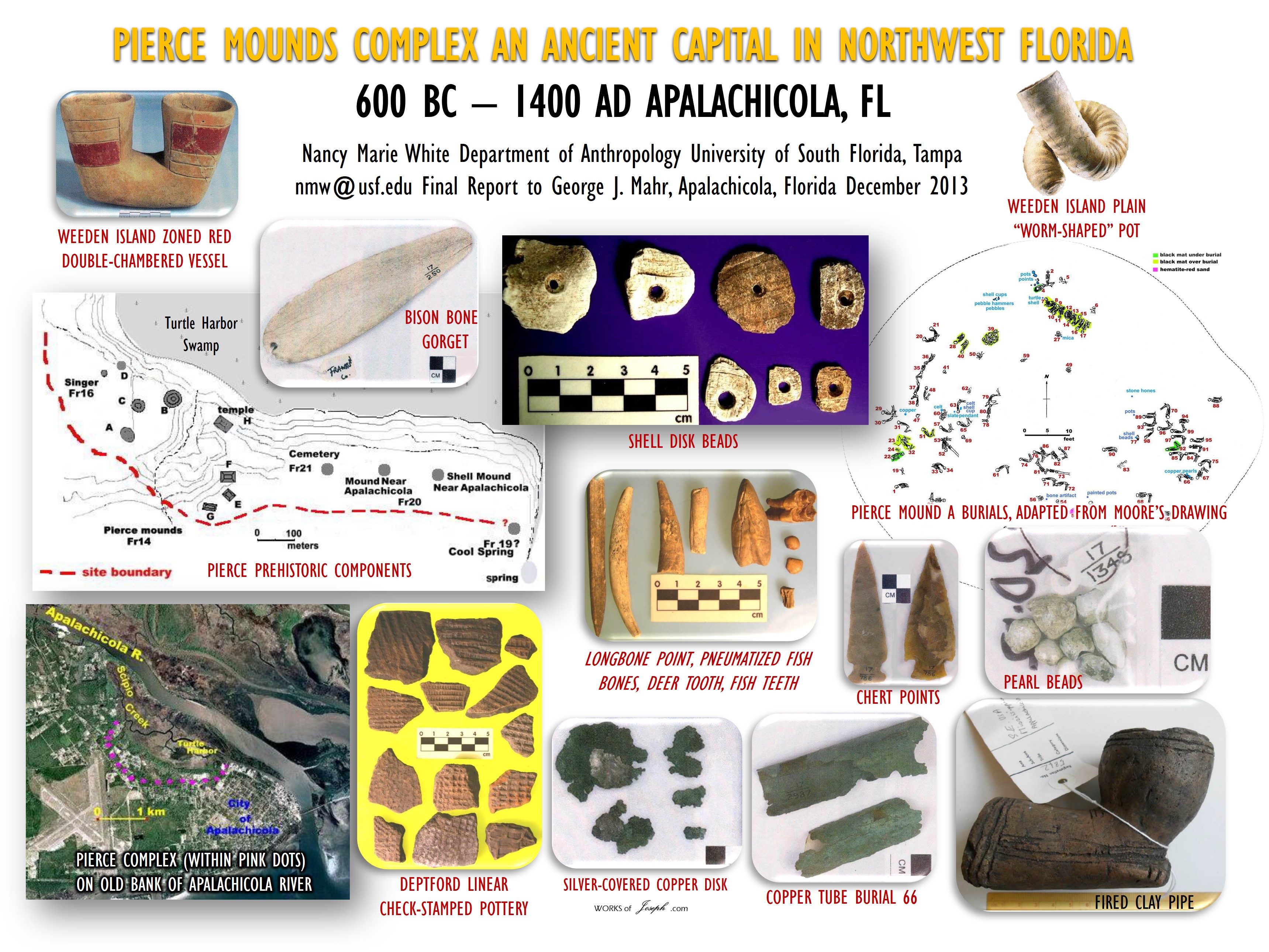 Cahokia was built rapidly, with thousands of people coming together to participate in its construction. As far as archaeologists know, there was no forced labor used to build these mounds; instead, people came together for big feasts and gatherings that celebrated the construction of the mounds.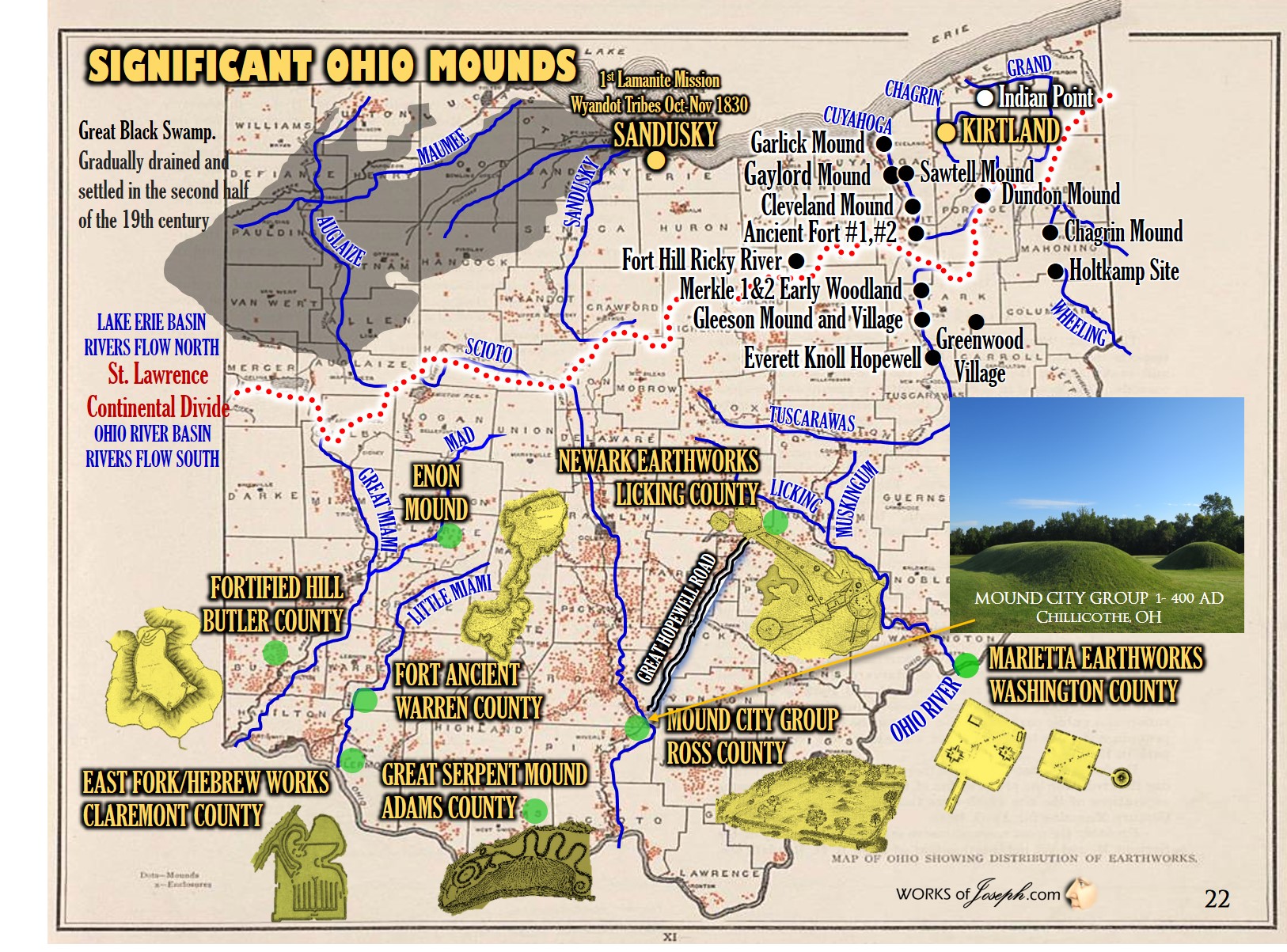
 The creation of the Myth of the Mounds parallels early American expansionist practices like the state-sanctioned removal of Native peoples from their ancestral lands to make way for the movement of “new” Americans into the Western “frontier.” Part of this forced removal included the erasure of Native American ties to their cultural landscapes.
 quintessential examples of “Stone Age” cultures—unprogressive and static communities incapable of technological or cultural advancement. These ideologies framed the archaeological research of the time.
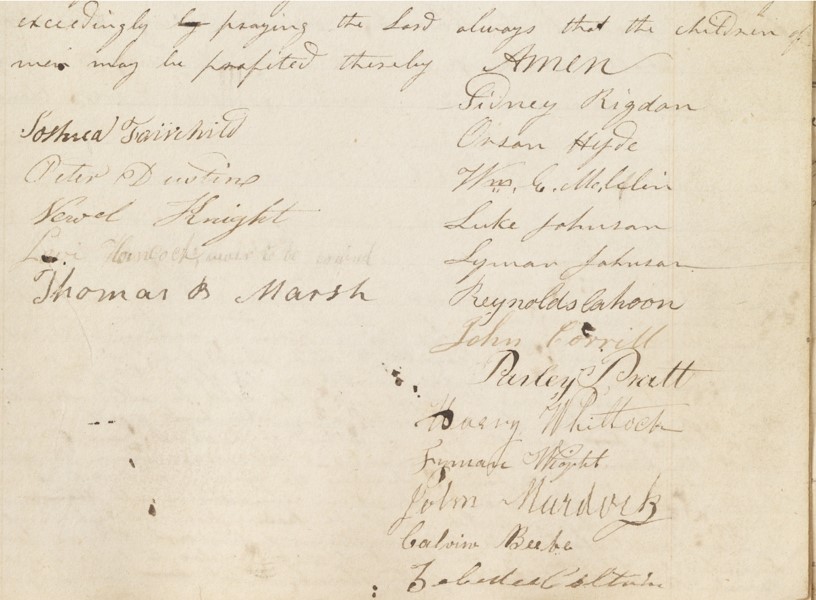
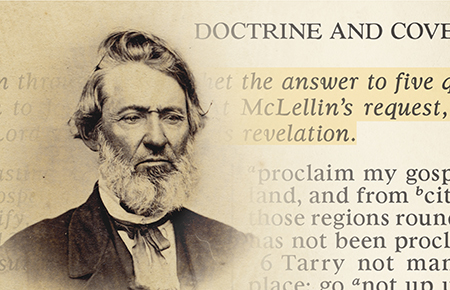
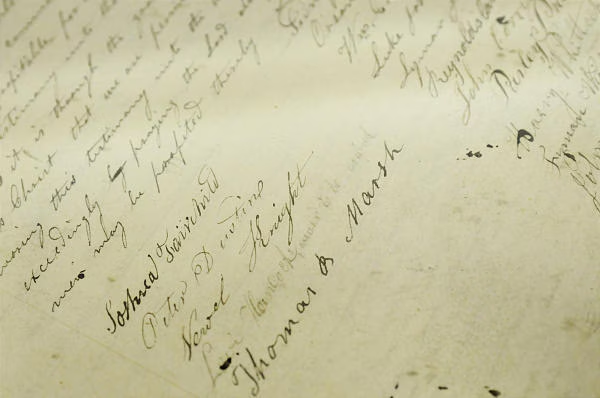
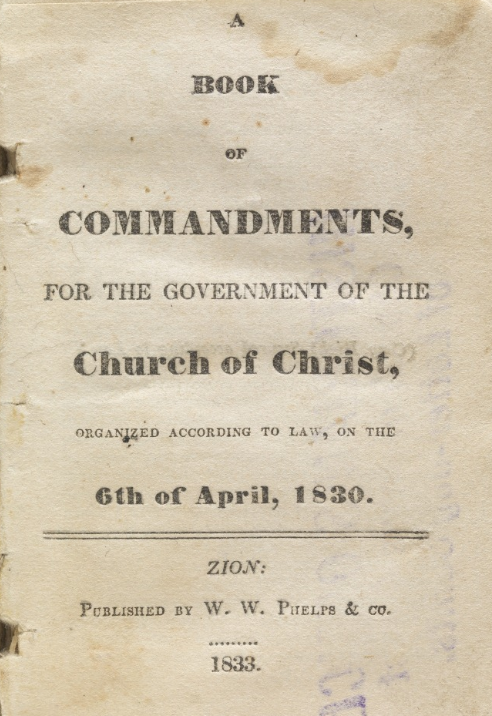
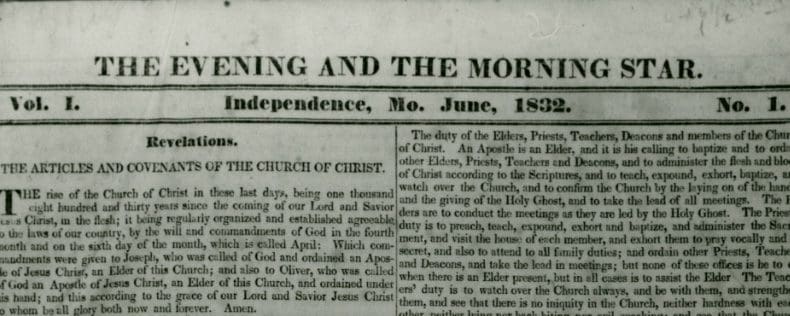 2) The Evening and Morning Star [1832-33] $500,000

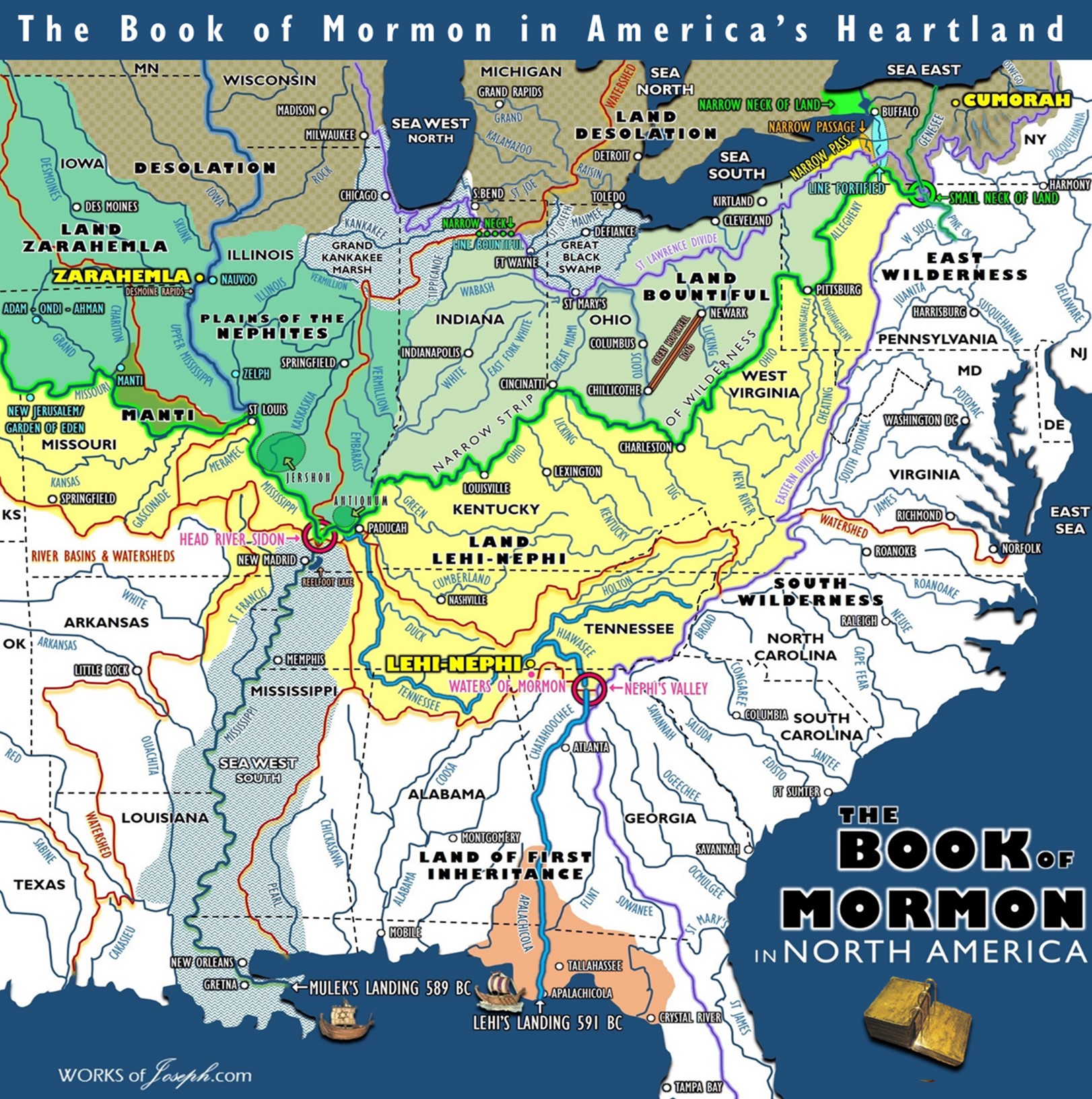

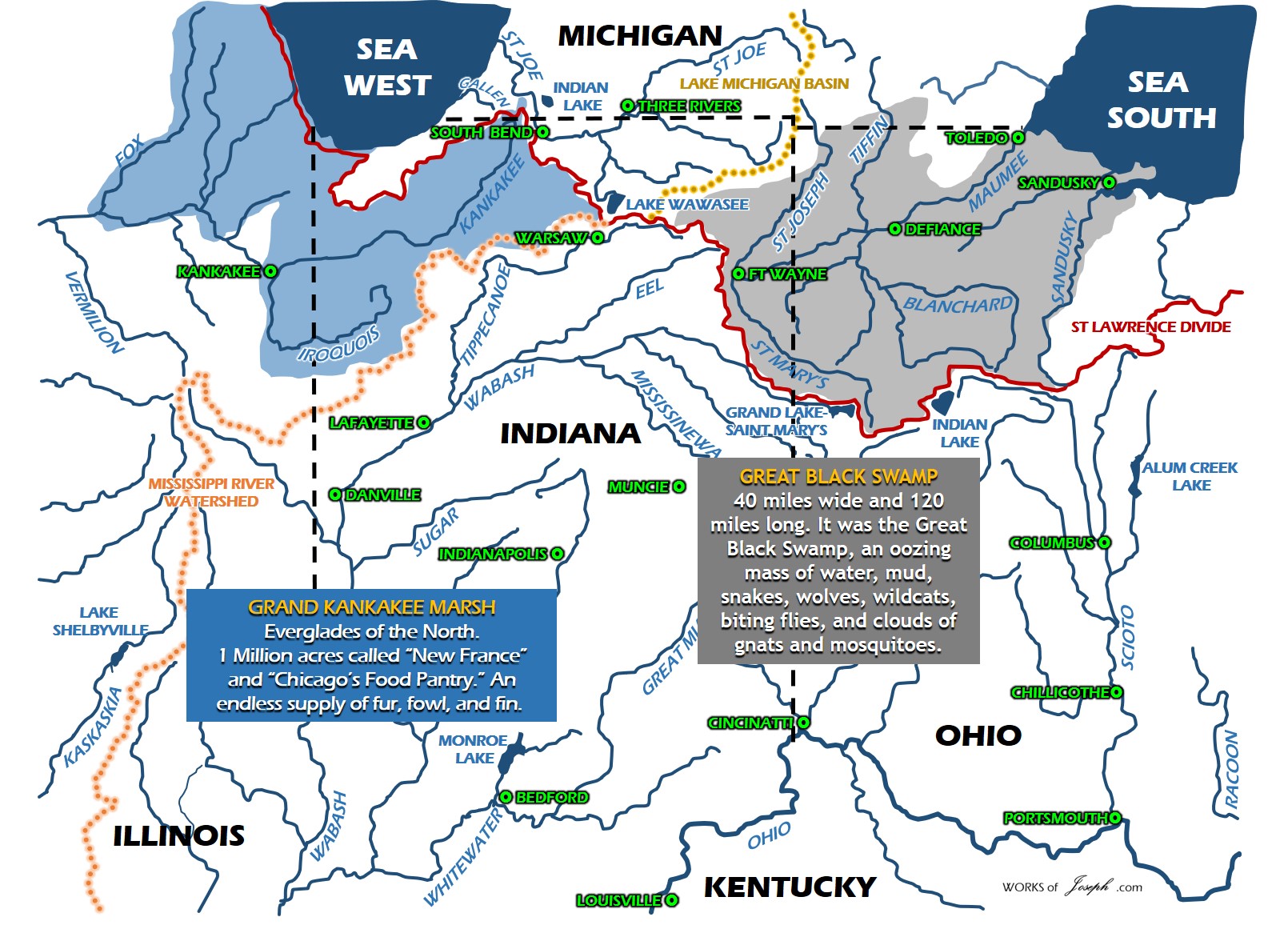

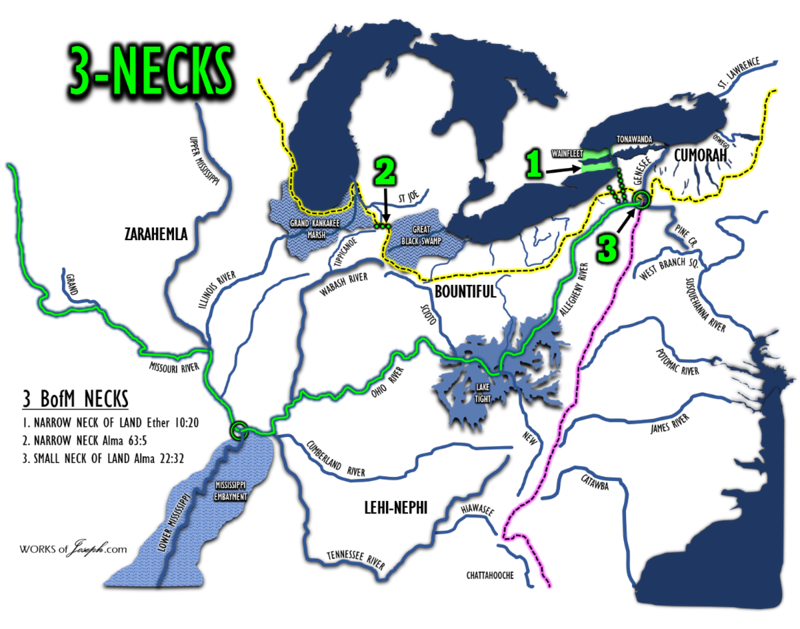


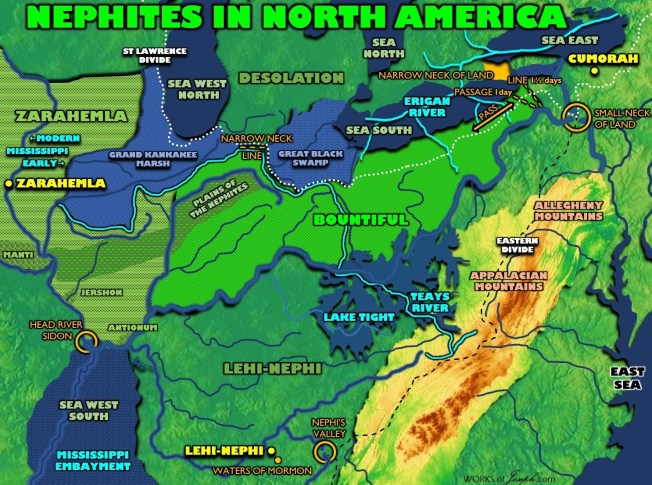

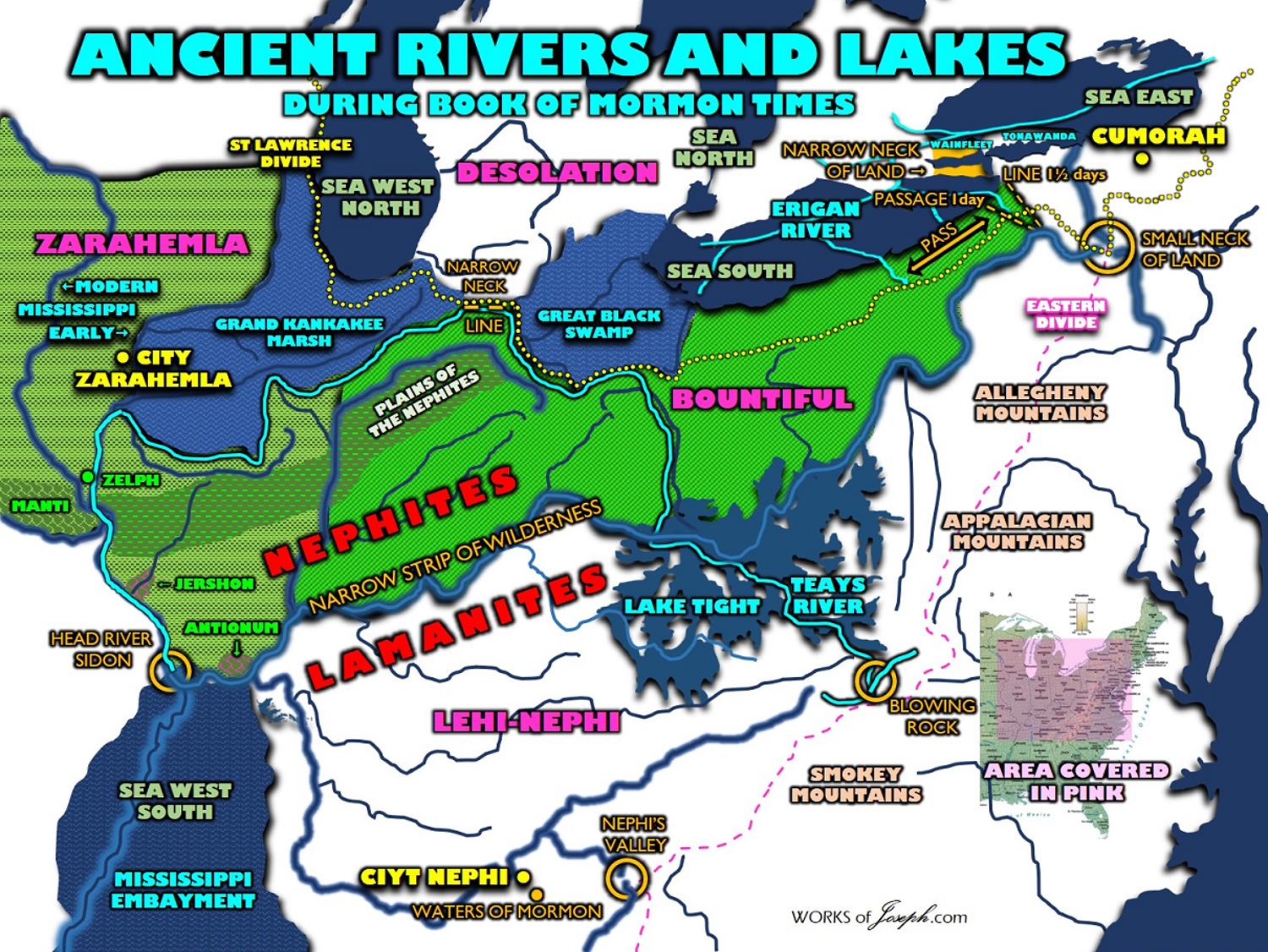
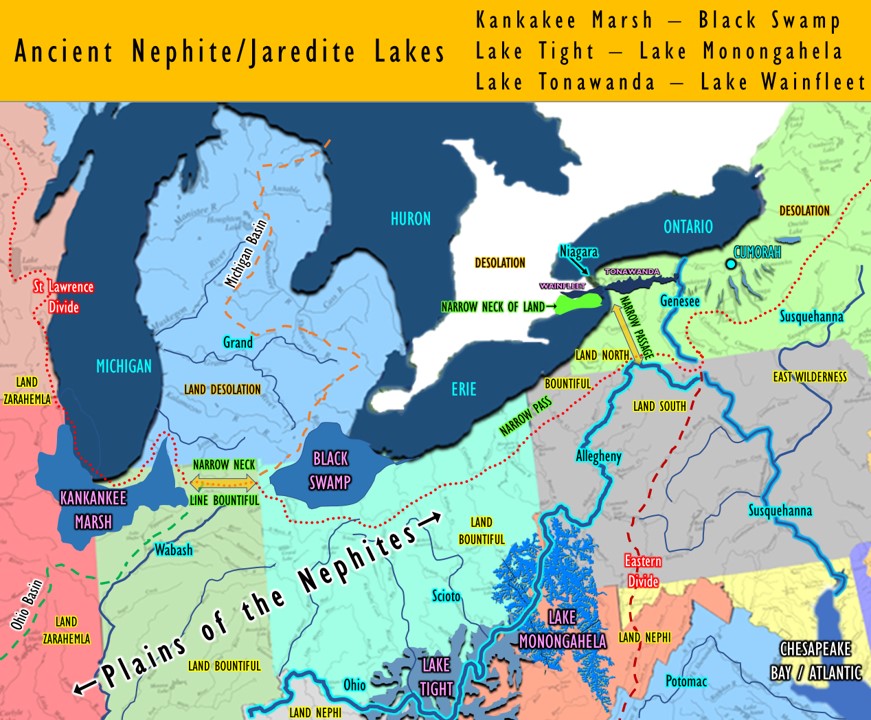


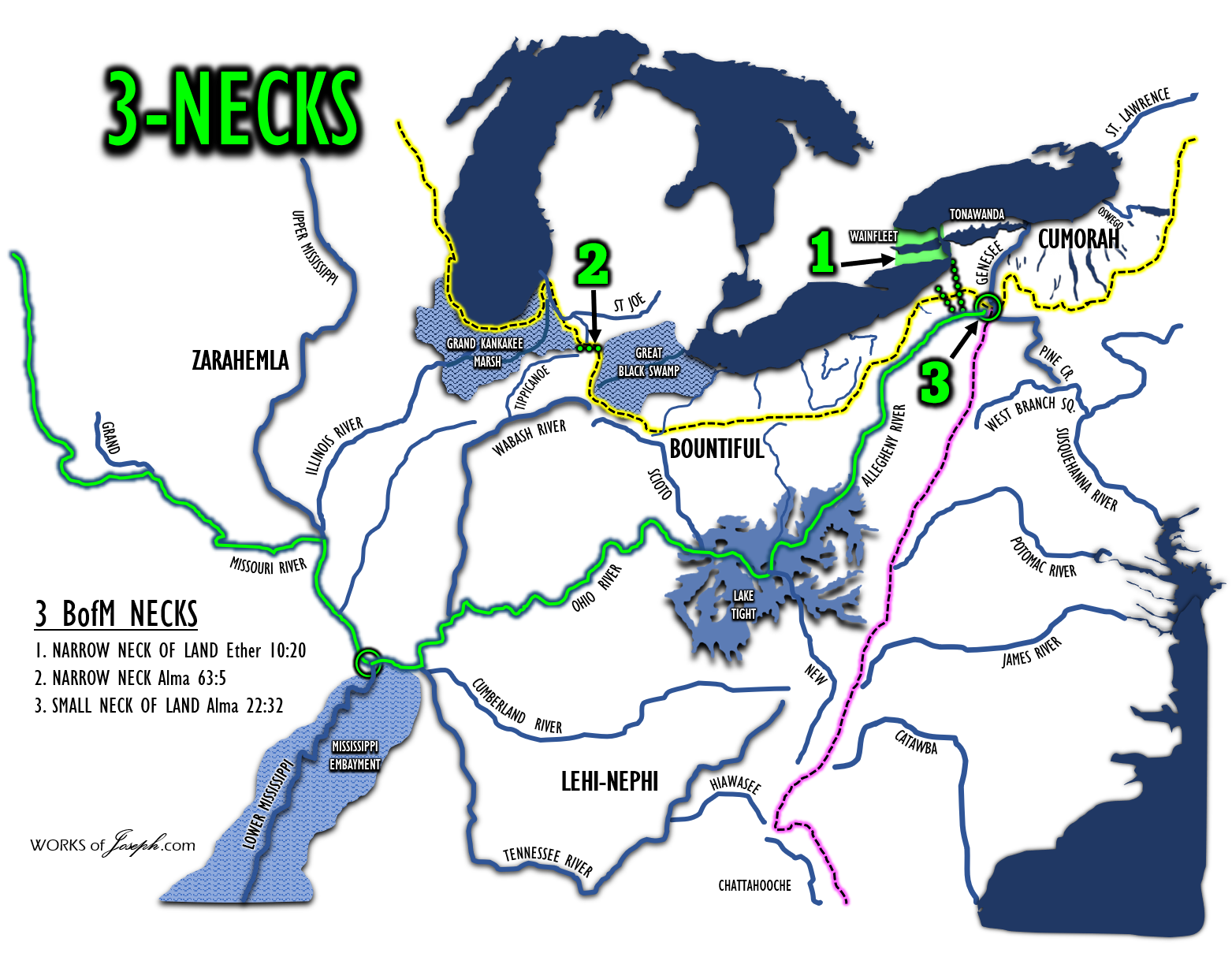


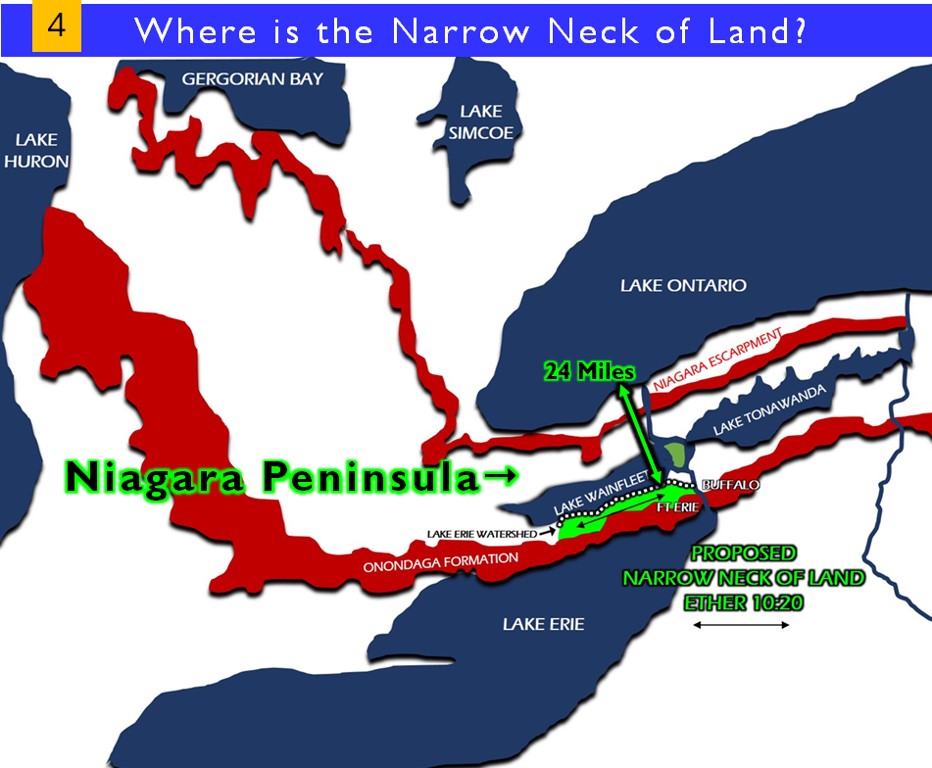


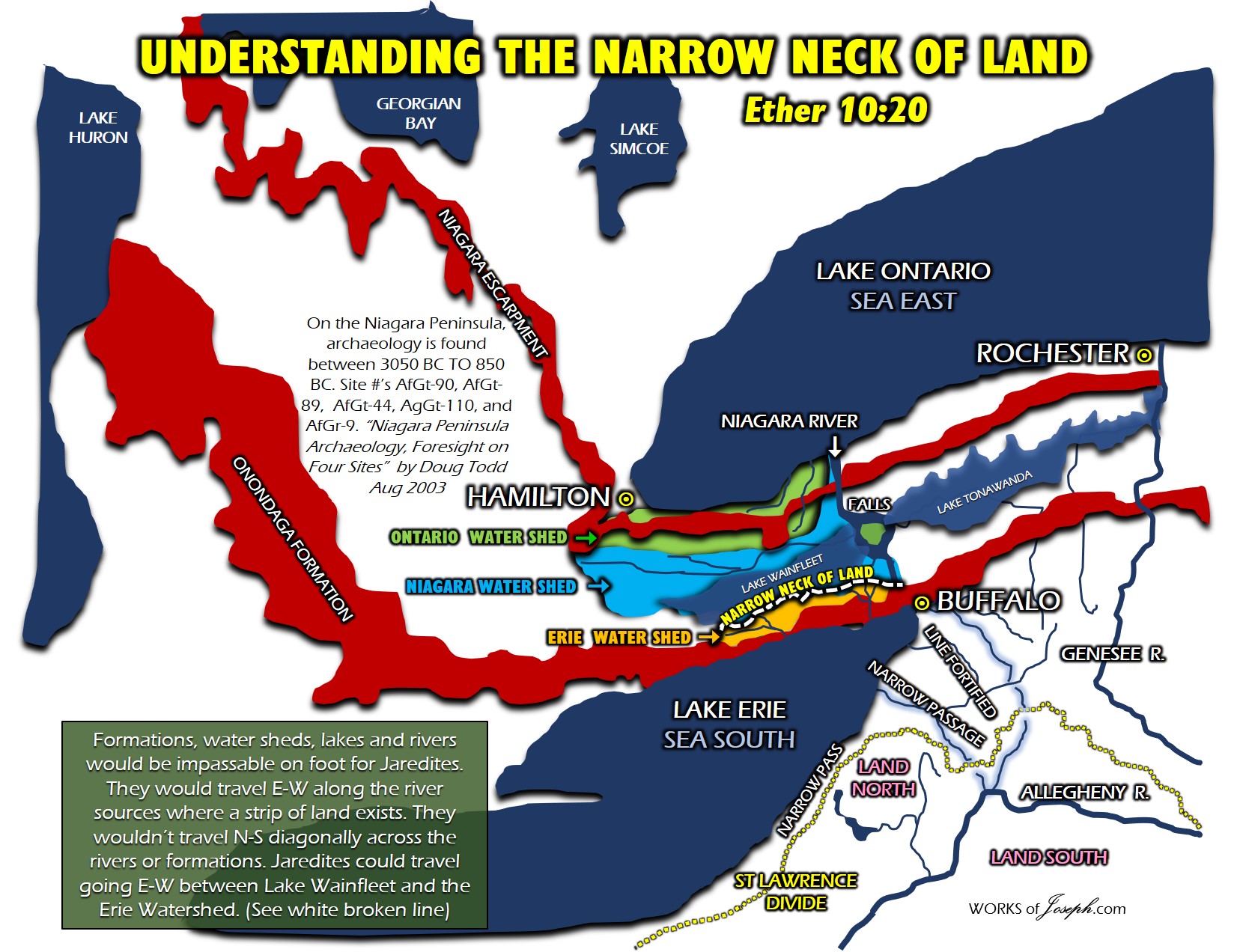
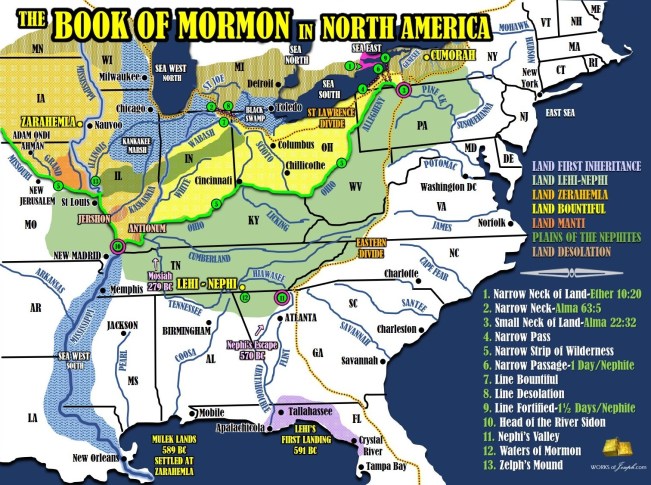
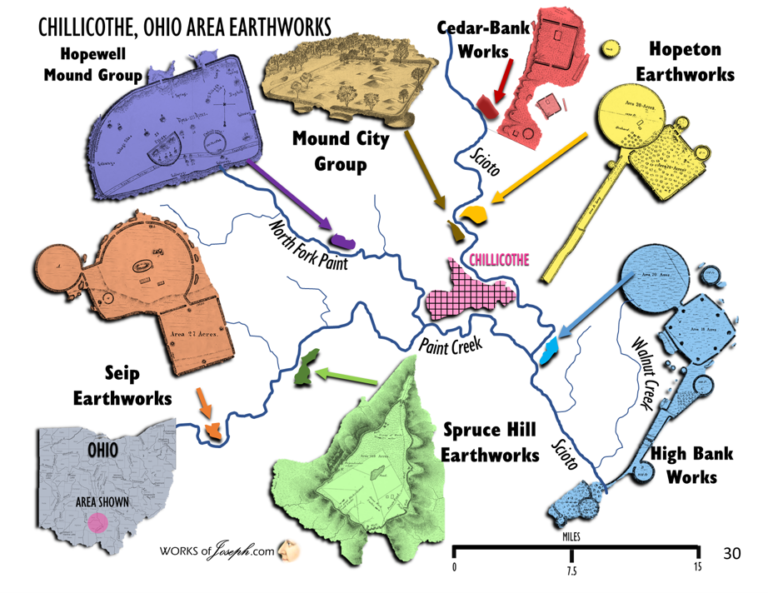

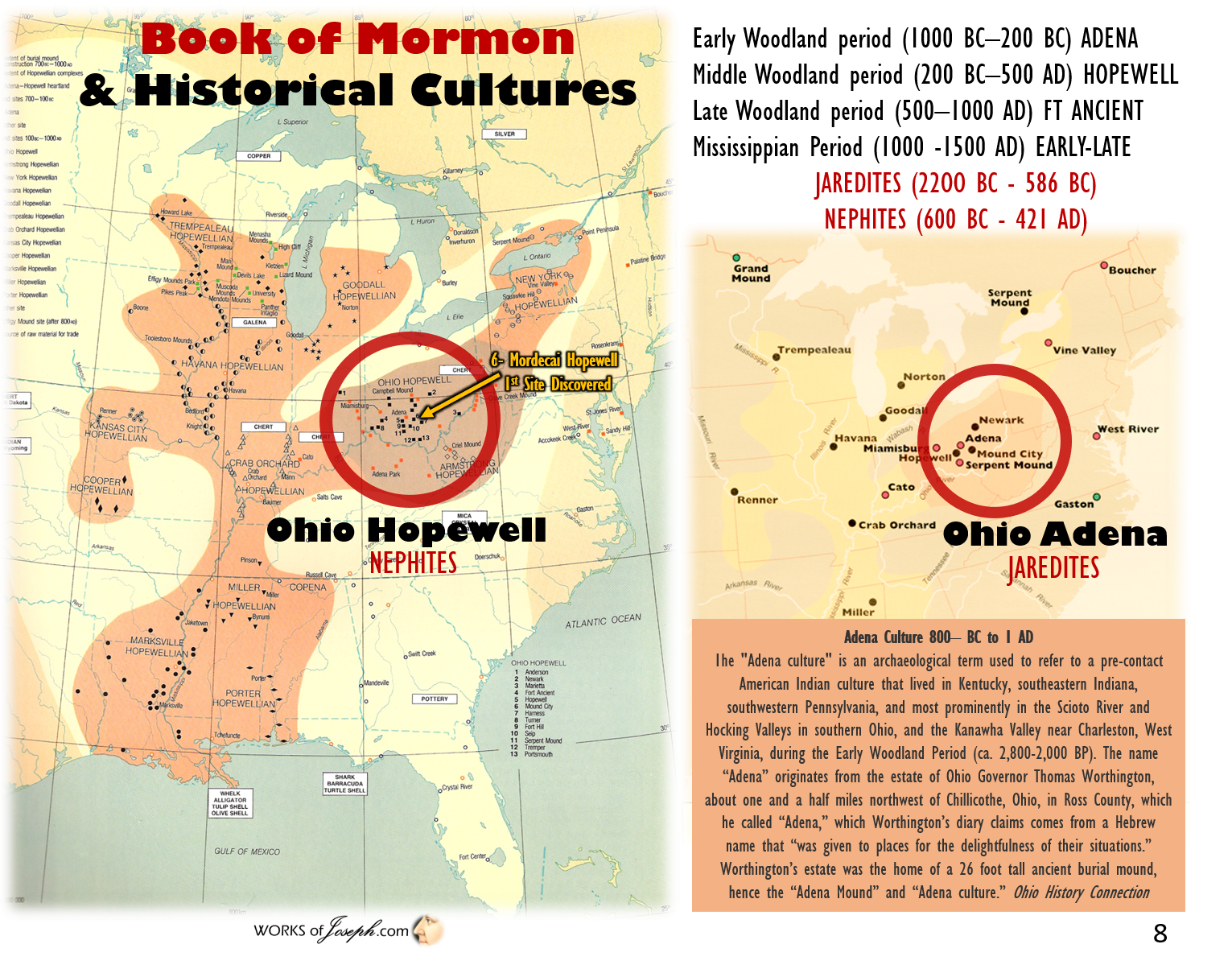

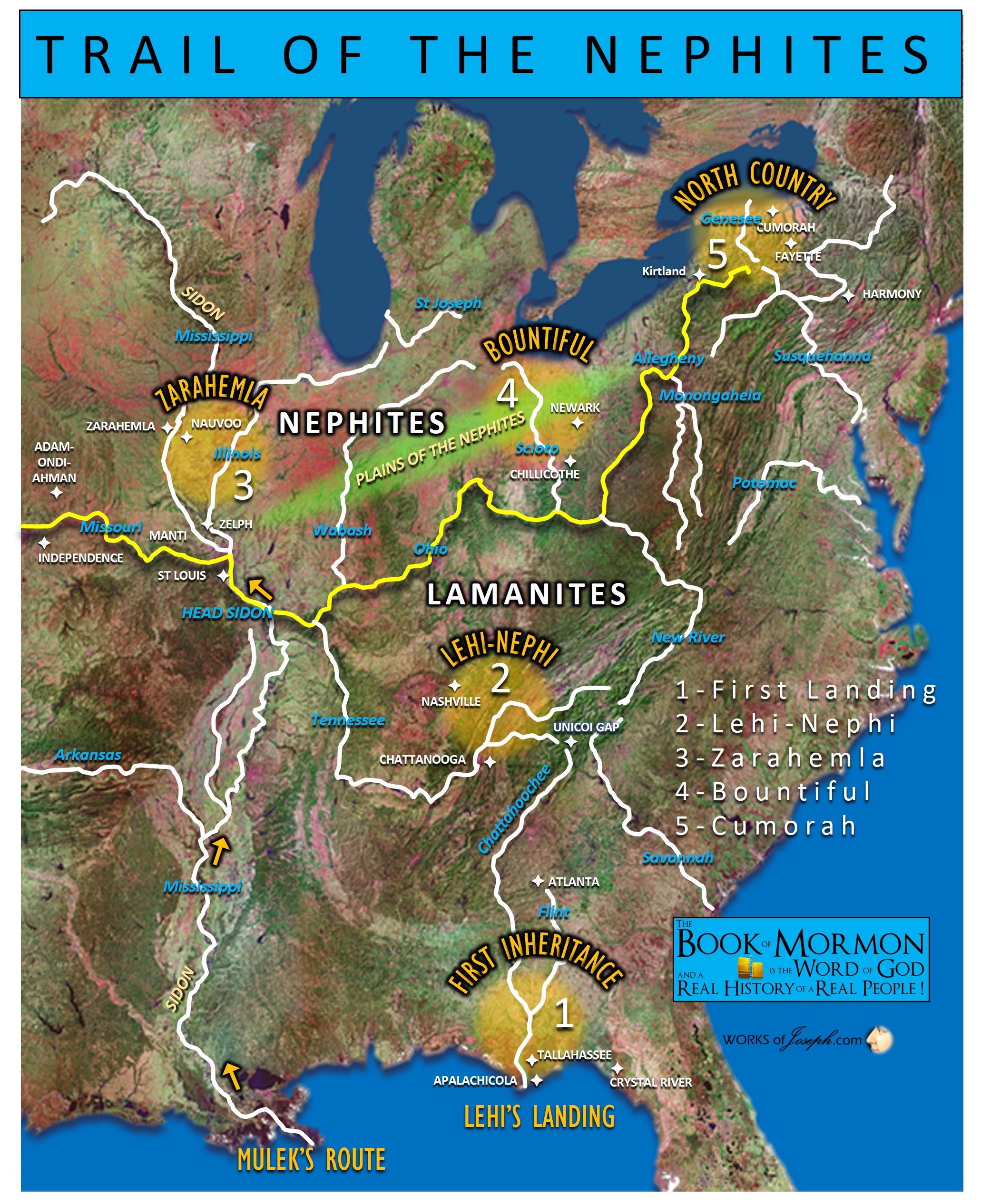 Petroglyphs or rock pictures are found cut into exposed rock surfaces and are most abundant along the Ohio River. Among the more important of the petroglyphs are those in Jackson, Meigs, Belmont, Columbiana and Cuyahoga counties and are described under those counties. Flint quarries, the principal ones of which are located in Licking, Muskingum and Coshocton counties, were of great importance in the aboriginal economy. Their purpose is evident — the supplying of raw material for the manufacture of the multitude of chipped flint objects found in practically every section of the state.

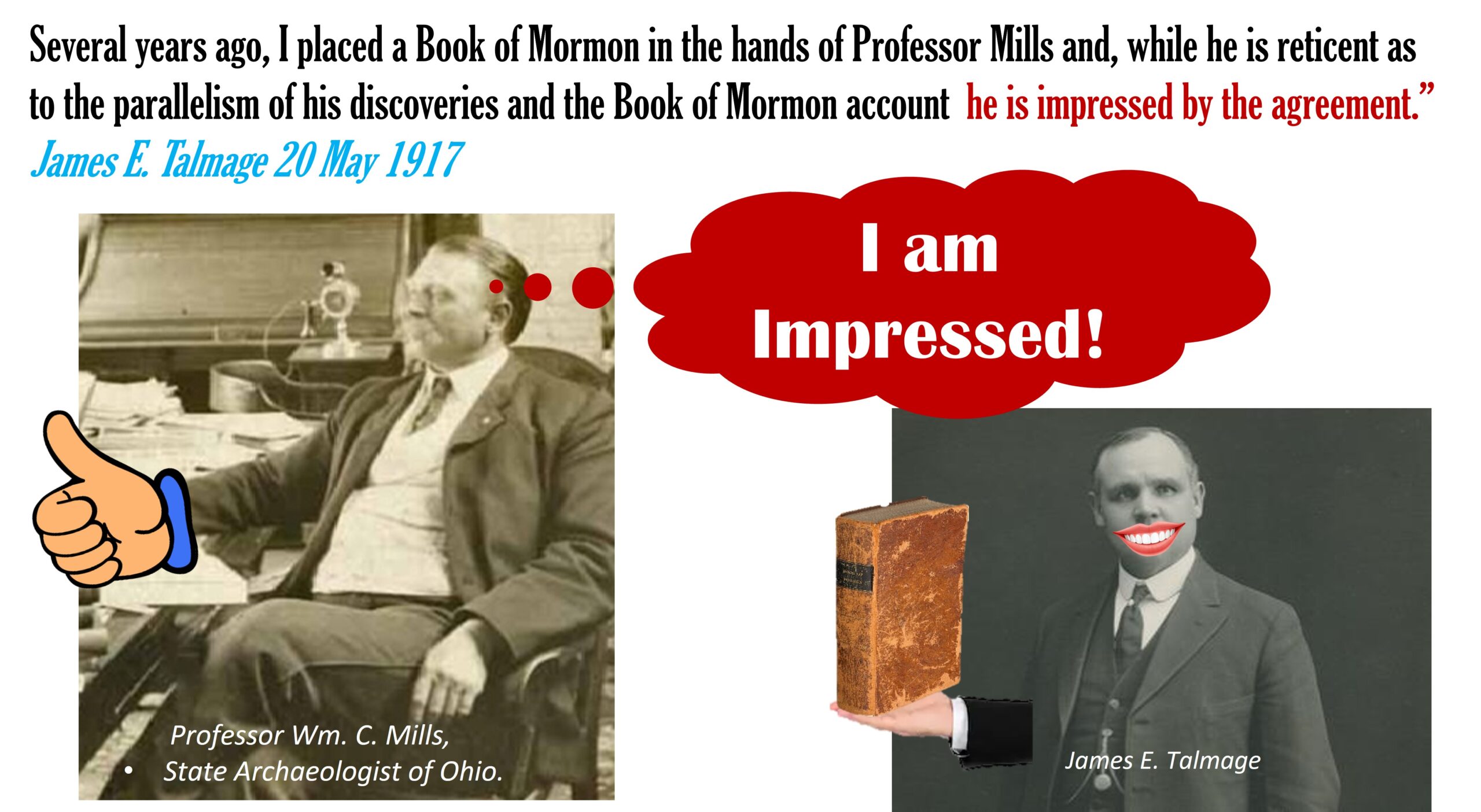 James Talmadge said, “Parallels of the Hopewell Culture as described by William C. Mills, Chief Archaeologist of Ohio, with the Book of Mormon. [May 20, 1917; Sunday] Attended Sunday School and afternoon service in Hawthorne Hall, and was a speaker at each assembly. Evening meetings here, as also in Brooklyn, have been discontinued for the summer. The attendance both at Sunday School and afternoon meeting was surprisingly large in view of the fact that many of the Utah college students have left for the vacation period. This evening at the hotel I had a long and profitable consultation with Professor Wm. C. Mills, State Archaeologist of Ohio. He is continuing his splendid work of exploration in the Ohio mounds, and I went over with him again the remarkable agreement between his deductions and the Book of Mormon story.
 As a further consequence of this belligerent status they buried their dead, with or without previous cremation, in such condition as to admit of expeditious covering up of the cemeteries by the heaping of earth over the sepulchers [sic], in which hurried work the least skilled laborers and even children could be employed.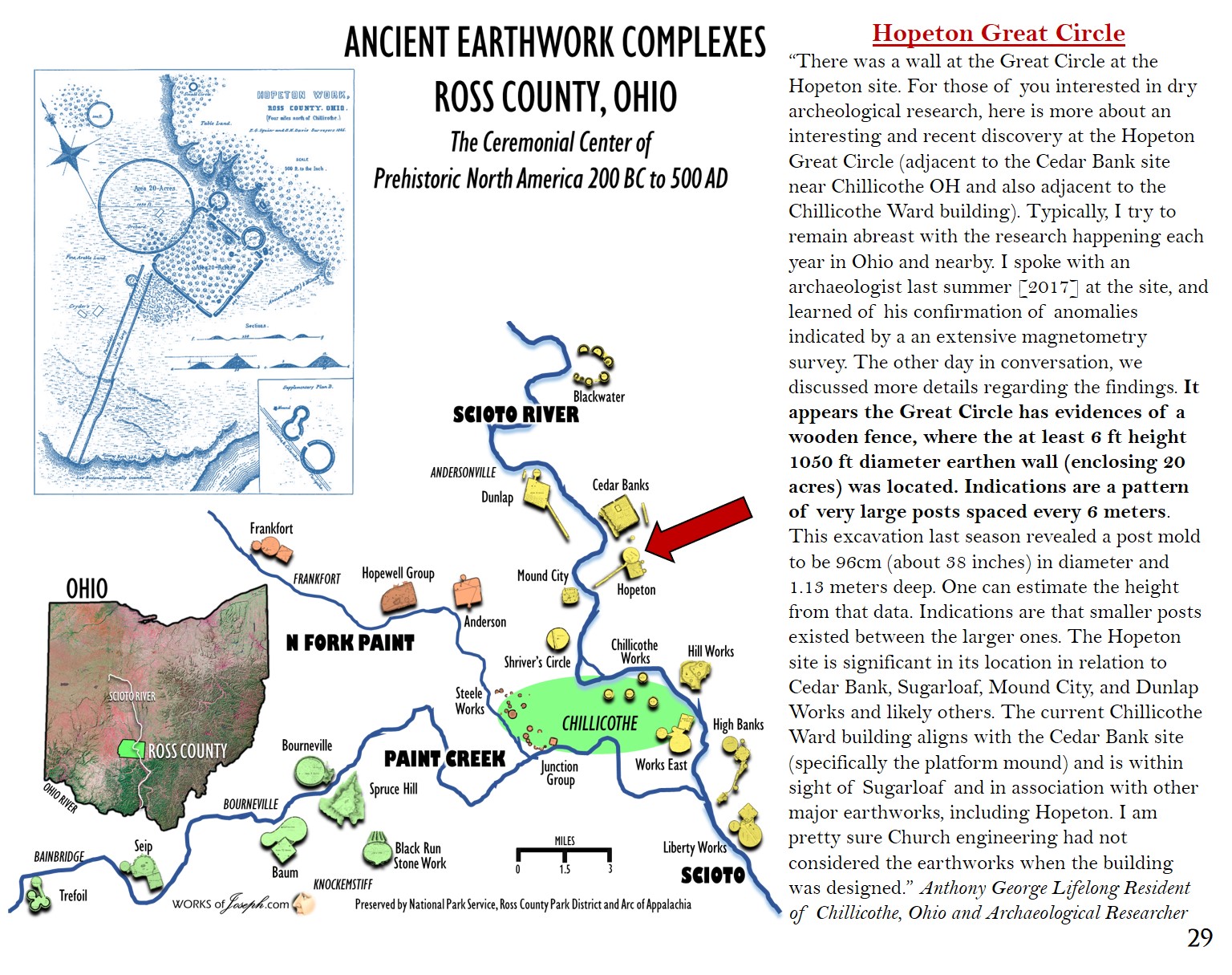
 Sugarloaf Mountain – “The Hopewell road from Newark points straight as an arrow to Sugarloaf Mountain, the hill directly behind the Cedar Bank site. It is also the hill which many Chillicothe earthworks align to. Additionally, the Marietta Road, another ancient thruway, points straight to Sugarloaf from Marietta. Then consider the Kanawha Trail from Charleston WV and the Scioto Trail from Portsmouth OH…yep, the same. It seems everything in southern Ohio points to Sugarloaf. And there is more. The largest concentration of Hopewell earthworks are within minutes of Sugarloaf (over 500). You can see Columbus OH from the top of the hill. It commands the valley more in presence as opposed to height. Anthony George Lifelong Resident of Chillicothe, Ohio and Archaeological Researcher.
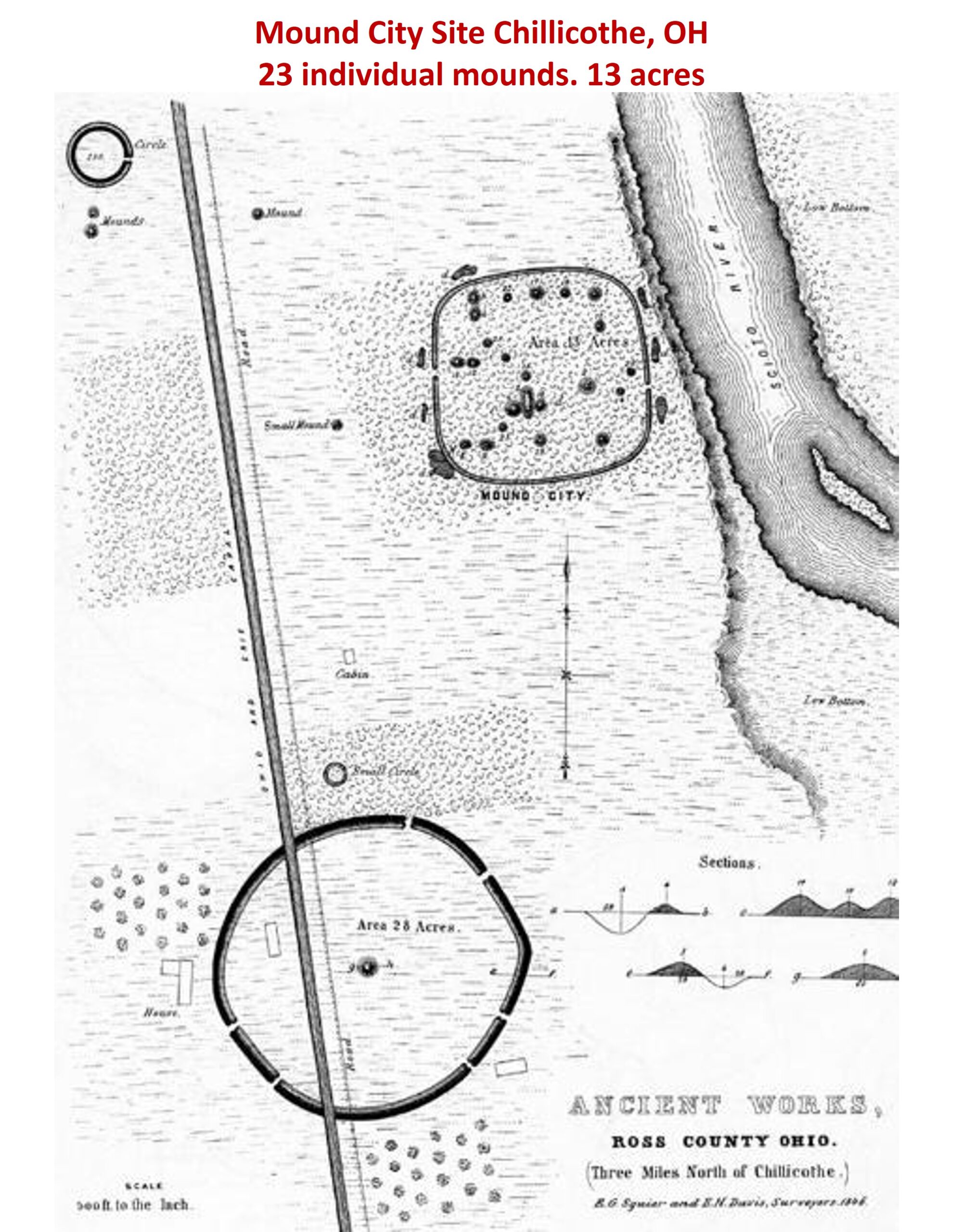 Trail#1– The “Great Trail” so-called, was the most important of the east and west trails in Ohio. It was the western extension of the great highway between the Indian country around Delaware and Chesapeake Bay traveling westward to the forks of the Ohio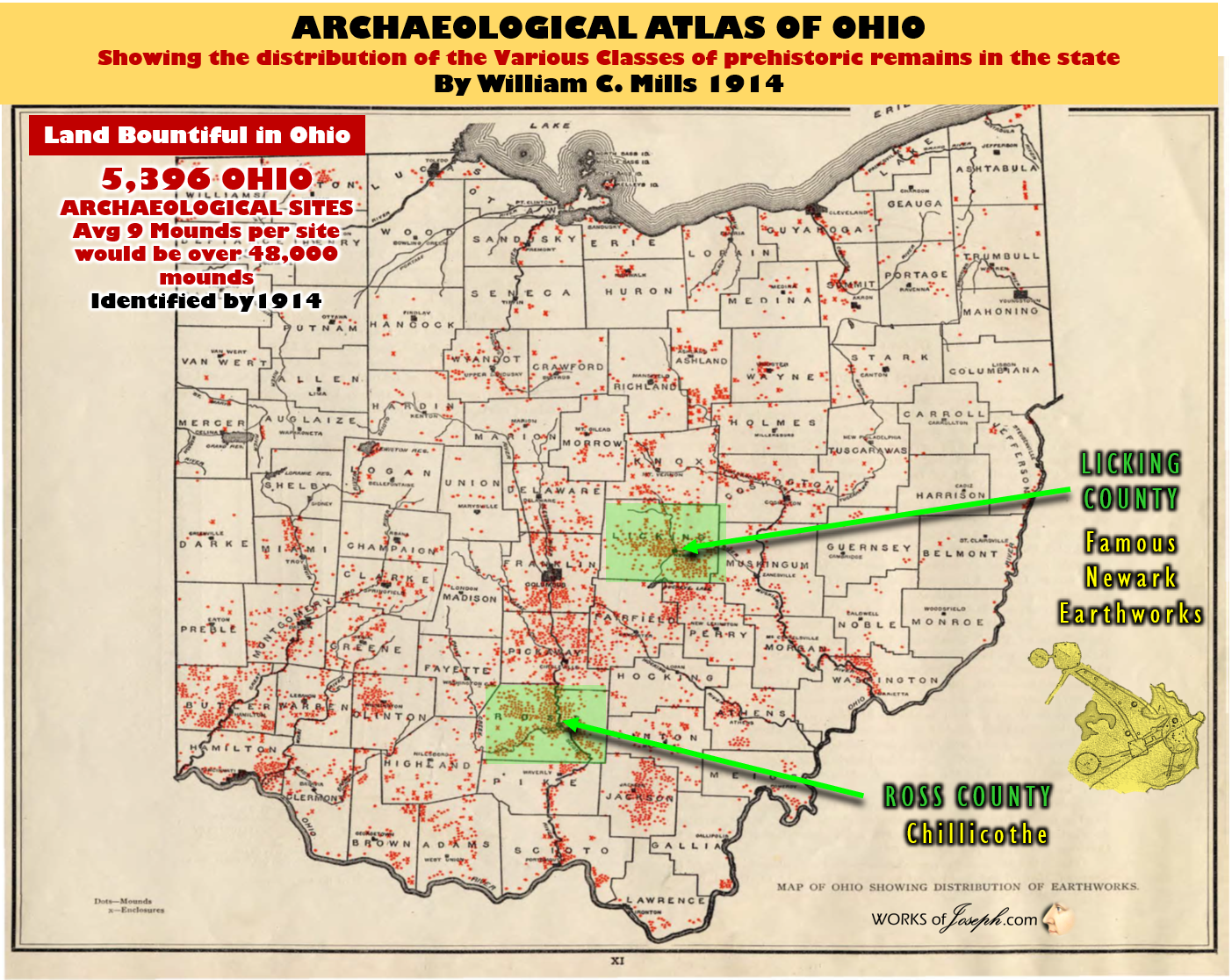
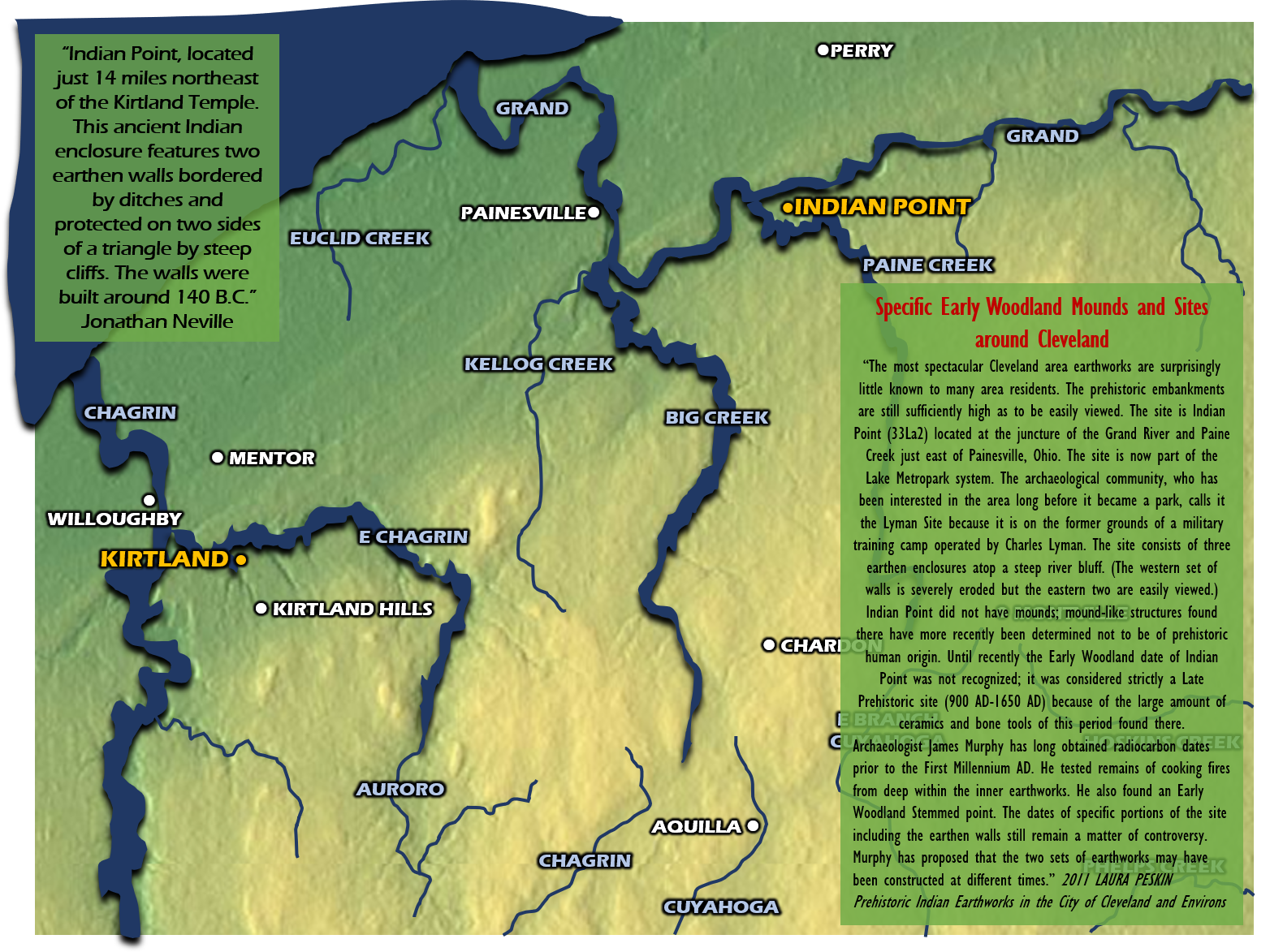
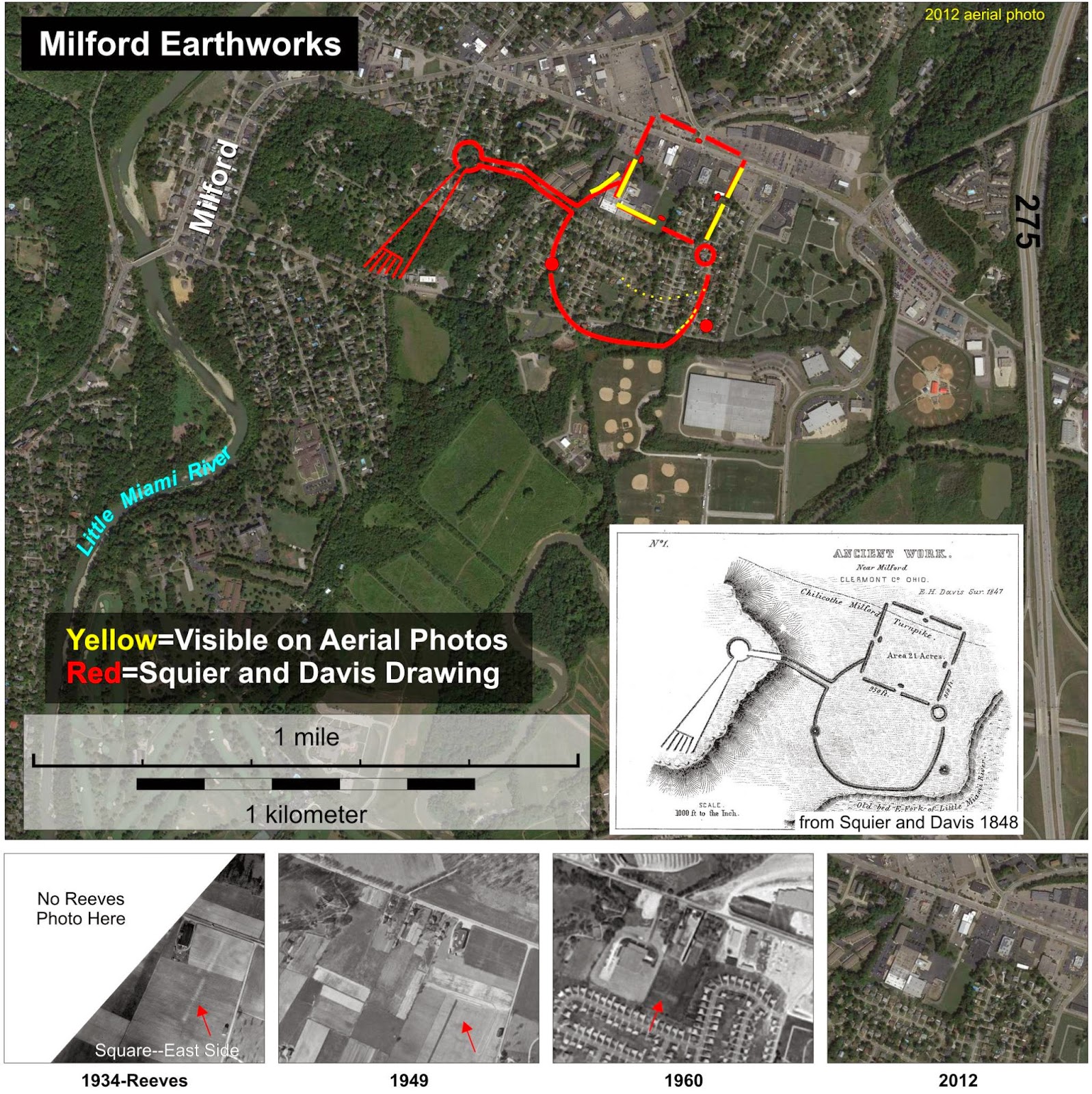
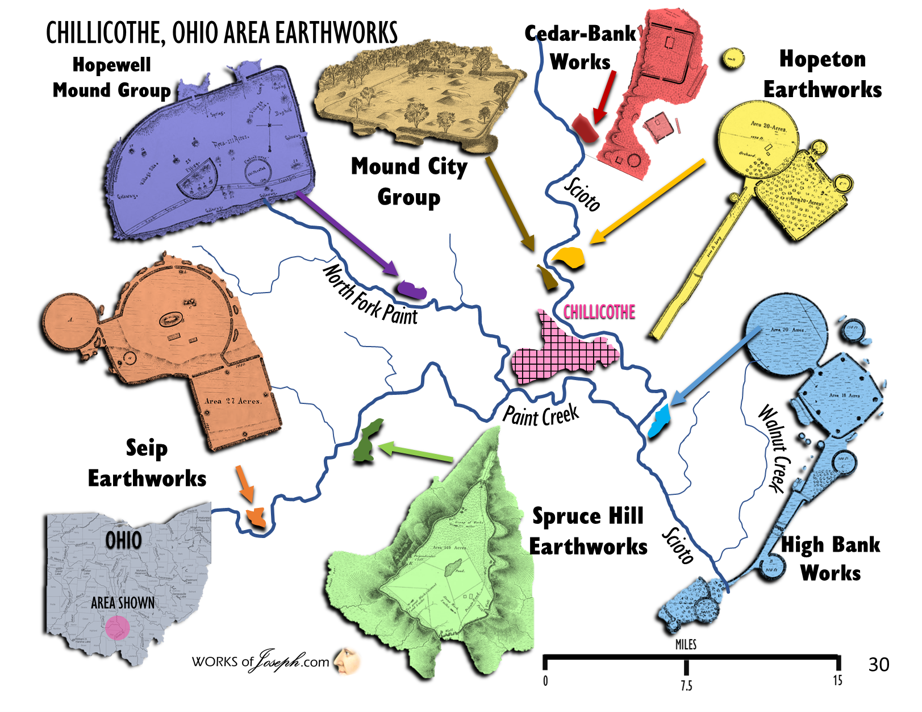 Propagated from an ancient introduction of cedars? Additionally, the earthwork appears to have had a graded way to the water feature. It also resembles very, very closely the constructions found in Marietta, OH, Cincinnati, OH, Havana, IL and what we know as the Zarahemla site across from Nauvoo. Keep in mind that upon the Savior’s coming the people would be practicing the law of Moses. Although the Newark works are wonderful at offering symbolism of the Plan of Salvation through its geometric, earthen constructions, so do likewise other geometric construction’s in Ohio and opposite Portsmouth in Kentucky. These constructions were likely built or ‘added upon’ (from earlier constructions) after the Savior’s coming and teachings. Anthony George, Lifelong Chillicothe Resident & Archeological Researcher (For points 1-5 see page 2)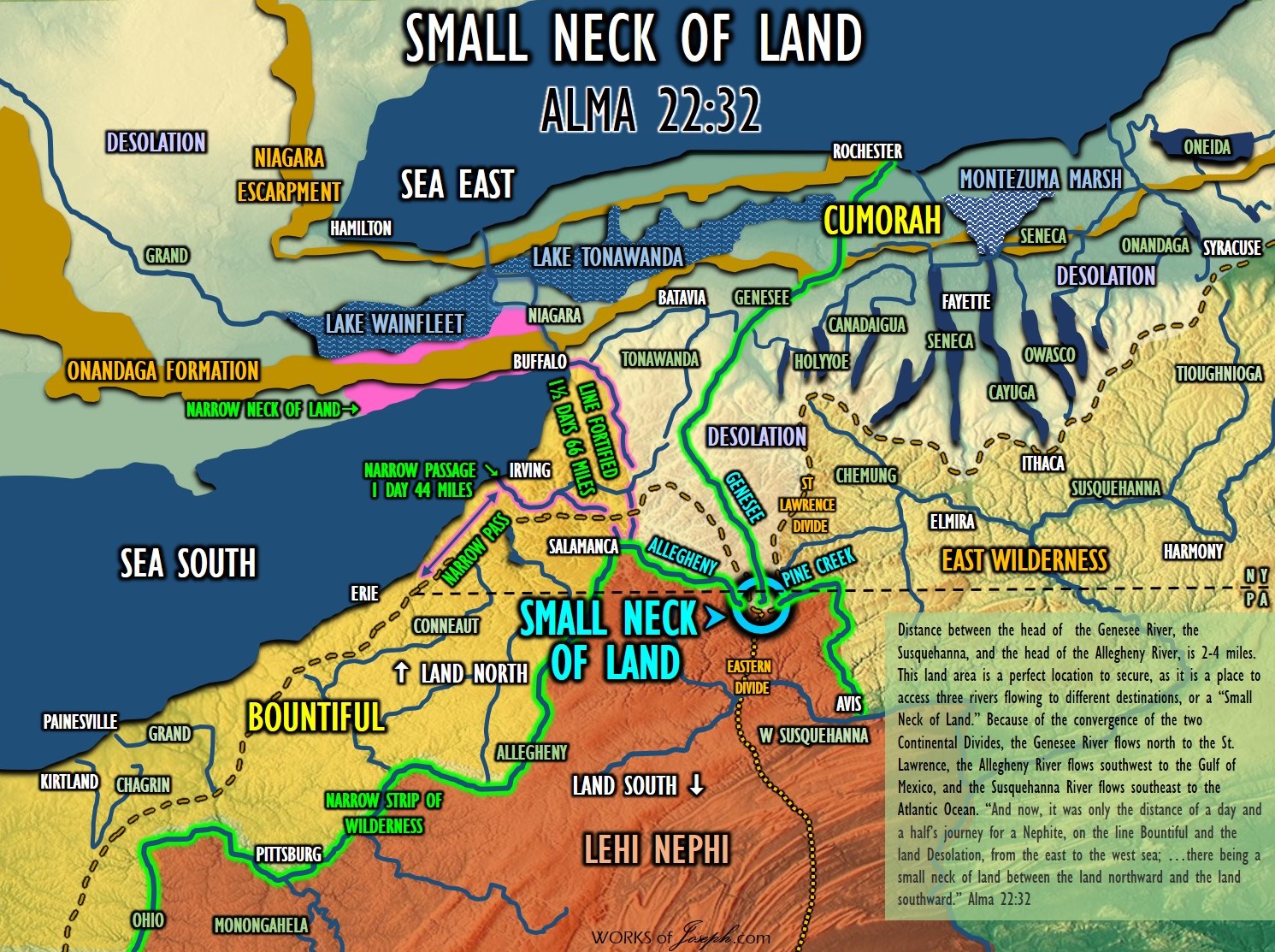
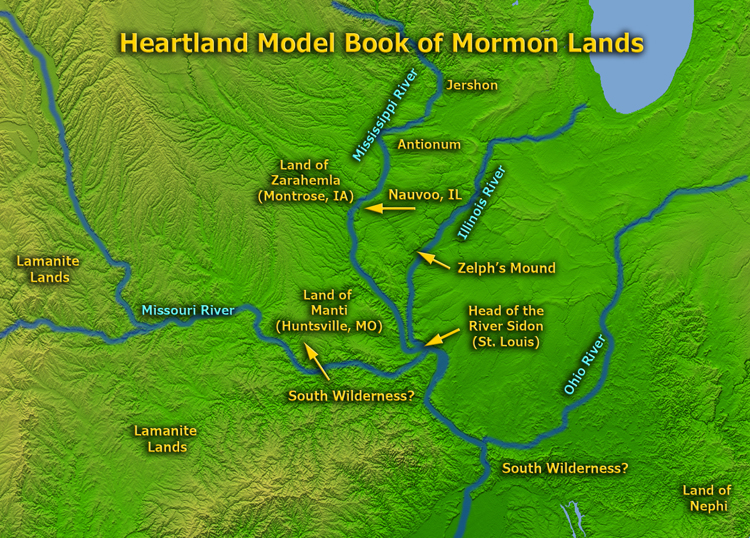 “James Dutcher, in June 1987, received permission from Elizabeth Cooperrider, the owner, to excavate the stone mound… He measured the mound at 129 feet east to west and 110 feet north to south, with the highest point being 12 feet. Using a backhoe, he removed large portions of stone from the center of the mound, excavating a trench 30 feet by 10 feet on the northwest side of the stone mound. In the trench he found a fire hearth and a layer of charcoal on thirteen flat stones; four post molds were also located. The charcoal was sent to Beta Analytic in Florida in January 1988 for radiocarbon dating, and the results produced a date of 2220 ± 50 b.p., which translated to a date of ca. 270 b.c., suggesting a late Adena or early Hopewell period structure”. Glenford Stone “Fort” and Other Stone Constructions in Ohio and Beyond Norman Muller NEARA Journal, 2010
 The Newark Works, built between 100 B.C. – 500 A.D. is the largest surviving Hopewell earthwork complex in North America and originally encompassed more than four square miles. Taken as a whole, the earthwork symbols appear to represent a fundamental understanding of the essential elements of the Plan of Salvation:

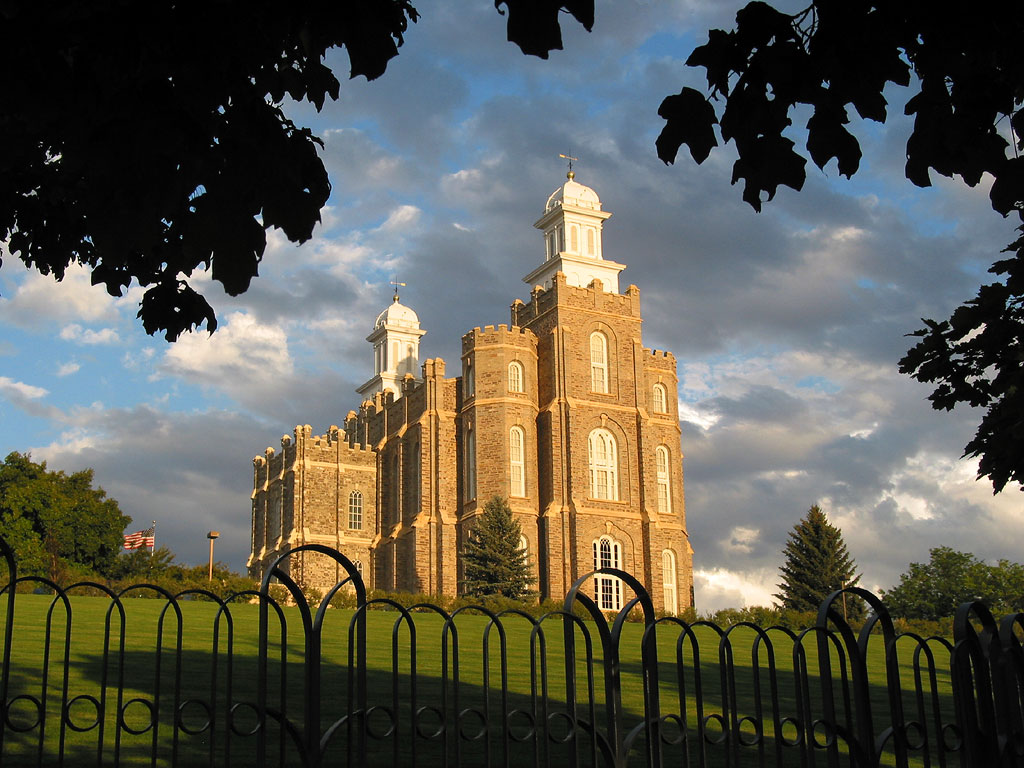
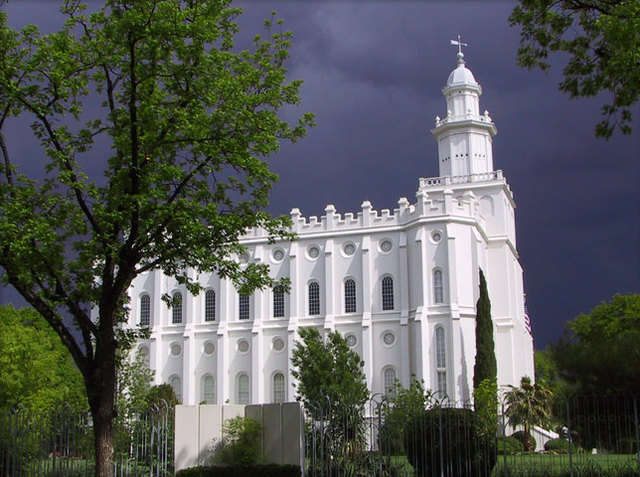 A Most Hallowed and Beautiful Site Manti Utah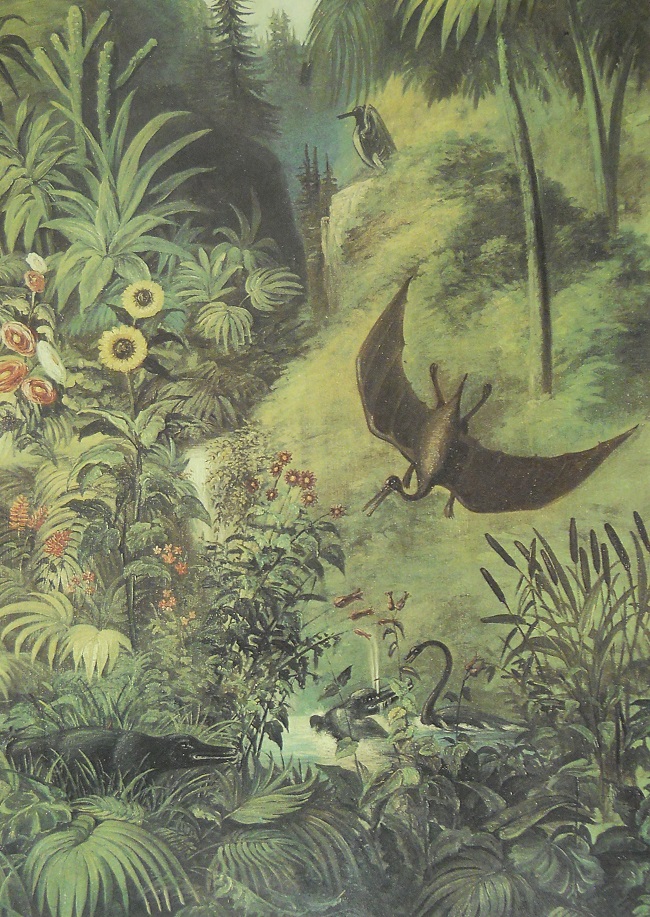
 On the map “land Bountifull [sic]” is listed in “Sentral [sic] America.” The cartographer wrote “starting point” below the reference to Central America. Above the “land Bountifull” is “Sand hills in south part of Arizona,” and above it to the left is “Salt Lake.” To the right is “Independens, Jackson Co, Mo.” and above that is “Adam on Diamon, Davis Co, Mo.” To the right of that is “Nauvoo, Hancock C.Ill.” Below that is “Mound Kinderhook, Pick, Co, Ill, 6 Plates Bell shape were found” (were was was on one copy). Then to the right and above that is “Kirtland, Ohio,” and to the right of that is “Commorre [Cumorah], N.Y.” Below this on the right-hand side of the map is written: “Moroni’s Travels starting from Sentral America to the Sand hills Arizona then to Salt Lake U[tah], T[erritory], then to Adam on Diammon Mo, then to Nauvoo, Ill, then to Independence Mo, then to Kirtland Ohio then to Cumoro NY.”